

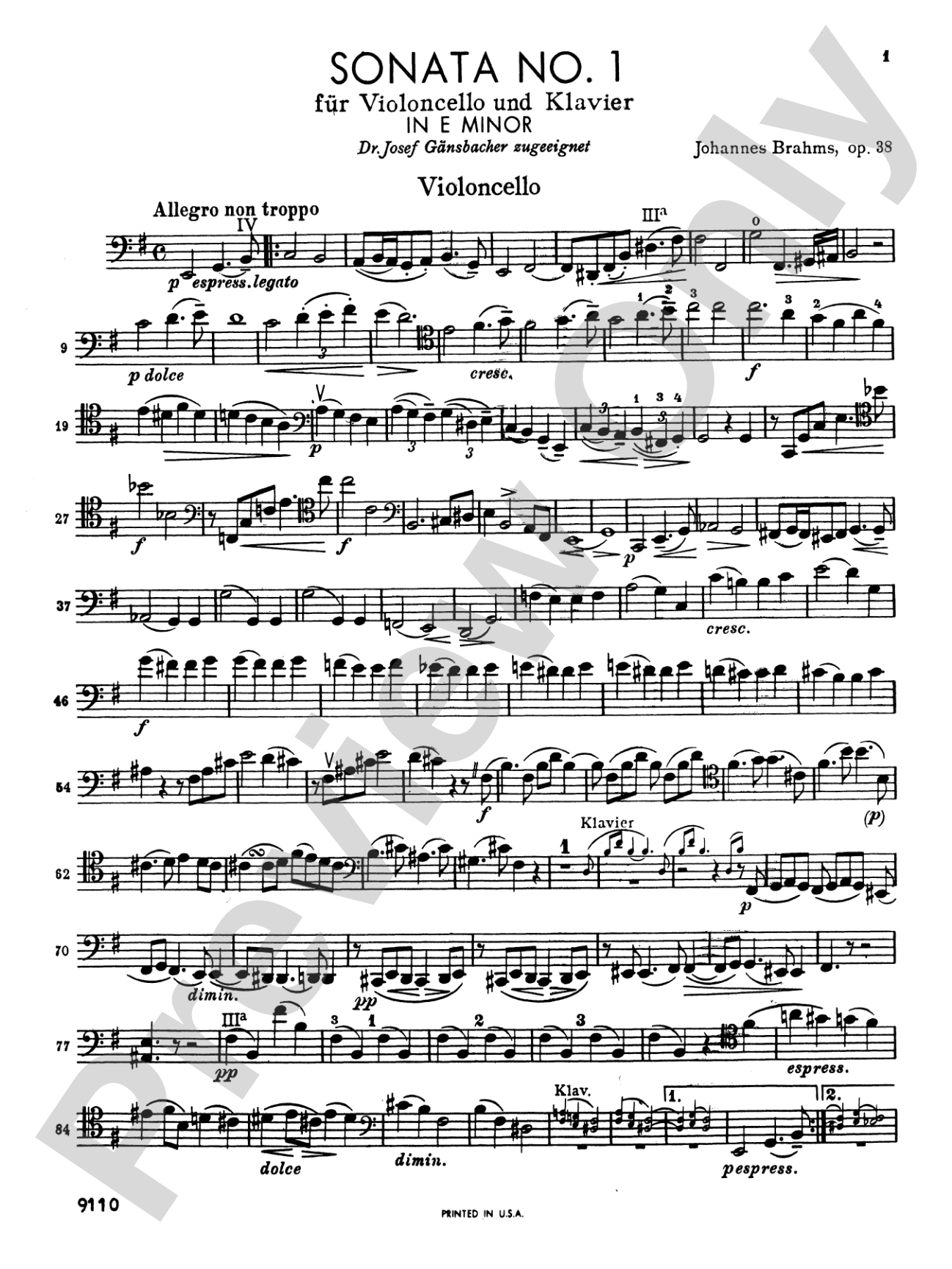
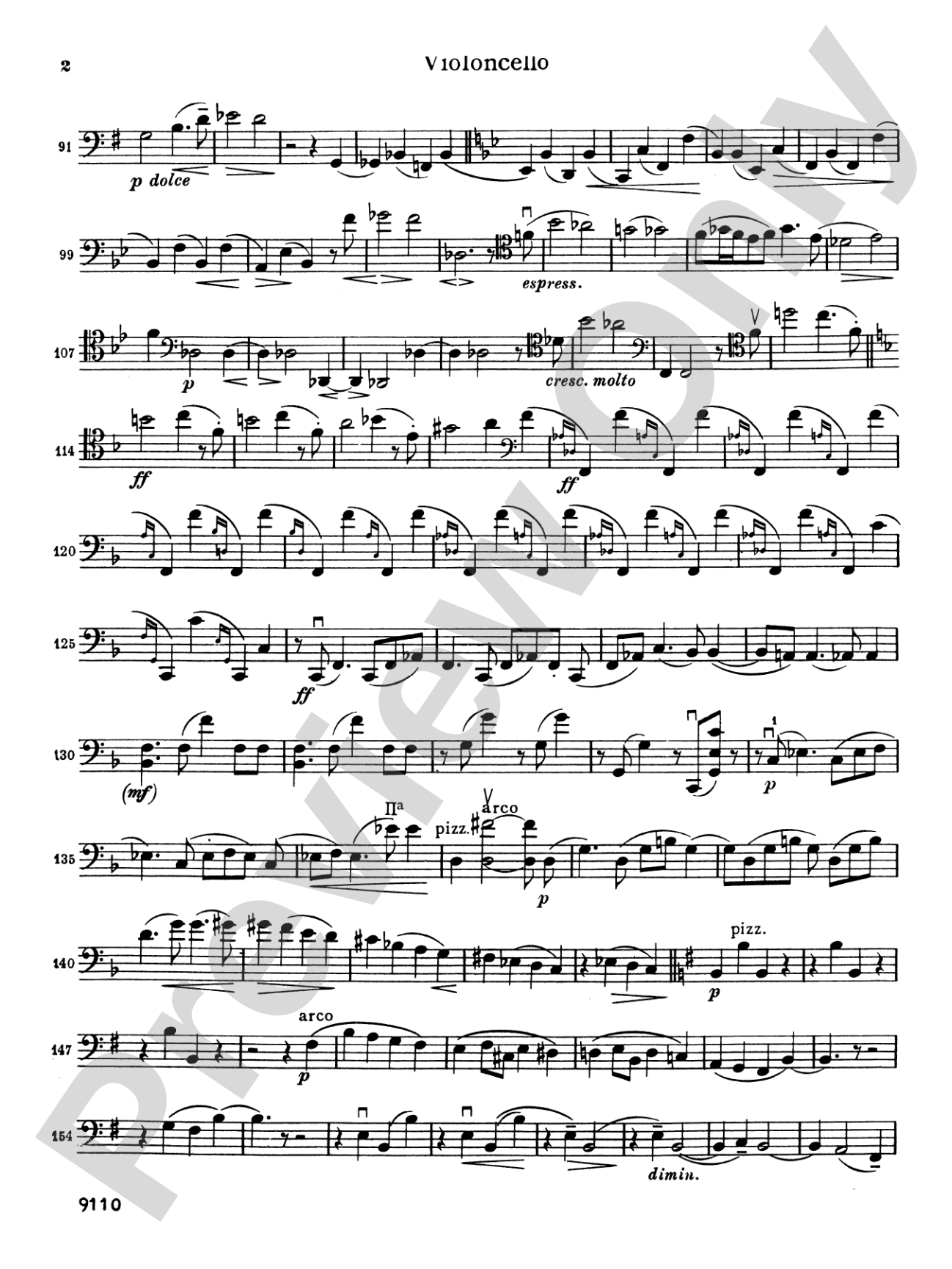
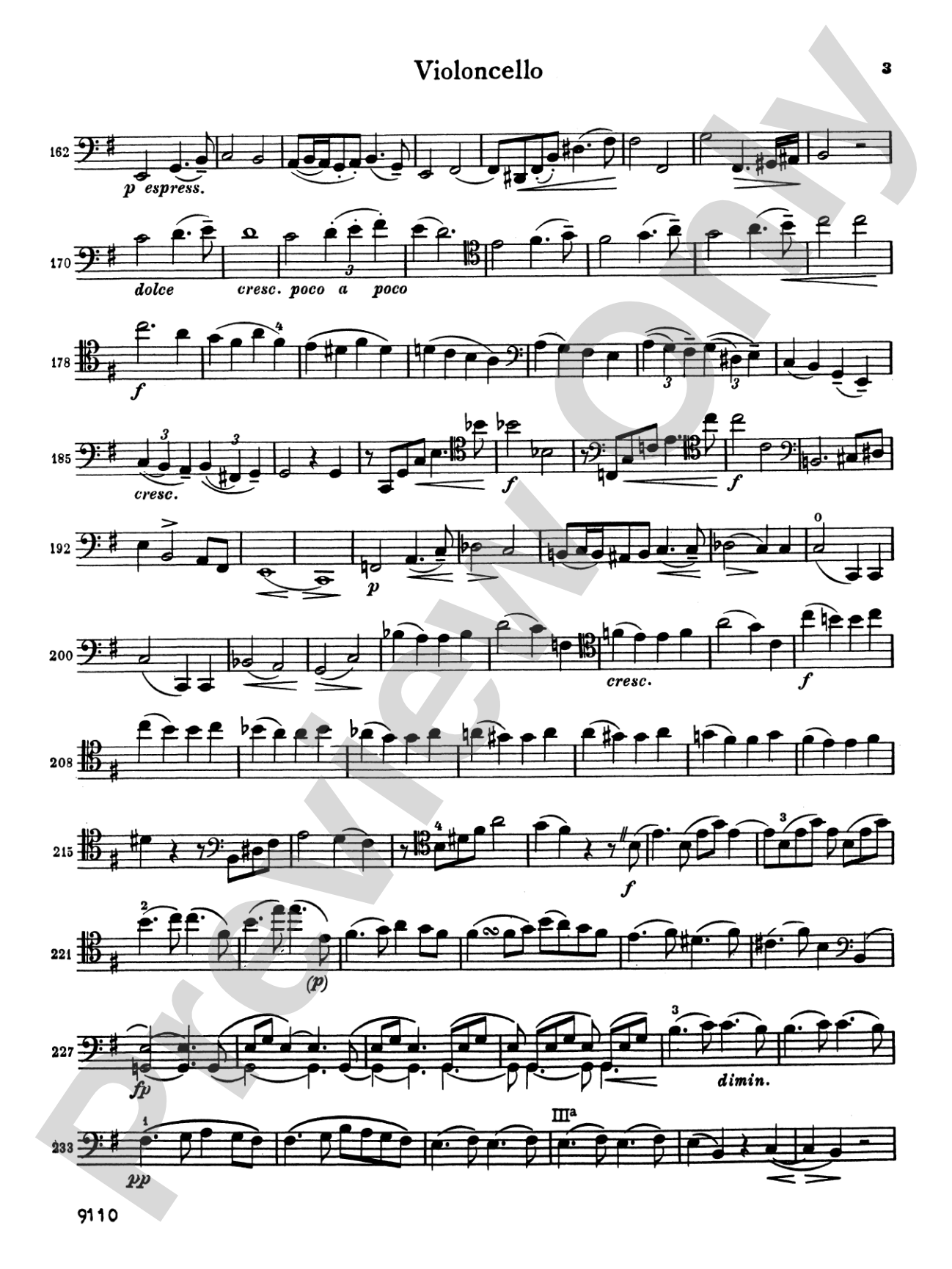
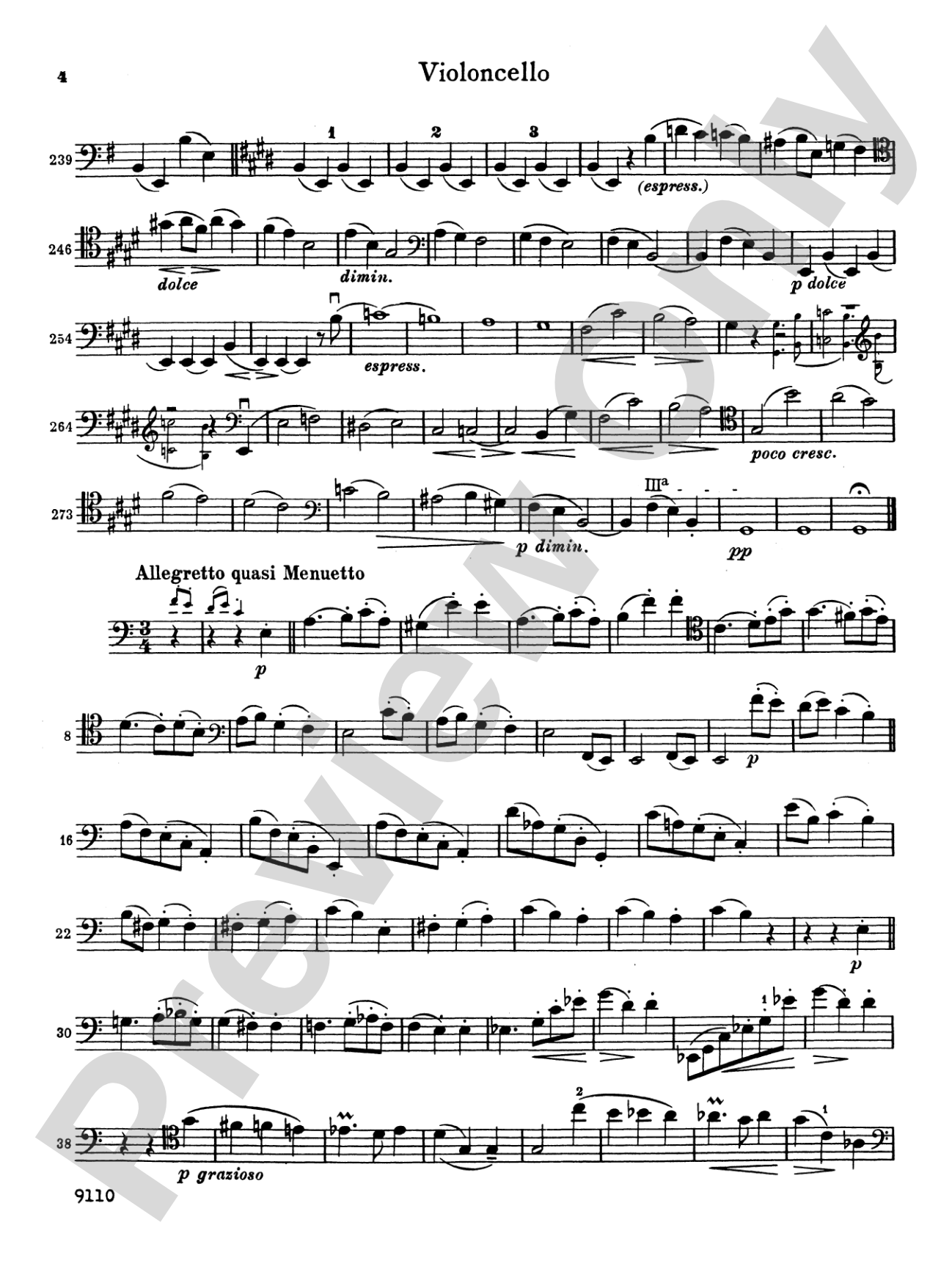
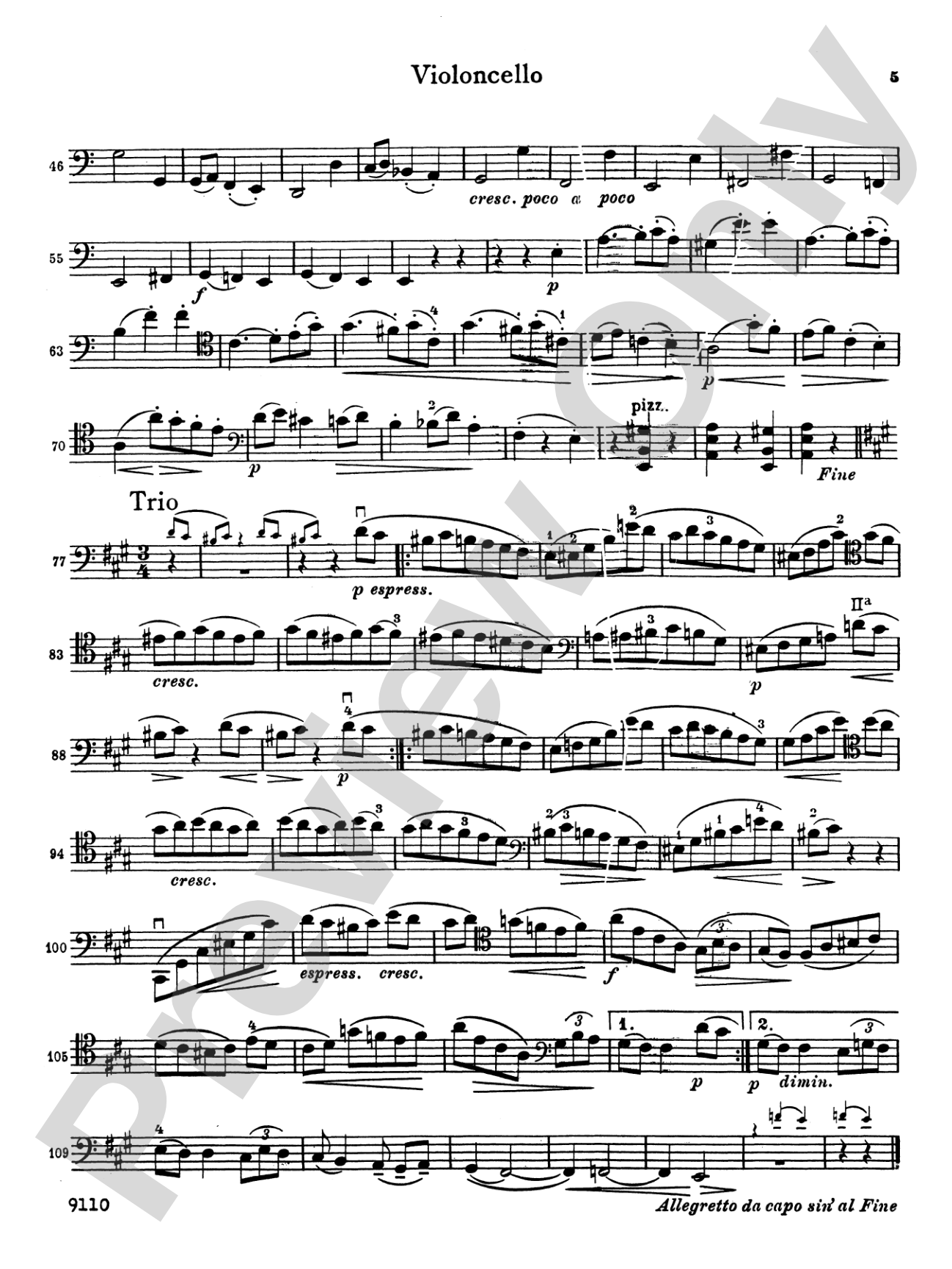
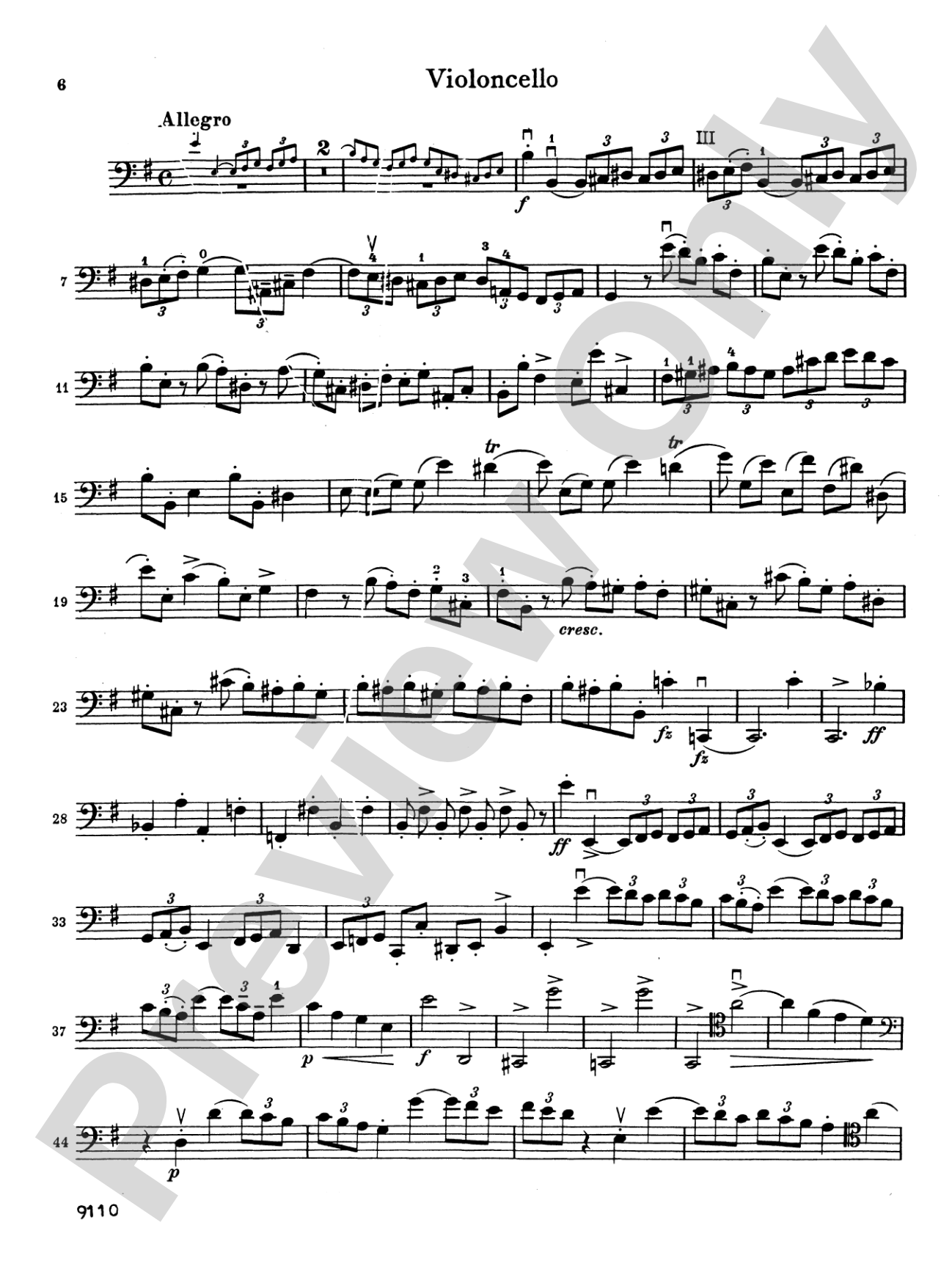
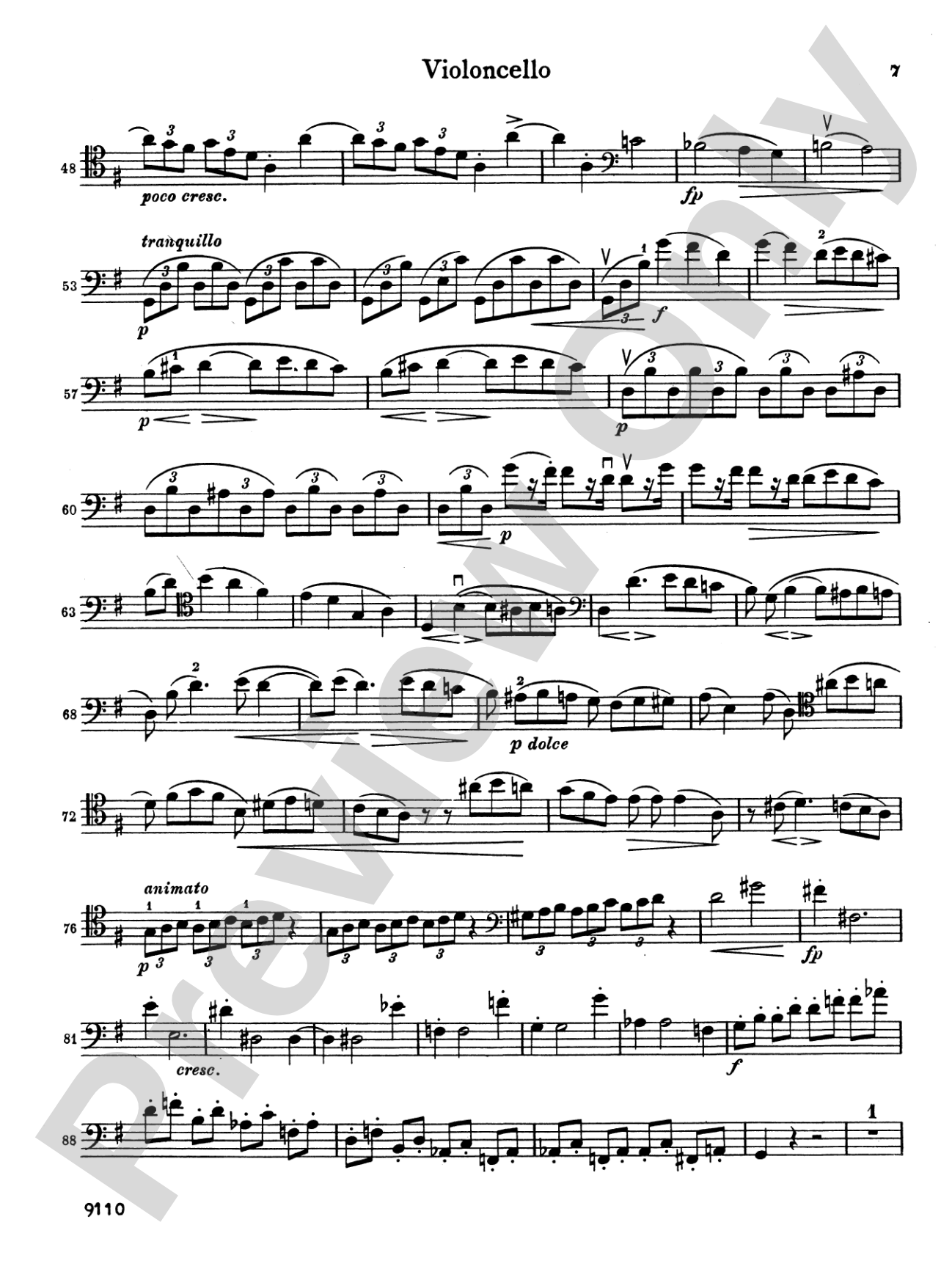
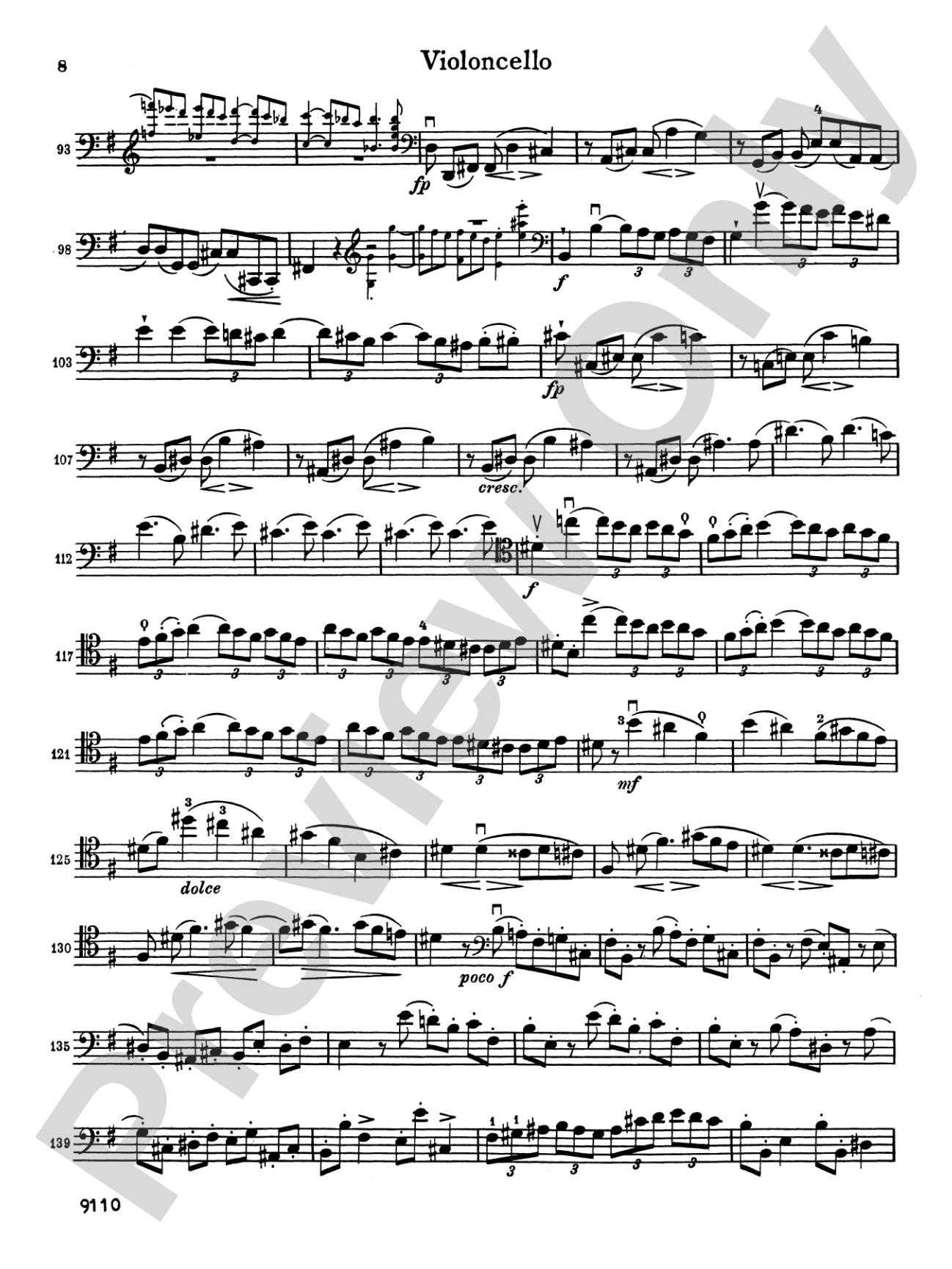
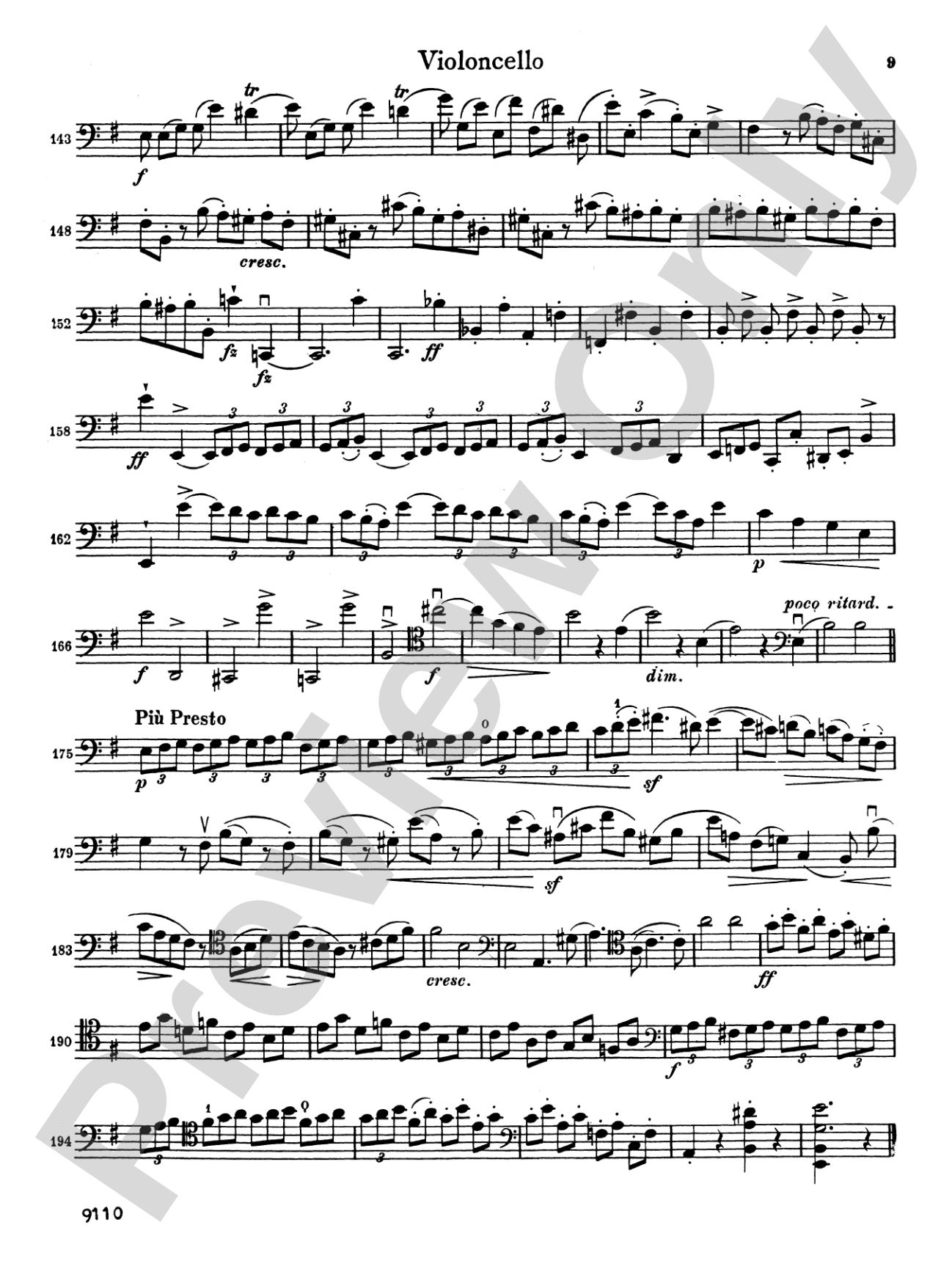


Brahms: Sonata No. 1 in E Minor, Op. 38: Cello Book
By Johannes Brahms
Item: 00-PK-0003684

$11.99
Pickup currently not available
Buy Extra Parts (Digital PDF Download)
| Product | Price | Quantity |
|---|---|---|
| Brahms: Sonata No. 1 in E Minor, Op. 38 | $4.99 | |
| Brahms: Sonata No. 1 in E Minor, Op. 38 | $4.95 |
Parts Added to Cart!
Related Items
Sonata No. 1 in E Minor, Opus 38: Cello Book |
$11.95
|
View |
Description
A Cello solo with Piano Accompaniment composed by Johannes Brahms.


Don't just read it, hear it, play along with it, and watch your students grow with it. In MakeMusic Cloud, Brahms: Sonata No. 1 in E Minor, Op. 38: Cello Book comes alive with professional accompaniment, adjustable tempo, and built-in practice tools that turn solo practice into real progress.
Open in the Player
Jump straight in and assign it today.
Start Your Free Trial
Open this title and explore the full library in minutes.
Sample Audio
No sample audio found.
Sample Video
No sample videos found.
Additional Details
Series:
Kalmus Edition
Publisher:
Alfred Music
Page Count:
48
SKU:
00-PK-0003684
More about this title
About the Composer: Johannes Brahms
Johannes Brahms (1833-1897) stands as one of the towering figures of nineteenth-century music, a composer who balanced deep reverence for Classical form with the expressive ambitions of Romanticism. His four symphonies, concertos, and chamber works remain cornerstones of the repertoire, performed and studied worldwide. The Cello Sonata No. 1 in E Minor emerged from his mature period and represents his mastery of the cellist's voice, written with intimate knowledge of the instrument's character and technical possibilities.
Brahms's two cello sonatas are among the most significant works in the solo cello literature. They demand not only technical facility but emotional depth and interpretive maturity. For serious cellists and advanced students, these sonatas offer a lifetime of musical discovery.
Why we love this
This sonata's architecture remains compelling because Brahms refuses easy sentiment; the E minor tonality darkens even the lyrical passages, and the formal rigor keeps players intellectually engaged across all three movements. Contest and festival adjudicators recognize it immediately as a marker of serious musicianship, making it an excellent choice for students preparing for upper-level competitions. The writing balances virtuosity with the deeply singing quality that has made Brahms's chamber music endlessly rewarding for performers.
What to expect
The E minor opening arrives with urgency and introspection simultaneously, setting a tone of restless searching that persists through the work's architecture. Brahms balances melancholic passages with moments of lyrical warmth, creating a sonata that feels both intellectually rigorous and deeply felt. The work breathes with the gravitas of late Romantic introspection while maintaining the Classical clarity that defines Brahms's style.
Who it's for
Advanced cellists preparing for competitions, recitals, or degree-level study will find this sonata essential. Music students seeking to deepen their understanding of Romantic-era chamber writing and formal sophistication benefit from both performing and analyzing this work. Advanced high school cellists and college-level musicians ready for repertoire beyond student-oriented collections are the primary audience.
How to get the most out of it
- Shape the opening theme with a singing, almost vocal phrasing; the cello line should breathe like a sustained melodic statement rather than a technical display.
- Balance the relationship between cello and piano carefully in the first movement. The piano is not merely accompanying; Brahms gives it substantial thematic material and the two voices must engage in genuine dialogue.
- In the Adagio, resist the urge to over-pedal on the piano part. Clarity of texture serves the movement's introspective character better than a wash of sound.
- Approach the final Allegro with rhythmic precision while maintaining the warmth established in earlier movements. The sprint toward the conclusion should feel inevitable rather than rushed.
How to use it
Program this alongside other Romantic cello works to demonstrate the breadth of the era's chamber repertoire, or pair it with Brahms's Cello Sonata No. 2 in F Major if your cellist is prepared for a full Brahms evening. It makes an excellent centerpiece for a recital dedicated to nineteenth-century sonata literature. As a competition piece, it carries significant artistic weight and appeals to adjudicators evaluating artistic maturity and interpretive depth.
Skills your students will build
- Sustaining long melodic phrases with consistent tone across position shifts
- Balancing solo and accompaniment roles within a dialogue-based texture
- Reading and interpreting Brahmsian harmonic language and formal structures
- Executing rapid passagework while maintaining the expressive character of the movement
- Collaborating with a piano partner to create ensemble unity in chamber music
- Understanding the dramatic arc of a three-movement sonata form