
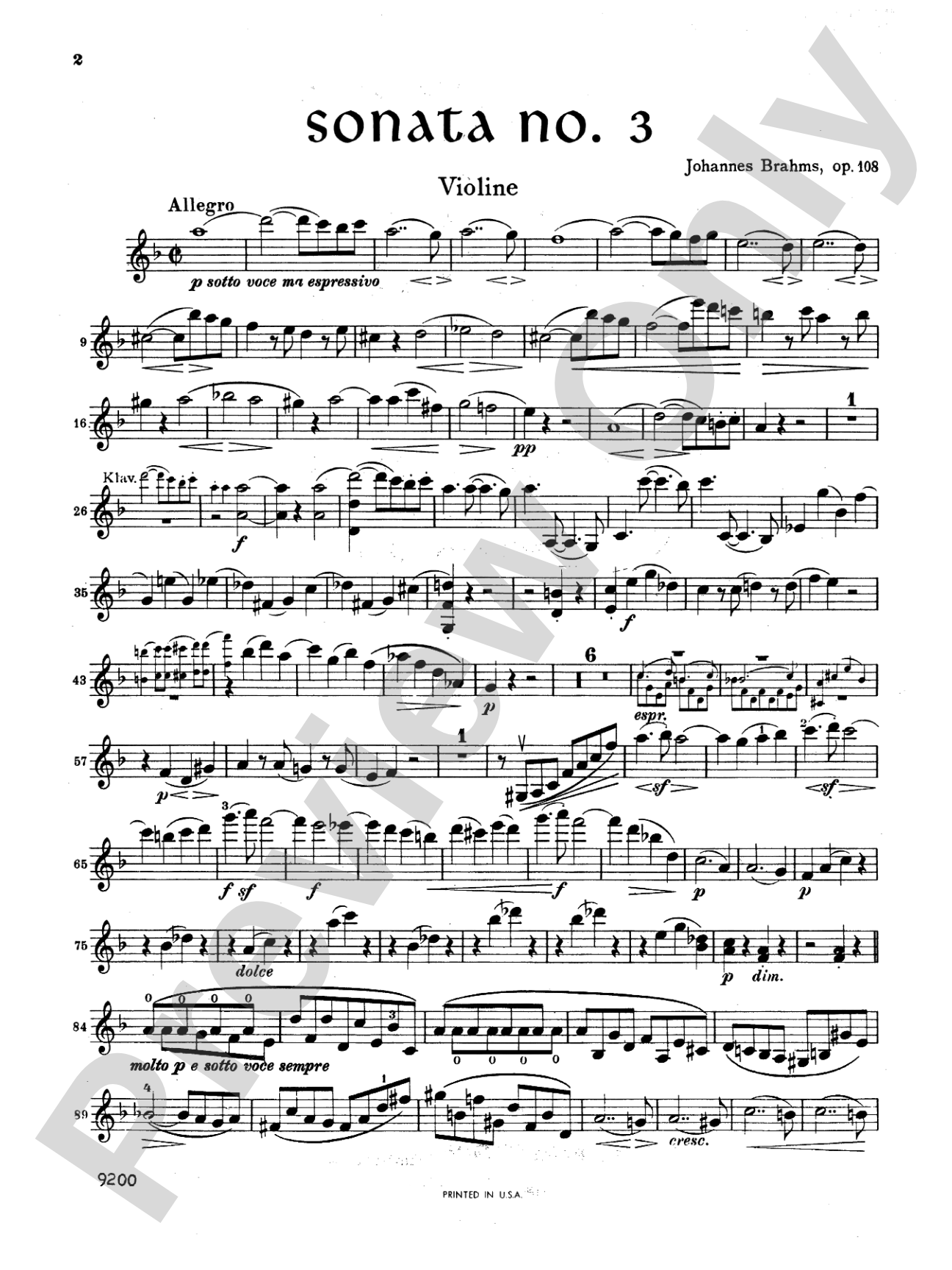
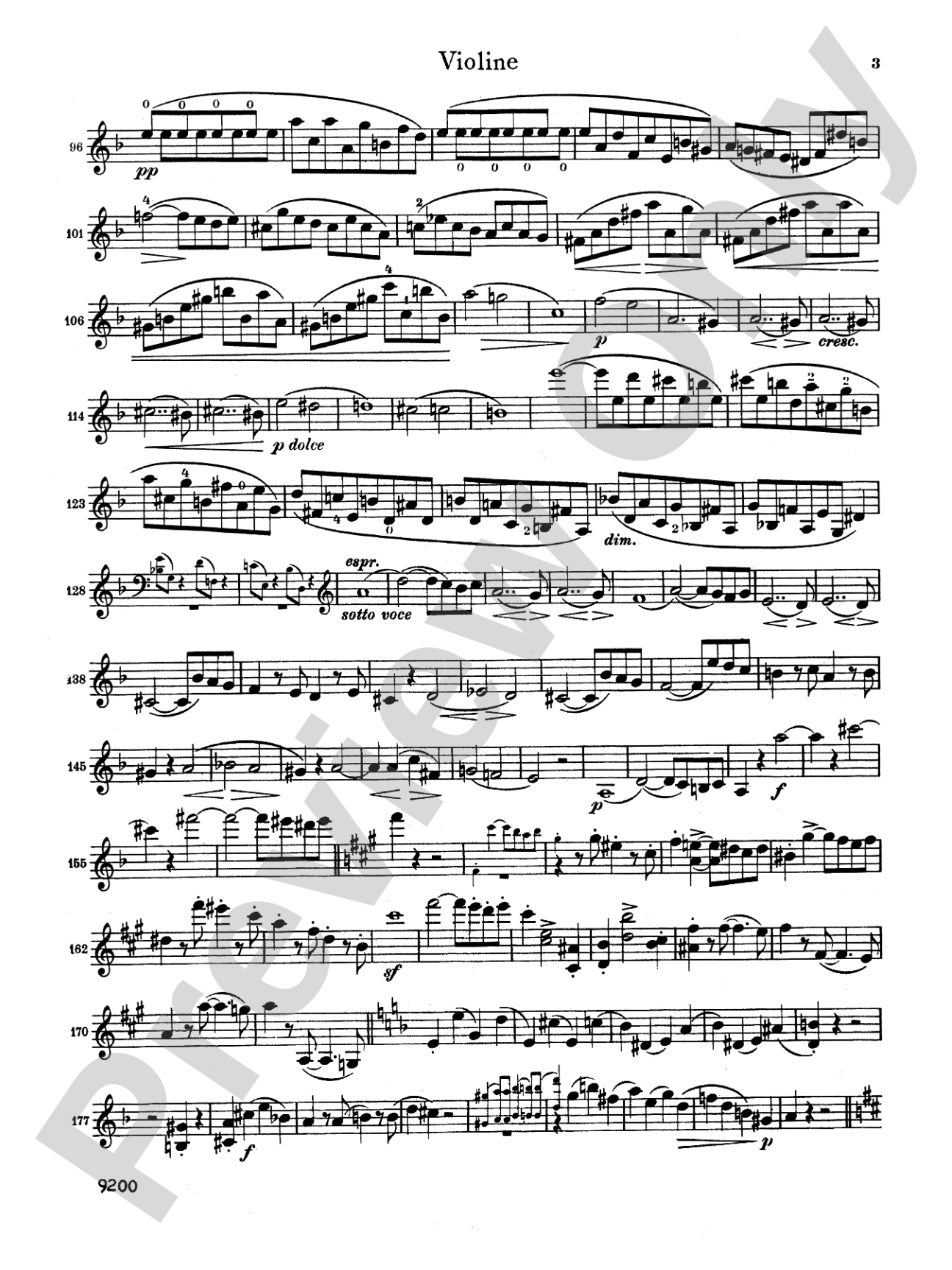
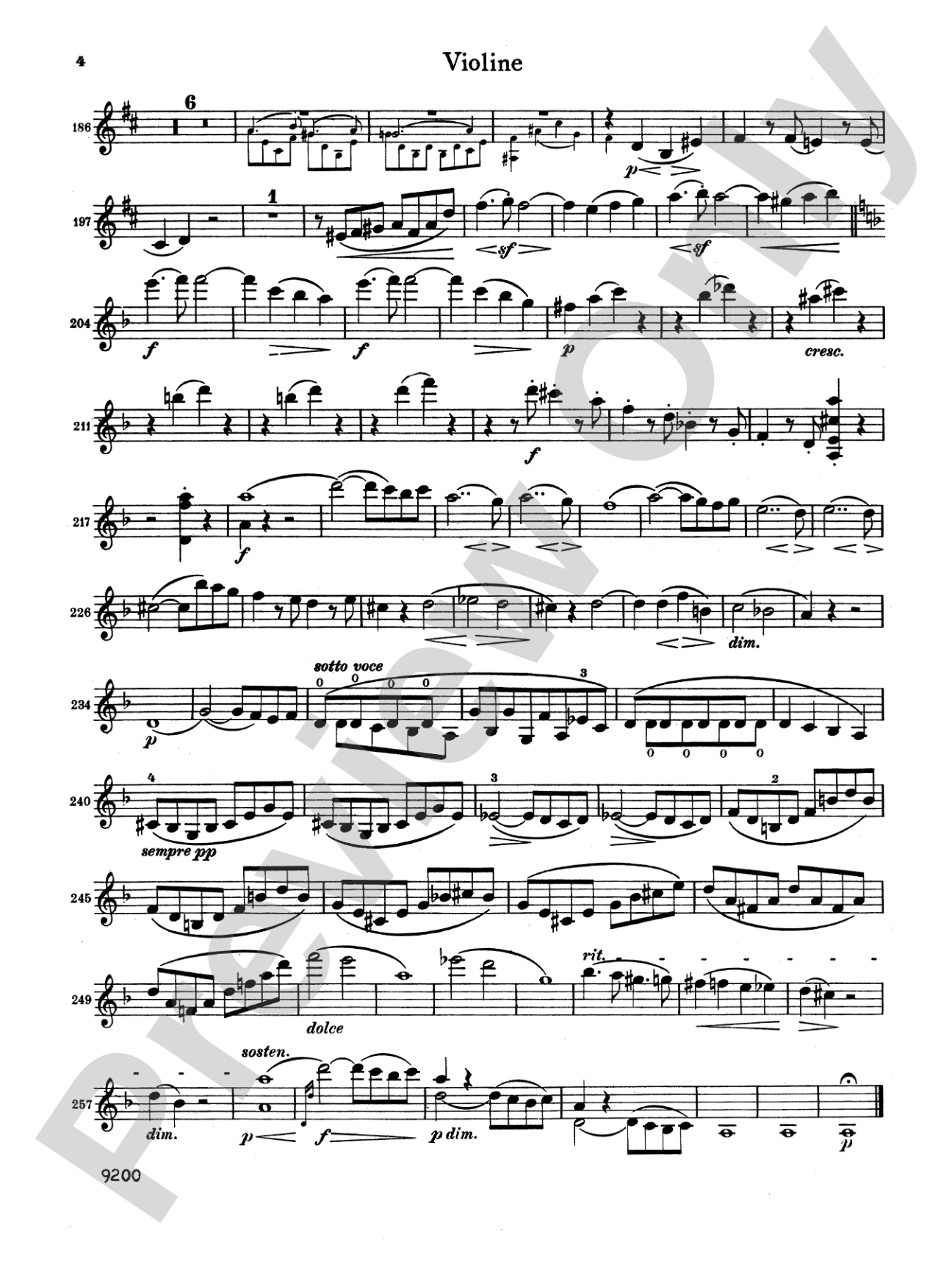
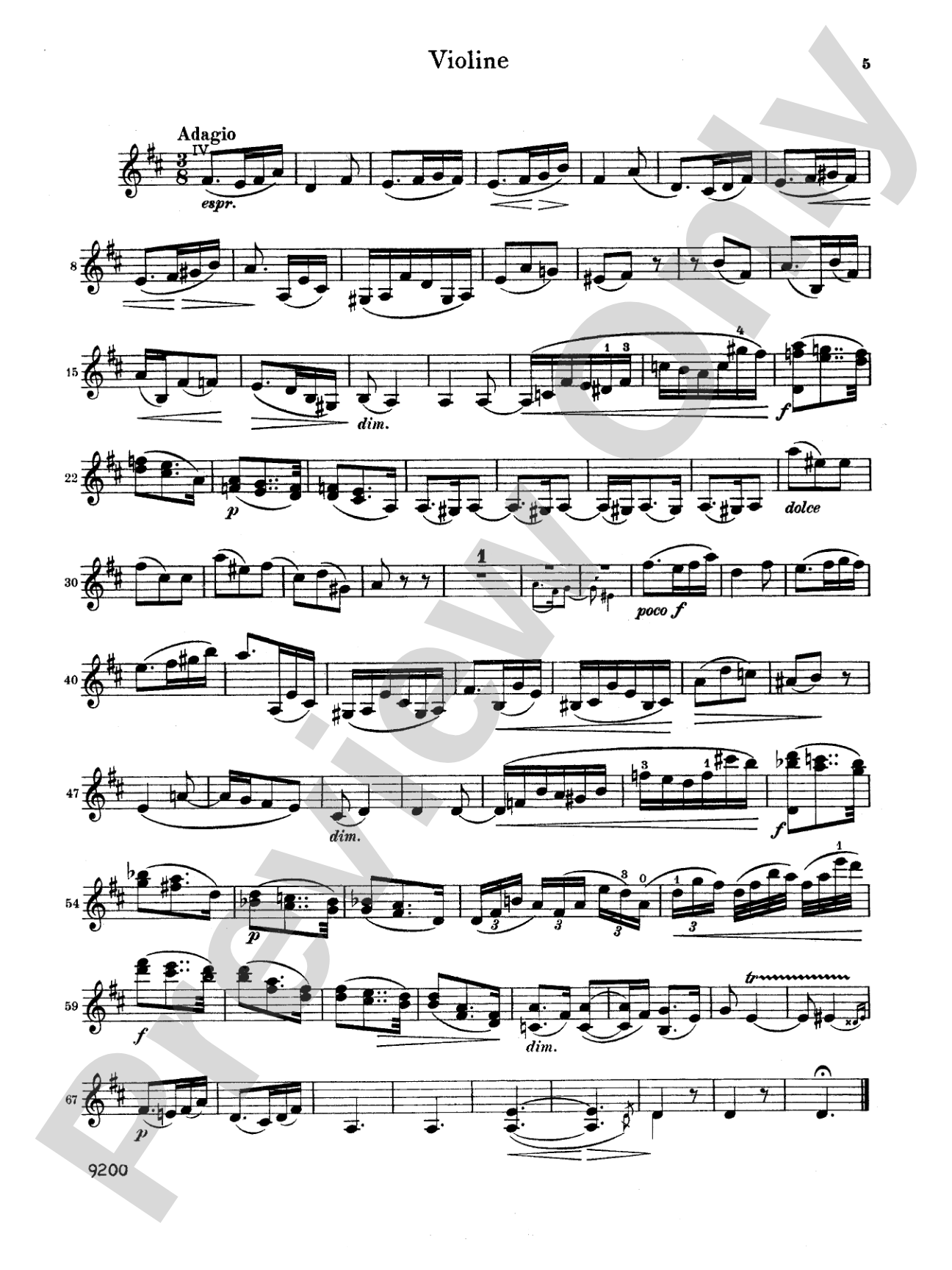
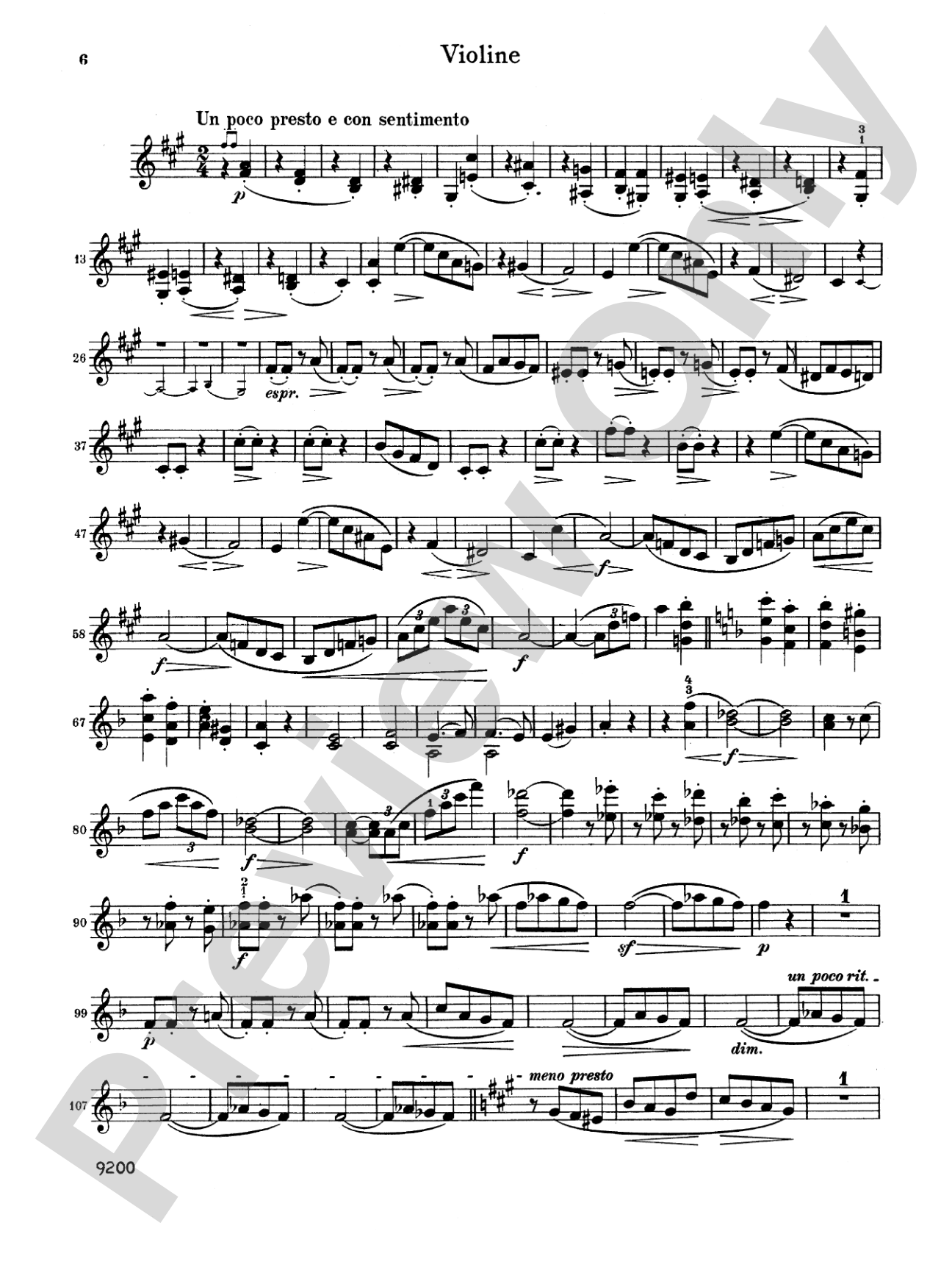
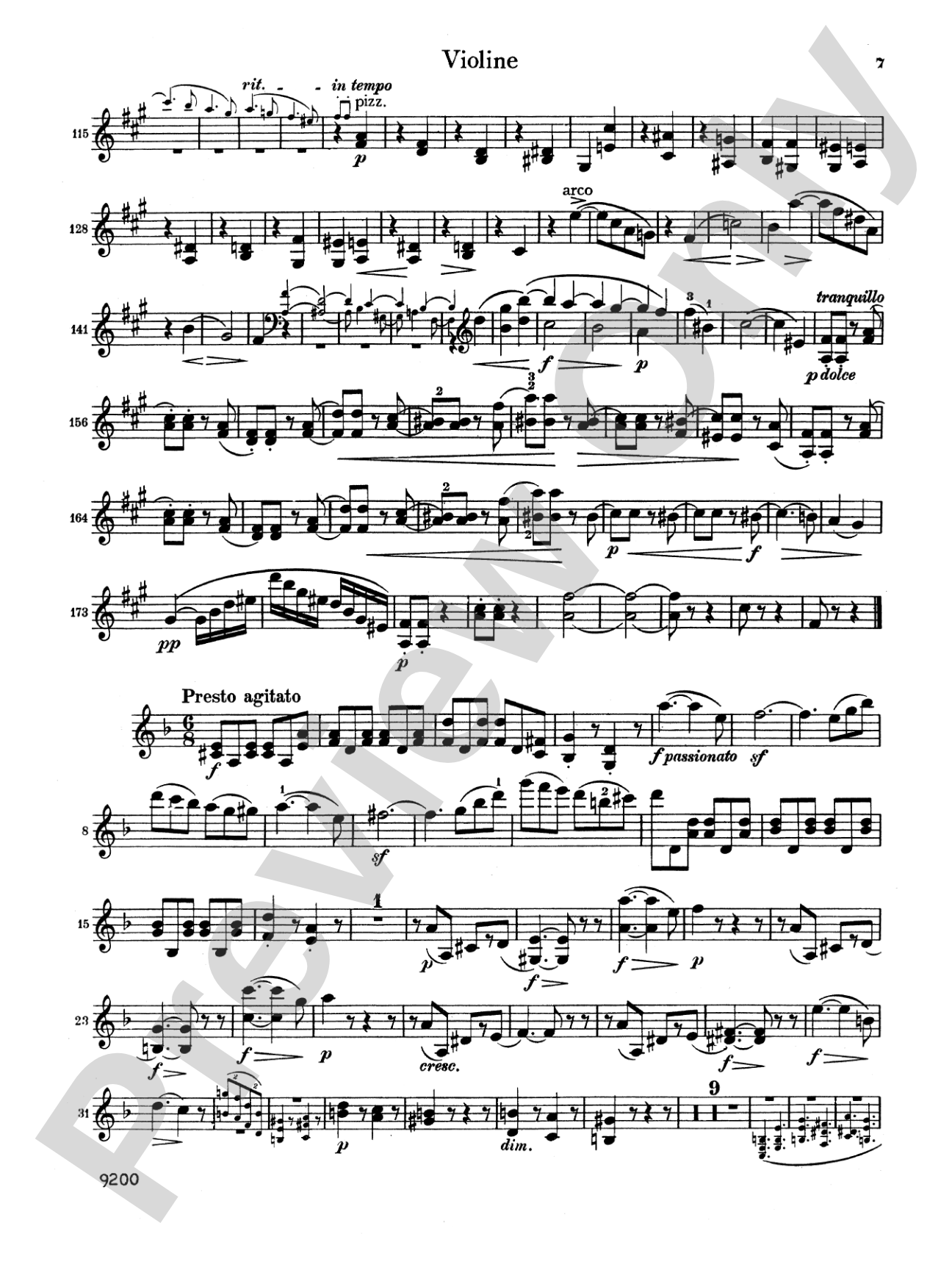
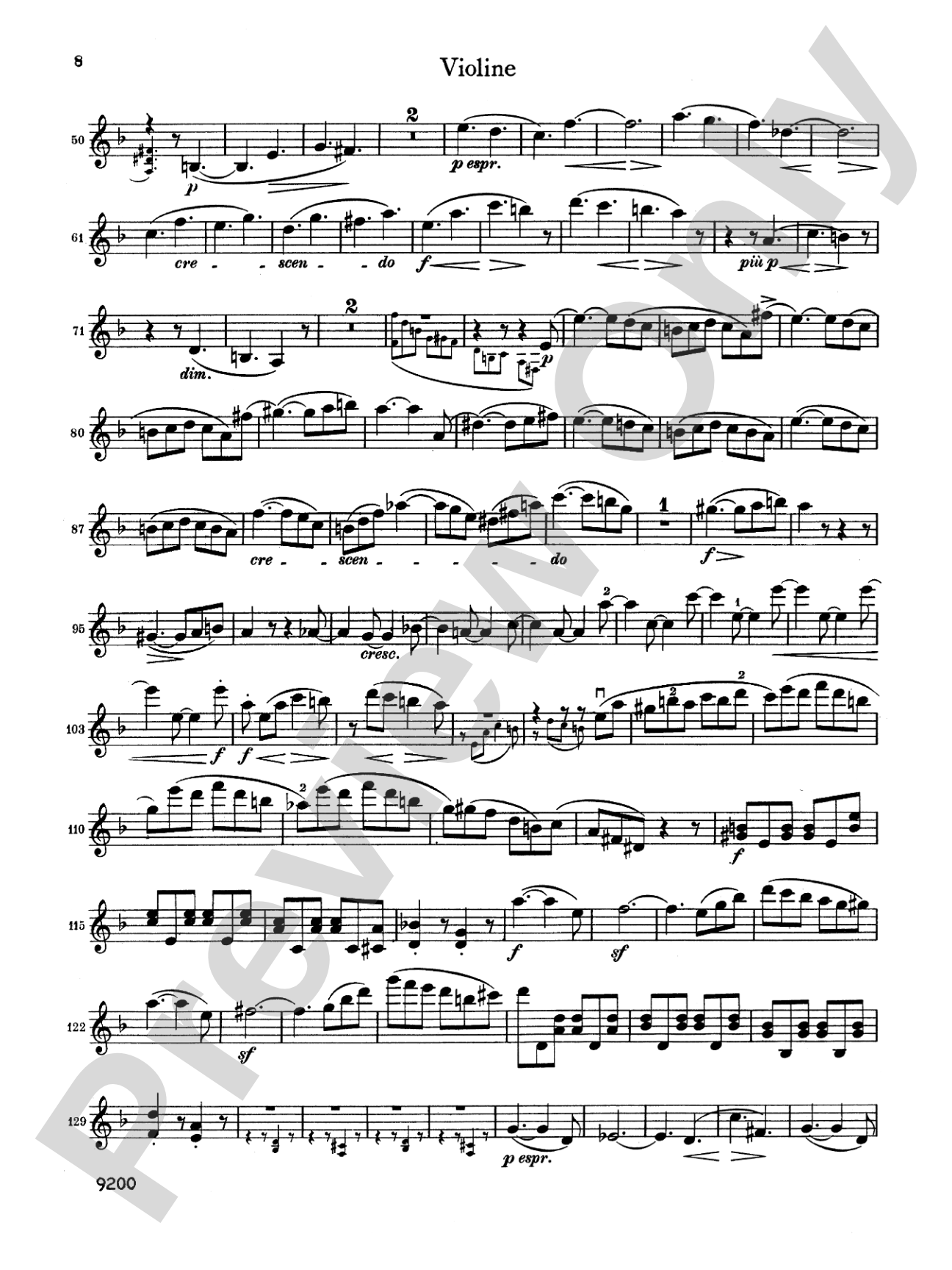
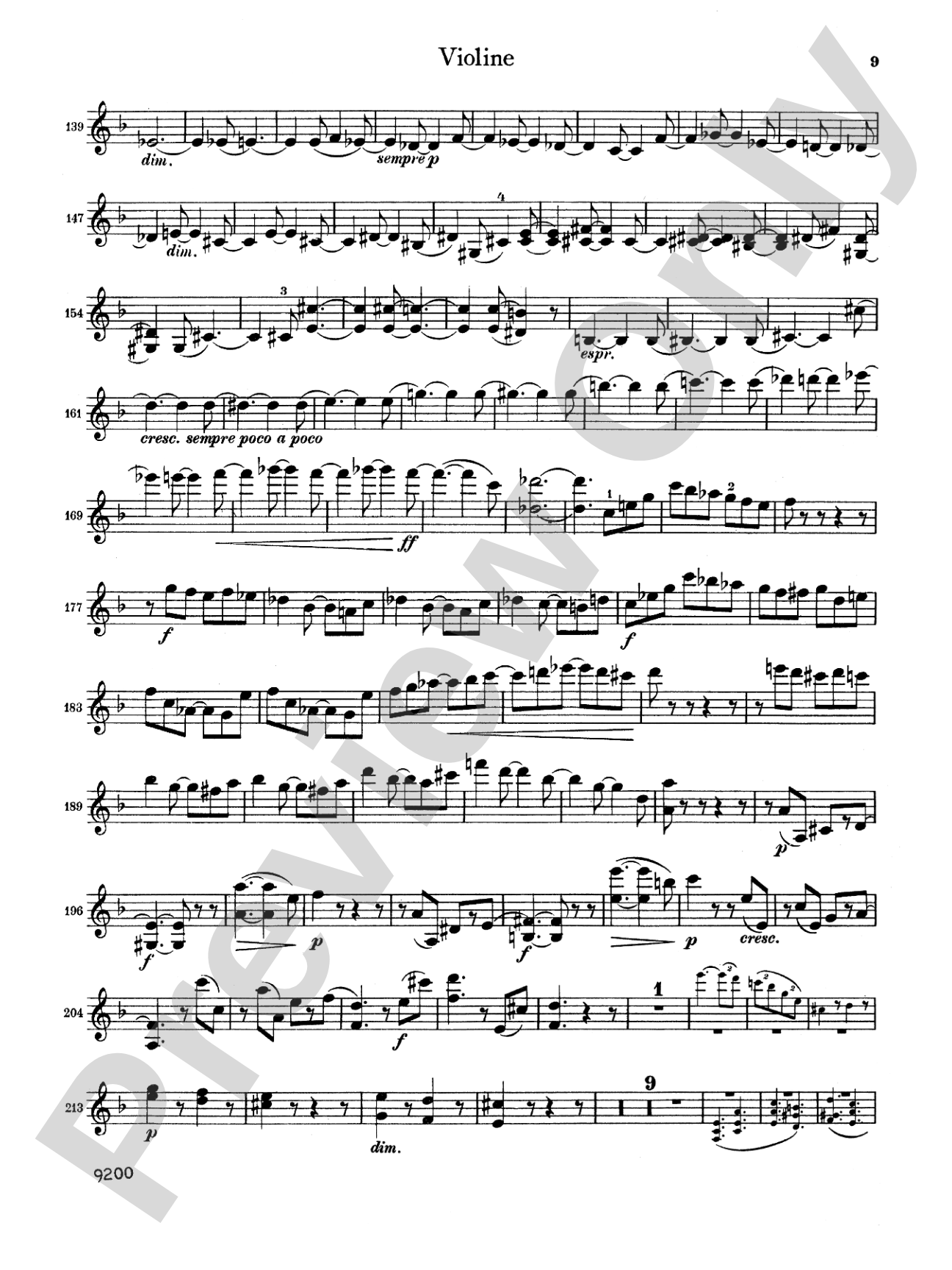
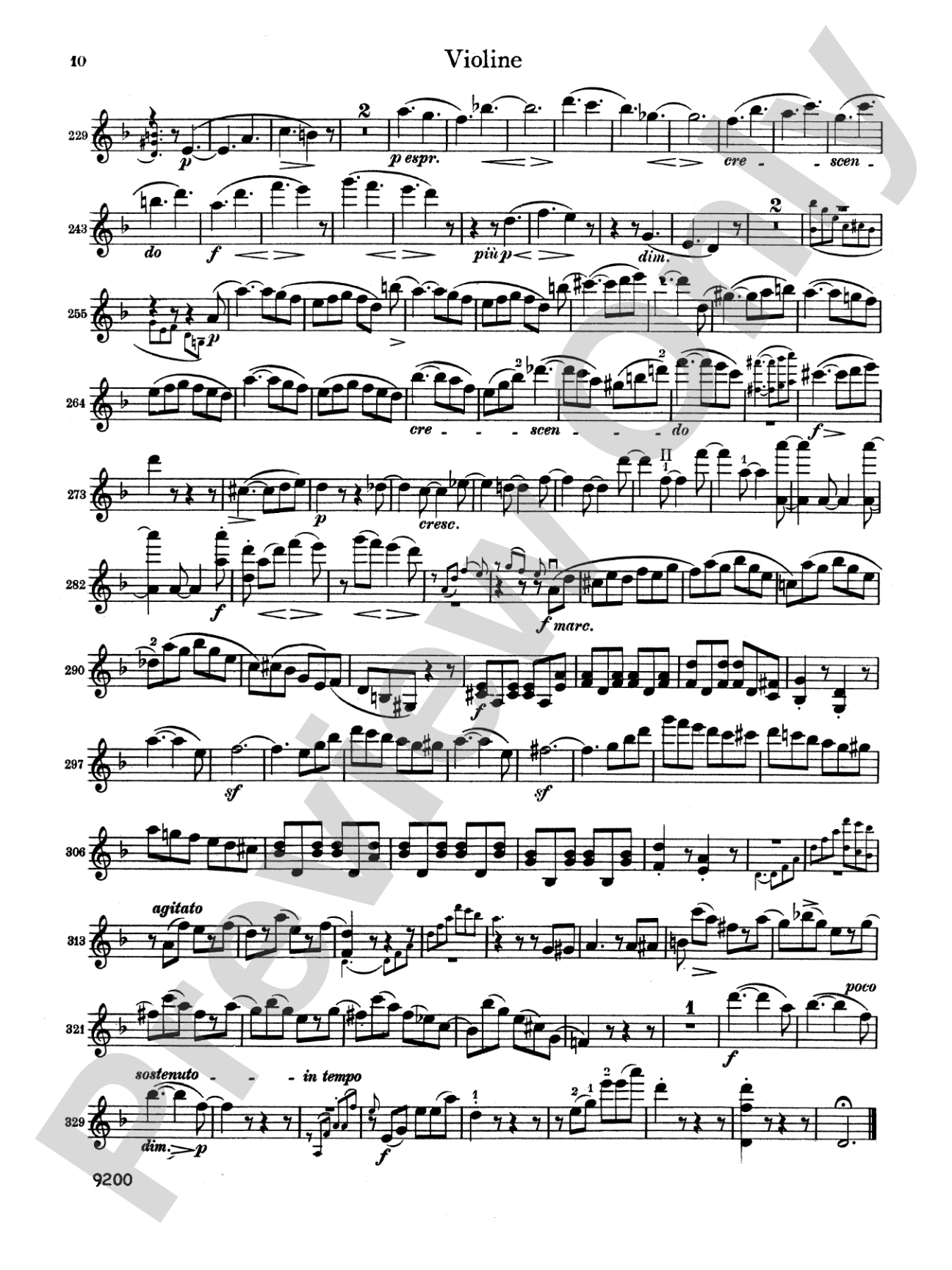



Brahms: Sonata in D Minor, Op. 108: Violin Book
By Johannes Brahms
Item: 00-PK-0003703

$9.99
Pickup currently not available
Buy Extra Parts (Digital PDF Download)
| Product | Price | Quantity |
|---|---|---|
| Brahms: Sonata in D Minor, Op. 108 | $3.99 | |
| Brahms: Sonata in D Minor, Op. 108 | $3.95 |
Parts Added to Cart!
Related Items
Sonata in D Minor, Opus 108: Violin Book |
$9.95
|
View |
Description
A Violin solo with Piano Accompaniment composed by Johannes Brahms.


Don't just read it, hear it, play along with it, and watch your students grow with it. In MakeMusic Cloud, Brahms: Sonata in D Minor, Op. 108: Violin Book comes alive with professional accompaniment, adjustable tempo, and built-in practice tools that turn solo practice into real progress.
Open in the Player
Jump straight in and assign it today.
Start Your Free Trial
Open this title and explore the full library in minutes.
Sample Audio
No sample audio found.
Sample Video
No sample videos found.
Additional Details
Series:
Kalmus Edition
Publisher:
Alfred Music
Page Count:
36
SKU:
00-PK-0003703
More about this title
About the Composer: Johannes Brahms
Johannes Brahms (1833-1897) stood as a bridge between the Classical tradition and the expressive depths of Romanticism. A master of instrumental form, he composed with the rigor of Beethoven yet the emotional immediacy of his Romantic contemporaries, earning him a central place in the concert repertoire that endures today.
Brahms's chamber works, particularly his three violin sonatas, represent some of the most rewarding literature for serious string players. Written across different periods of his life, these sonatas demand both technical command and interpretive maturity, making them essential repertoire for advanced violinists.
Why we love this
This sonata sits at the intersection of technical brilliance and emotional weight, offering violinists a work that refuses easy answers. The D minor tonality and the architectural precision of Brahms's writing create a piece that rewards deep practice and reveals new layers with each performance, making it equally powerful in recital or competition settings.
What to expect
Brahms's D minor sonata unfolds with the gravity of a philosophical argument. The opening theme carries both questioning and assertion; the work moves through passages of intimate lyricism and moments of urgent, propulsive energy. There is no sentimentality here, only the complex emotional landscape of a mature artist grappling with memory, longing, and resolution.
Who it's for
Advanced violinists preparing for major competitions, auditions, or recitals will find this sonata essential. It demands secure technique, interpretive sophistication, and a collaborative partnership with a pianist of comparable skill. This is repertoire for players ready to engage with one of the Romantic era's most substantive works for violin and piano.
How to get the most out of it
- Attend carefully to the interplay between violin and piano; this is dialogue, not accompaniment. The piano voice carries substantial thematic material, particularly in the first movement, so coordinate phrasing and rubato with your collaborator from the start.
- Shape the opening Allegro with clear structural awareness. Brahms builds tension through harmonic and textural development rather than surface-level virtuosity, so resist the temptation to rush. Let the architecture speak.
- In the lyrical passages, especially the Adagio, focus on sustaining tone quality across shifts in register and bow position. The emotional core of the work depends on vocal, singing lines that never fracture.
- Use the finale's contrapuntal passages to clarify independence between the two instruments. The momentum comes from rhythmic precision and clarity of line, not from aggressive tempo.
How to use it
Program this sonata as a centerpiece recital work, paired with smaller Brahms chamber pieces or contrasting Romantic repertoire. Its length and intellectual weight make it suitable as a standalone concert focus, and its festival credentials ensure its place in competition programming. It also serves well as a capstone work in a serious student's chamber music study.
Skills your students will build
- Sustaining lyrical, vocally-shaped lines across extended passages
- Navigating Brahms's harmonic language and tonal ambiguity
- Coordinating complex rhythmic figures with piano in contrapuntal sections
- Balancing technical demands (double stops, wide shifts, rapid passagework) with interpretive control
- Collaborating musically with a pianist as an equal partner rather than accompanying soloist
- Reading and executing the musical architecture of a multi-movement sonata form