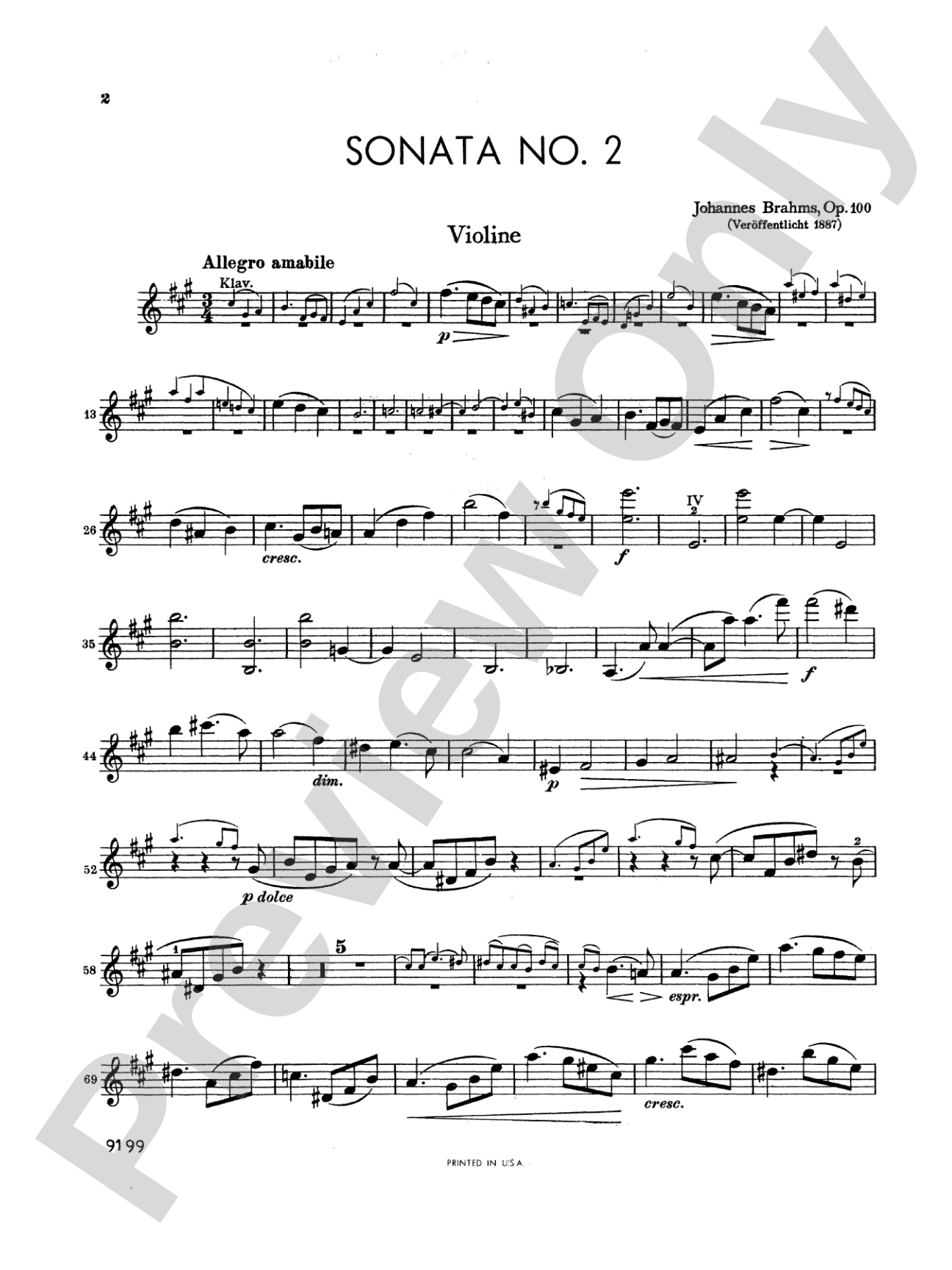
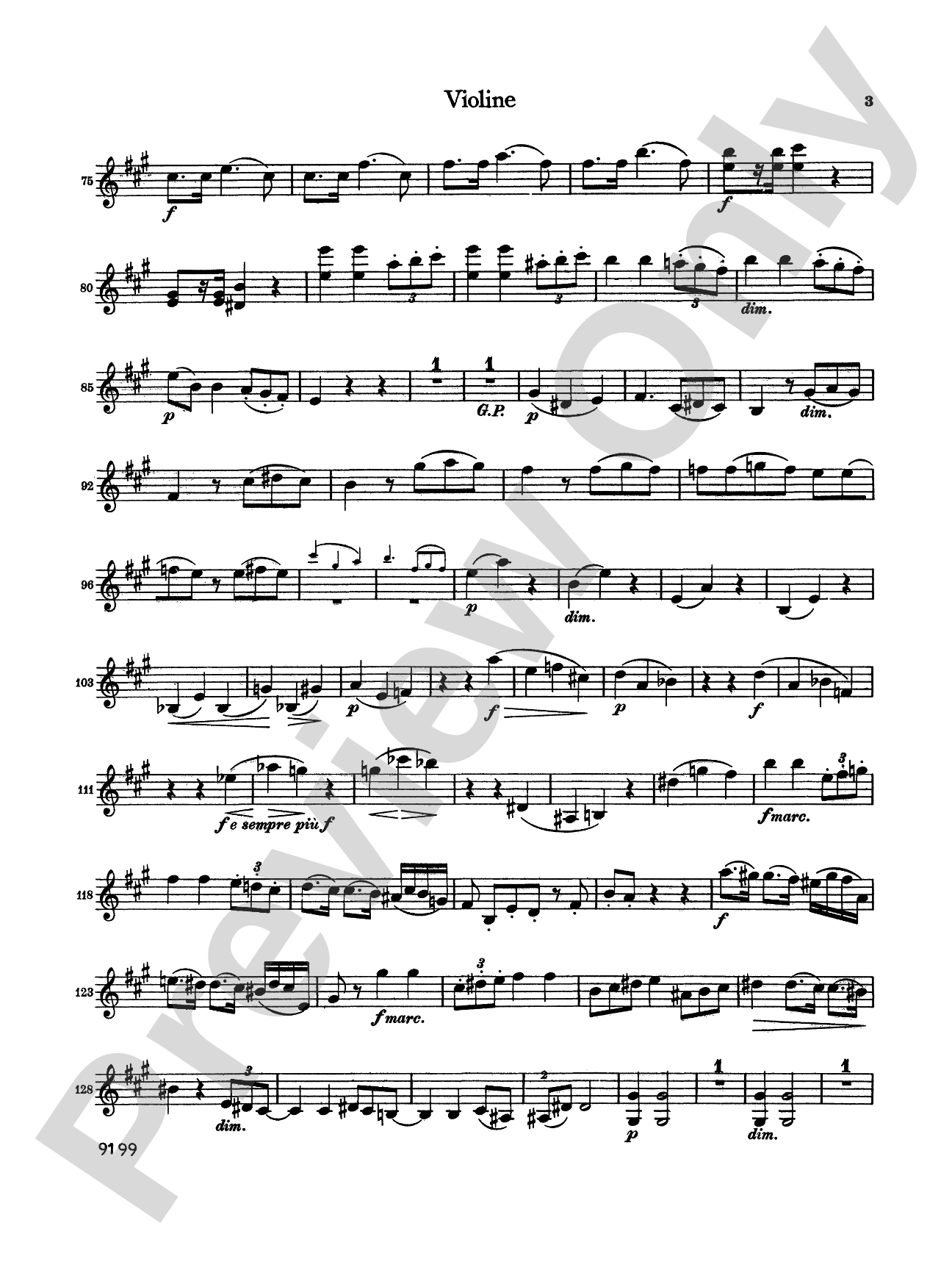
Brahms: Sonata in A Major, Op. 100 Sheet Music Preview

Brahms: Sonata in A Major, Op. 100

By Johannes Brahms

Item: 00-PC-0011867

Digital Download
$4.99
Description
A Violin solo with Piano Accompaniment composed by Johannes Brahms.

Don't just read it, hear it, play along with it, and watch your students grow with it. In MakeMusic Cloud, Brahms: Sonata in A Major, Op. 100 comes alive with professional accompaniment, adjustable tempo, and built-in practice tools that turn solo practice into real progress.

Sample Audio
No sample audio found.
Sample Video
Additional Details
Series: Kalmus Edition
Publisher: Alfred Music
Page Count: 44
SKU: 00-PC-0011867

More about this title

About the Composer: Johannes Brahms

Johannes Brahms (1833-1897) stands as one of the Romantic era's most consequential composers, bridging nineteenth-century Classicism and Modernism through works of structural rigor and emotional depth. His three violin sonatas represent the pinnacle of the repertoire, combining virtuosic violin writing with sophisticated piano partnership in ways that challenged and inspired generations of performers.

Why we love this

The A Major Sonata is muscular and lyrical in equal measure, offering violinists genuine musical substance without sacrificing accessibility. Unlike showpieces that demand technical flash over content, Brahms demands both, rewarding thoughtful interpretation with some of the most gratifying collaborative writing in the standard repertoire.

What to expect

Brahms's A Major Sonata unfolds with the warmth of autumnal light, alternating between earnest dialogue and moments of introspection. The work feels substantial without becoming austere, lyrical without becoming sentimental, offering the listener a sense of completeness and inevitability.

Who it's for

Advanced violinists preparing for recitals, auditions, or upper-level conservatory study will find this sonata essential repertoire. Experienced amateur duos seeking a masterwork that respects both players will discover a partnership of genuine equals.

How to get the most out of it

  • Shape the opening theme with singing tone and rhythmic clarity; the piano establishes harmonic context, but the violin line must emerge as the primary voice throughout the first movement.
  • Approach the Adagio with restraint. Brahms's sparse texture here demands patience and long phrasing rather than emotional excess.
  • Balance virtuosity with musicality in the Presto finale. The rapid figuration serves the thematic material, not the other way around.
  • Coordinate carefully with your pianist on rubato, especially in the lyrical sections where ensemble transparency matters more than individual freedom.

How to use it

Program this as the centerpiece of a recital devoted to Romantic sonata literature, pairing it with works by Franck or Grieg for stylistic conversation. It also serves beautifully as a featured work on chamber concerts where serious musical substance sets the tone.

Skills your students will build

  • Sustaining long melodic lines across position changes and harmonic shifts
  • Balancing tone production in dialogue with a sophisticated piano partner
  • Reading and executing Brahms's rhythmic specificity and metric flexibility
  • Navigating the technical demands of rapid figurework in the final movement while maintaining musical shape
  • Ensemble listening and response in sonata form where both players share thematic responsibility

You May Also Like