
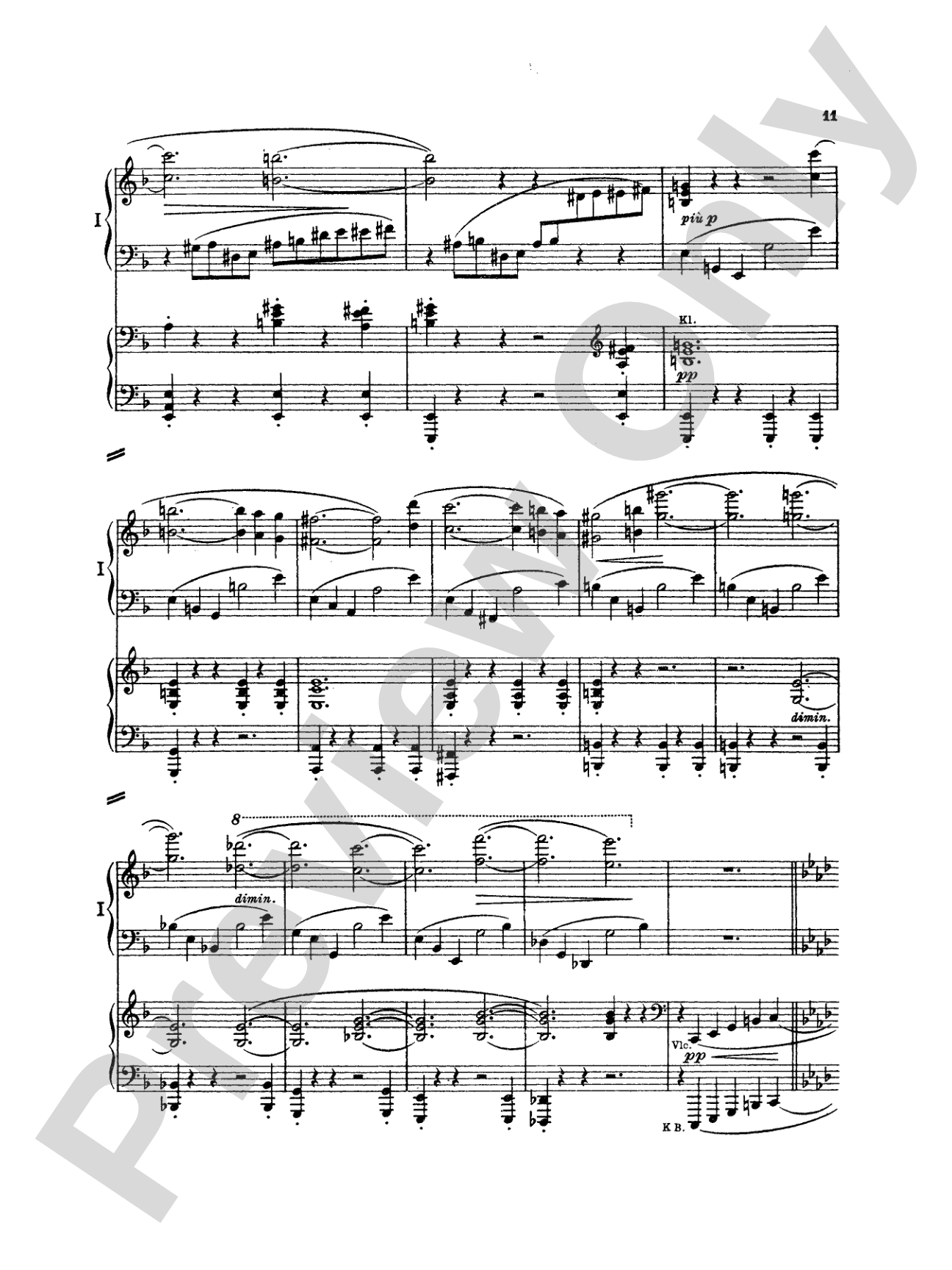
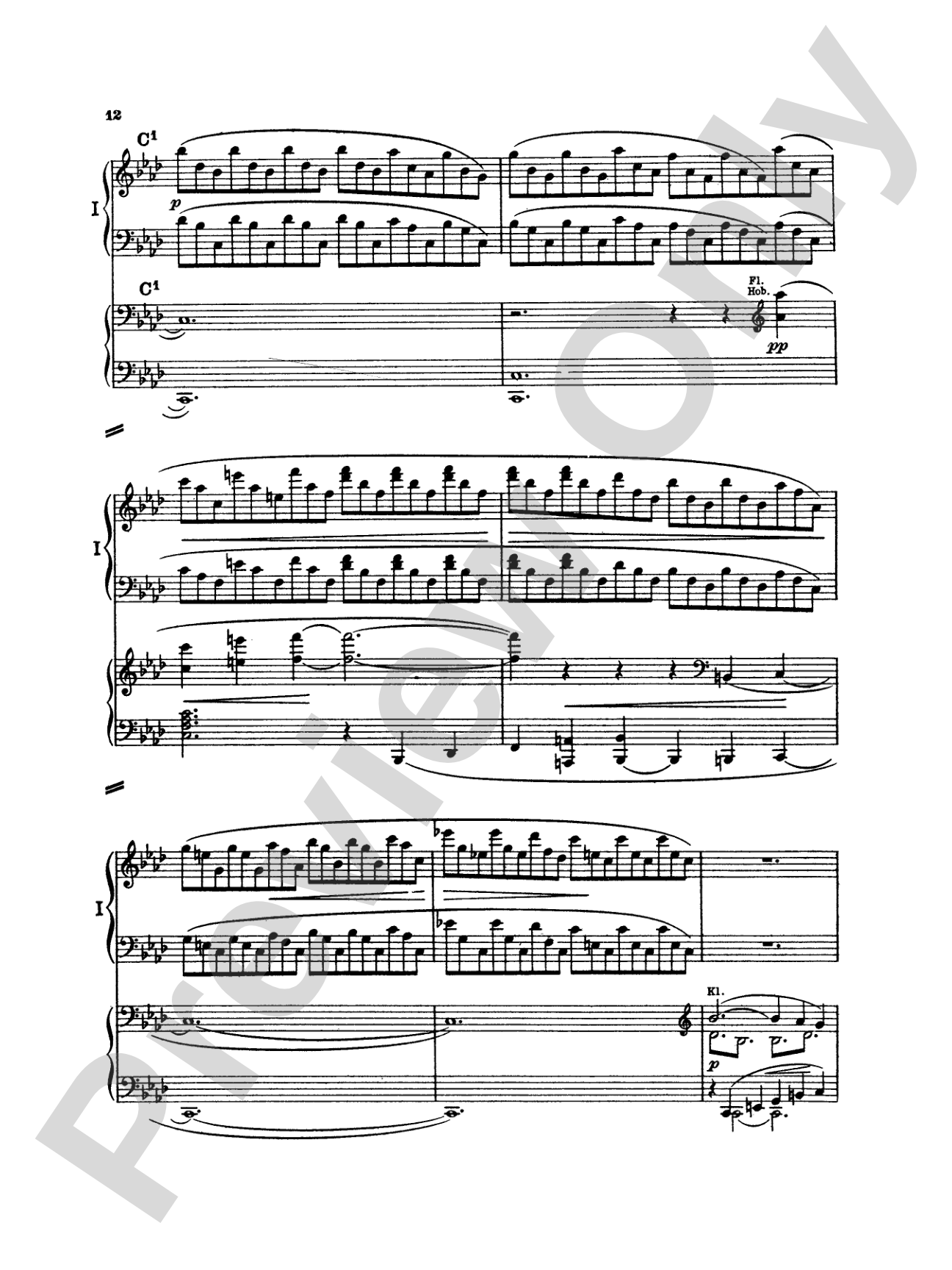
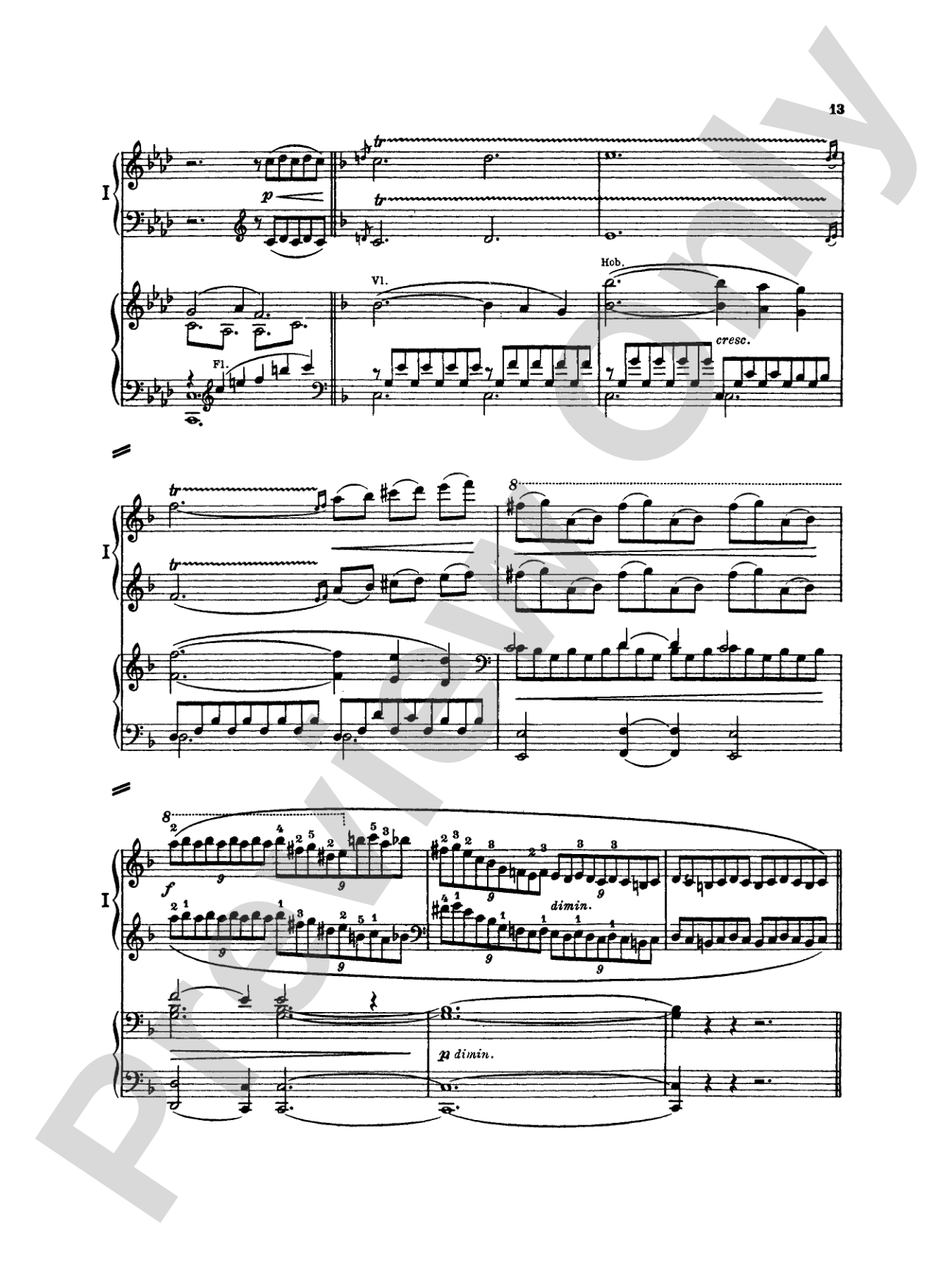
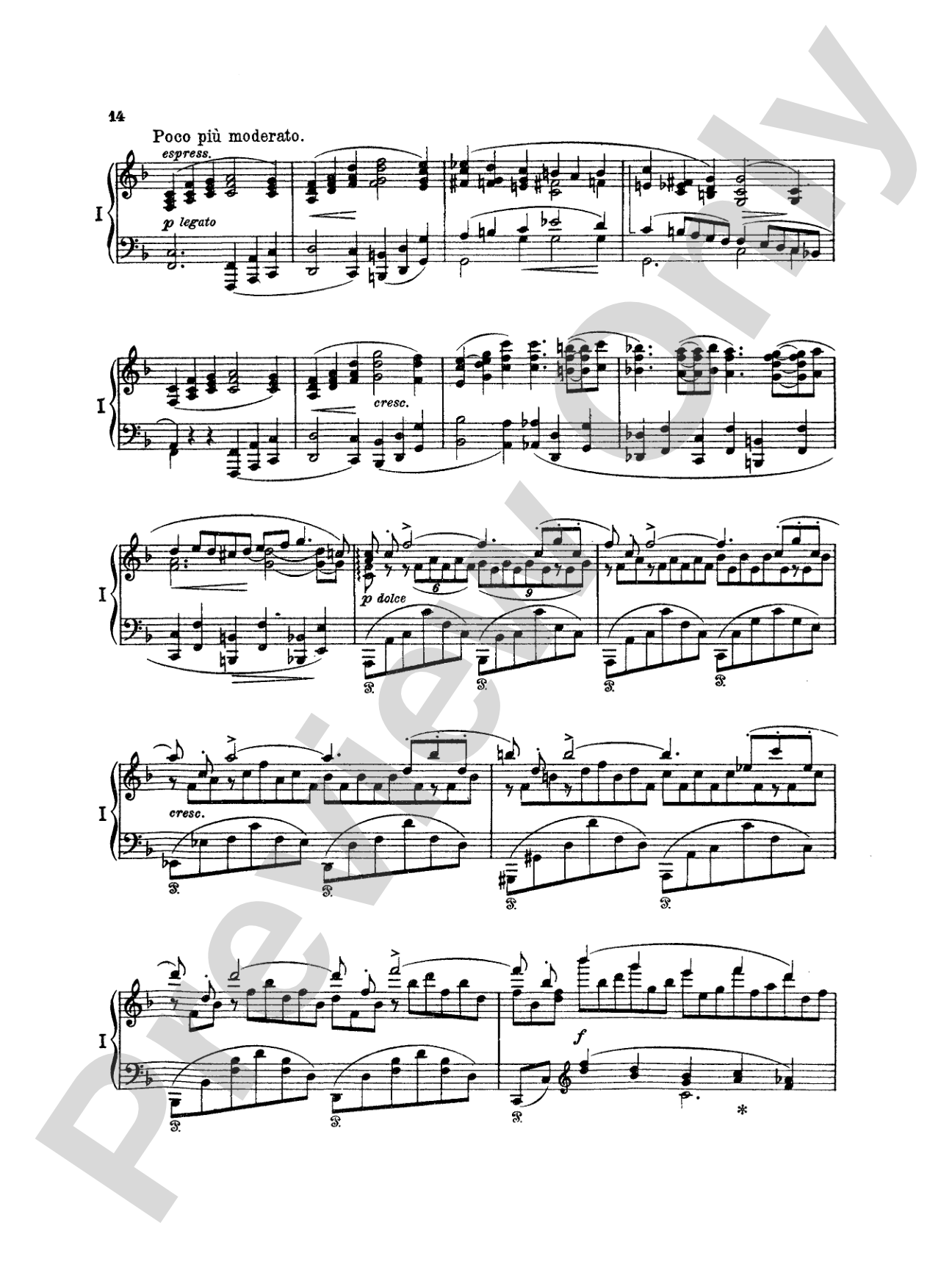
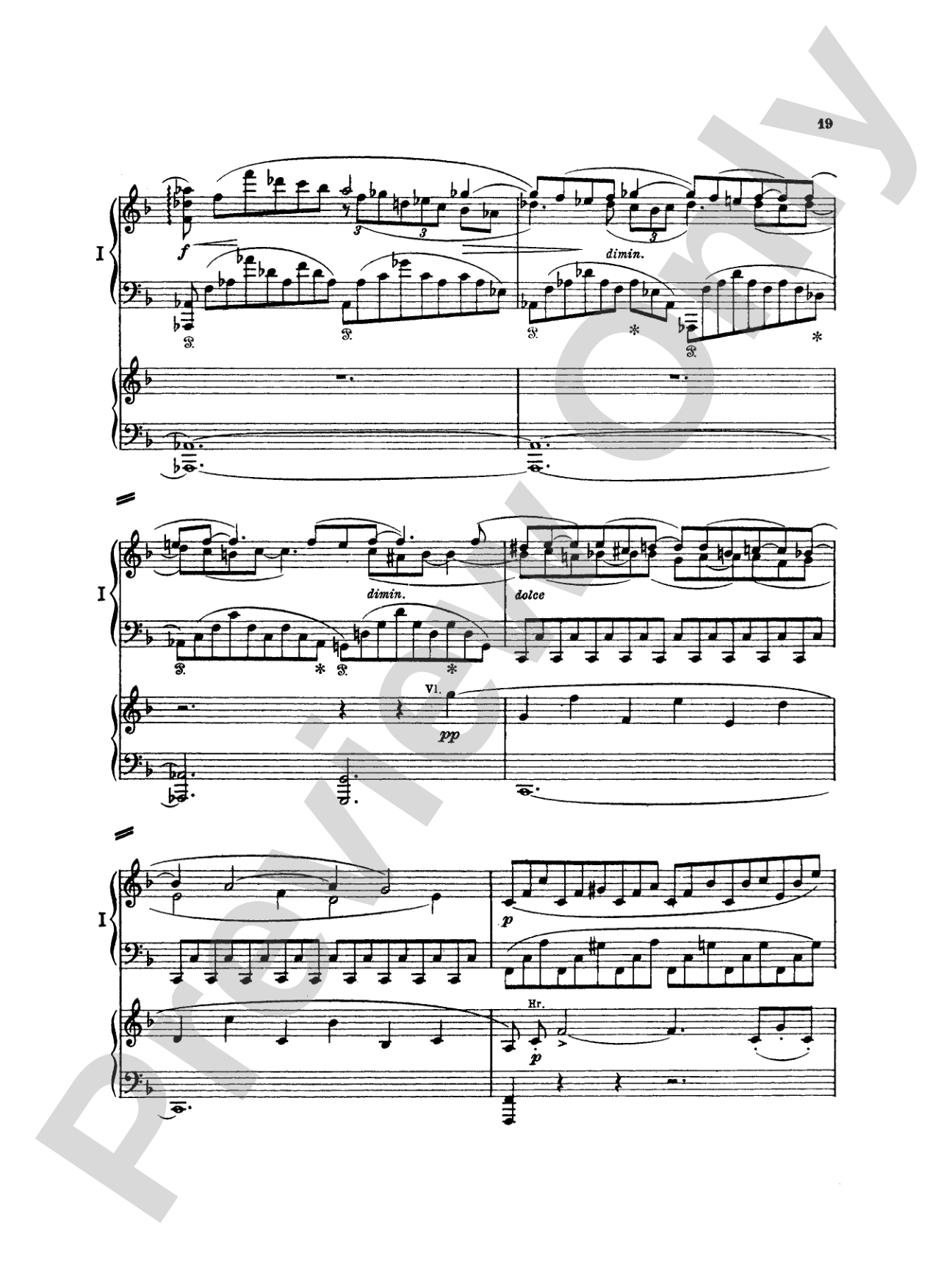
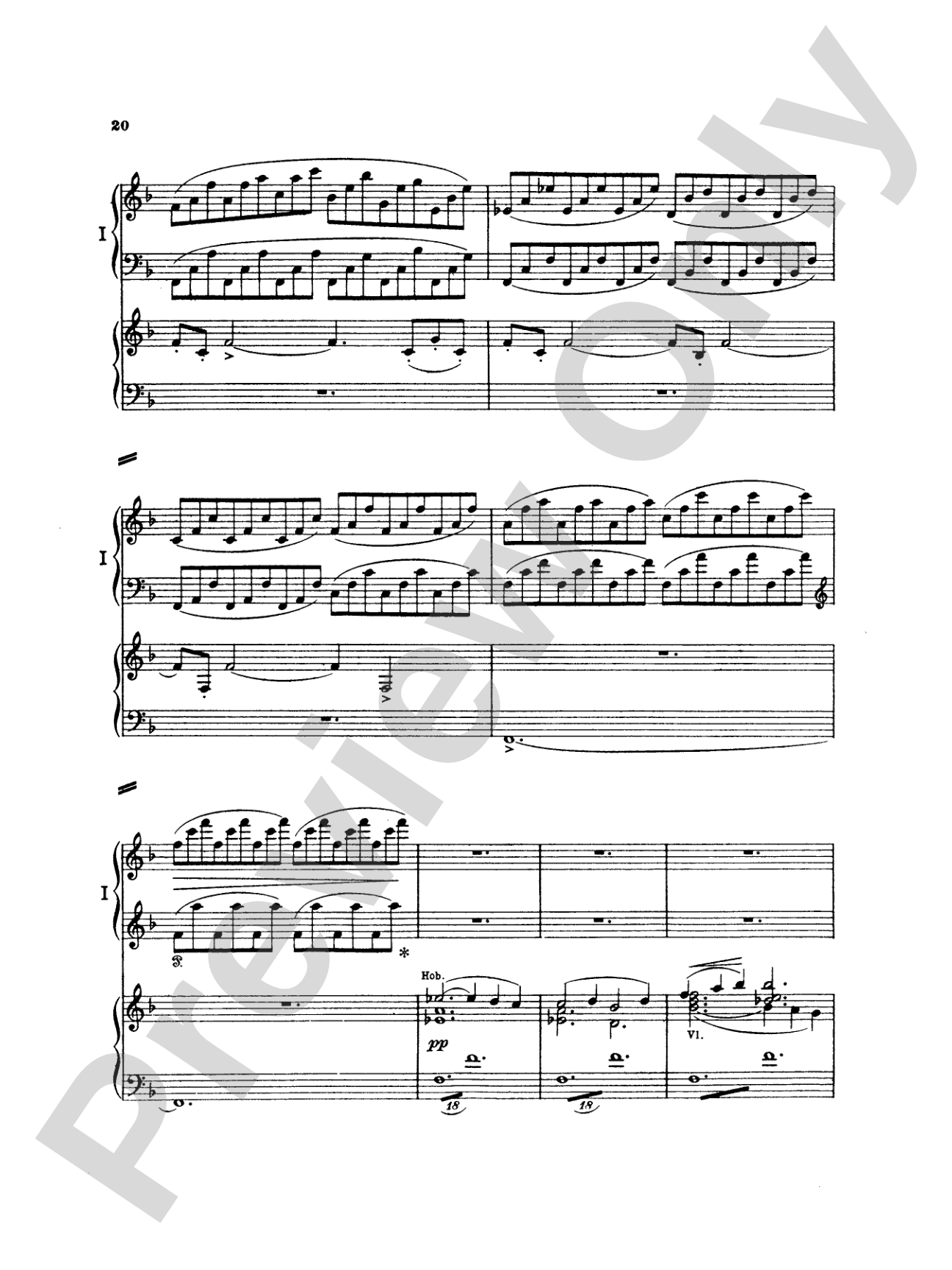
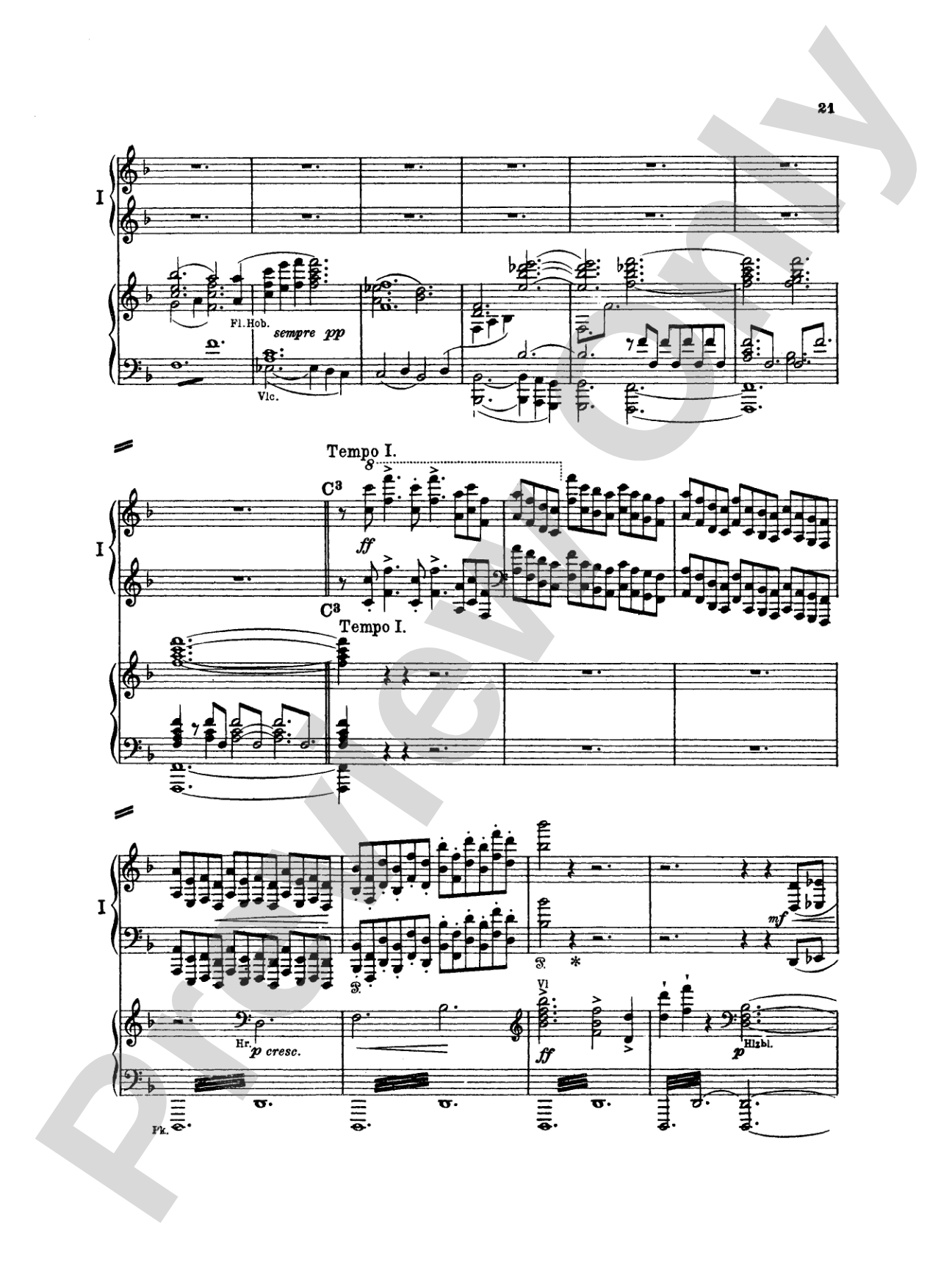
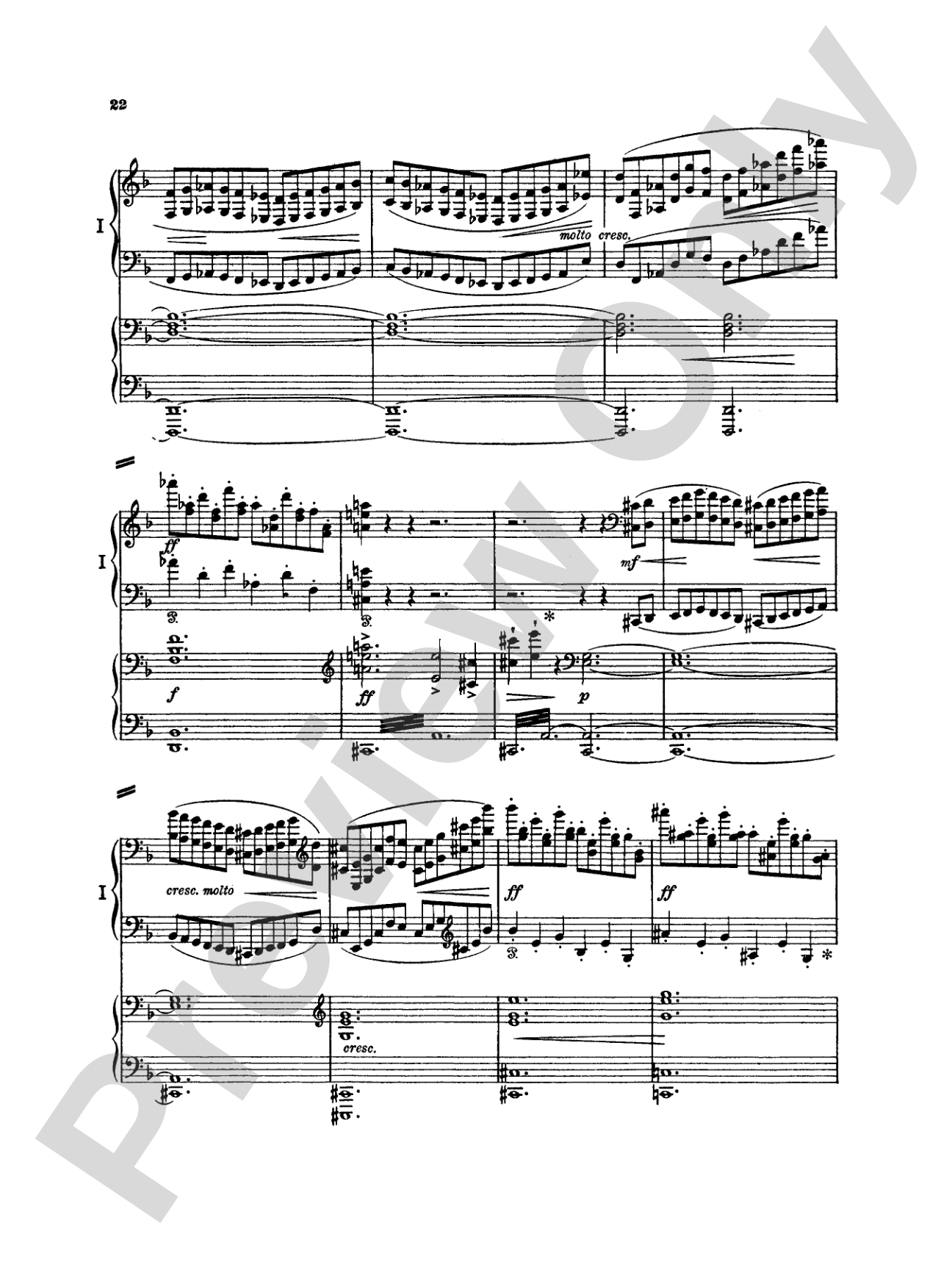
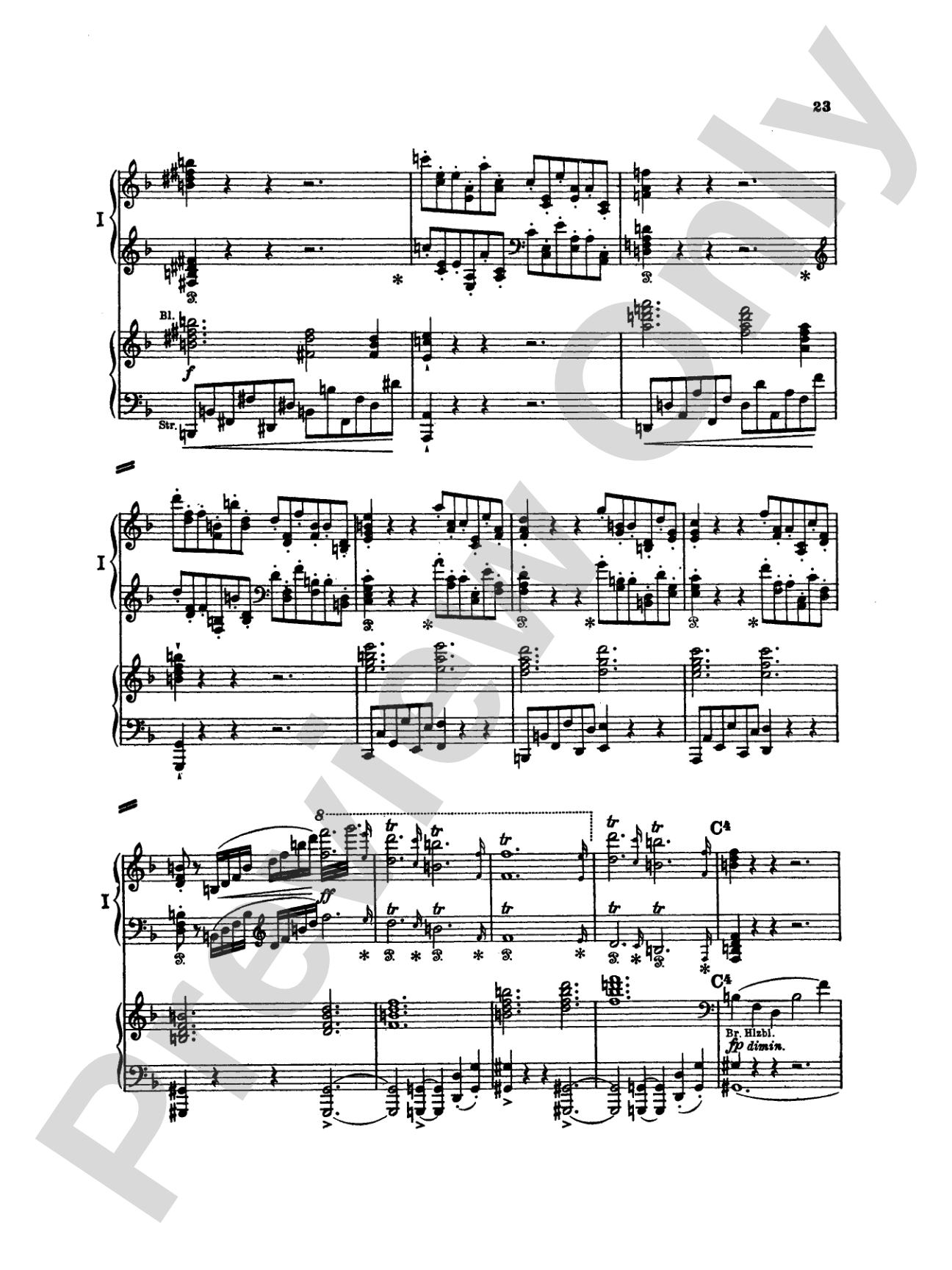
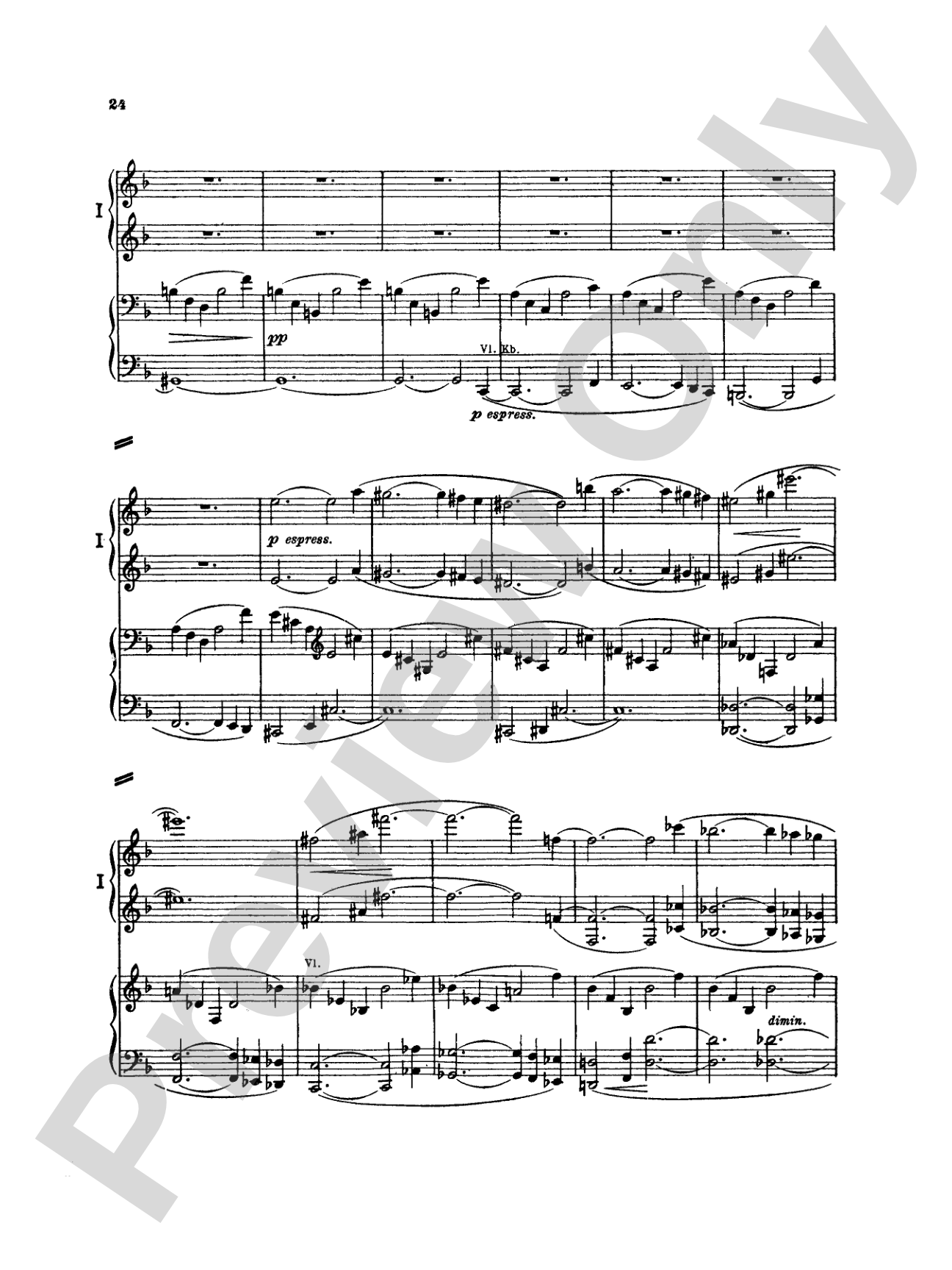
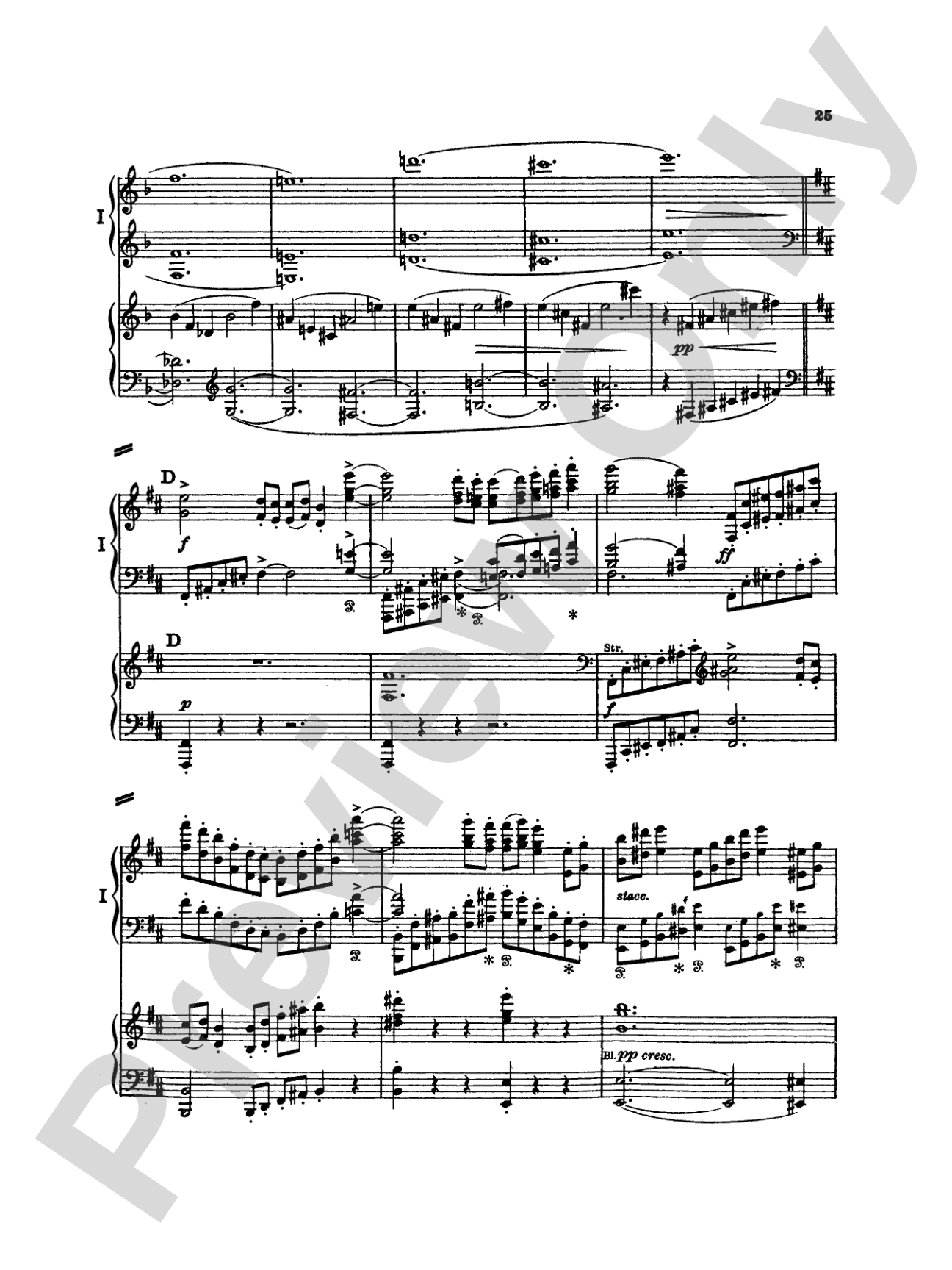
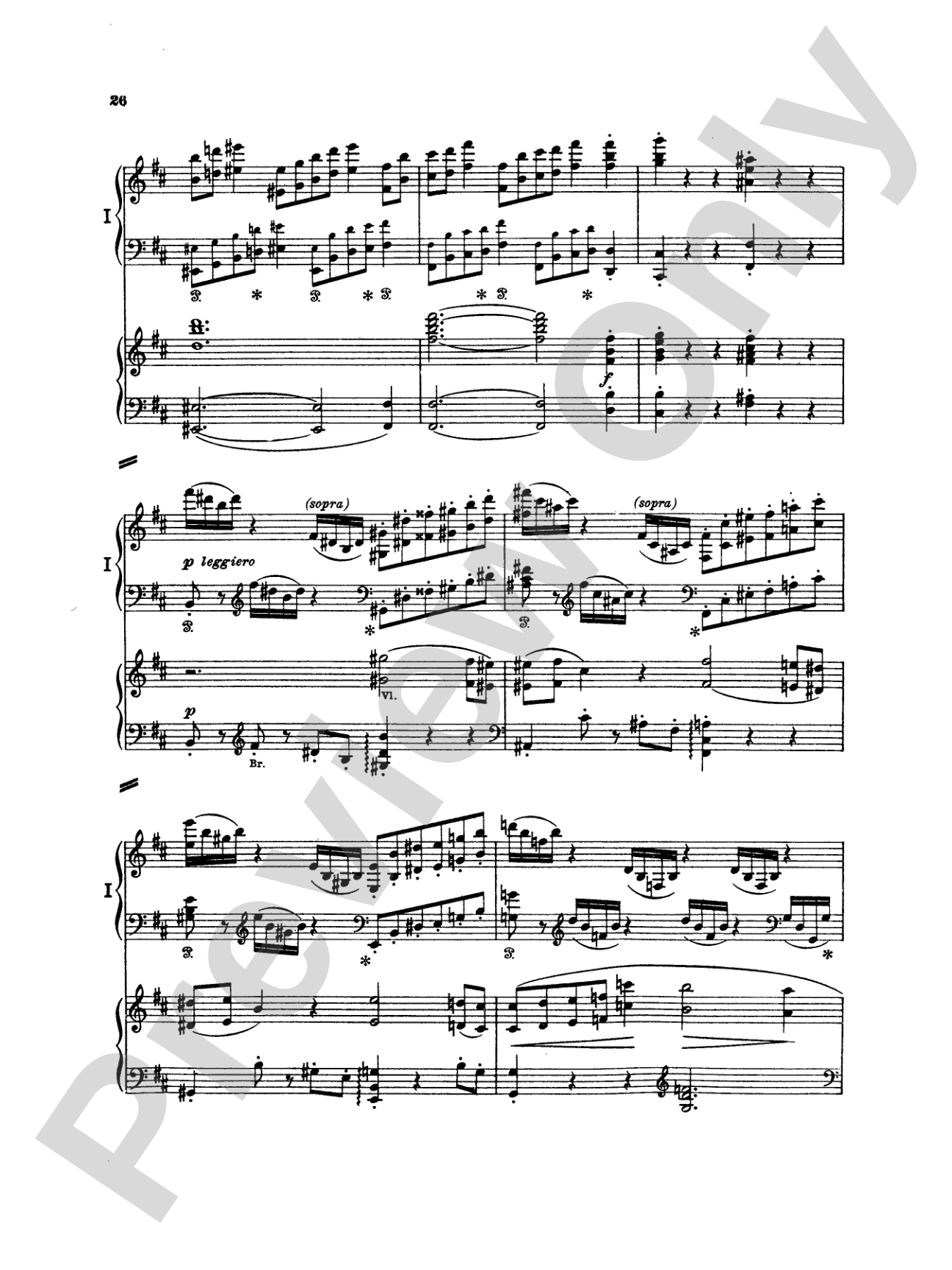
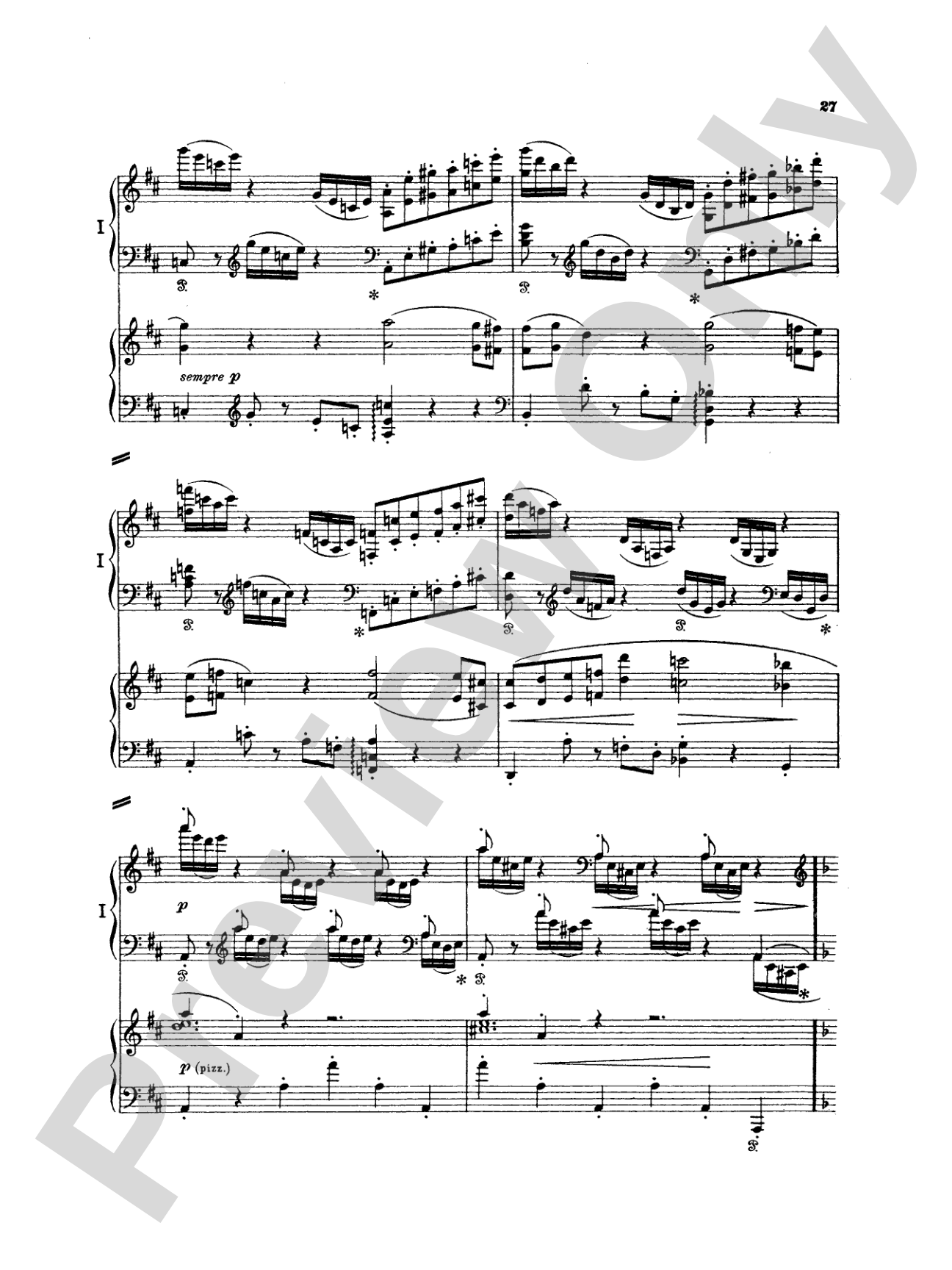
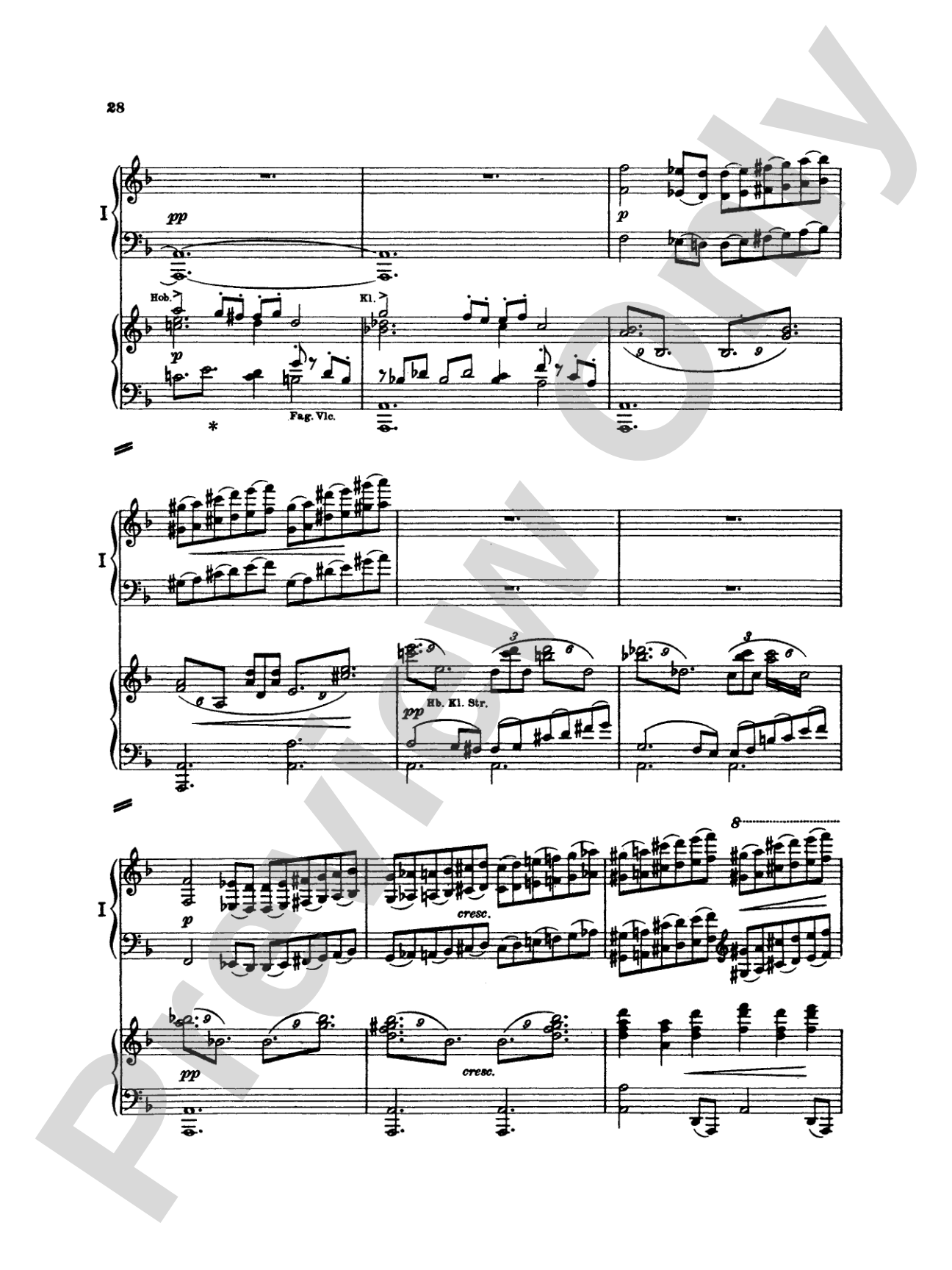
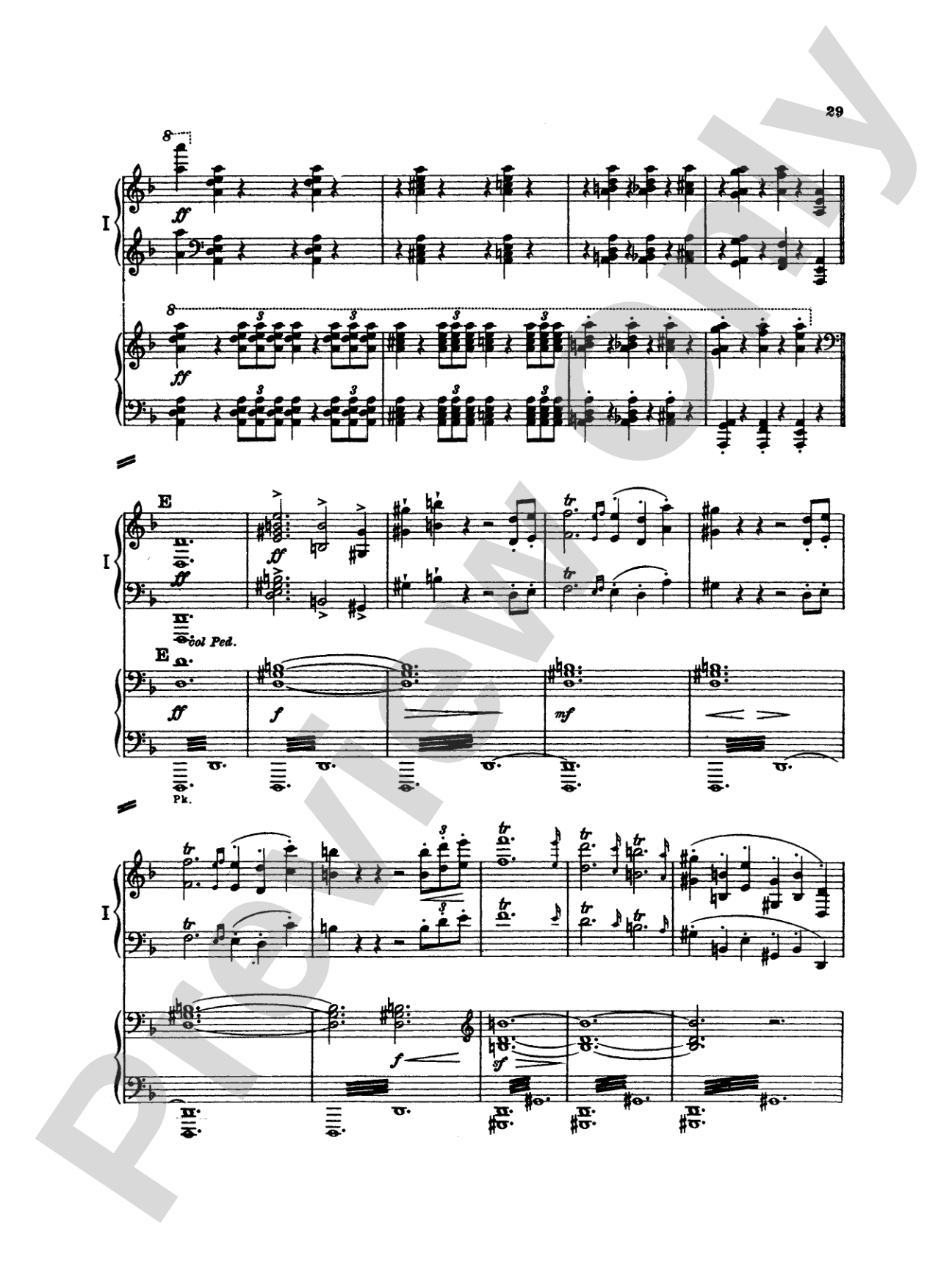
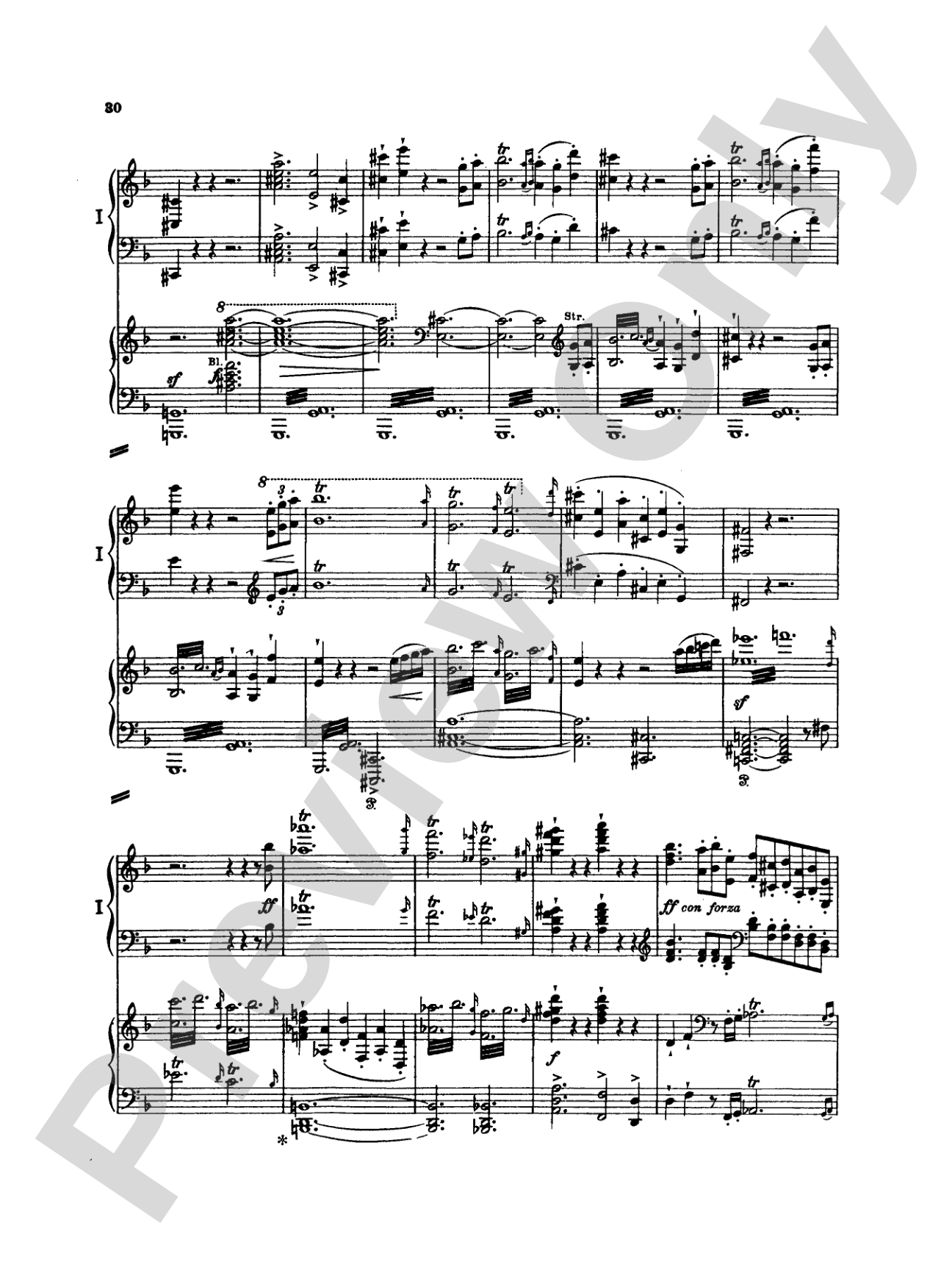
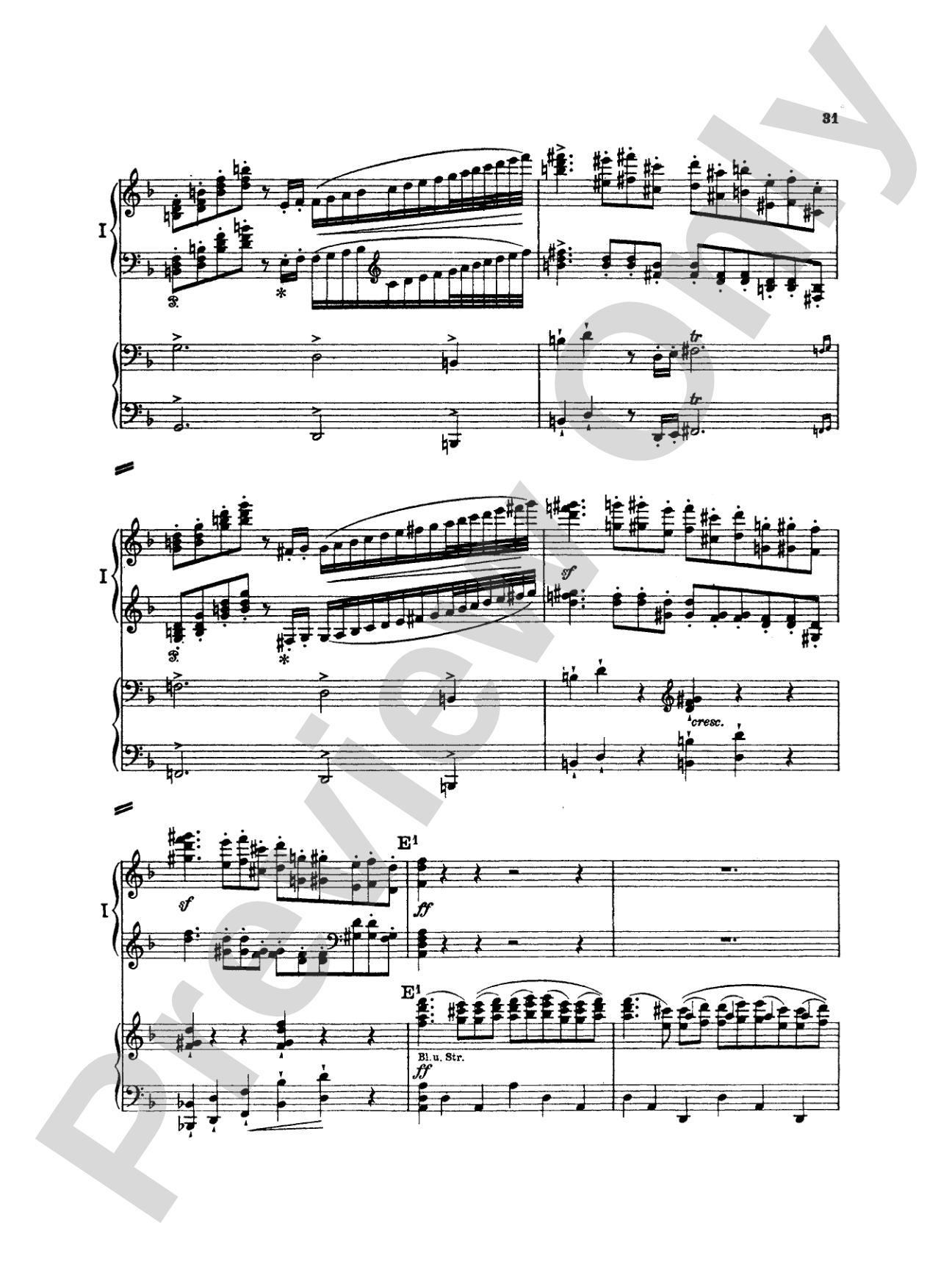
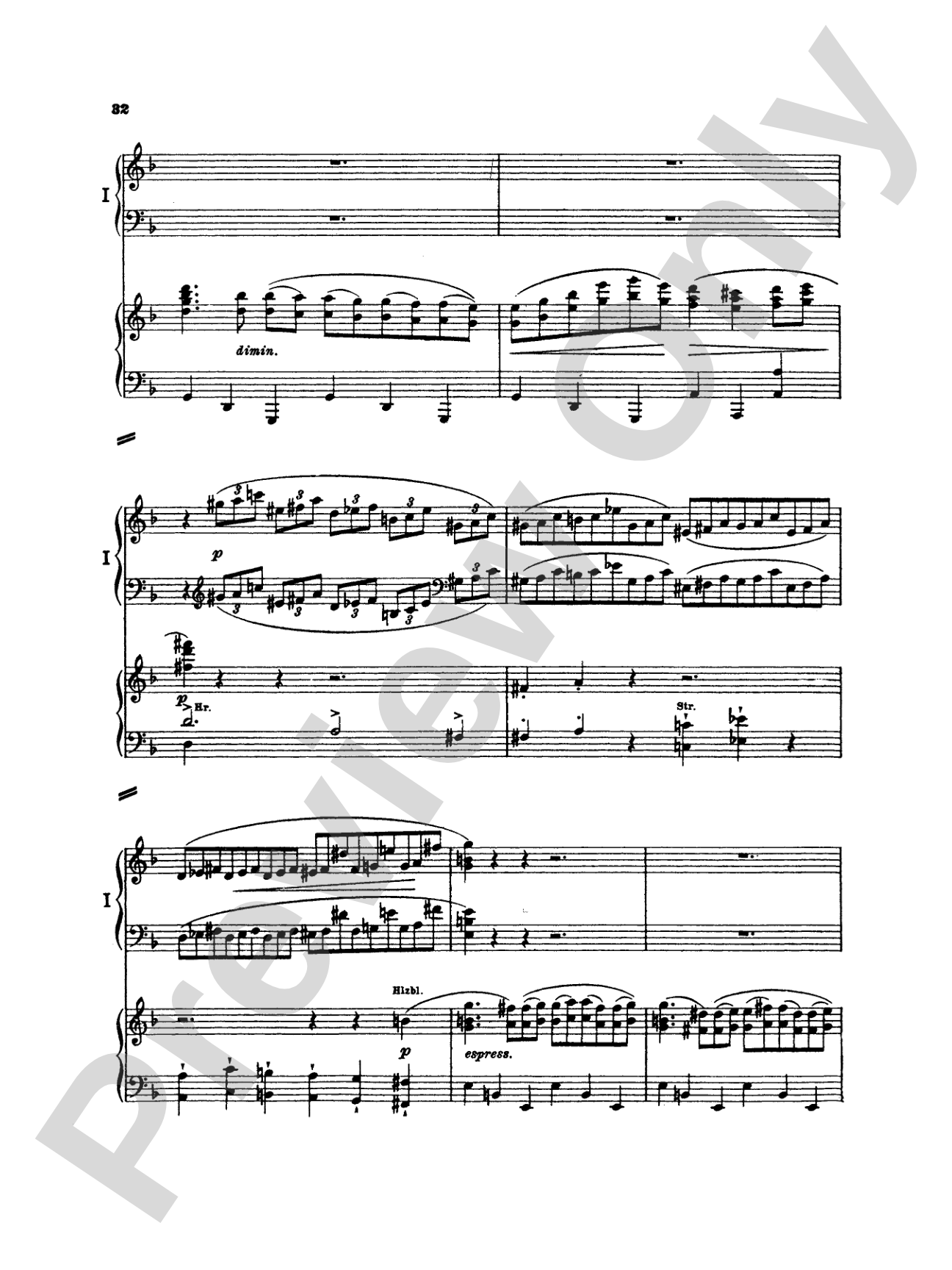
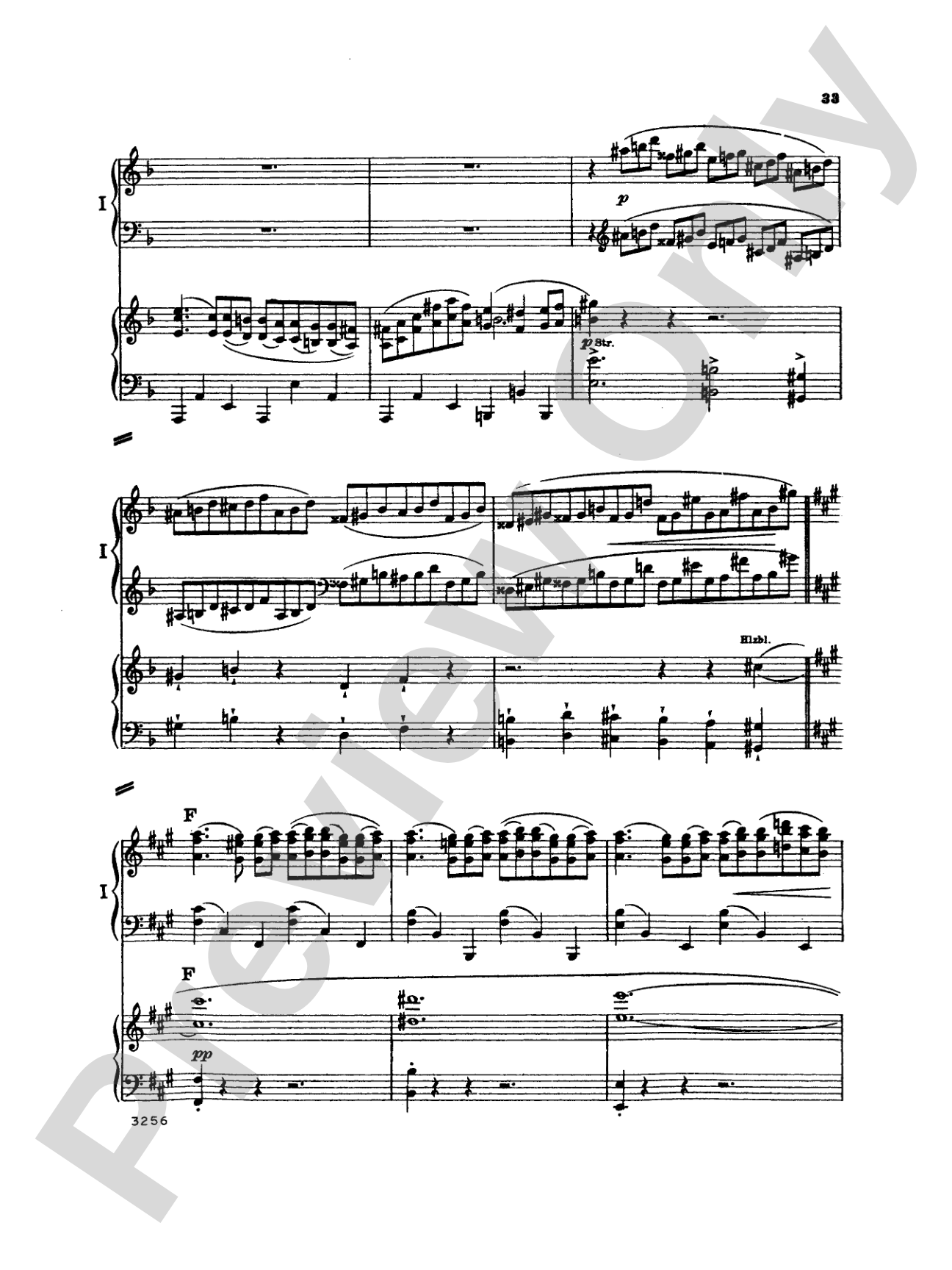
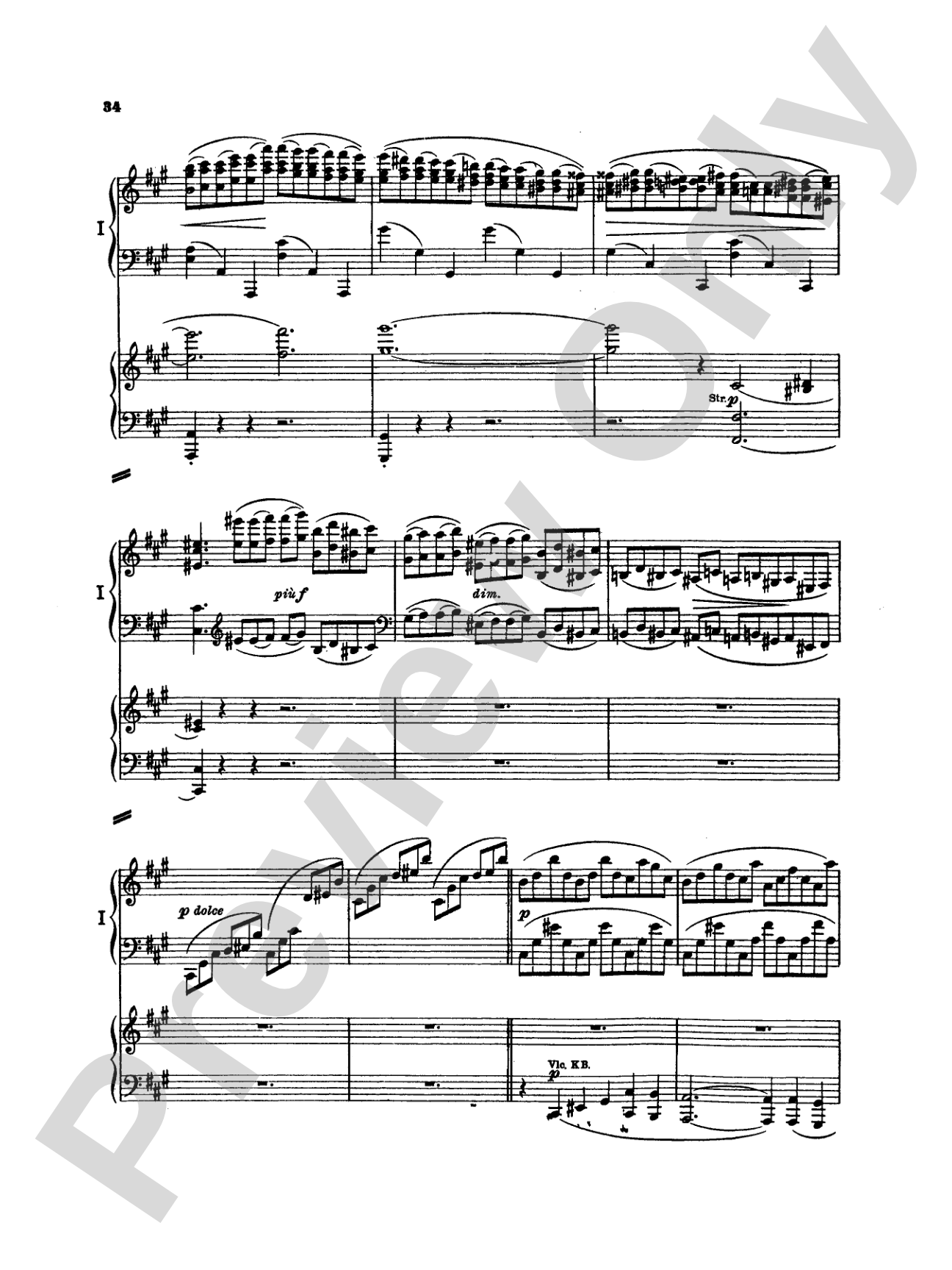
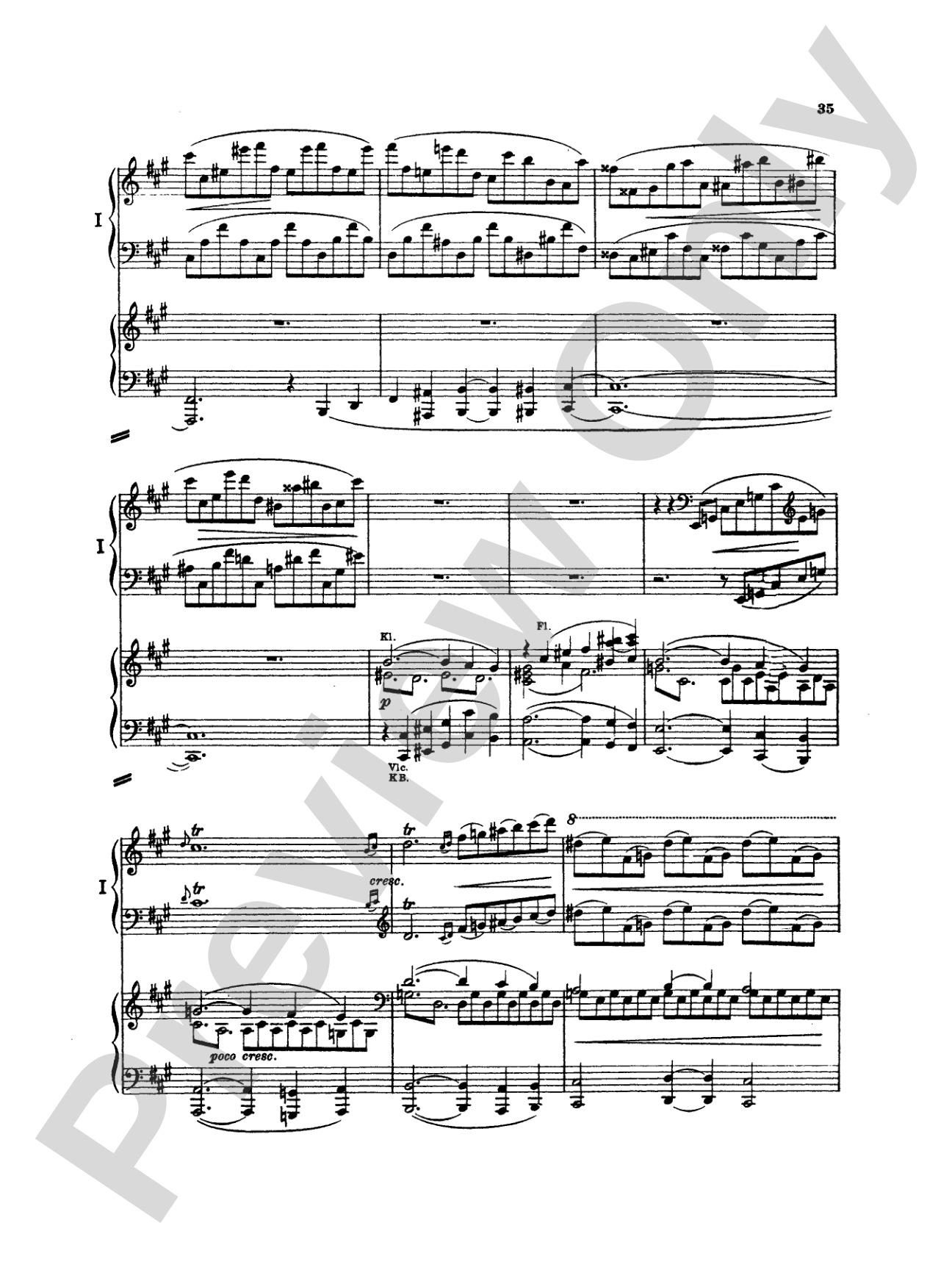
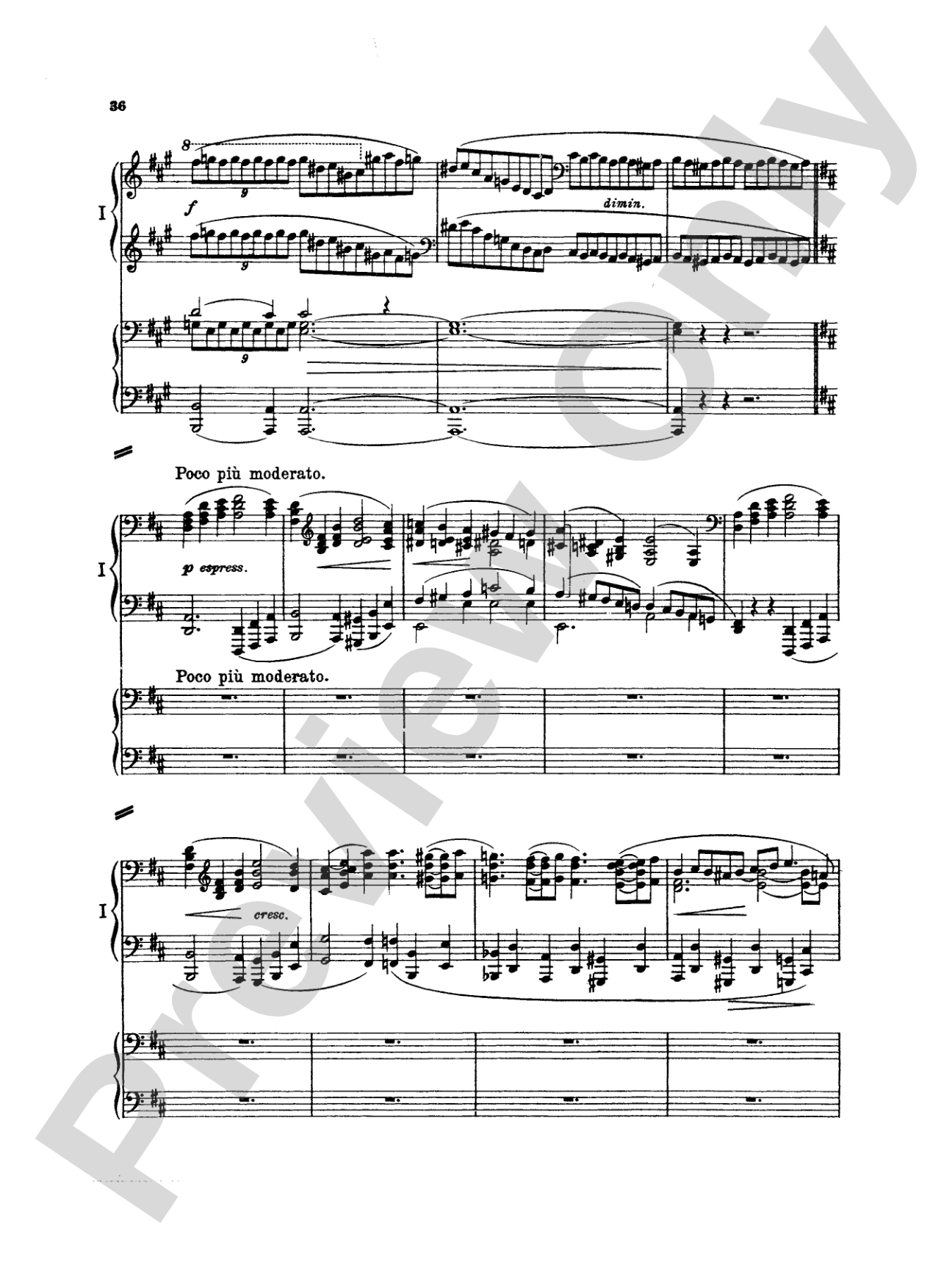
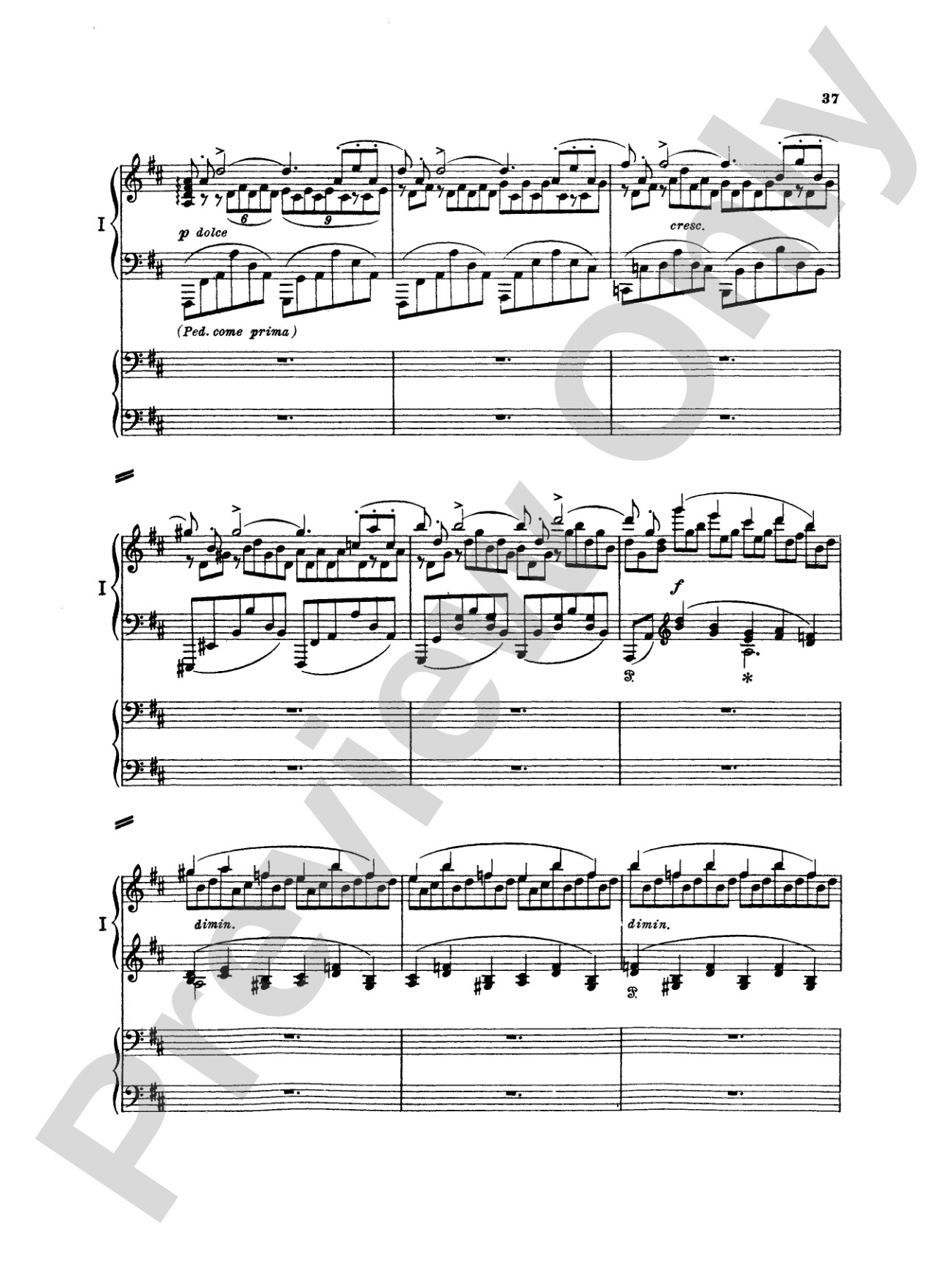
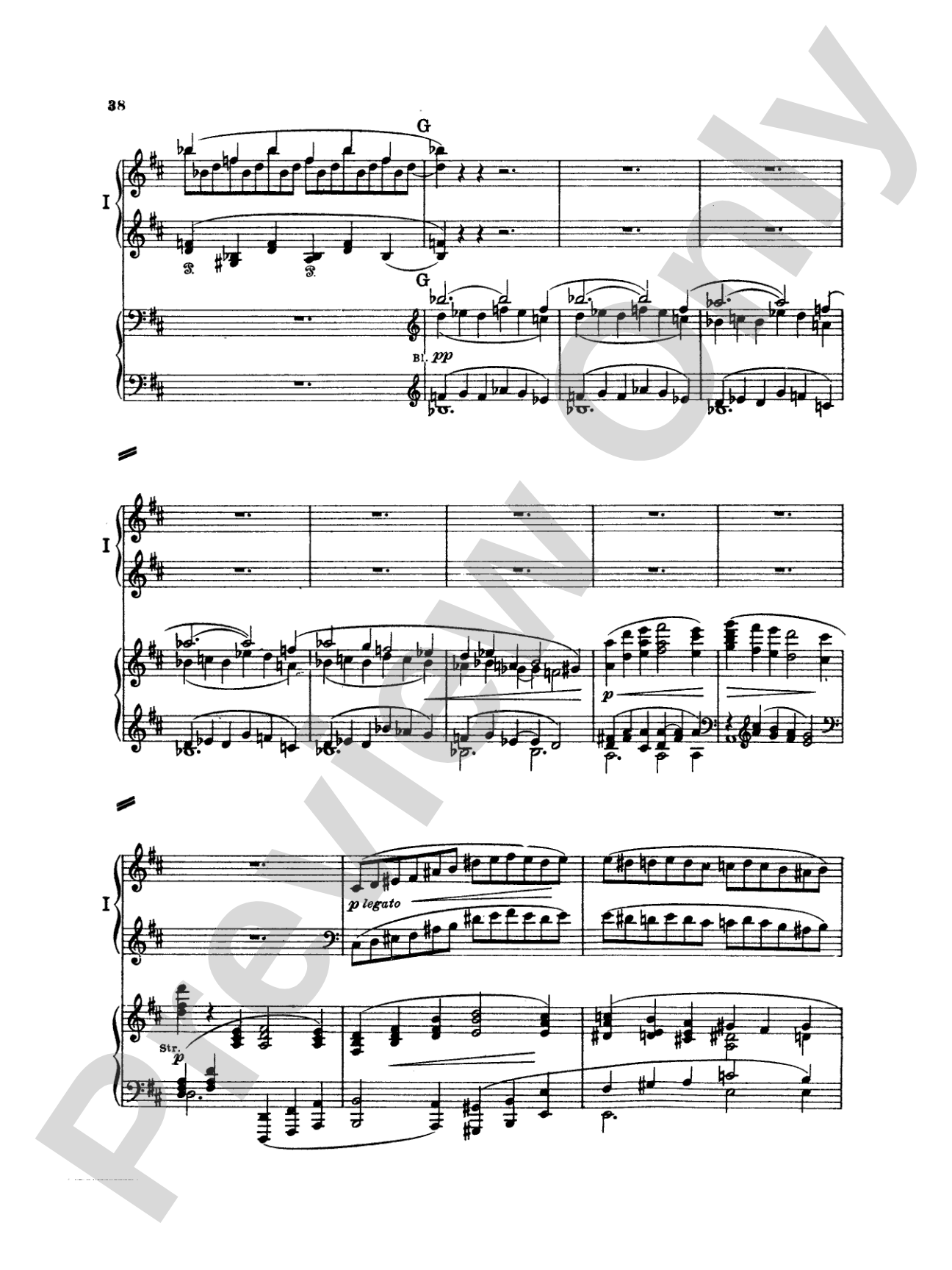
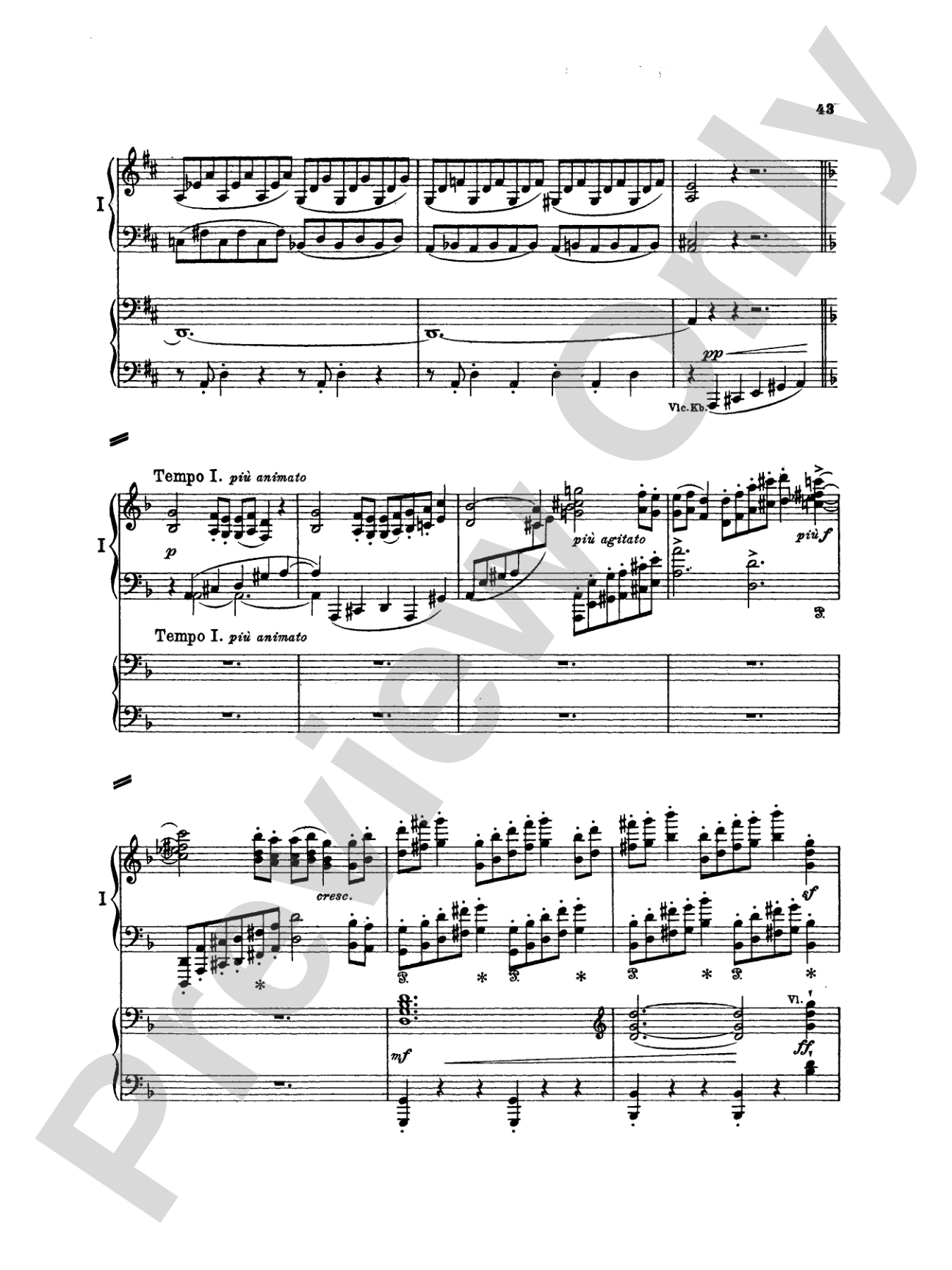
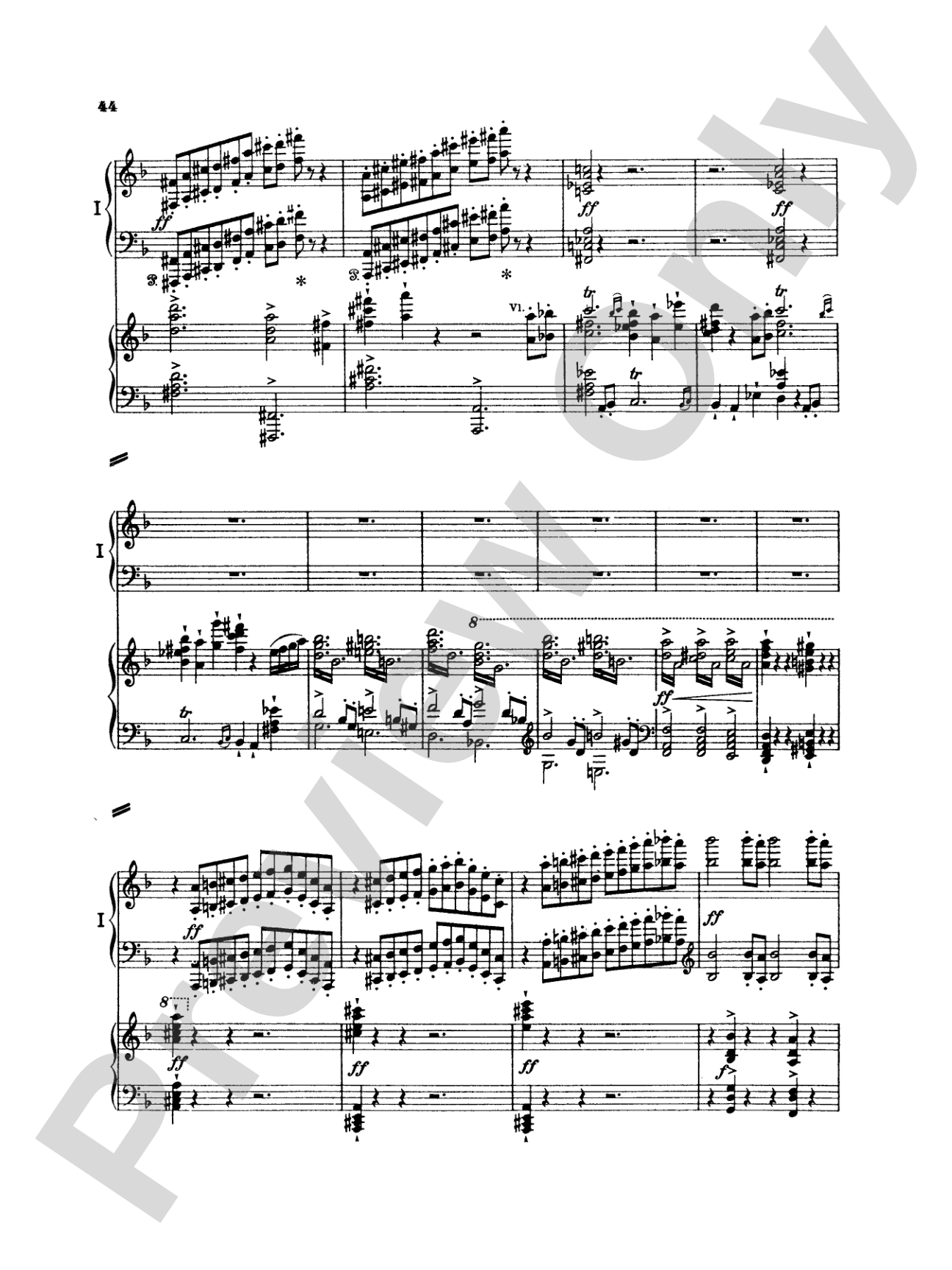
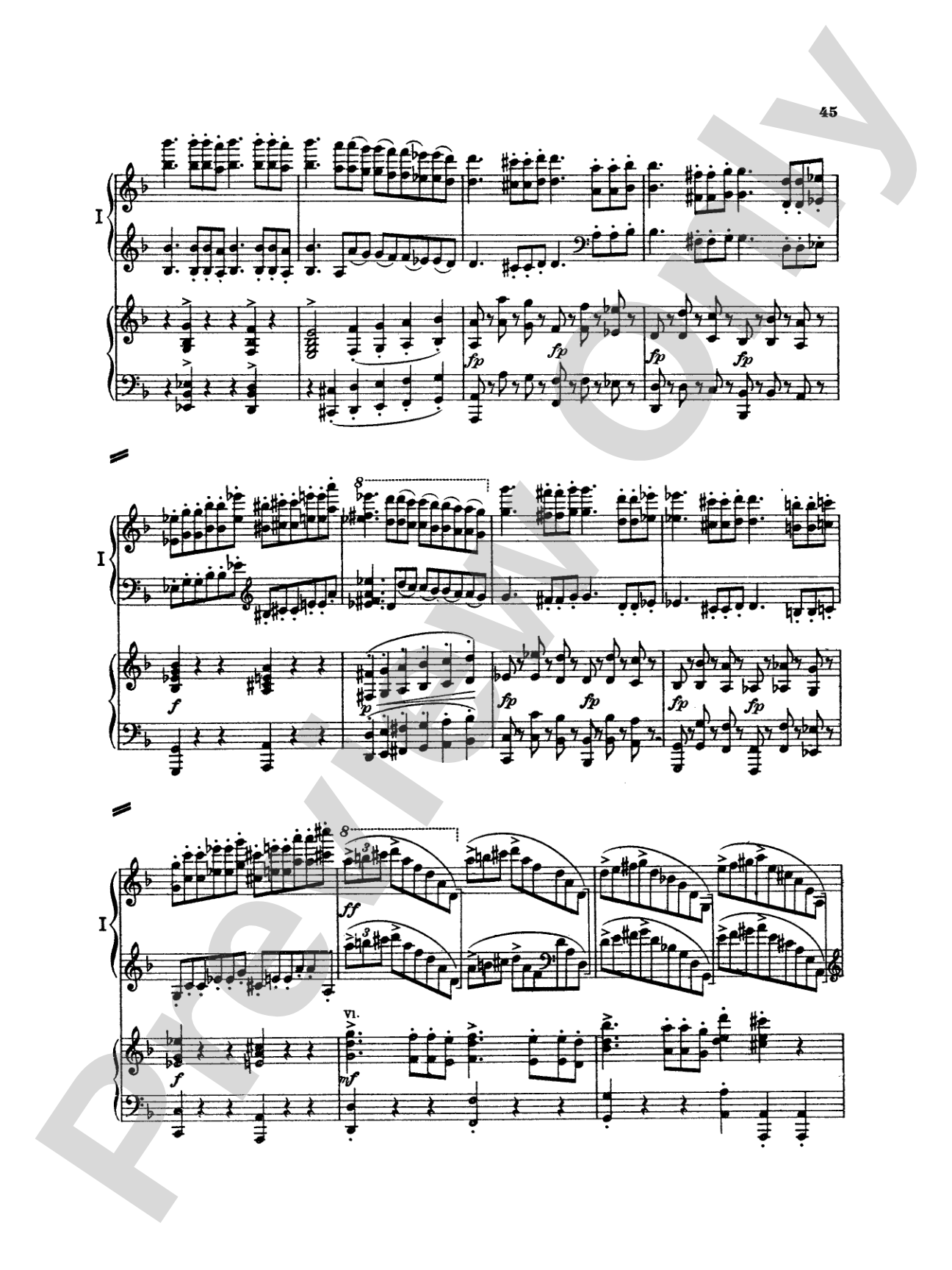
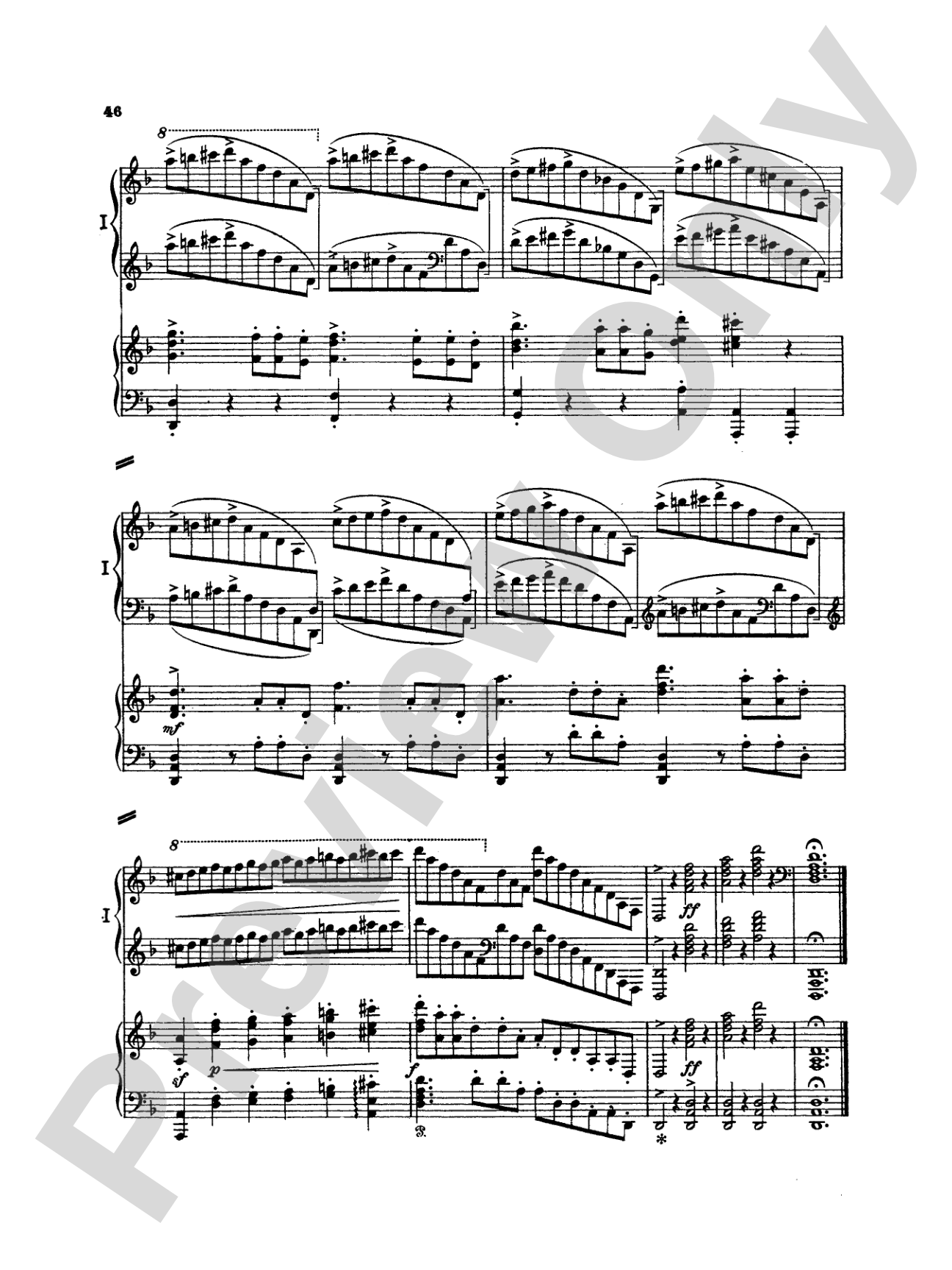
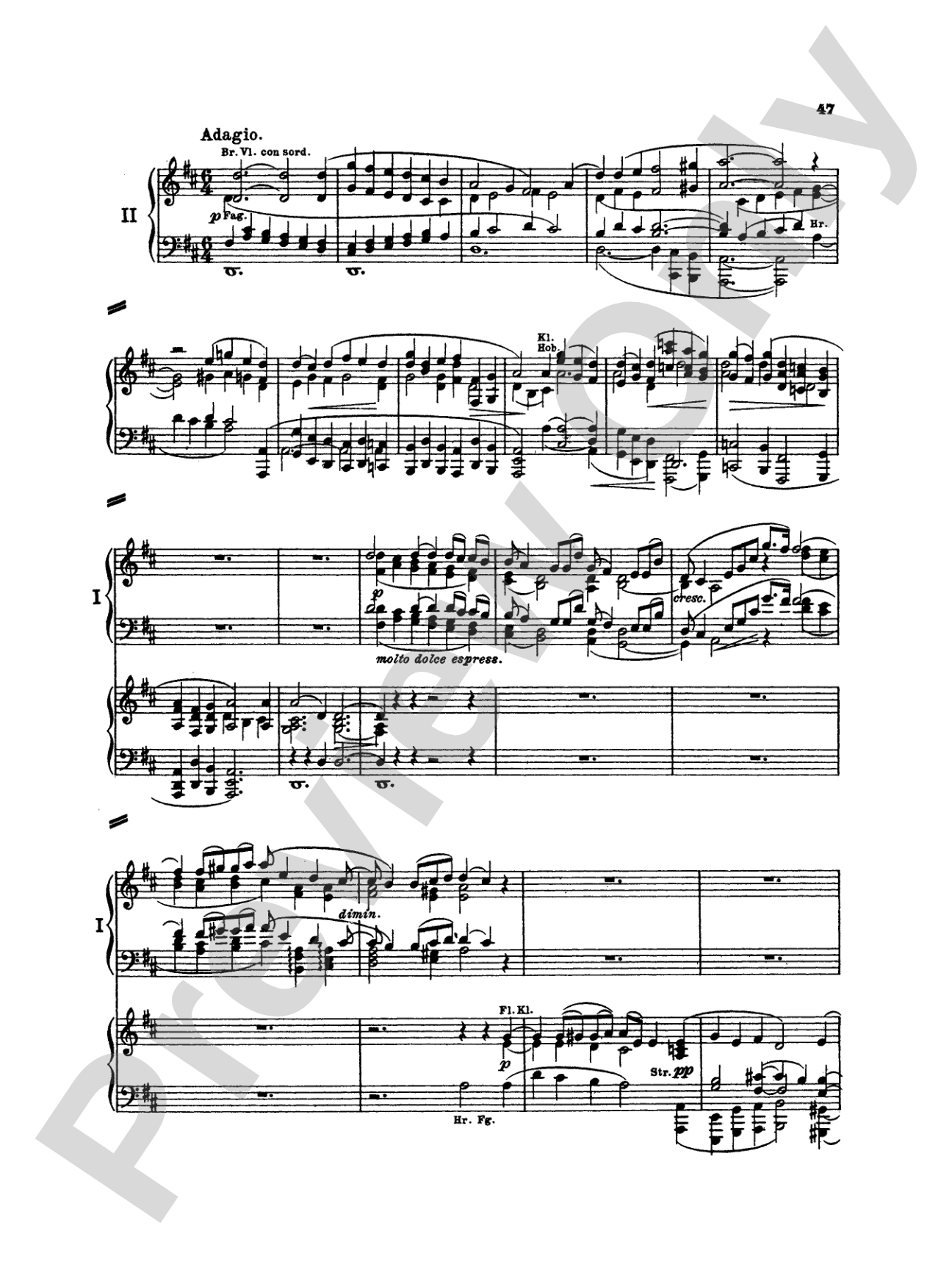
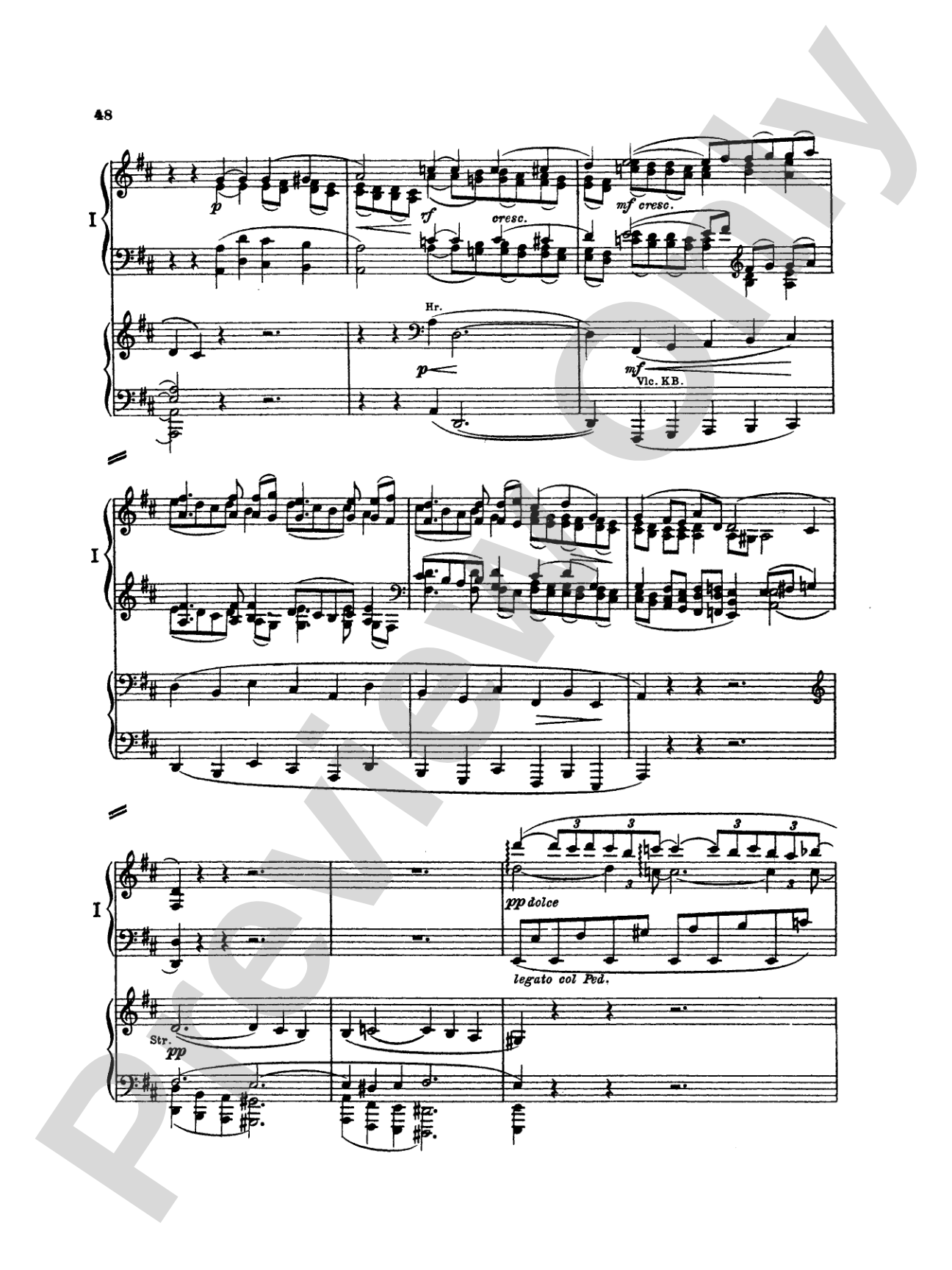
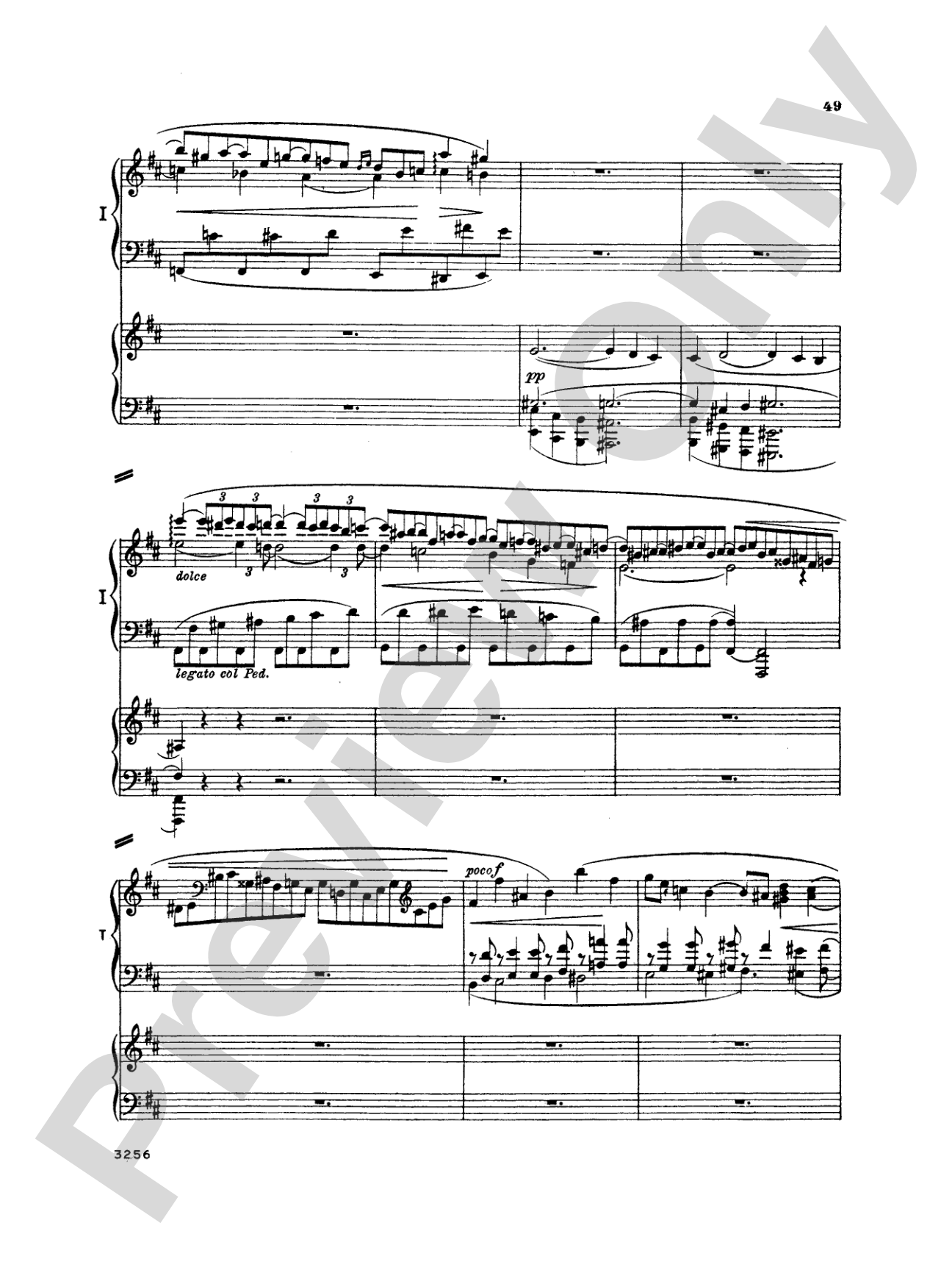
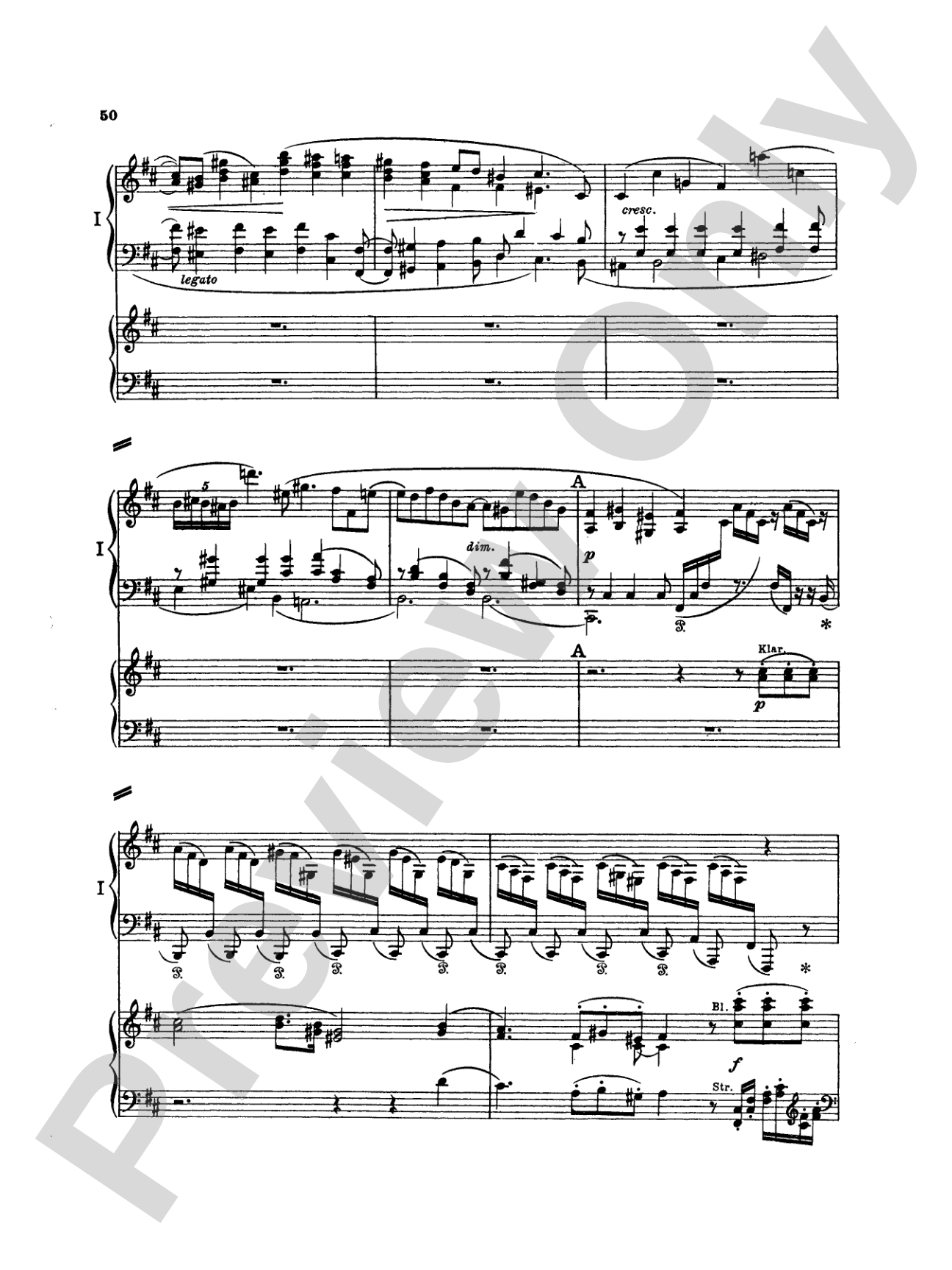
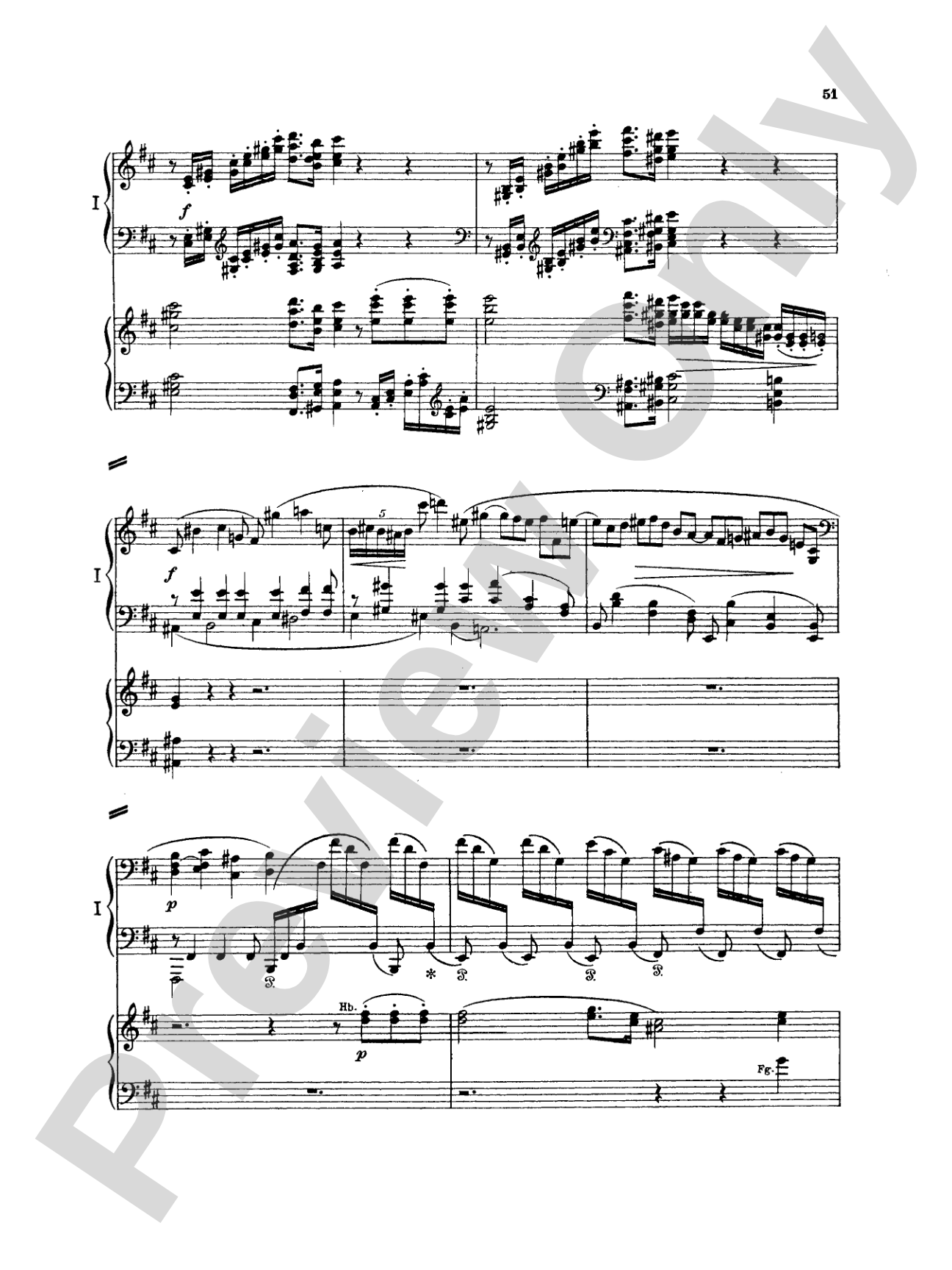
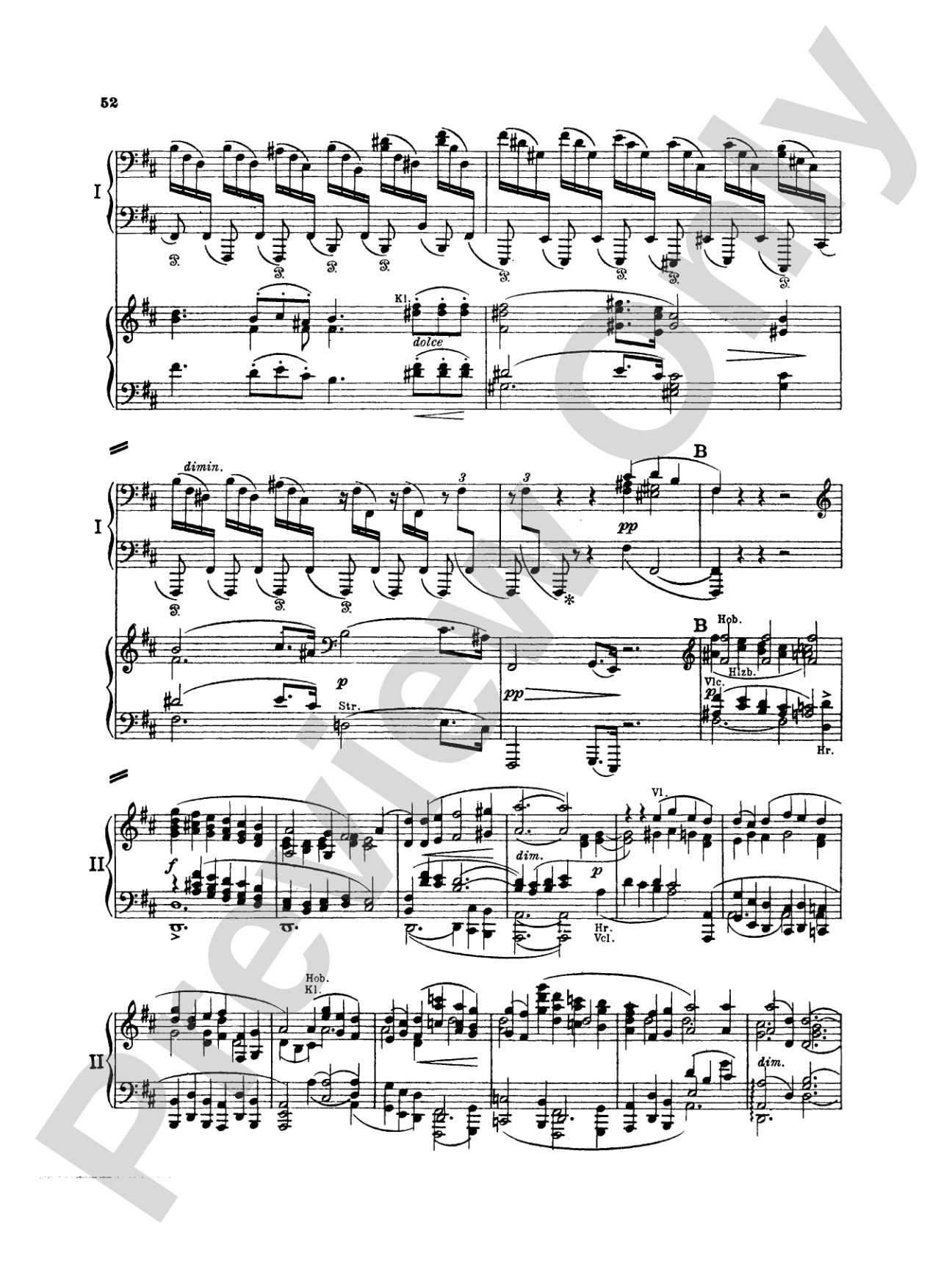

Brahms: Piano Works, Volume III (2 Concertos, Paganini Variations & Waltzes): Piano Book
By Johannes Brahms / ed. E. V. Sauer
Item: 00-PK-0002966
$24.95
Pickup currently not available
Buy Extra Parts (Digital PDF Download)
Parts Added to Cart!
Related Items
Piano Works, Volume III (2 Concertos, Paganini Variations & Waltzes): Piano Book |
$24.95
|
View |
Description
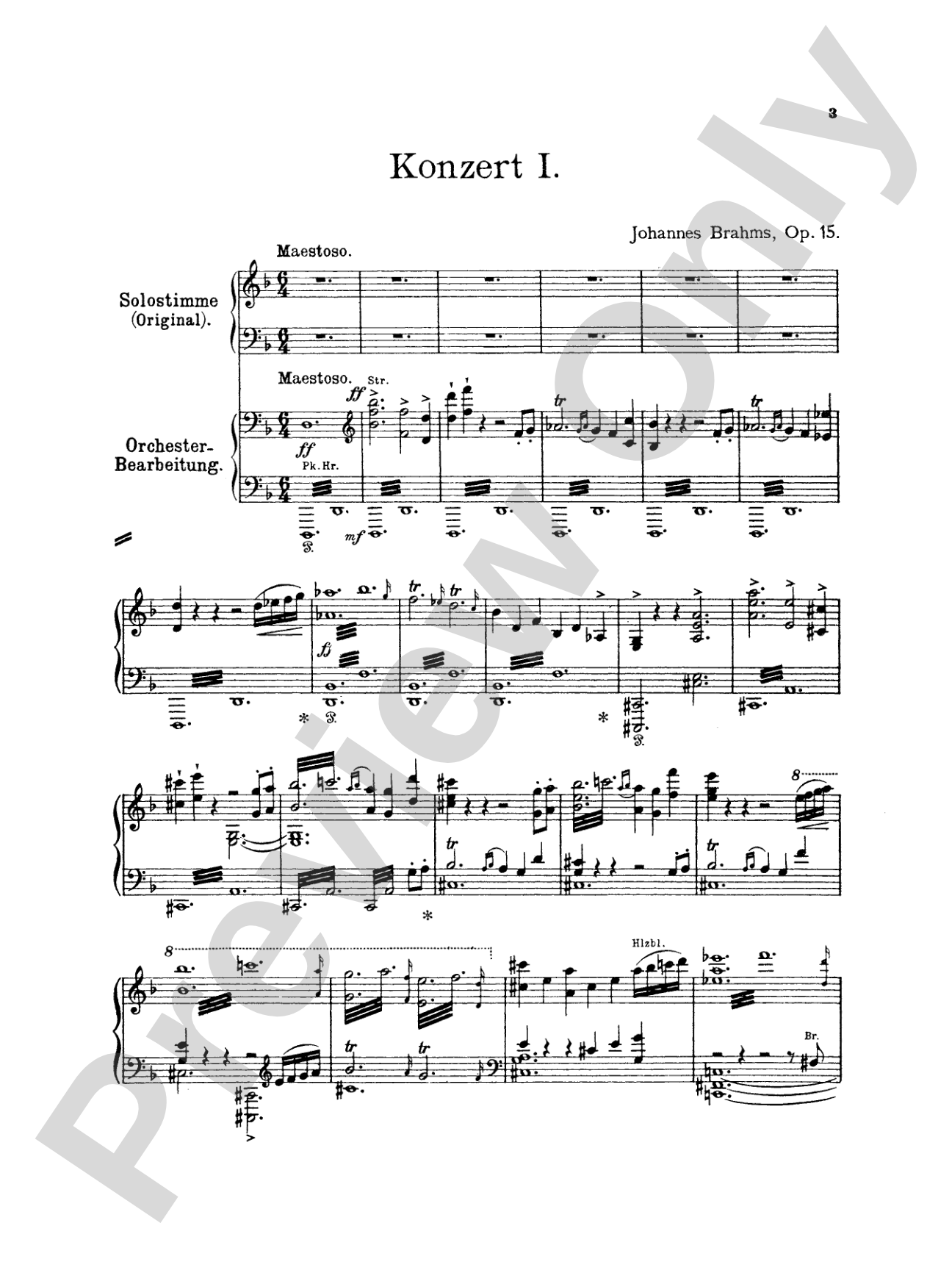
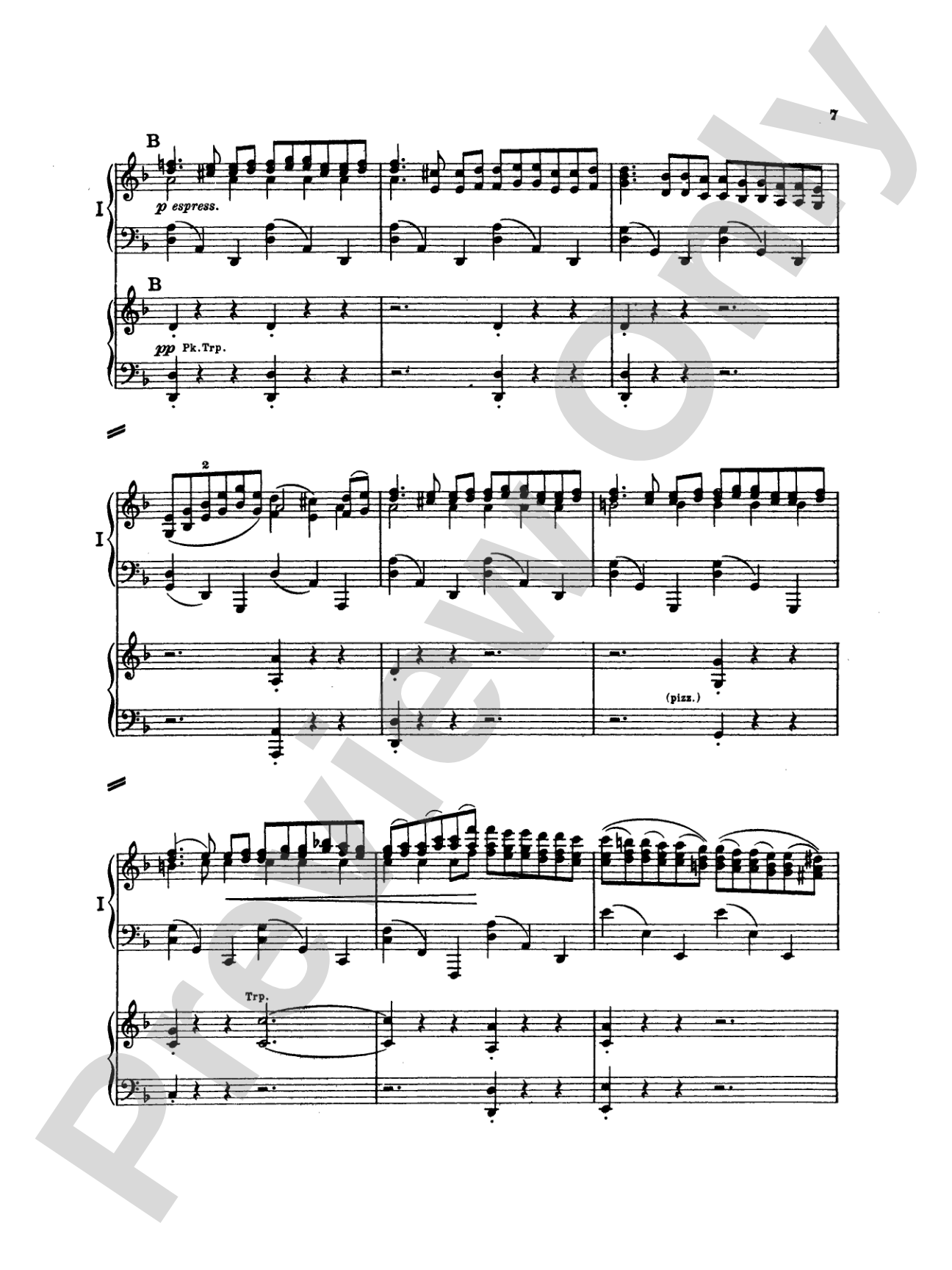
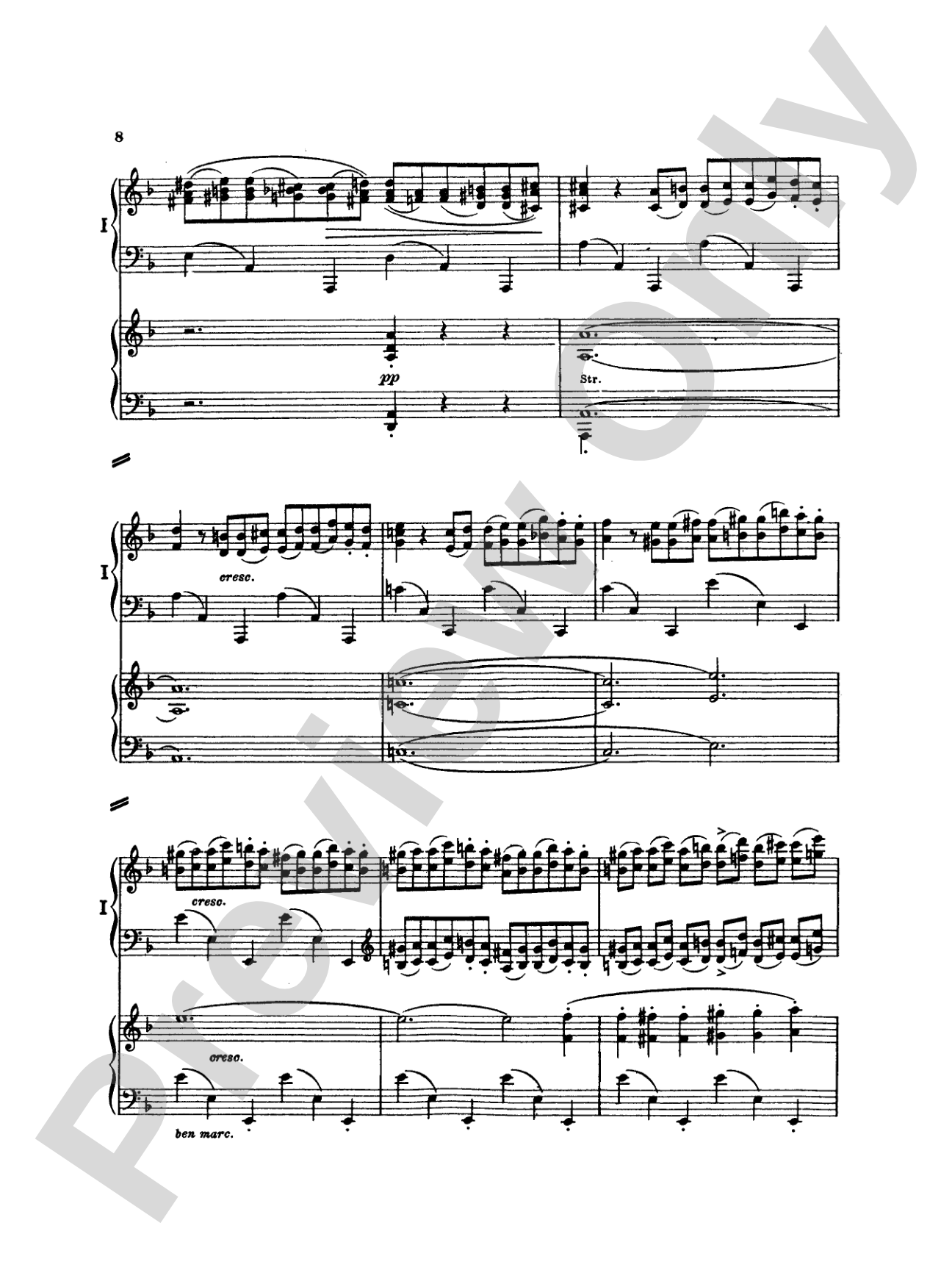
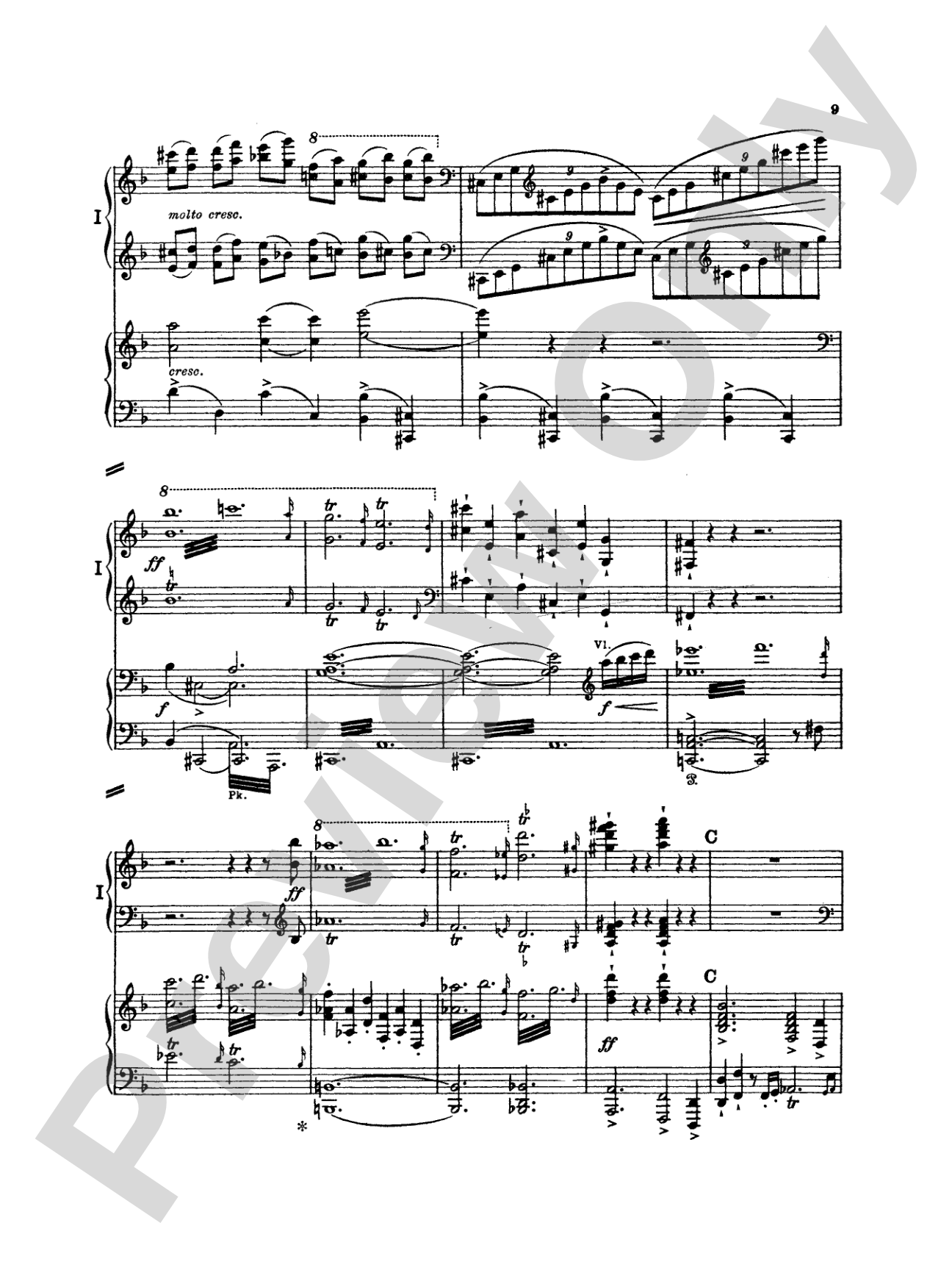
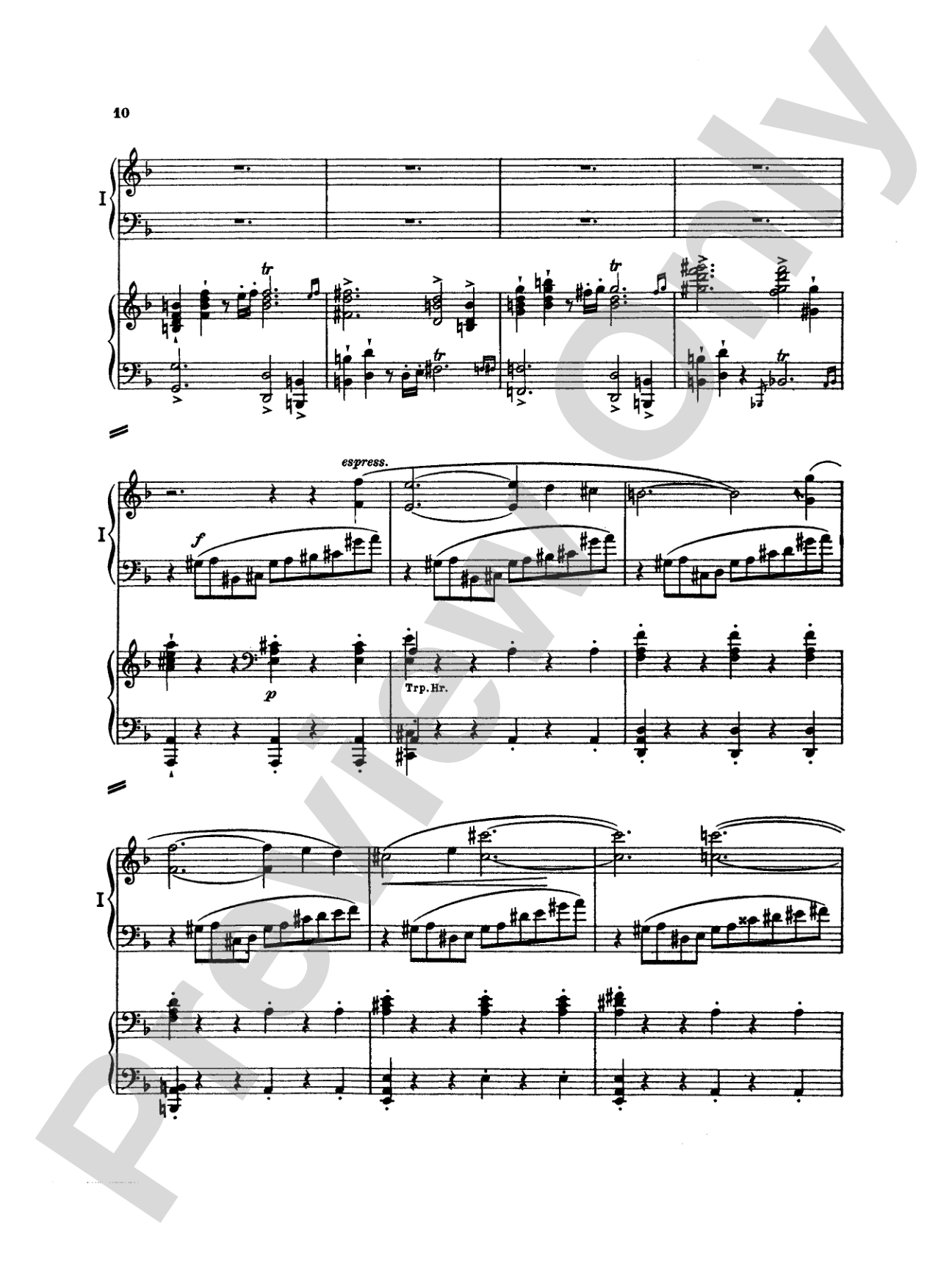
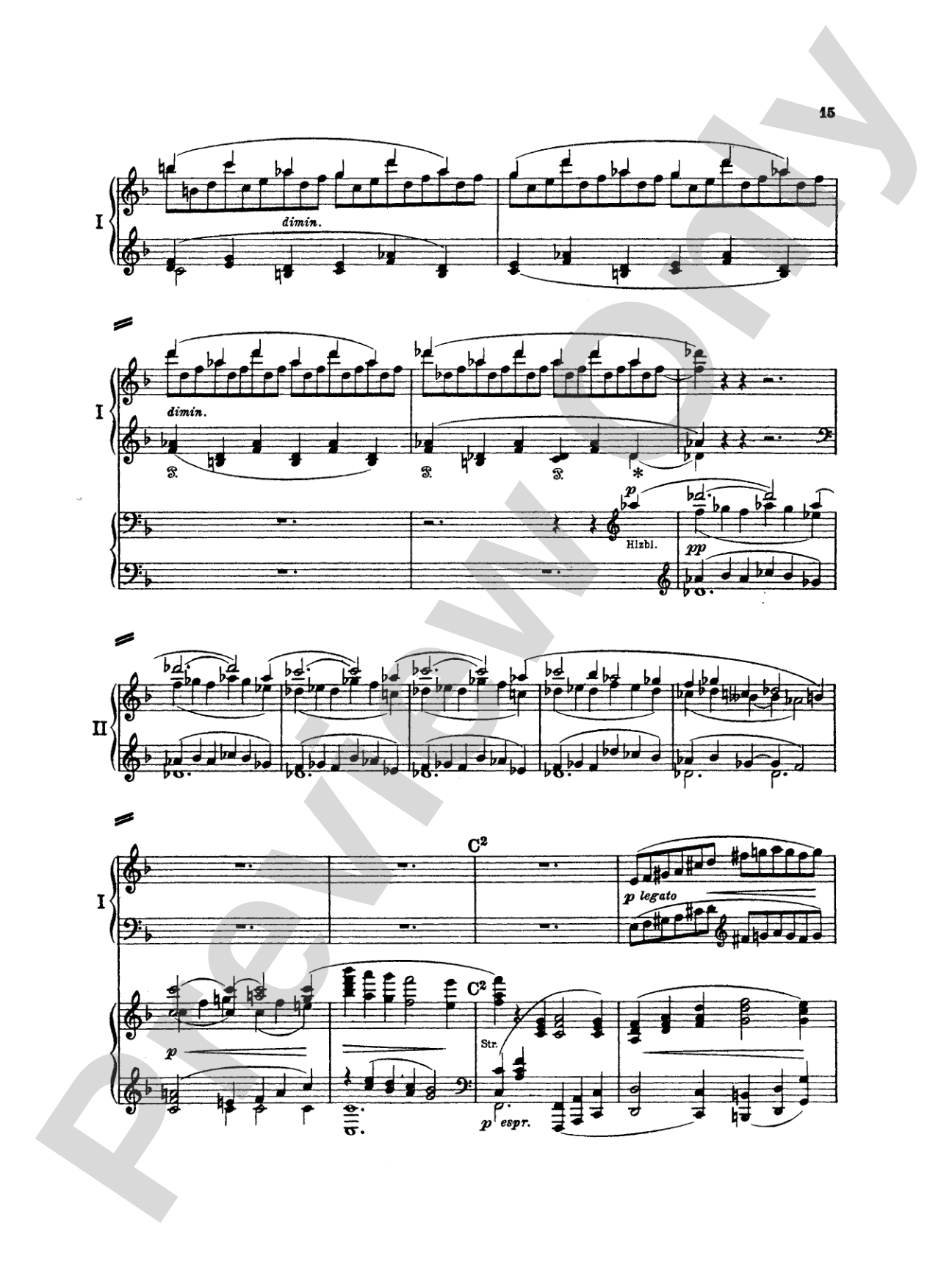
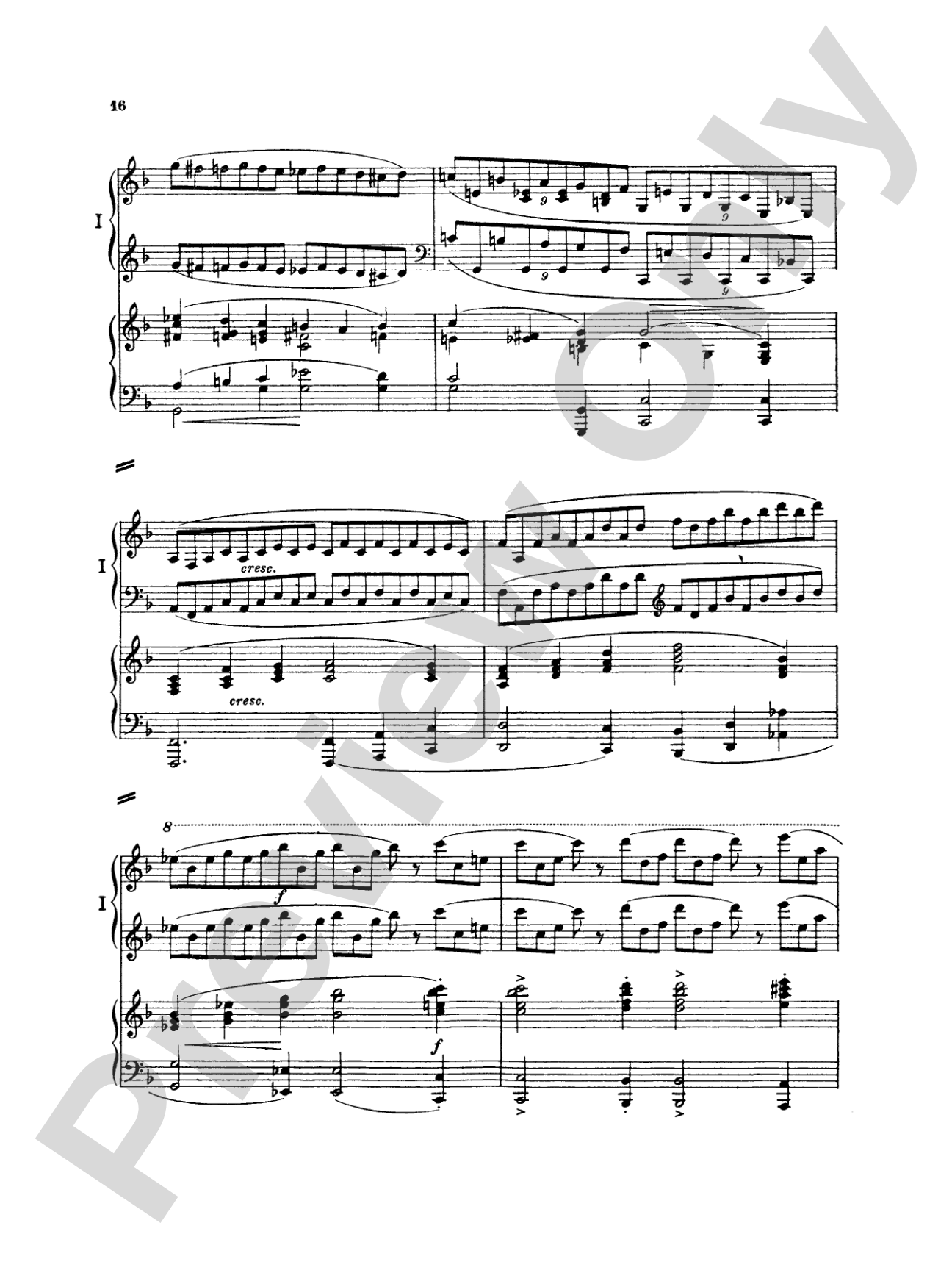
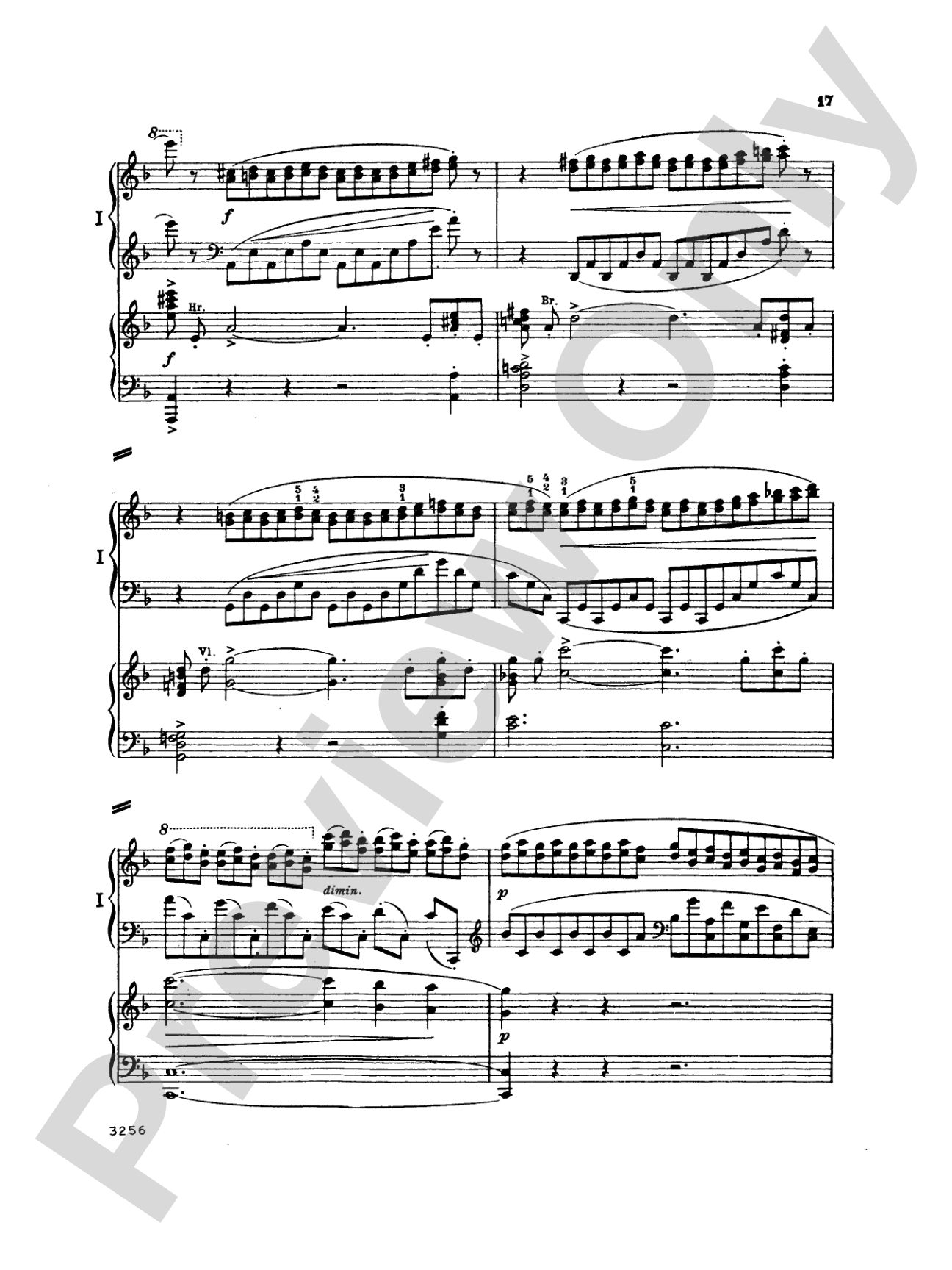
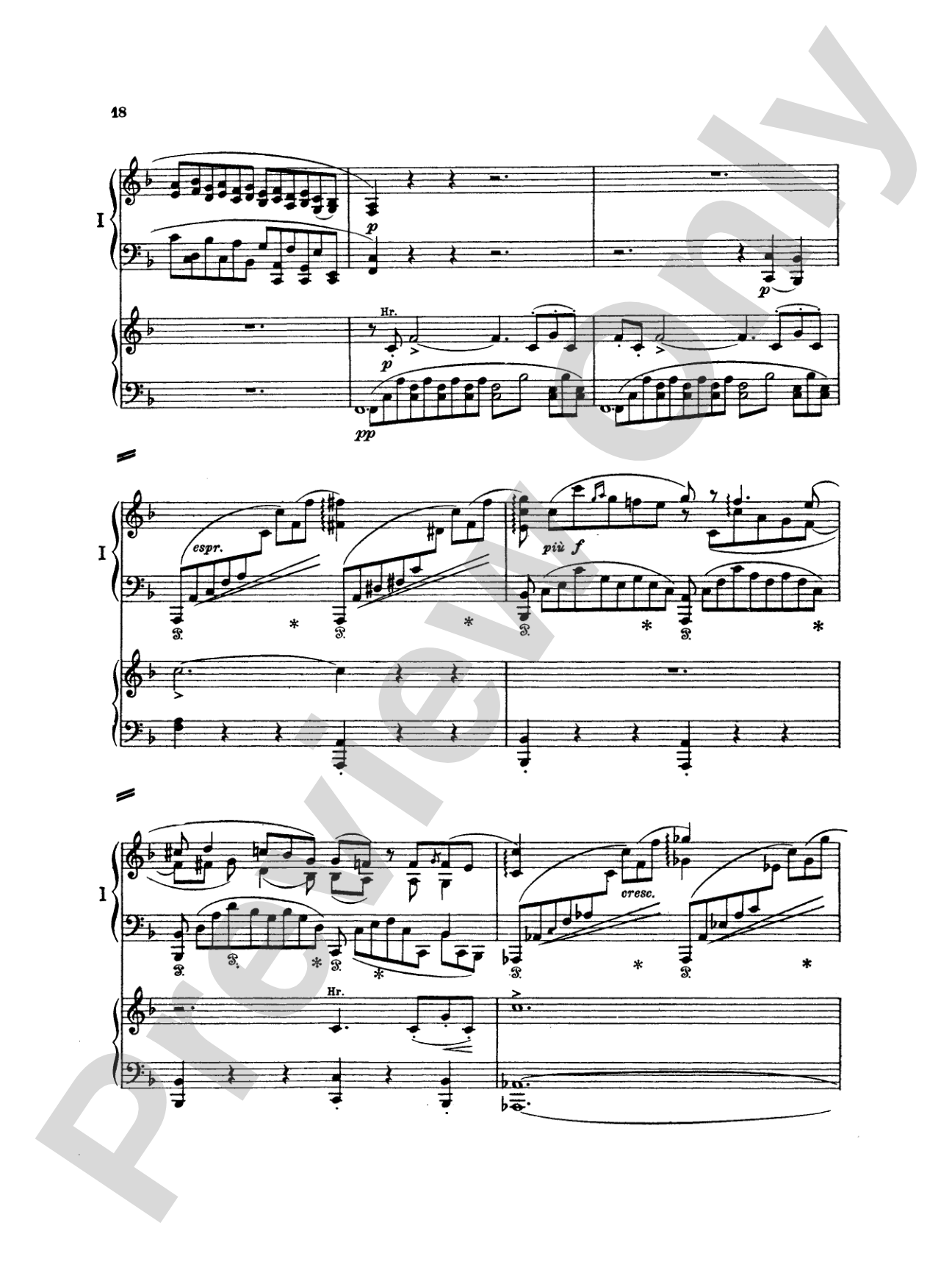
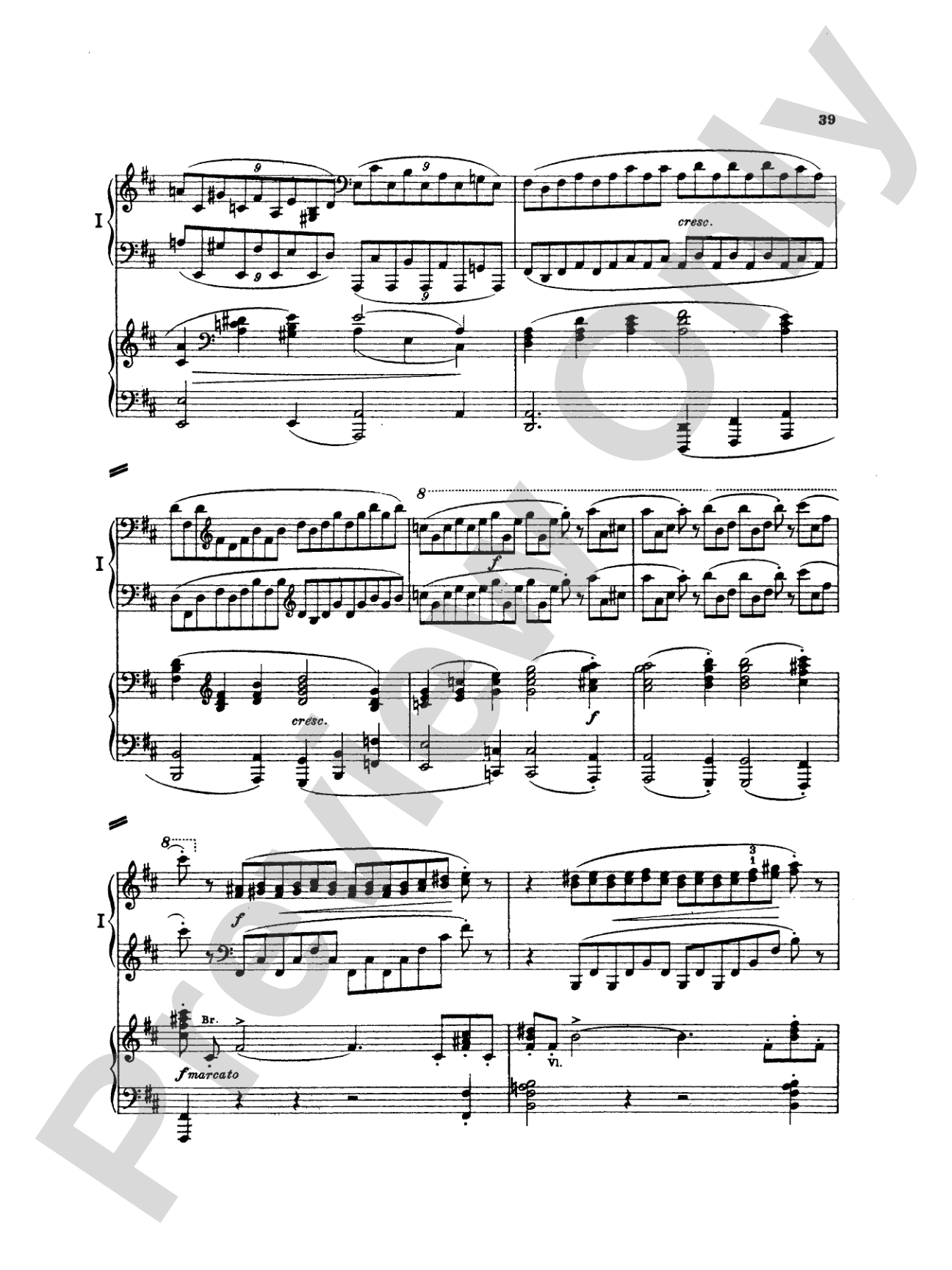
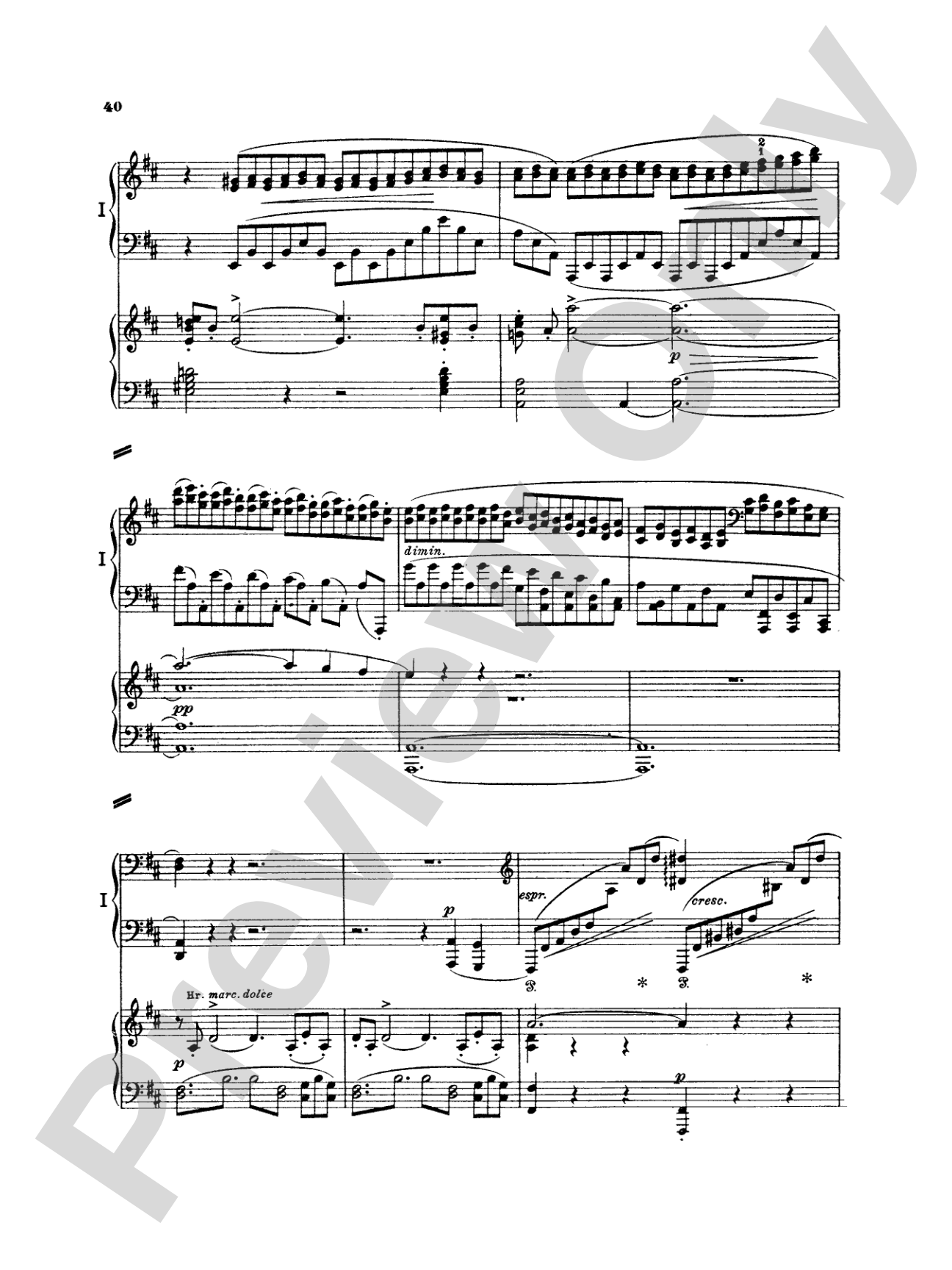
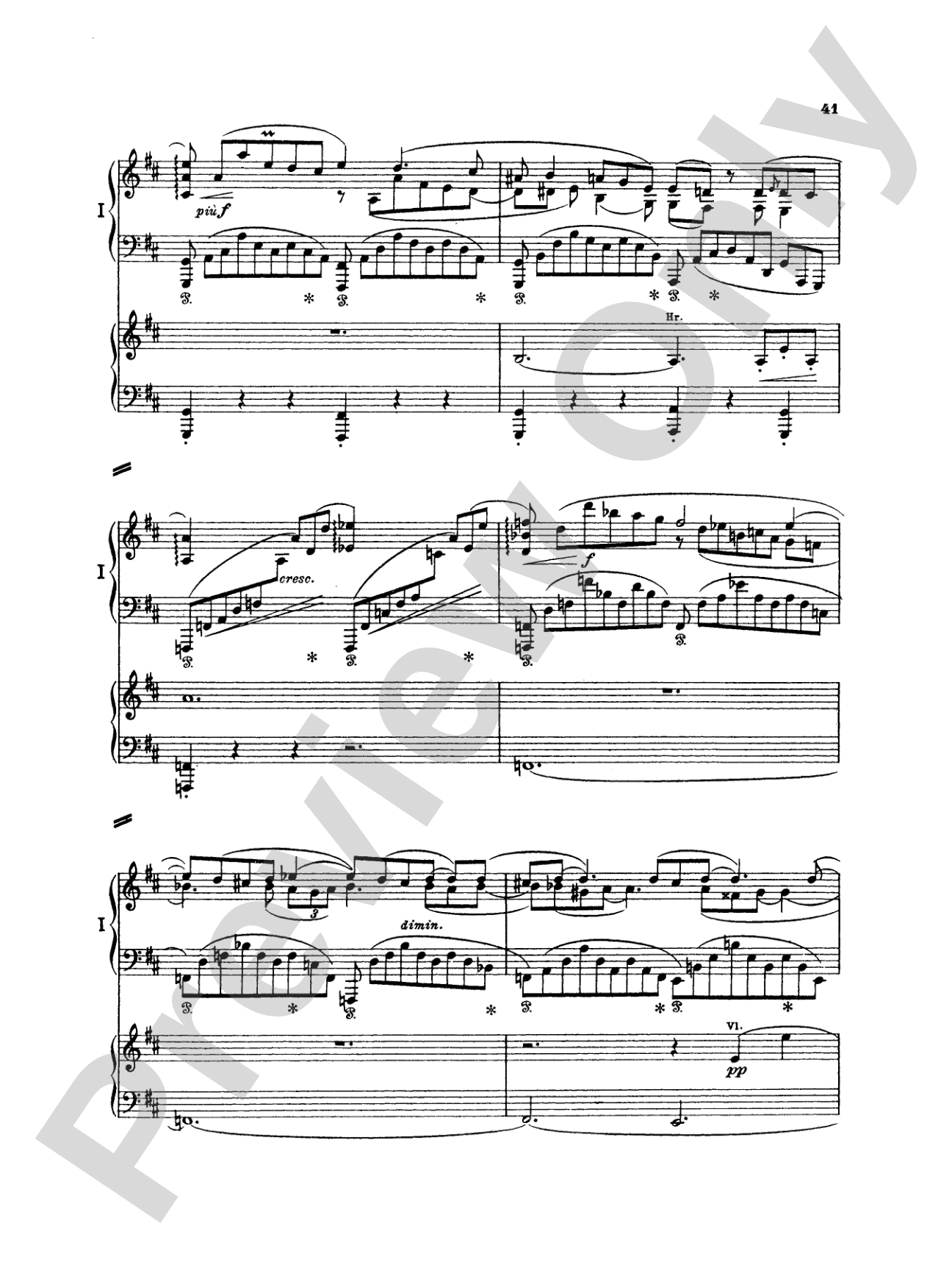
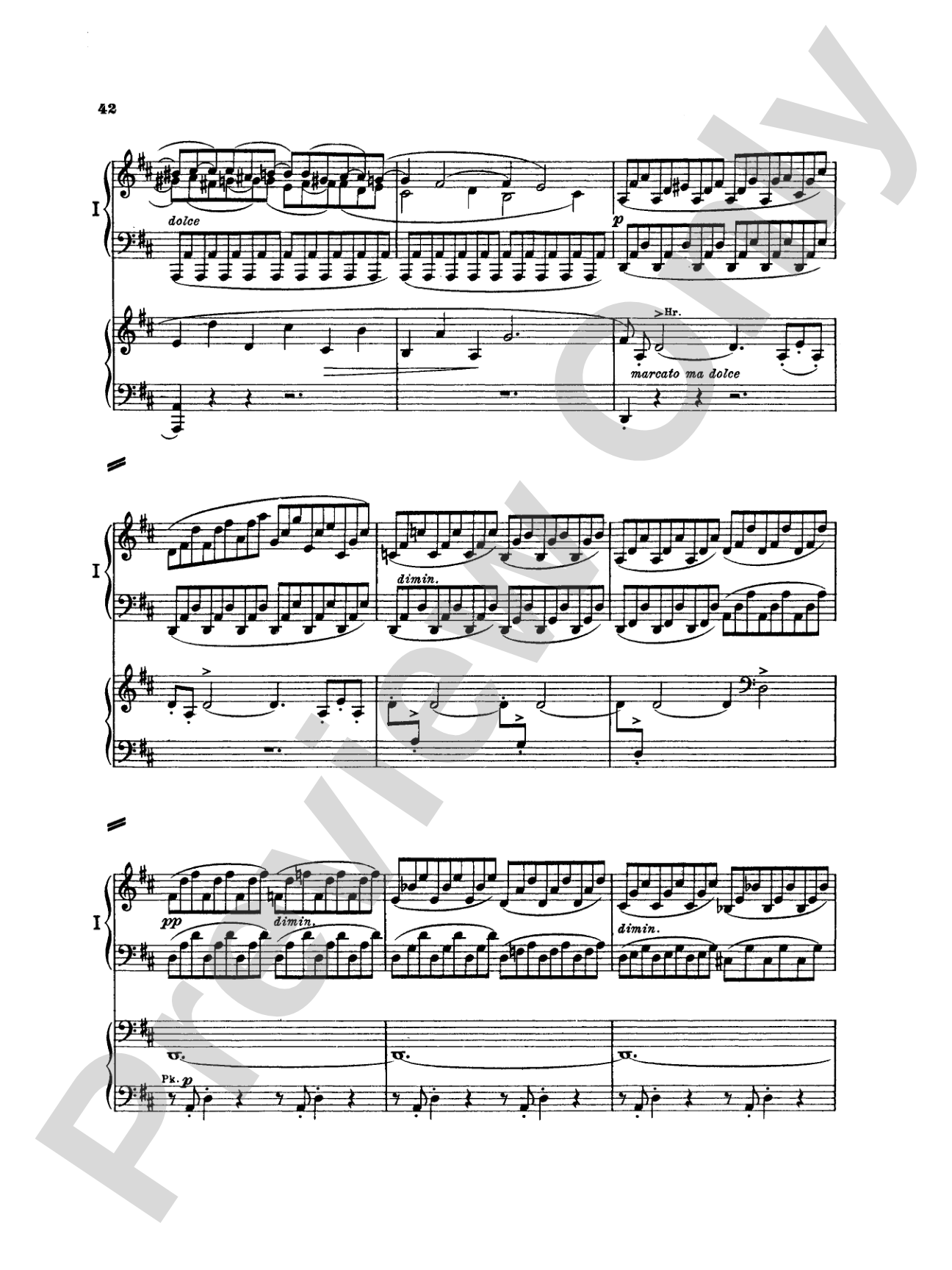
This collection includes: Opus 15, Konzert I * Opus 35, No. 1, Variations on a Theme by Paganini * Opus 35, No. 2, Variations on a Theme by Paganini * Opus 39, Waltzes * Opus 83, Konzert II. 248 pp.


Brahms: Piano Works, Volume III (2 Concertos, Paganini Variations & Waltzes): Piano Book isn't in MakeMusic Cloud just yet...but it could be. Let us know you'd like to see it, and you'll help shape what comes next. In the meantime, start a free trial and dive into thousands of interactive titles your students can play along with today.
Request This Title
Tell us you want it.
Start Your Free Trial
Explore everything that's ready to play right now.
Sample Audio
No sample audio found.
Sample Video
No sample videos found.
Additional Details
Series:
Kalmus Edition
Publisher:
Alfred Music
Page Count:
248
SKU:
00-PK-0002966
More about this title
About the Composer: Johannes Brahms
Johannes Brahms (1833, 1897) stands as one of the great synthesizers of the Romantic era, a composer who honored Classical formal structures while infusing them with nineteenth-century harmonic richness and emotional depth. His piano works span his entire career and reveal his evolution from virtuosic young composer to mature master; they demand technical command, interpretive sophistication, and stamina.
For pianists and teachers, Brahms represents an essential bridge between the Classical tradition and modern concert music. His works reward sustained study because they combine architectural clarity with profound expressive content, making them ideal for developing both interpretive maturity and advanced technique.
Why we love this
This collection assembles the core of Brahms's piano legacy in a single, economical volume. The pairing of two concertos with the formidable Paganini Variations and the elegant Waltzes offers pianists and teachers a complete survey of his approach to the instrument across different scales and forms.
What to expect
Brahms's piano writing spans from intimate lyricism to architectural grandeur. The concertos sweep across dramatic landscapes of Classical proportion, while the Paganini Variations burrow into motivic transformation and harmonic invention. The Waltzes offer respite with their crystalline melodies and understated sophistication, reminding us that Brahms could be direct and graceful without sacrificing depth.
Who it's for
Advanced pianists preparing for recitals, competitions, or comprehensive study of Romantic repertoire. Teachers seeking a definitive, affordable edition of Brahms's major solo and concertante works will find this collection invaluable for planning curricula and assigning substantial repertoire projects.
How to get the most out of it
- Study the two concertos alongside their orchestral parts (or a recorded performance) to understand how Brahms voices the dialogue between soloist and ensemble; this shapes phrasing and color choices even in solo practice.
- Approach the Paganini Variations as a set of character studies rather than a demonstration of technical facility. Each variation reorganizes the theme's harmonic and rhythmic content, rewarding structural awareness over speed.
- The Waltzes benefit from a clear, stylized approach to rubato and pedaling; treat them as miniatures with their own dramatic arc rather than background music.
- Pay close attention to Brahms's dynamic and articulation markings, which are precise and often counterintuitive. His use of sf and pp carries structural weight.
How to use it
The two concertos anchor recitals featuring Romantic concertante repertoire or full-length solo programs. The Paganini Variations work powerfully as a standalone study piece or as a central work in a program exploring theme-and-variations forms. The Waltzes serve as contrasting interludes or standalone encore material. This edition makes it feasible to build entire semesters of advanced piano study around Brahms's solo keyboard output.
Skills your students will build
- Structural navigation of extended forms (sonata, concerto, variation cycle)
- Voicing and balance in two and three-part textures
- Harmonic analysis of 19th-century chromaticism and modulation
- Pedaling as a coloristic and structural tool
- Interpretation of historically informed articulation and dynamic markings
- Cross-hand coordination and rapid register shifts