
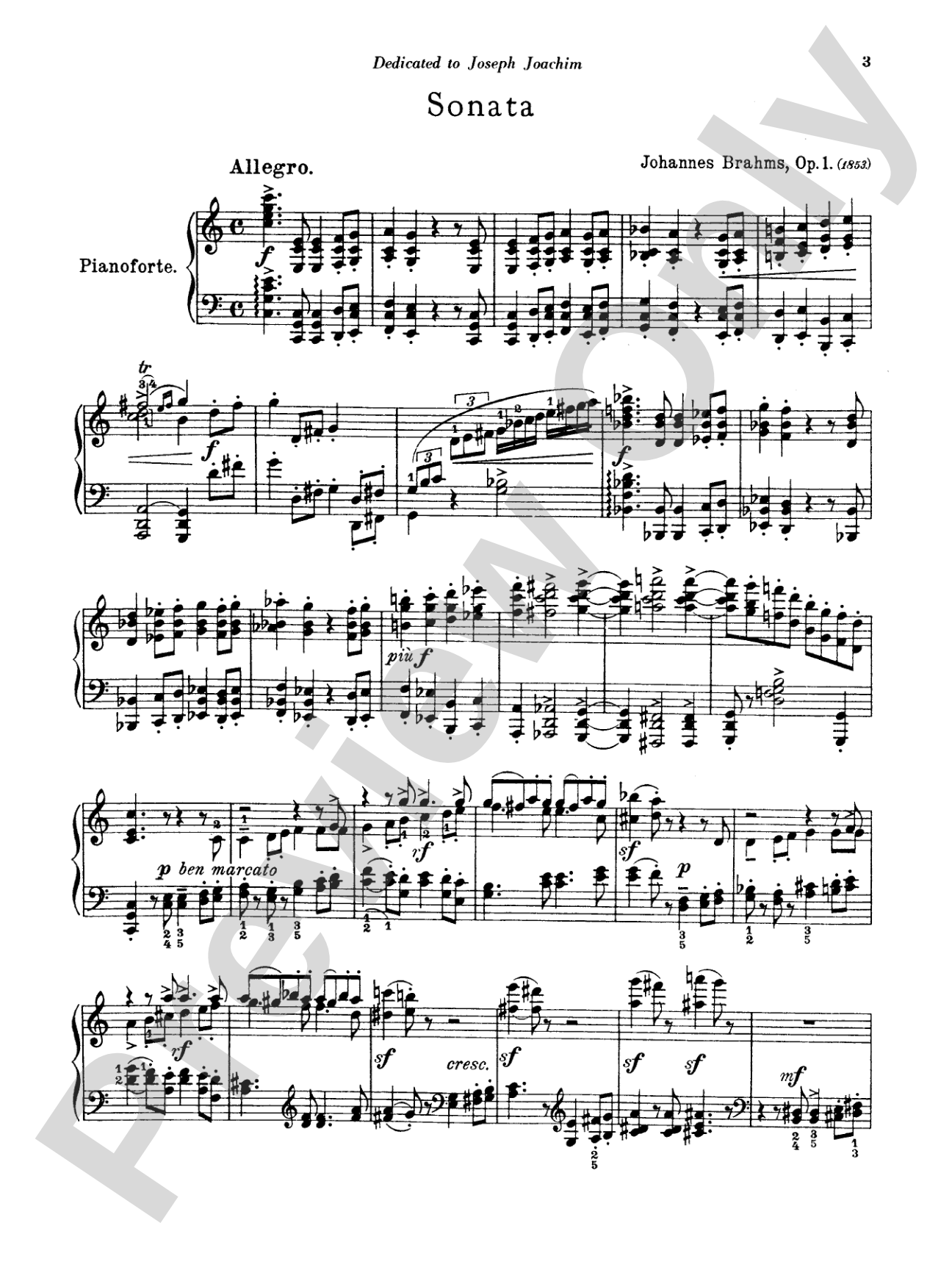
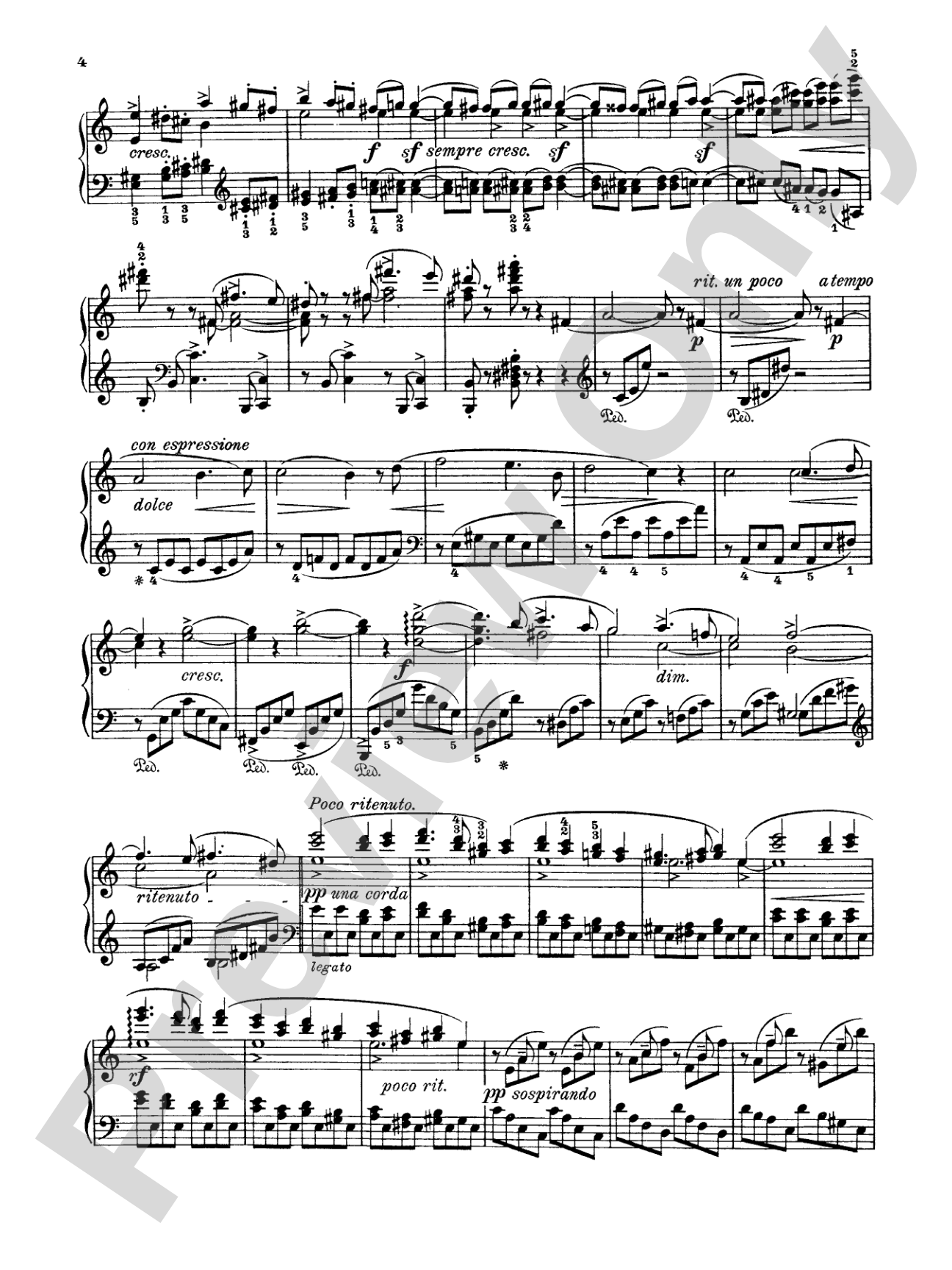
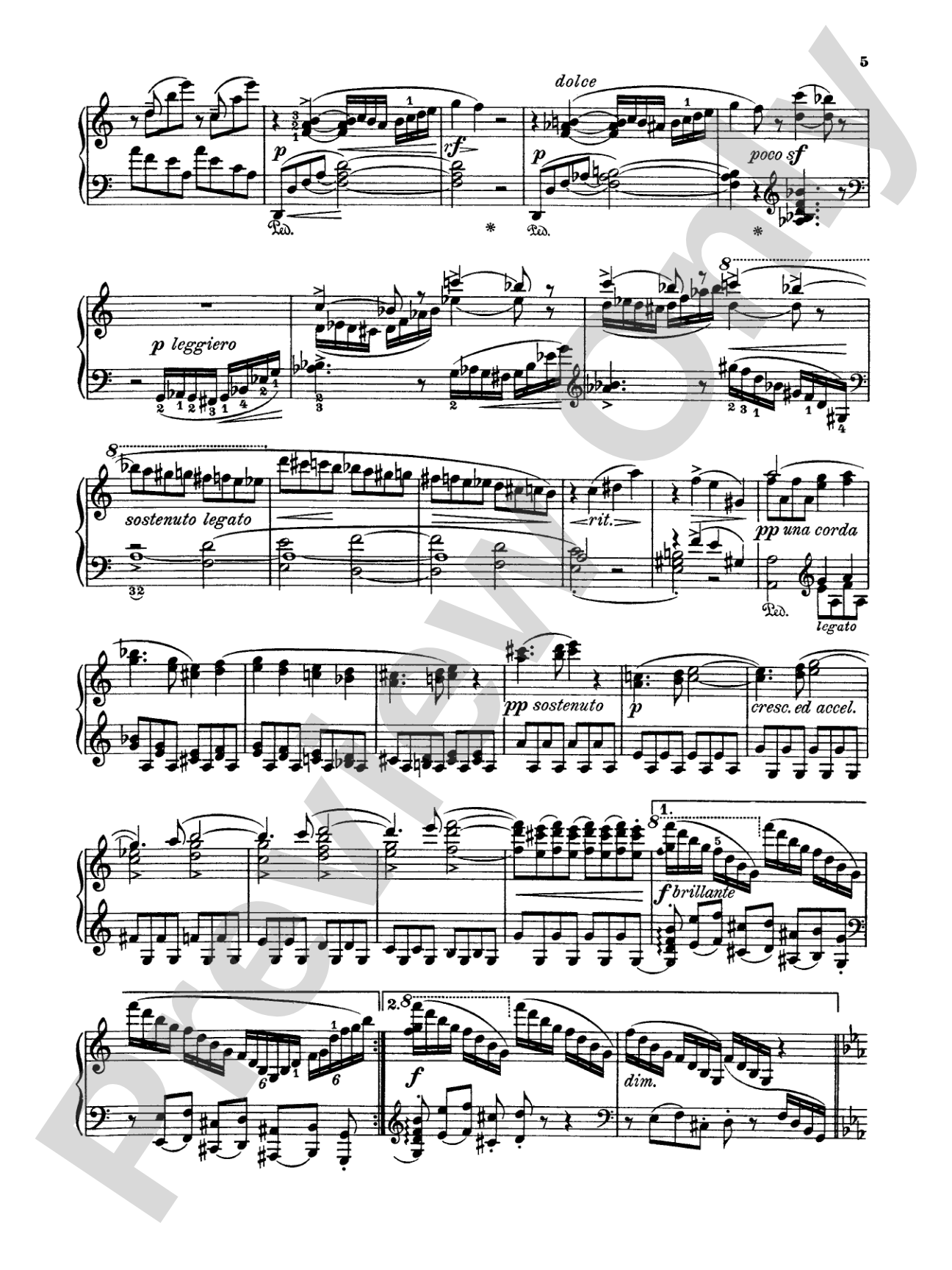
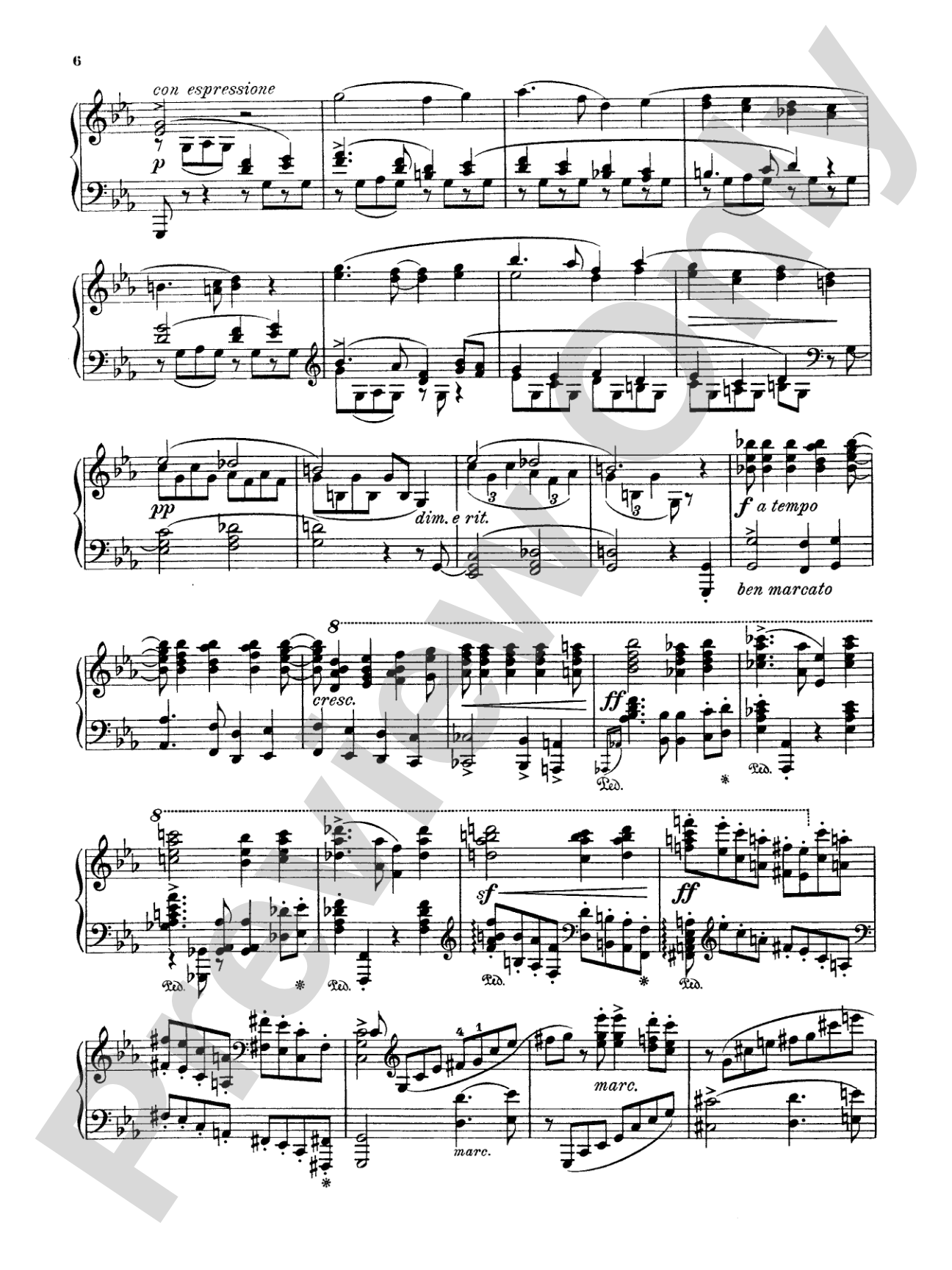
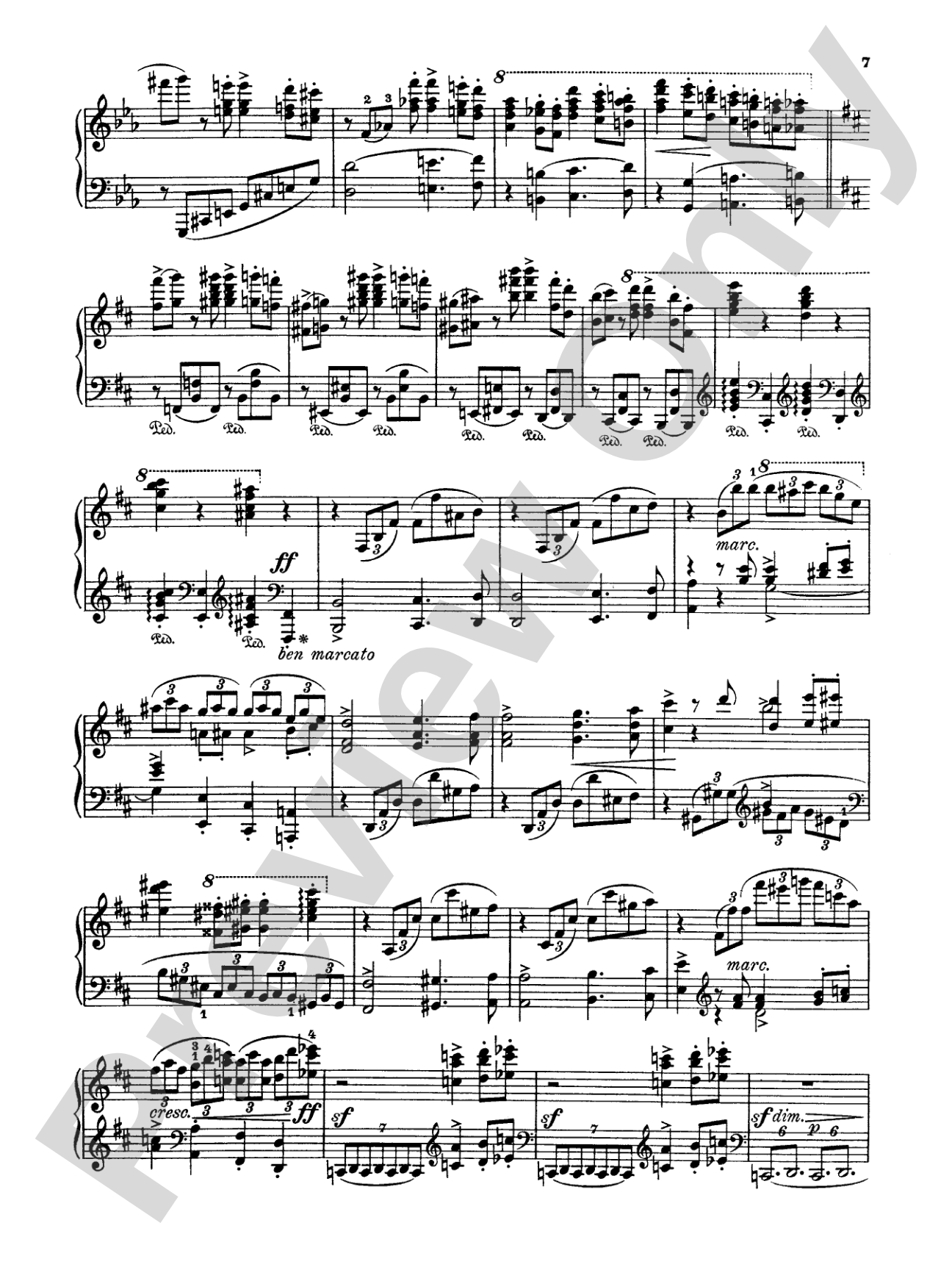
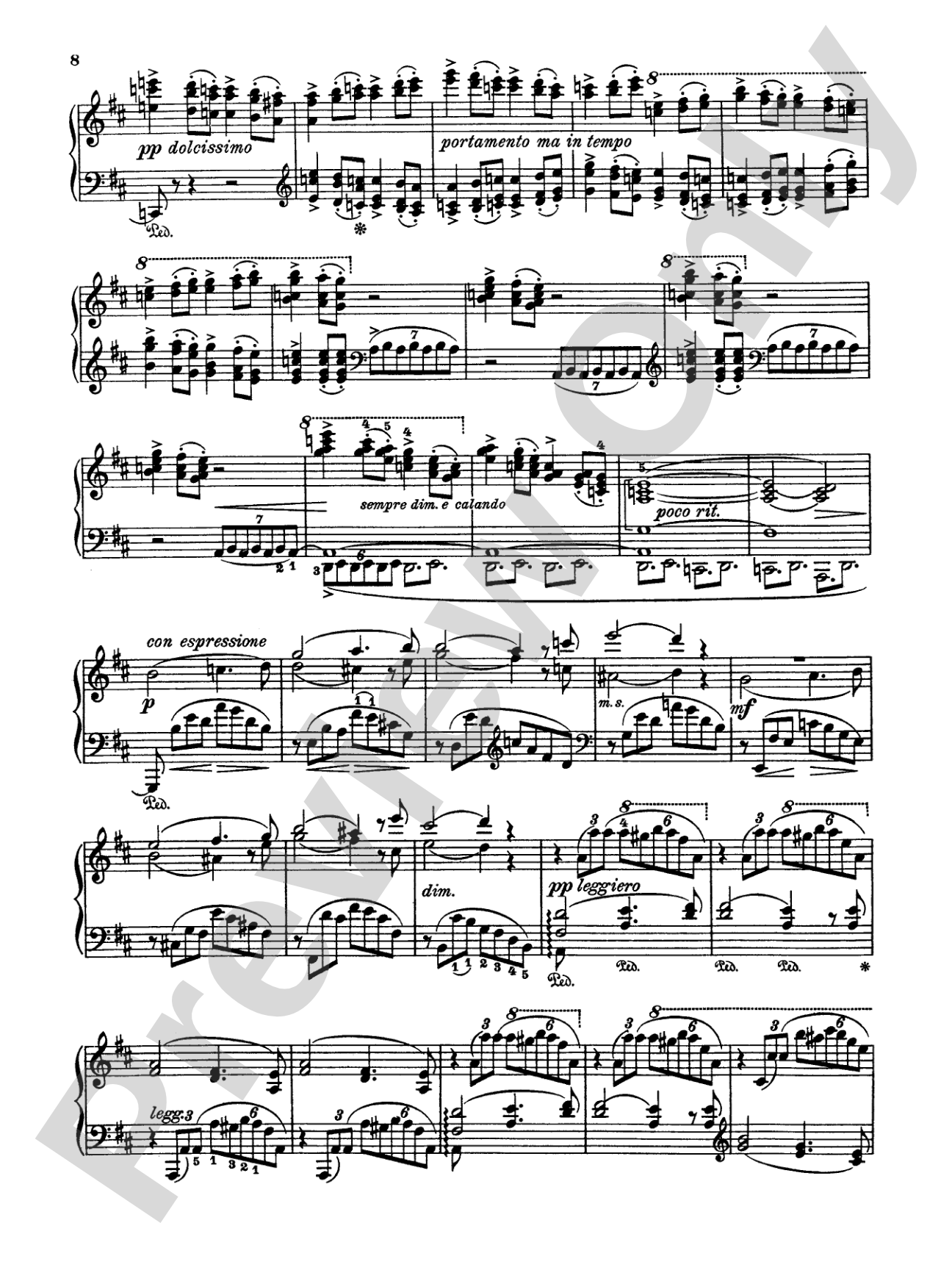
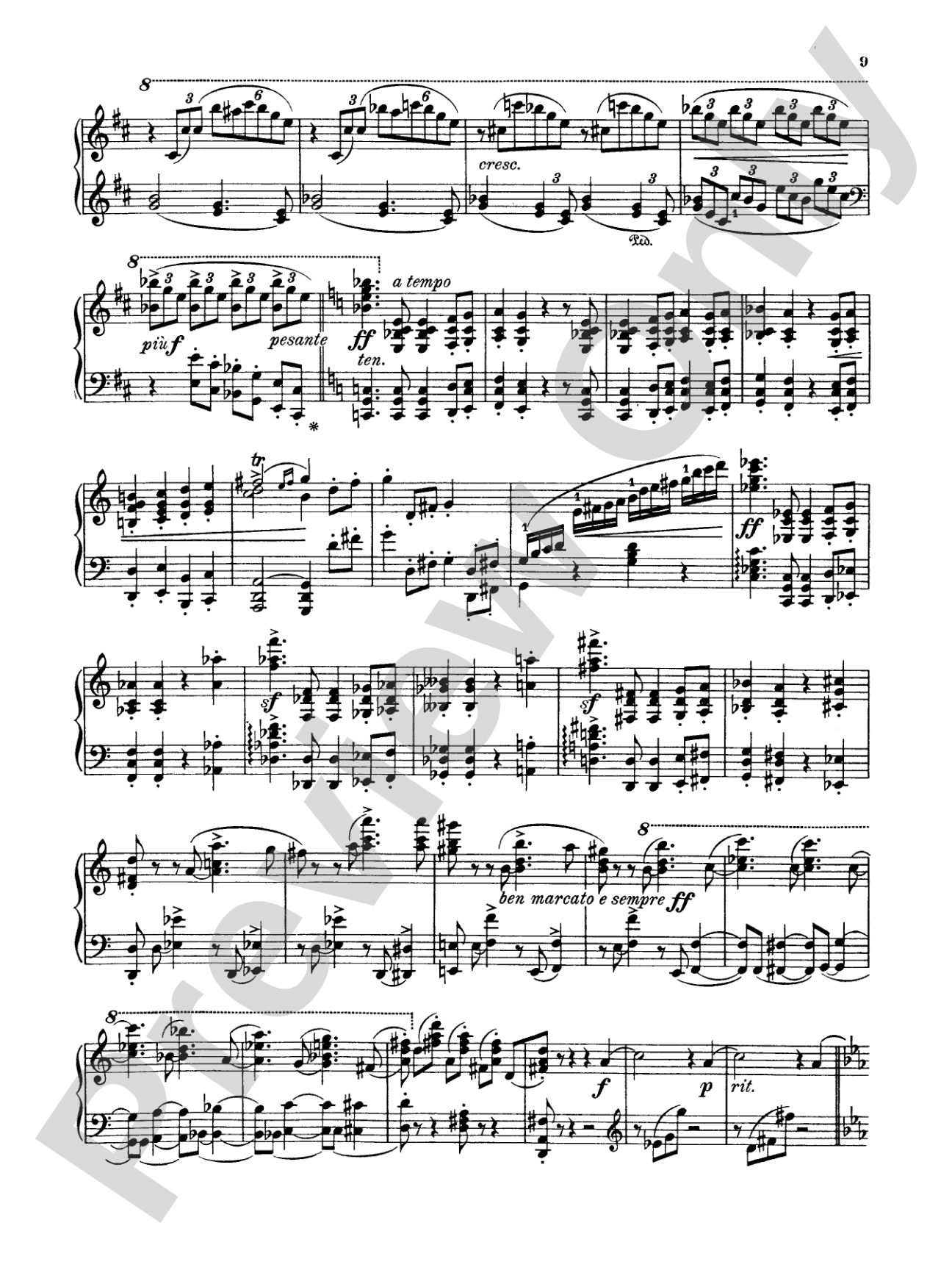
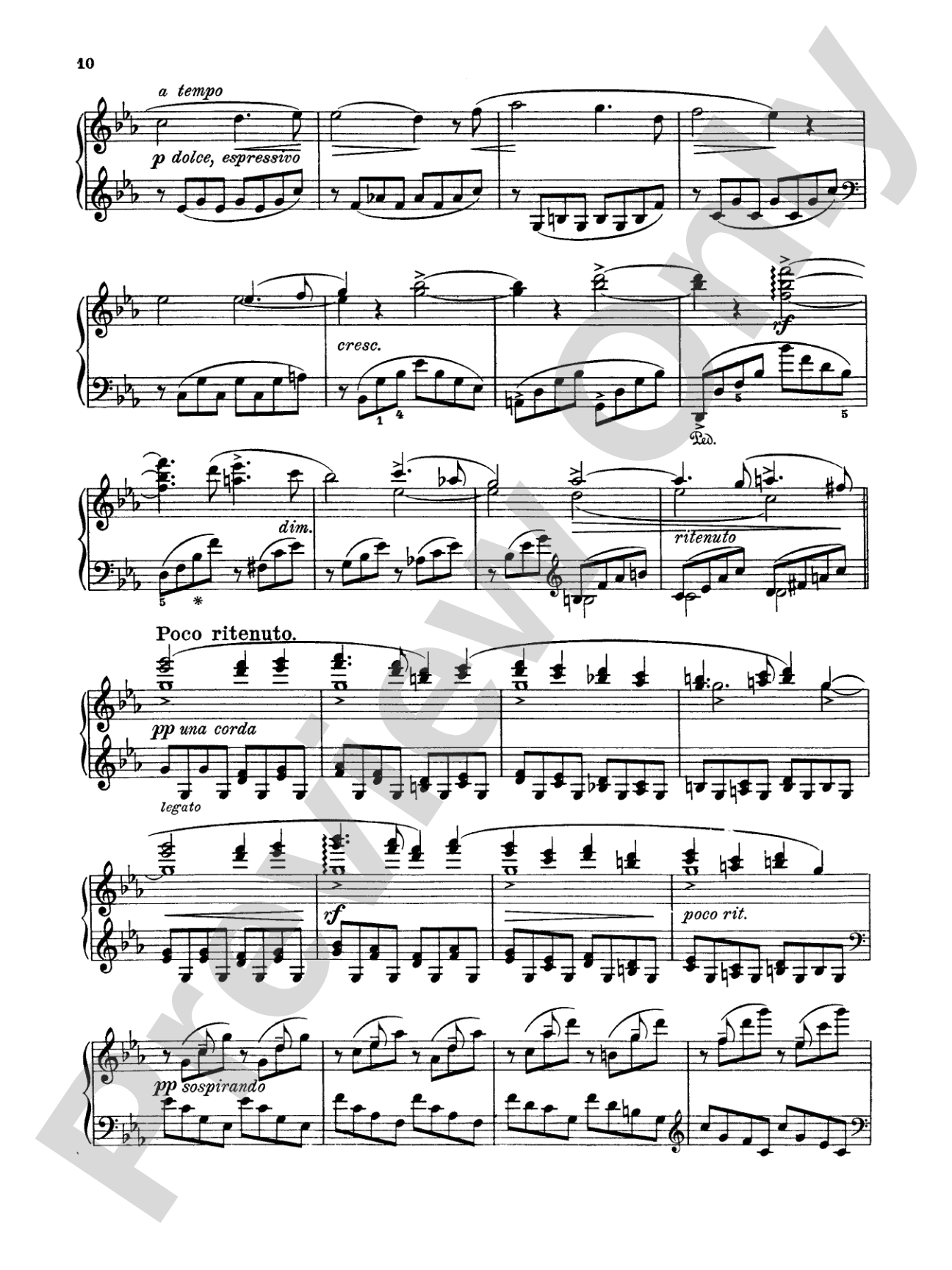
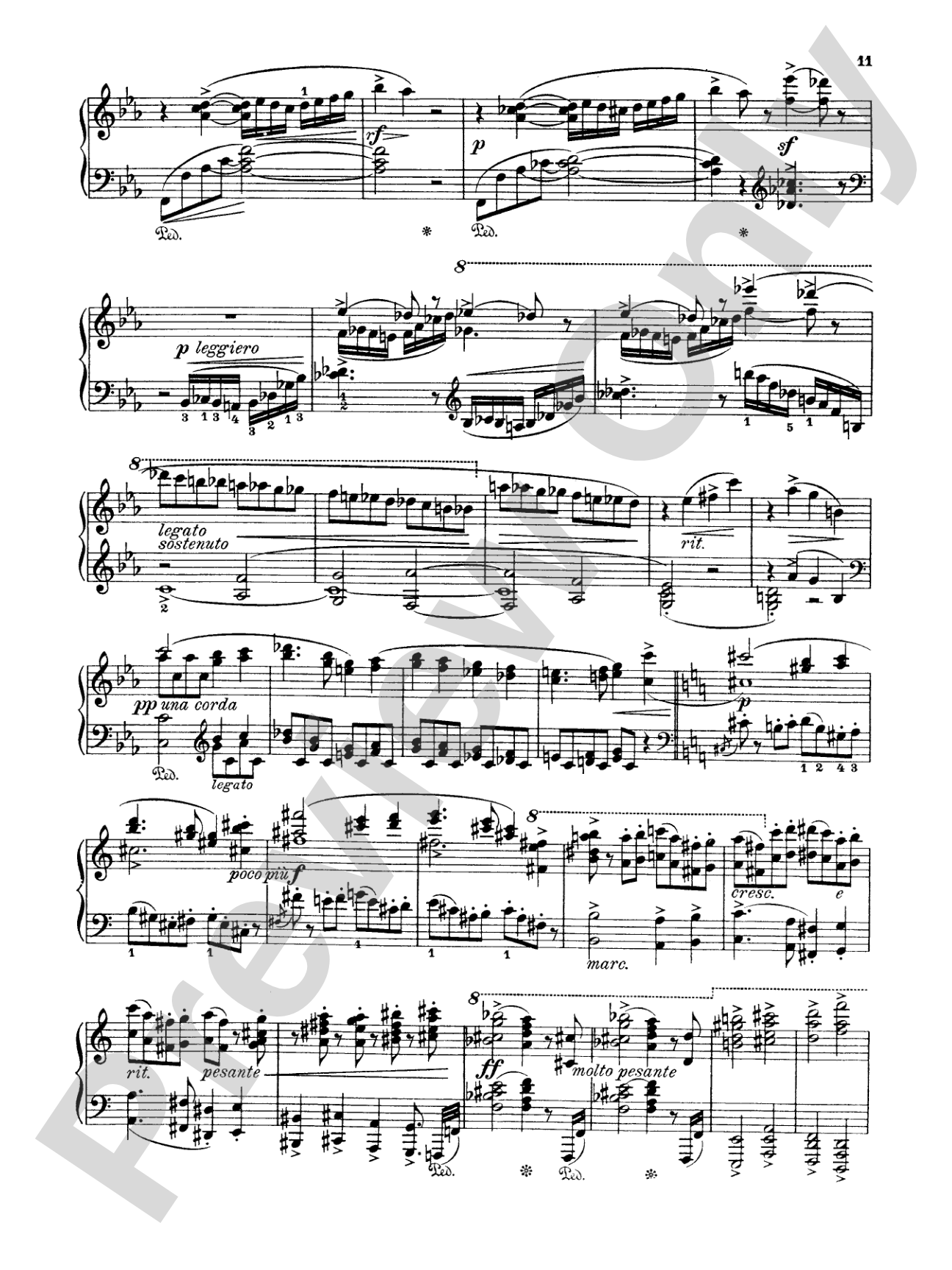
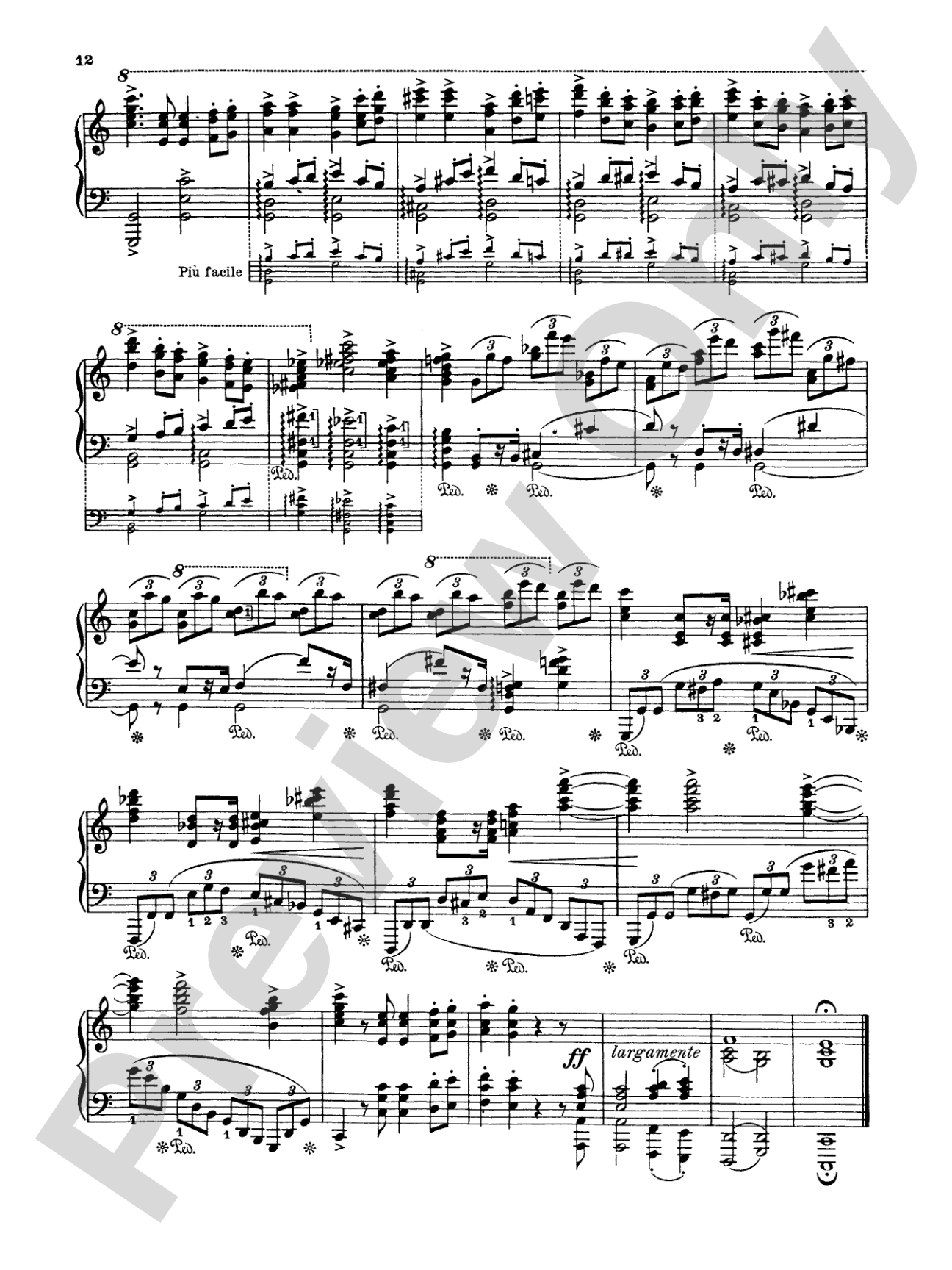
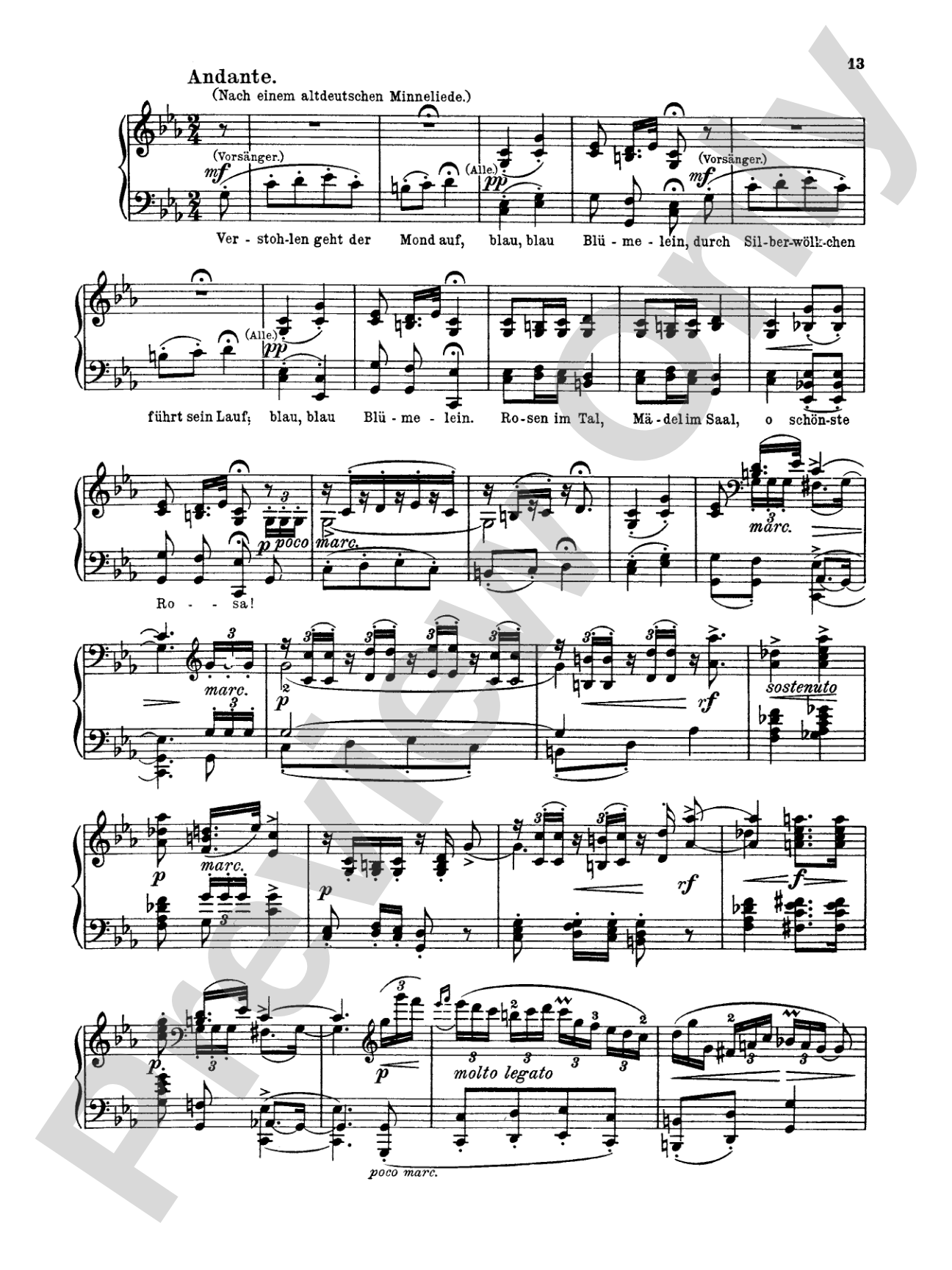
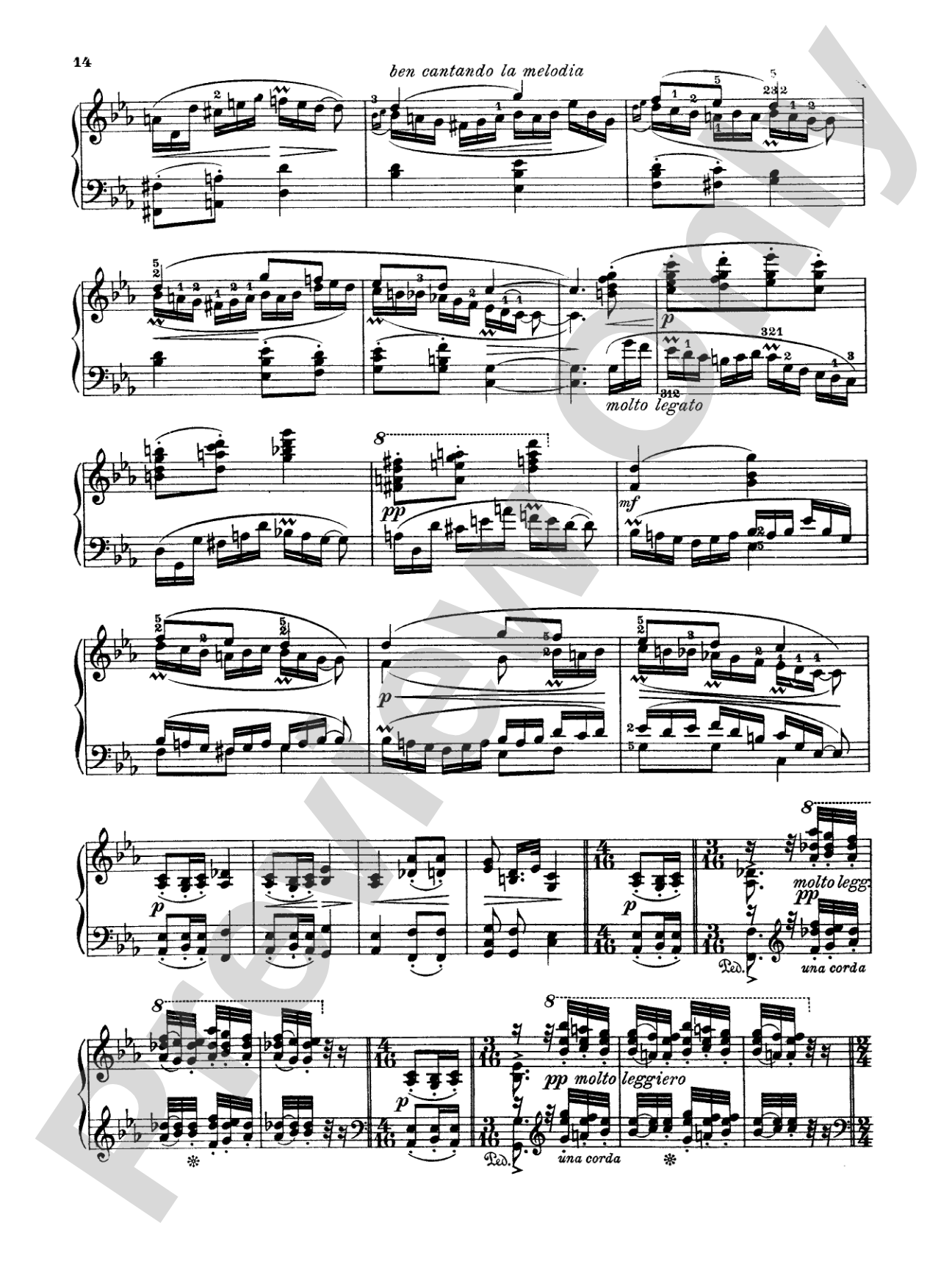
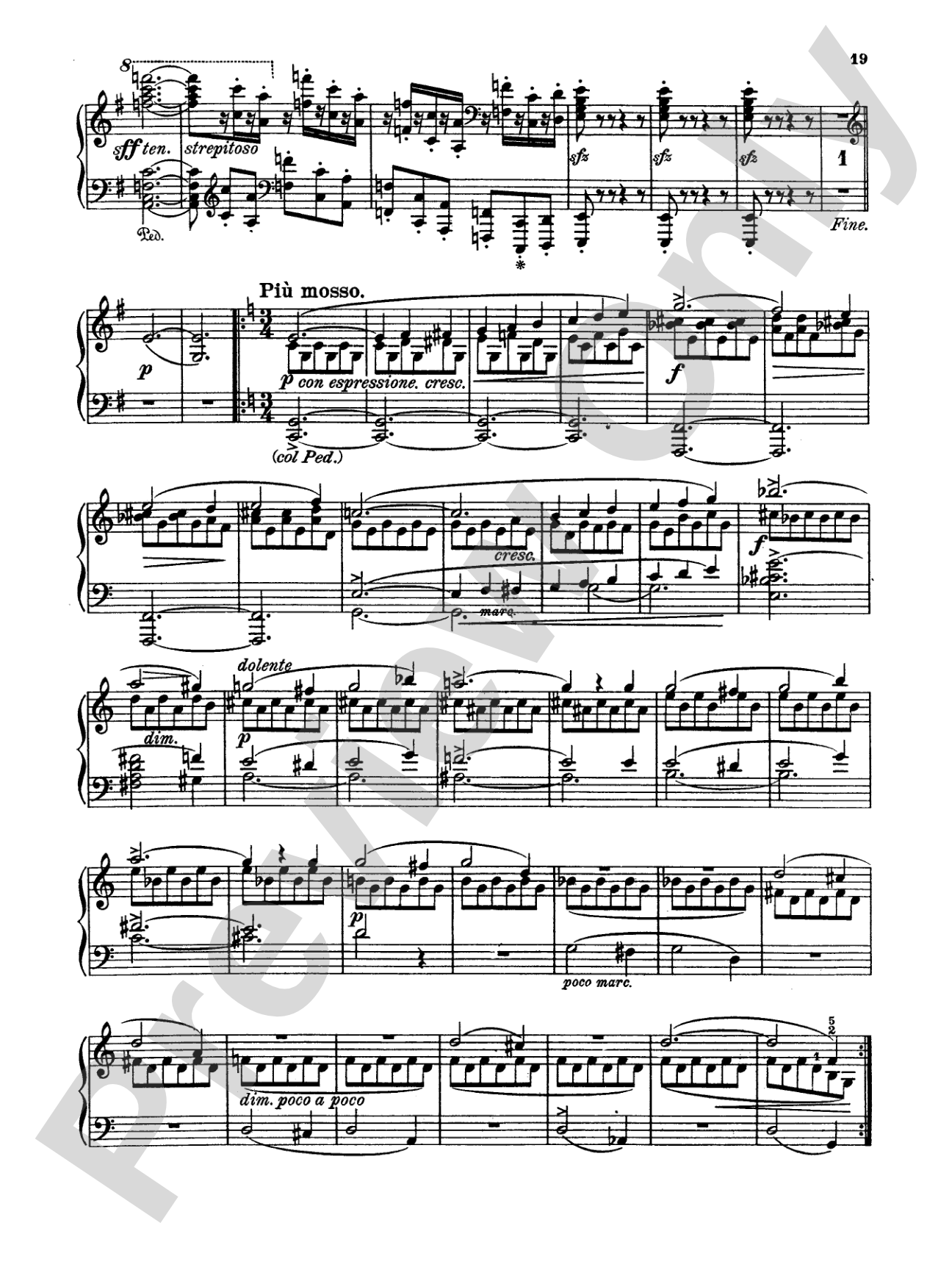
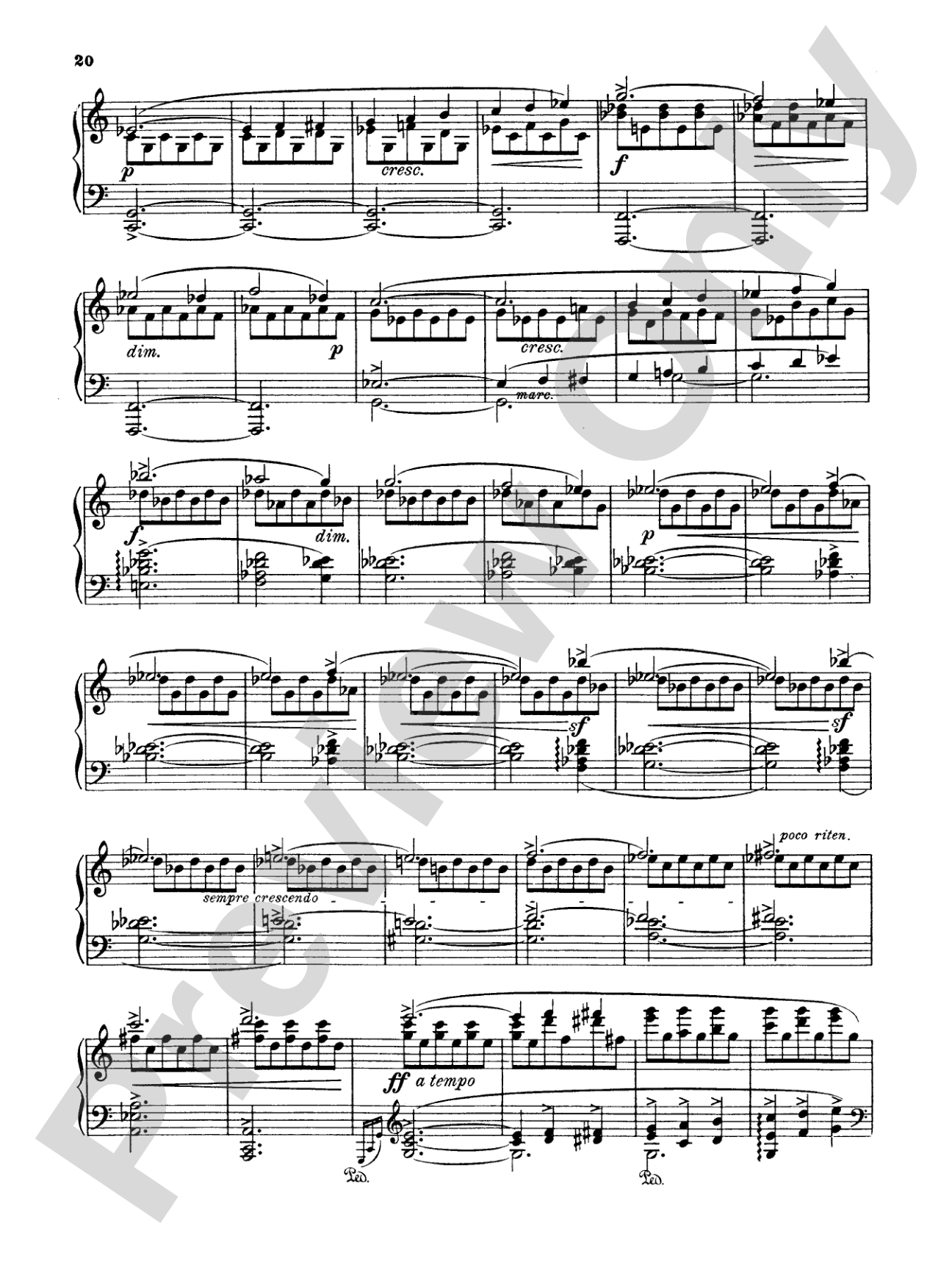
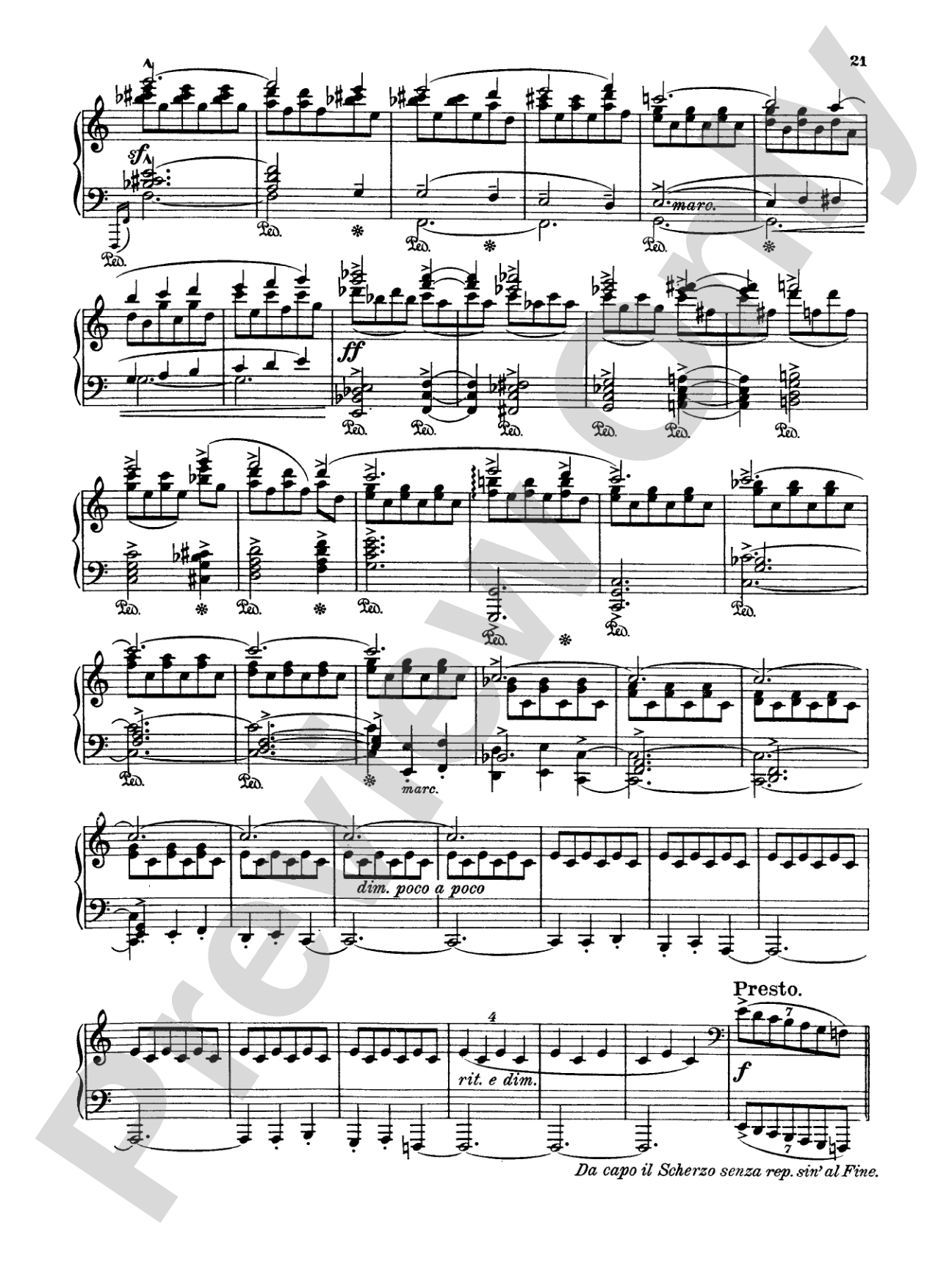
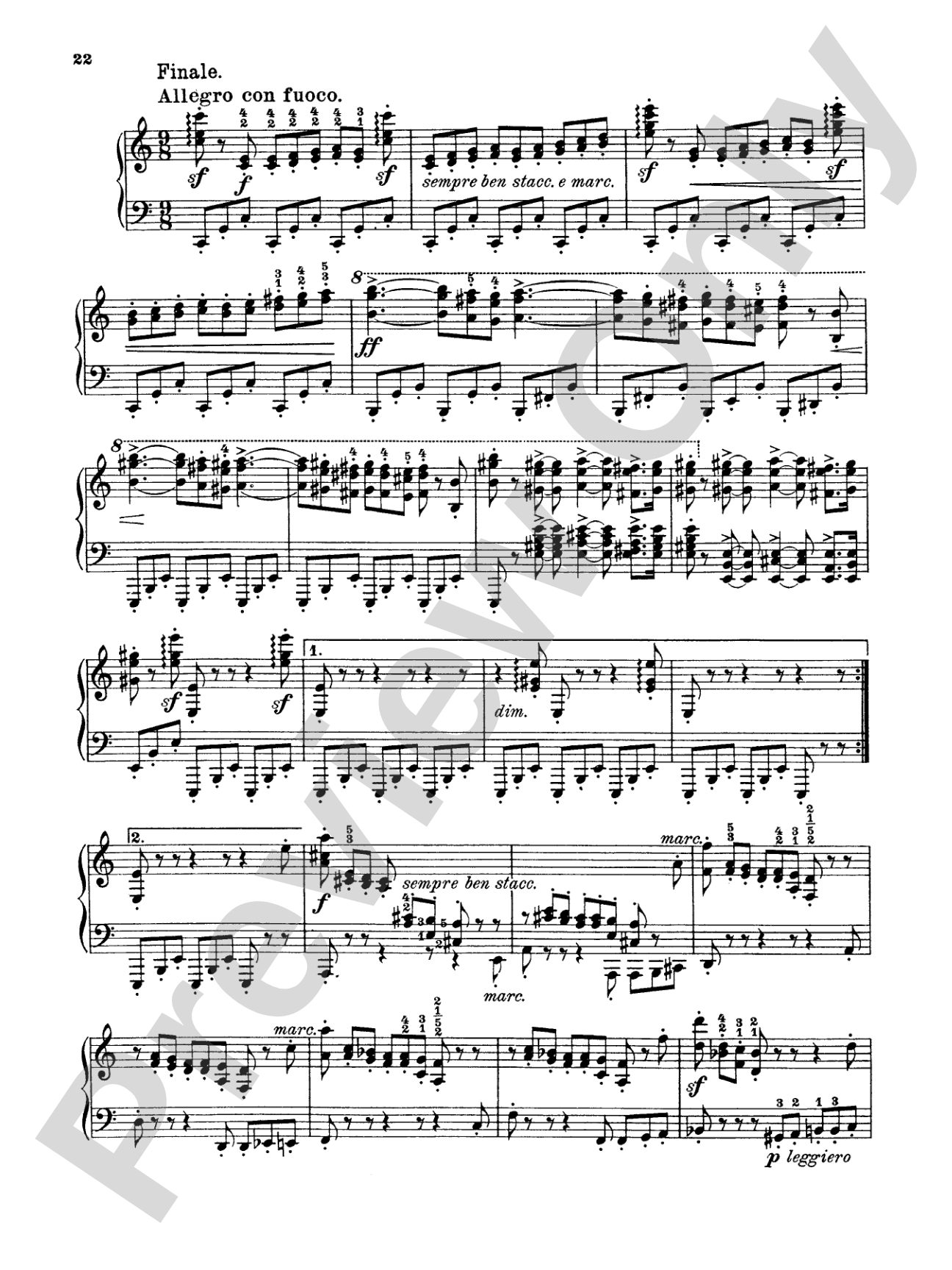
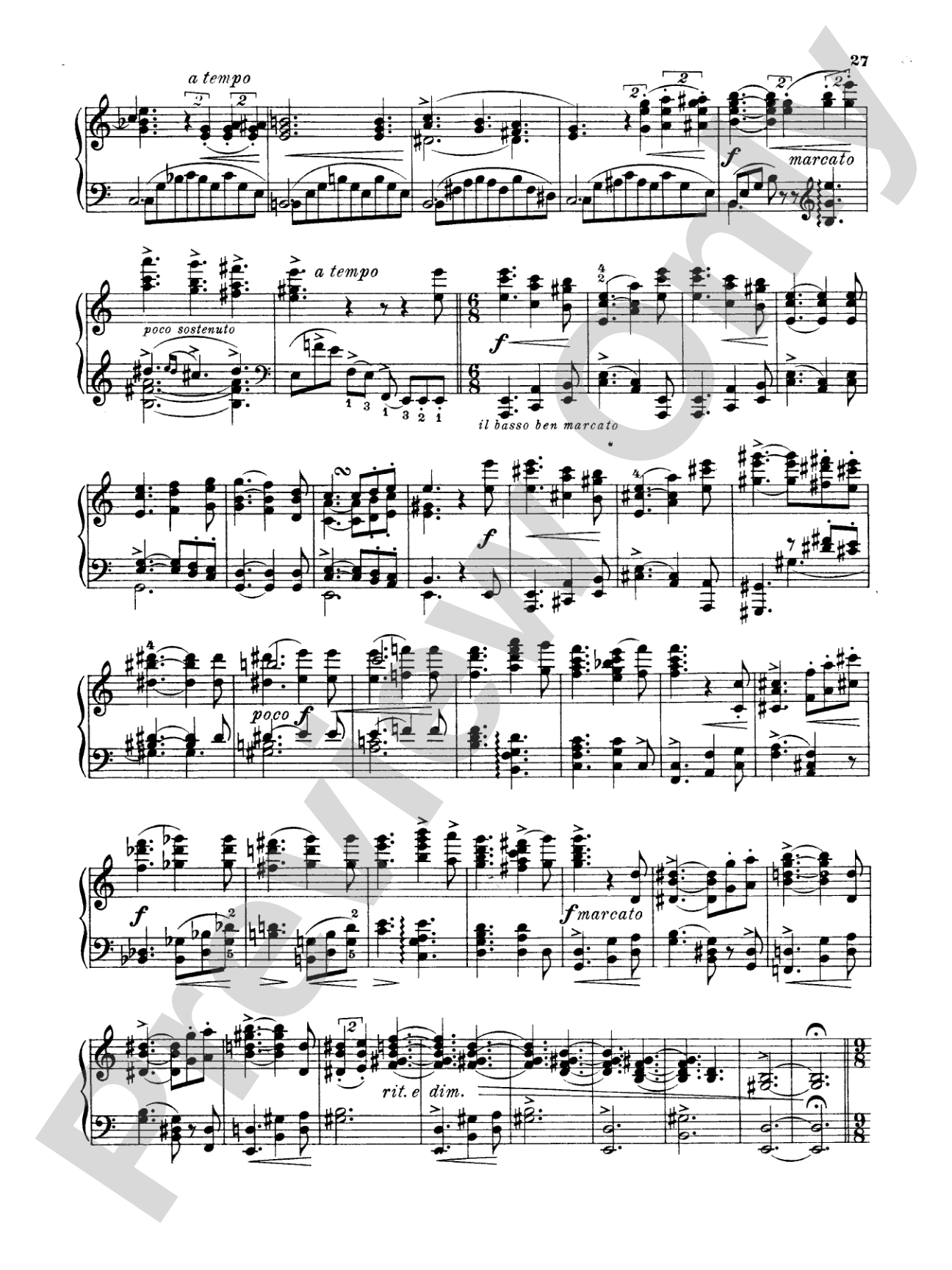
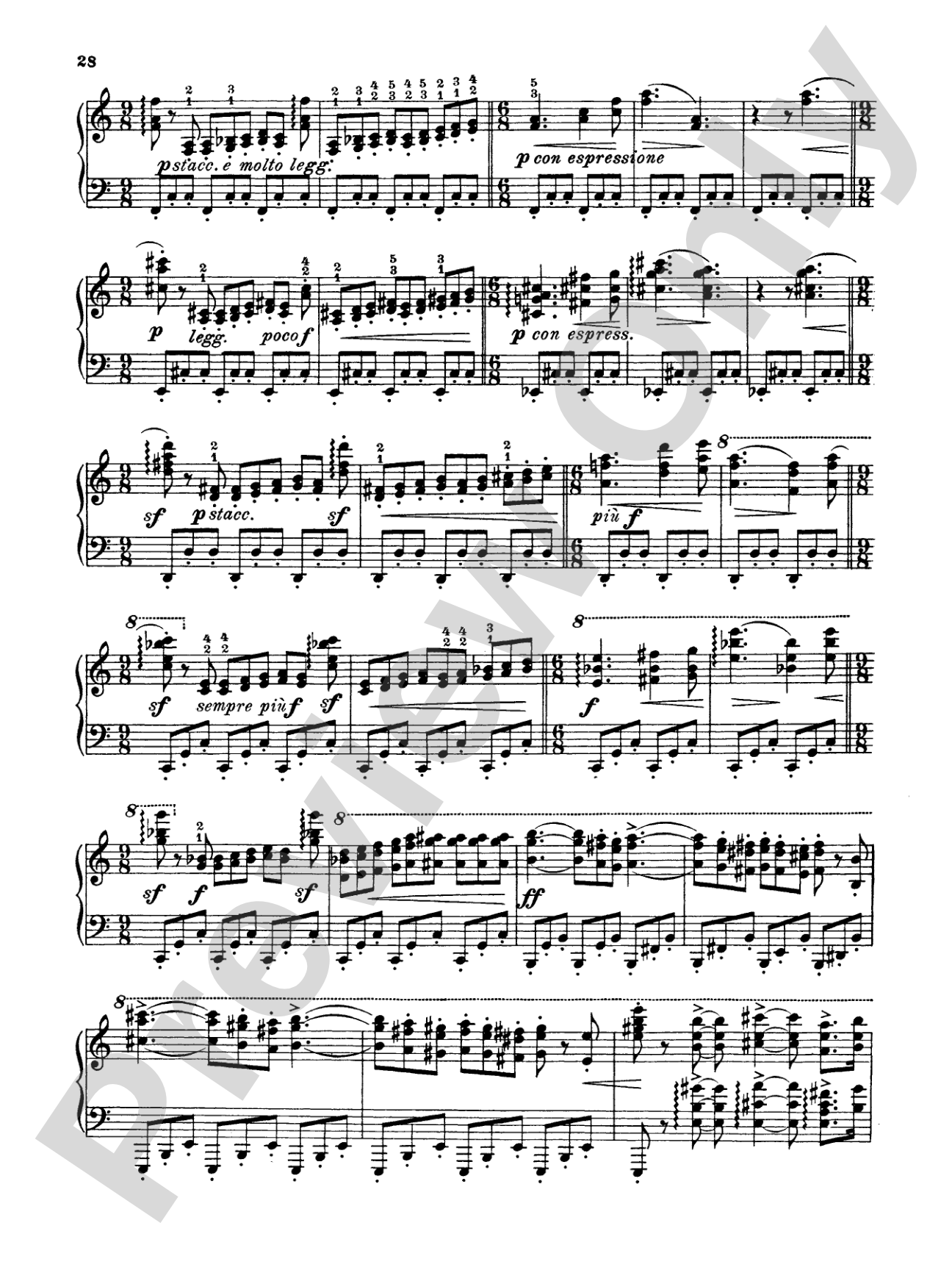
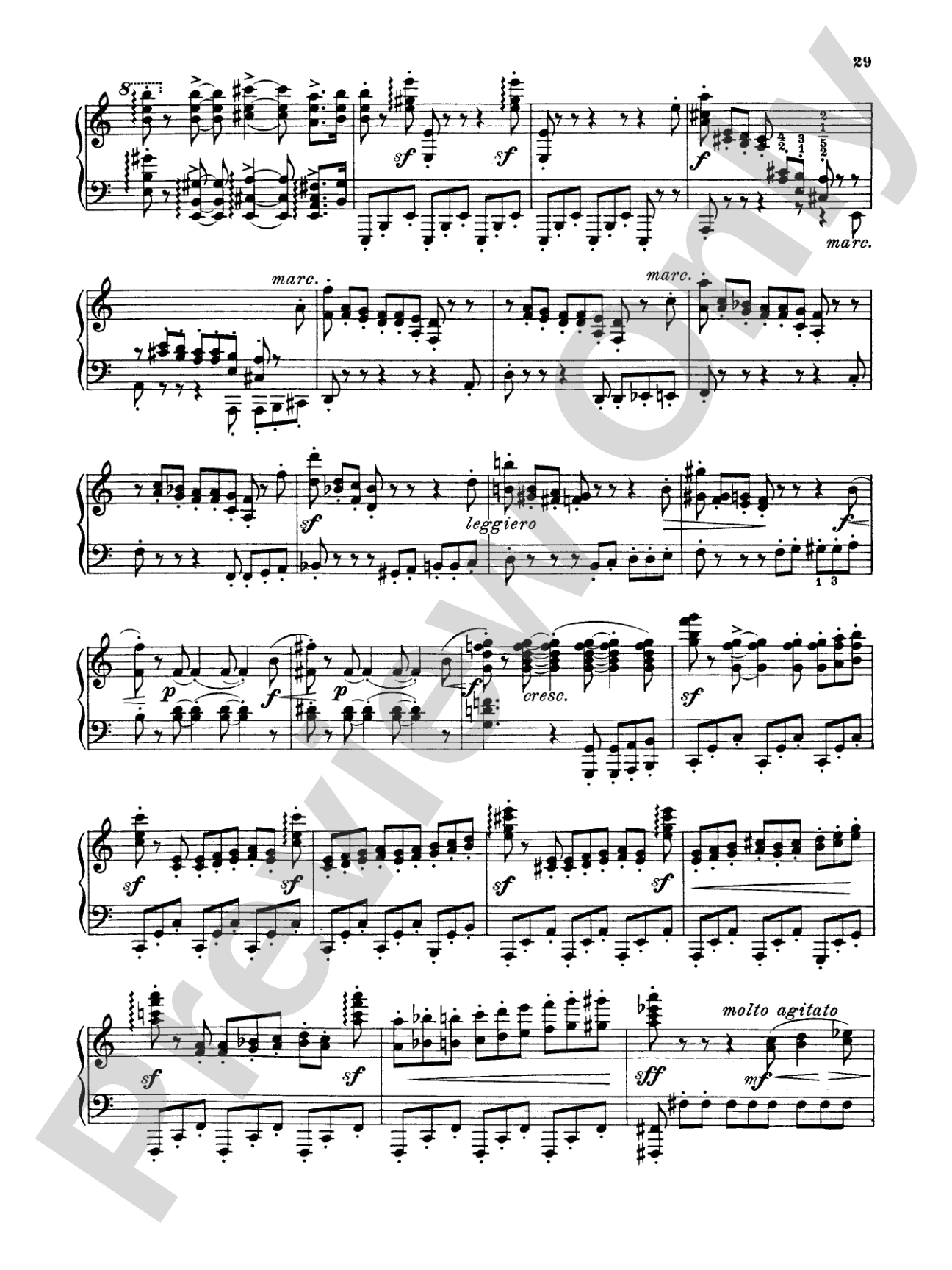
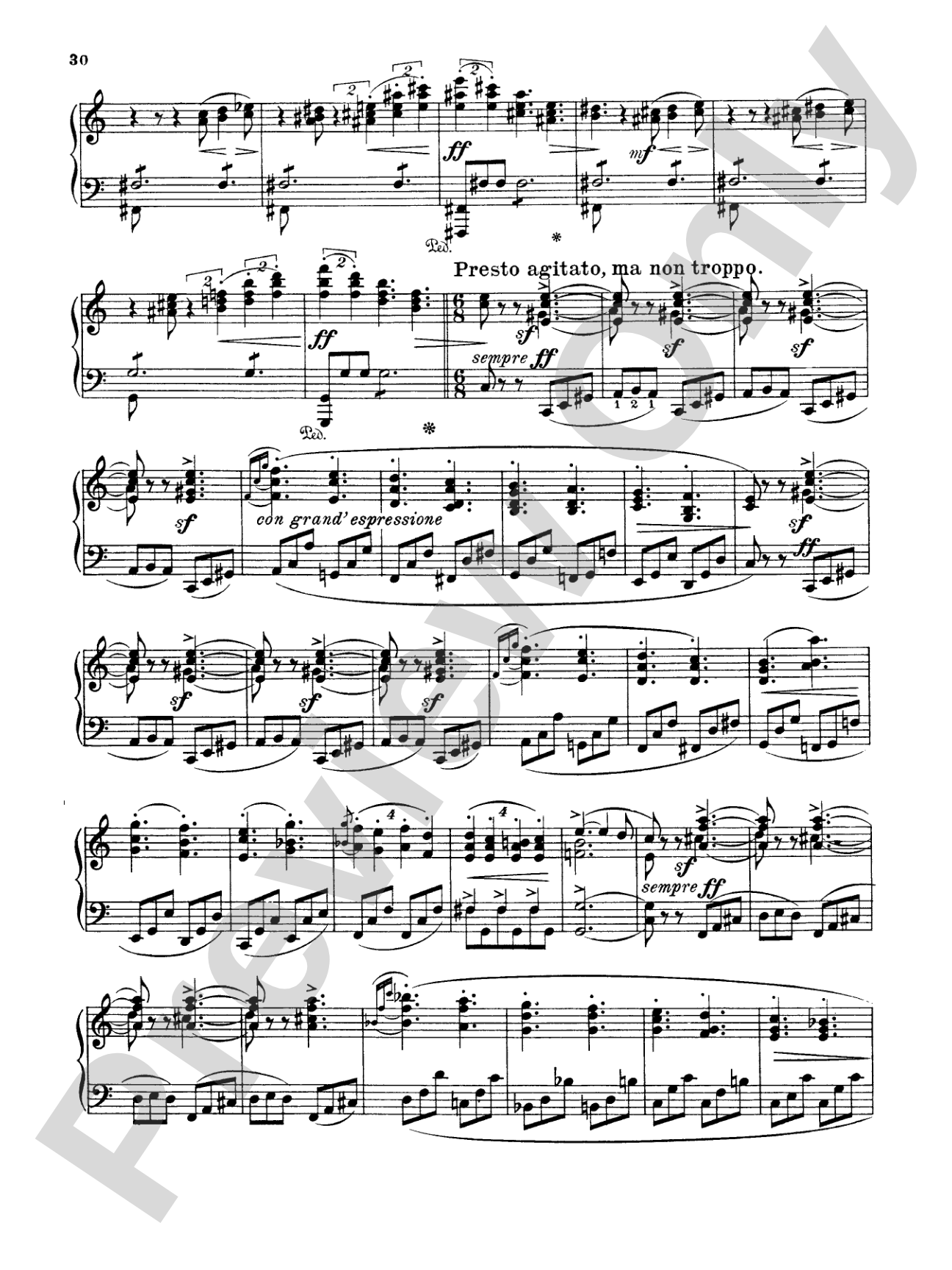
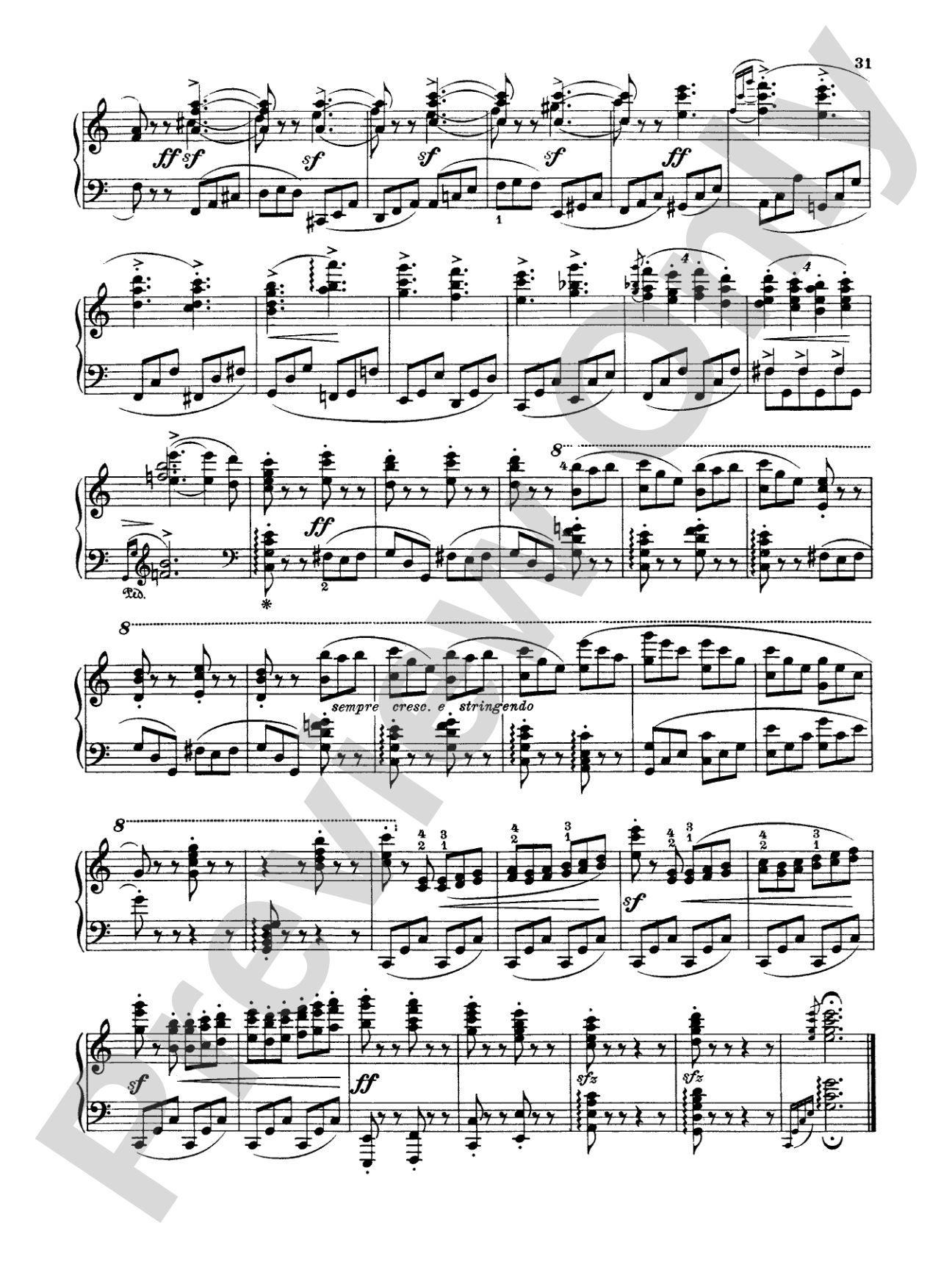

Brahms: Piano Works (Volume I: Op. 1 to Op. 24): Piano Book
By Johannes Brahms / ed. E. V. Sauer
Item: 00-PK-0002964

$19.99
Pickup currently not available
Buy Extra Parts (Digital PDF Download)
Parts Added to Cart!
Related Items
Piano Works, Volume I (Opus 1 to Opus 24): Piano Book |
$19.95
|
View |
Description
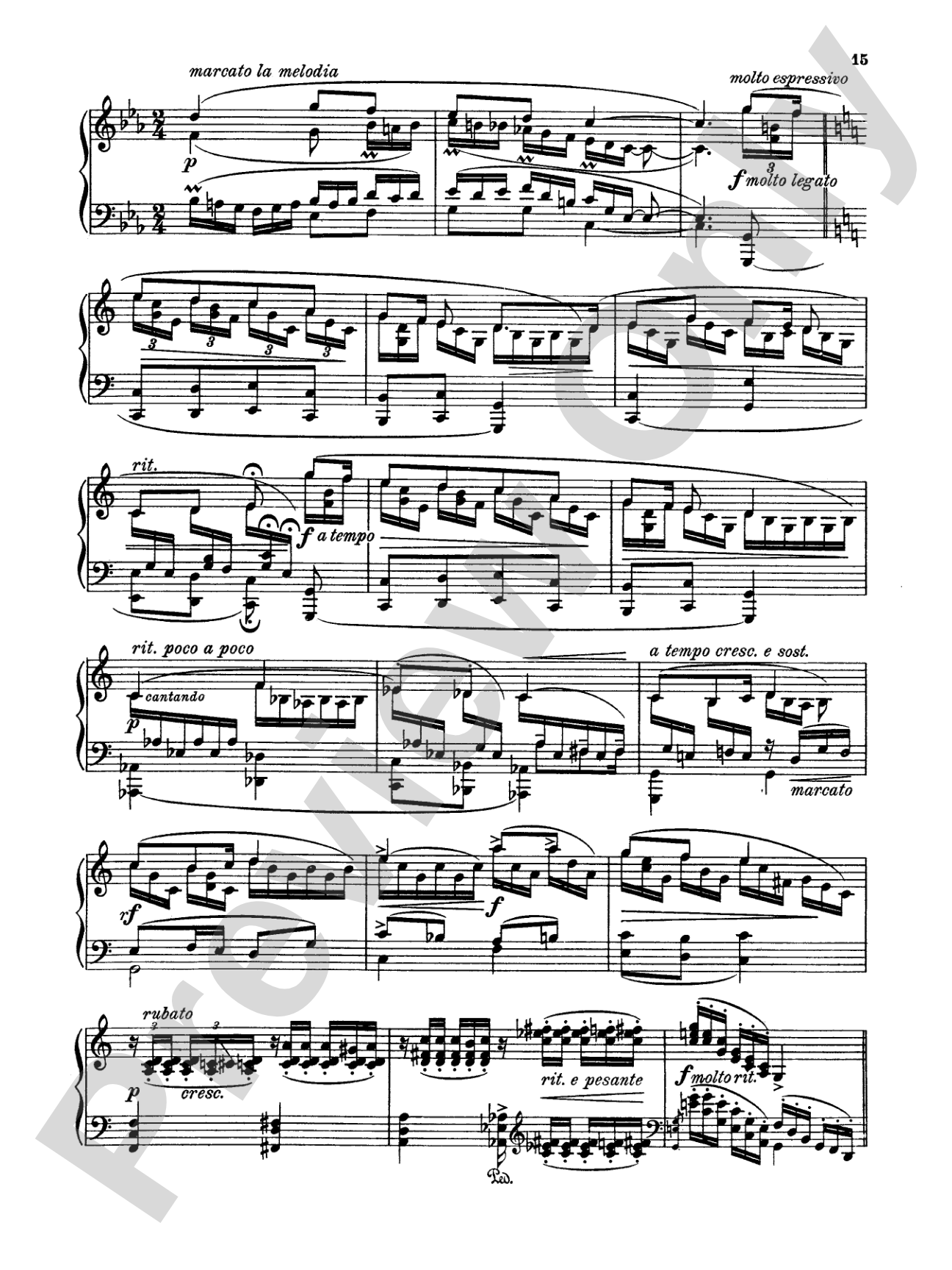
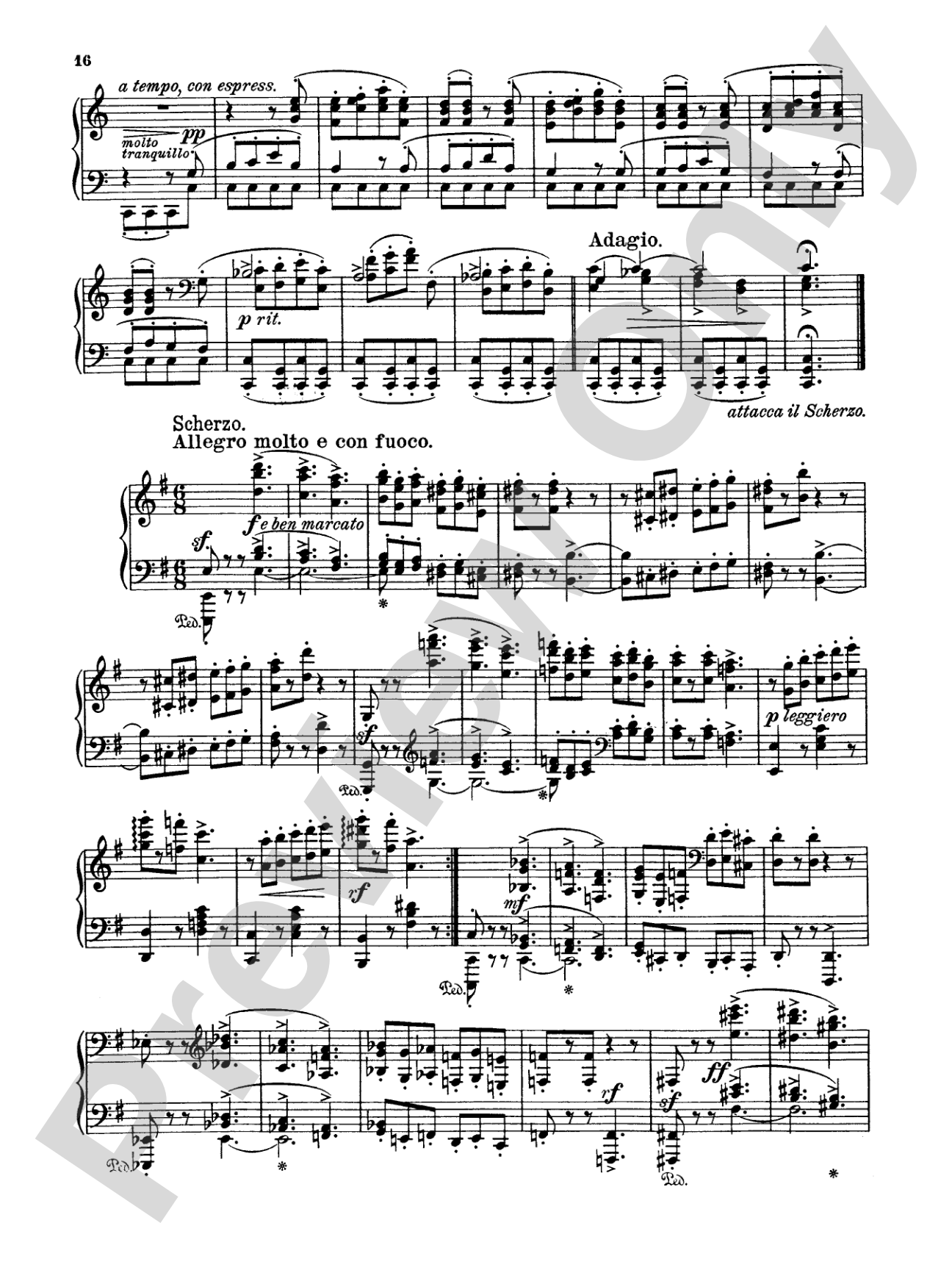
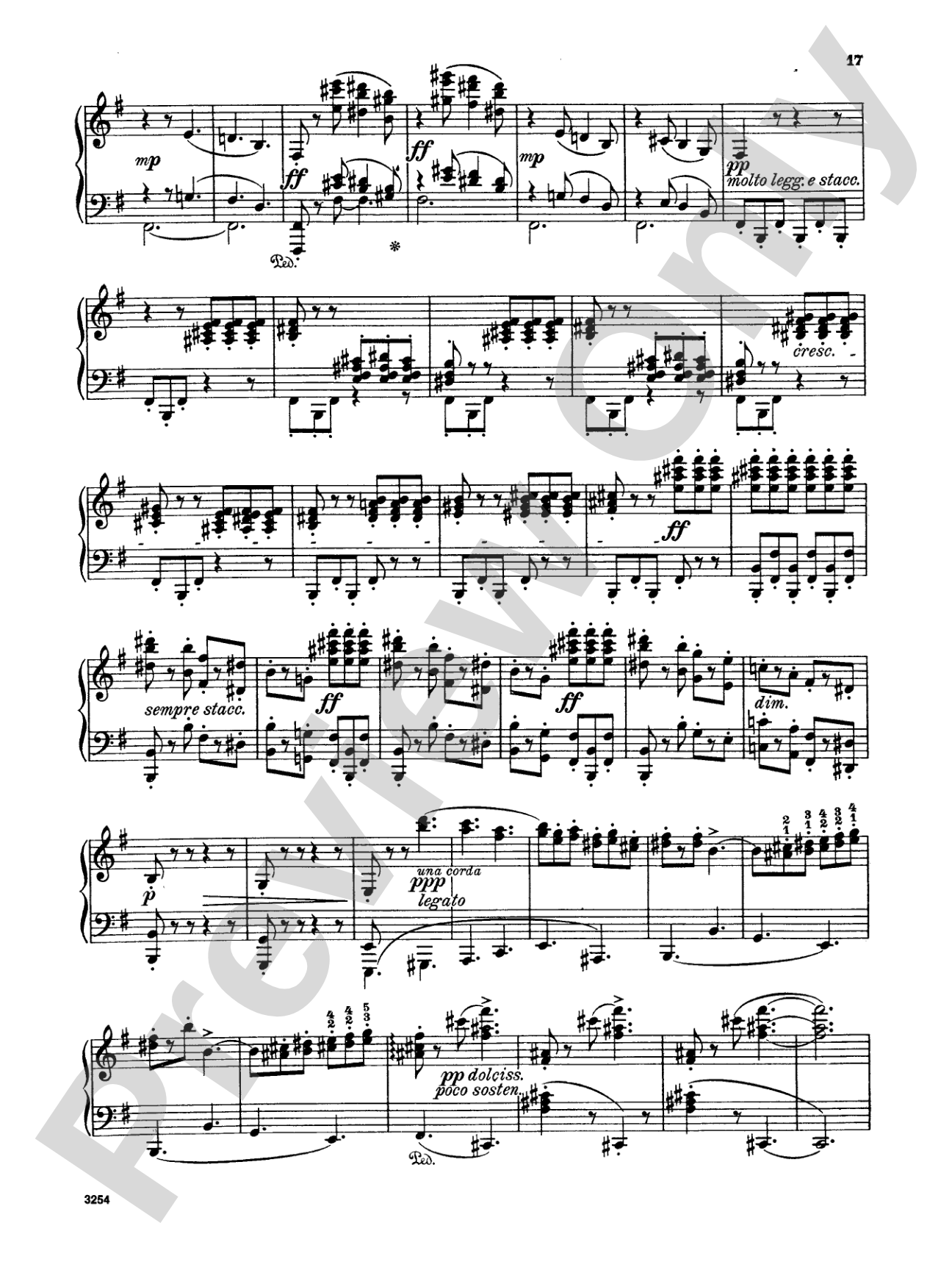
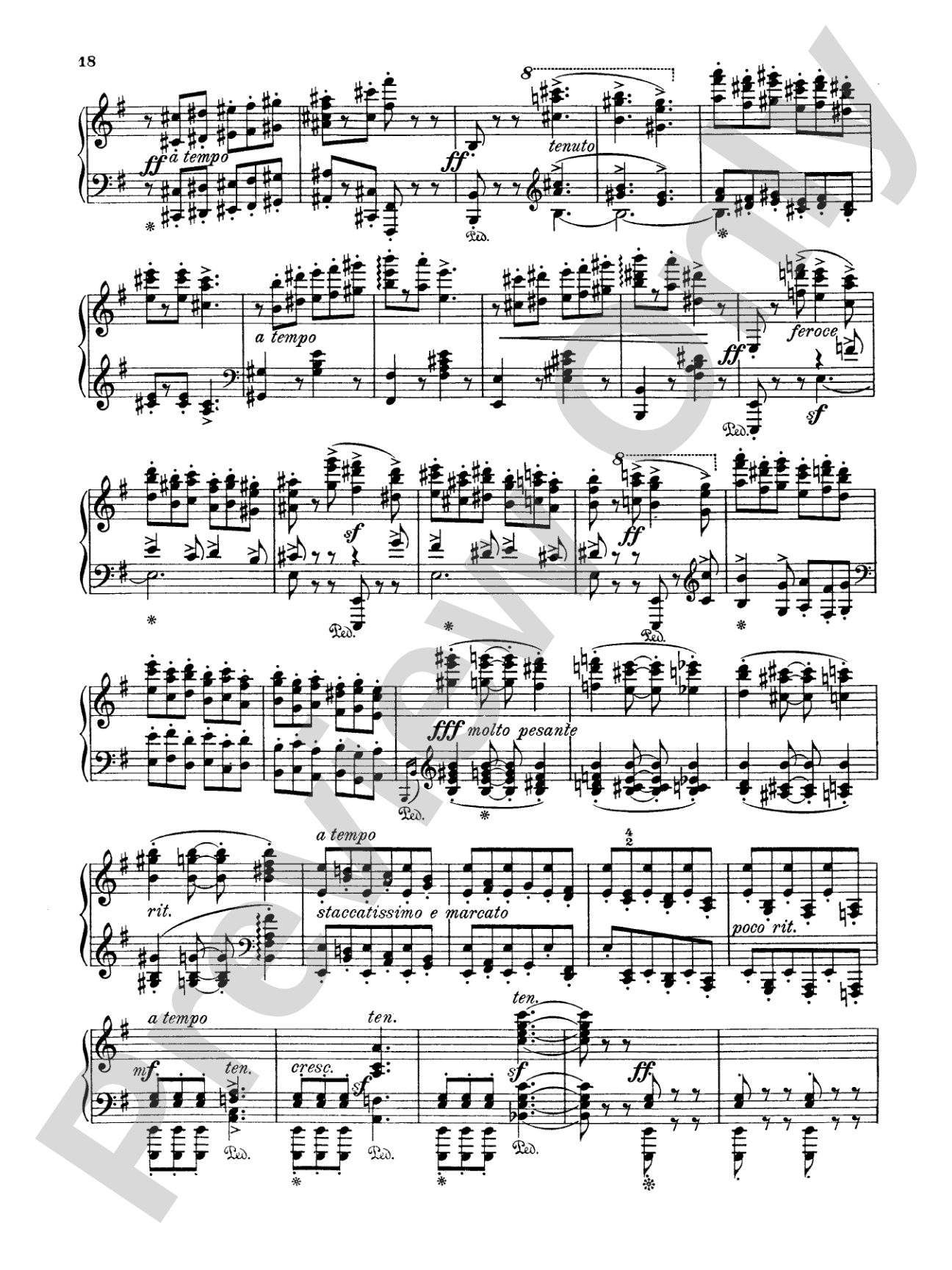
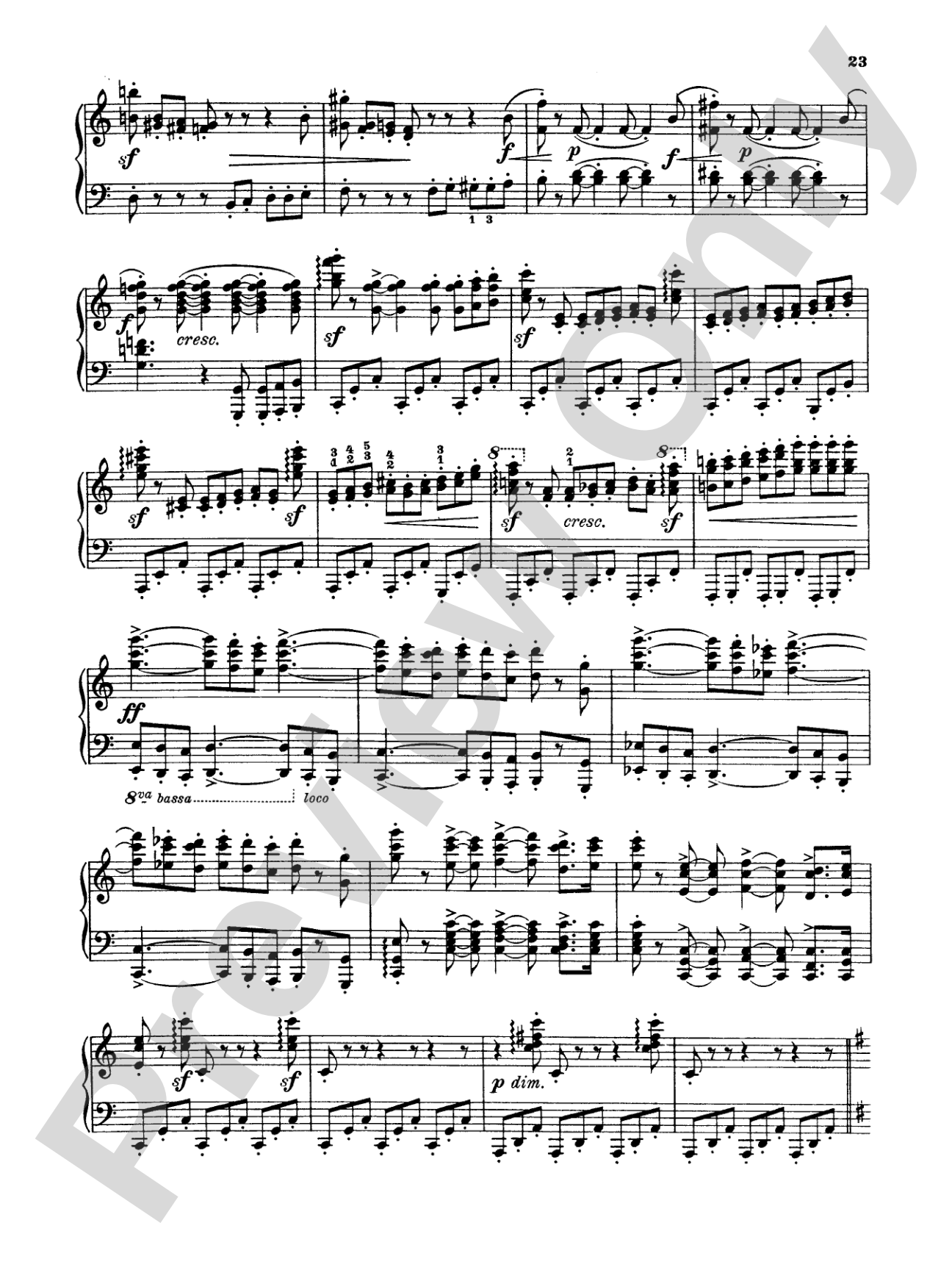
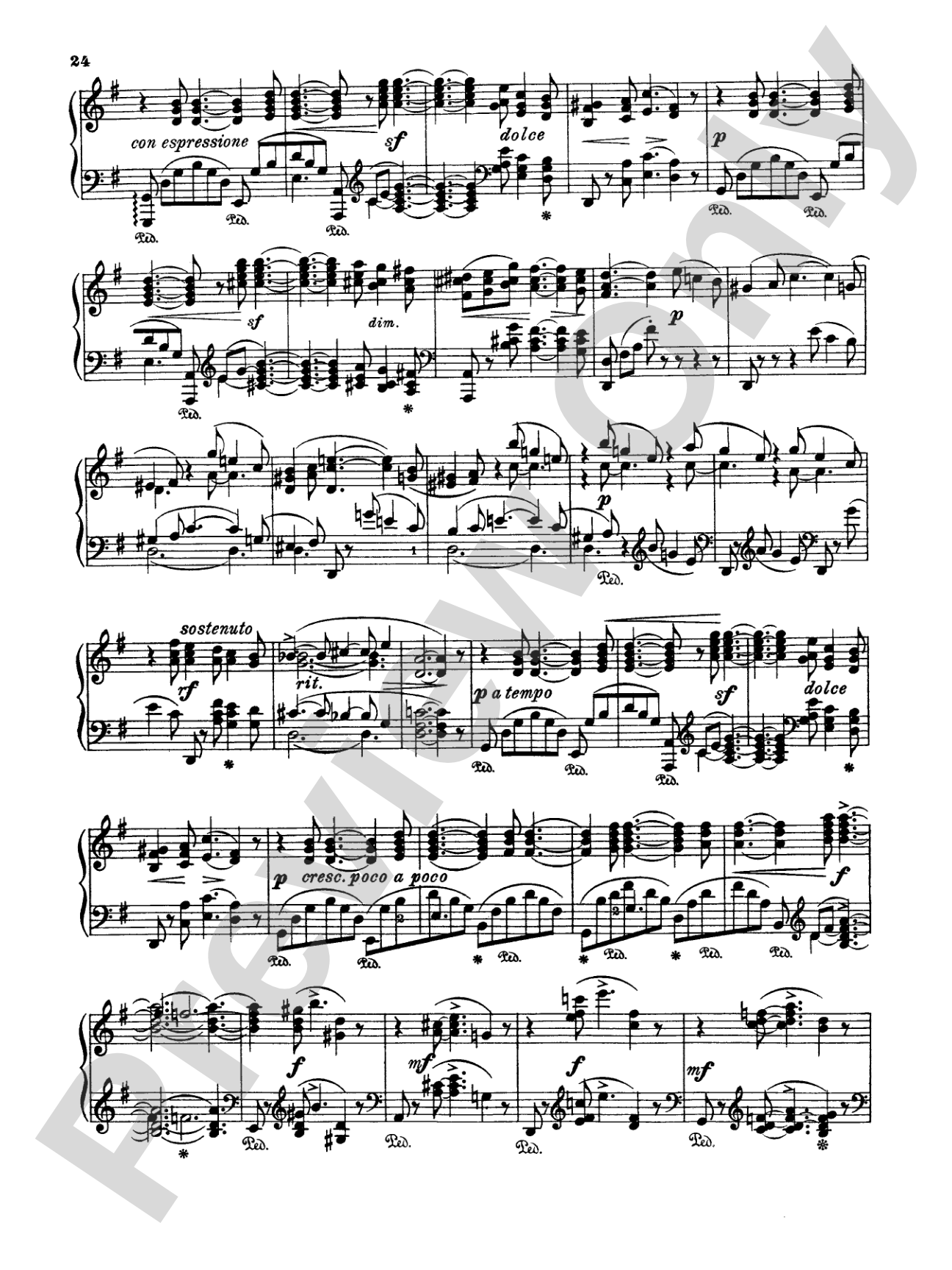
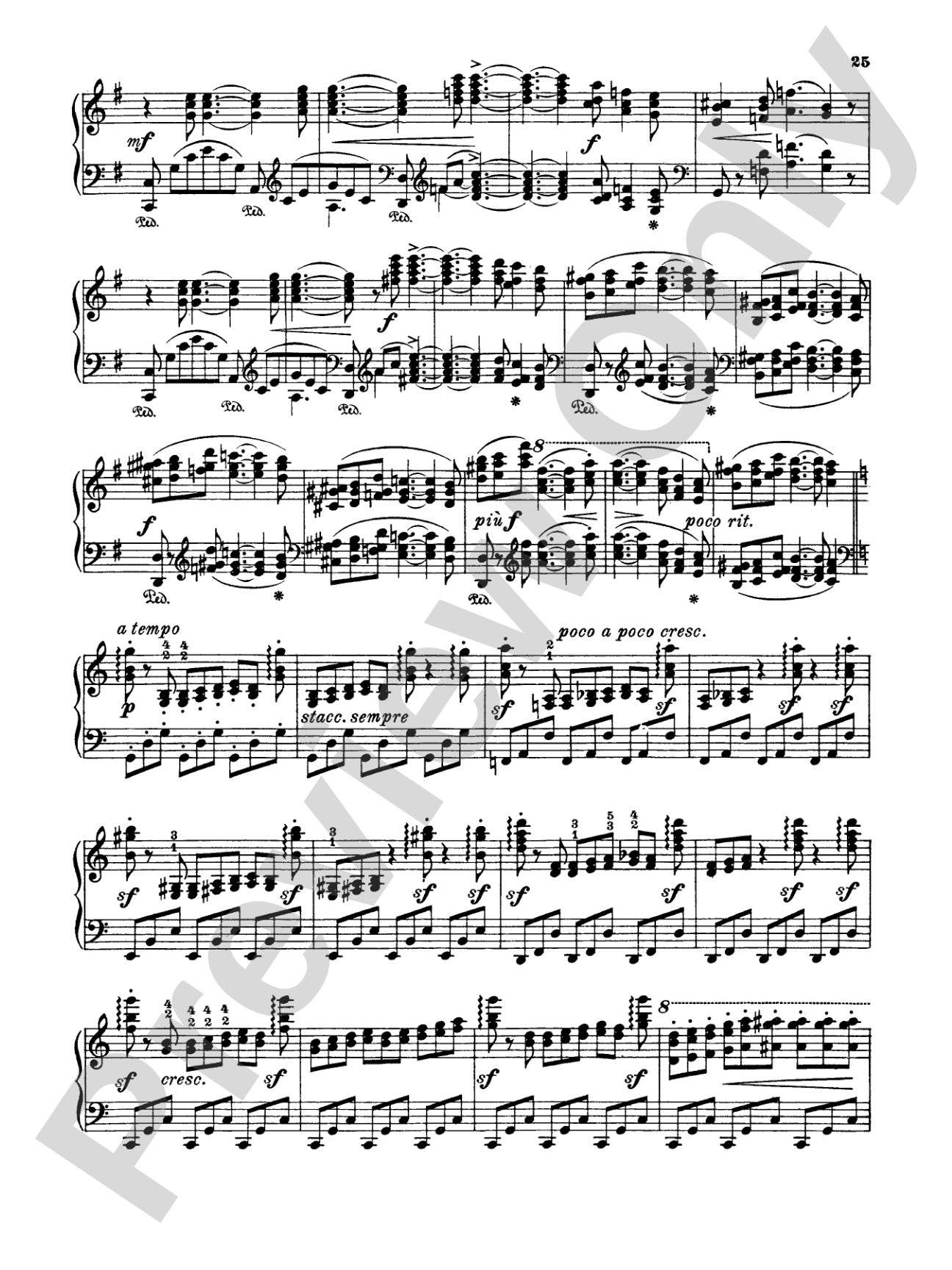
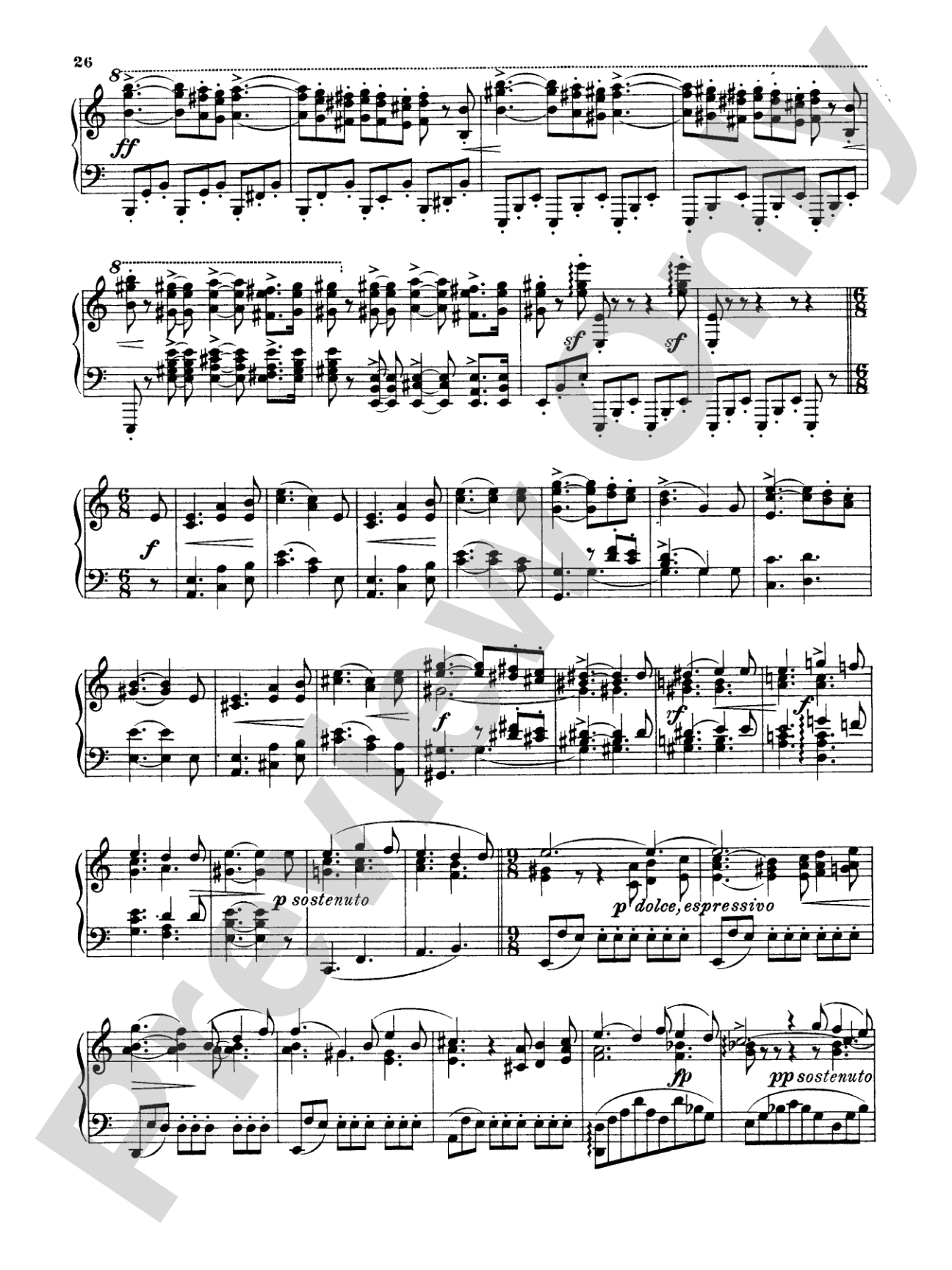
This collection includes: Opus 1, Sonata in C major * Opus 2, Sonata in F-sharp major * Opus 4, Scherzo in E-flat major * Opus 5, Sonata in F minor * Opus 9, Variations on a Theme by Robert Schumann * Opus 10, Ballades, No. 1 in D minor, No. 2 in D major, No. 3 in B major, and No. 4 in B minor * Opus 21, No. 1, Variations on a Theme by the Composer * Opus 21, No. 2, Variations on a Hungarian Song * Opus 24, Variations and Fugue on a theme by Handel.


Don't just read it, hear it, play along with it, and watch your students grow with it. In MakeMusic Cloud, Brahms: Piano Works (Volume I: Op. 1 to Op. 24): Piano Book comes alive with professional accompaniment, adjustable tempo, and built-in practice tools that turn solo practice into real progress.
Open in the Player
Jump straight in and assign it today.
Start Your Free Trial
Open this title and explore the full library in minutes.
Sample Audio
No sample audio found.
Sample Video
No sample videos found.
Additional Details
Series:
Kalmus Edition
Publisher:
Alfred Music
Page Count:
184
SKU:
00-PK-0002964
More about this title
About the Composer: Johannes Brahms
Johannes Brahms (1833, 1897) emerged as one of the nineteenth century's most consequential composers, bridging Romantic expression with rigorous structural discipline. His early piano works established him as a virtuoso voice in the medium, combining technical demands with lyrical depth that appealed to both concert audiences and serious students.
Why we love this
This collection captures Brahms's early mastery in one volume, spanning from his debut sonata through the magnificent Handel Variations. The arc reveals a composer experimenting fearlessly with form, sonority, and structural ambition while maintaining the emotional substance that defines his voice. Teachers appreciate having this repertoire curated together; it eliminates hunting through scattered editions and offers a coherent view of Brahms's creative foundation.
What to expect
Ambitious, architecturally rigorous, and emotionally generous. These works pulse with the weight of Classical inheritance and the daring of Romantic innovation. Brahms's early voice speaks with assured command yet carries undercurrents of intimate introspection, particularly in the sonatas' slow movements and the Ballades' lyrical passages.
Who it's for
Advanced pianists preparing significant Romantic repertoire for recitals, competitions, or professional performance. Teachers seeking a comprehensive early-works collection for serious students ready to engage with Brahms's structural complexity and expressive demands. Music students studying the evolution of Romantic piano literature and the composer's dialogue with Classical tradition.
How to get the most out of it
- Attend to Brahms's often-dense left-hand writing as integral to the harmonic language, not mere accompaniment; these textures carry the piece's character and require careful voicing.
- Balance the Classical proportions of the sonatas with the Romantic rubato and color that Brahms's markings invite; neither architectural precision nor excessive flexibility serves the music.
- Use the Variations as studies in thematic transformation; trace how each variation develops the core material, which deepens interpretation and strengthens performance coherence.
- Approach the Ballades as dramatic narratives with clear emotional architecture; shape phrases to clarify the storytelling arc rather than treating them as abstract formal exercises.
How to use it
Feature a complete Brahms sonata in a recital program to showcase depth and virtuosity, or build a thematic concert around variation forms by pairing the Schumann Variations with the Handel Variations to explore how Brahms transforms existing material. These works anchor a programming focused on Romantic piano literature or a retrospective of Classical-to-Romantic transition.
Skills your students will build
- Navigating dense, multi-voice left-hand textures with independence and clarity
- Executing rapid passagework and wide intervallic leaps with accuracy and control
- Shaping and sustaining long melodic lines across varied harmonic contexts
- Developing variation technique through thematic transformation and development
- Balancing architectural structure with Romantic rubato and expressive nuance
- Interpreting complex harmonic language and chromatic voice-leading