

Brahms: Paganini Variations (Complete)
By Johannes Brahms
Item: 00-PC-0005706
$4.95
Pickup currently not available
Description
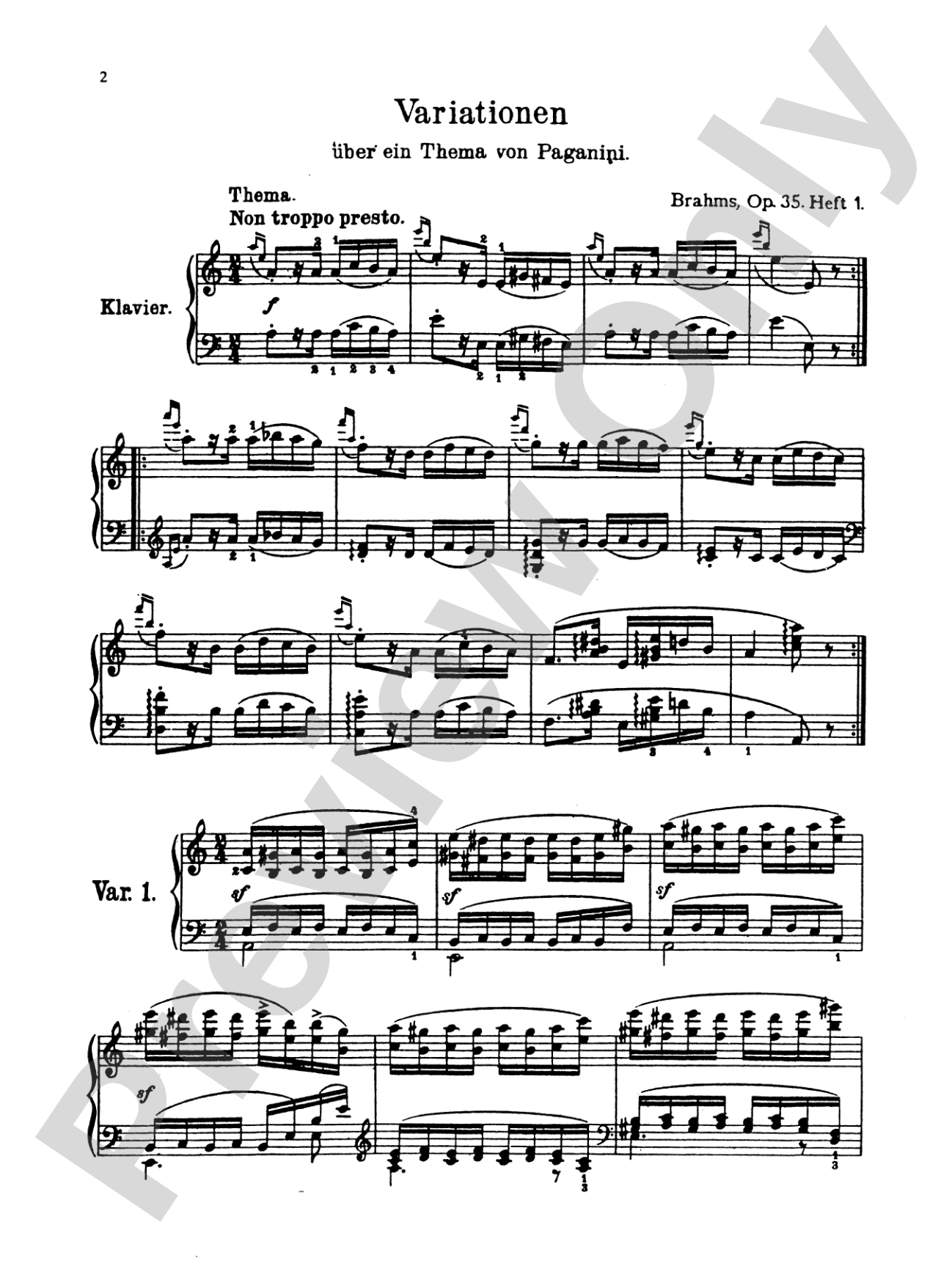
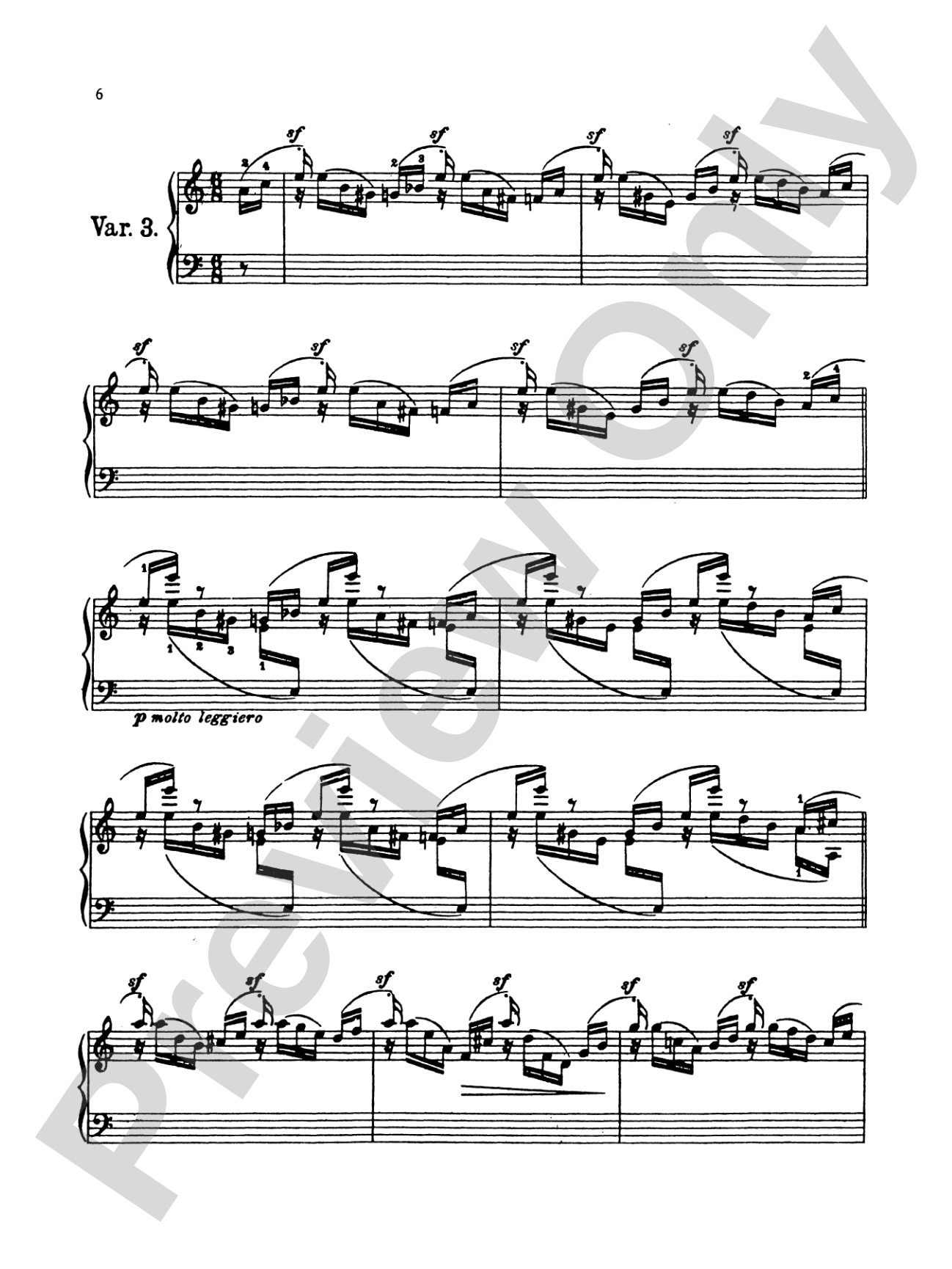
The Variations on a Theme of Paganini are a set of theme and variations for solo piano, written by Johannes Brahms (Op. 35). The theme that is the basis for the work is that of the Caprice No. 24 in A minor by Niccolò Paganini.


Don't just read it, hear it, play along with it, and watch your students grow with it. In MakeMusic Cloud, Brahms: Paganini Variations (Complete) comes alive with professional accompaniment, adjustable tempo, and built-in practice tools that turn solo practice into real progress.
Open in the Player
Jump straight in and assign it today.
Start Your Free Trial
Open this title and explore the full library in minutes.
Sample Audio
No sample audio found.
Sample Video
No sample videos found.
Additional Details
Series:
Kalmus Edition
Publisher:
Alfred Music
Page Count:
44
SKU:
00-PC-0005706
More about this title
About the Composer: Johannes Brahms
Johannes Brahms (1833-1897) was a German composer and pianist whose work bridged the Romantic era and the modern concert repertoire. His command of form, harmony, and orchestration established him as one of the most significant composers in Western classical music. Though he composed symphonies, concertos, and chamber works that define the standard repertoire, Brahms remained a devoted pianist and wrote extensively for the instrument throughout his career.
Why we love this
These variations showcase Brahms at his most inventive and technically demanding. He transforms Paganini's fiendish caprice into a 28-variation exploration of keyboard technique, harmonic sophistication, and structural mastery that rewards deep study and offers genuine artistic discovery at every turn. Pianists encounter both the intellectual rigor Brahms demanded and the sheer musical satisfaction of variations that build from delicate figuration to virtuosic climax.
What to expect
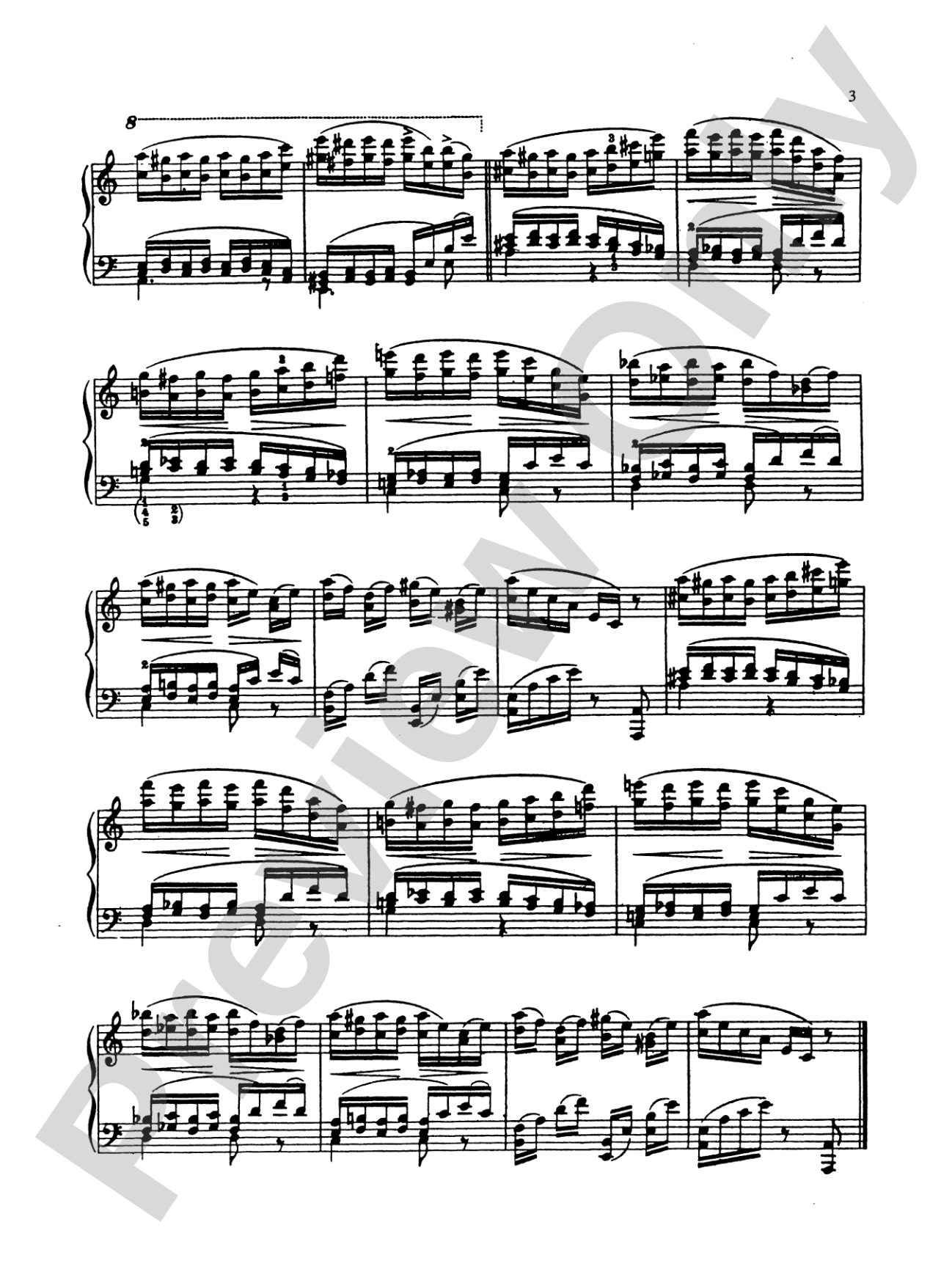
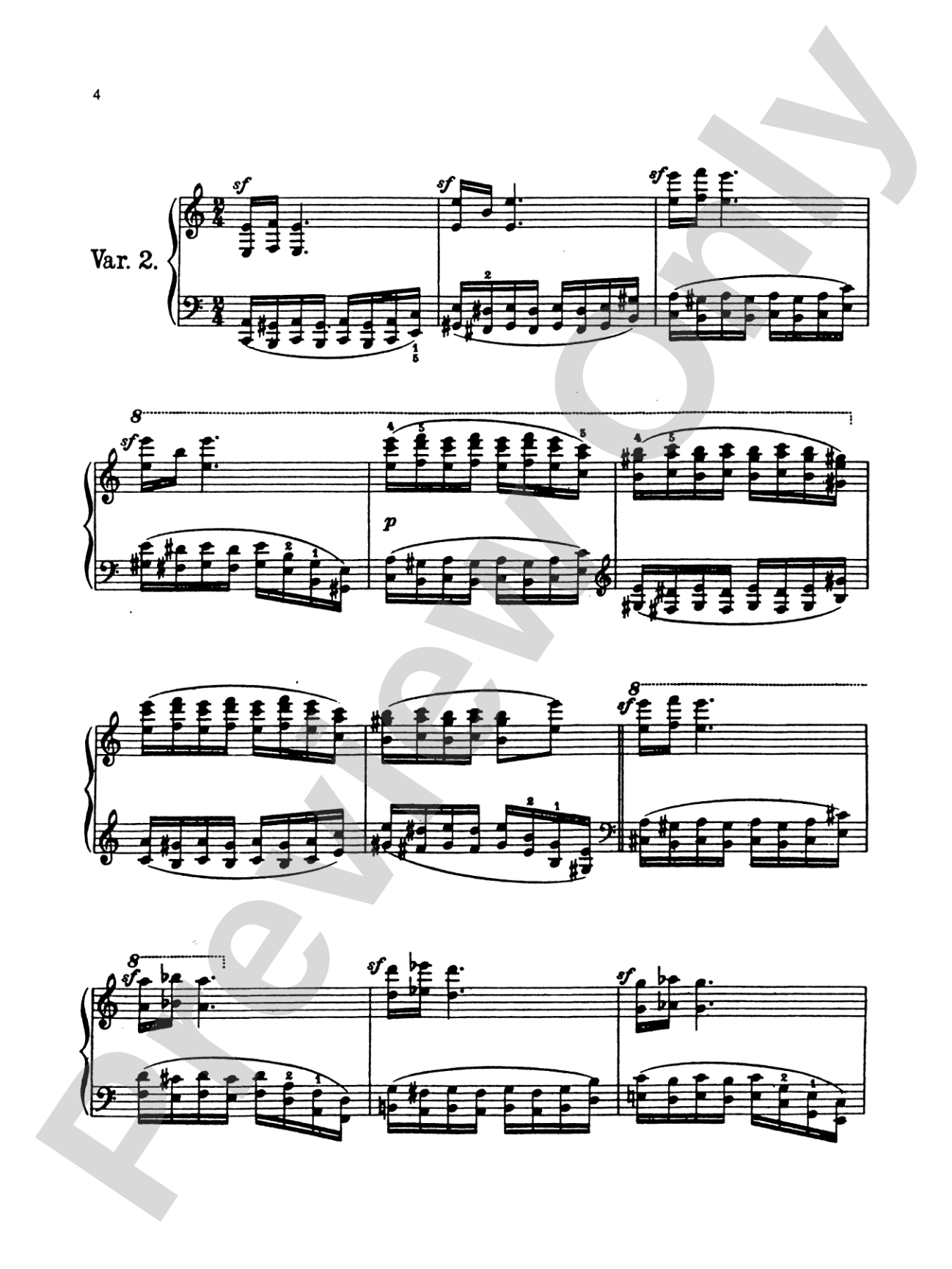
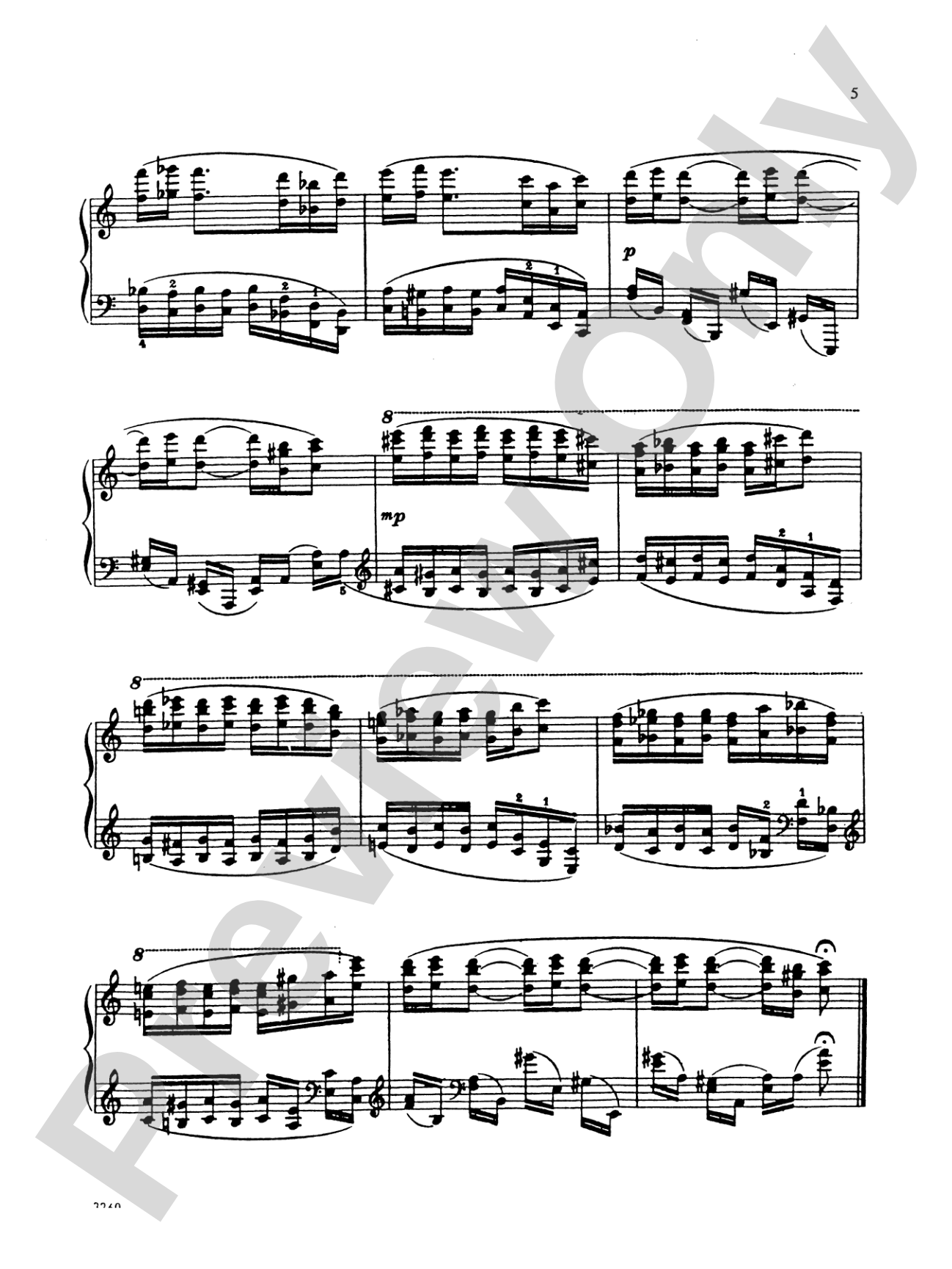
The work opens with Paganini's deceptively simple theme in A minor, then unfolds across two books of escalating complexity and emotional range. Early variations feel almost intimate, allowing the theme to breathe in new harmonic contexts; later variations build momentum through rapid figuration, wide hand positions, and dramatic key shifts. The overall arc moves from exploration to virtuosic display, yet Brahms always maintains melodic clarity beneath the technical demands.
Who it's for
This work is for advanced pianists with solid technical foundation and the stamina for extended performance. College-level music majors, piano performance students, and pianists preparing recital programs centered on Romantic keyboard literature will find 44 pages of material that challenges both hands equally. The cycle also serves pianists seeking to understand how a 19th-century master approached the theme-and-variations form.
How to get the most out of it
- Map the harmonic language in the earlier variations before diving into technical passages; understanding Brahms's underlying voice leading prevents the variations from becoming pure fingerwork.
- Attend to the shift in character between Book I (more lyrical, exploratory) and Book II (increasingly dramatic and virtuosic); this architecture shapes pacing and interpretation choices across the entire cycle.
- Isolate the left-hand figurations in variations that feature rapid passagework in the right hand; independence between the hands determines clarity and control.
- Use the theme's quiet, elegant opening as a touchstone for balance and tone production throughout; many variations rely on clarity of the underlying melody even when buried in figuration.
How to use it
Program this as the centerpiece of a Romantic-era recital, either in full or selecting a subset of variations for a thematic concert (for instance, pairing it with other Brahms keyboard works or other 19th-century variations on famous themes). The 44-page span works well as a standalone concert piece or as part of a longer program exploring the theme-and-variations tradition. It also serves as a capstone study for advanced pianists completing their exploration of standard Romantic keyboard literature.
Skills your students will build
- Rapid passagework in both hands with independent rhythmic and melodic material
- Harmonic analysis and voice leading in Romantic-era keyboard writing
- Interpretation of variations as distinct characters within a unified structure
- Stamina and focus for sustaining a long-form work across multiple distinct sections
- Pedal control and tonal color management across varied textures and registers
- Reading and executing hand positions that extend across wide intervallic ranges