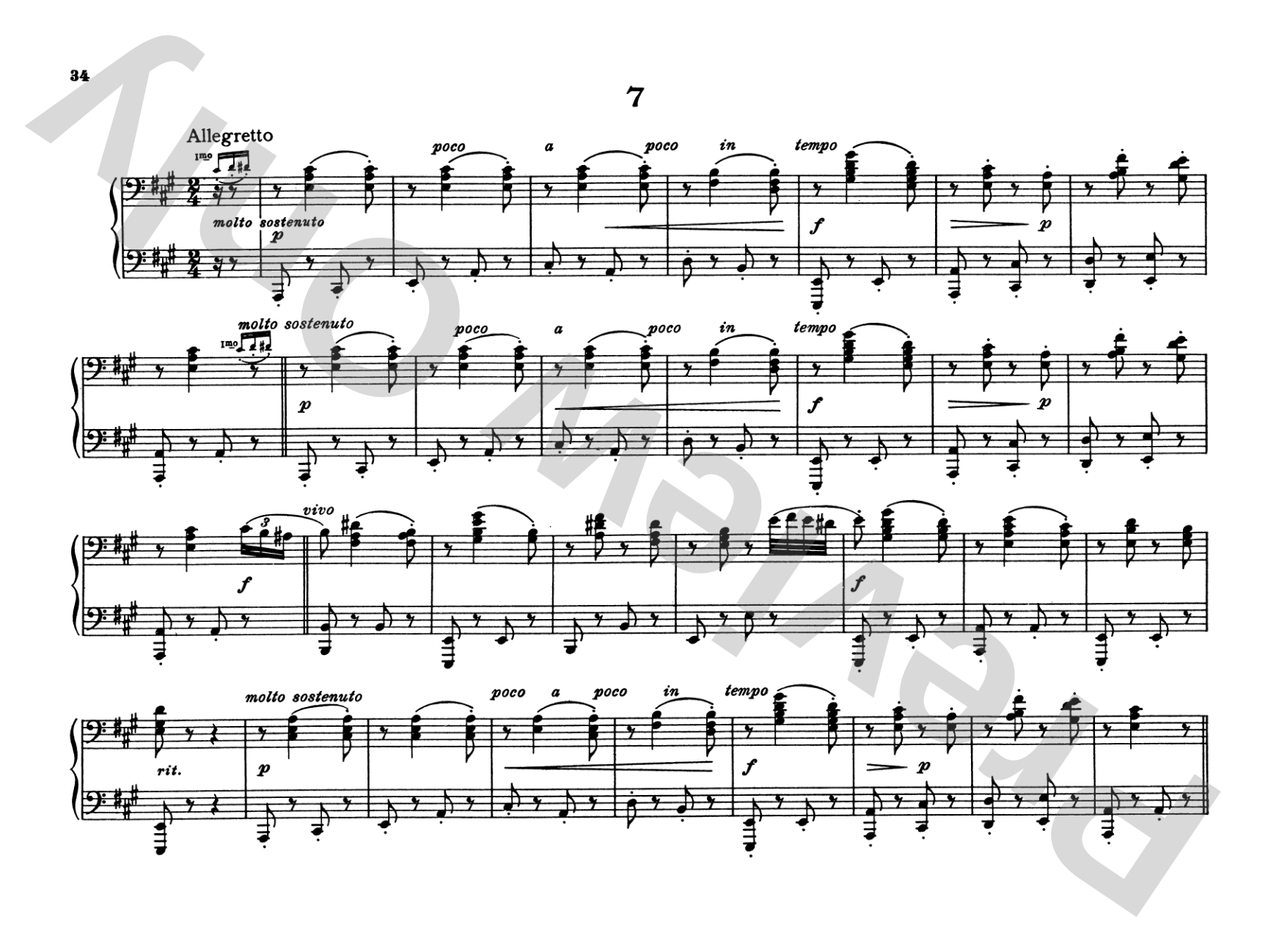
Brahms: Hungarian Dances, Volume I Sheet Music Preview

Brahms: Hungarian Dances, Volume I

By Johannes Brahms

Item: 00-PC-0012772

Digital Download
$0.99
Description
(1-10). The comb binding creates a lay-flat book that is perfect for study and performance.

Don't just read it, hear it, play along with it, and watch your students grow with it. In MakeMusic Cloud, Brahms: Hungarian Dances, Volume I comes alive with professional accompaniment, adjustable tempo, and built-in practice tools that turn solo practice into real progress.

Sample Audio
No sample audio found.
Sample Video
Additional Details
Series: Kalmus Edition
Publisher: Alfred Music
Page Count: 56
SKU: 00-PC-0012772

More about this title

About the Composer: Johannes Brahms

Johannes Brahms (1833–1897) bridged Romantic passion with Classical architecture. His mastery of form, orchestration, and harmonic language made him one of the most influential composers of the 19th century, and his works remain central to concert programming and serious music study.

The Hungarian Dances represent Brahms at his most accessible and entertaining. Written across several decades and originally for piano duet, these spirited pieces showcase his ability to capture folk idiom within sophisticated harmonic writing. They have become beloved by pianists and audiences alike, proving that popular appeal and musical depth are not mutually exclusive.

Why we love this

These dances deliver genuine musical satisfaction without requiring virtuoso technique, making them ideal for advancing pianists working toward collaborative maturity. The varied character and energy of each piece sustains listener interest across a complete performance, and the lay-flat comb binding transforms what could be page-turning logistics into a practical advantage.

What to expect

These dances pulse with the spirit of Hungarian and Gypsy folk music, reinterpreted through Brahms's Romantic sensibility. Expect rhythmic vitality, sudden harmonic turns, and moments of genuine lyricism that catch you off guard.

Who it's for

Piano teachers preparing intermediate-to-advanced students for duet experience, and pianists seeking authentic Brahms that rewards both players equally. The collection suits studio recitals, student showcases, and chamber music nights where collaborative playing strengthens musicianship.

How to get the most out of it

  • Establish clear communication between primo and secondo before rehearsal. The secondo provides harmonic foundation and rhythmic grounding; the primo carries melody and decorative figuration. Your partnership is only as strong as your synchronization.
  • Shape the phrasing by listening to the secondary voice. In many dances, the secondo contains motivic material that answers or supports the primo line. Bring these moments forward so the musical conversation sounds intentional.
  • Respect the character marking of each dance. Some require snap and precision (especially the faster ones); others benefit from rubato and warmth. Reading the folk tradition behind each piece informs interpretation.

How to use it

Open a recital or chamber concert with a single dance to set an energetic, welcoming tone, or perform several in sequence as a suite for a fuller statement. This is also strong repertoire for a duet-focused studio recital or an ensemble piece that showcases two pianists at equal standing.

Skills your students will build

  • Coordinating rhythmic independence between primo and secondo voices
  • Balancing melody and accompaniment roles in shared performance
  • Reading and executing folk-inspired rhythmic figures and syncopation
  • Recognizing formal structures in character dances (typical dance forms and repeats)
  • Interpreting Romantic-era rubato and phrasing conventions

You May Also Like