
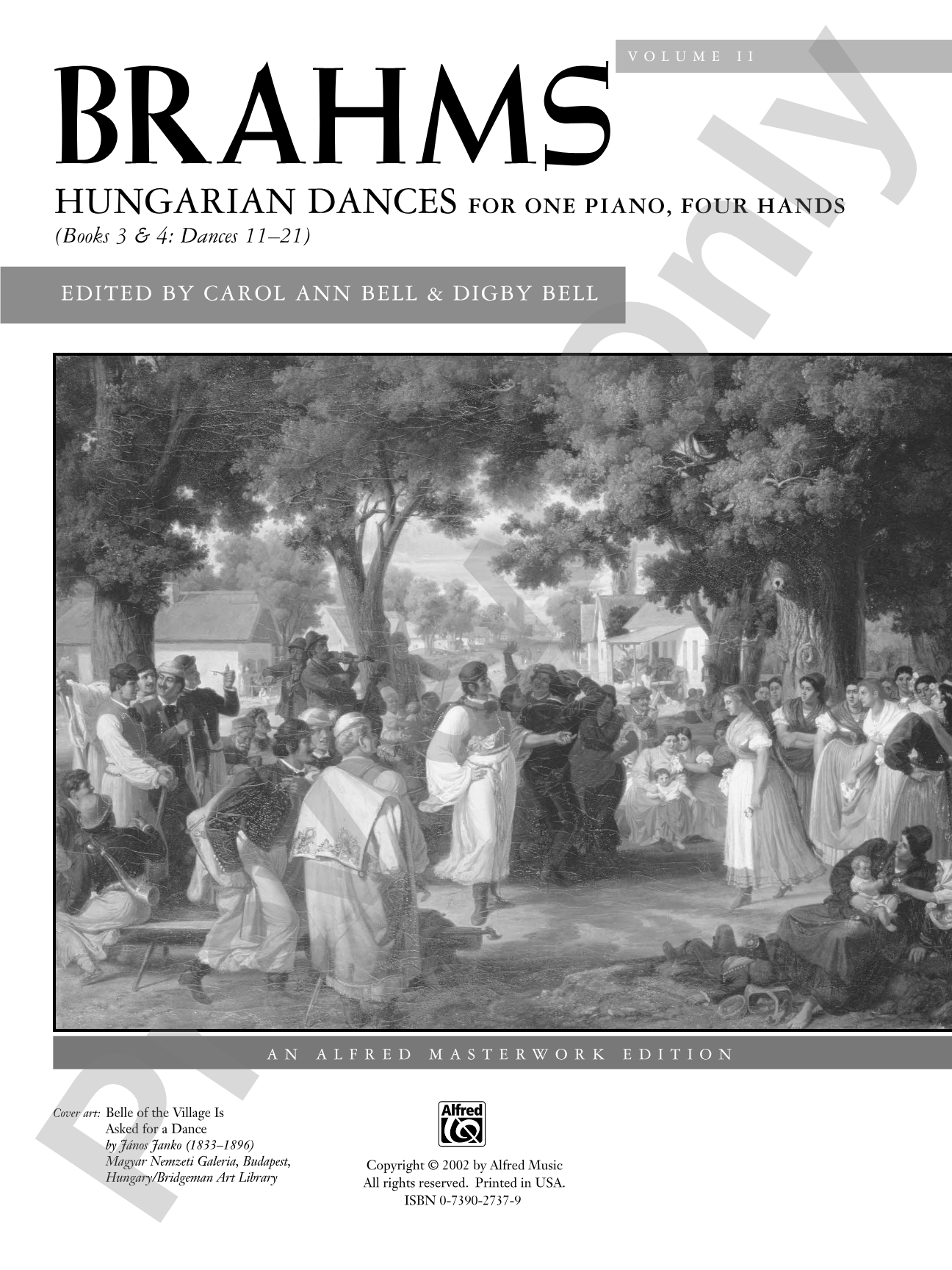

Brahms: Hungarian Dances, Volume 2 - Piano Duet (1 Piano, 4 Hands): Piano Duets & Four Hands
By Johannes Brahms / ed. Carol Bell and Digby Bell
Level: Late Intermediate / Early Advanced
Item: 00-PB-0000635
$12.99
Pickup currently not available
Related Items
Brahms: Hungarian Dances, Volume 2: Piano Duet (1 Piano, 4 Hands) Book |
$12.99
|
View |
Description
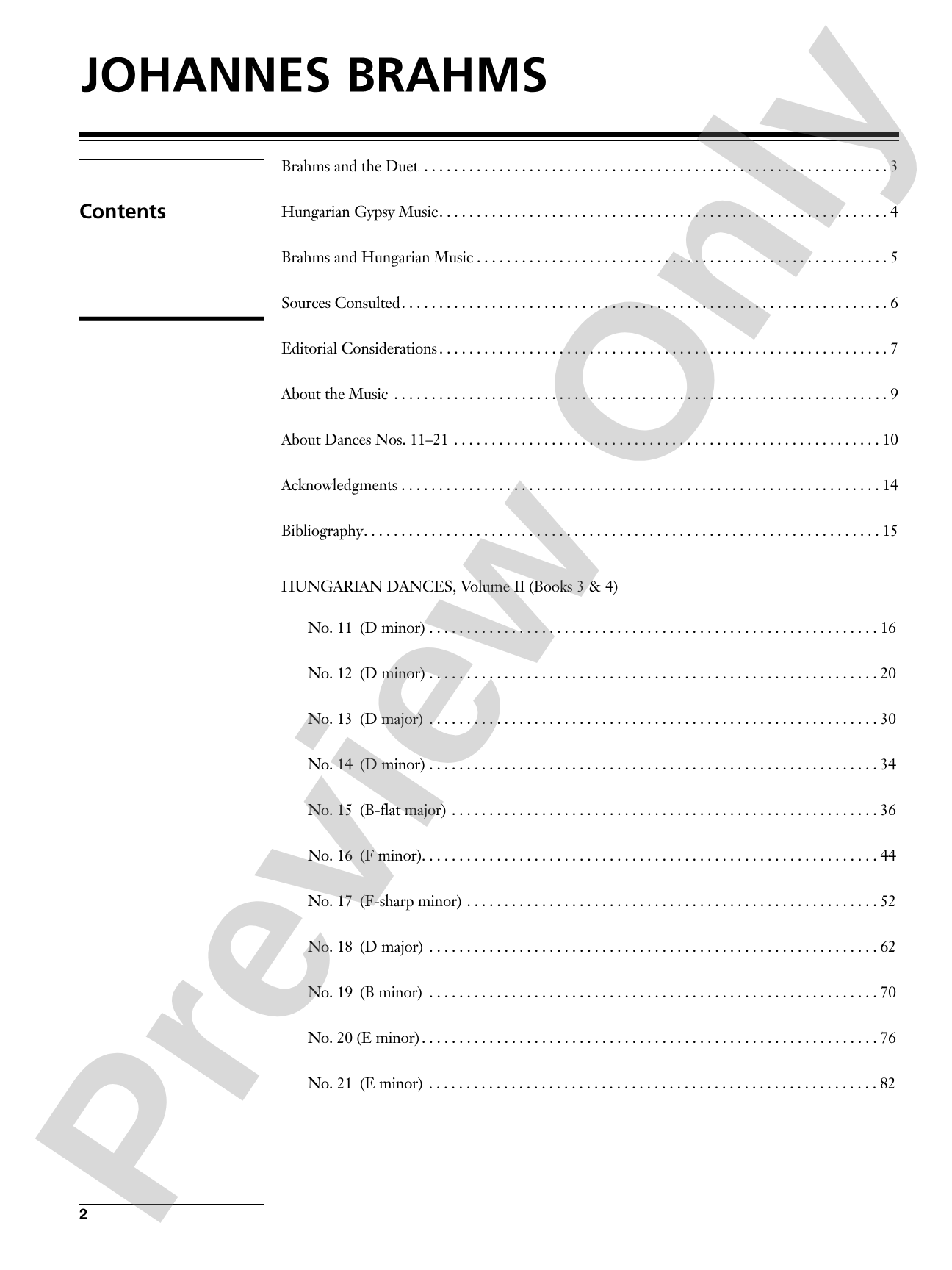
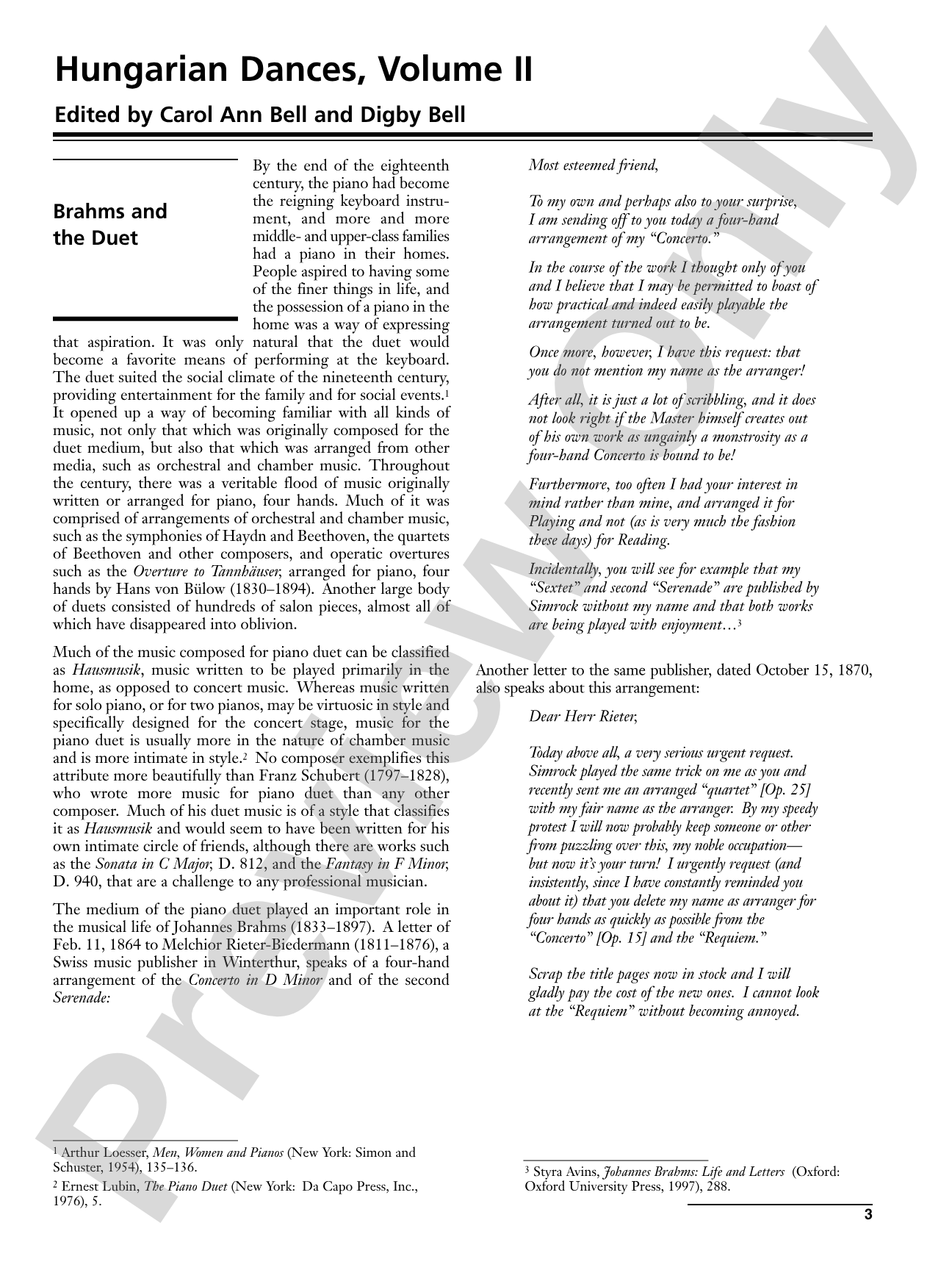
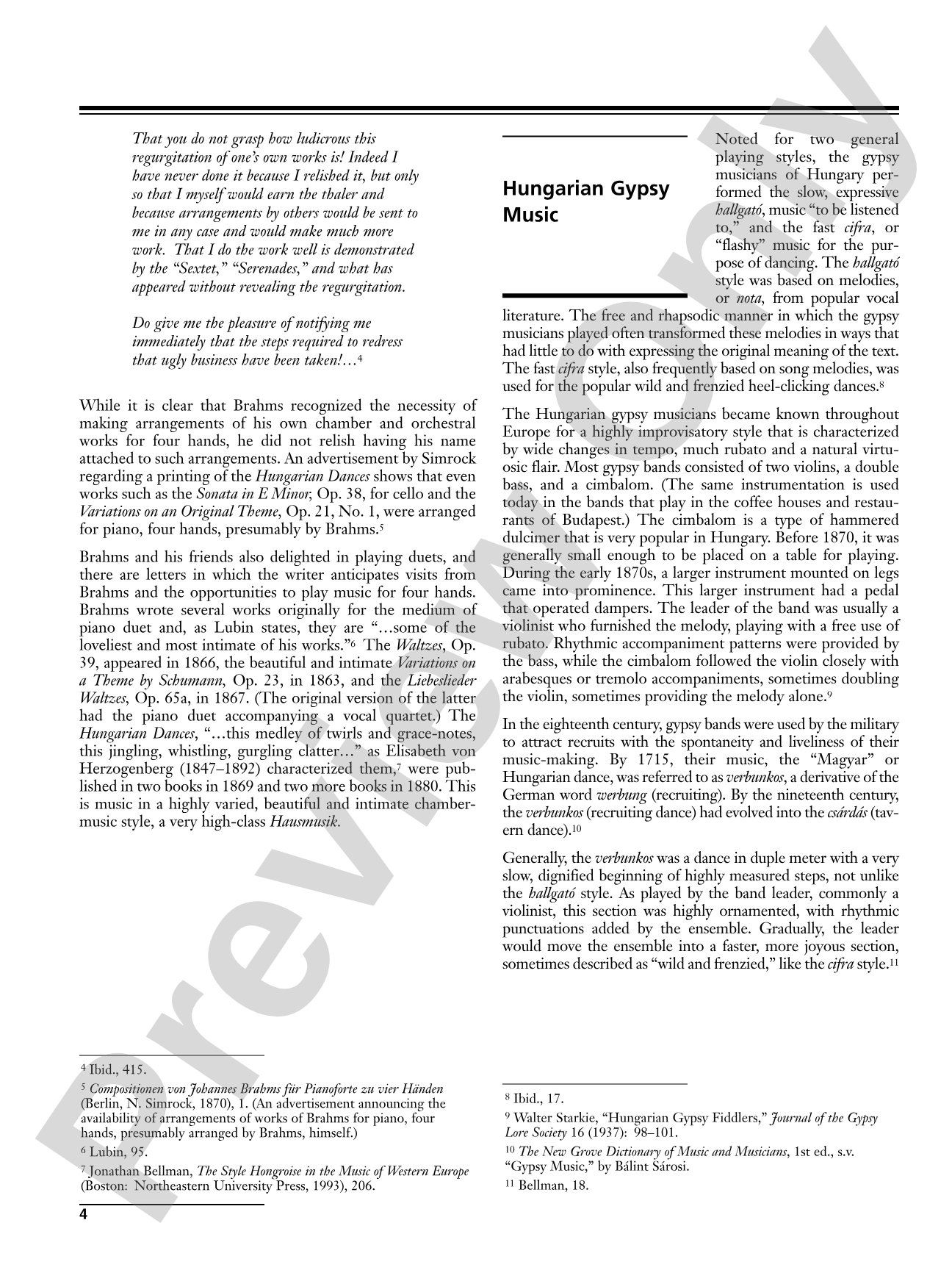
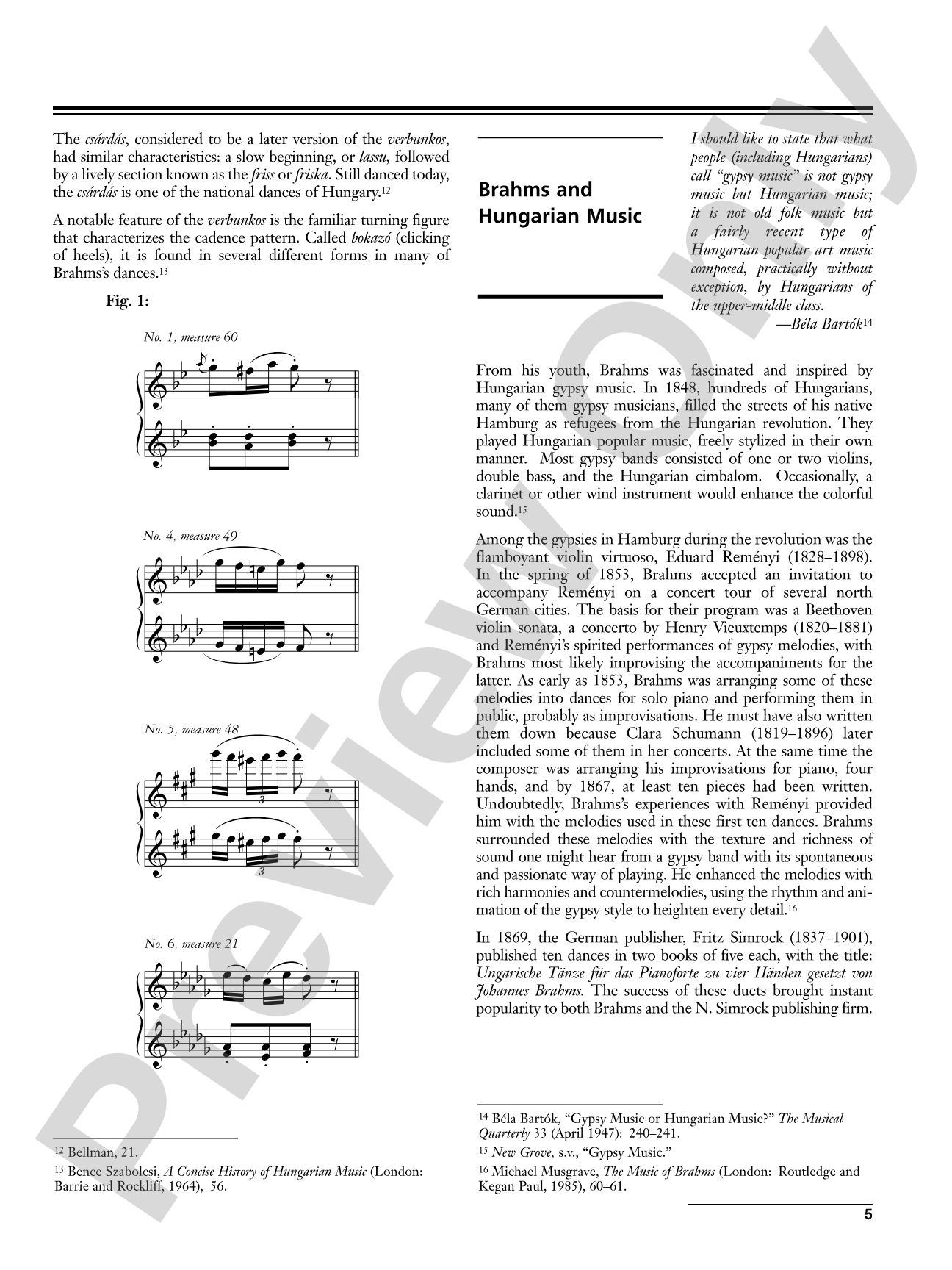
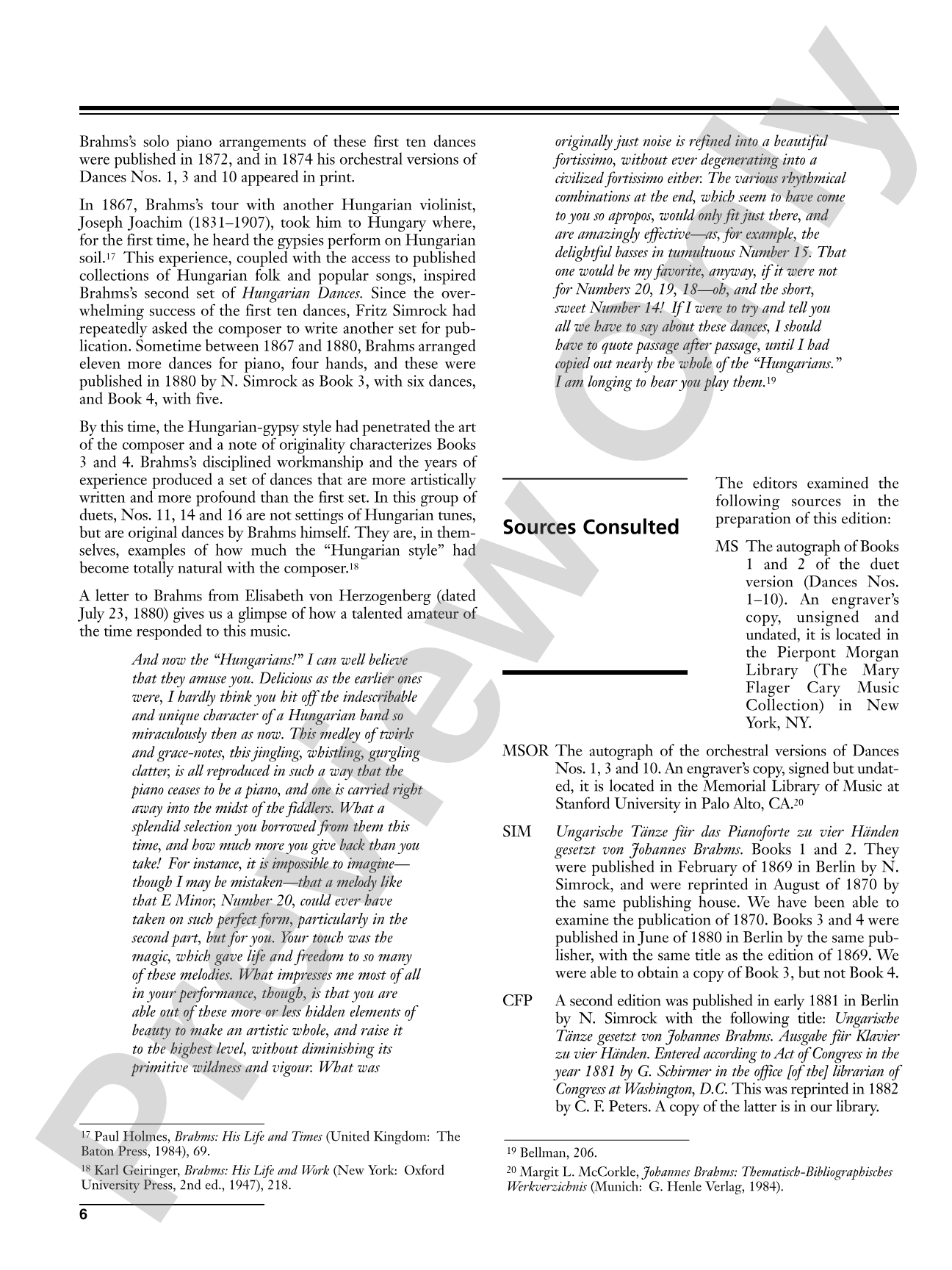
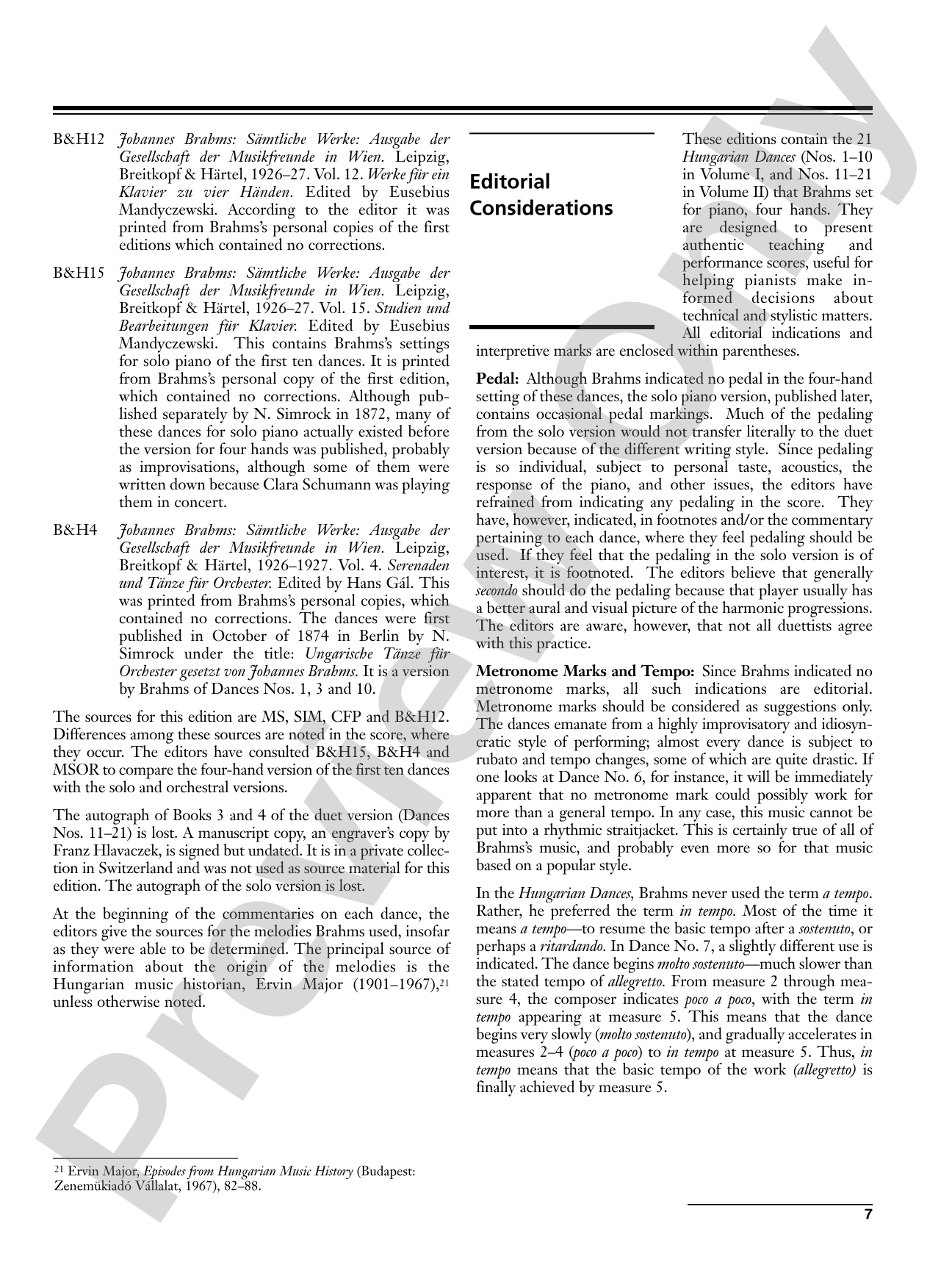
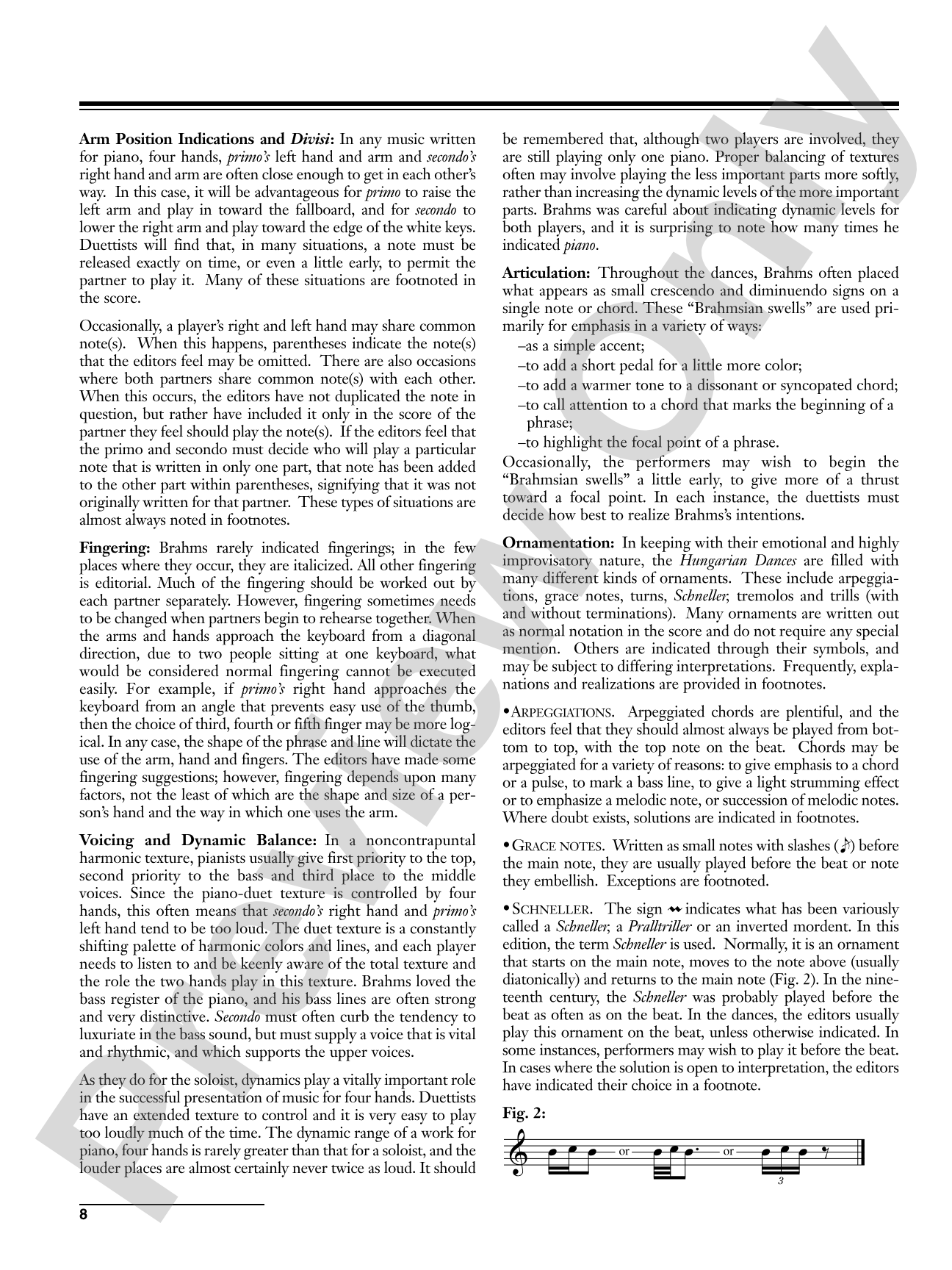
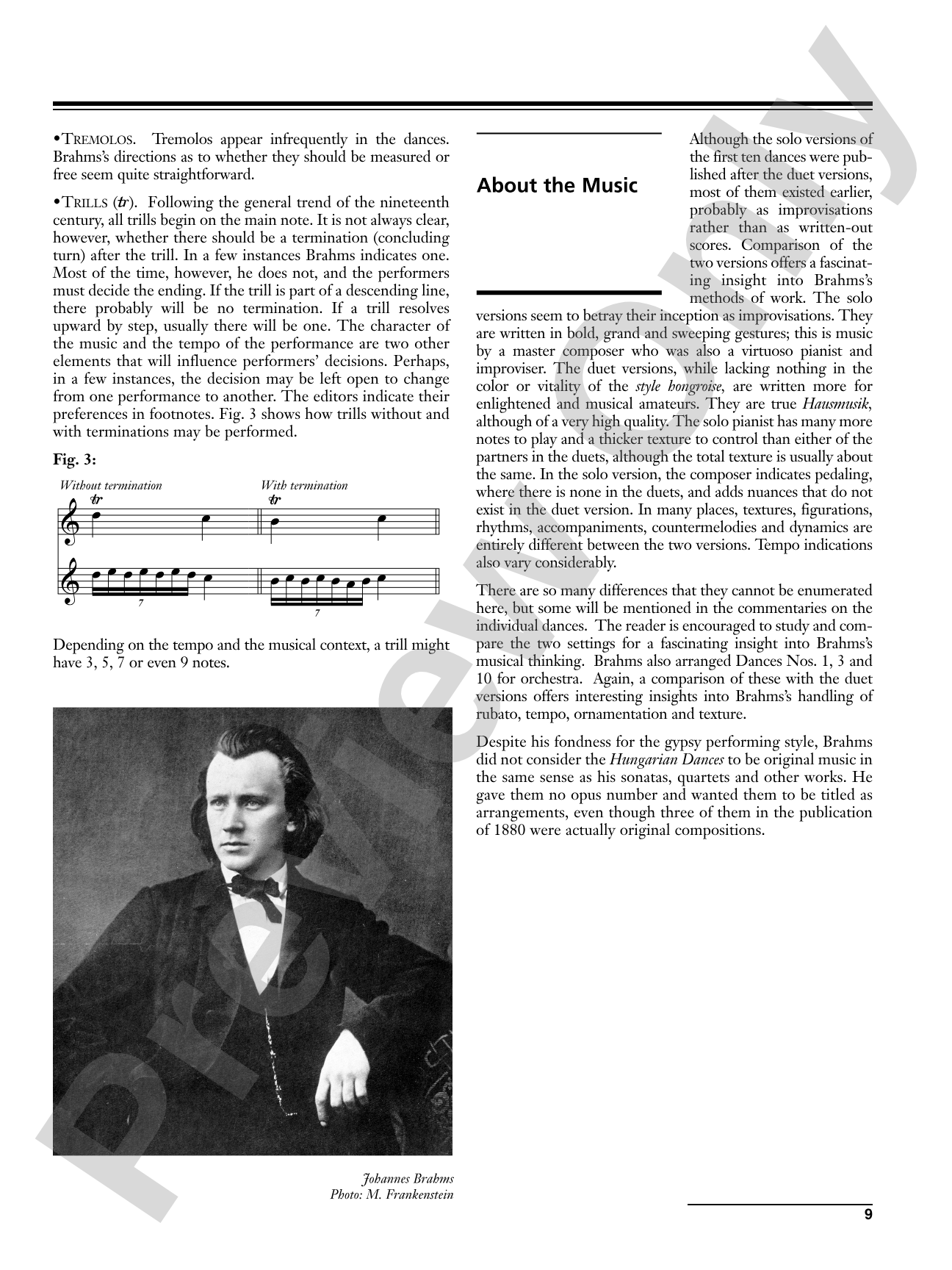
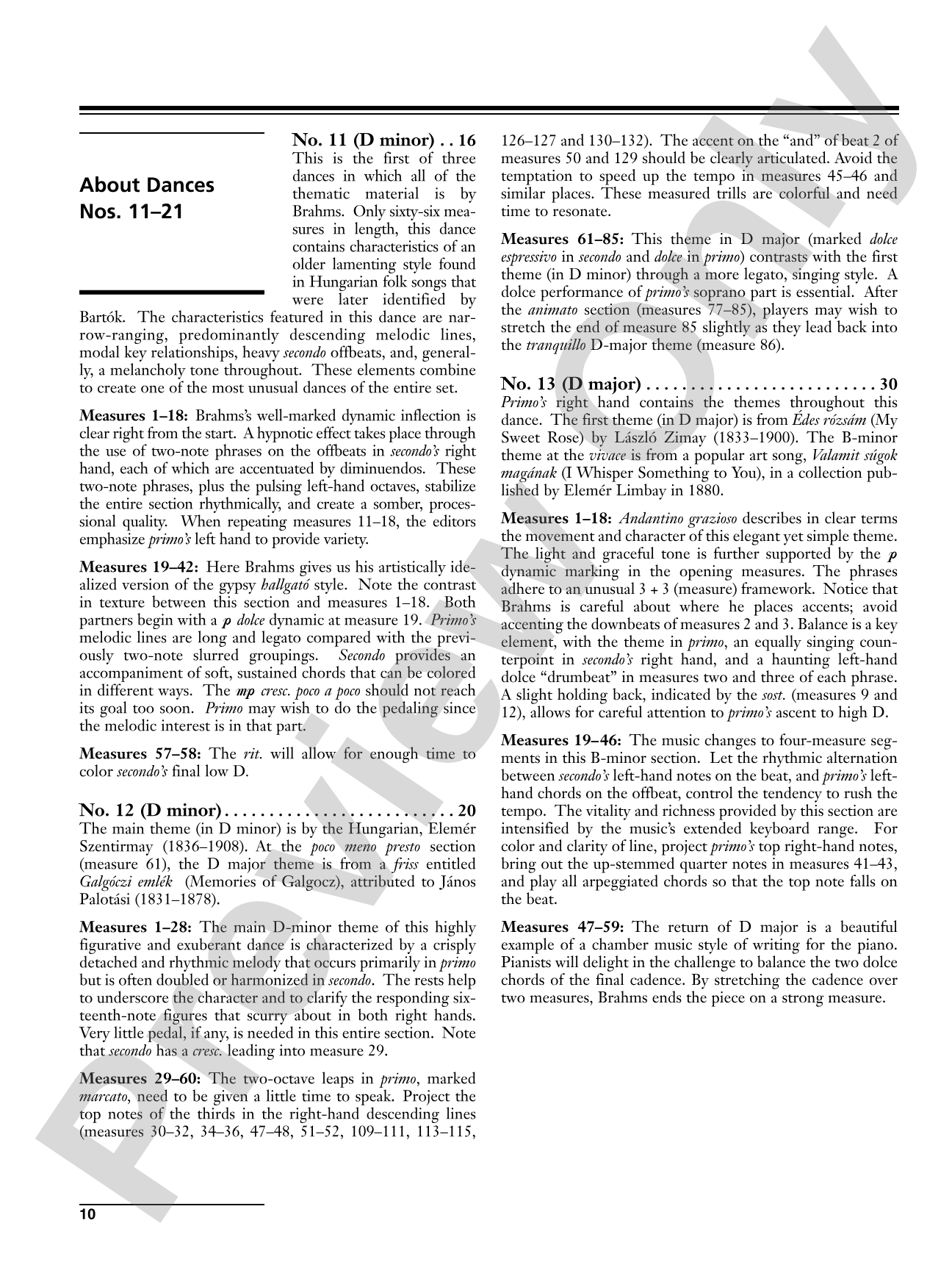
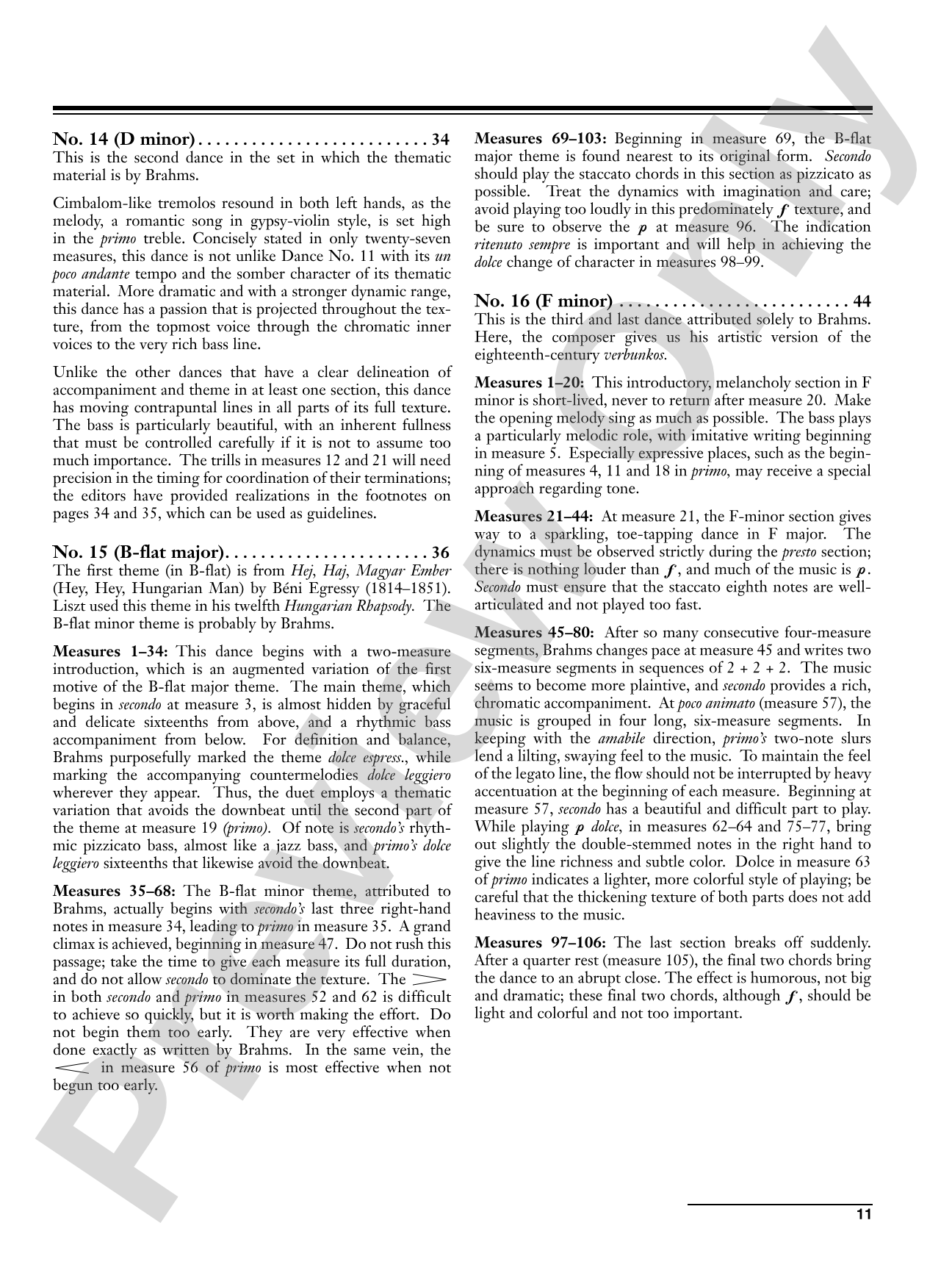
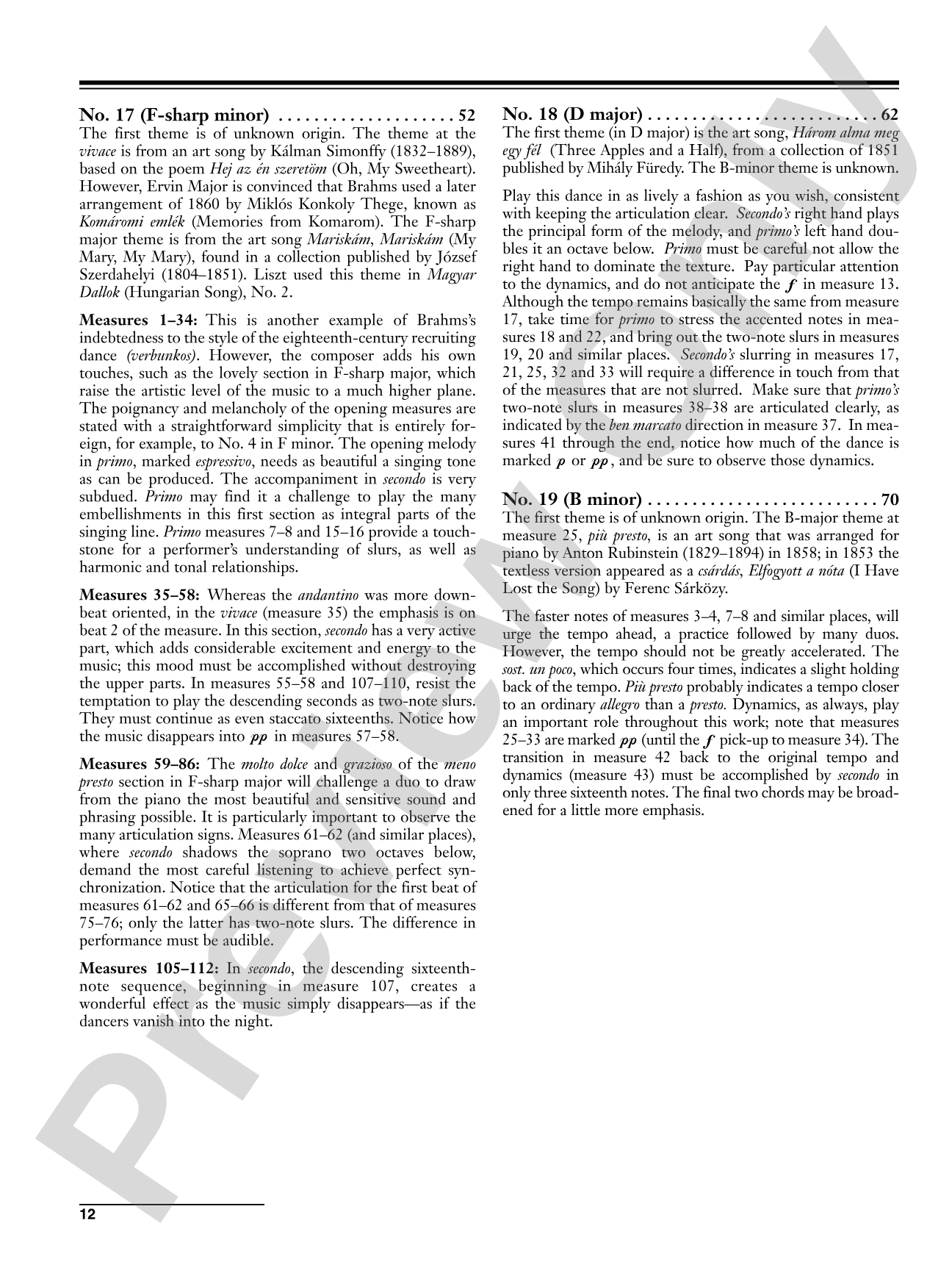
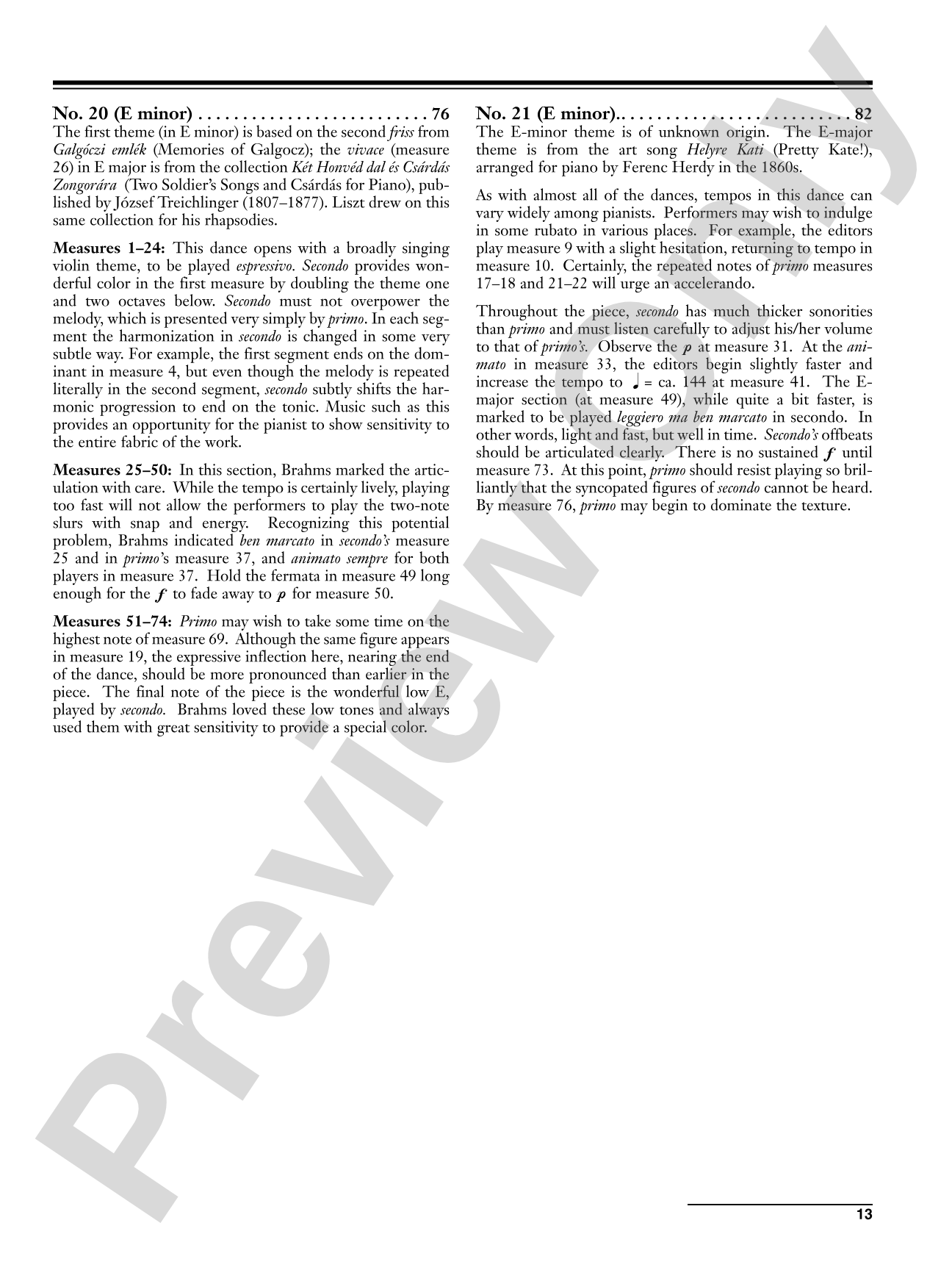
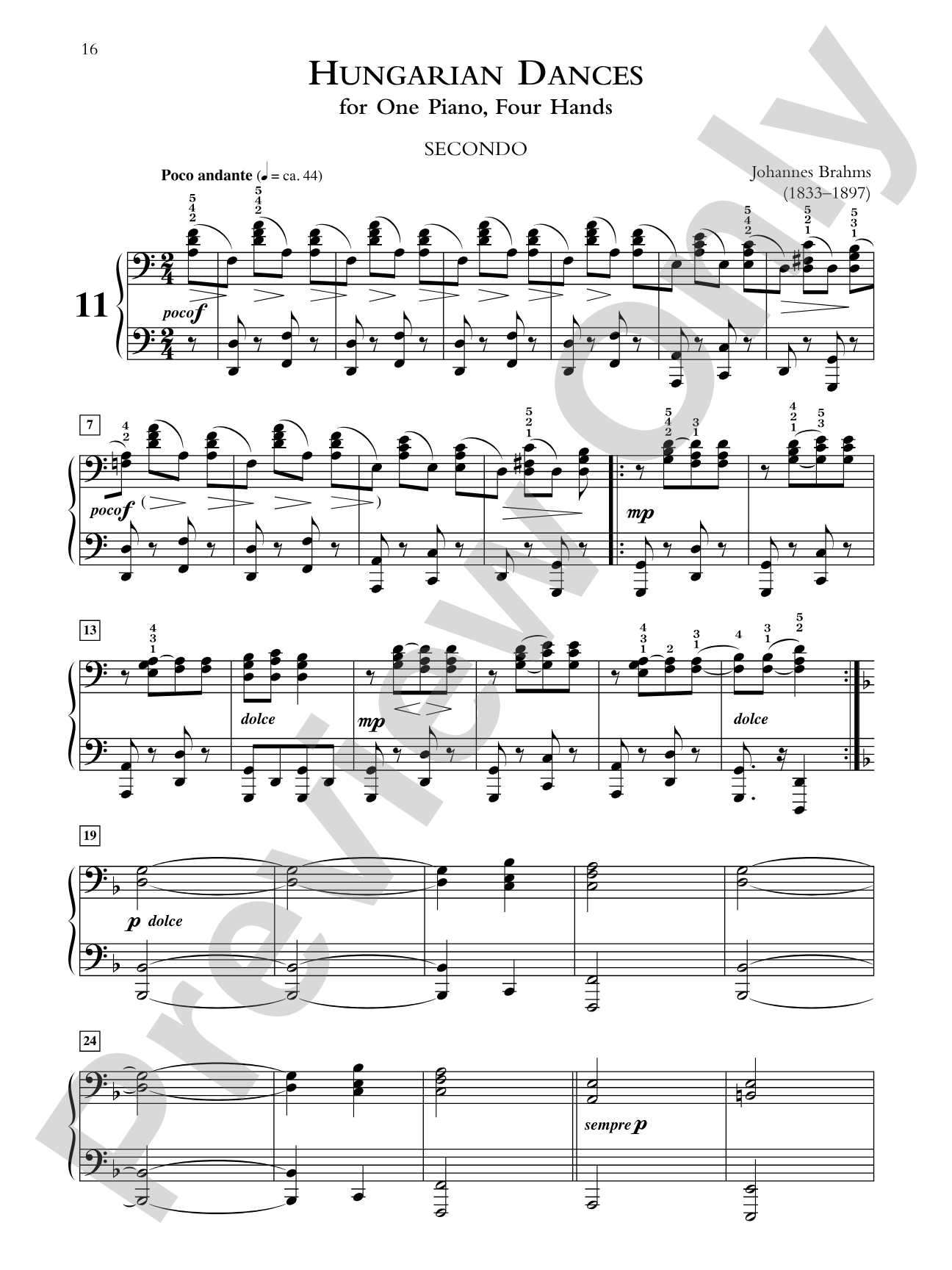
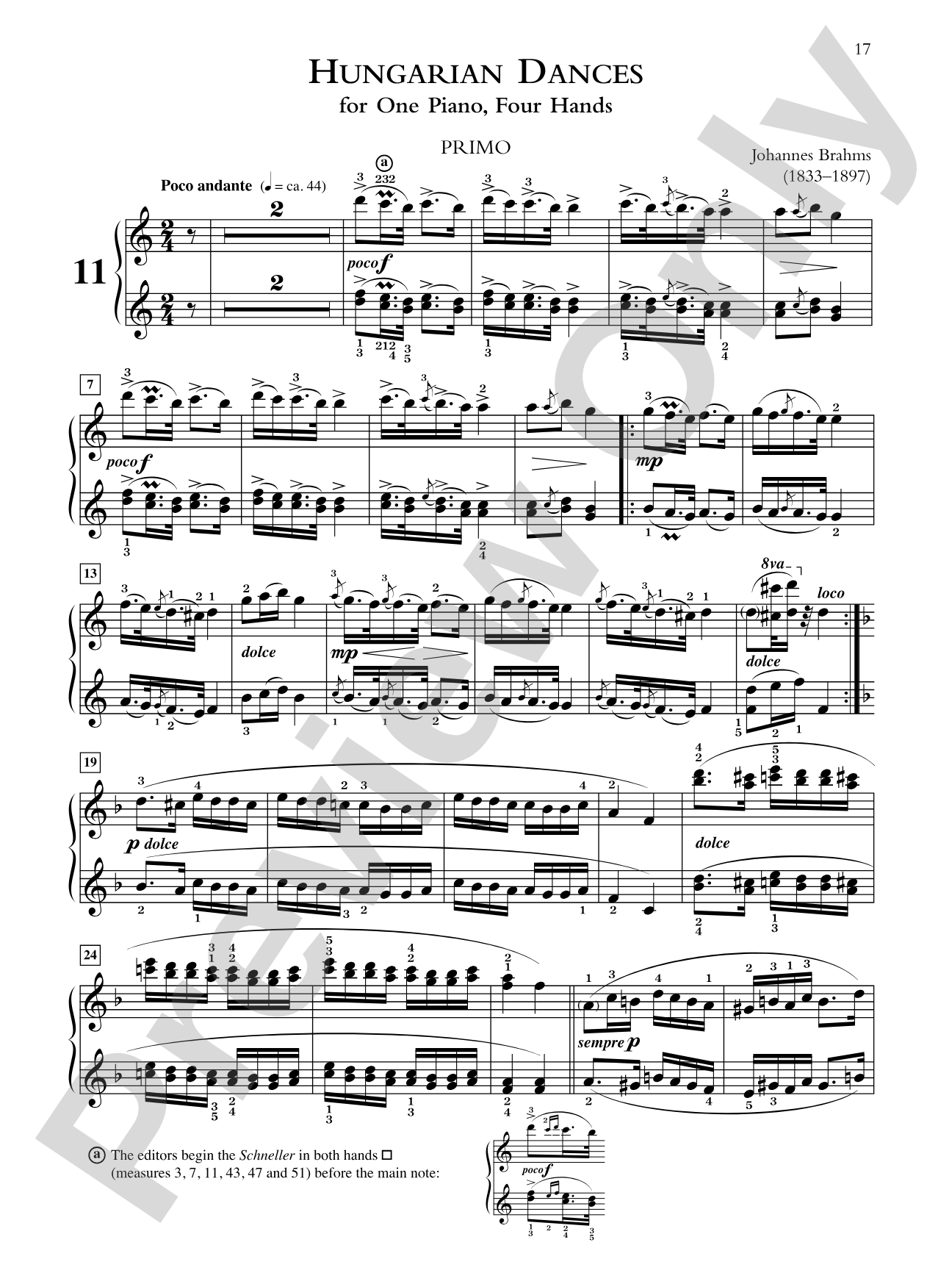
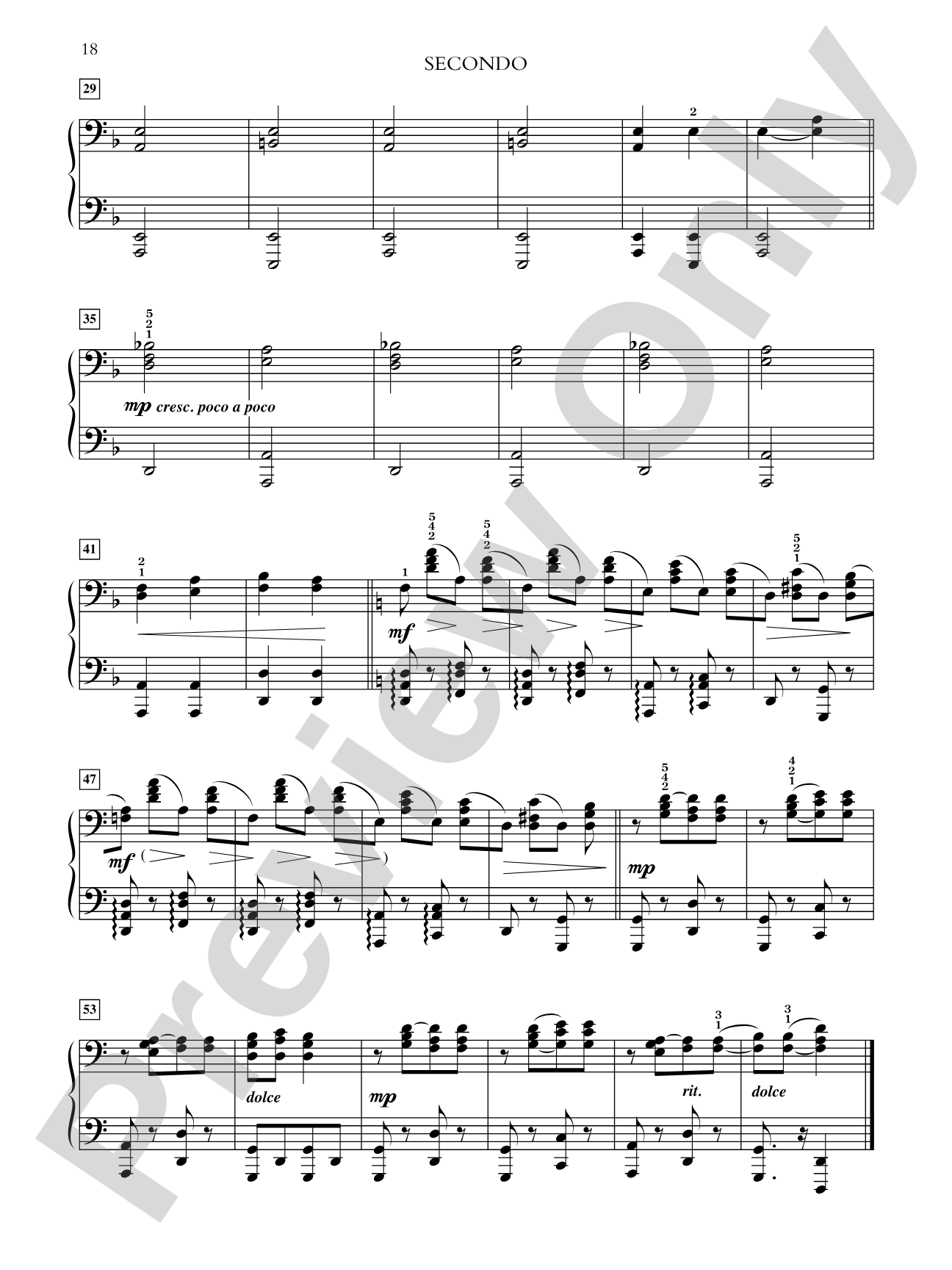
Brahms brilliantly captured the spontaneity and passion of Hungarian gypsy music in his 21 Hungarian Dances. In this volume containing dances 11-21, editors Carol Ann Bell and Digby Bell have scrutinized all available autograph manuscripts of the duet, solo and orchestral versions and compared them with the earliest printed editions to produce the most scholarly, critical body of these works available today. Performance notes, helpful fingering suggestions, ornament realizations, and a wealth of historical background are provided. A Federation Festivals 2020-2024 selection.


Brahms: Hungarian Dances, Volume 2 - Piano Duet (1 Piano, 4 Hands): Piano Duets & Four Hands isn't in MakeMusic Cloud just yet...but it could be. Let us know you'd like to see it, and you'll help shape what comes next. In the meantime, start a free trial and dive into thousands of interactive titles your students can play along with today.
Request This Title
Tell us you want it.
Start Your Free Trial
Explore everything that's ready to play right now.
Sample Audio
No sample audio found.
Sample Video
No sample videos found.
Additional Details
Series:
Alfred Masterwork Edition
Publisher:
Alfred Music
Page Count:
88
SKU:
00-PB-0000635
More about this title
About the Composer: Johannes Brahms
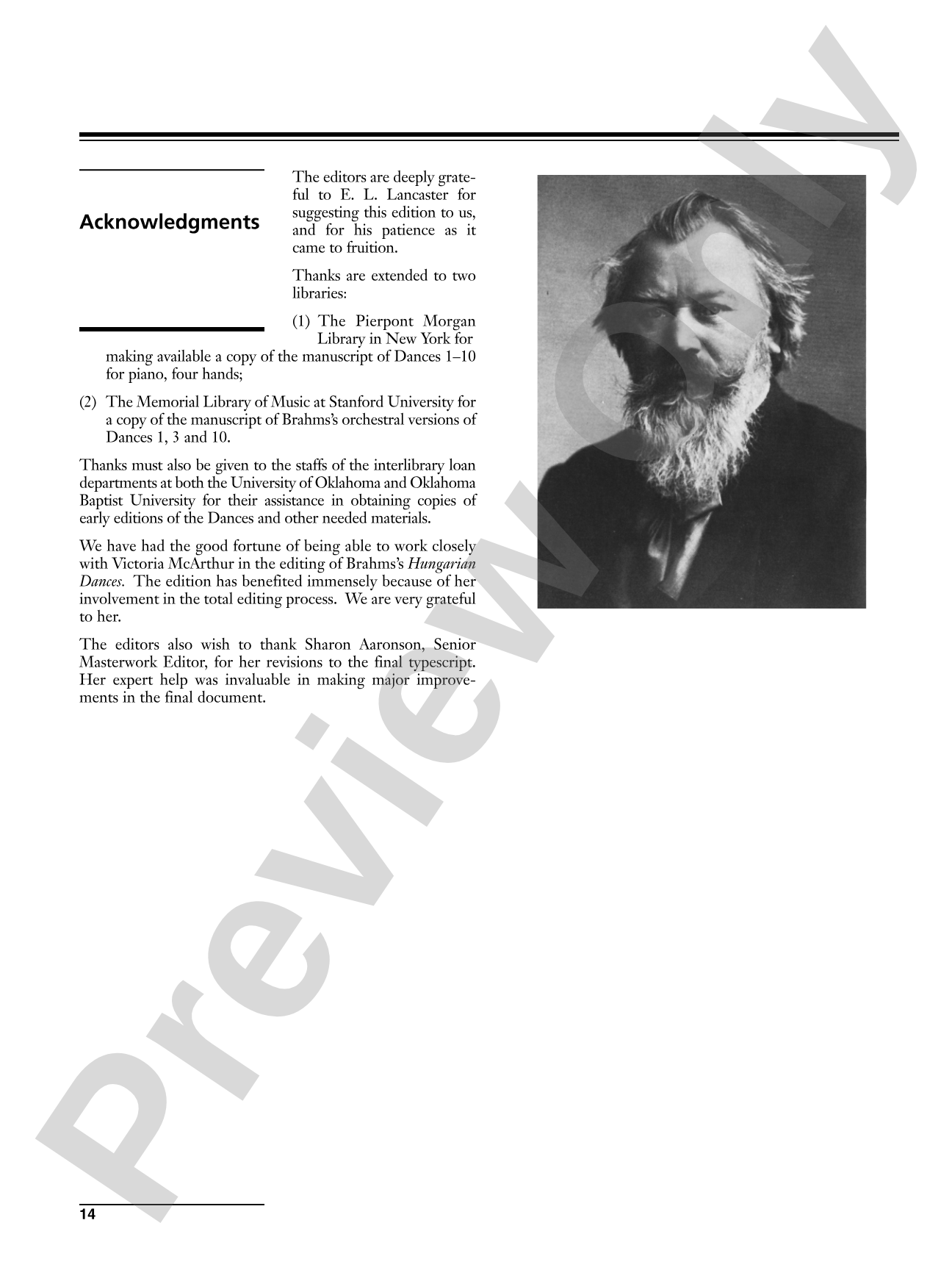
Johannes Brahms (1833-1897) shaped the Romantic era by synthesizing Classical form with 19th-century harmony and orchestration. A pianist and conductor himself, he understood instrumental writing at a profound level and composed across every major genre except opera.
Why we love this
The Hungarian Dances occupy a unique place in Brahms's output: they're accessible without being trivial, brimming with character and rhythmic vitality that students respond to immediately. The Bell edition's scholarly apparatus transforms this into a teaching tool that reveals Brahms's own editorial choices across multiple versions, giving students insight into how composers refine their work.
What to expect
These dances pulse with restless energy and earthiness. Gypsy inflections color the harmony; unexpected modulations and syncopated rhythms create forward momentum. The textures range from transparent and playful to rich and intoxicating, with moments of genuine tenderness breaking through the exuberance.
Who it's for
Advanced intermediate pianists ready to grapple with Romantic repertoire and pianists preparing for festival competition (this volume is a Federation Festivals selection). Piano teachers seeking duet material that combines musical substance with pedagogical value will find the editorial guidance indispensable.
How to get the most out of it
- Establish a clear hierarchy between primo and secondo parts; the accompanimental voice often carries structural weight that shouldn't disappear into the background.
- Attend to the rhythmic flexibility within Hungarian phrasing. Brahms notates rubato sparingly, but the idiom demands subtle pushing and pulling at phrase boundaries.
- Balance ornamentation against the written tempo. Many of these dances contain ornaments that sit comfortably within the prevailing pulse only if players understand the underlying harmonic rhythm.
- Use the provided historical notes to contextualize the source material. Understanding that certain dances derive from folk melodies versus Brahms's own inventions shapes interpretive choices about phrasing and articulation.
How to use it
Brahms's Hungarian Dances work splendidly as a four-hands showcase on a chamber music recital, offering listeners immediate gratification and pianists a chance to demonstrate ensemble musicianship. In a teaching studio, they serve as a bridge between Classical forms and the harmonic language of late Romanticism, making them ideal for students transitioning to more complex compositional idioms.
Skills your students will build
- Reading ornaments and applying historically informed realizations
- Balancing two hands across a single instrument in ensemble contexts
- Navigating irregular phrase structures and shifted downbeats in folk-inflected music
- Interpreting rubato and rhythmic flexibility within Romantic style conventions
- Recognizing harmonic relationships across tonal shifts and modal inflections