
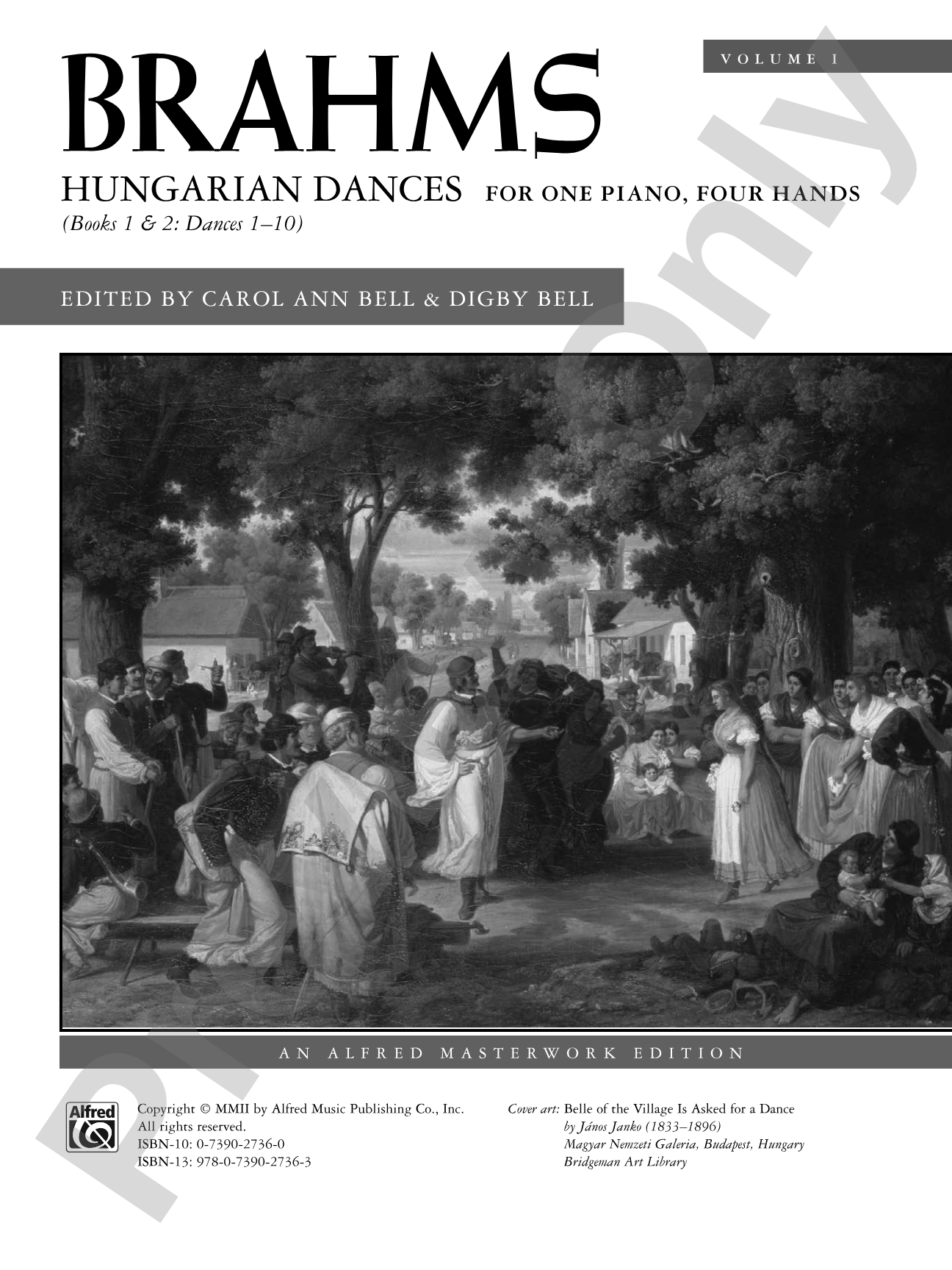
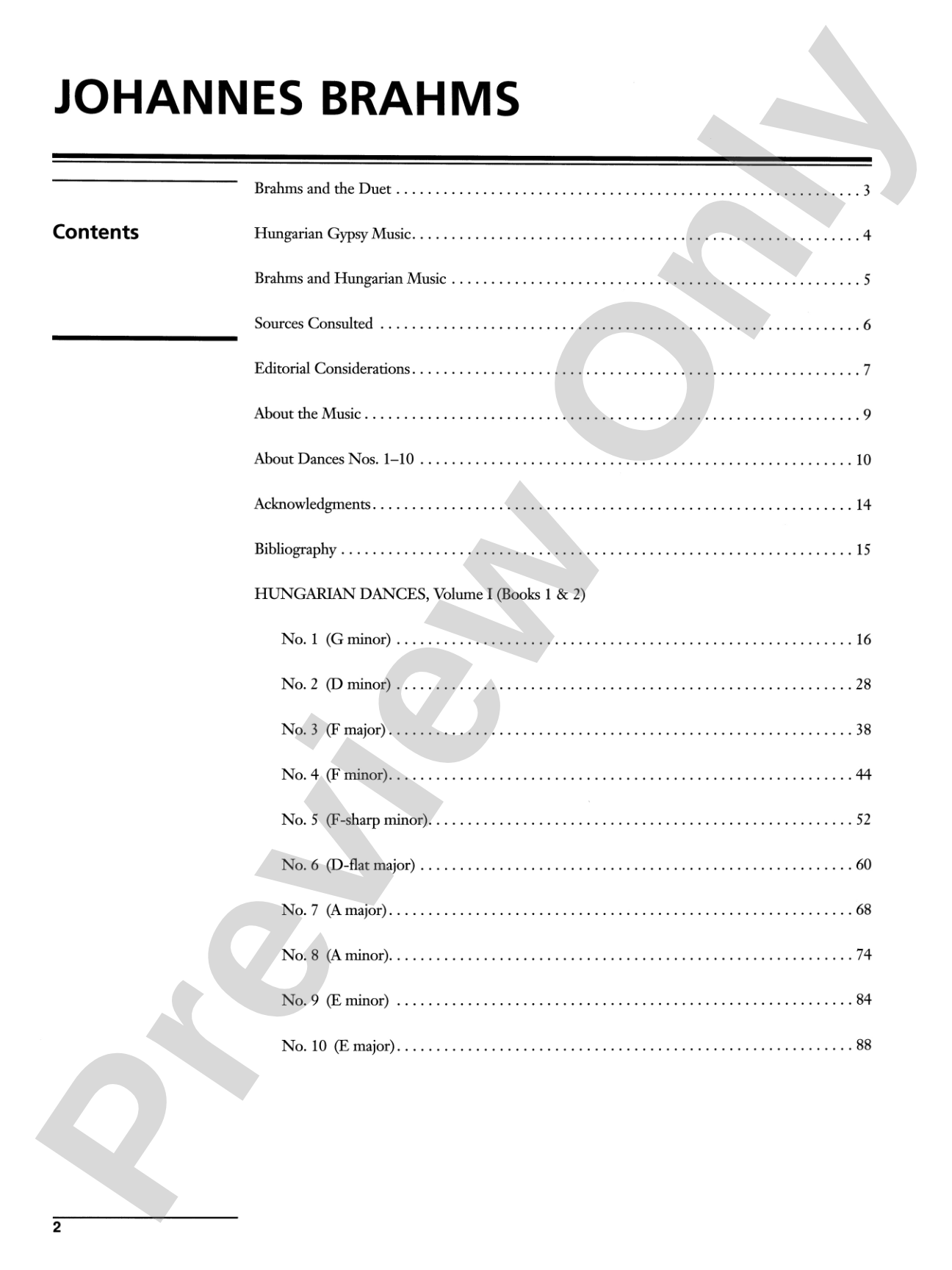

Brahms: Hungarian Dances, Volume 1 - Piano Duet (1 Piano, 4 Hands): Piano Duet (1 Piano, 4 Hands)
By Johannes Brahms / ed. Carol Bell and Digby Bell
Level: Late Intermediate / Early Advanced
Item: 00-PS-0017636
$15.99
Pickup currently not available
Related Items
Brahms: Hungarian Dances, Volume 1: Piano Duet (1 Piano, 4 Hands) Book |
$15.99
|
View |
Description
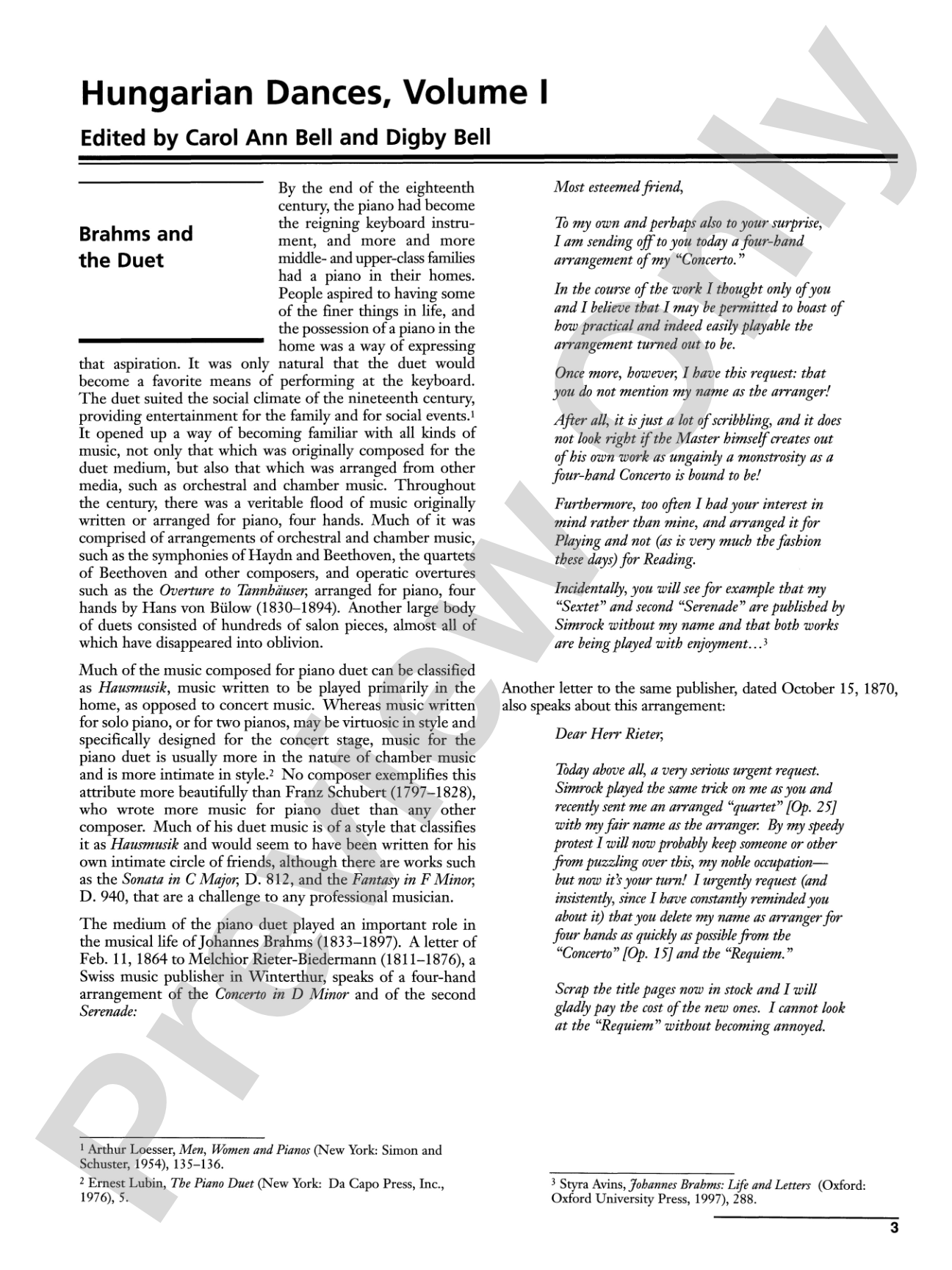
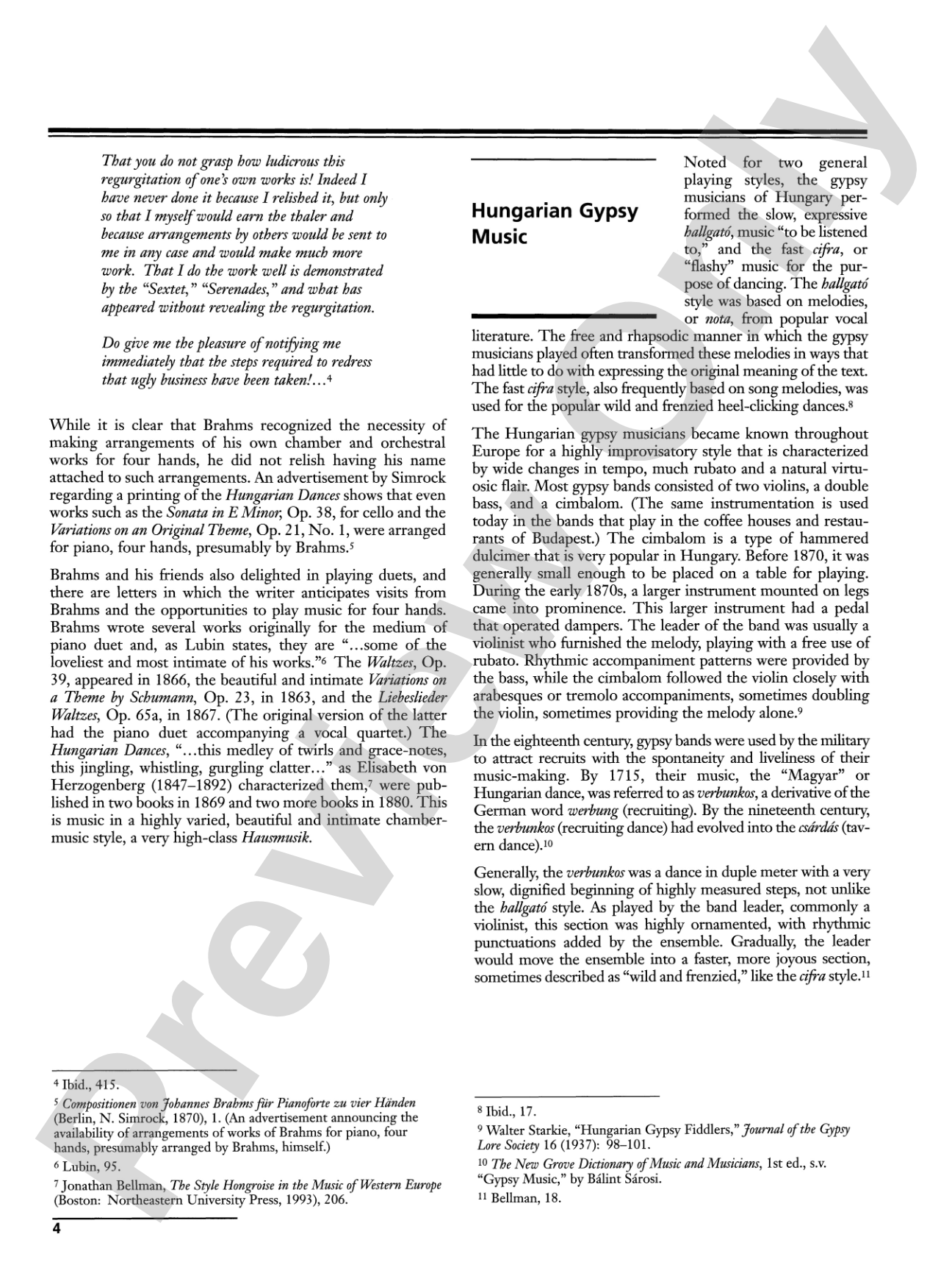
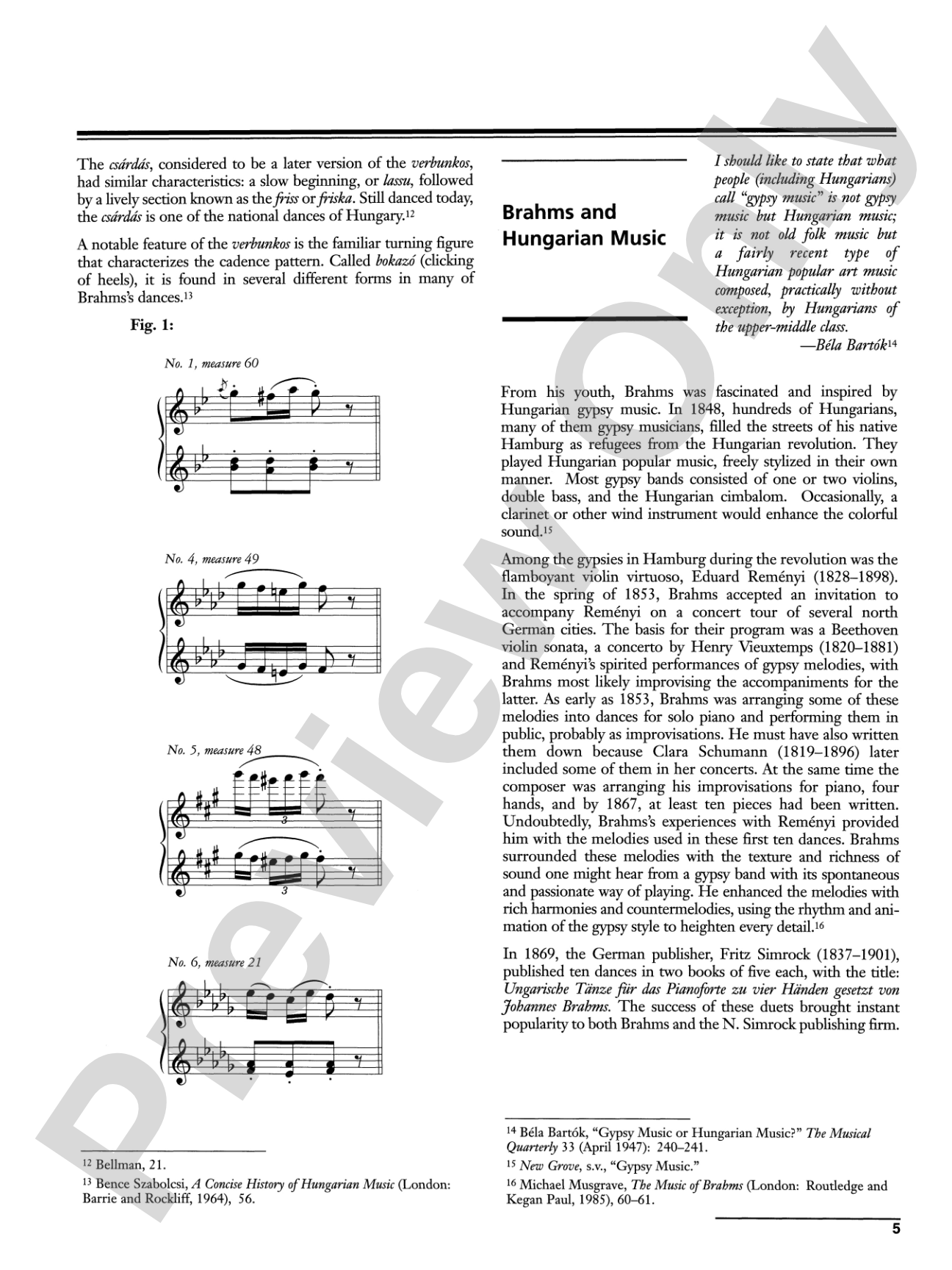
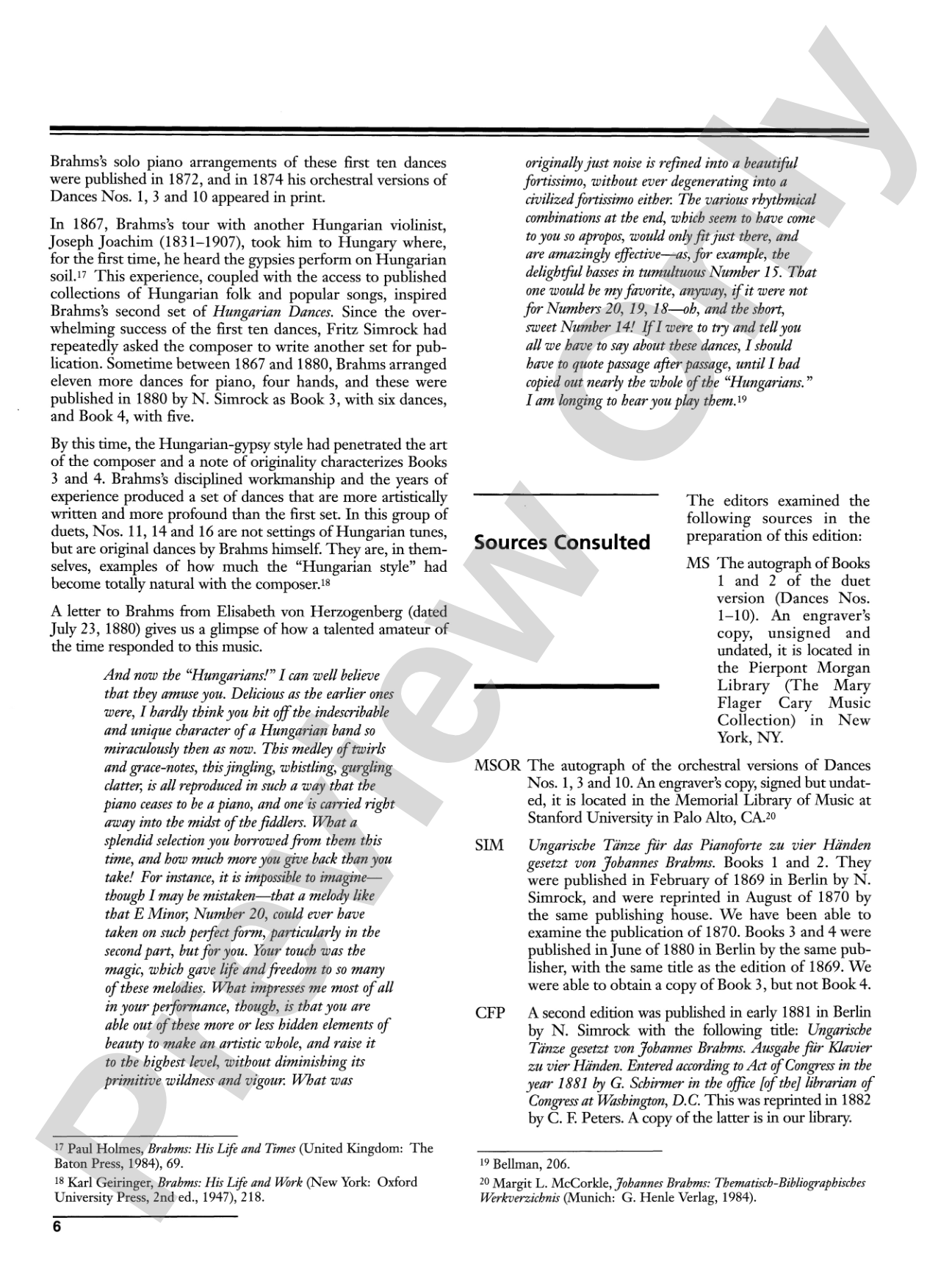
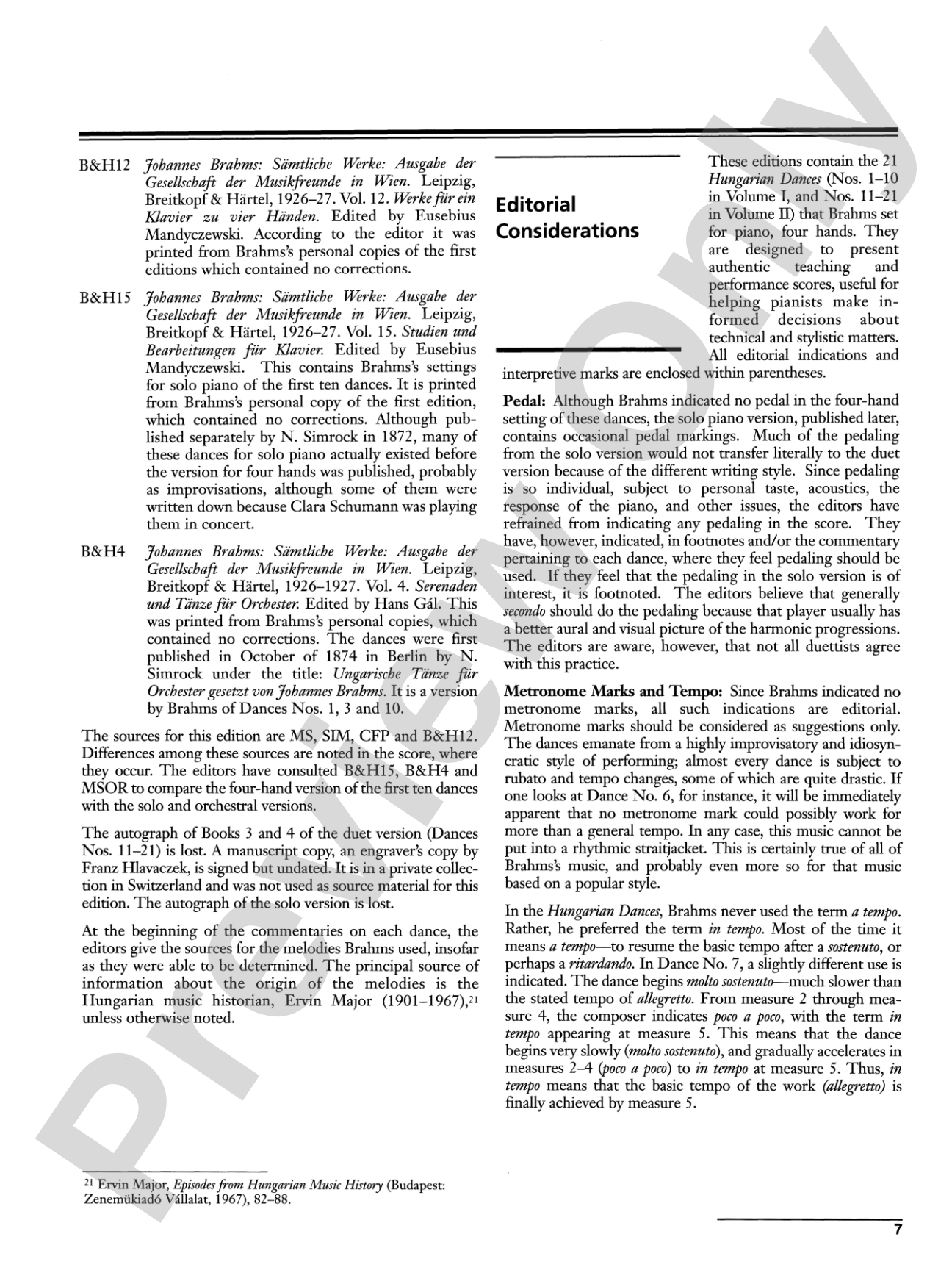
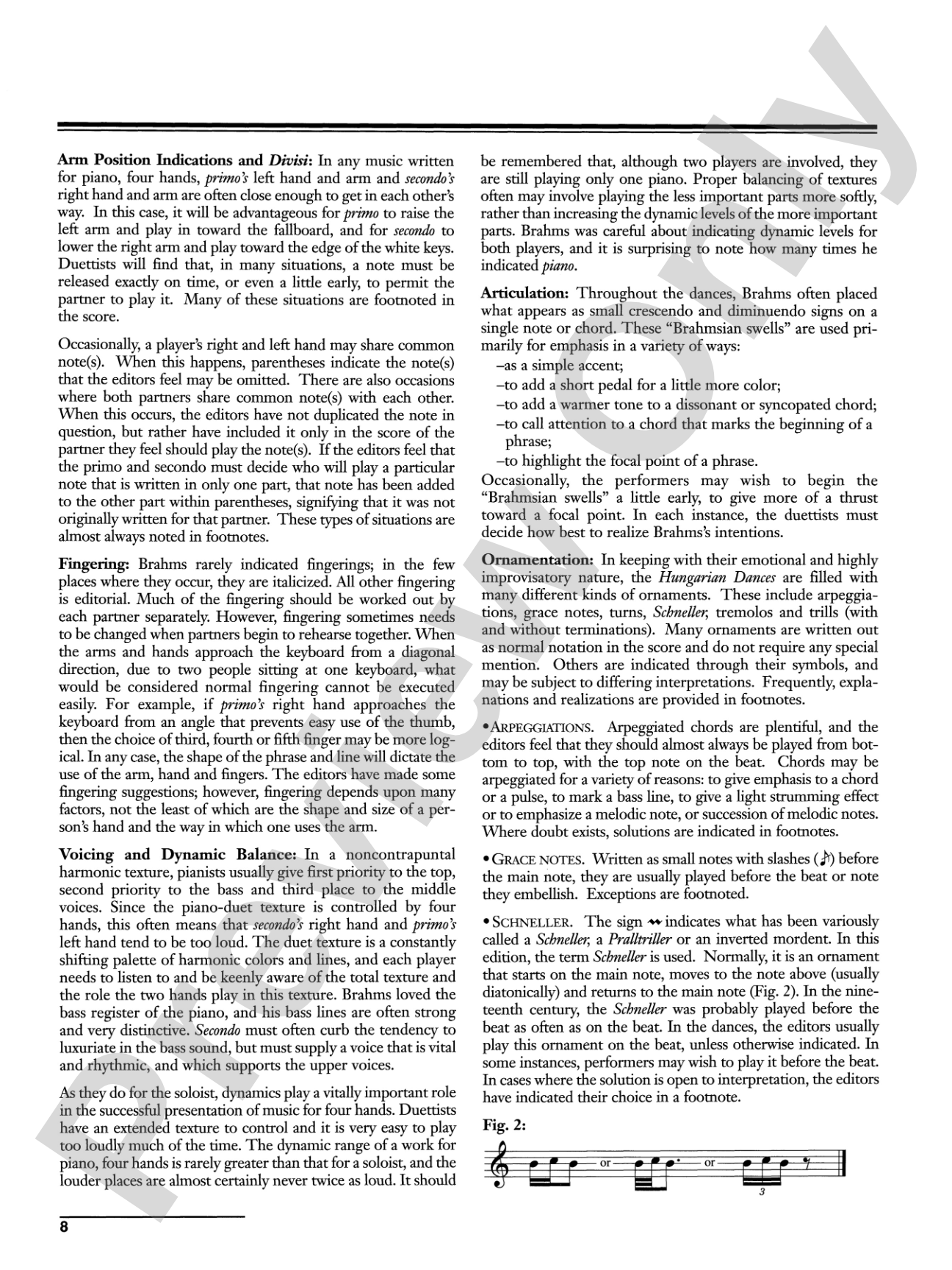
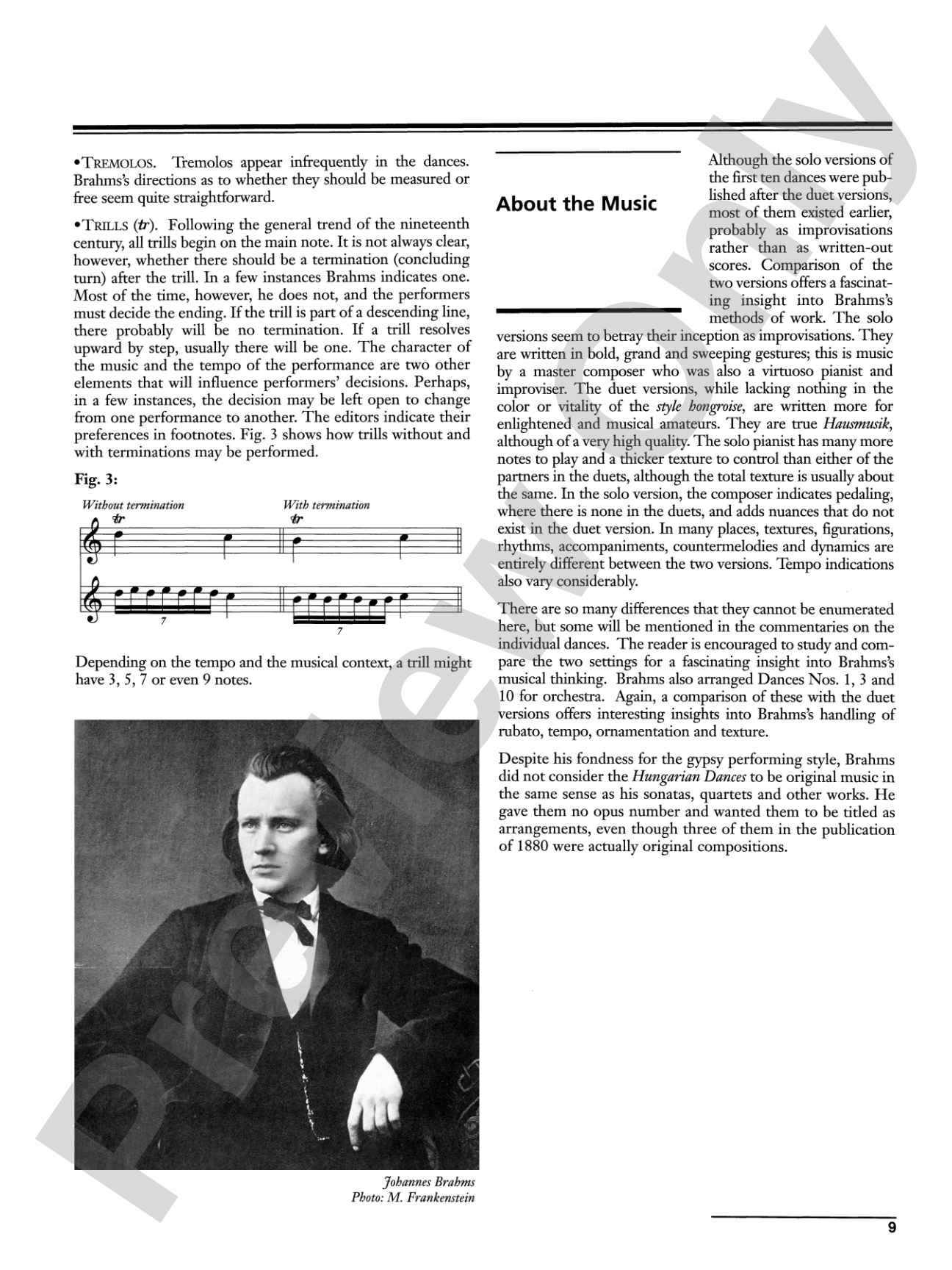
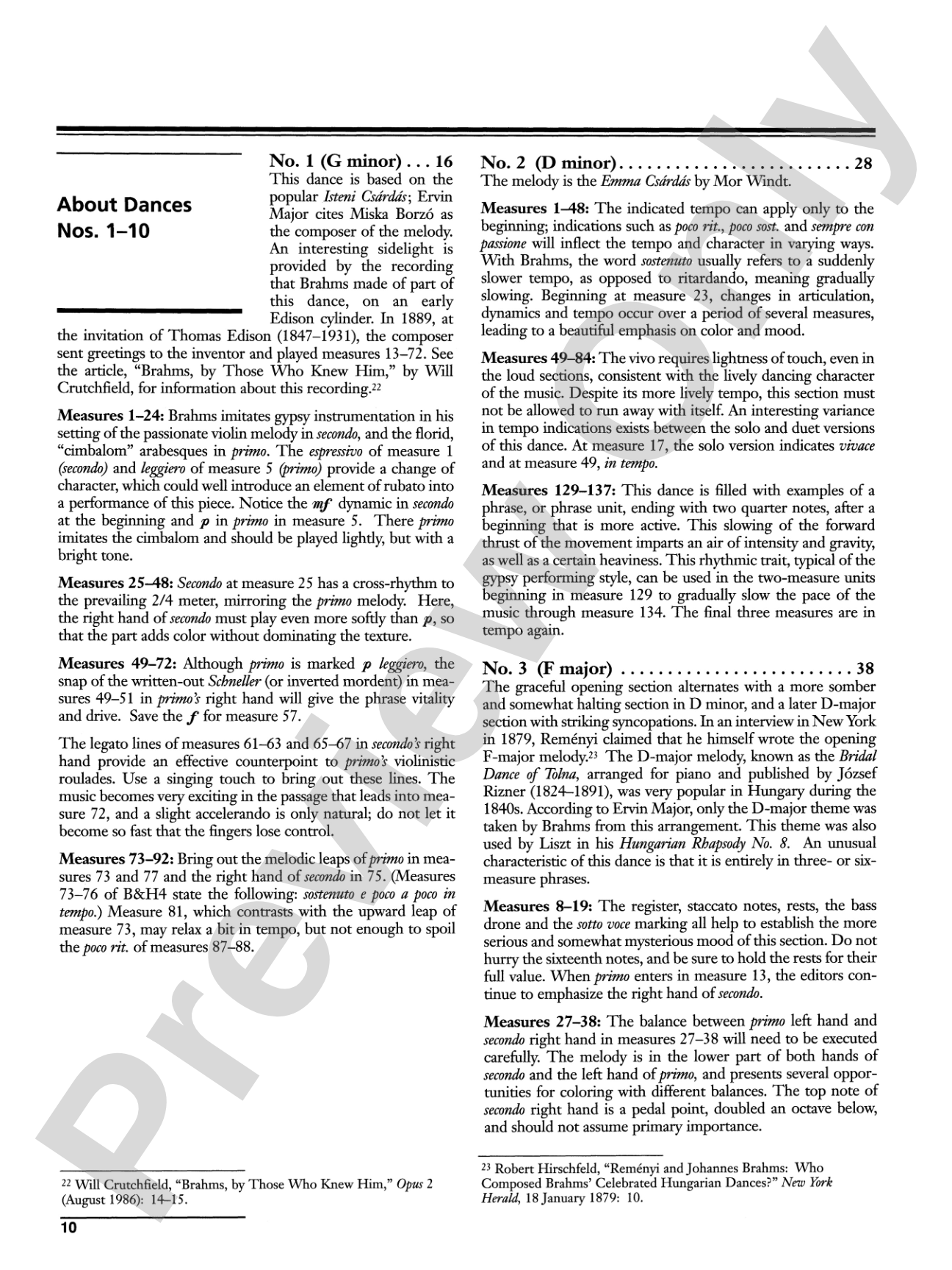
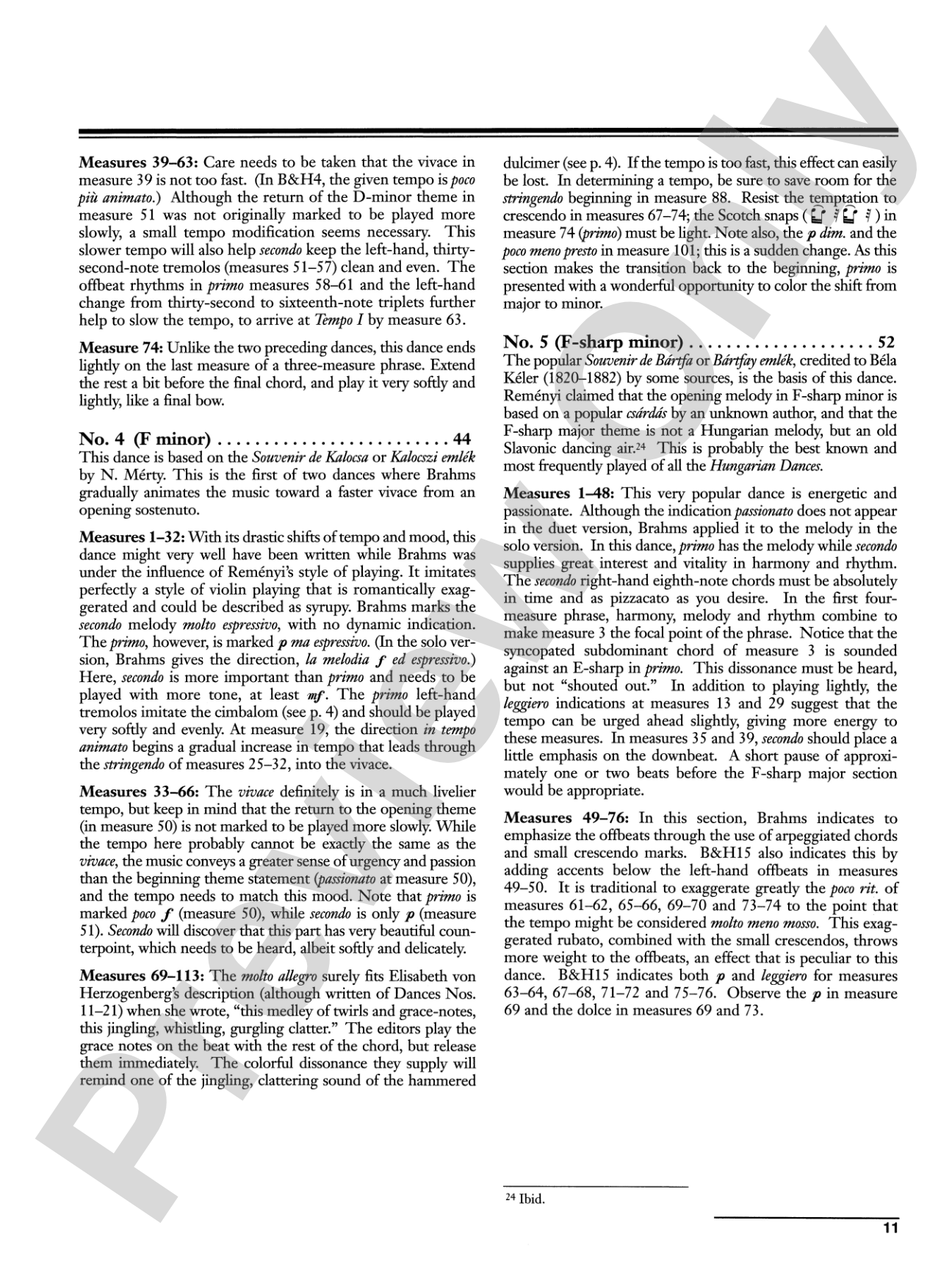
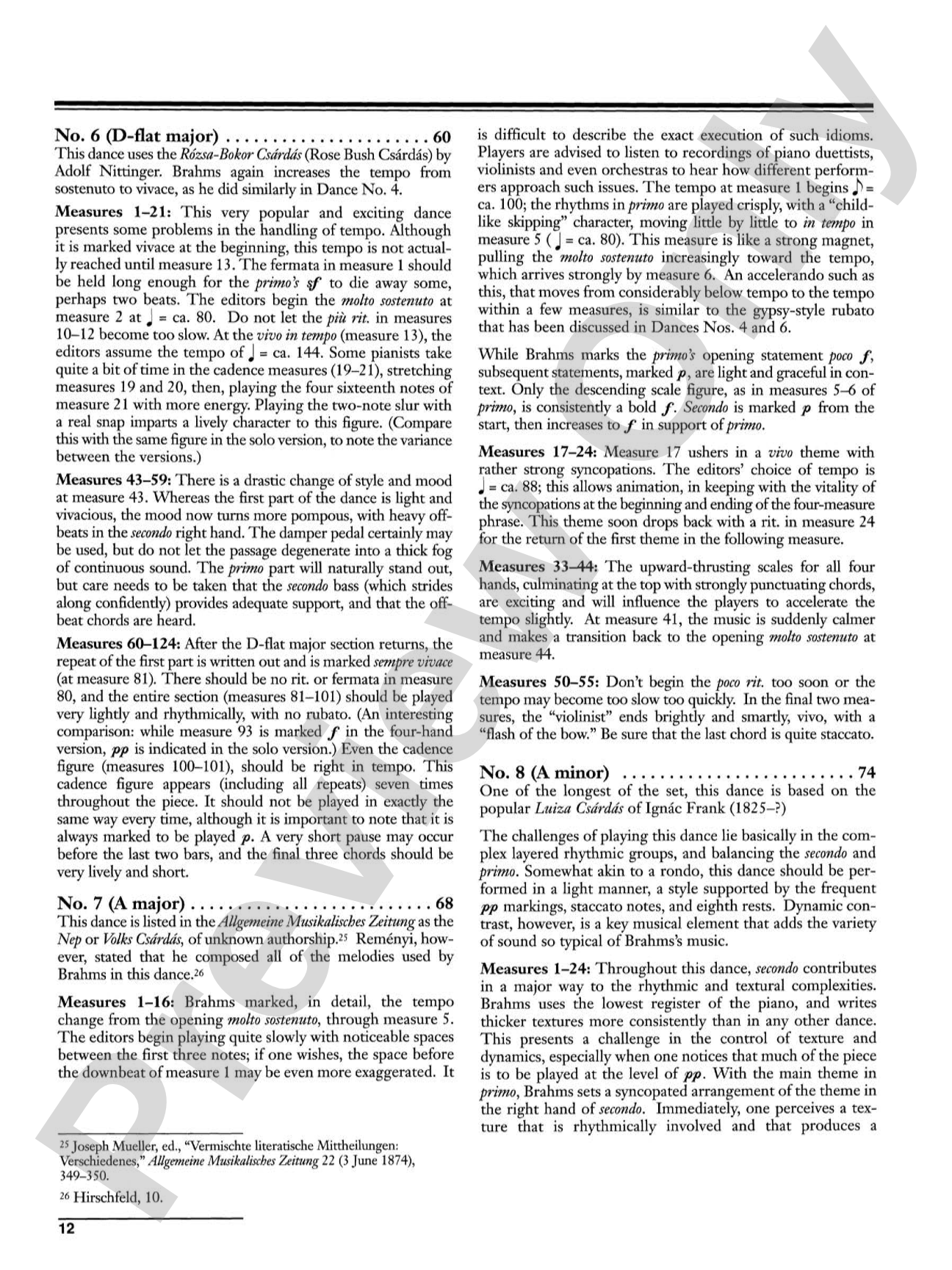
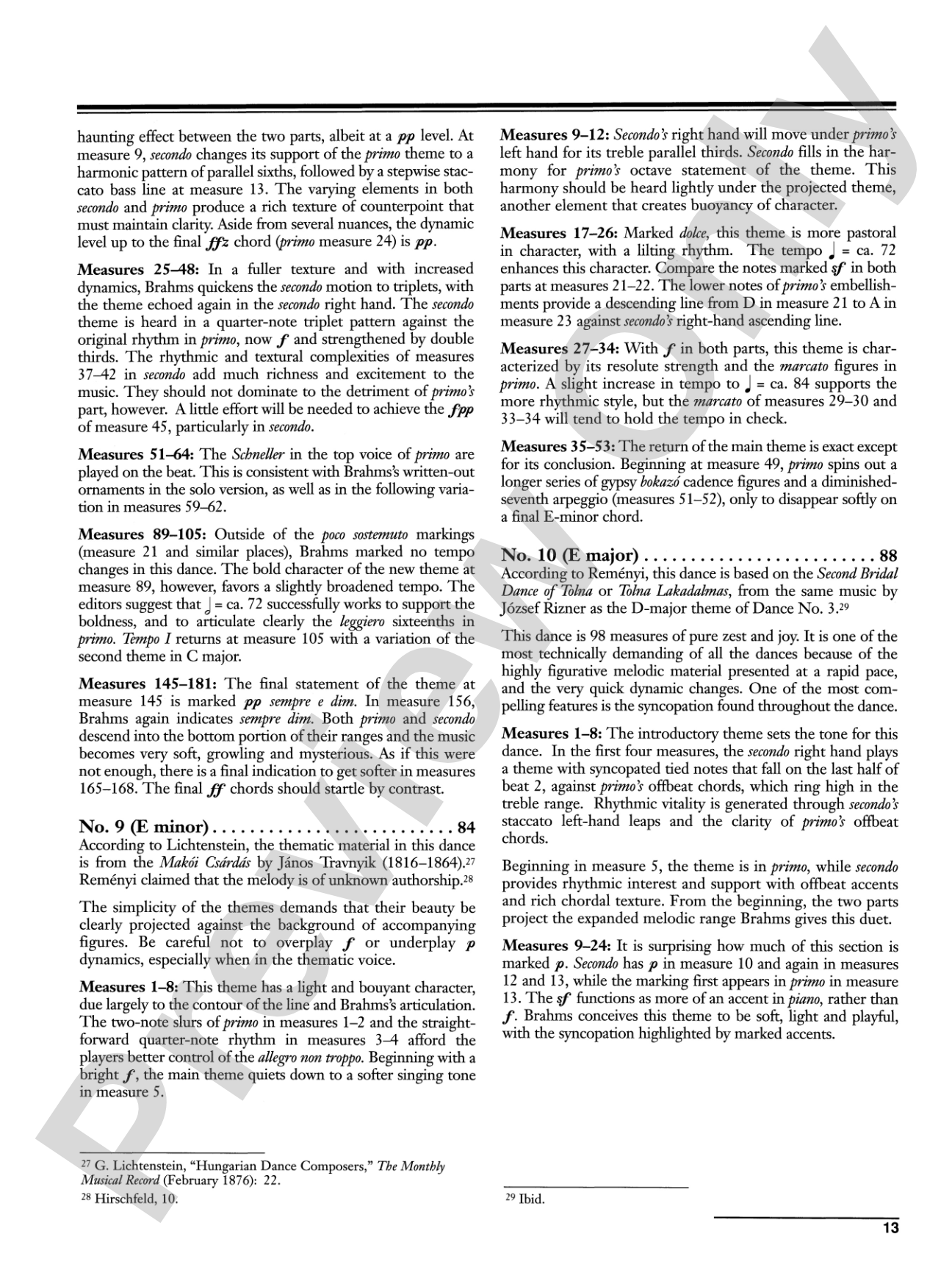
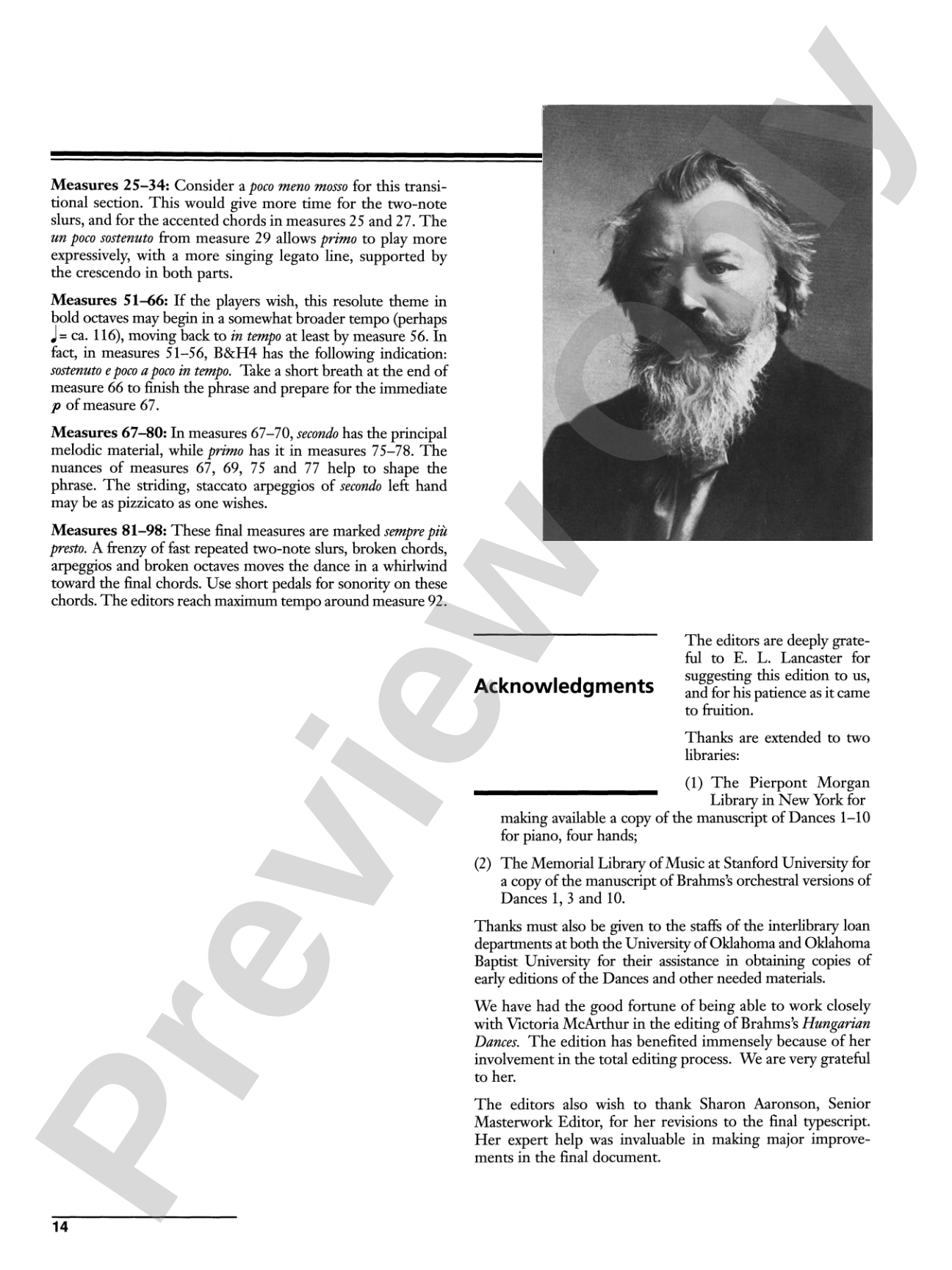
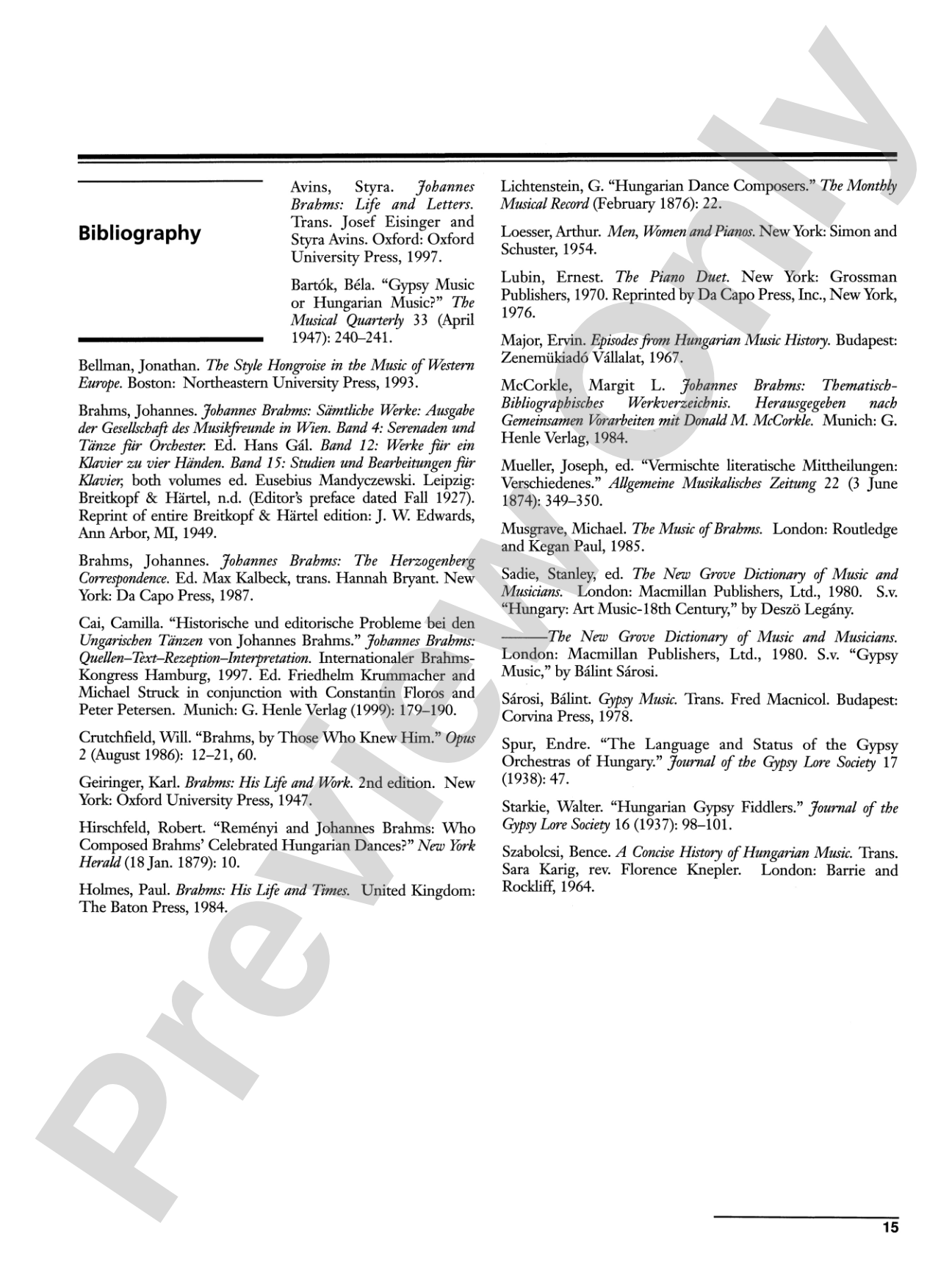
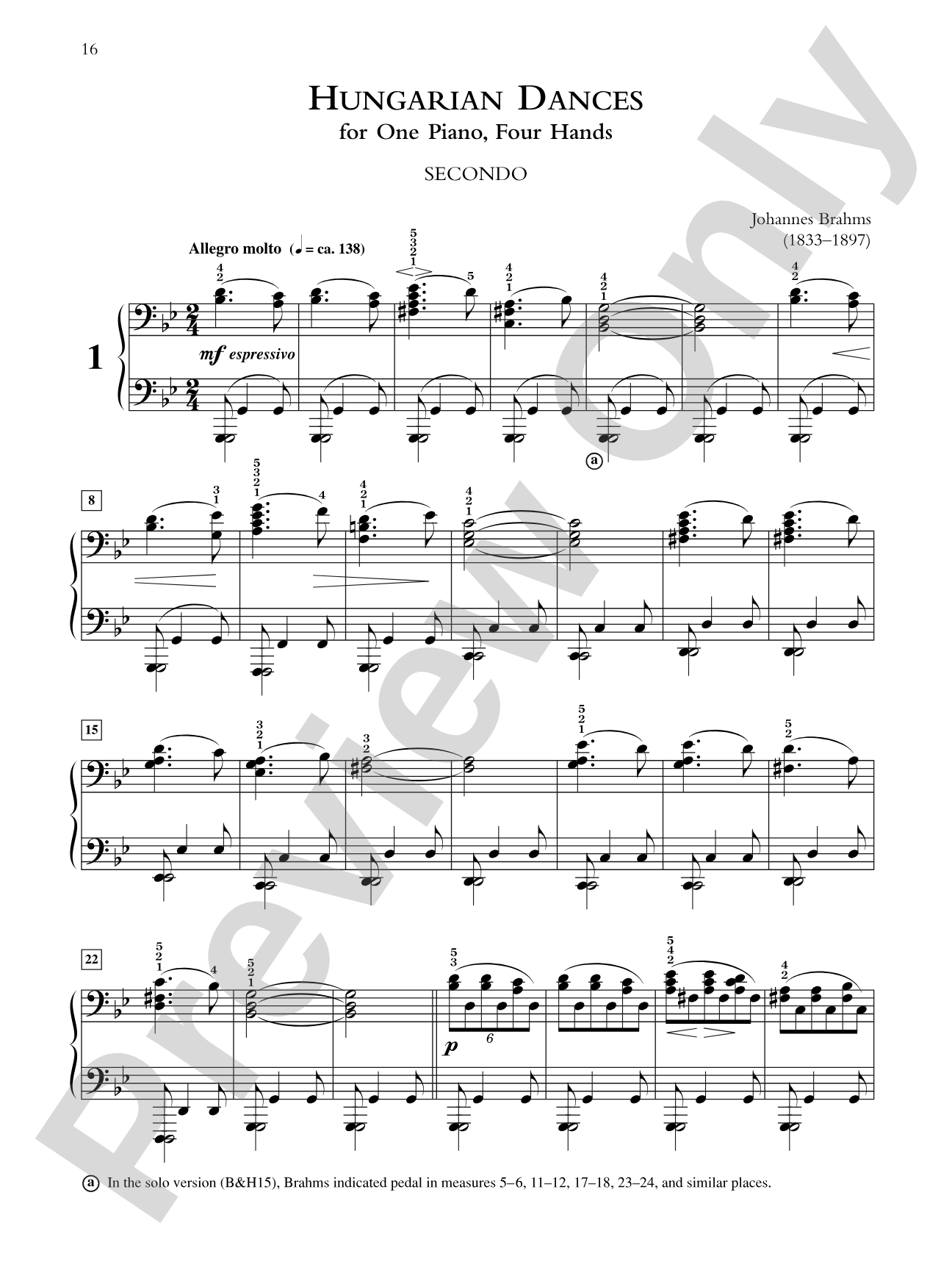
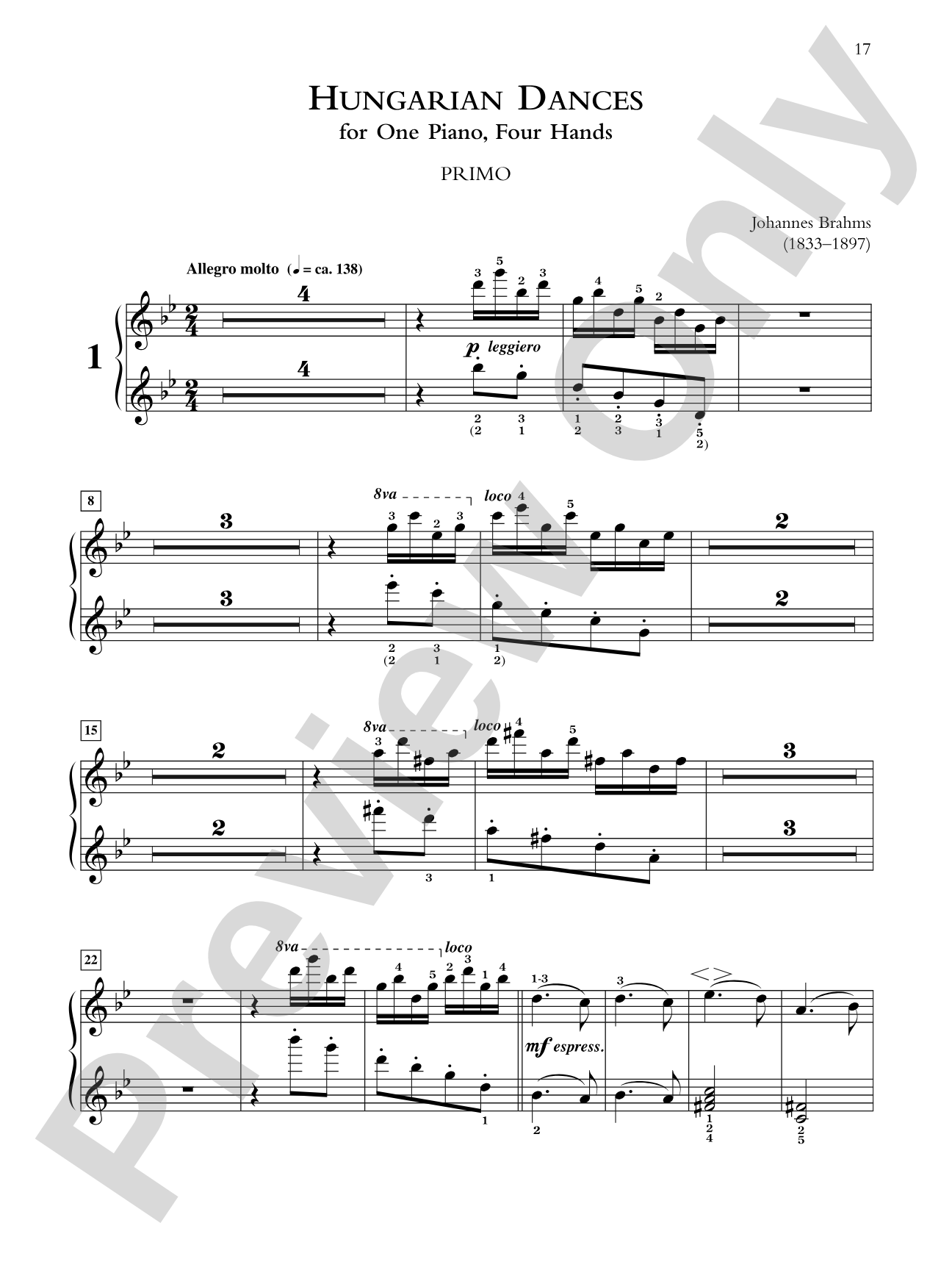
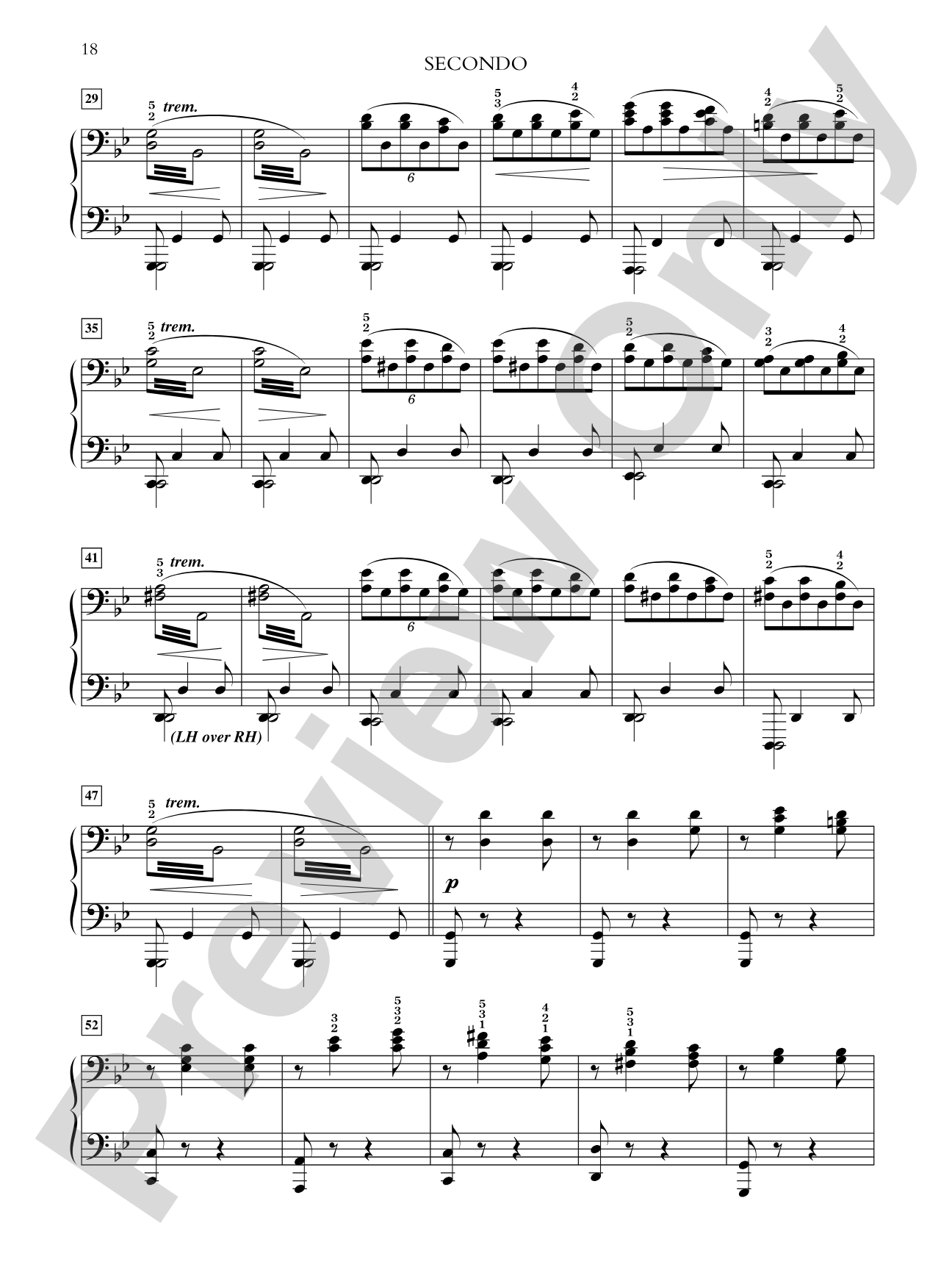
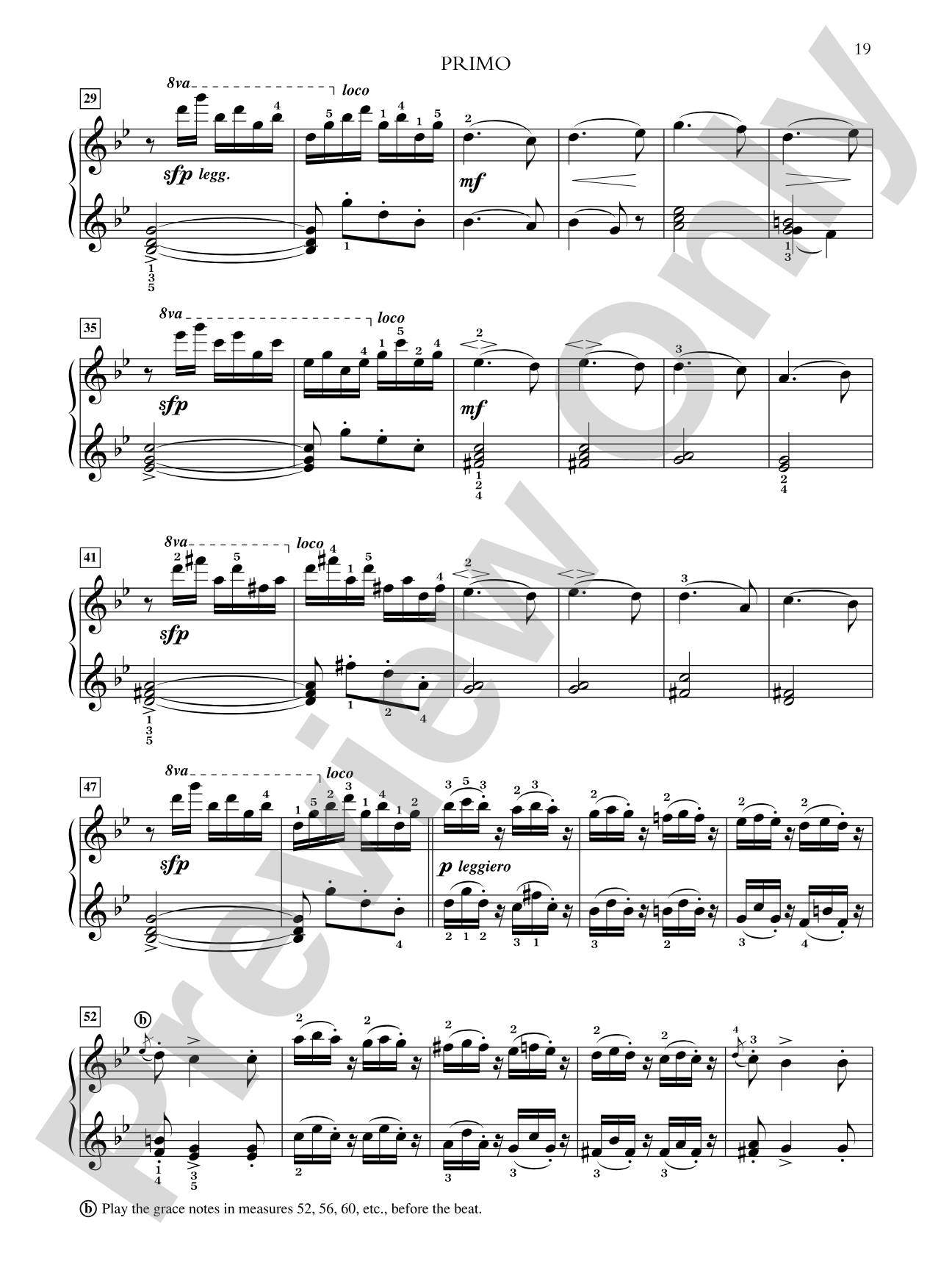
Brahms brilliantly captured the spontaneity and passion of Hungarian gypsy music in his 21 Hungarian Dances. In this volume containing the first 10 dances, editors Carol Ann Bell and Digby Bell have scrutinized all available autograph manuscripts of the duet, solo and orchestral versions and compared them with the earliest printed editions to produce the most scholarly, critical body of these works available today. Performance notes, helpful fingering suggestions, ornament realizations, and a wealth of historical background are provided. A Federation Festivals 2024-2028 selection.


Brahms: Hungarian Dances, Volume 1 - Piano Duet (1 Piano, 4 Hands): Piano Duet (1 Piano, 4 Hands) isn't in MakeMusic Cloud just yet...but it could be. Let us know you'd like to see it, and you'll help shape what comes next. In the meantime, start a free trial and dive into thousands of interactive titles your students can play along with today.
Request This Title
Tell us you want it.
Start Your Free Trial
Explore everything that's ready to play right now.
Sample Audio
No sample audio found.
Sample Video
No sample videos found.
Additional Details
Series:
Alfred Masterwork Edition
Publisher:
Alfred Music
Page Count:
96
SKU:
00-PS-0017636
More about this title
About the Composer: Johannes Brahms
Johannes Brahms (1833-1897) stands as one of the nineteenth century's most consequential composers, bridging Romantic expression with classical architecture. His Hungarian Dances occupy a unique place in his catalog: born from his fascination with Eastern European folk idioms, they combine meticulous compositional craft with infectious rhythmic vitality, making them accessible entry points into his larger symphonic and chamber works.
Why we love this
This edition gives teachers and pianists the most authoritative text available, grounded in Brahms's autograph sources and earliest prints rather than secondhand copying. The scholarly apparatus (performance notes, fingering, ornament realizations, historical context) transforms what could be a straightforward arrangement into a masterclass in textual interpretation, ideal for advanced students who benefit from understanding editorial decision-making. The first ten dances provide enough variety and length to anchor a recital or showcase duet playing without the commitment of learning all 21.
What to expect
These dances pulse with the spontaneity of folk celebration and the refined sophistication of concert music held in tension. Hungarian inflections color every phrase: the rhapsodic sweep of opening gestures, sudden shifts between languorous and frenetic energy, and ornamental flourishes that evoke the improvisation of gypsy traditions, all bound within Brahms's meticulous harmonic and rhythmic design.
Who it's for
Late intermediate and early advanced pianists preparing for duet recitals, festival competitions, or collaborative chamber repertoire. Teachers seeking authentic, scholarship-informed editions to deepen students' understanding of how composers actually wrote for the duet medium, not simplified arrangements.
How to get the most out of it
- Study the performance notes before rehearsal to understand Brahms's own markings and the editors' rationale for specific interpretive choices; this context shapes how you approach tempo, dynamics, and ornamentation.
- Balance the primo and secondo parts by listening actively to what your partner carries in each section rather than assuming one hand always leads; many phrases alternate between voices.
- Let the rhythmic energy of the gypsy idiom breathe naturally rather than metronomically; rubato and slight flexibility in pulse often enhance rather than undermine the pulse.
- Pay close attention to the fingering suggestions, which often reveal optimal hand positions for navigating wide interval leaps and rapid passagework that demand coordination between four hands.
How to use it
Build a recital around these dances by pairing them with Classical-era duet literature or other Brahms solo works to demonstrate his range across forms and genres. They also serve well as a bridge between educational repertoire and concert literature for advanced students, offering immediate musical reward while introducing serious textual and interpretive work.
Skills your students will build
- Reading performance markings and editorial apparatus critically
- Balancing and listening between primo and secondo voices
- Executing rapid passagework and wide interval leaps across four hands
- Interpreting ornaments in context of Romantic folk idioms
- Collaborating with a partner through asymmetrical rhythmic textures and tempo variations
- Understanding the relationship between manuscript sources and printed editions