

Brahms: Eight Pieces, Op. 76: Piano Book
By Johannes Brahms
Item: 00-PK-0002809

$8.99
Pickup currently not available
Buy Extra Parts (Digital PDF Download)
| Product | Price | Quantity |
|---|---|---|
| Brahms: Eight Pieces, Op. 76 | $0.99 | |
| Brahms: Eight Pieces, Op. 76 | $0.99 | |
| Brahms: Eight Pieces, Op. 76 | $0.99 | |
| Brahms: Eight Pieces, Op. 76 | $0.99 | |
| Brahms: Eight Pieces, Op. 76 | $0.99 | |
| Brahms: Eight Pieces, Op. 76 | $0.99 | |
| Brahms: Eight Pieces, Op. 76 | $0.99 | |
| Brahms: Eight Pieces, Op. 76 | $0.99 |
Parts Added to Cart!
Related Items
Eight Pieces, Opus 76: Piano Book |
$8.95
|
View |
Description
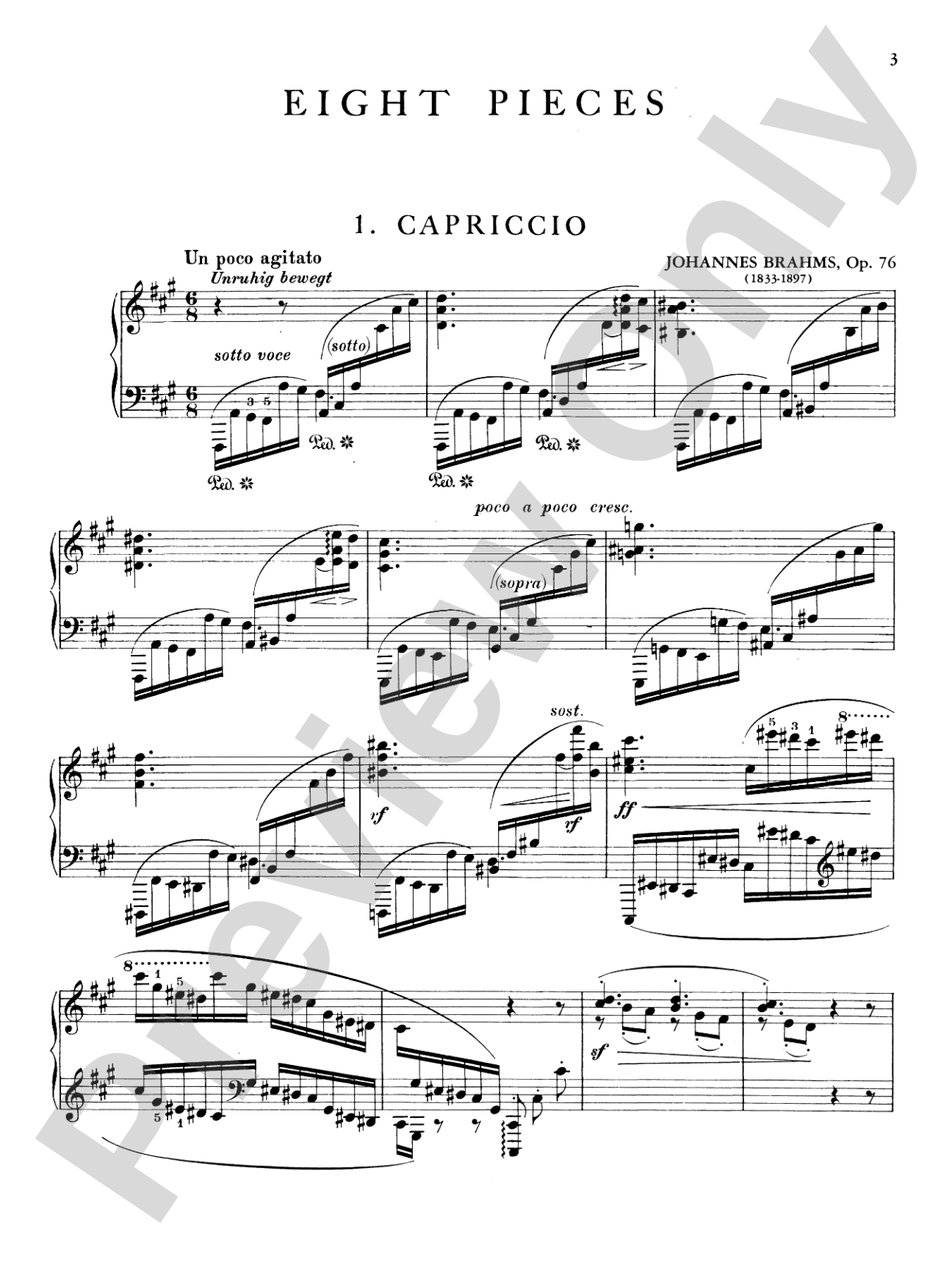
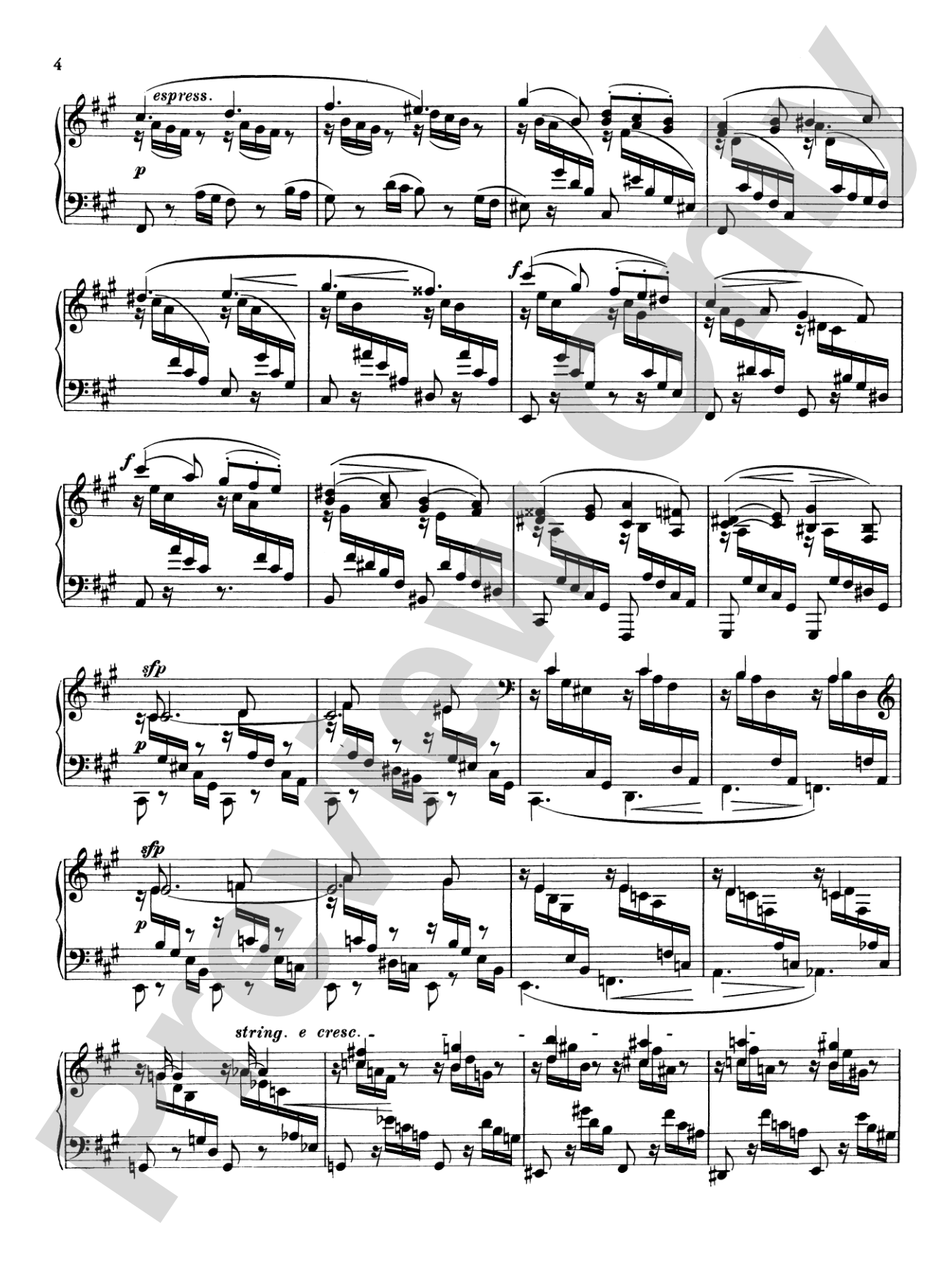
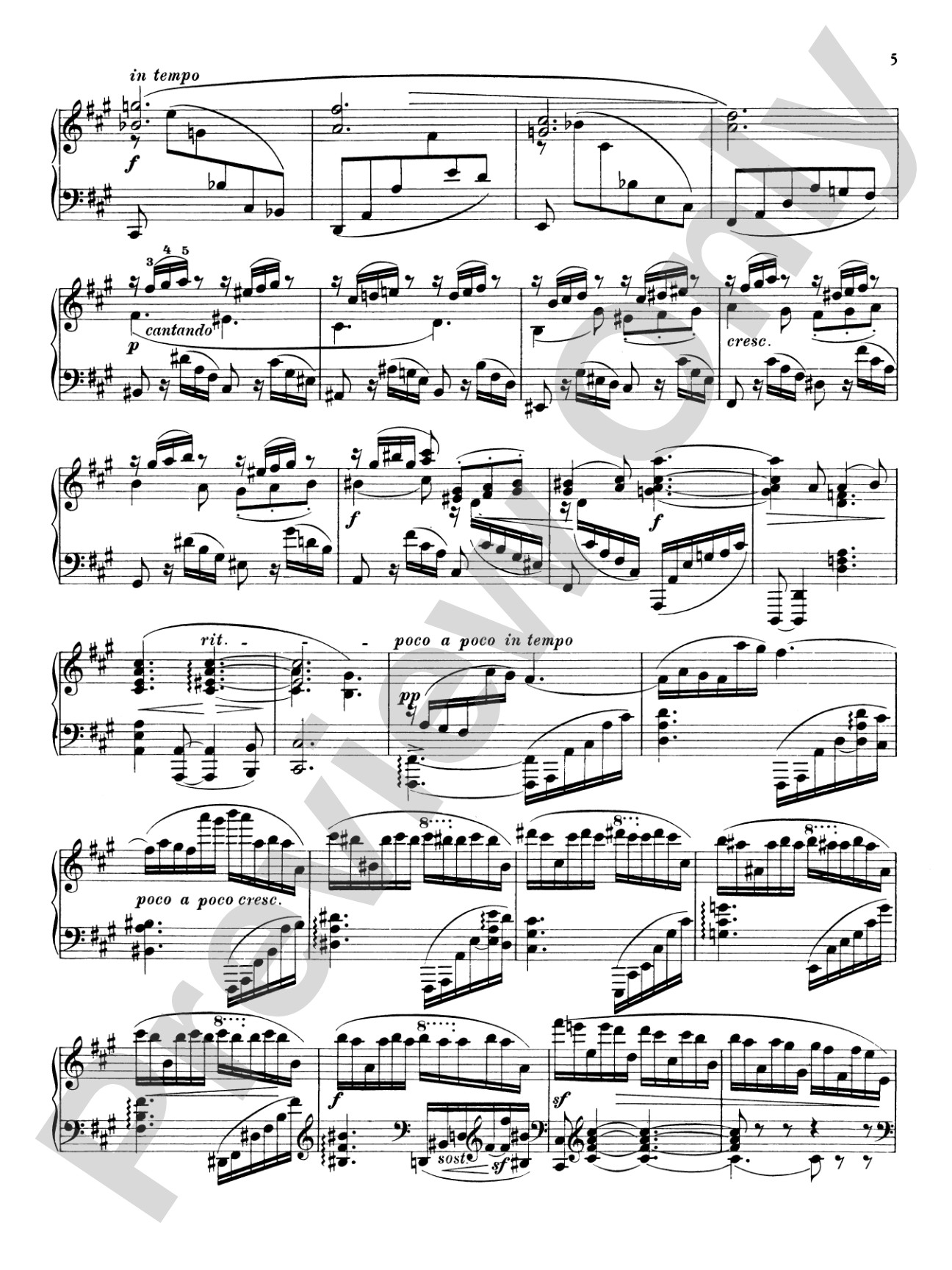
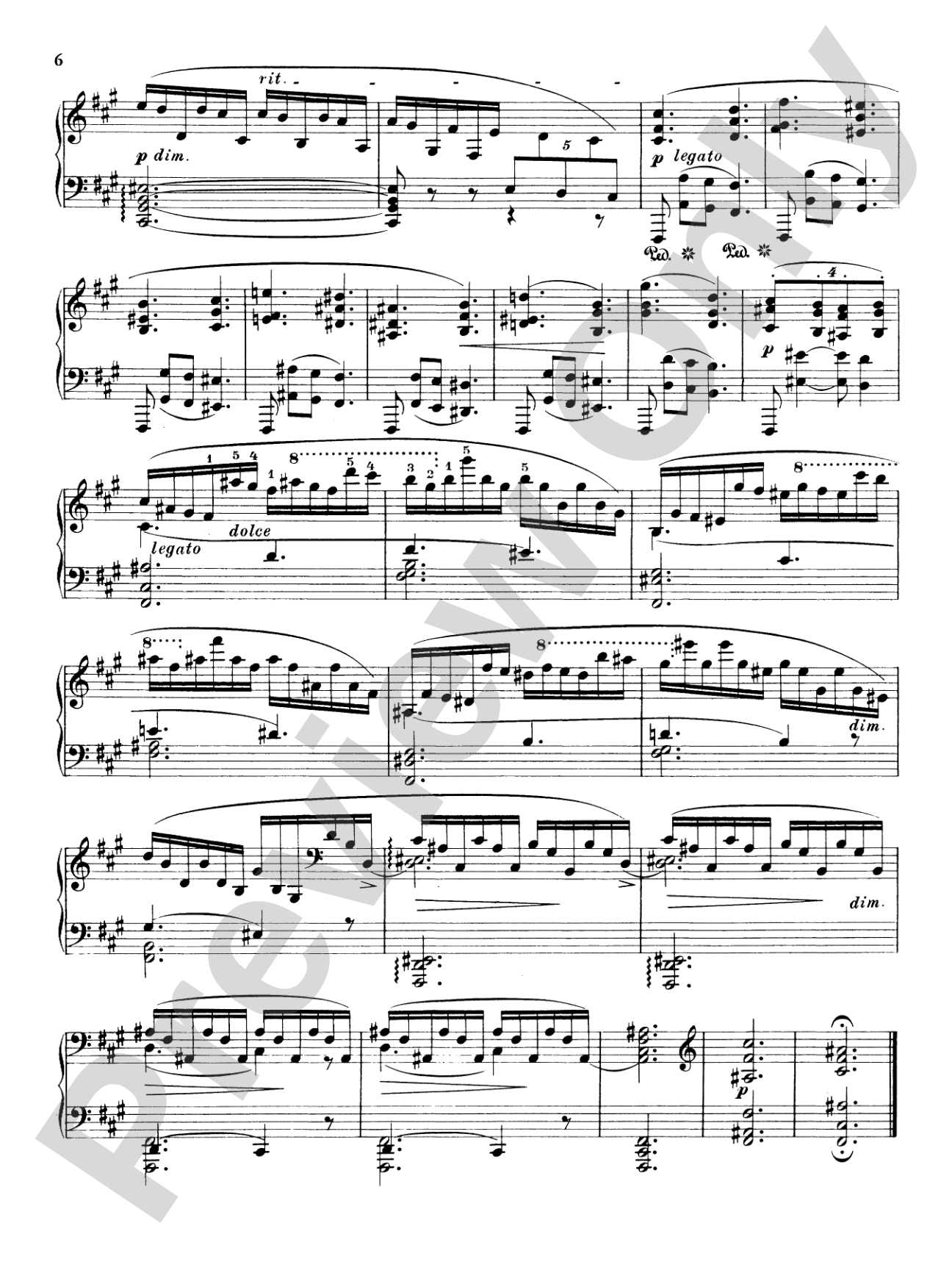
The piano works of Johannes Brahms, Opus 76, in this collection include: No. 1, Capriccio * No. 2, Capriccio * No. 3, Intermezzo * No. 4, Intermezzo * No. 5, Capriccio * No. 6, Intermezzo * No. 7, Intermezzo * No. 8, Capriccio.


Don't just read it, hear it, play along with it, and watch your students grow with it. In MakeMusic Cloud, Brahms: Eight Pieces, Op. 76: Piano Book comes alive with professional accompaniment, adjustable tempo, and built-in practice tools that turn solo practice into real progress.
Open in the Player
Jump straight in and assign it today.
Start Your Free Trial
Open this title and explore the full library in minutes.
Sample Audio
No sample audio found.
Sample Video
No sample videos found.
Additional Details
Series:
Kalmus Edition
Publisher:
Alfred Music
Page Count:
32
SKU:
00-PK-0002809
More about this title
About the Composer: Johannes Brahms
Johannes Brahms (1833-1897) shaped the Romantic era by synthesizing classical forms with the expressive freedom of his time. His approach to composition, rigorous, introspective, and deeply earned, made him the bridge between Beethoven's legacy and modern music. In the classroom and practice room, his work teaches musicians how structural clarity and emotional depth reinforce each other rather than compete.
Why we love this
This set offers pianists exactly what makes Brahms essential at the intermediate-advanced level: substantial musical content in compact form. Each piece stands alone as a complete artistic statement, yet the collection reveals Brahms's range across the character-piece genres he mastered. Programming these works builds student confidence in handling Romantic harmony, rubato, and voice-leading while keeping pieces accessible enough to maintain focus on musicianship rather than mere technical survival.
What to expect
By turns lyrical and restless, intimate and compelling. The Capriccios pulse with rhythmic energy and unexpected harmonic turns, while the Intermezzos invite deep reflection through long-breathed melodies and subtle emotional layers. Together they capture Brahms at his most refined: music that feels both inevitable and surprising.
Who it's for
Pianists with solid upper-intermediate to advanced technique who are ready to explore Romantic character pieces beyond Mendelssohn or Schumann. These works suit students preparing for recitals, auditions, or exams who need repertoire that rewards careful practice and thoughtful interpretation.
How to get the most out of it
- Balance the inner voices throughout, especially in the Intermezzos where Brahms often writes sensitive counterpoint beneath the melody. A light hand on the sustain pedal helps clarity.
- Shape each Capriccio's dramatic gestures deliberately; these are not gentle miniatures but pieces with temperament and forward momentum.
- Listen for the weight and placement of harmonic changes, particularly at cadential moments. Brahms uses harmony to define form and emotion, not just decoration.
- Allow time for the music's harmonic language to breathe. Resist rushing through transitions; let unexpected modulations land clearly for the listener.
How to use it
These pieces work beautifully in a solo recital when grouped with other Brahms works or when mixed with Romantic-era contemporaries. Select individual movements to anchor a student recital around a theme (such as lyrical writing or formal innovation), or program the entire set as the centerpiece of a full recital for an advanced student.
Skills your students will build
- Reading and interpreting Romantic-era harmony including unexpected modulations and chromatic voice-leading
- Balancing multiple melodic lines and inner voices on one instrument
- Controlling rubato and tempo flexibility appropriate to character pieces
- Shaping longer phrases with clear harmonic direction
- Pedal technique for color and resonance without obscuring texture
- Navigating the aesthetic distance between Classical form and Romantic expression