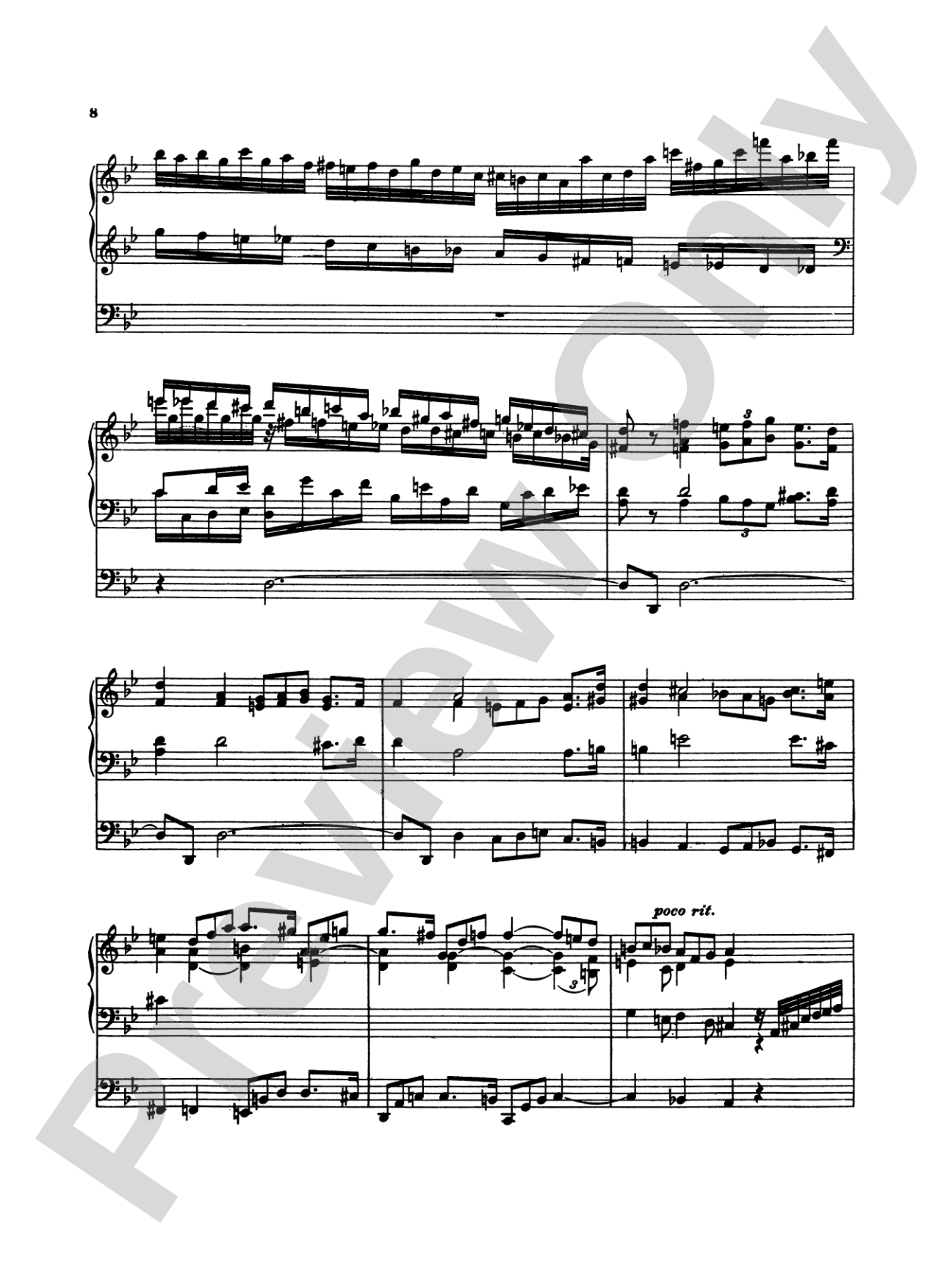
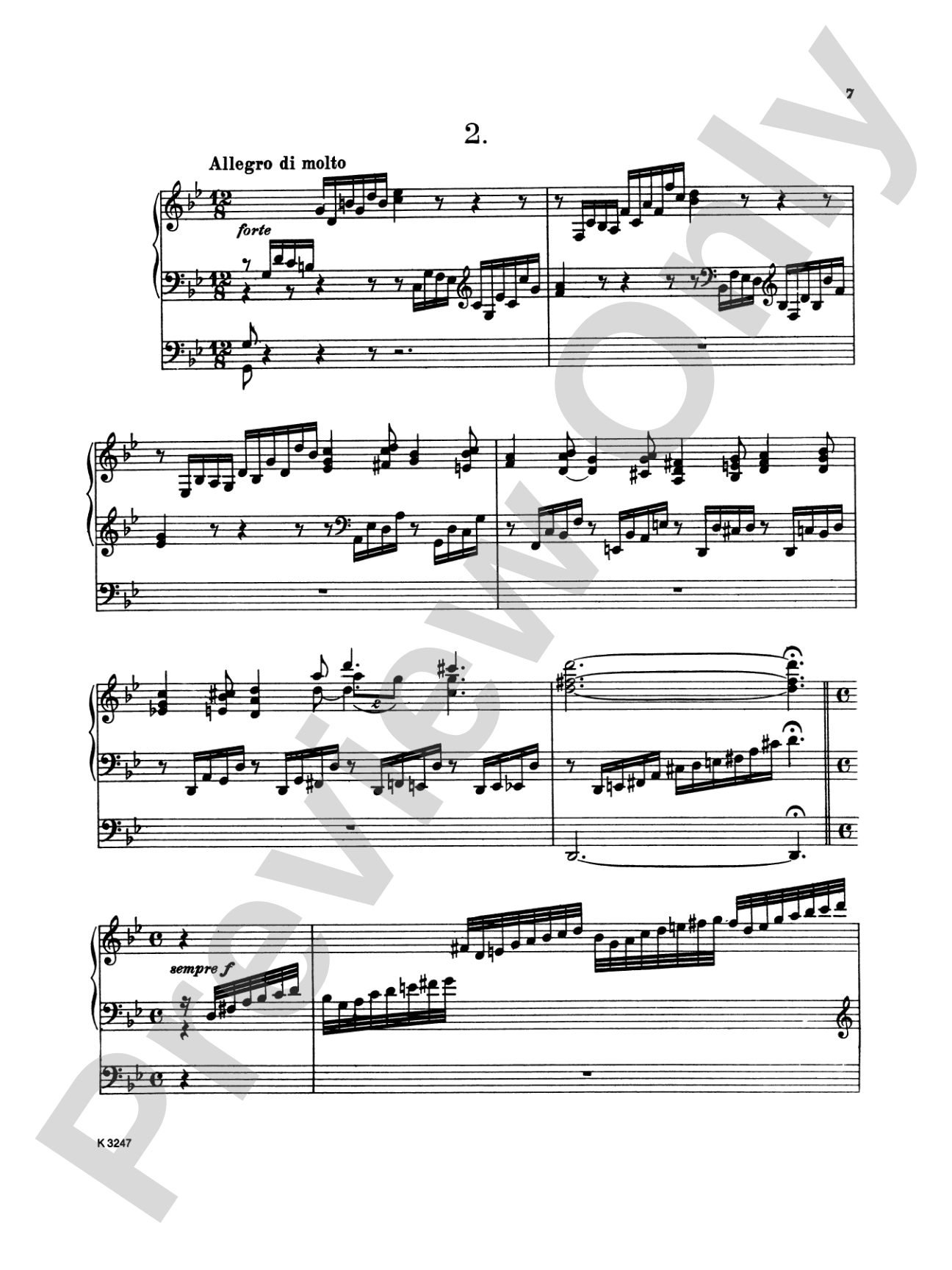
Brahms: Complete Organ Works Sheet Music Preview

Brahms: Complete Organ Works

By Johannes Brahms

Item: 00-PC-0005599

Digital Download
$0.99
Description
Expertly arranged Organ Collection by Johannes Brahms from the Kalmus Edition series. This is from the Romantic era.

Don't just read it, hear it, play along with it, and watch your students grow with it. In MakeMusic Cloud, Brahms: Complete Organ Works comes alive with professional accompaniment, adjustable tempo, and built-in practice tools that turn solo practice into real progress.

Sample Audio
No sample audio found.
Sample Video
Additional Details
Series: Kalmus Edition
Publisher: Alfred Music
Page Count: 60
SKU: 00-PC-0005599

More about this title

About the Composer: Johannes Brahms

Johannes Brahms (1833-1897) stands as one of the most rigorous and structurally sophisticated composers of the Romantic era. Working across symphonies, concertos, chamber music, and vocal forms, he combined Classical formal discipline with 19th-century harmonic richness, earning respect from both conservative and progressive musicians of his time. His organ works, though smaller in number than his orchestral output, showcase the same meticulous craftsmanship and demonstrate his deep knowledge of keyboard writing across multiple genres.

Brahms composed his organ works primarily in his early and middle career, drawing on the Lutheran chorale tradition and Baroque counterpoint while infusing them with Romantic sensibility. These pieces remain essential repertoire for organists seeking music that demands technical command, interpretive maturity, and understanding of both historical and modern organ idioms.

Why we love this

Brahms wrote for organ with the same architectural precision he brought to every medium, creating works that sit comfortably between liturgical function and concert recital. These pieces offer organists substantial musical content without the virtuosic extremes that can overshadow interpretation, making them ideal for building a recital program that respects both audience and performer.

What to expect

These works balance the gravity of Lutheran tradition with Romantic harmonic exploration, creating music that feels both rooted in history and emotionally alive. The writing moves thoughtfully across the keyboard, inviting the performer into a conversation between past and present rather than demanding flashy display.

Who it's for

Organists with solid technical facility and experience reading multi-stave scores will find these works central to any serious repertoire study. This collection serves advanced students preparing for recitals, church musicians building liturgical programming, and professional organists exploring the 19th-century concert organ tradition.

How to get the most out of it

  • Honor the chorale melodies by allowing them their full weight; resist rushing accompaniment figures that might undermine the hymn-like character of the thematic material.
  • Attend carefully to Brahms's pedal writing. The pedal lines are compositionally essential, not merely supportive, and deserve clarity and rhythmic independence from the manual parts.
  • Shape phrasing across longer harmonic progressions rather than stopping at every obvious cadential point; Brahms's Romantic syntax often suspends closure longer than Baroque conventions would.
  • Experiment with different manual registrations across repeating sections to create architectural variety without altering the written notes.

How to use it

These pieces work exceptionally well as anchors in a Romantic-era organ recital or as liturgical music for services seeking substantial, concert-quality repertoire. Consider pairing them with works by Brahms's contemporaries to contextualize his harmonic language, or program individual pieces across multiple services to let their architecture resonate with repeated listening.

Skills your students will build

  • Reading music across three staves (two hands plus pedal) with rhythmic independence between parts
  • Interpreting Romantic-era harmonic language and managing extended cadential passages
  • Balancing fugal and chorale textures within a single piece
  • Pedal technique with emphasis on clarity and sustained melodic line
  • Registration choices that reflect harmonic function and architectural form

You May Also Like