
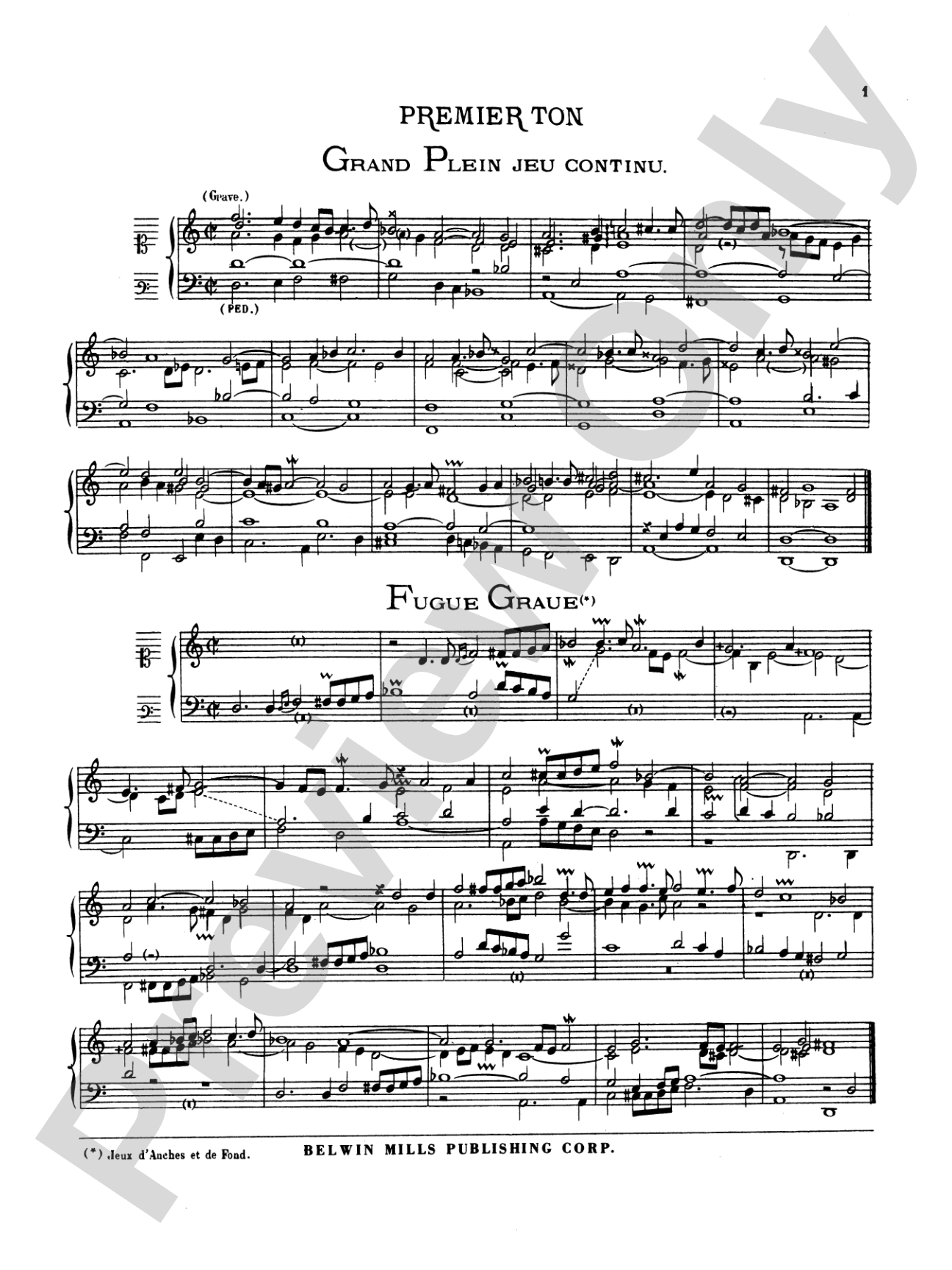
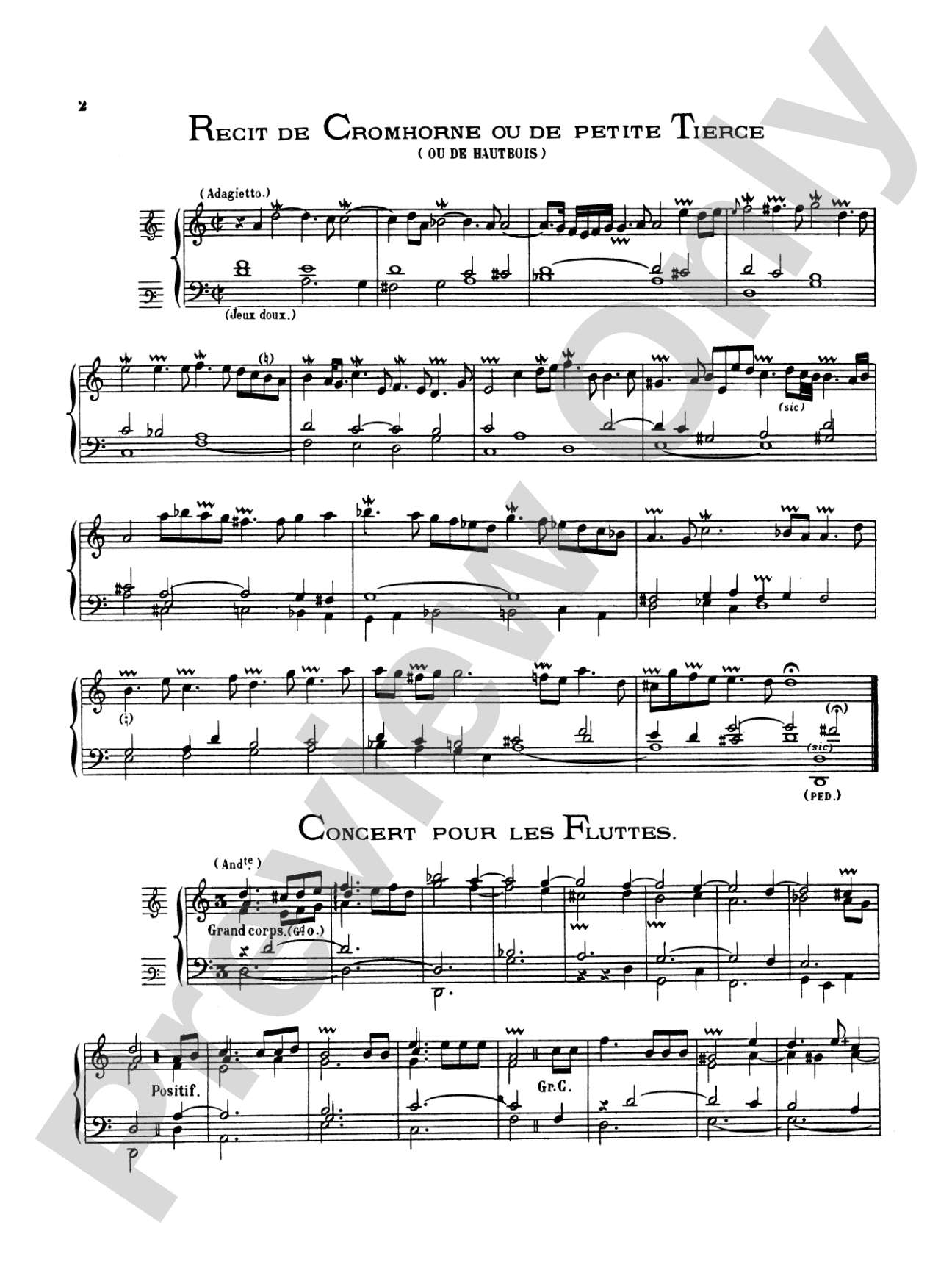
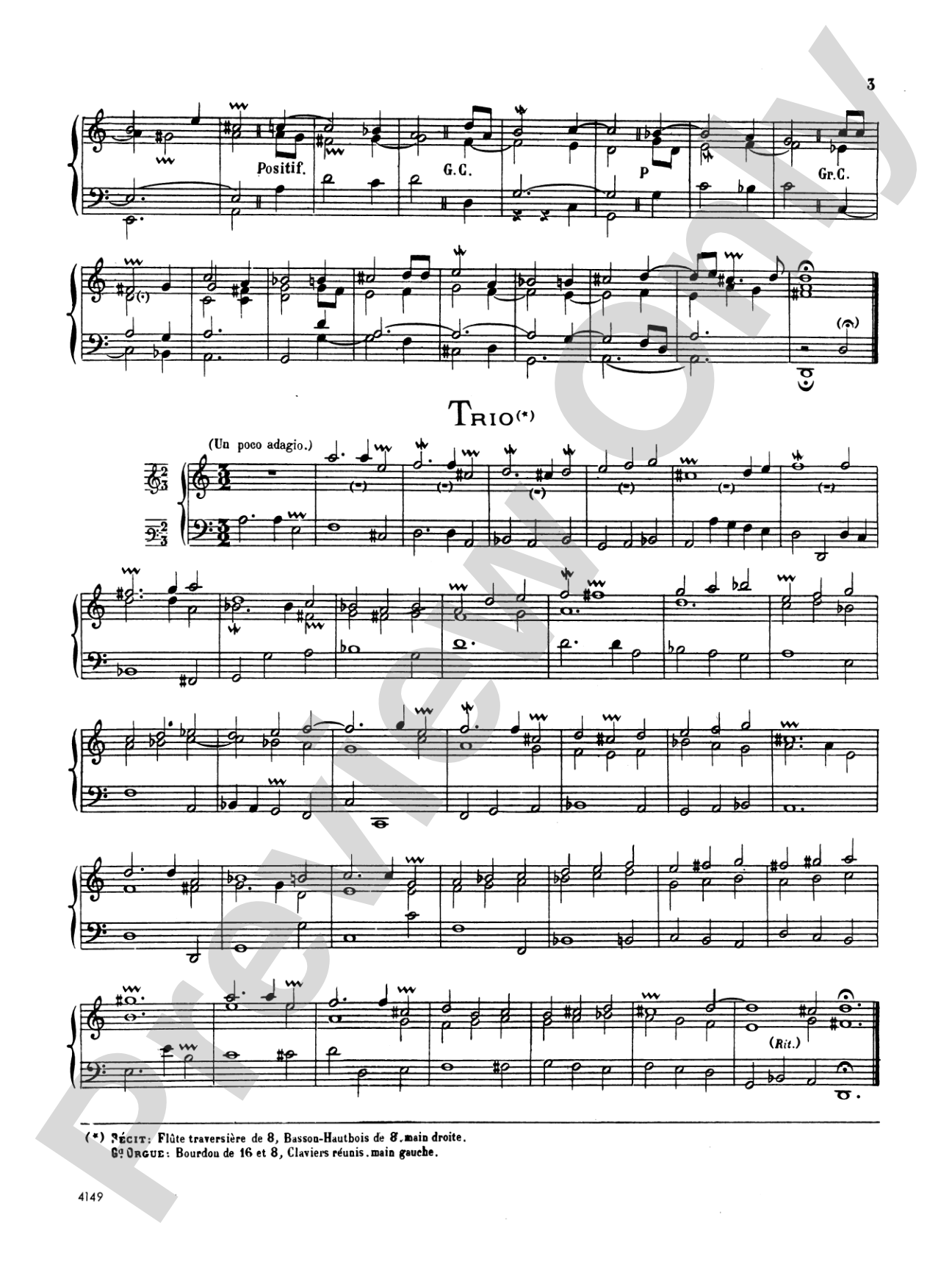
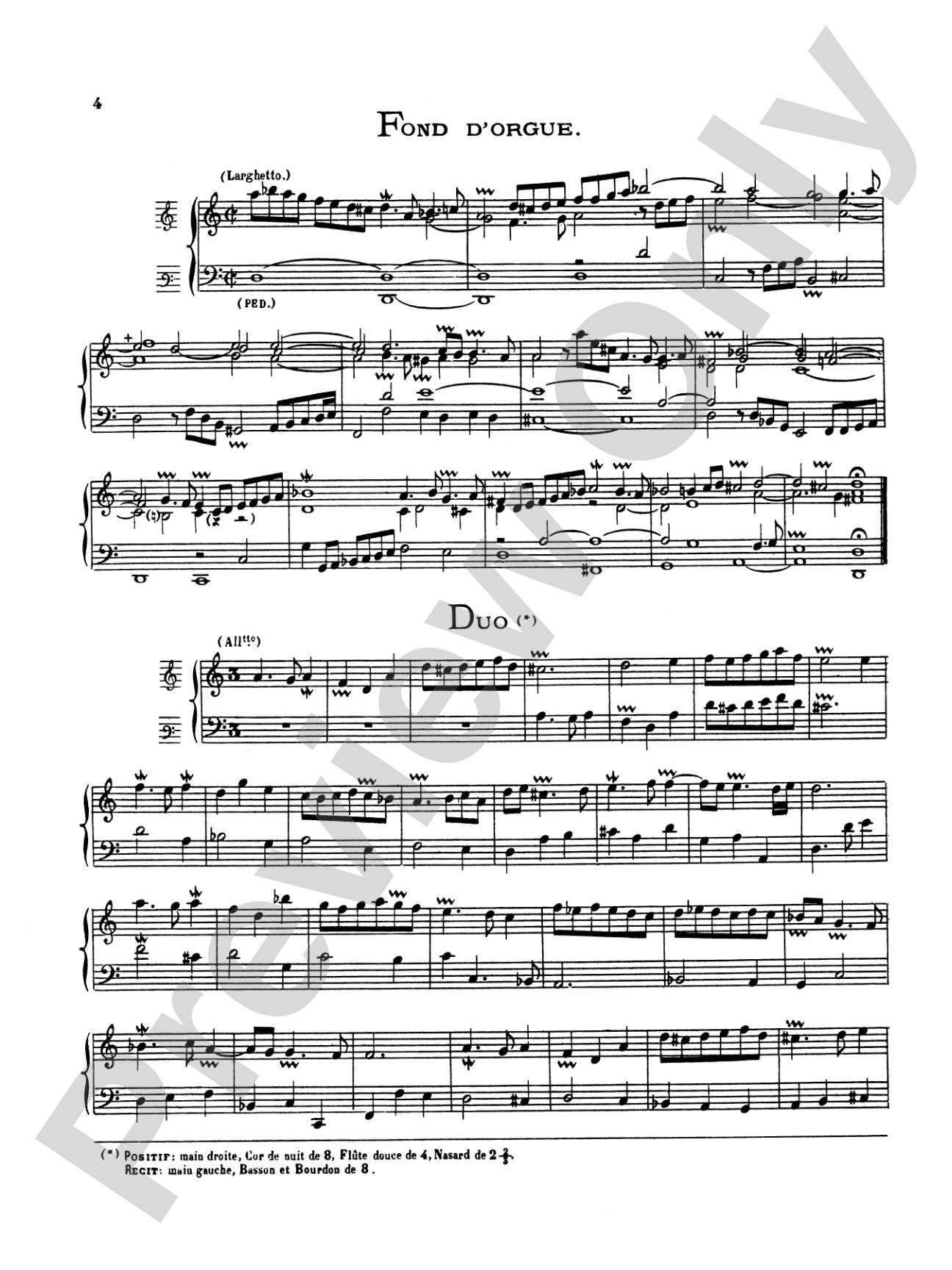
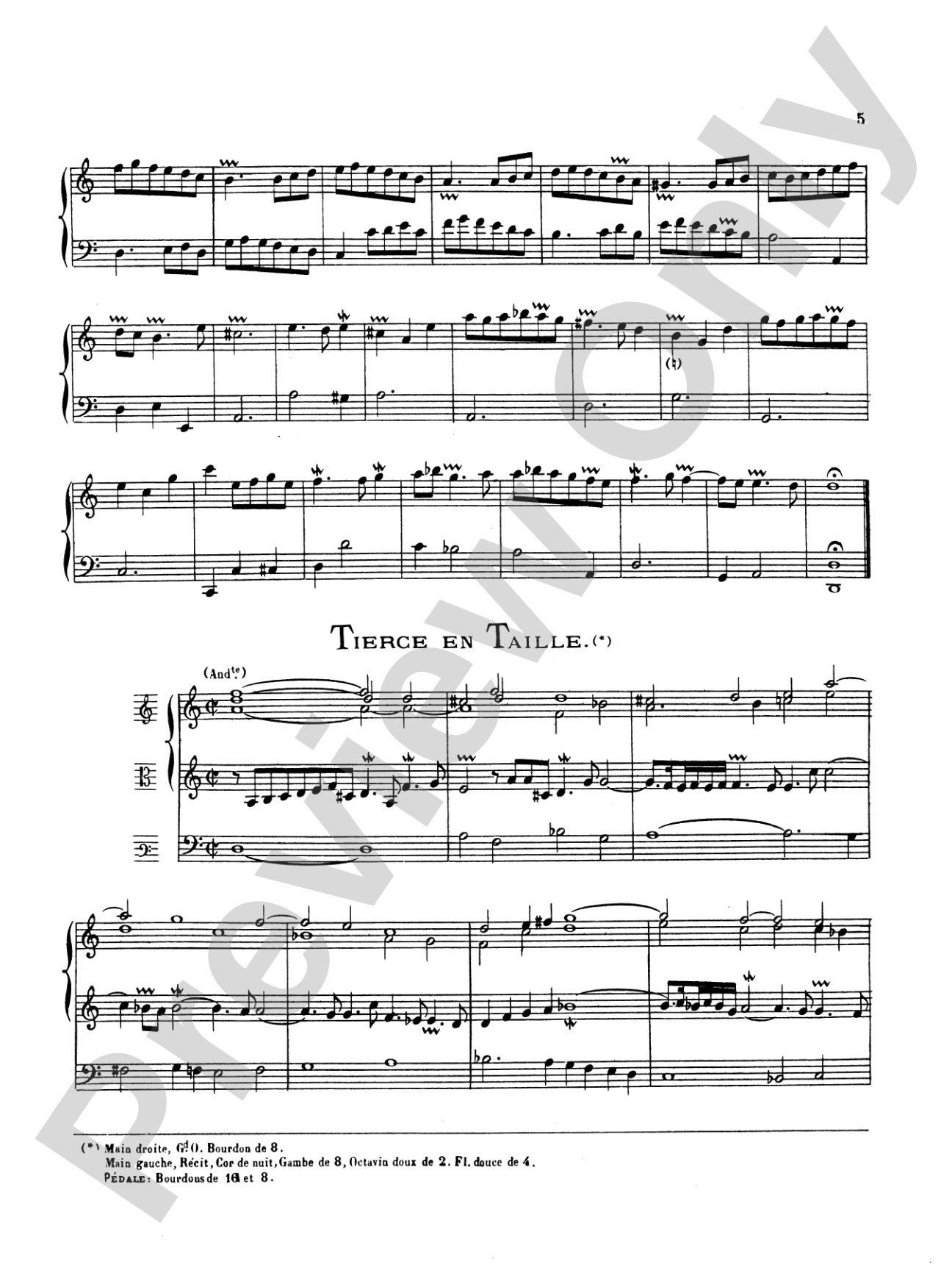
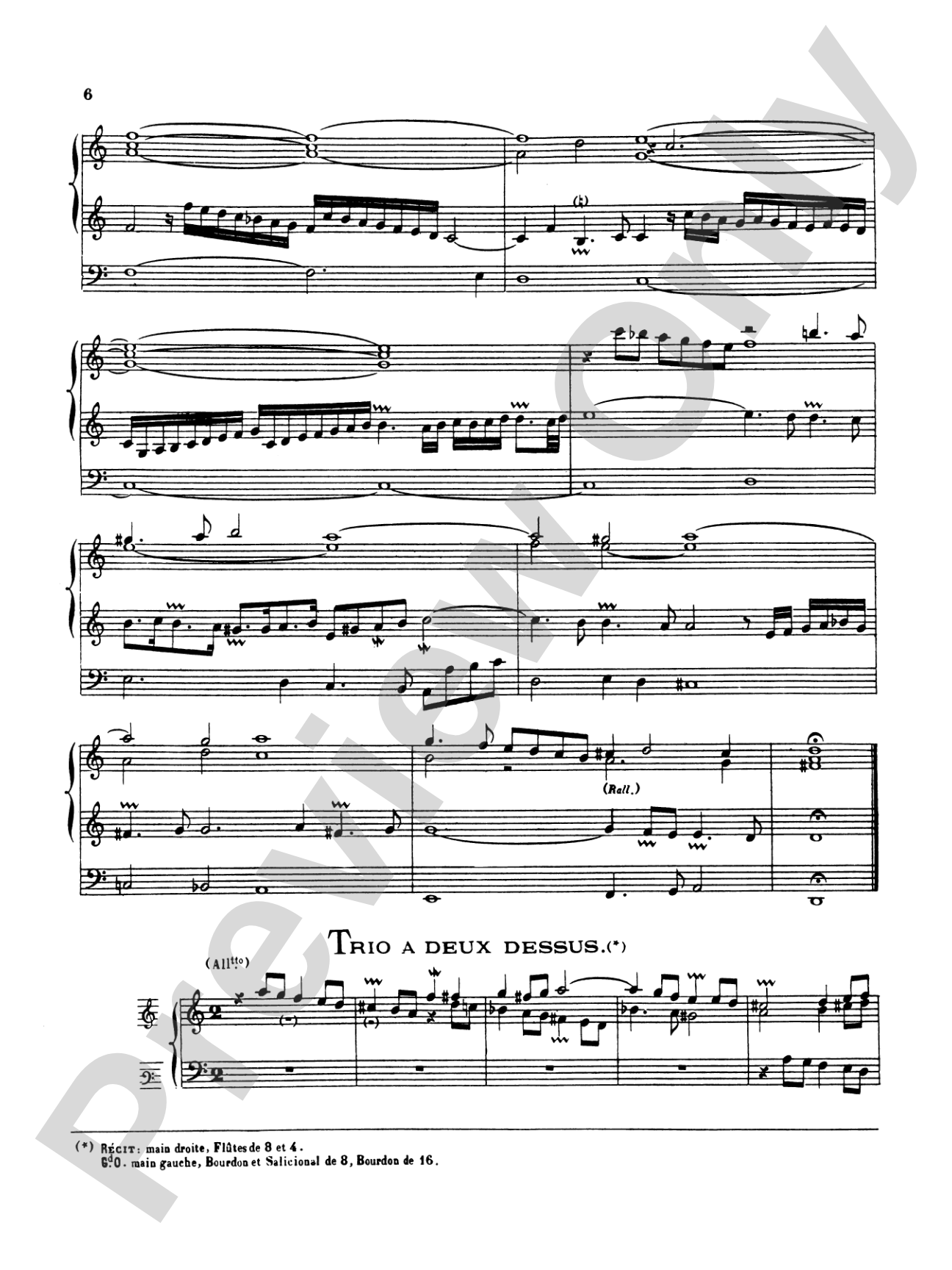
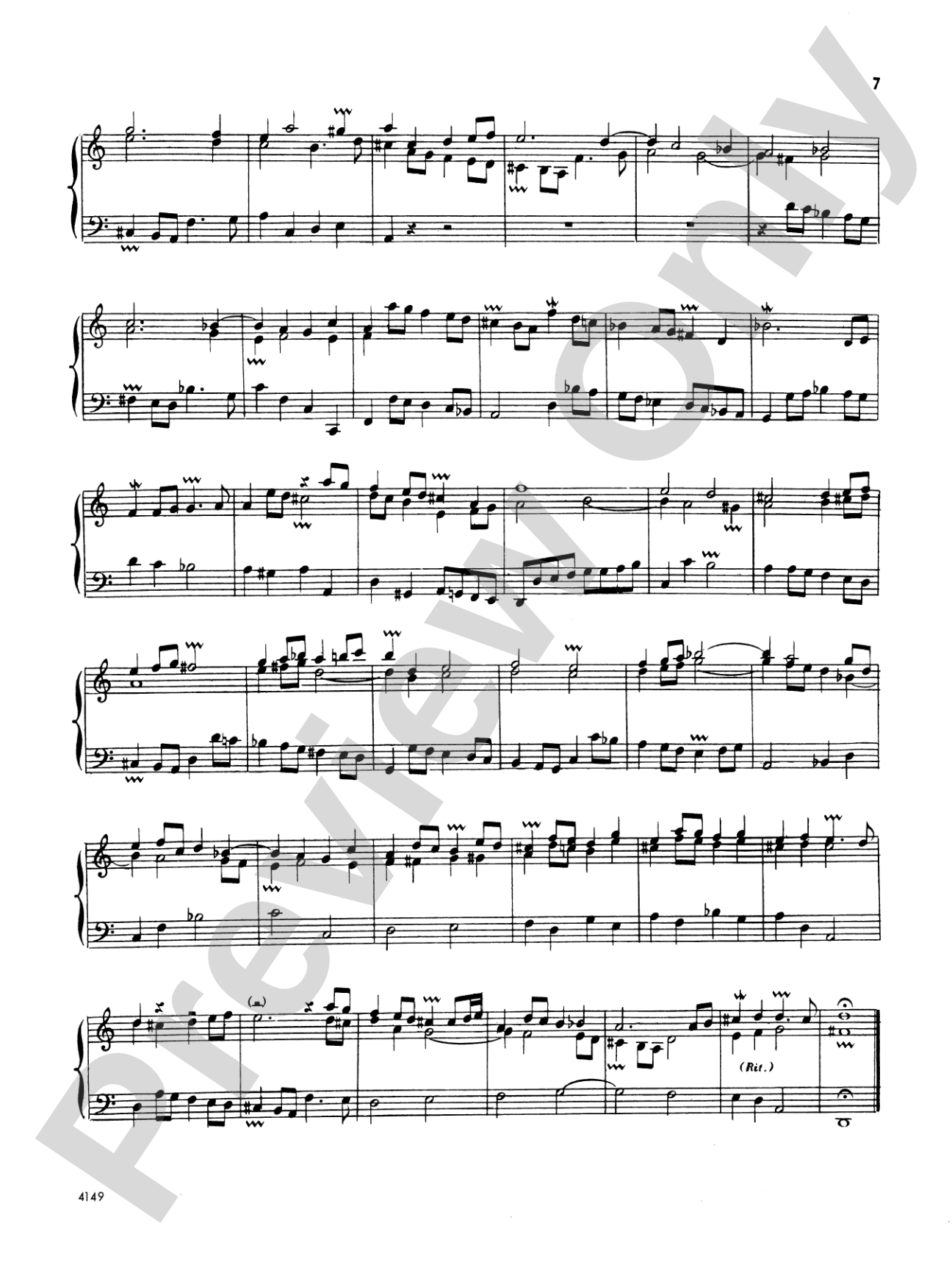
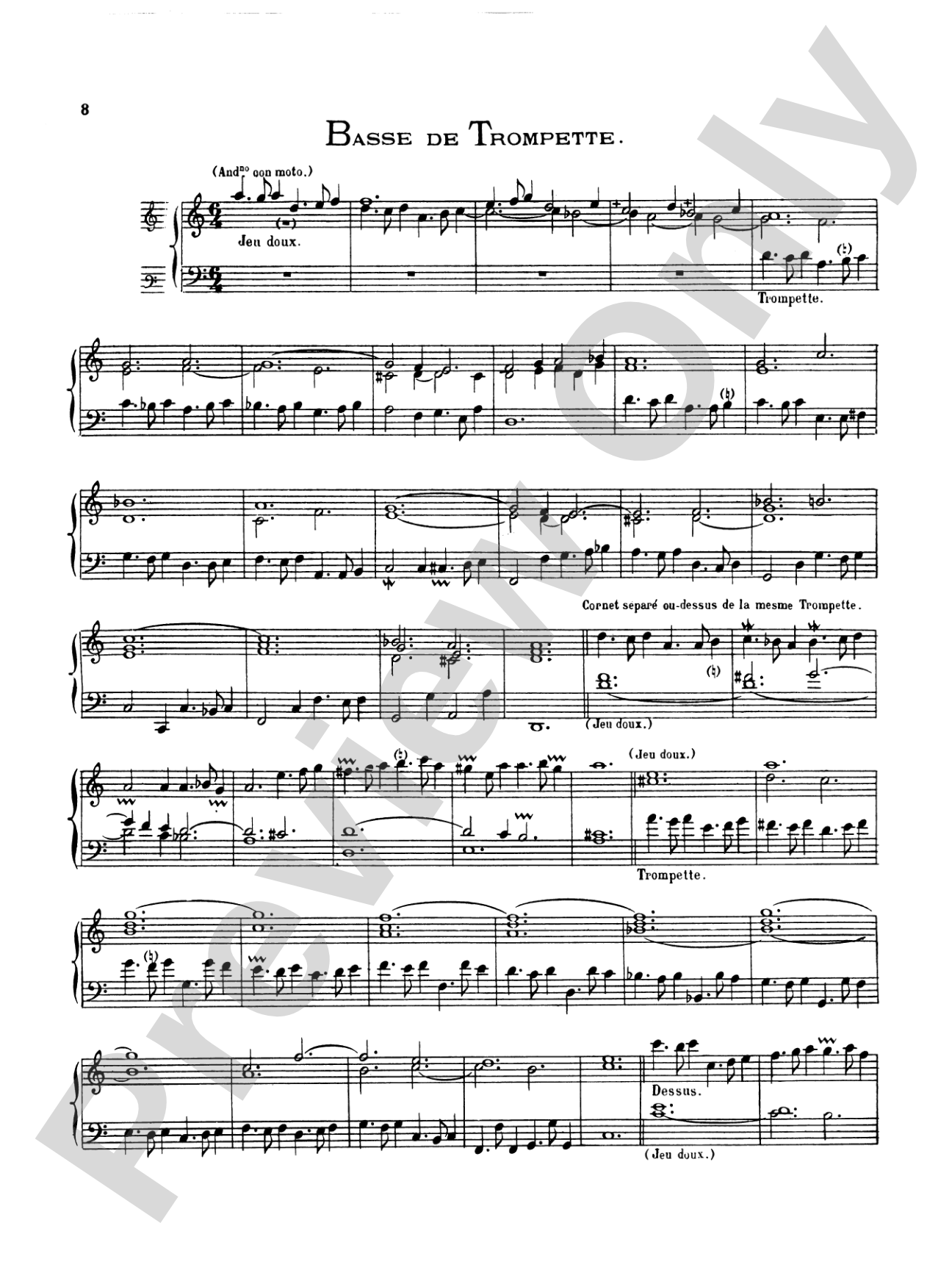
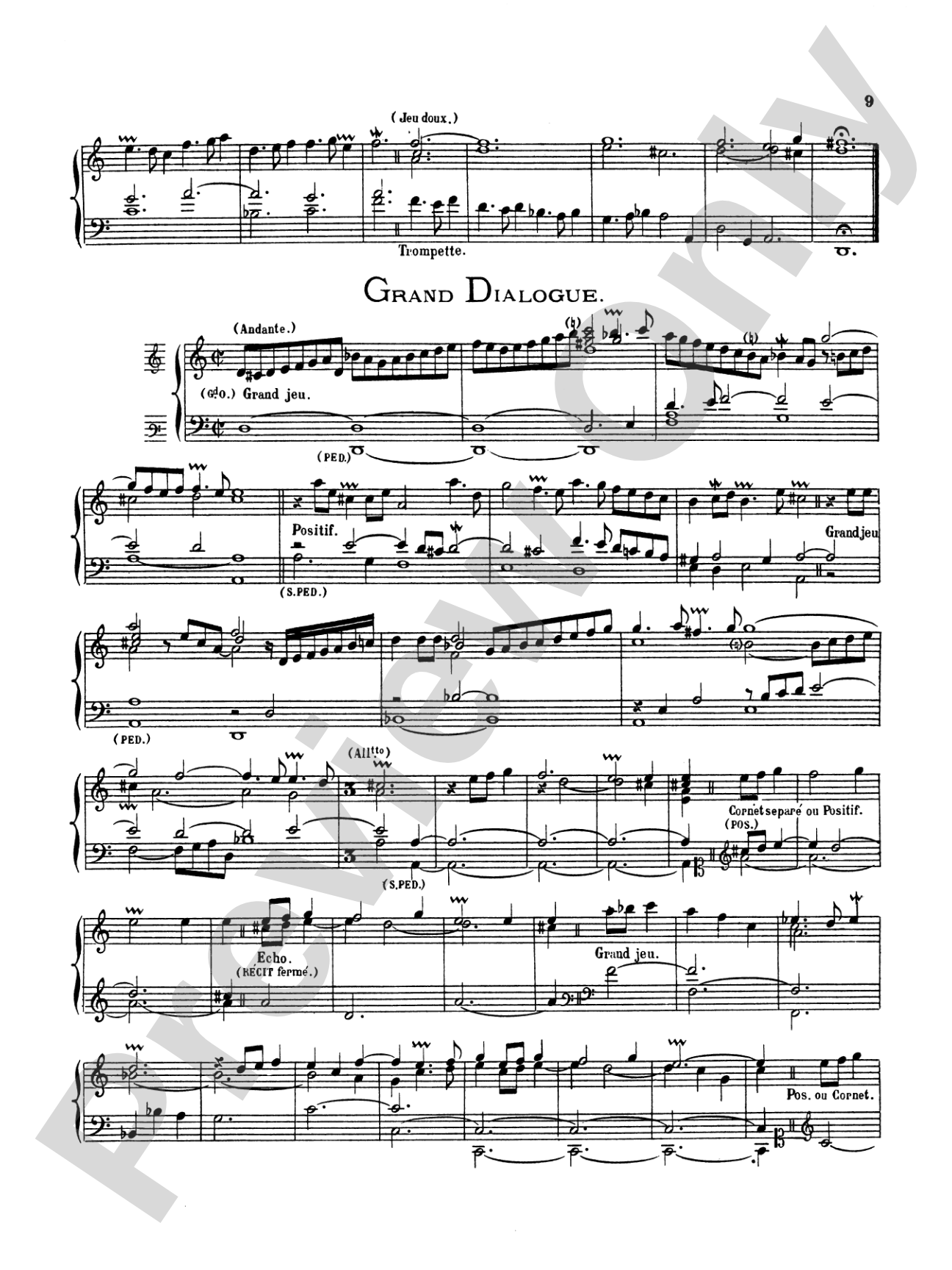
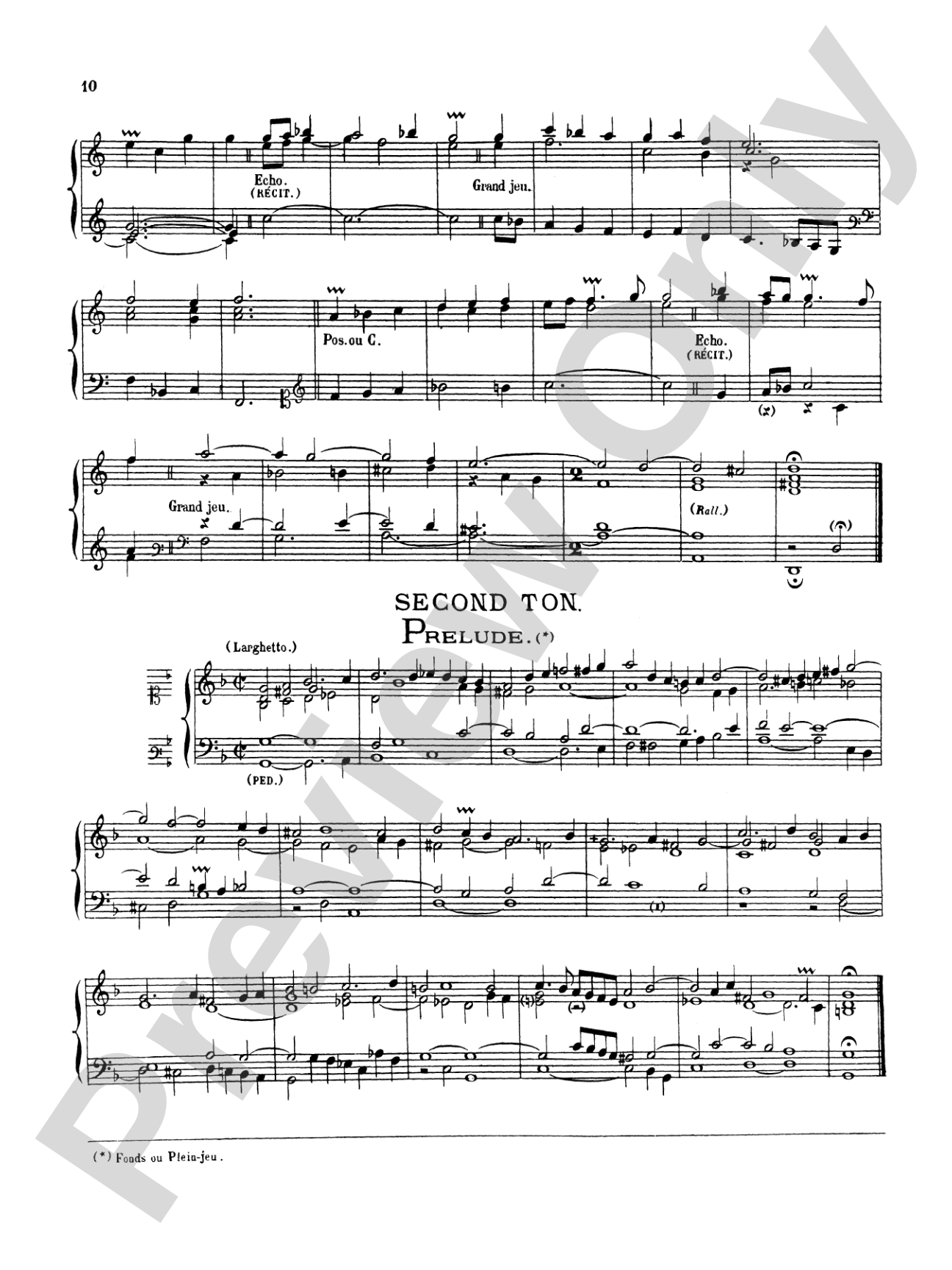

Boyvin: Organ Works, Volume I: Organ Book
By Jacques Boyvin
Item: 00-PK-0003431

$12.99
Pickup currently not available
Buy Extra Parts (Digital PDF Download)
| Product | Price | Quantity |
|---|---|---|
| Boyvin: Organ Works, Volume I | $0.99 | |
| Boyvin: Organ Works, Volume I | $0.99 | |
| Boyvin: Organ Works, Volume I | $0.99 | |
| Boyvin: Organ Works, Volume I | $0.99 | |
| Boyvin: Organ Works, Volume I | $0.99 | |
| Boyvin: Organ Works, Volume I | $0.99 | |
| Boyvin: Organ Works, Volume I | $0.99 | |
| Boyvin: Organ Works, Volume I | $0.99 |
Parts Added to Cart!
Related Items
Organ Works, Volume I: Organ Book |
$12.95
|
View |
Description
1st to 8th Tone


Don't just read it, hear it, play along with it, and watch your students grow with it. In MakeMusic Cloud, Boyvin: Organ Works, Volume I: Organ Book comes alive with professional accompaniment, adjustable tempo, and built-in practice tools that turn solo practice into real progress.
Open in the Player
Jump straight in and assign it today.
Start Your Free Trial
Open this title and explore the full library in minutes.
Sample Audio
No sample audio found.
Sample Video
No sample videos found.
Additional Details
Series:
Kalmus Edition
Publisher:
Alfred Music
Page Count:
72
SKU:
00-PK-0003431
More about this title
About the Composer: Jacques Boyvin
Jacques Boyvin (1649–1706) was a French organist and composer who served as maître de chapelle at the Cathedral of Rouen. His organ works represent some of the finest contributions to the French Baroque keyboard tradition, blending Italian contrapuntal sophistication with the harmonic language and ornamental character of the French school.
Boyvin's compositions for organ were designed for liturgical use, yet they transcend their functional origins through inventive voice-leading and expressive depth. His eight tones (organ versets organized by ecclesiastical mode) remain pedagogically valuable for students seeking to understand Baroque modal thinking and the integration of rigid harmonic frameworks with genuine musical invention.
Why we love this
Boyvin's organ works occupy a sweet spot between approachable Baroque style and genuine compositional substance. These pieces reward careful voicing and registration choices without demanding the technical extremes of Bach, making them ideal for advanced students who need to deepen their understanding of period harmony and voice-leading while building interpretive confidence.
What to expect
Formal and architecturally satisfying, with the rhythmic clarity of the French style and harmonic surprises that keep the ear engaged across longer spans. These pieces balance contrapuntal logic with moments of gentle ornamentation and unexpected chromatic color, creating a sound world that is both grounded in tradition and subtly expressive.
Who it's for
Advanced organ students and experienced organists who have moved beyond basic Baroque repertoire and want to deepen their knowledge of French organ literature. Church musicians seeking reliable liturgical music that balances accessibility with genuine artistic substance will find these versets invaluable for service use and recital programming.
How to get the most out of it
- Study the harmonic rhythm alongside the melodic line; Boyvin's phrases often turn on unexpected cadential shifts that need clear articulation through registration changes
- Experiment with manual divisions and stop choices to highlight the distinct character of each tone; the Kalmus score itself won't specify registration, so consulting a French Baroque organ method or score edition with suggested registrations will deepen your interpretation
- Shape ornaments (trills, mordents, turns) as part of the phrase contour rather than as decorative flourishes; they often signal structural moments
How to use it
Program these works alongside Italian Baroque organ music (Frescobaldi, Froberger) to show the distinct national schools of keyboard composition, or feature them as the core of a recital exploring the eight ecclesiastical modes. They also serve well as prelude or postlude material in a liturgical setting where you need music of substance without excessive virtuosic demands.
Skills your students will build
- Understanding modal harmony within the eight ecclesiastical tones
- Voice-leading in four-part and five-part texture with clear hierarchies between melody and accompaniment
- French Baroque ornamentation and its relationship to phrase structure
- Registration choices and manual divisions as interpretive tools
- Reading figured bass and realizing continuo harmonies in keyboard style