

Bowless Beguine: Score
By Doug Spata
Grade: 2
Item: 00-PR-0005634
$9.00
Pickup currently not available
Description
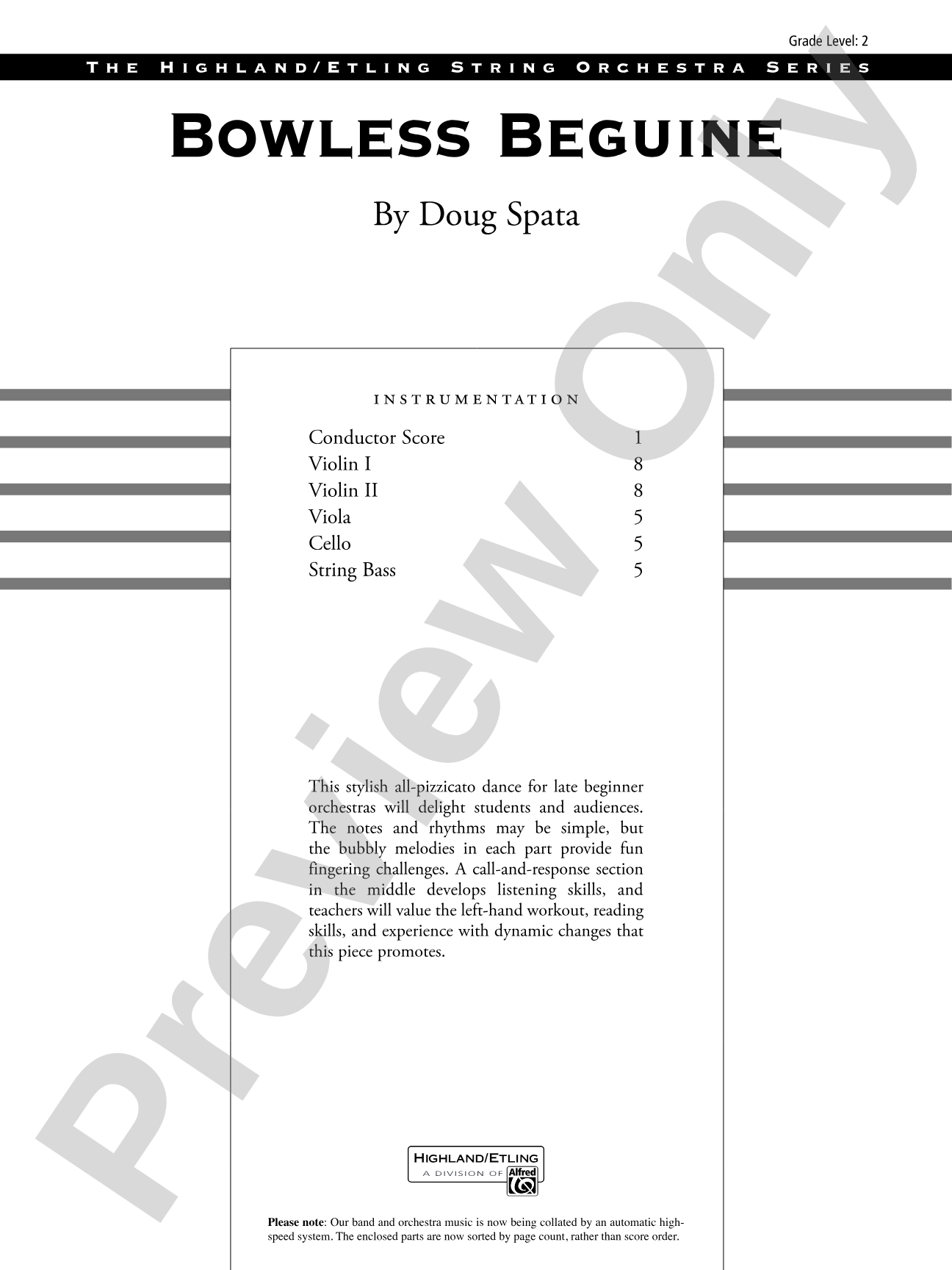
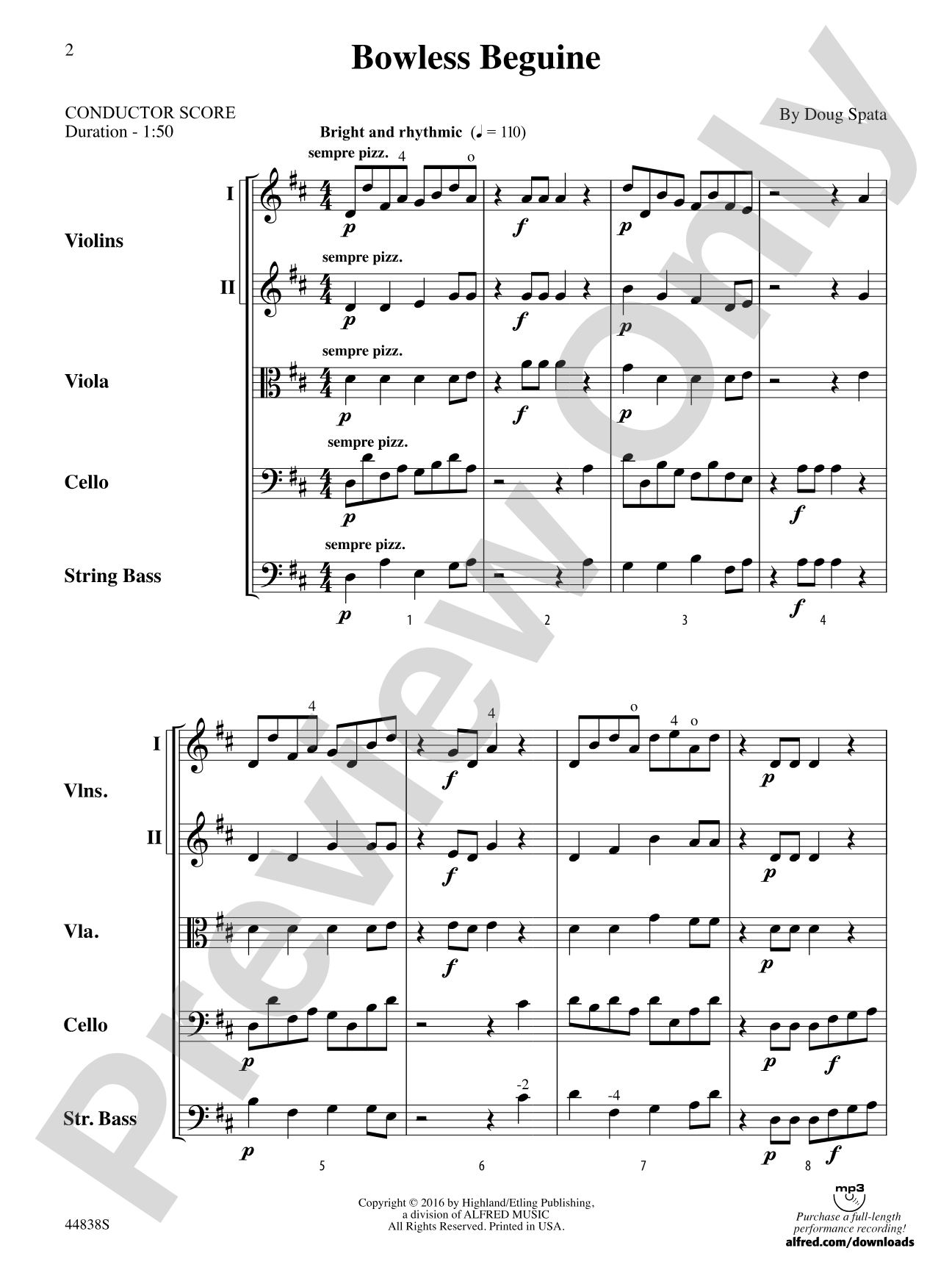
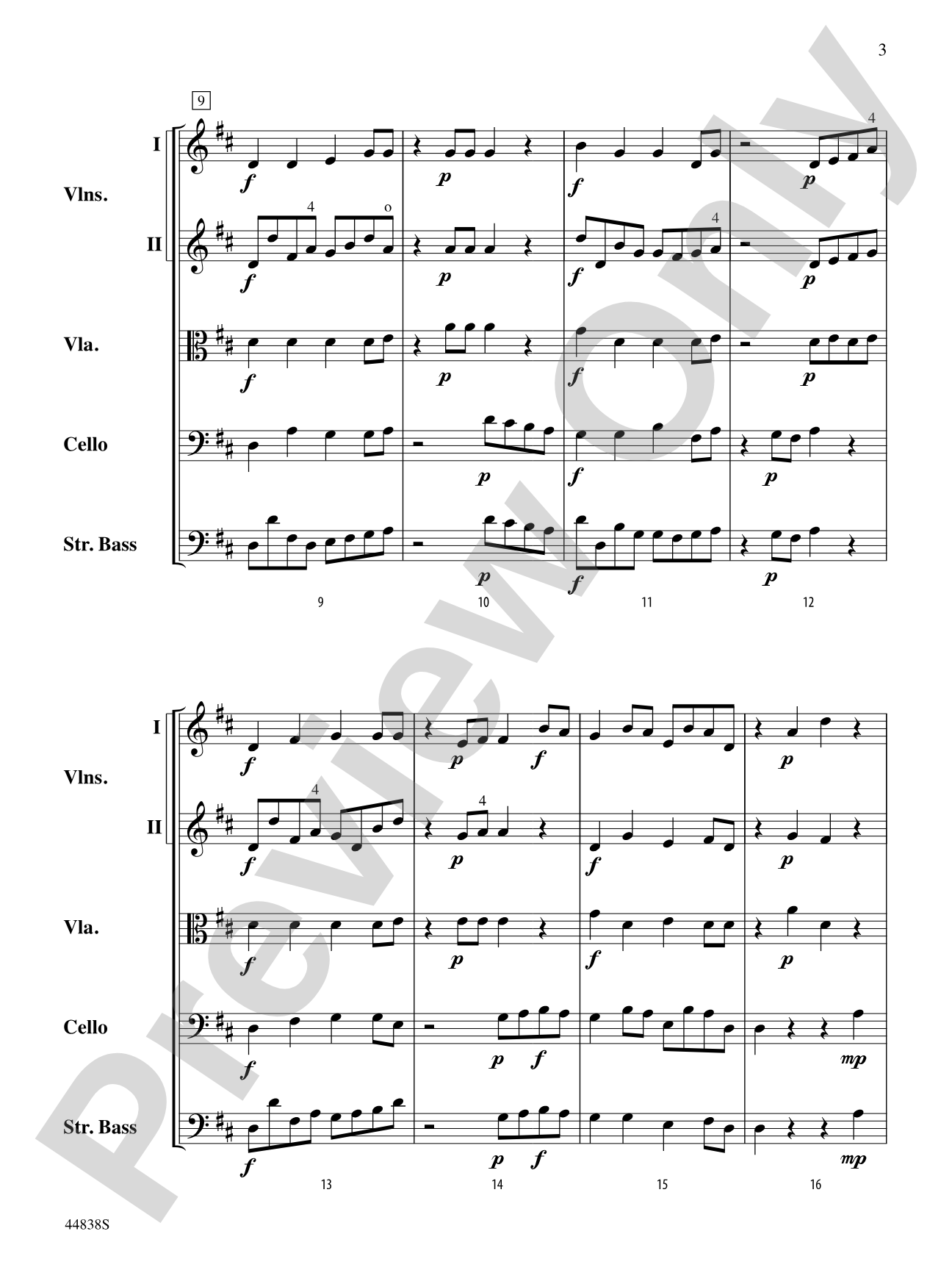
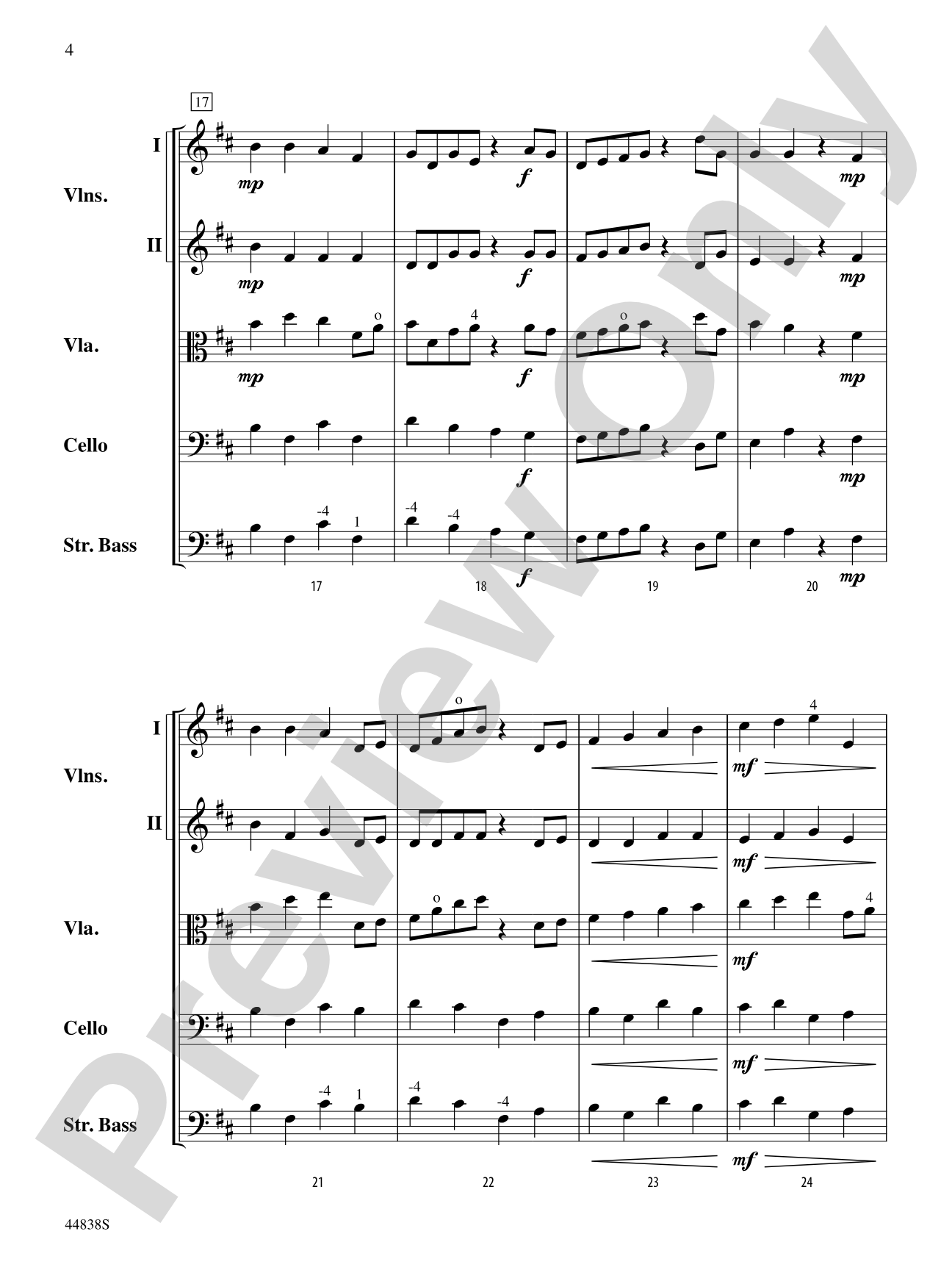
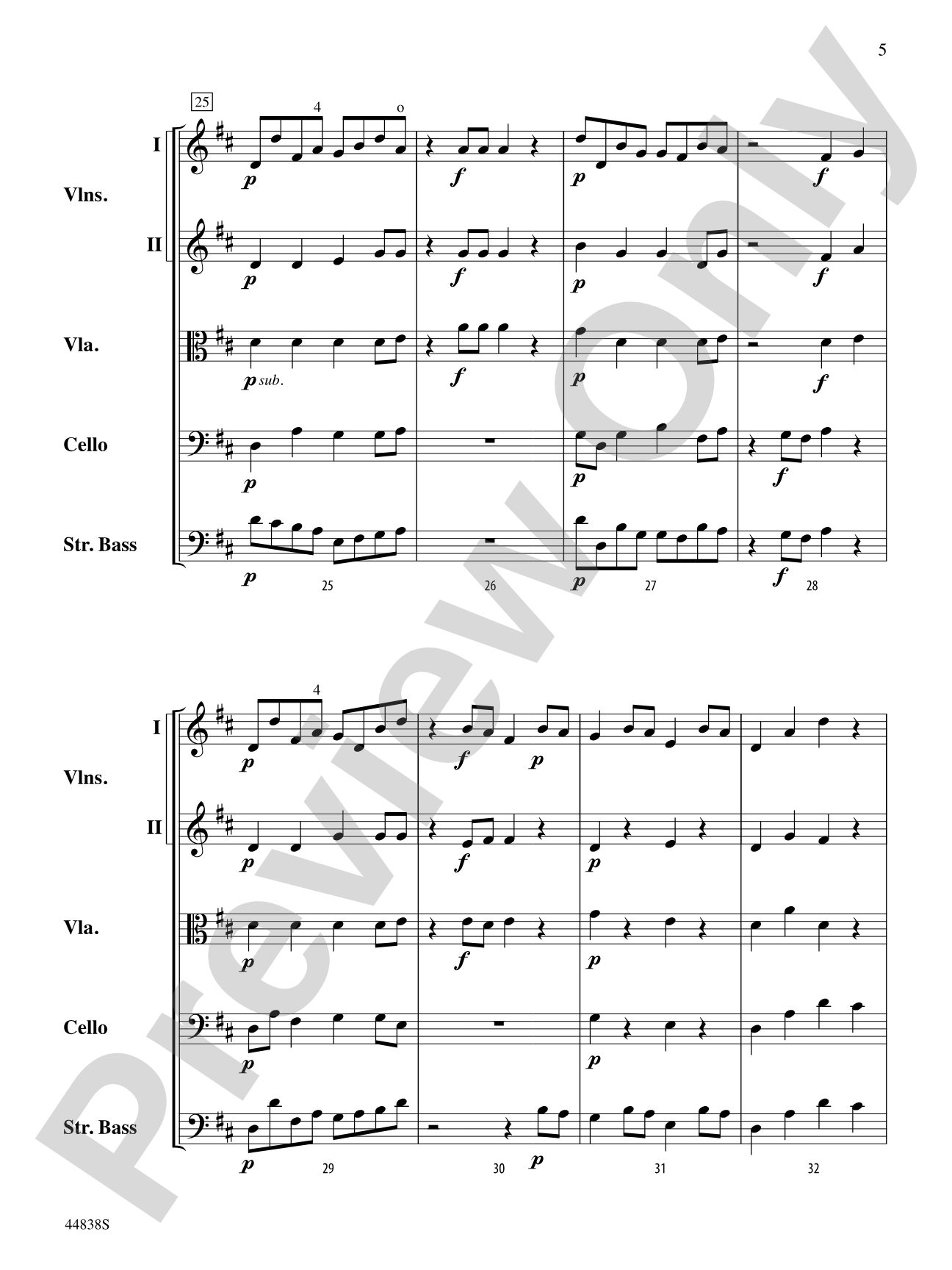
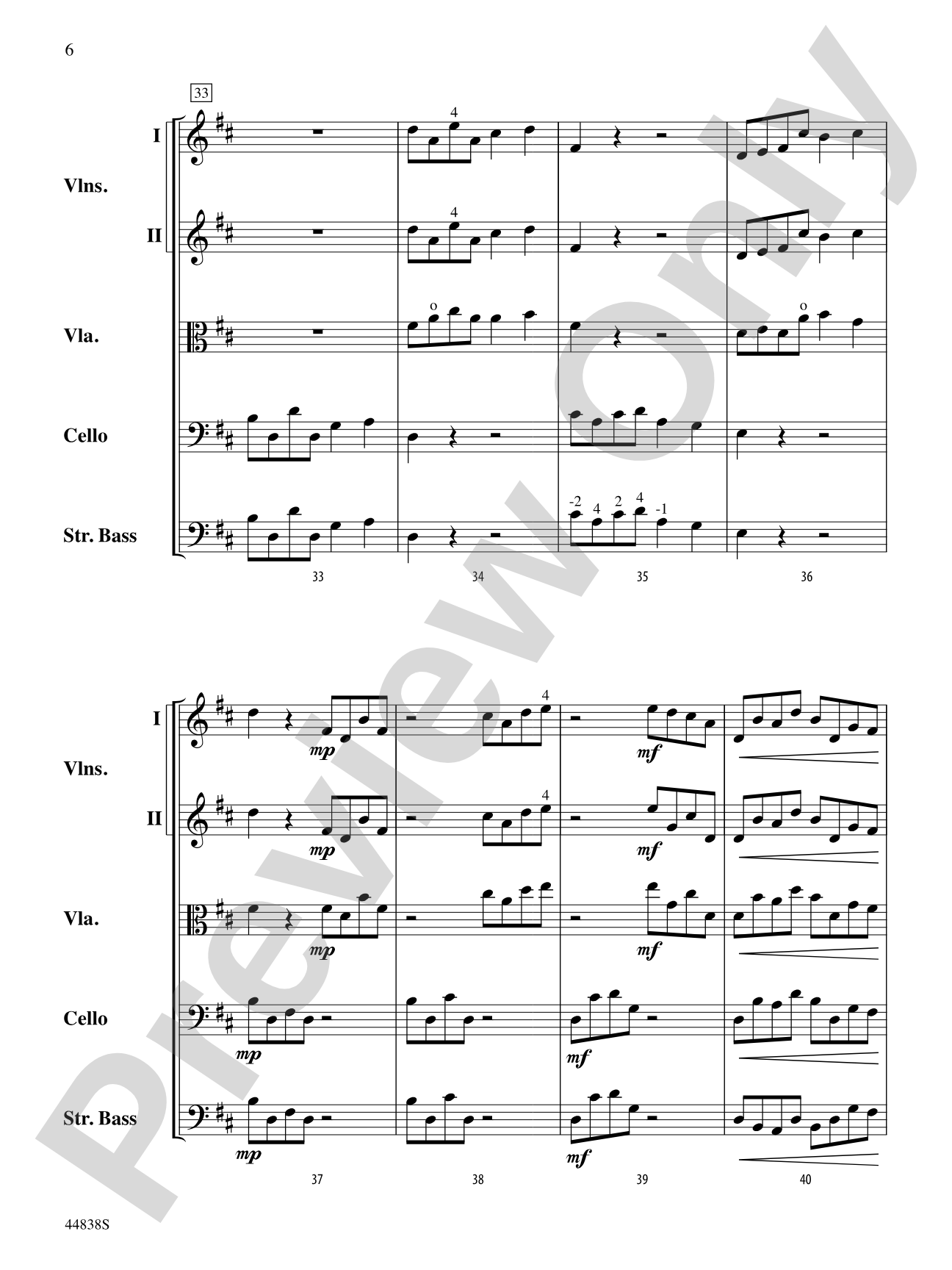
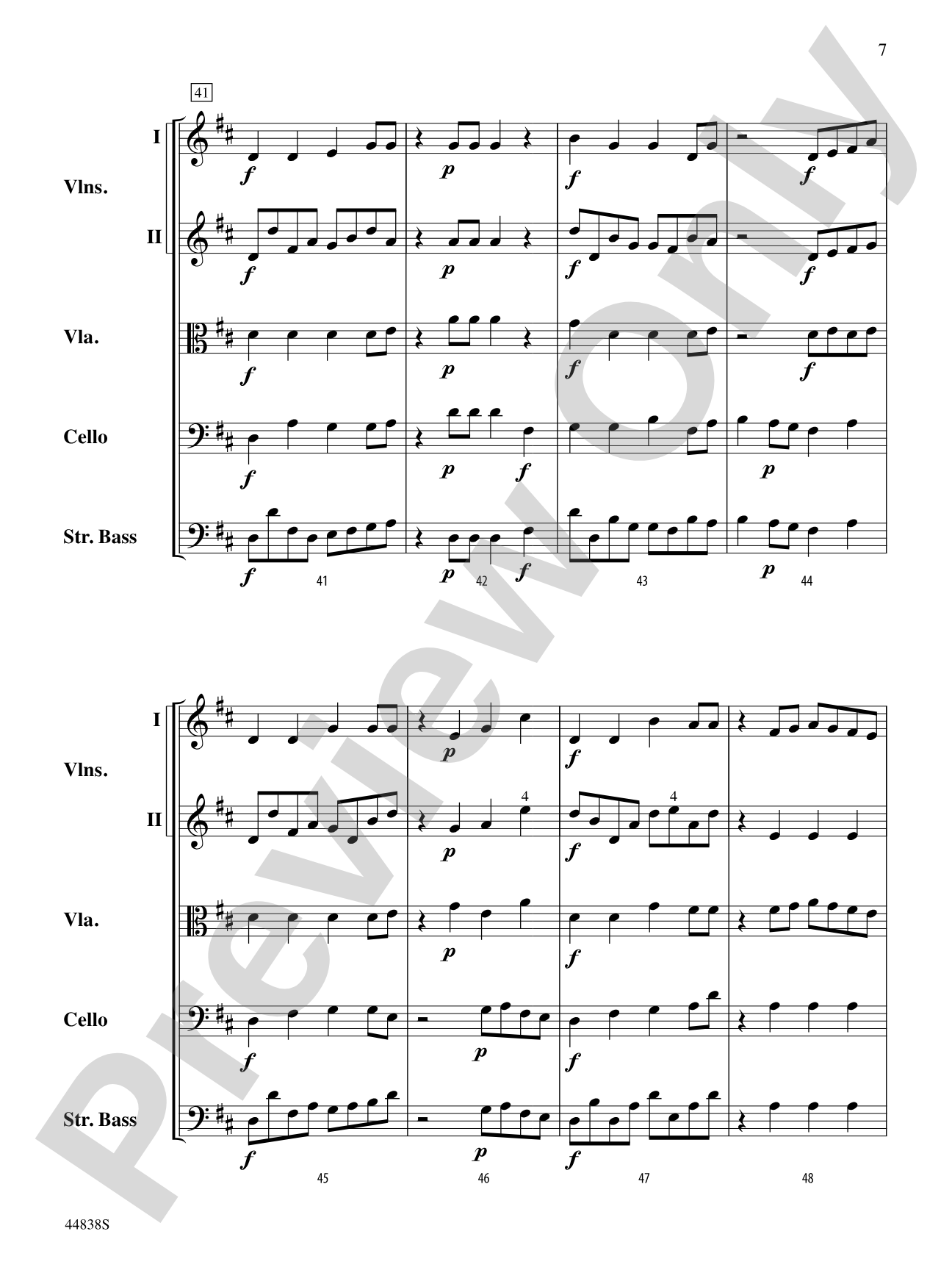
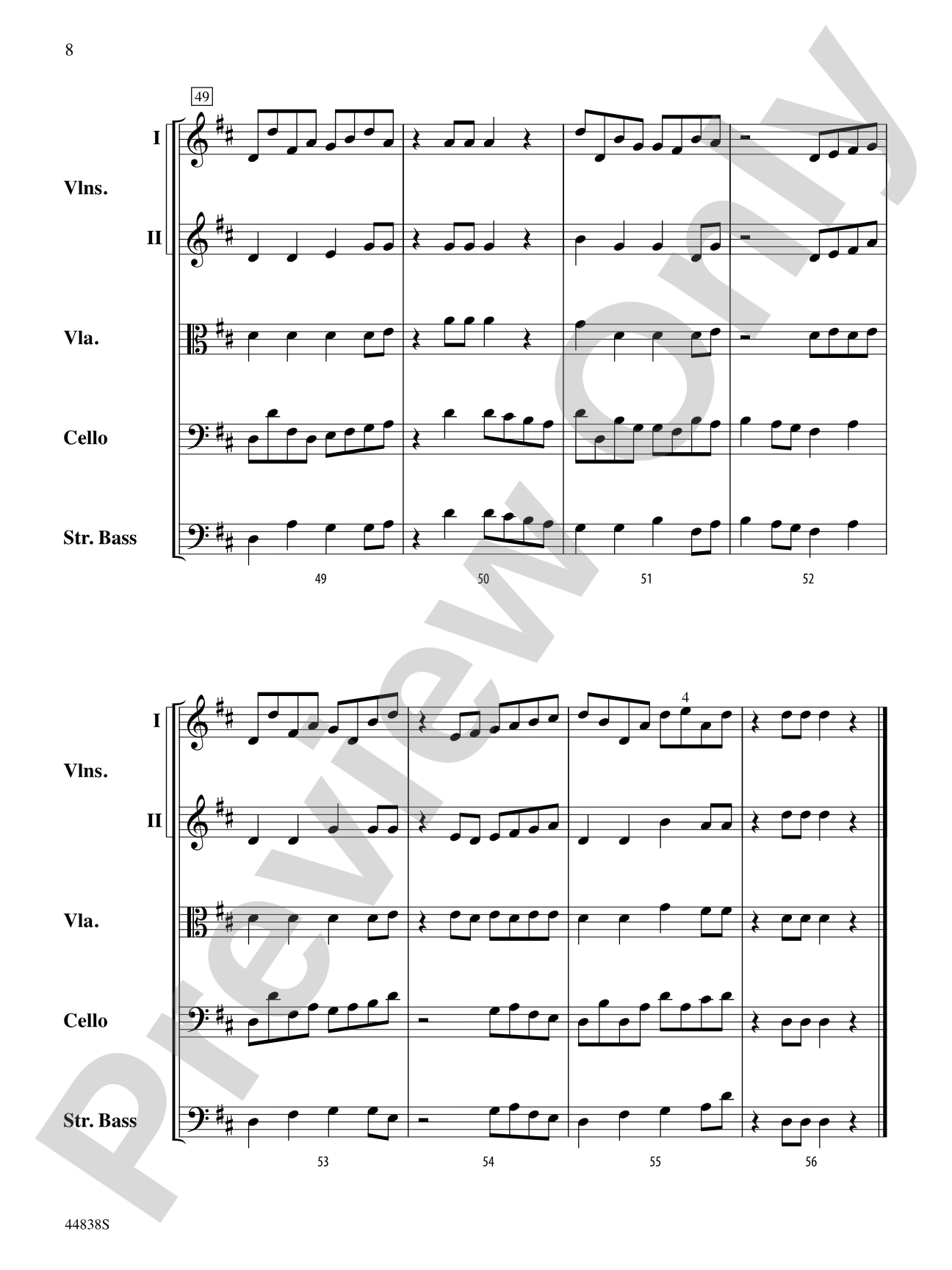
This stylish all-pizzicato dance written by Doug Spata for late beginner orchestras will delight students and audiences. The notes and rhythms may be simple, but the bubbly melodies in each part provide fun fingering challenges. A call-and-response section in the middle develops listening skills, and teachers will value the left-hand workout, reading skills, and experience with dynamic changes that this piece promotes. (1:50)


Don't just read it, hear it, play along with it, and watch your students grow with it. In MakeMusic Cloud, Bowless Beguine: Score comes alive with professional accompaniment, adjustable tempo, and built-in practice tools that turn solo practice into real progress.
Open in the Player
Jump straight in and assign it today.
Start Your Free Trial
Open this title and explore the full library in minutes.
Sample Audio
1
Audio File
--:--
0:00
0:00
Sample Video
Additional Details
Series:
Highland/Etling String Orchestra
Publisher:
Alfred Music
Page Count:
62
SKU:
00-PR-0005634
More about this title
About the Composer: Doug Spata

Doug Spata trained as a clarinetist but found his voice as a composer for strings while working as an orchestra director. His gift for writing idiomatically for young players has made his music a staple in schools across the country and beyond, earning recognition for both the quality of his educational works and his more ambitious concert pieces.
Beyond the classroom, Spata has composed operas, ballets, symphonies, and chamber works for ensembles of all sizes. His versatility as a writer and his understanding of what students need to grow as musicians inform everything he creates.
Why we love this
An all-pizzicato piece at this level is uncommon enough to feel fresh, and Spata's bubbly melodic writing ensures students stay engaged even when the technical demands are manageable. The call-and-response section isn't just a charming structural choice; it builds the kind of ensemble listening that young orchestras desperately need, and the left-hand pizzicato work gives violists and cellists real fingerboard practice without overwhelming them.
What to expect
Playful and rhythmically infectious, with a dance-like swagger that makes you want to move. The pizzicato texture gives it a percussive, almost playful quality, and the melodic lines bubble along with the kind of buoyant energy that reminds students why they wanted to play in an orchestra in the first place.
Who it's for
Grade 2 string orchestras with mixed ability levels will find this piece approachable but never boring. It works well for ensembles learning pizzicato technique and for students who benefit from a lighter, rhythmically driven piece that doesn't ask them to sustain long notes or navigate complex fingering patterns.
How to get the most out of it
- Keep the tempo buoyant and consistent; the beguine rhythm lives in the groove, not the individual notes, so lock in the bass pulse early in rehearsals.
- Work the call-and-response section as a dialogue between sections rather than a tutti back-and-forth, which clarifies the interplay and keeps younger players engaged.
- Address left-hand positioning for pizzicato early, since young players often tense up; clean, relaxed left-hand pizzicato comes from the fingers, not the wrist.
- Shape the dynamic changes precisely, especially into and out of softer passages; at this level, dynamics often disappear under the excitement of playing pizzicato.
How to use it
This piece is ideal for a winter or spring concert where you want a crowd-pleasing novelty without sacrificing musicianship, or as a palate-cleansing interlude between heavier works. Its short runtime (1:50) and high engagement factor also make it excellent for young musician matinee performances or school assembly concerts where you need something that holds attention immediately.
Skills your students will build
- Pizzicato technique with accurate left-hand finger placement
- Reading and responding to dynamic markings in a style context
- Rhythmic precision in call-and-response ensemble dialogue
- Comfort with beguine rhythm and Latin-influenced groove
- Left-hand dexterity and finger independence on the fingerboard