Bourree: 3rd Violin (Viola [TC]) Sheet Music Preview

Bourree: 3rd Violin (Viola [TC])

Arr. Loreta Fin

Grade: 2

Item: 76-PC-0000013_VN3

Digital Download
$5.99
Description
From the well known cello suite, this piece has the first violins playing the melody throughout, with all other parts interesting, but playable. Suitable for advanced elementary or early high school.

Bourree: 3rd Violin (Viola [TC]) isn't in MakeMusic Cloud just yet...but it could be. Let us know you'd like to see it, and you'll help shape what comes next. In the meantime, start a free trial and dive into thousands of interactive titles your students can play along with today.

Sample Audio
No sample audio found.
Sample Video
Additional Details
Series: Wilfin String Orchestra: Young String Ensemble Series
Publisher: Wilfin Music
Page Count: 64
SKU: 76-PC-0000013_VN3

More about this title

About the Arranger: Loreta Fin

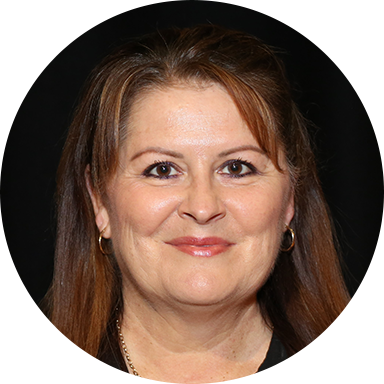
Loreta Fin

Loreta Fin is an Australian violist, educator, and prolific composer for string orchestra. She studied at the Sydney Conservatorium of Music and spent over 25 years as Principal Viola player with the Queensland Pops Orchestra while maintaining an active chamber music and orchestral performance career. She has worked with many of the world's most celebrated artists across these engagements.

Fin has shaped string education in Australia as Director of Strings at Somerville House School in Brisbane since 1993, as well as through her roles with the Australian Strings Association, where she served as both State and National President over a 25-year tenure. A respected adjudicator and conference presenter at national music conferences in Australia and the United States, she has composed and published over 100 works for string orchestra worldwide through Alfred Music. Her contributions to music education were recognized with a Queensland State Award in 2009 and a National Award for Services to Music and String Teaching. Since 2015, she has regularly conducted the State and National Honours Ensembles Programs in Brisbane.

Why we love this

Fin knows exactly how to handle Bach at the elementary-to-early-high-school level: the first violins carry the familiar melody with confidence, while second violins, violas, and cellos receive genuinely musical parts that keep everyone engaged without overwhelming developing musicians. The arrangement respects the integrity of the original while acknowledging where your ensemble actually sits technically.

What to expect

The Bourree dances with elegant simplicity. There is a gentle, courtly character to the piece—neither weighty nor frivolous—that allows young players to experience the refinement of Baroque music without technical overwhelm. The familiar melody settles into the listener's ear immediately, while the inner voices add harmonic richness and independence.

Who it's for

String directors working with advanced elementary through early high school ensembles who want to build repertoire around a recognized masterwork without sacrificing playability. This arrangement is ideal for orchestras where first violins are solid readers and the rest of the section is still developing.

How to get the most out of it

  • Establish the melodic line in first violins during sectionals before rehearsing the full score. Since they carry the piece throughout, their clarity and intonation anchor everything else.
  • Balance the supporting voices carefully in rehearsal. The other parts are interesting but subordinate; resist the urge to let violas or second violins overshadow the primary melody.
  • Keep the tempo steady and unhurried. Baroque character emerges from rhythmic integrity and clean articulation, not speed.
  • Mark the score for any dynamic shaping that brings out the counterpoint in the lower voices without disrupting the melodic line.

How to use it

Use this as an opening number on a concert devoted to classical masterworks, or pair it with other Baroque arrangements to create a thematic set. It also works well as a confidence-building piece early in the season when your ensemble is rebuilding reading skills and ensemble trust.

Skills your students will build

  • Baroque phrasing and articulation appropriate to dance forms
  • Harmonic support and awareness of inner voice independence
  • Reading and executing multiple part relationships simultaneously
  • Intonation and balance within a transparent texture

You May Also Like