
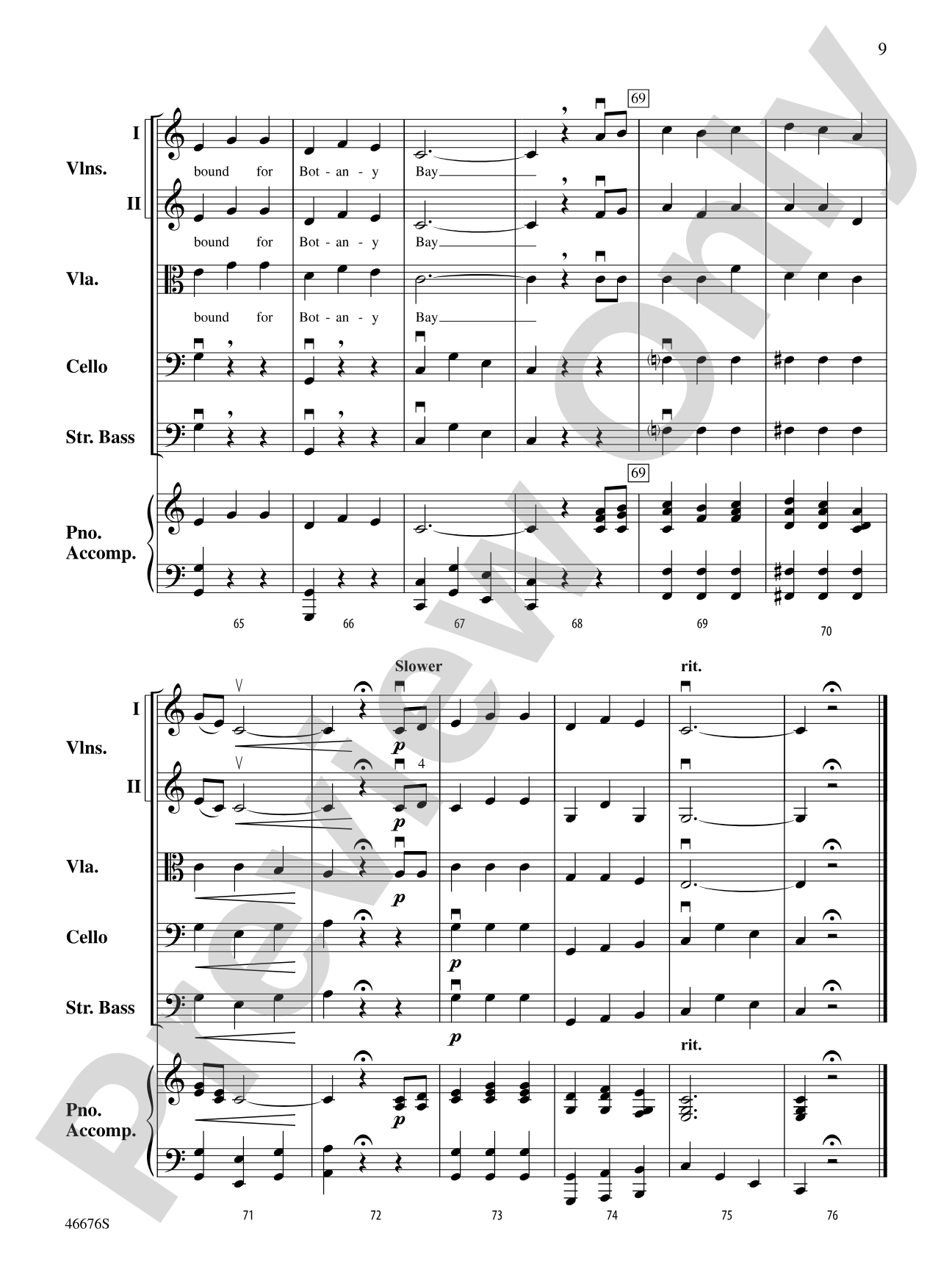

Botany Bay: String Orchestra Conductor Score & Parts
Australian Traditional / arr. Sandra Dackow
Grade: 1
Item: 00-PK-0007521

$42.00
Pickup currently not available
Buy Extra Parts (Digital PDF Download)
| Product | Price | Quantity |
|---|---|---|
| Botany Bay: Score | $8.00 | |
| Botany Bay: 1st Violin | $5.99 | |
| Botany Bay: 2nd Violin | $5.99 | |
| Botany Bay: Viola | $5.99 | |
| Botany Bay: Cello | $5.99 | |
| Botany Bay: String Bass | $5.99 | |
| Botany Bay: Piano Accompaniment | $5.99 |
Parts Added to Cart!
Description
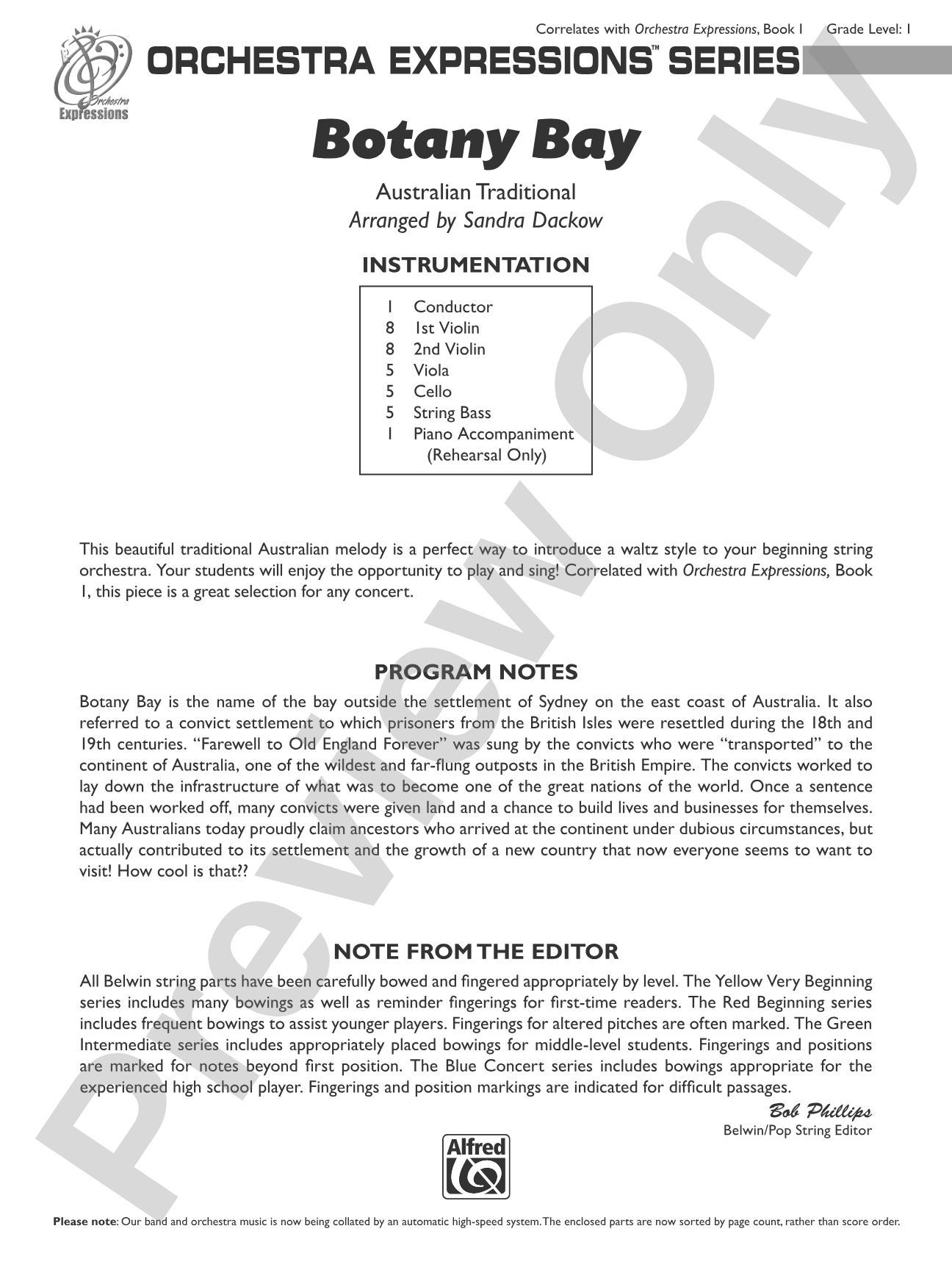
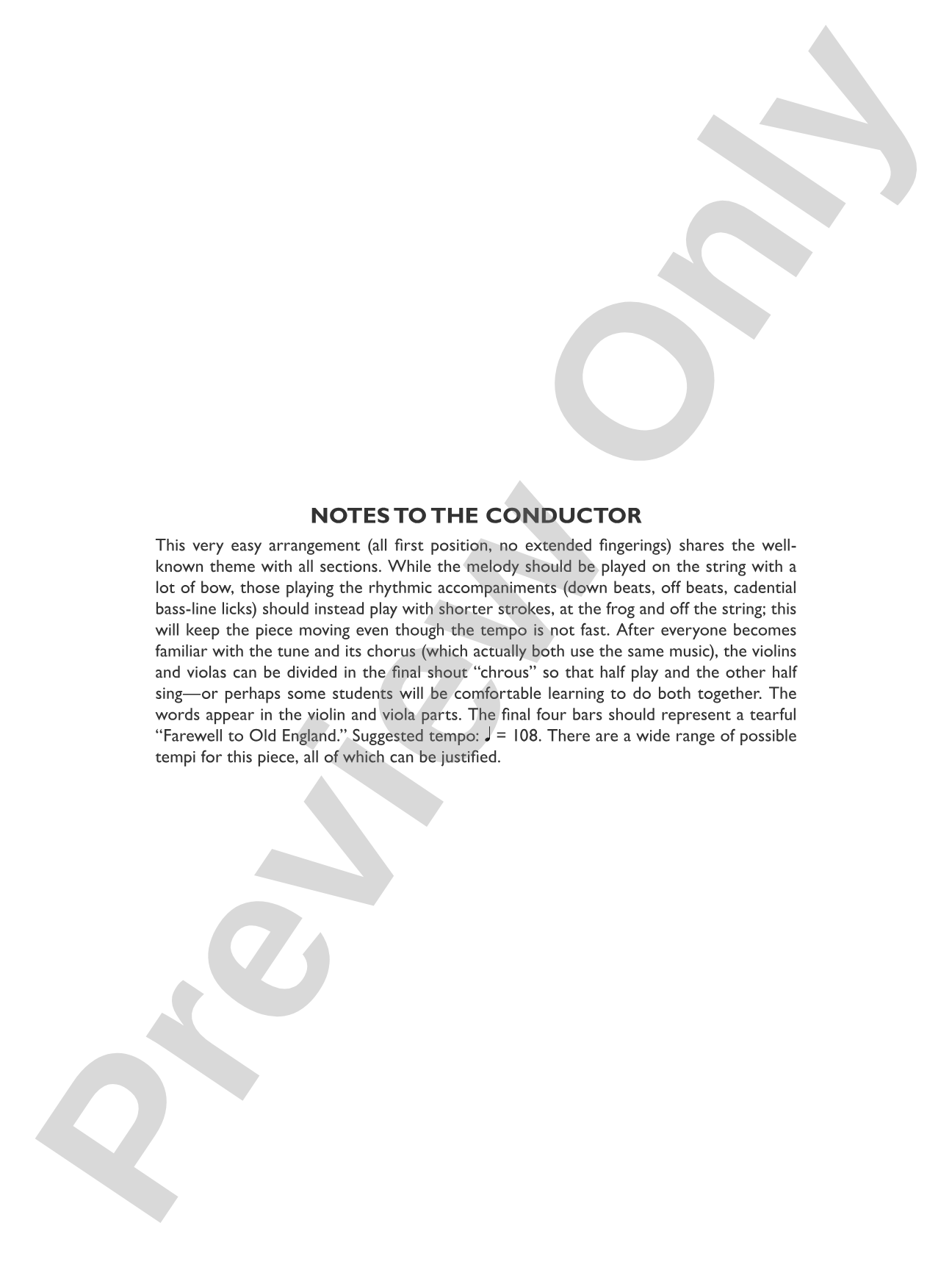
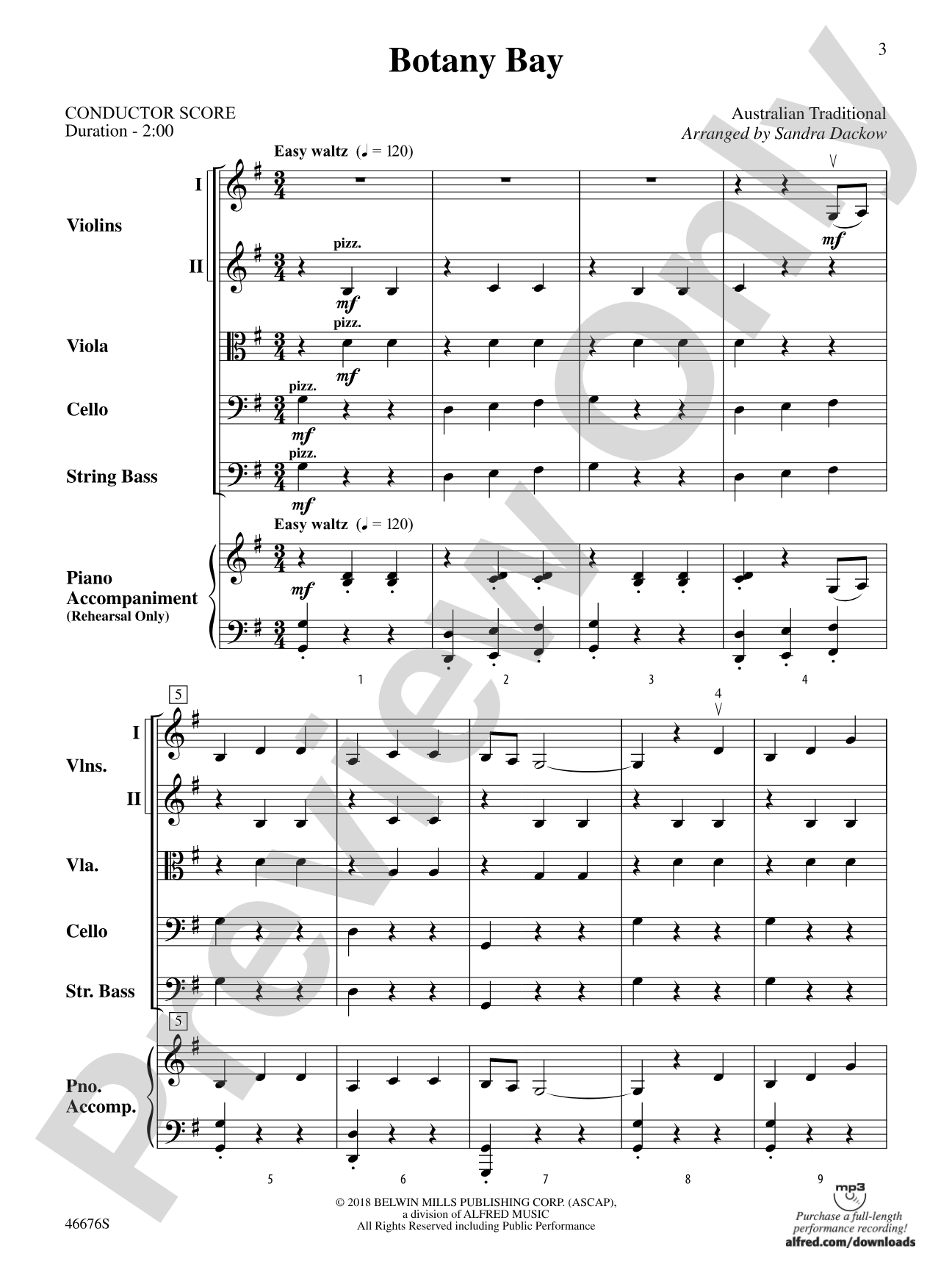
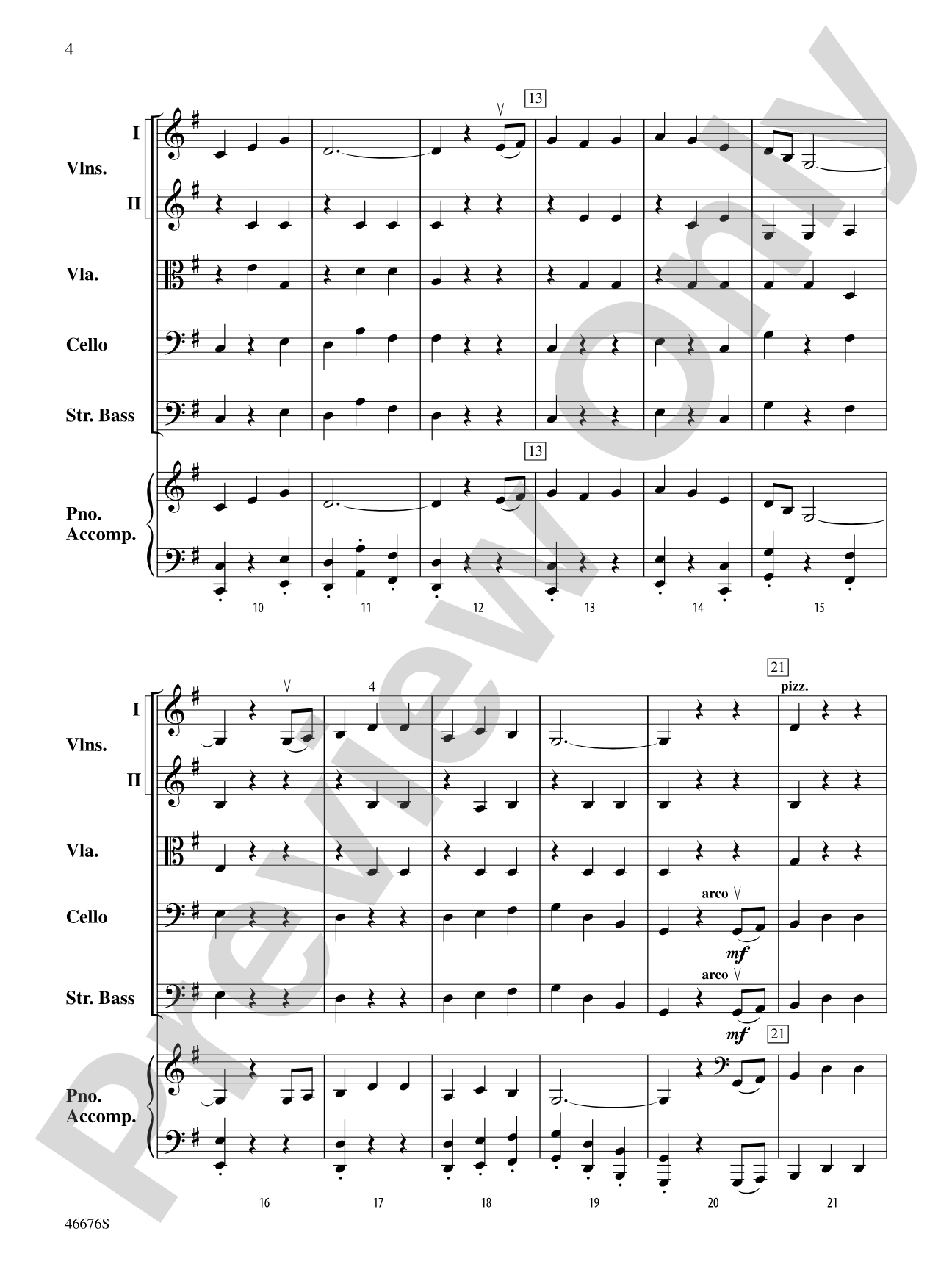
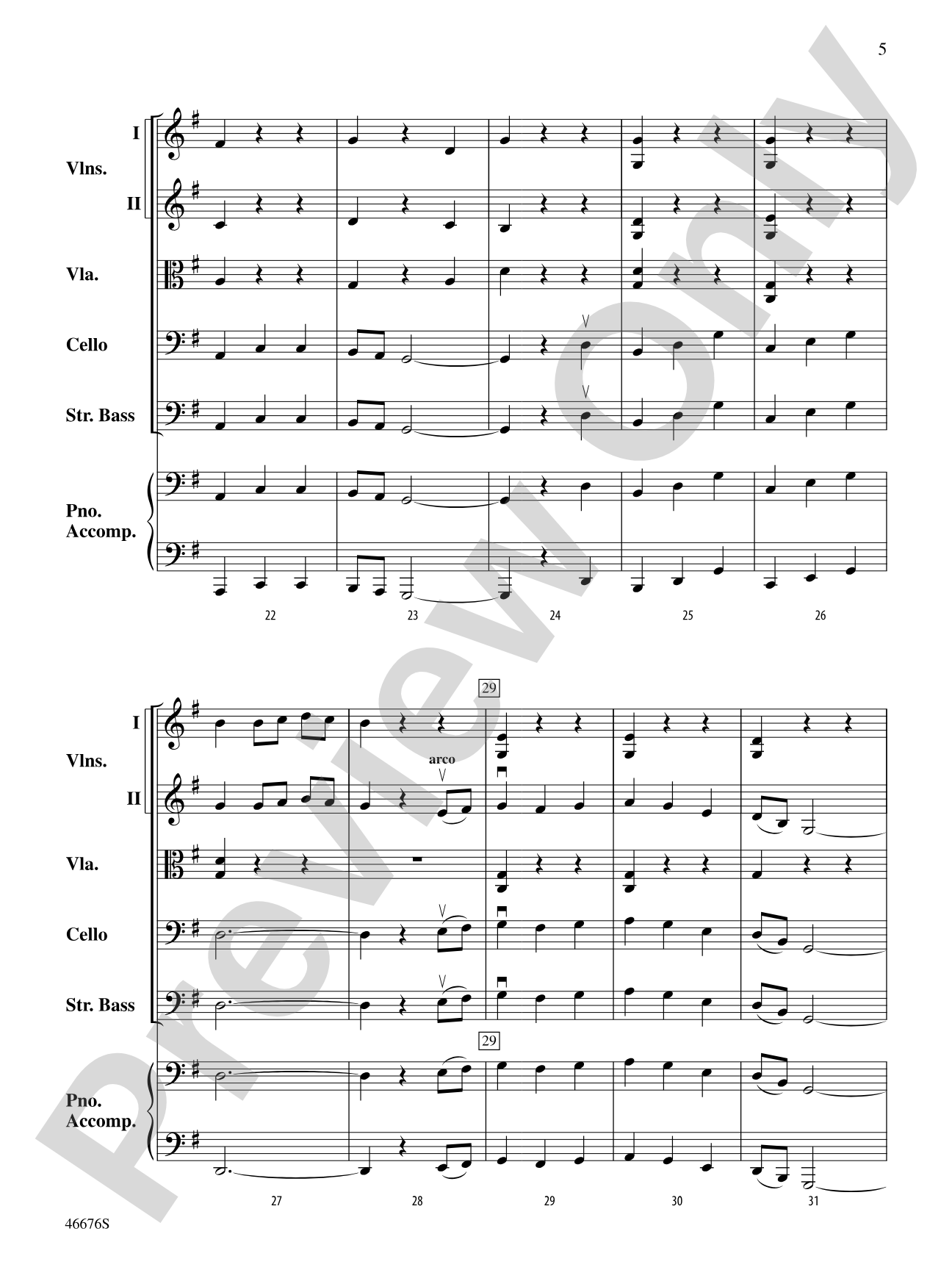
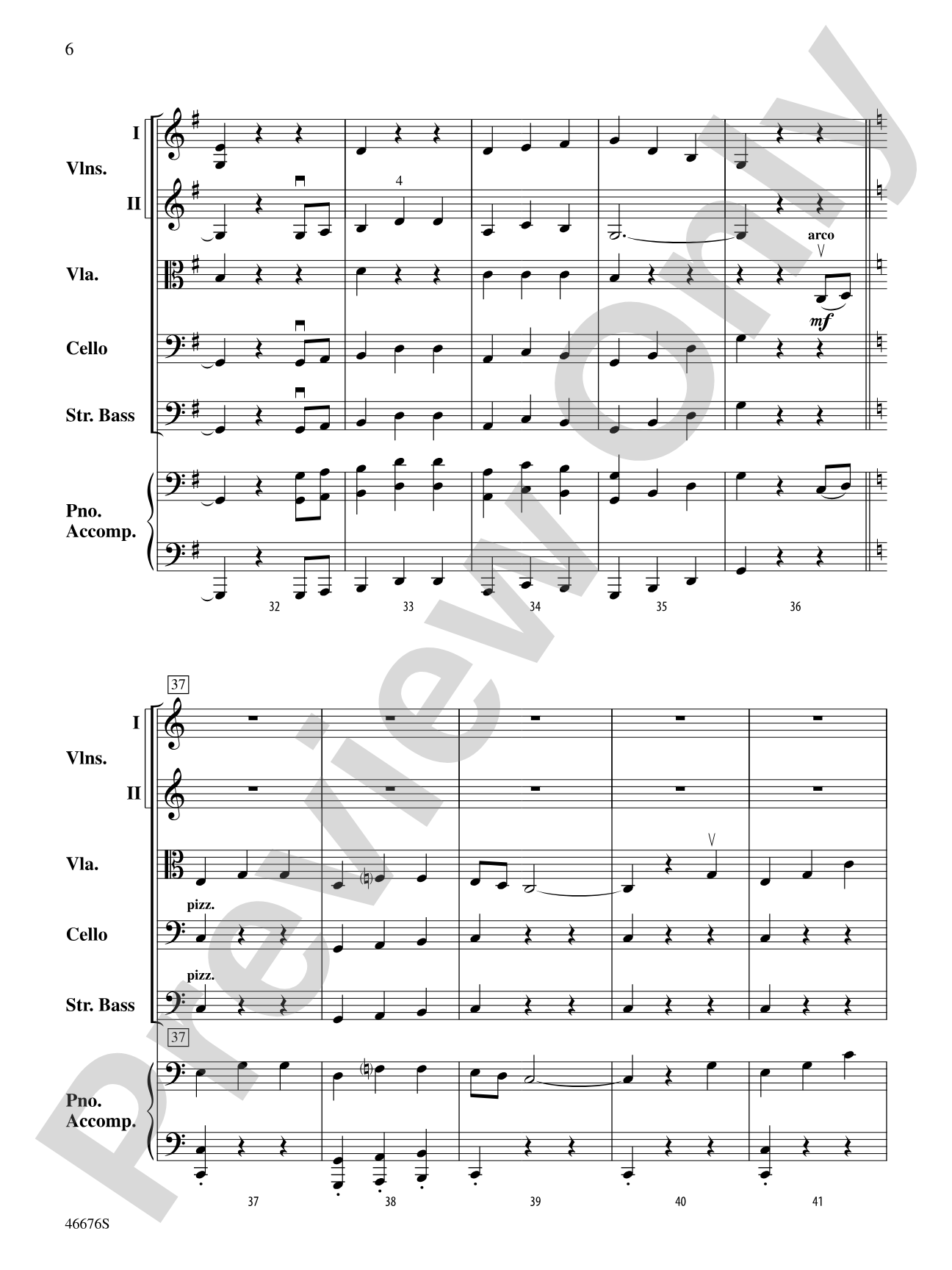
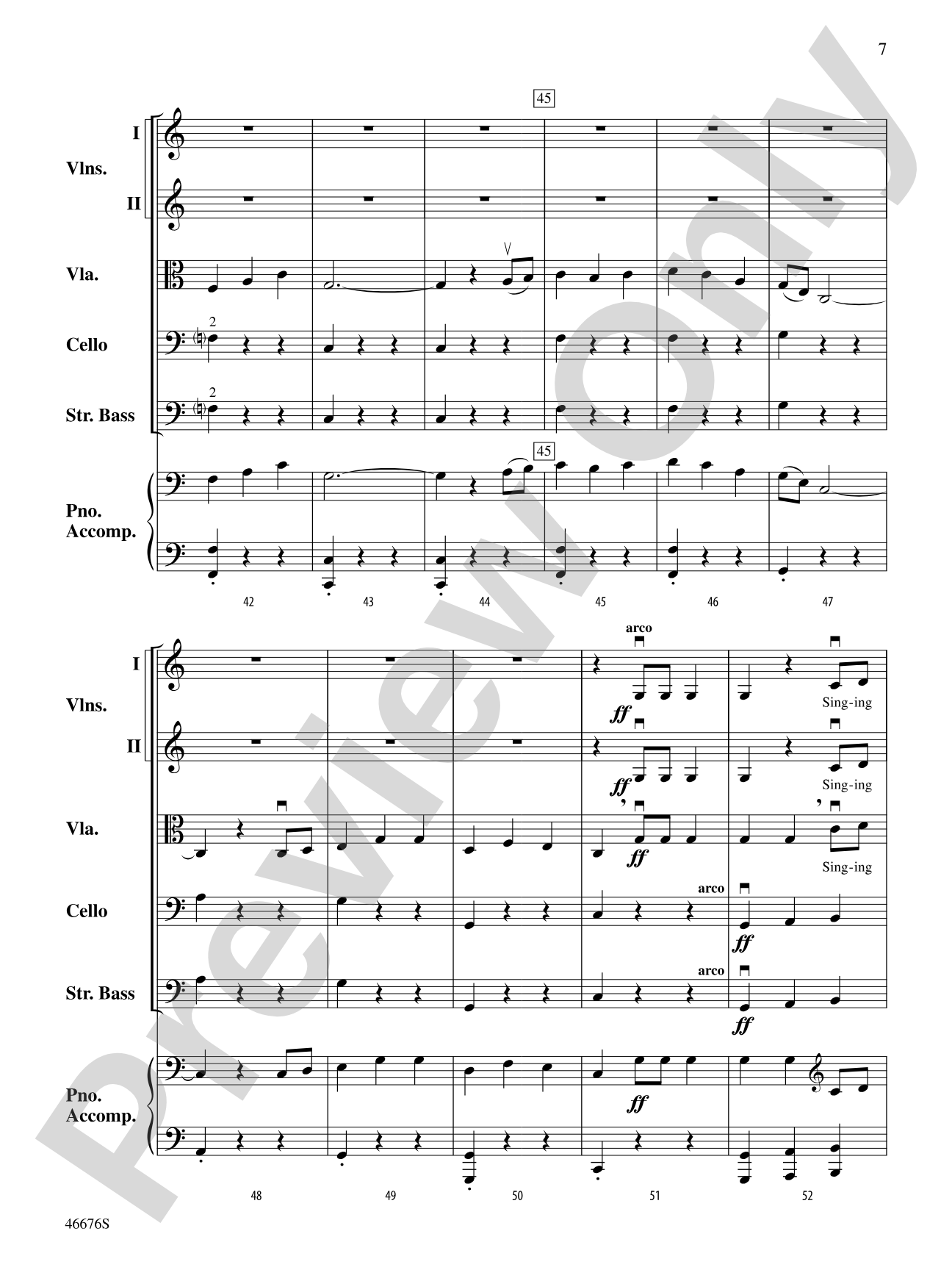
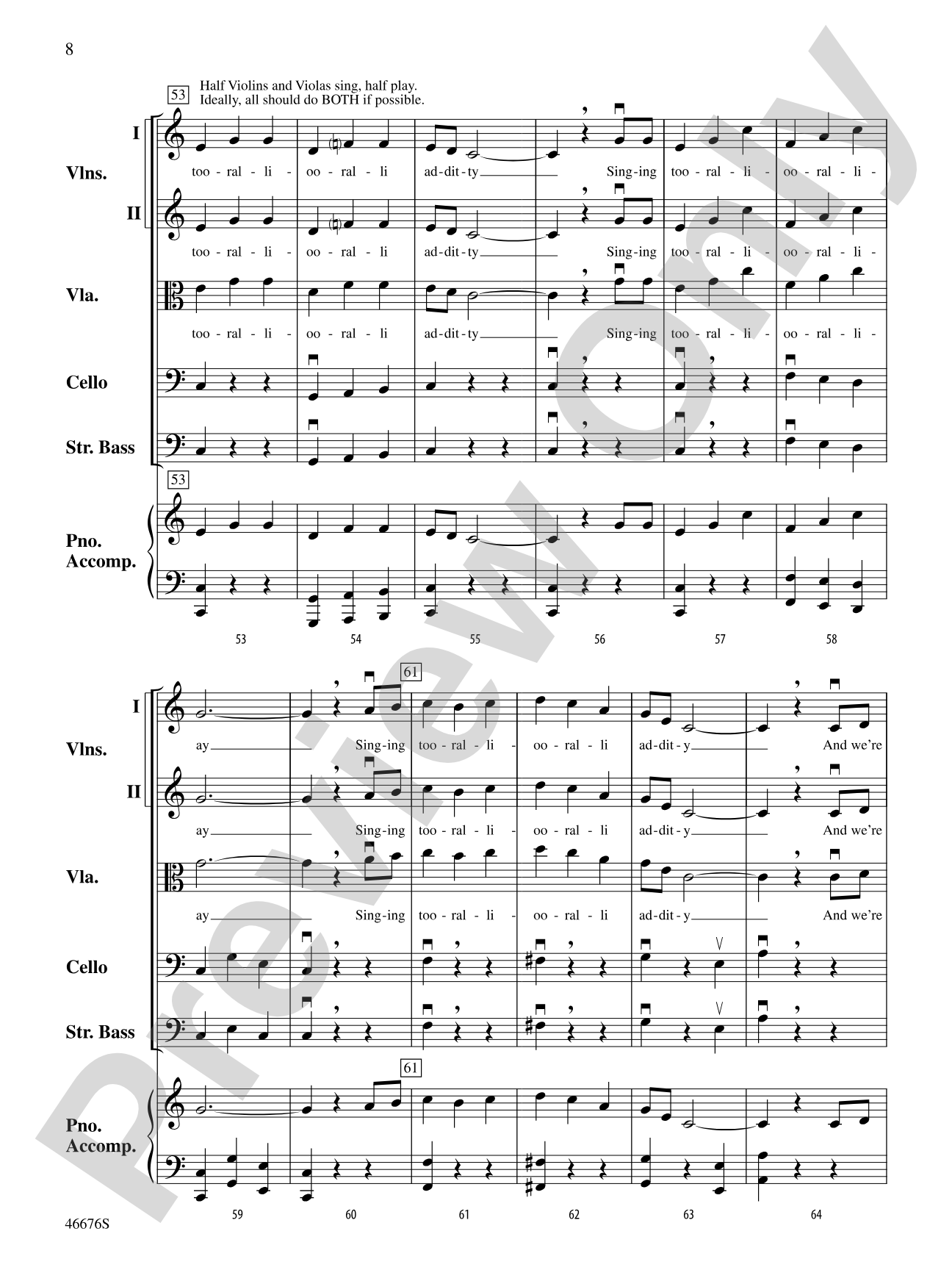
"Botany Bay," arranged by Sandra Dackow, is a wonderful piece that is correlated with Orchestra Expressions, Book 1. Your students will enjoy the opportunity to play and sing! Everyone gets to experience a pizzicato accompaniment and the beautiful melody. This piece will be the highlight of any concert or festival program and a great way to introduce the waltz style to your beginning orchestra. This title is available in MakeMusic Cloud.


Don't just read it, hear it, play along with it, and watch your students grow with it. In MakeMusic Cloud, Botany Bay: String Orchestra Conductor Score & Parts comes alive with professional accompaniment, adjustable tempo, and built-in practice tools that turn solo practice into real progress.
Open in the Player
Jump straight in and assign it today.
Start Your Free Trial
Open this title and explore the full library in minutes.
Sample Audio
1
Audio File
--:--
0:00
0:00
Sample Video
Additional Details
Series:
Orchestra Expressions
Publisher:
Alfred Music
Page Count:
66
SKU:
00-PK-0007521
More about this title
About the Arranger: Sandra Dackow
Sandra Dackow is an accomplished arranger and composer whose work spans instrumental and choral music education. Her arrangements have become classroom staples, known for making folk and traditional material accessible to developing ensembles while preserving their musical character.
Why we love this
Dackow's arrangement gives beginning orchestra students an immediate win: everyone plays the melody or a supporting pizzicato line, so no one sits idle. The waltz style introduces a new rhythmic and stylistic vocabulary without overwhelming players still building foundational skills.
What to expect
Botany Bay swings with the gentle, lilting character of a waltz, and Dackow's scoring lets the melody shine while keeping accompaniment duties manageable for developing players. The combination of pizzicato backdrop and singing melody creates warmth and clarity, giving audiences a satisfying folk-music experience.
Who it's for
This arrangement is designed for beginning string orchestras in Grade 1, making it ideal for students new to ensemble playing or those working through Orchestra Expressions Book 1. Directors can use it as a bridge between method book study and concert literature that students recognize and enjoy.
How to get the most out of it
- Balance the pizzicato accompaniment carefully so it supports rather than overwhelms the melody. In rehearsal, ask the accompaniment section to play at a dynamic that lets the melody singers or melody players float above it naturally.
- Work articulation in the melodic phrases before layering in the pizzicato parts. Clean tonguing or bowing on the melody will anchor the whole piece.
- Sing through the melody line with your orchestra, even on instruments. This builds phrasing awareness and helps players understand the piece as a song, not just as notes on a page.
How to use it
Open a concert with this piece to set an upbeat, accessible tone, or place it mid-program as a palate cleanser between heavier contemporary works. Its familiarity and straightforward charm make it equally effective as a festival entry, offering judges a chance to hear clean fundamental technique on a well-loved tune.
Skills your students will build
- Waltz style and triple-meter phrasing
- Pizzicato technique and rhythmic accuracy in accompaniment
- Balancing melody and accompaniment within an ensemble
- Singing and playing in unison or harmony
- Musical interpretation of folk material