
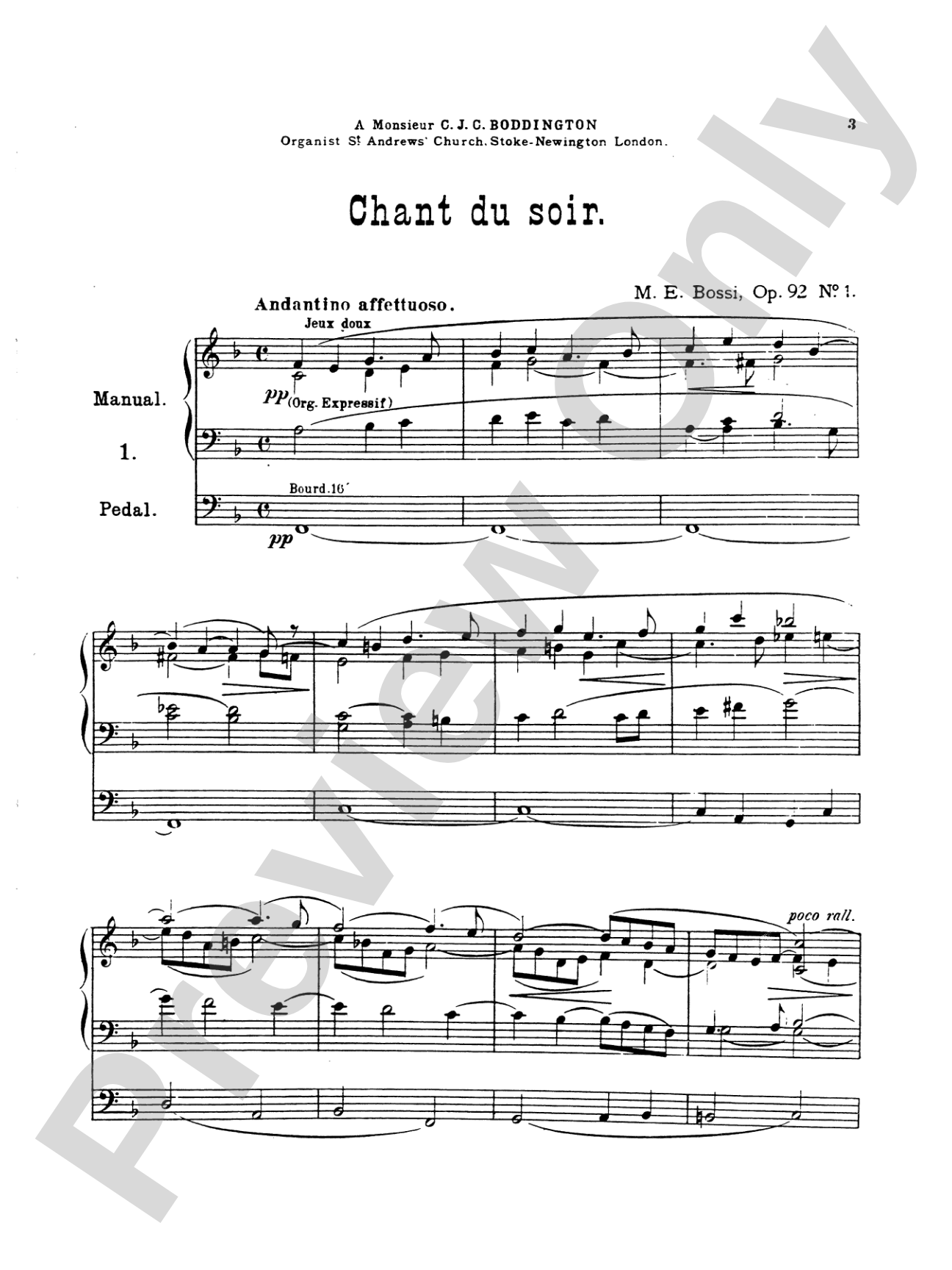
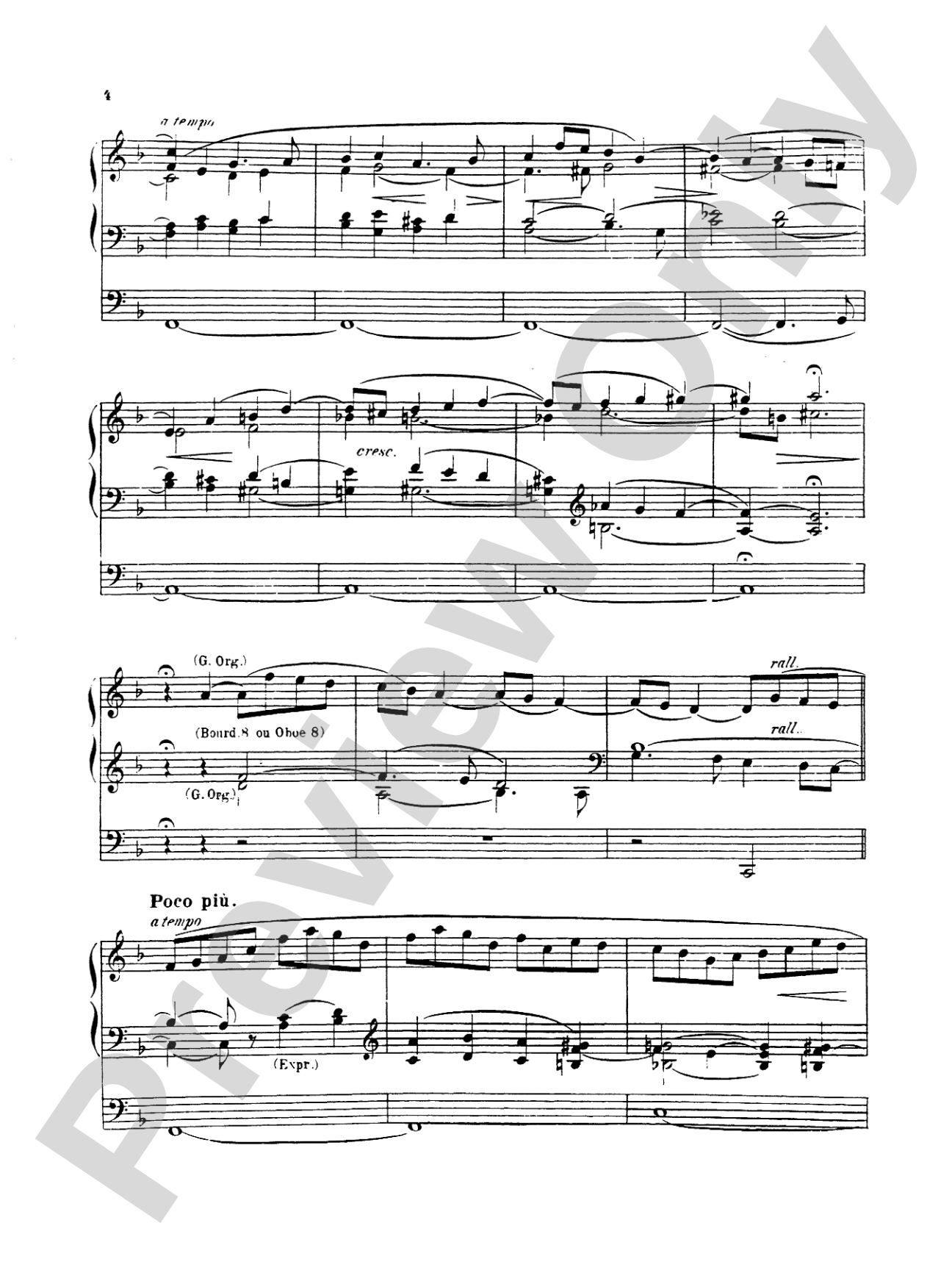
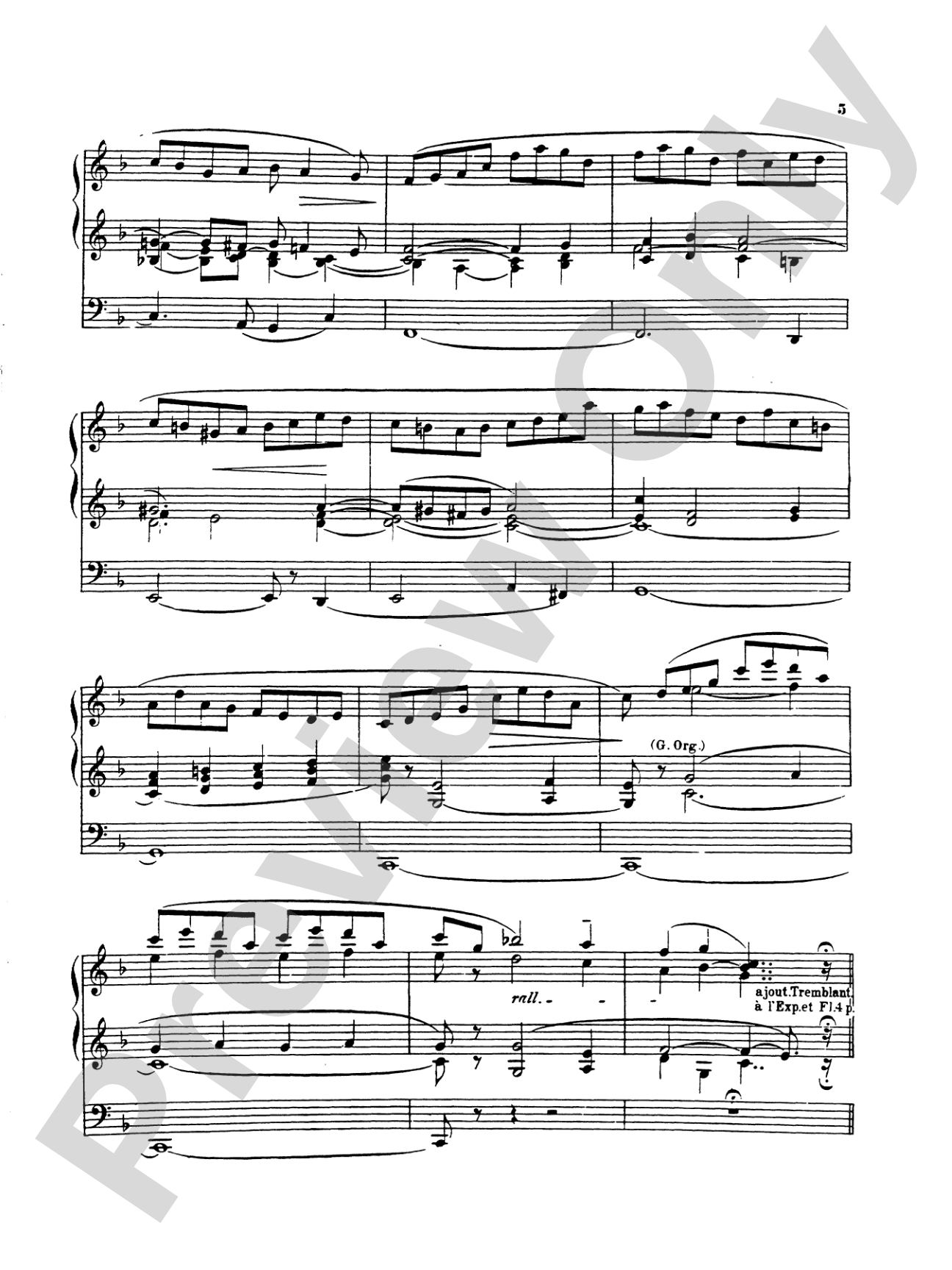
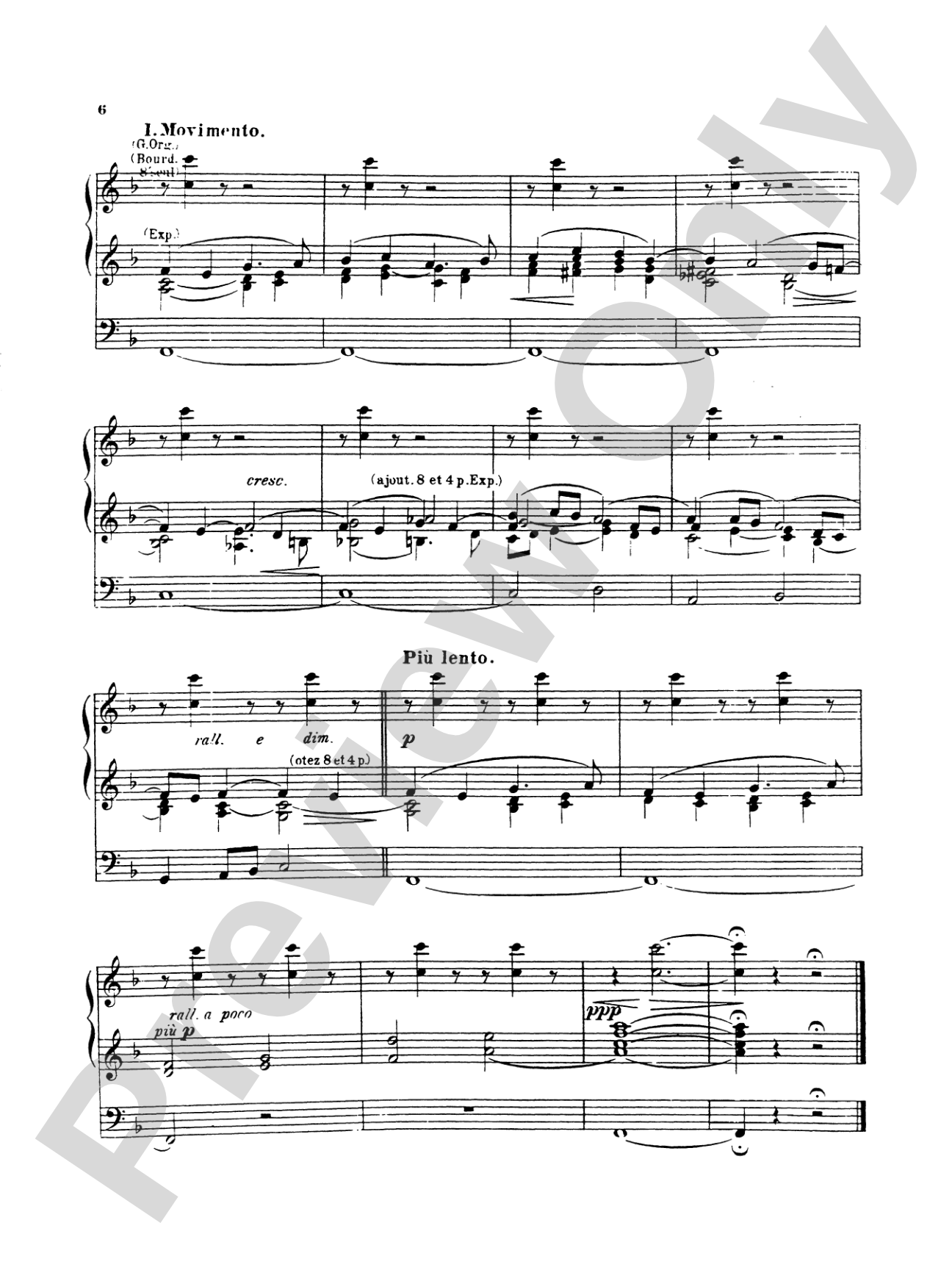

Bossi: Selected Organ Works: Organ Book
By M. Enrico Bossi
Item: 00-PK-0003528

$12.99
Pickup currently not available
Buy Extra Parts (Digital PDF Download)
| Product | Price | Quantity |
|---|---|---|
| Bossi: Selected Organ Works | $0.99 | |
| Bossi: Selected Organ Works | $0.99 | |
| Bossi: Selected Organ Works | $0.99 | |
| Bossi: Selected Organ Works | $0.99 | |
| Bossi: Selected Organ Works | $0.99 | |
| Bossi: Selected Organ Works | $0.99 | |
| Bossi: Selected Organ Works | $0.99 | |
| Bossi: Selected Organ Works | $0.99 | |
| Bossi: Selected Organ Works | $0.99 | |
| Bossi: Selected Organ Works | $0.99 | |
| Bossi: Selected Organ Works | $0.99 |
Parts Added to Cart!
Related Items
Selected Organ Works: Organ Book |
$12.95
|
View |
Description
A collection of exercises, for Organ, composed by M.E. Bossi.


Don't just read it, hear it, play along with it, and watch your students grow with it. In MakeMusic Cloud, Bossi: Selected Organ Works: Organ Book comes alive with professional accompaniment, adjustable tempo, and built-in practice tools that turn solo practice into real progress.
Open in the Player
Jump straight in and assign it today.
Start Your Free Trial
Open this title and explore the full library in minutes.
Sample Audio
No sample audio found.
Sample Video
No sample videos found.
Additional Details
Series:
Kalmus Edition
Publisher:
Alfred Music
Page Count:
64
SKU:
00-PK-0003528
More about this title
About the Composer: M.E. Bossi
Marco Enrico Bossi (1861-1925) was an Italian organist and composer who earned international recognition for his virtuosic recital performances and prolific output for the instrument. His compositional voice bridged Romantic lyricism with emerging 20th-century idioms, establishing him as a significant figure in organ literature during a transformative period for the instrument.
Bossi's pedagogical works remain valuable teaching resources. His exercises and selected compositions address technical facility, registration, and the interpretive demands of concert repertoire. Organists studying his works encounter practical solutions to the mechanical and musical challenges specific to the instrument.
Why we love this
Bossi's organ exercises combine technical purpose with musical substance. Rather than abstract studies, these works demand musicianship alongside technical command, requiring organists to balance mechanical precision with phrase shaping and registration choices that reflect the instrument's expressive potential.
What to expect
These exercises inhabit the space between pure technique and art music. The writing acknowledges the organ's capacity for sustained singing lines and harmonic color while maintaining clear structural purpose and modest virtuosity. You move through passages that feel organic to the instrument rather than transcribed from other sources.
Who it's for
Organists developing intermediate to advanced facility will find targeted studies addressing technical challenges and stylistic expectations of late Romantic and early 20th-century repertoire. Teachers preparing students for recital performance or examination repertoire can draw from selections that combine pedagogical value with concert-ready material.
How to get the most out of it
- Plan registration carefully before playing. Bossi's writing assumes thoughtful stop selection; test combinations on your instrument and mark the score with changes that suit the organ's resources.
- Attend to voice independence in passages with multiple lines. Clear articulation and appropriate pedal work highlight the contrapuntal writing without muddying the texture.
- Balance technical accuracy with musical phrasing. Meet the technical demands without allowing mechanical precision to overshadow the lyrical or structural shape of each exercise.
How to use it
Integrate selections as recital opening pieces, liturgical voluntaries, or program transitions. Individual exercises with sufficient musical substance can function as complete works in intimate concert settings or as preludes to larger masterworks.
Skills your students will build
- Pedal independence and facility across the range
- Voice leading in three and four-part writing
- Registration and stop selection as interpretive tools
- Phrasing and musical shaping within technical studies
- Stylistic interpretation of late Romantic organ idiom