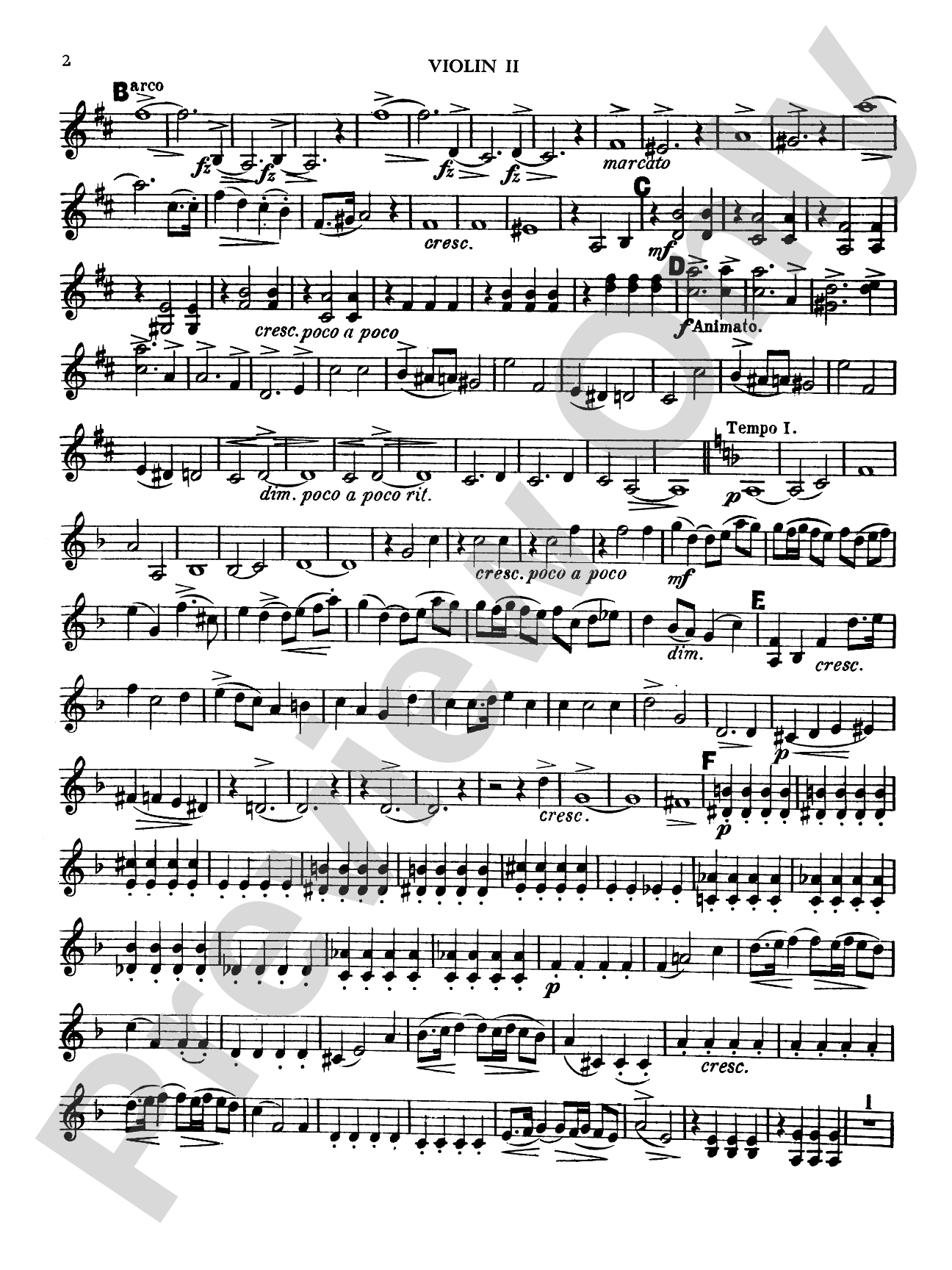
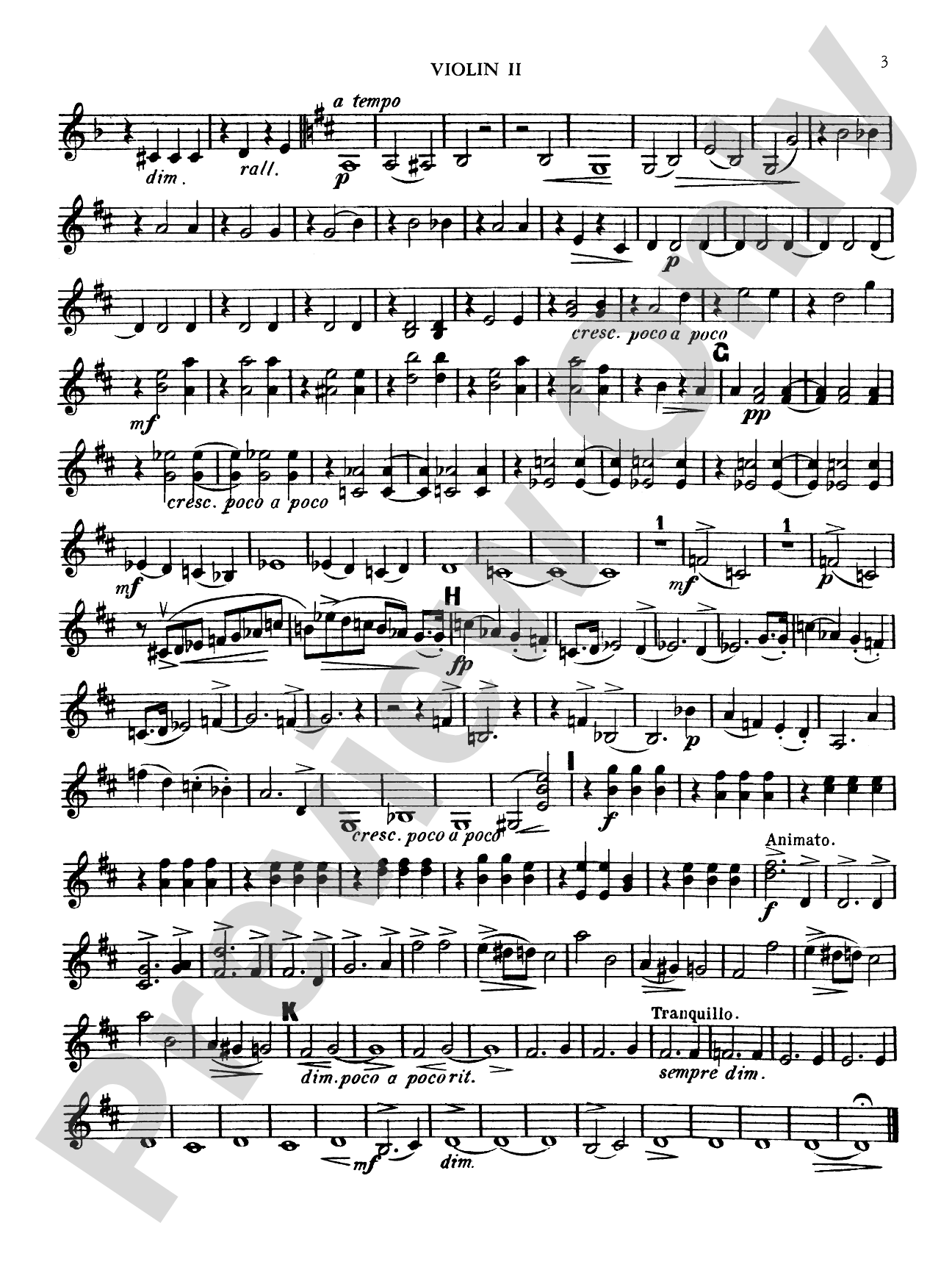
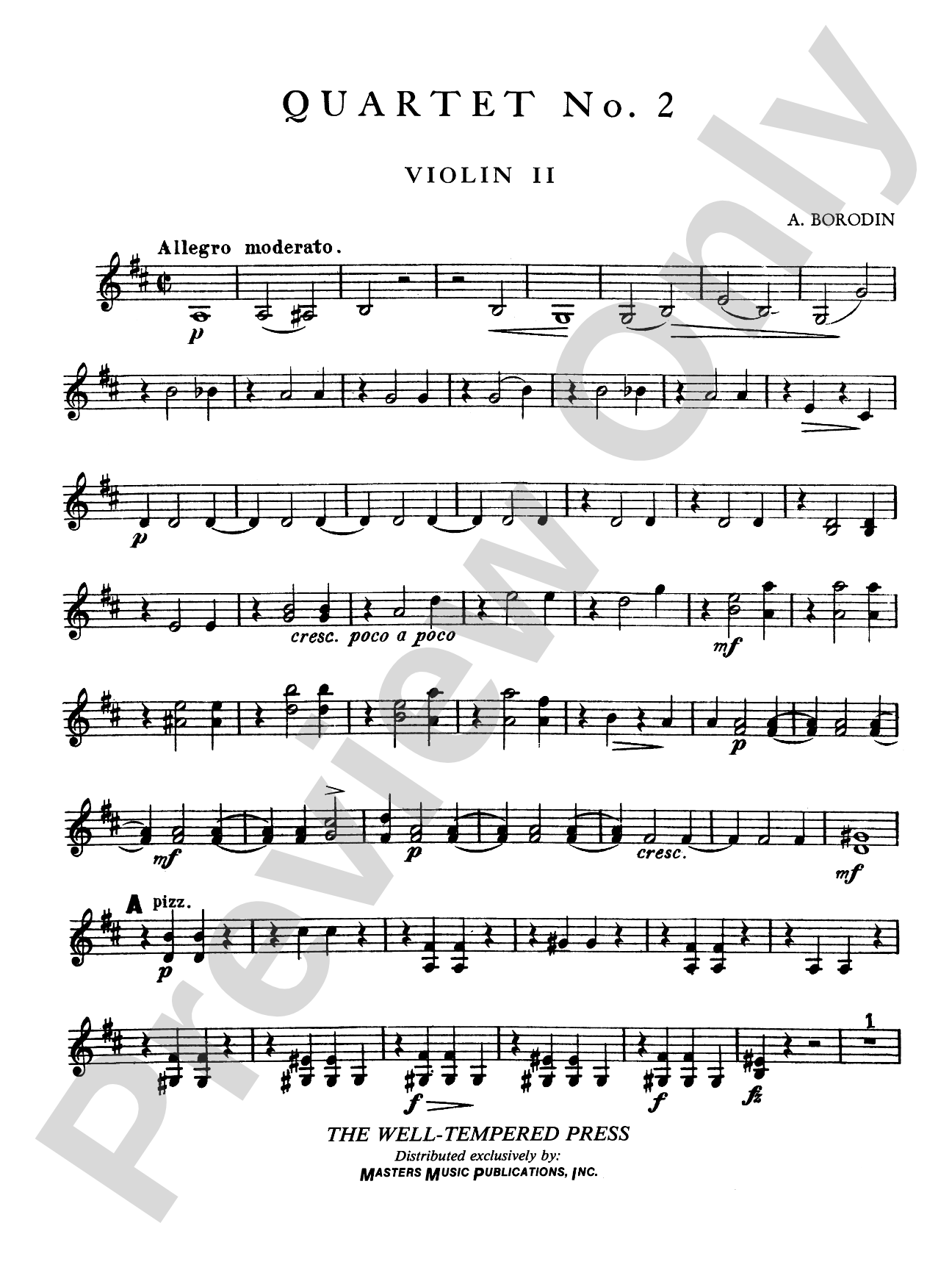
Borodin: String Quartet No. 2 in D Major Sheet Music Preview

Borodin: String Quartet No. 2 in D Major

By Alexander Borodin

Item: 00-PC-0005579

Digital Download
$2.99
Description
Expertly arranged String Quartet by Alexander Borodin from the Kalmus Edition series. This is from the Romantic era.

Borodin: String Quartet No. 2 in D Major isn't in MakeMusic Cloud just yet...but it could be. Let us know you'd like to see it, and you'll help shape what comes next. In the meantime, start a free trial and dive into thousands of interactive titles your students can play along with today.

Sample Audio
No sample audio found.
Sample Video
Additional Details
Series: Kalmus Edition
Publisher: Alfred Music
Page Count: 52
SKU: 00-PC-0005579

More about this title

About the Composer: Alexander Borodin

Alexander Borodin (1833-1887) was a Russian composer and chemist whose dual career shaped his distinctive musical voice. Though he composed fewer works than many of his contemporaries, each piece demonstrates remarkable melodic gift and harmonic sophistication, earning him recognition as a central figure of the Russian Romantic movement alongside Mussorgsky and Rimsky-Korsakov.

Borodin's string quartets represent some of the most lyrical and emotionally direct chamber music of the 19th century. His training as a chemist informed his meticulous approach to composition, and his quartets showcase careful structural planning alongside spontaneous-sounding, soaring melodies that define Russian Romanticism.

Why we love this

The D Major quartet opens with one of the most immediately memorable themes in chamber repertoire, giving your quartet an accessible entry point into Russian Romanticism without sacrificing musical substance. The orchestral richness Borodin achieves across four string parts, combined with its appeal to both performers and audiences, makes this a genuine crowd-pleaser at competitions and recitals.

What to expect

Borodin's lyricism unfolds with the warmth of Russian song, evoking expansiveness and emotional generosity. The work balances intimacy in quieter passages with moments of dramatic intensity, creating a journey that feels both inevitable and surprising.

Who it's for

Advanced amateur and professional string quartets preparing for competitions, festivals, or concert repertoire will find this a natural choice. University chamber music ensembles and serious student quartets seeking substantial Romantic-era repertoire that rewards close study will benefit from Borodin's sophisticated writing.

How to get the most out of it

  • Shape the opening theme with vocal phrasing; Borodin conceived this melody as a song, so resist the temptation to mechanize rhythmic figures and instead lean into the lyrical line.
  • Balance the first violin's soloistic moments against the harmonic web of the lower three parts—they should support without disappearing, creating luminous sonority rather than a thin melody with accompaniment.
  • Attend to the dramatic shift in character between movements; the contrast between the lyrical first movement and the scherzo-like energy of the second defines the work's arc.
  • Use the Kalmus edition's clear score layout to rehearse vertical alignment in passages where the four parts move in counterpoint, particularly in development sections where transparency matters.

How to use it

Program this as a centerpiece for a chamber music recital exploring Russian Romanticism, pairing it with works by Tchaikovsky or Glazunov for thematic coherence. Its popular appeal makes it effective as a standalone festival or competition performance, where the immediate melodic accessibility will resonate while the musical substance satisfies discerning listeners.

Skills your students will build

  • Sustaining and shaping long lyrical lines across multiple movements
  • Balancing solo and ensemble roles within a four-part texture
  • Interpreting Russian Romantic style and its characteristic harmonic language
  • Achieving transparency in counterpoint-driven passages
  • Executing the dramatic and textural contrasts between movements

You May Also Like