Borodin: Scherzo and Petite Suite
By Alexander Borodin
Level: Intermediate / Advanced
Item: 00-PC-0014103
Pickup currently not available
Description
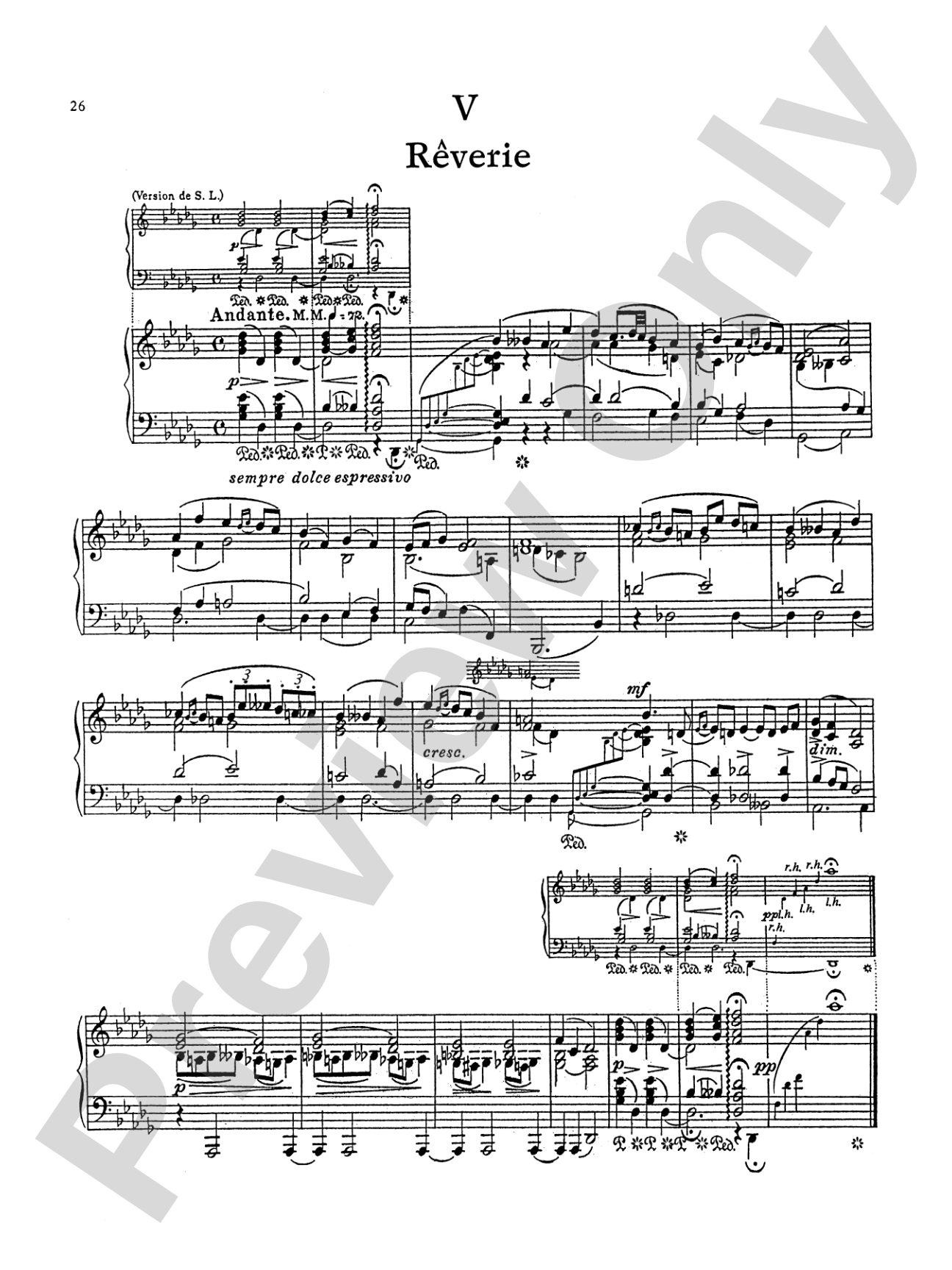
Don't just read it, hear it, play along with it, and watch your students grow with it. In MakeMusic Cloud, Borodin: Scherzo and Petite Suite comes alive with professional accompaniment, adjustable tempo, and built-in practice tools that turn solo practice into real progress.
Jump straight in and assign it today.
Open this title and explore the full library in minutes.
Sample Audio
Sample Video
Additional Details
More about this title
About the Composer: Alexander Borodin
Alexander Borodin (1833–1887) was a Russian composer and chemist whose dual careers shaped his distinctive musical voice. Though he composed fewer works than many of his contemporaries, each piece reveals sophisticated harmonic language and melodic gift, often infused with Russian nationalist character. His training in both sciences and music gave him a meticulous approach to form and orchestration that influenced generations of Russian composers.
Why we love this
These pieces showcase Borodin's gift for lyrical melody and chromatic harmony in a format that rewards careful listening from both performer and audience. The Petite Suite is remarkable for its programmatic coherence—each movement tells a distinct emotional story while remaining musically substantial—making it ideal for recital programming that values narrative depth over virtuosic display. The contrast between the reflective character pieces and the energetic Scherzo offers performers real interpretive choices about tempo, voicing, and pedal.
What to expect
These pieces move between intimate emotional worlds, from the devotional reverence of a monastery to the swaying romance of a serenade. Borodin's harmonic language feels both 19th-century Russian and surprisingly modern, with chromatic shifts that create subtle color changes throughout. The Scherzo brings spirited energy and wit, while the Petite Suite invites performers into a series of musical daydreams, each with its own mood and texture.
Who it's for
Intermediate to advanced pianists preparing repertoire for recitals or competitions who seek substantial Romantic-era material beyond the most frequently performed works. Teachers looking to introduce students to Russian compositional voice and chromatic harmony will find these pieces pedagogically rewarding without requiring virtuosic technique.
How to get the most out of it
- Shape each movement of the Petite Suite as a self-contained story; resist the temptation to rush the slower pieces or treat the dances as mere interludes.
- Balance the chromatic voice-leading in movements like Au couvent by allowing inner lines to emerge without sacrificing overall harmonic clarity.
- In the Mazurkas and Intermezzo, maintain the character of the dance rhythms through subtle articulation rather than metronomic exactness.
- Use the pedal selectively in the Nocturne to sustain harmonic color without muddying the delicate layering of voices.
How to use it
The Petite Suite works beautifully as a complete standalone work on a recital, offering variety within unity that keeps audiences engaged across seven connected movements. Alternatively, select individual movements for shorter programs, pairing Au couvent with other devotional pieces or grouping the dances together for a lighter concert segment. The Scherzo pairs well with other mid-Romantic character pieces that favor melody and harmonic color over technical display.
Skills your students will build
- Reading and executing chromatic voice-leading across multiple registers
- Interpreting character pieces with programmatic content through tempo, pedal, and articulation choices
- Managing the harmonic ambiguity created by extended tonalities and secondary key areas
- Sustaining lyrical lines while maintaining textural clarity in richly voiced passages
- Understanding the relationship between dance rhythms (Mazurka, Minuet) and their expressive variation