
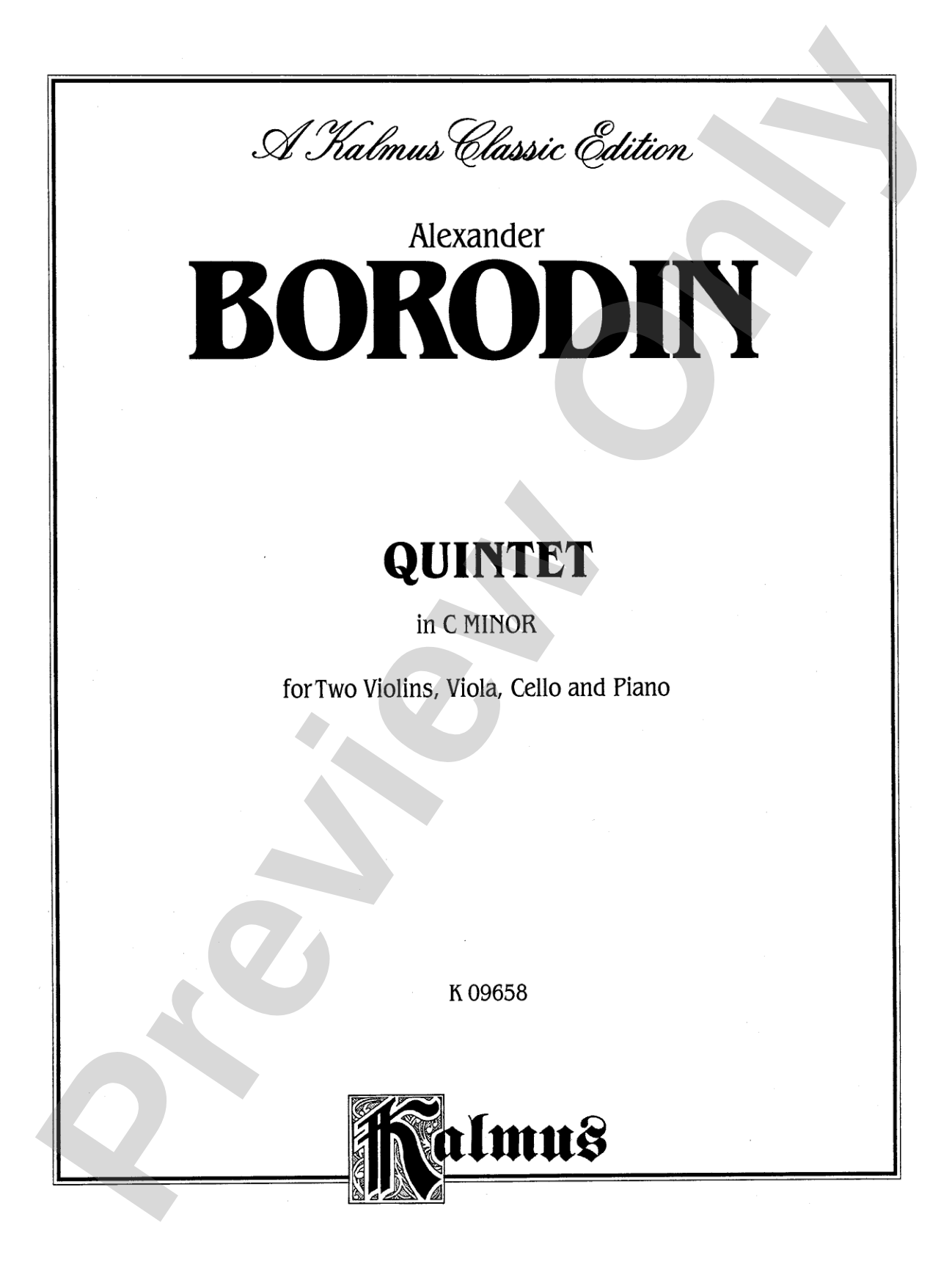

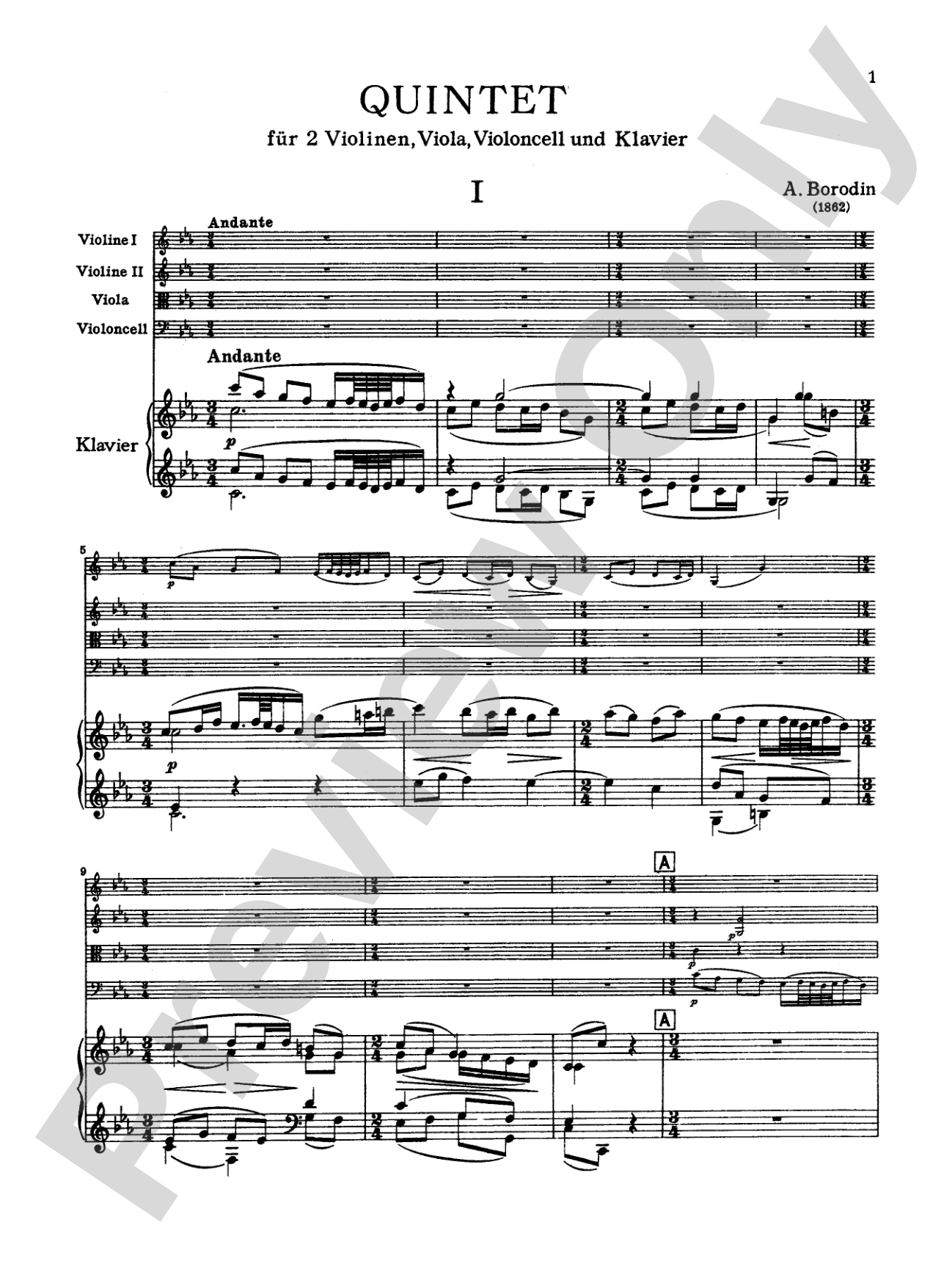
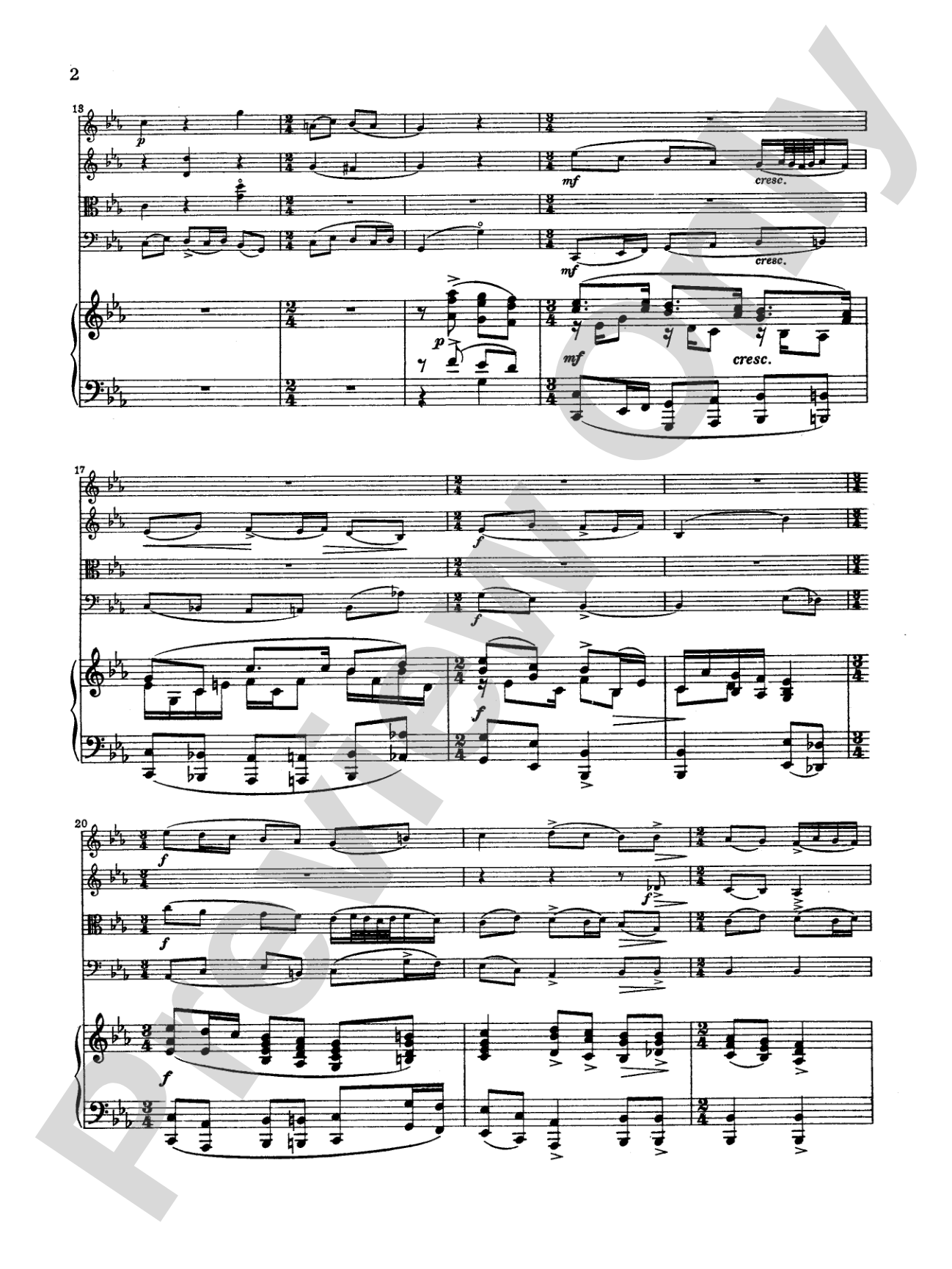
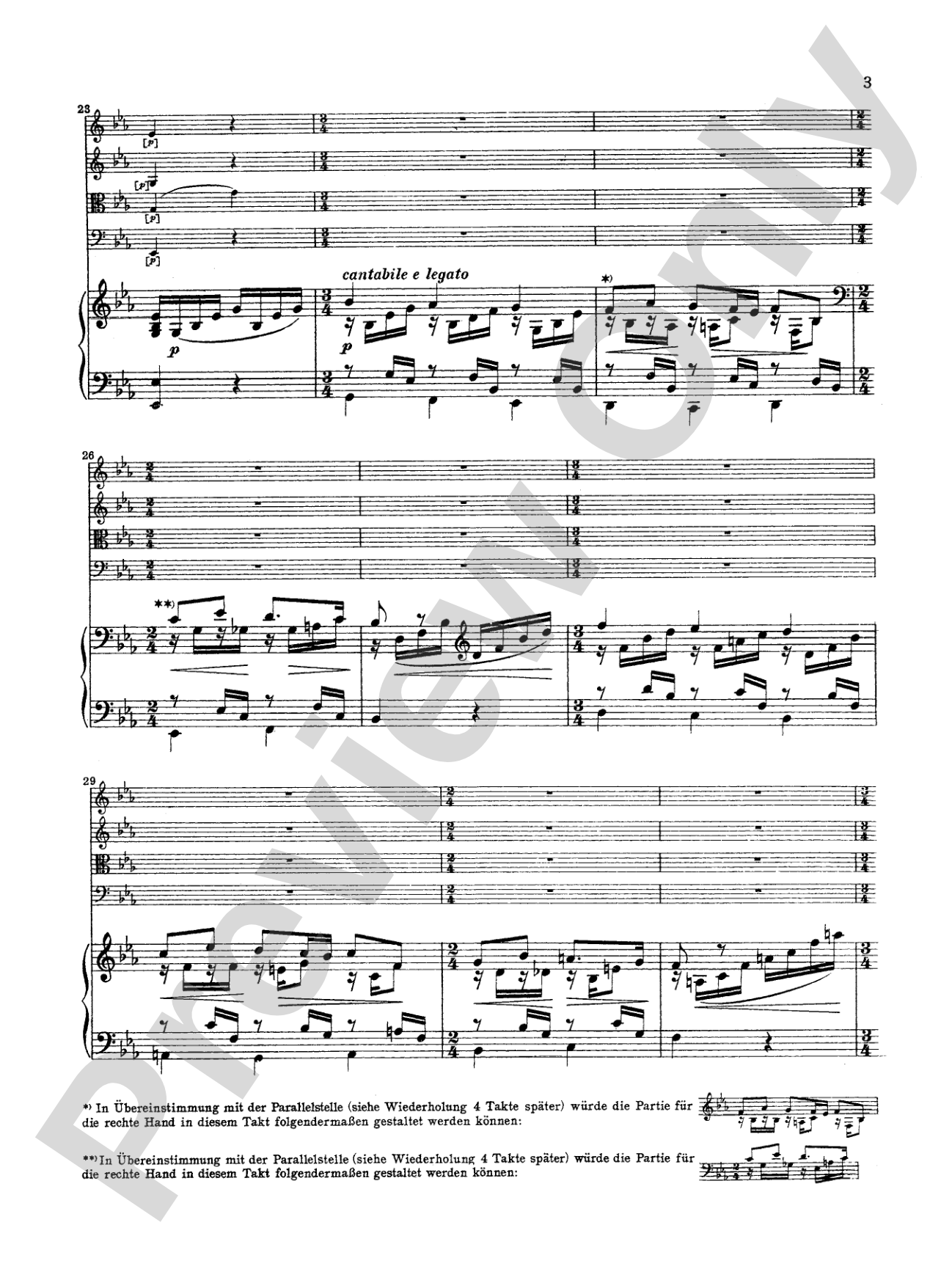
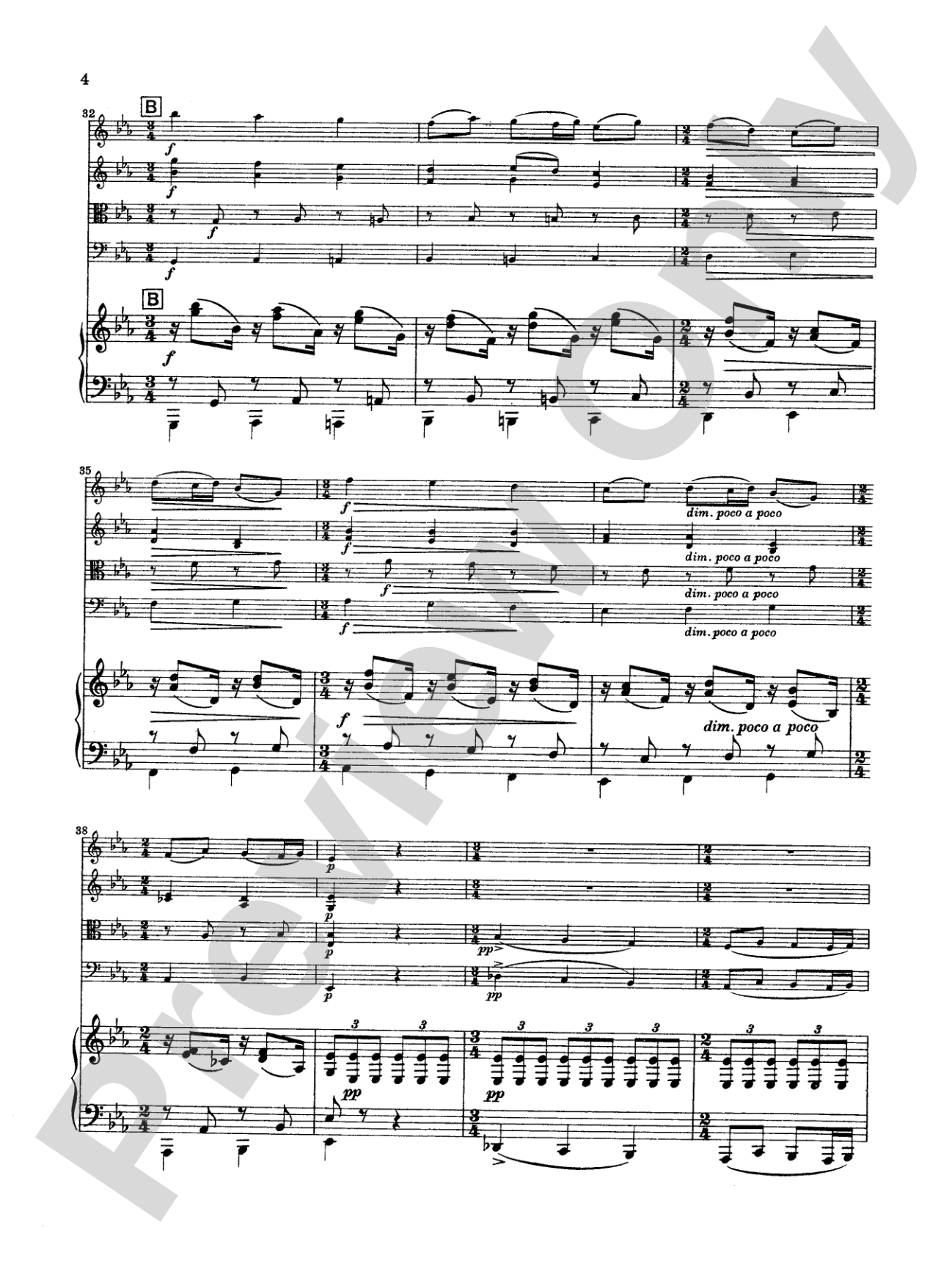
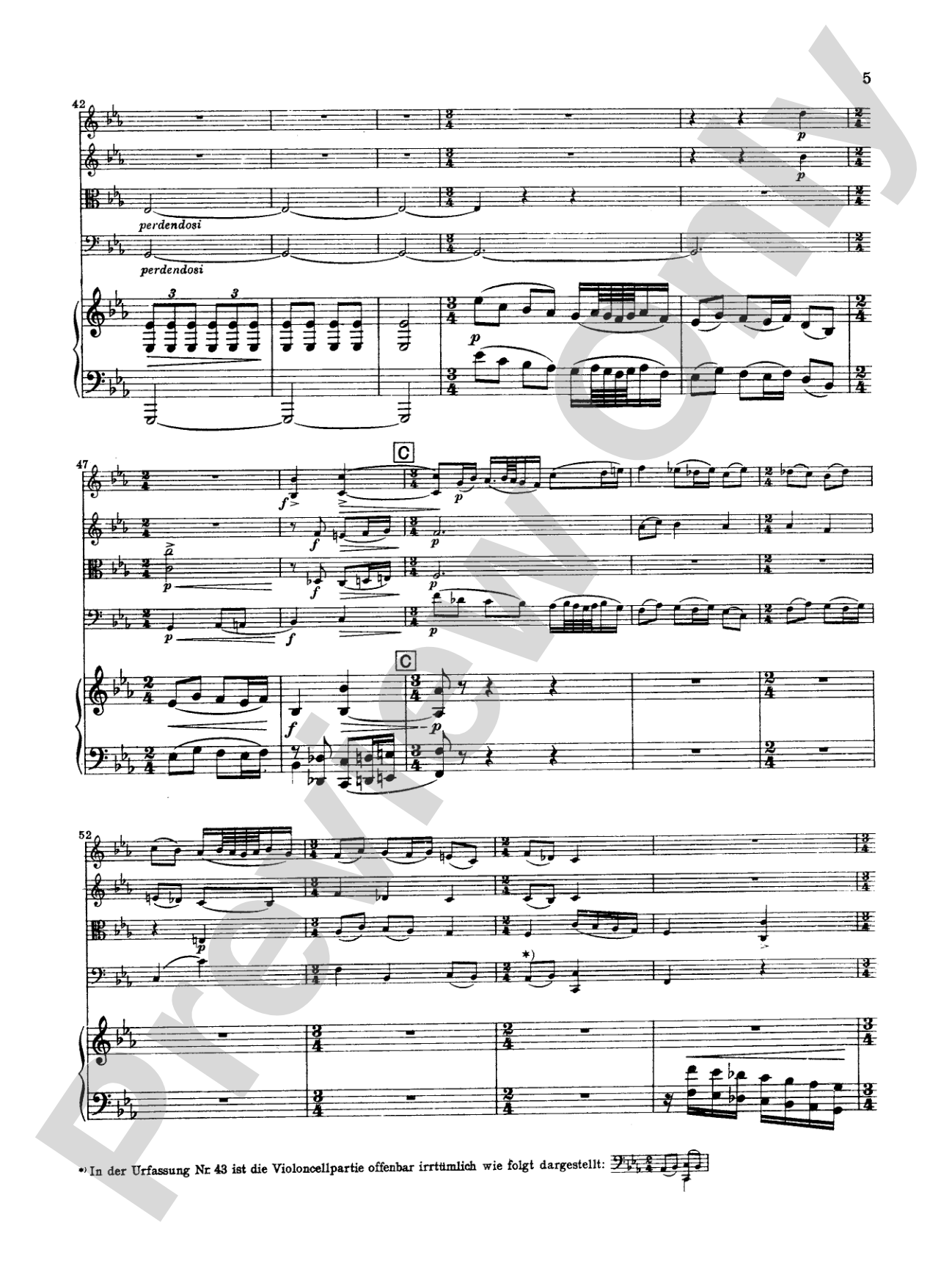
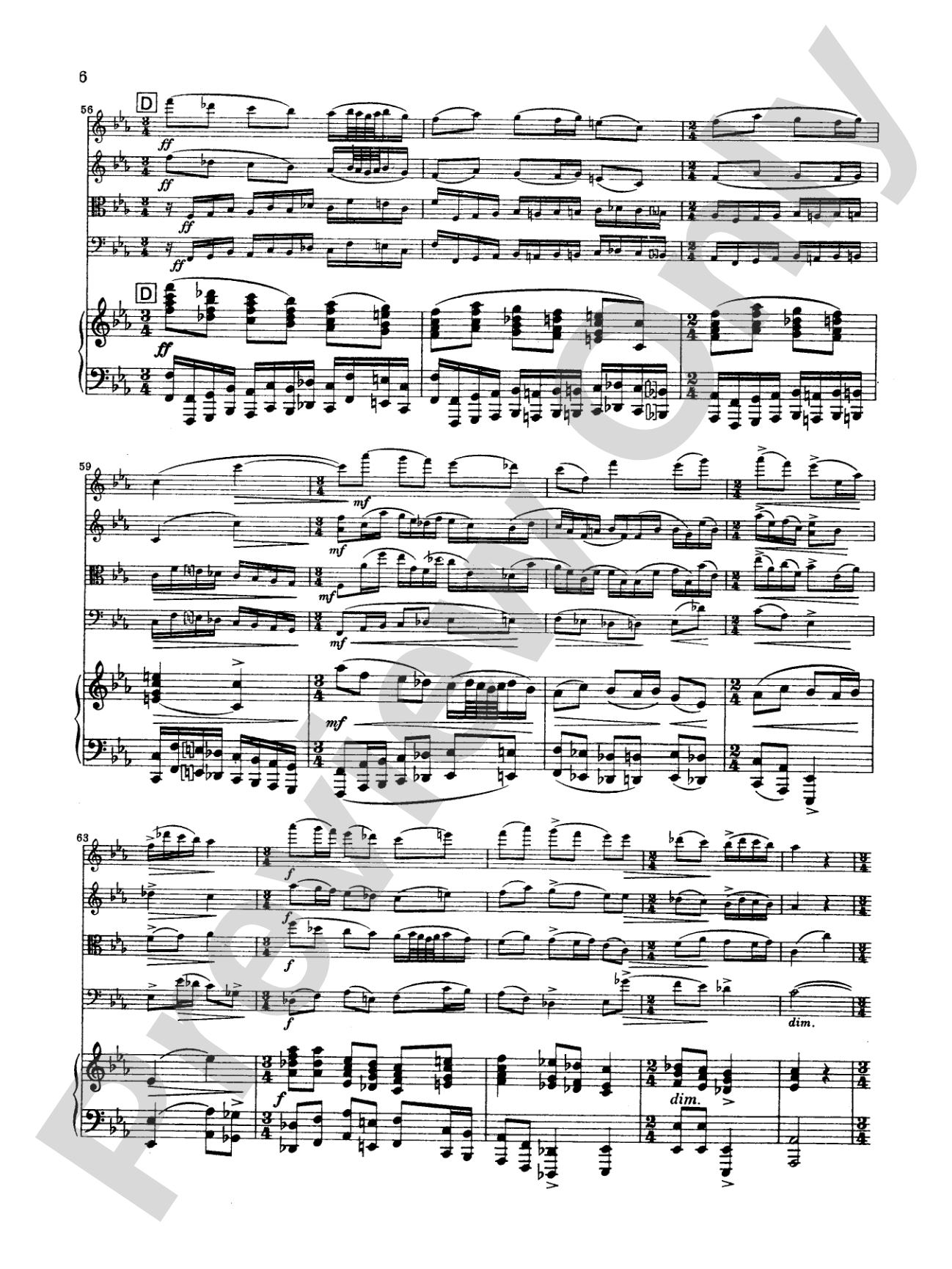
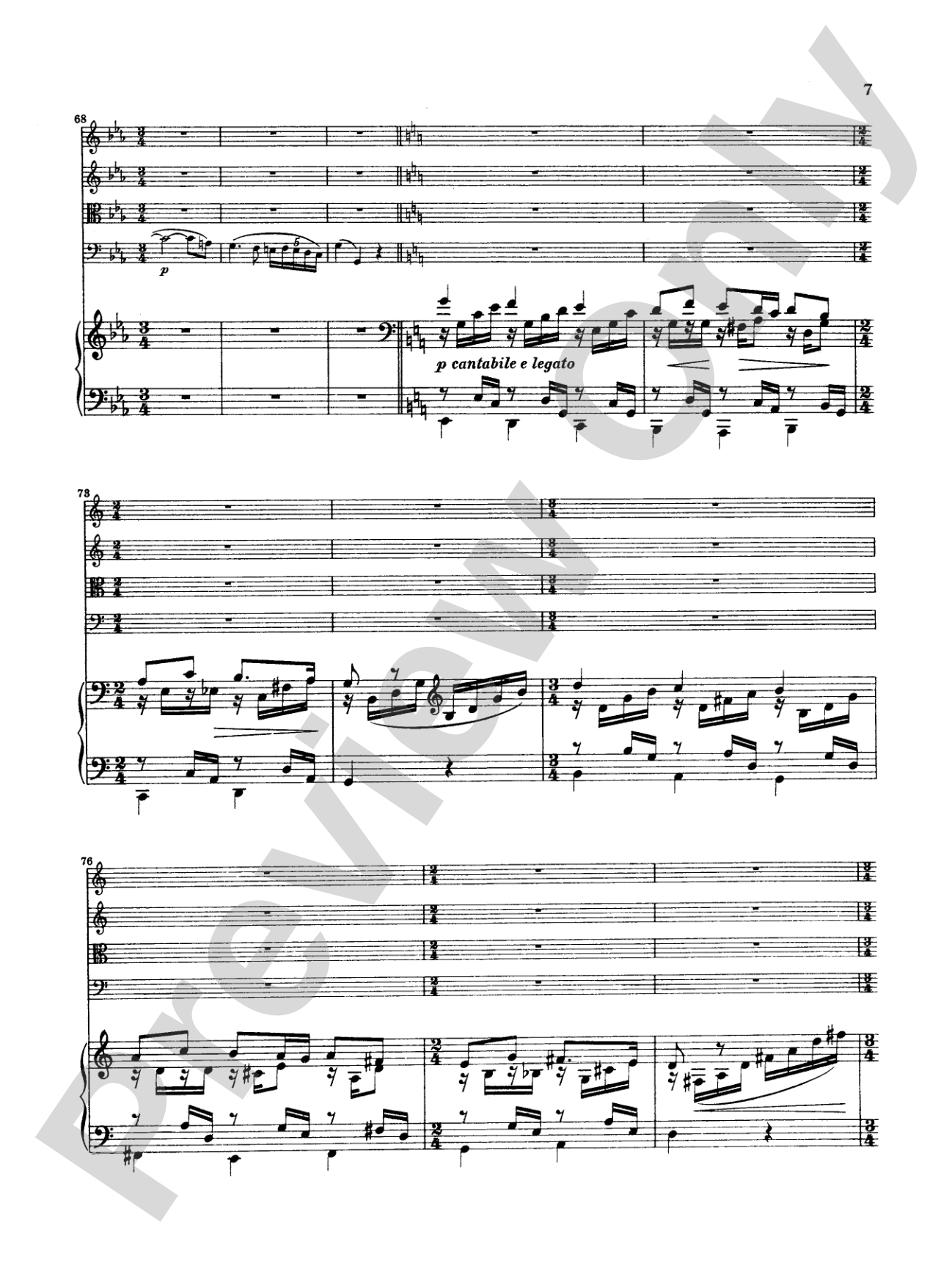
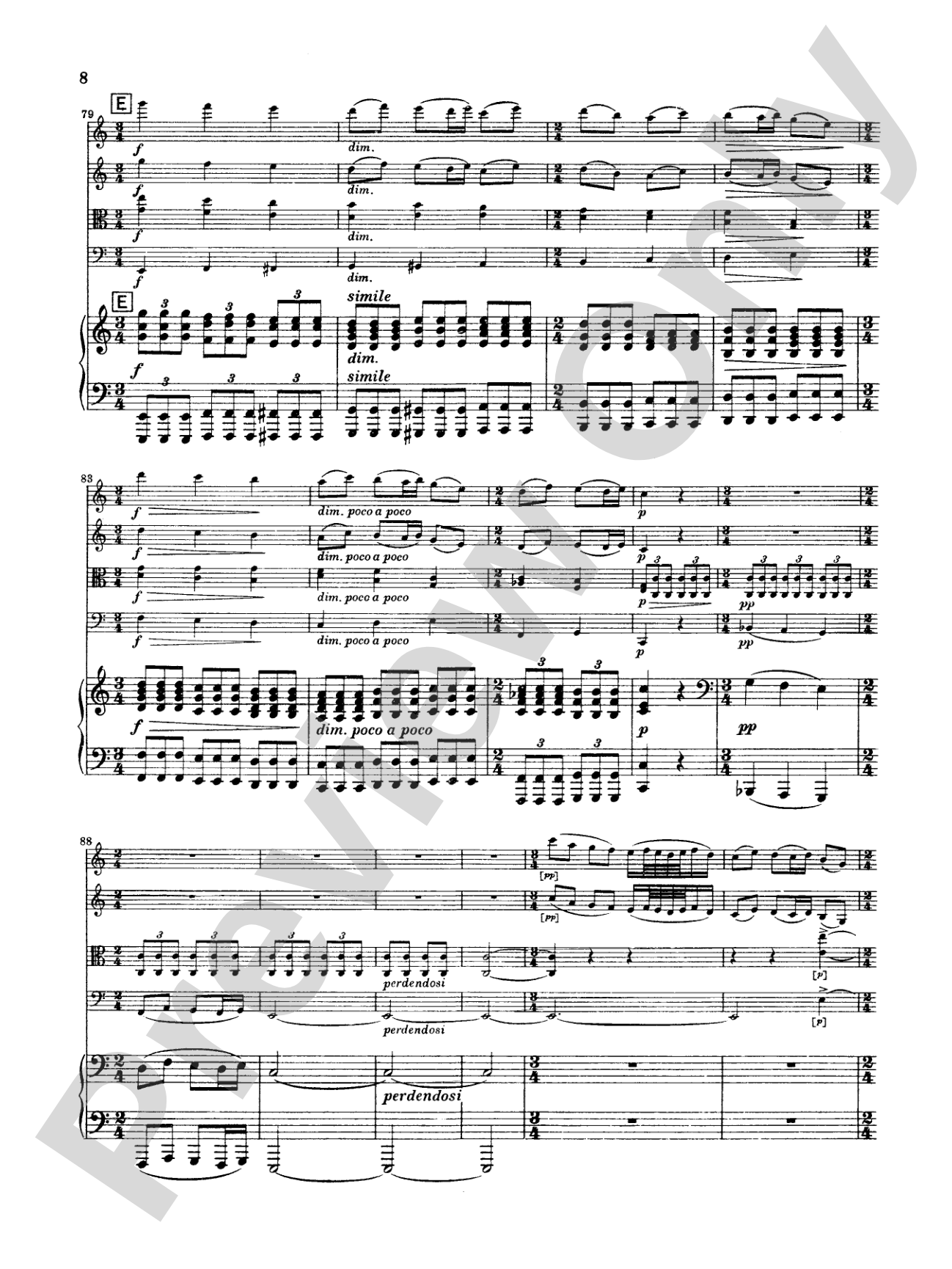
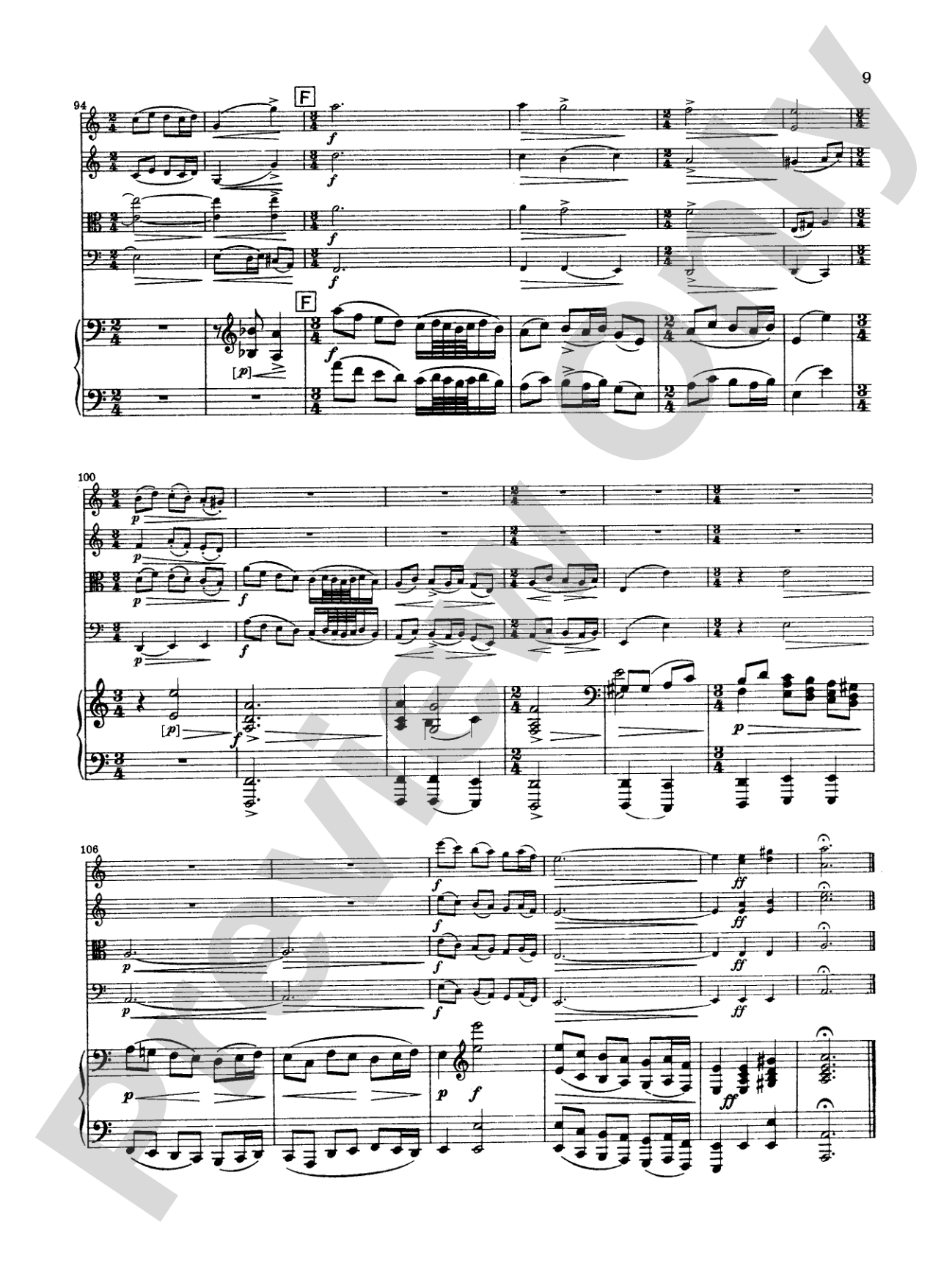
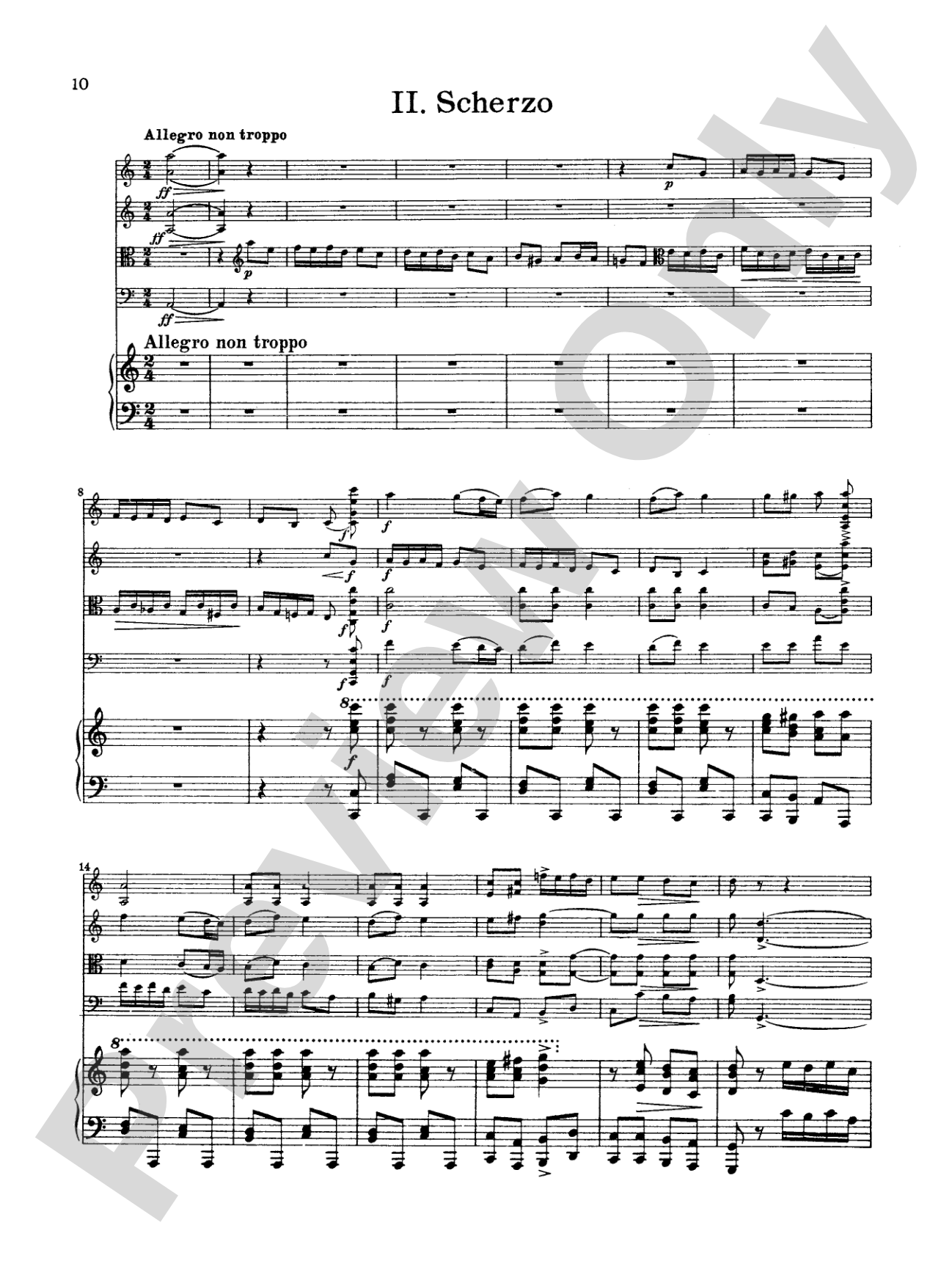
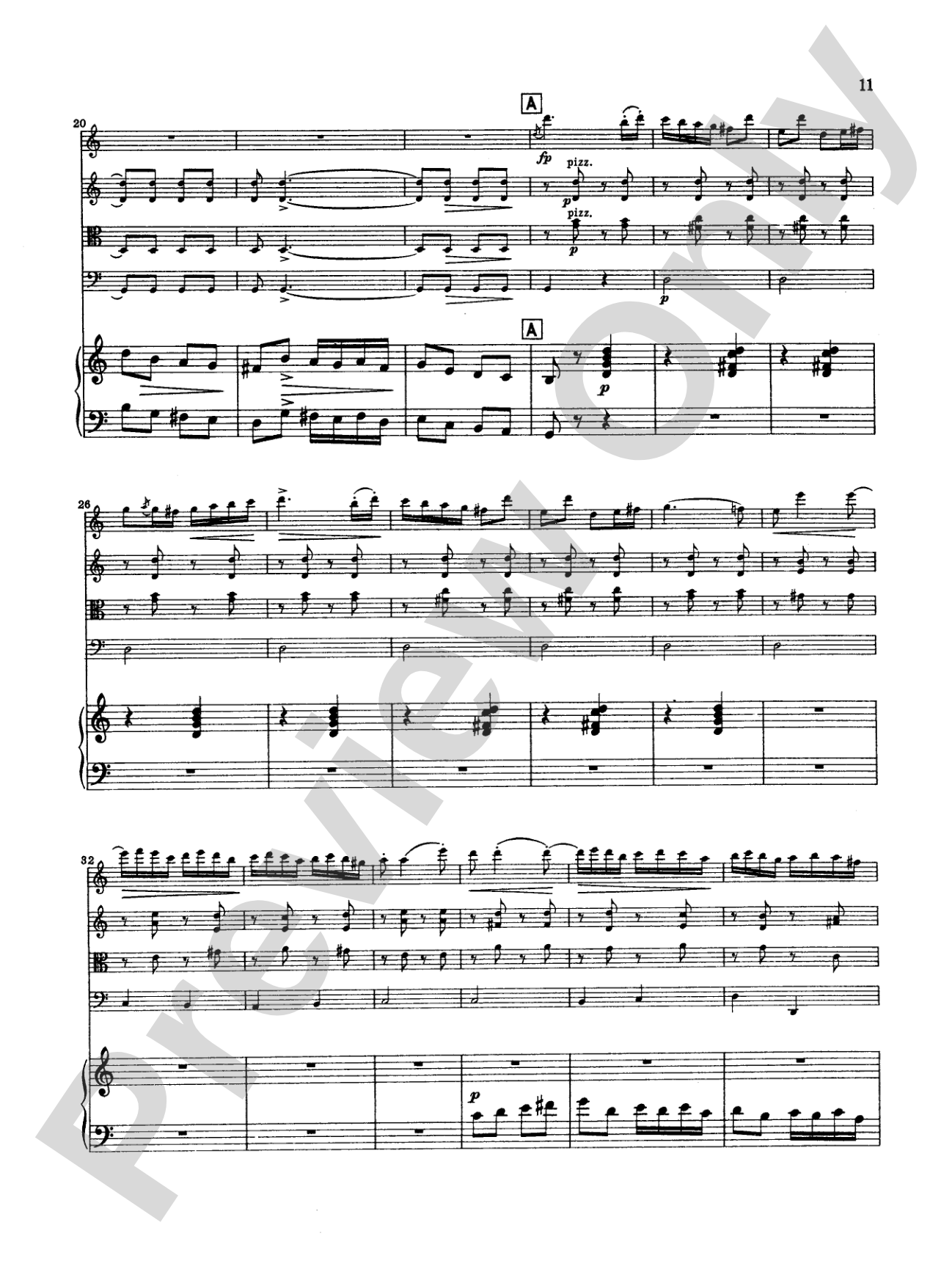
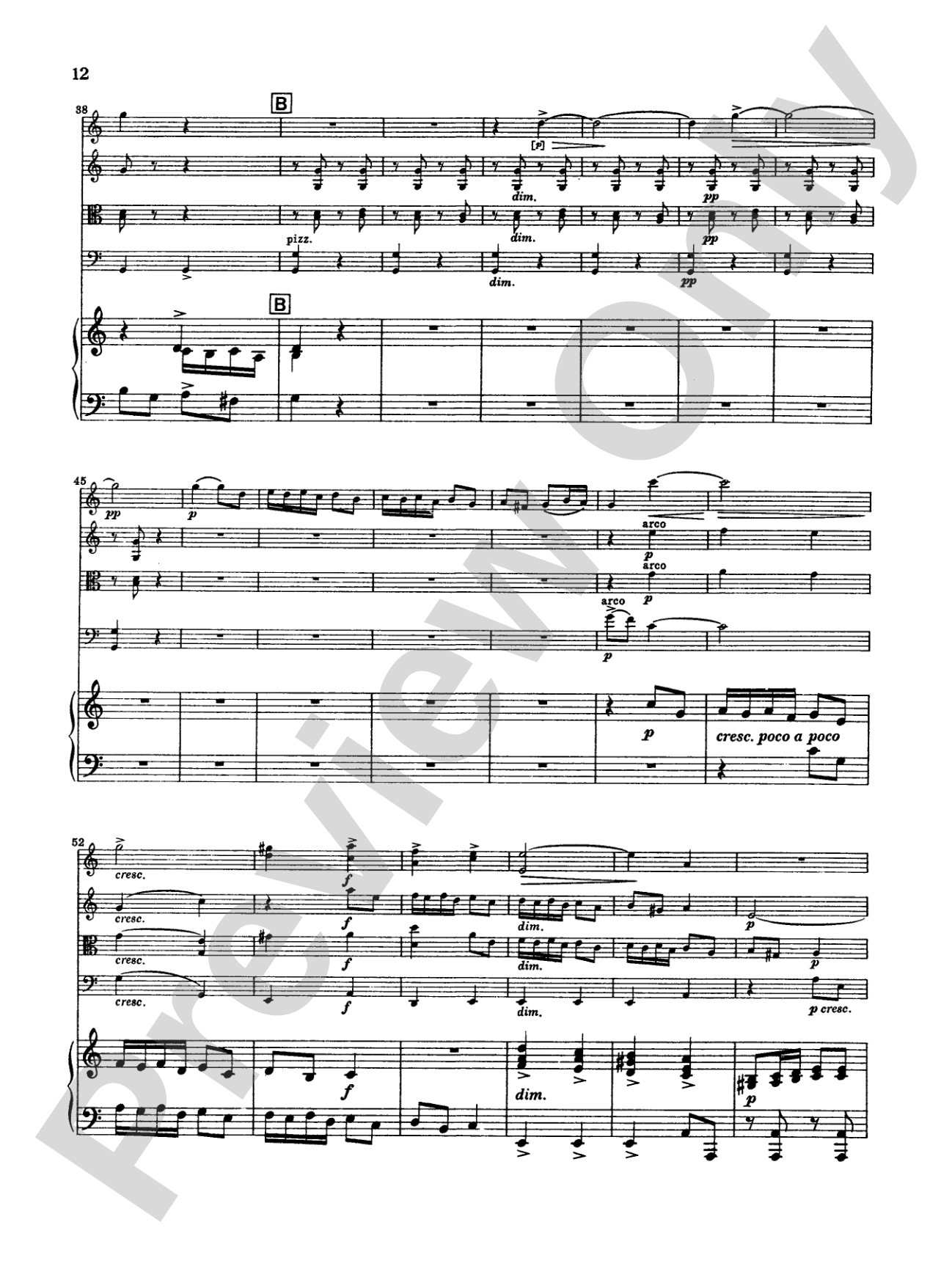
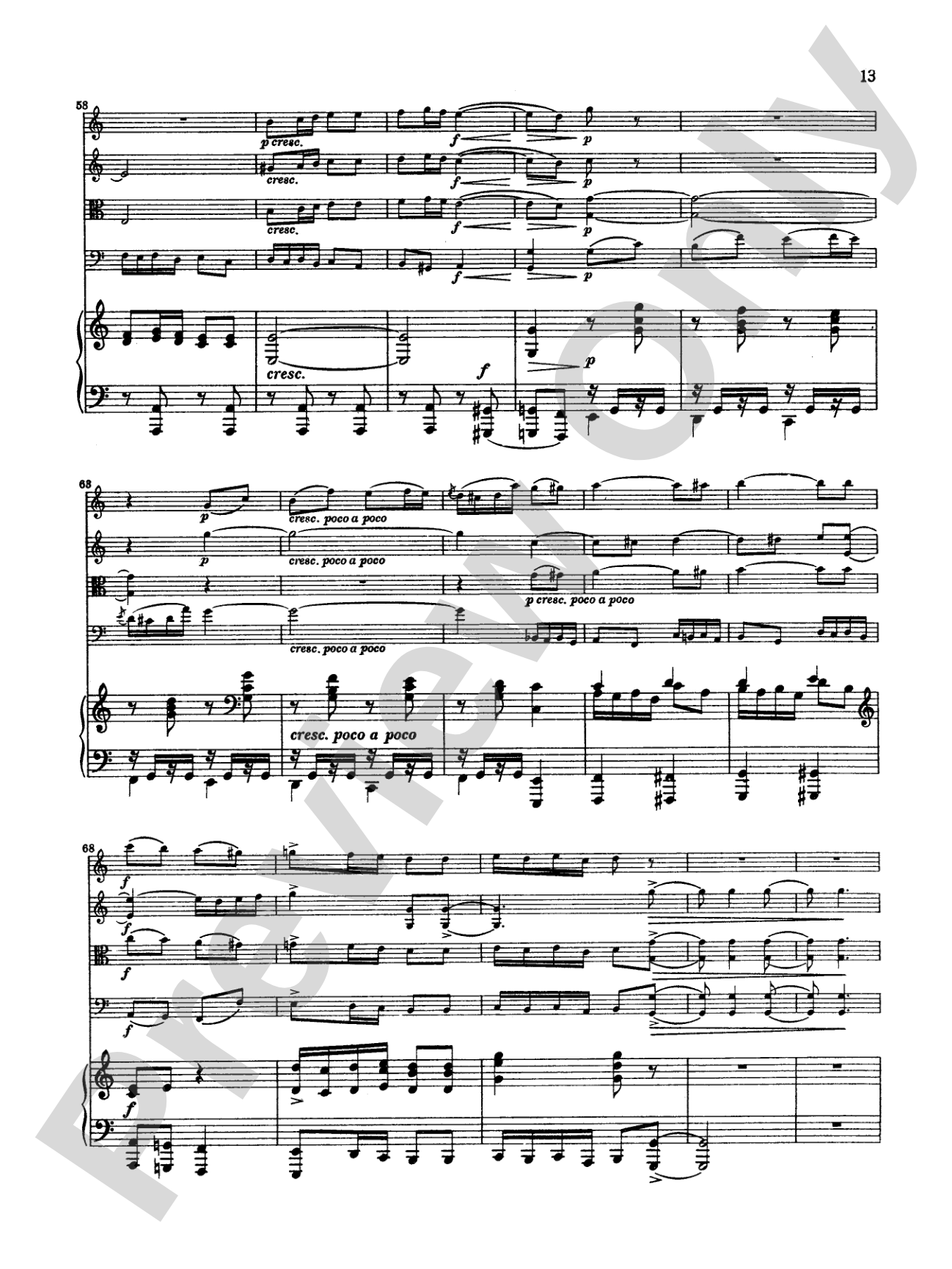
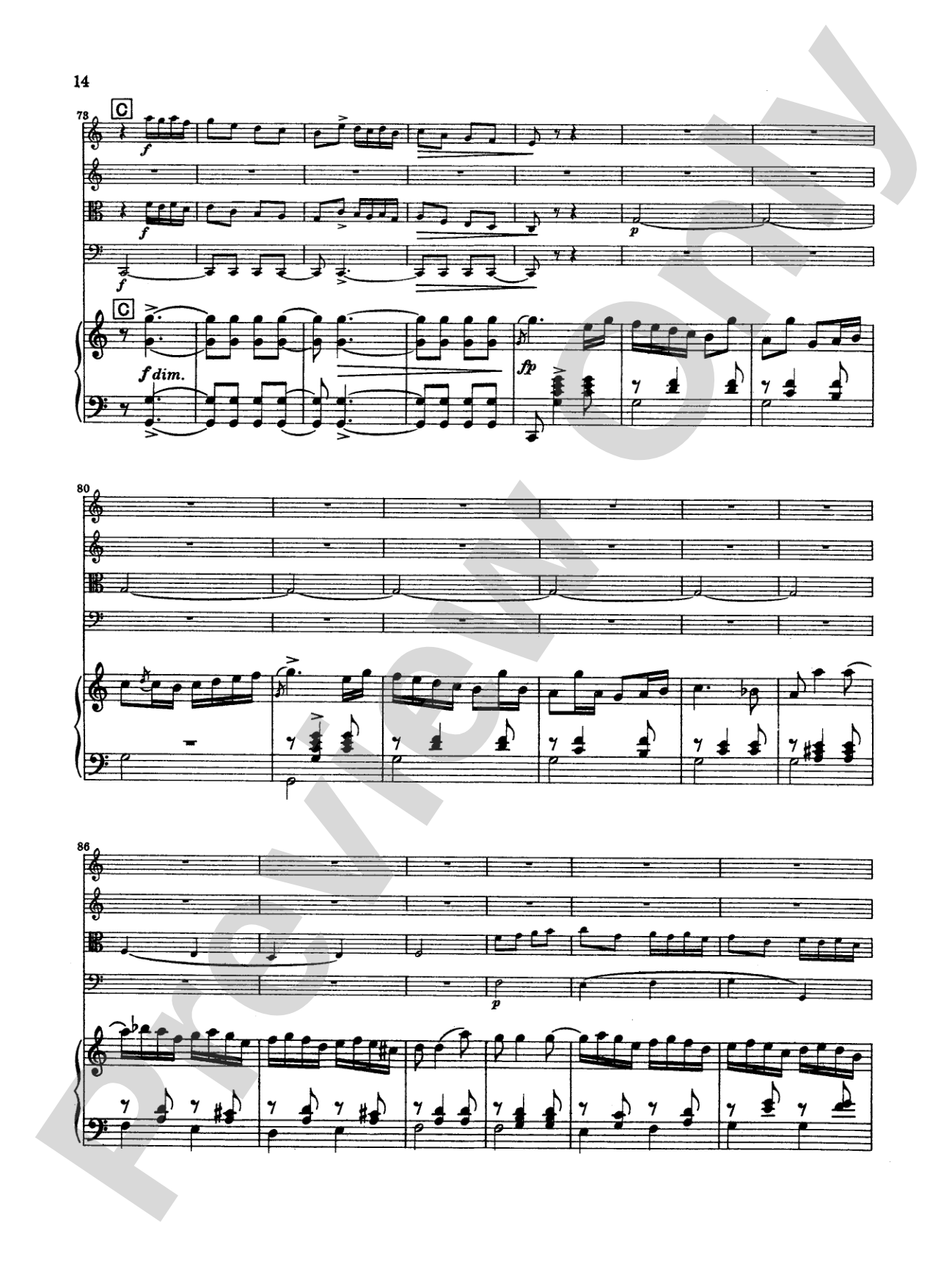
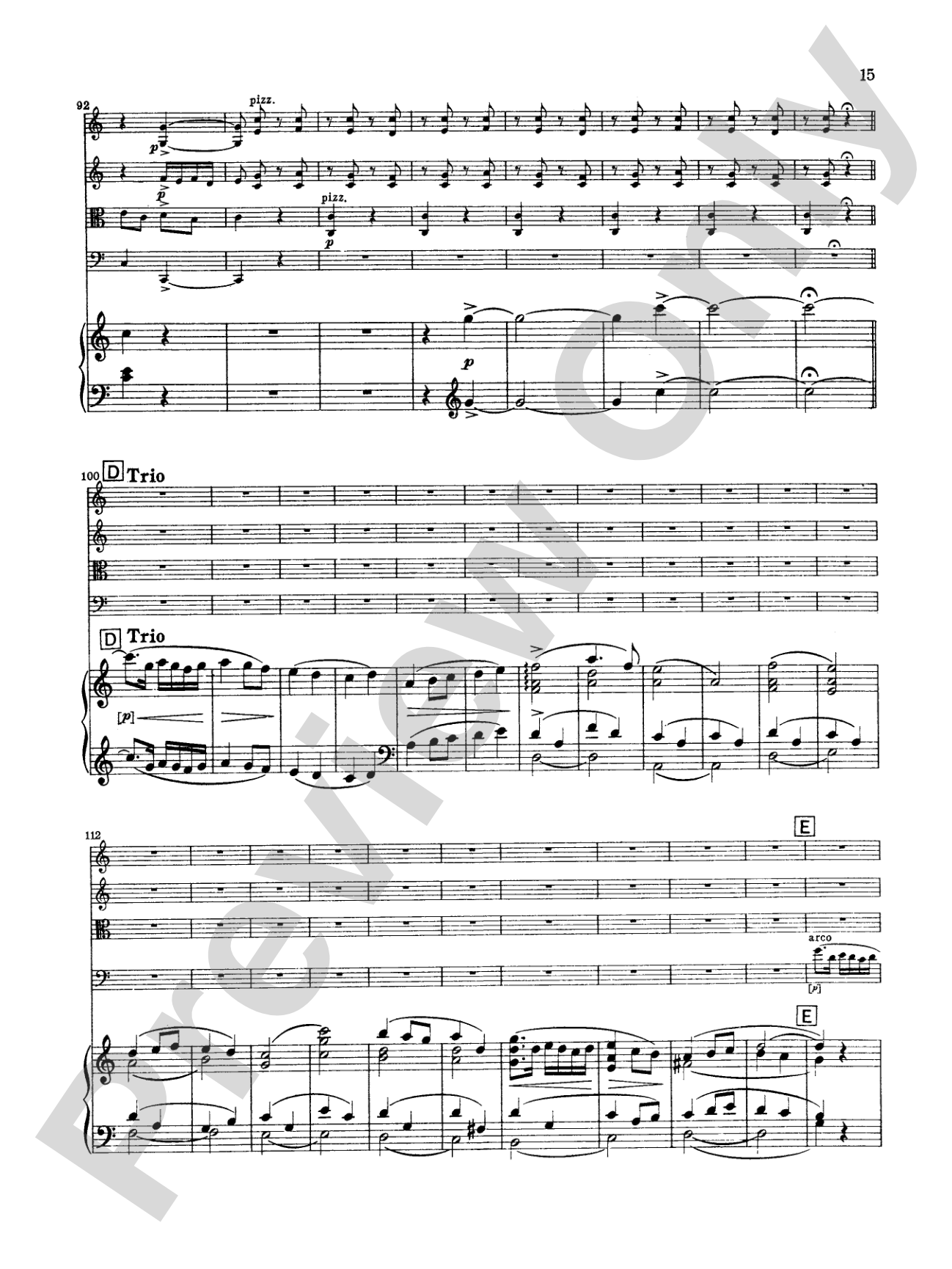
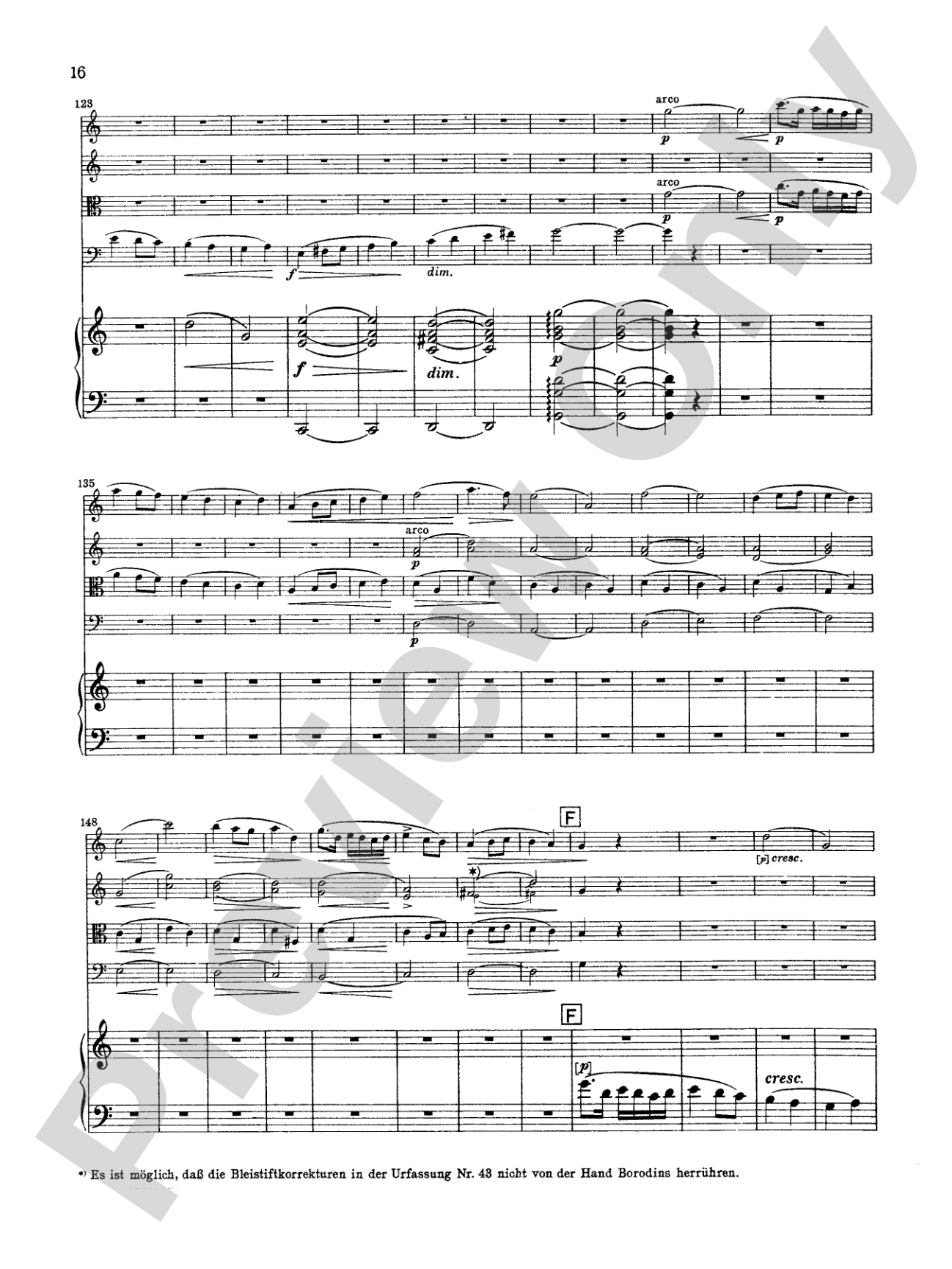
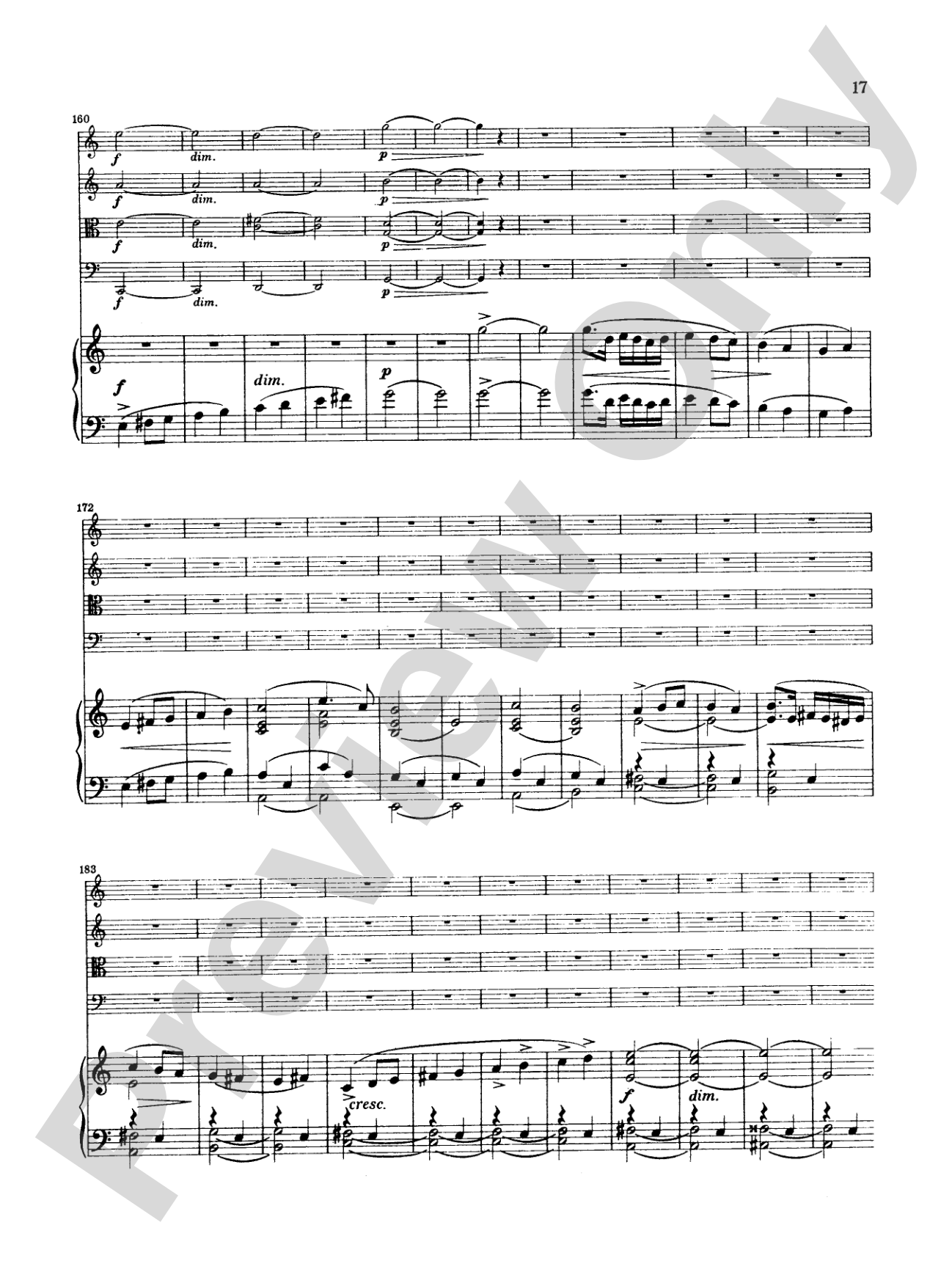
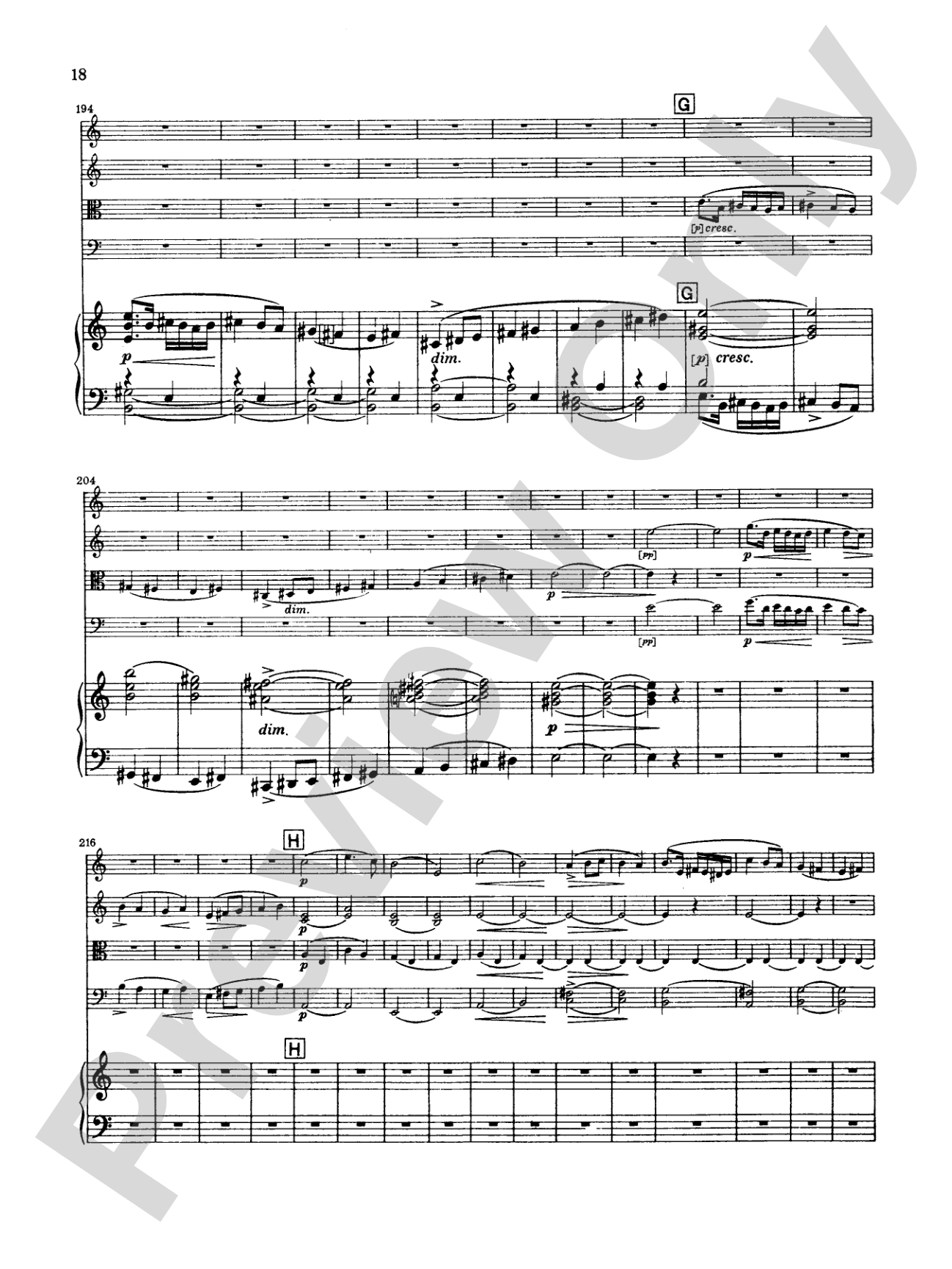
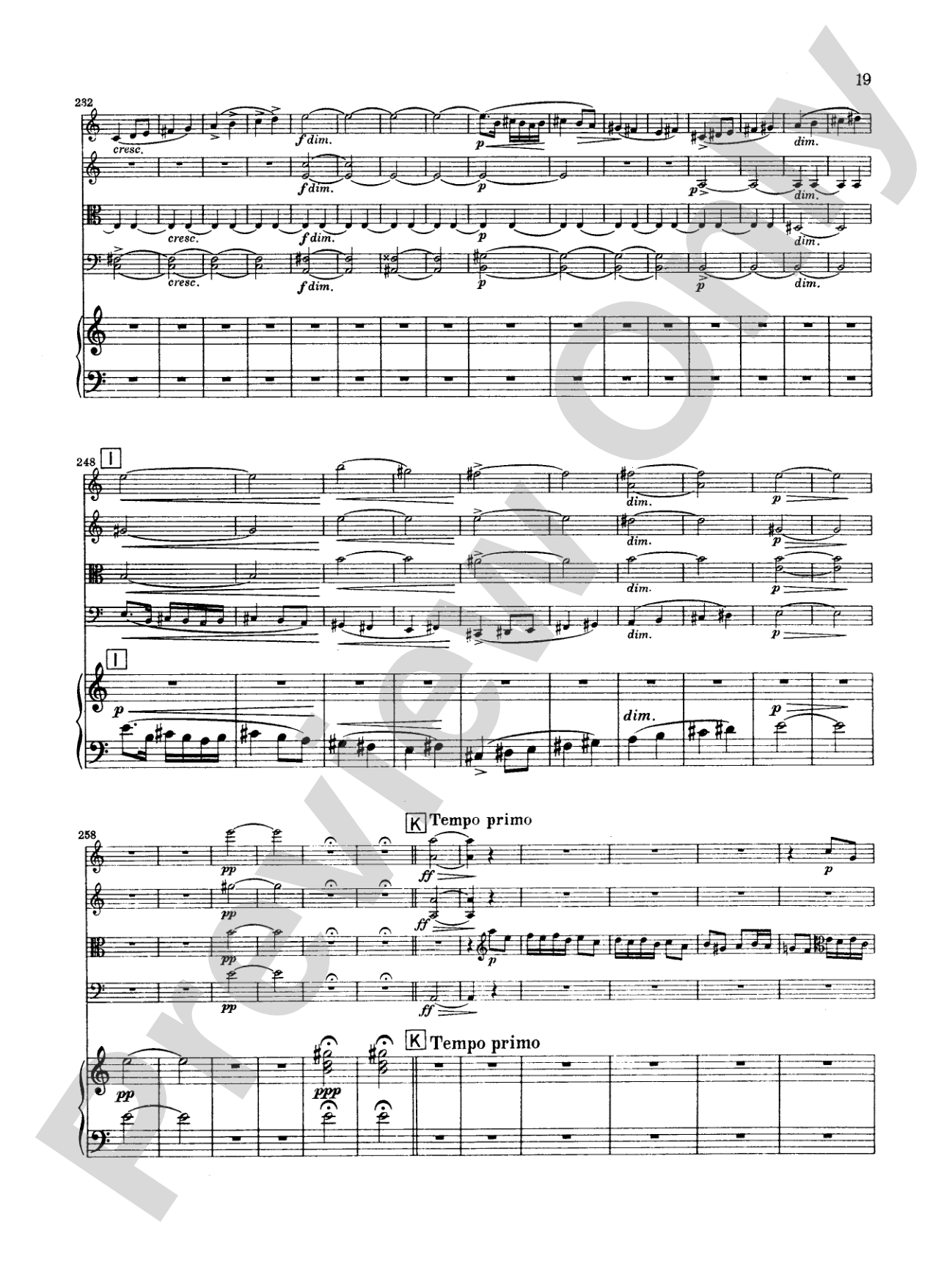
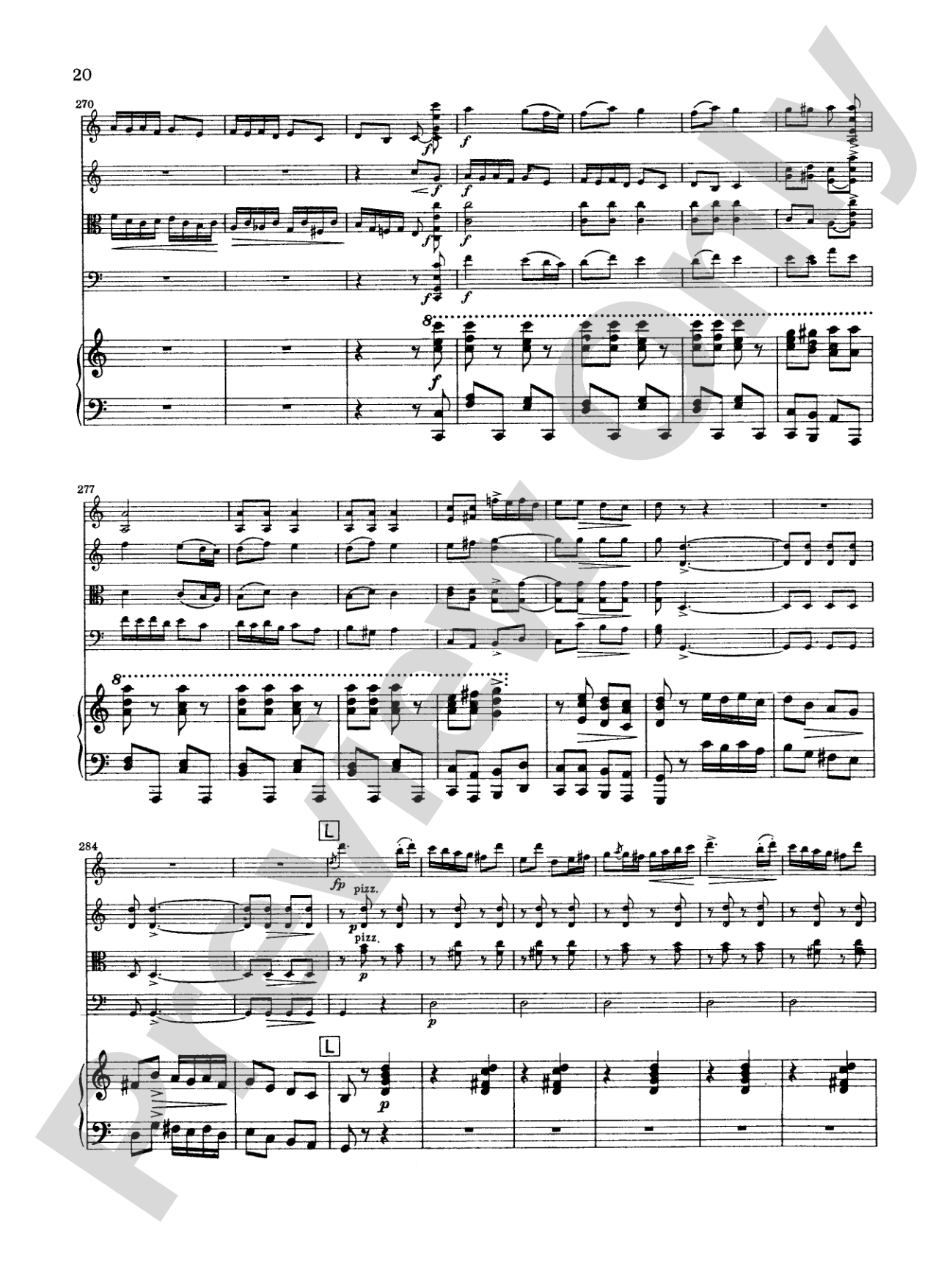
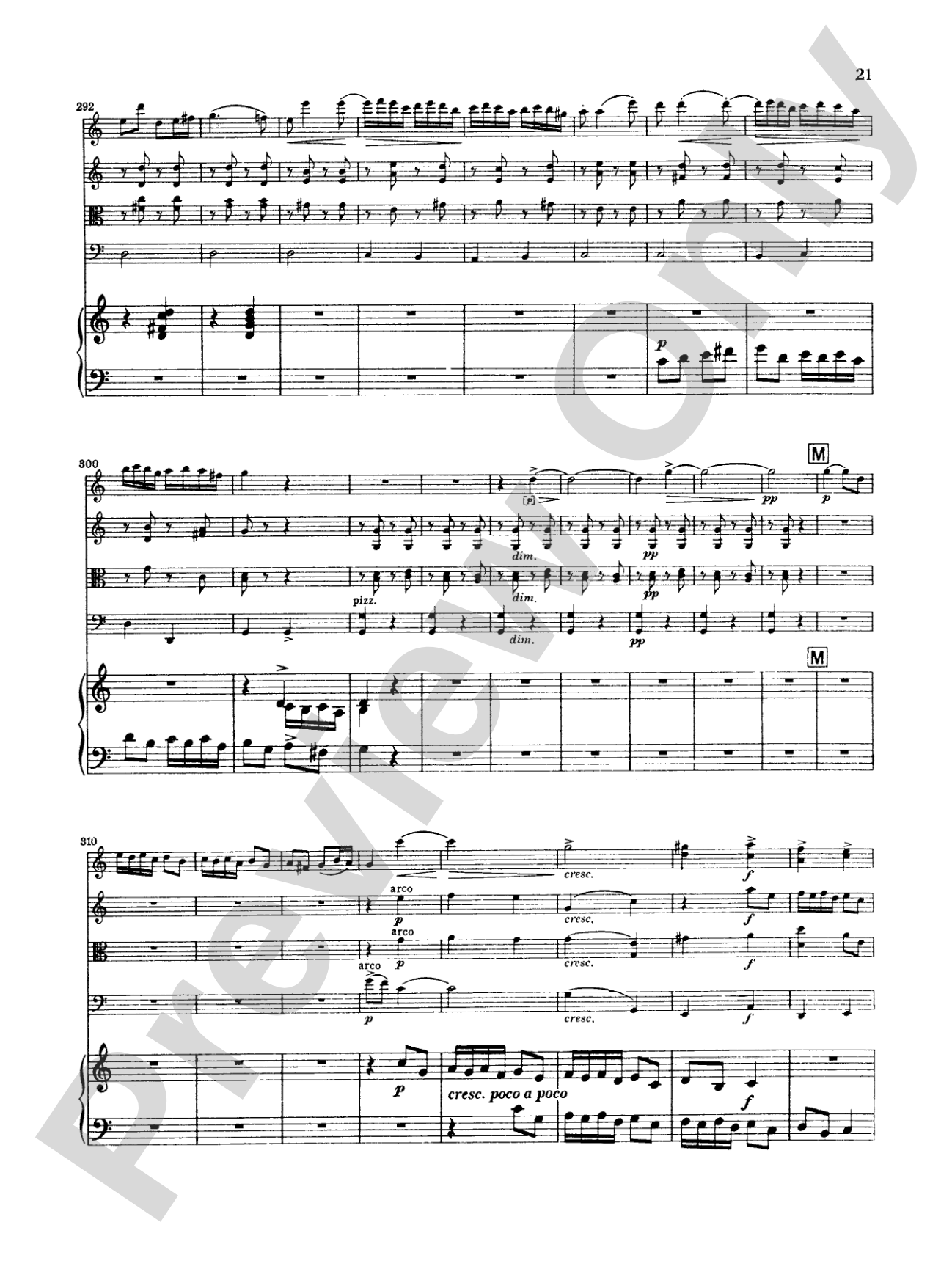
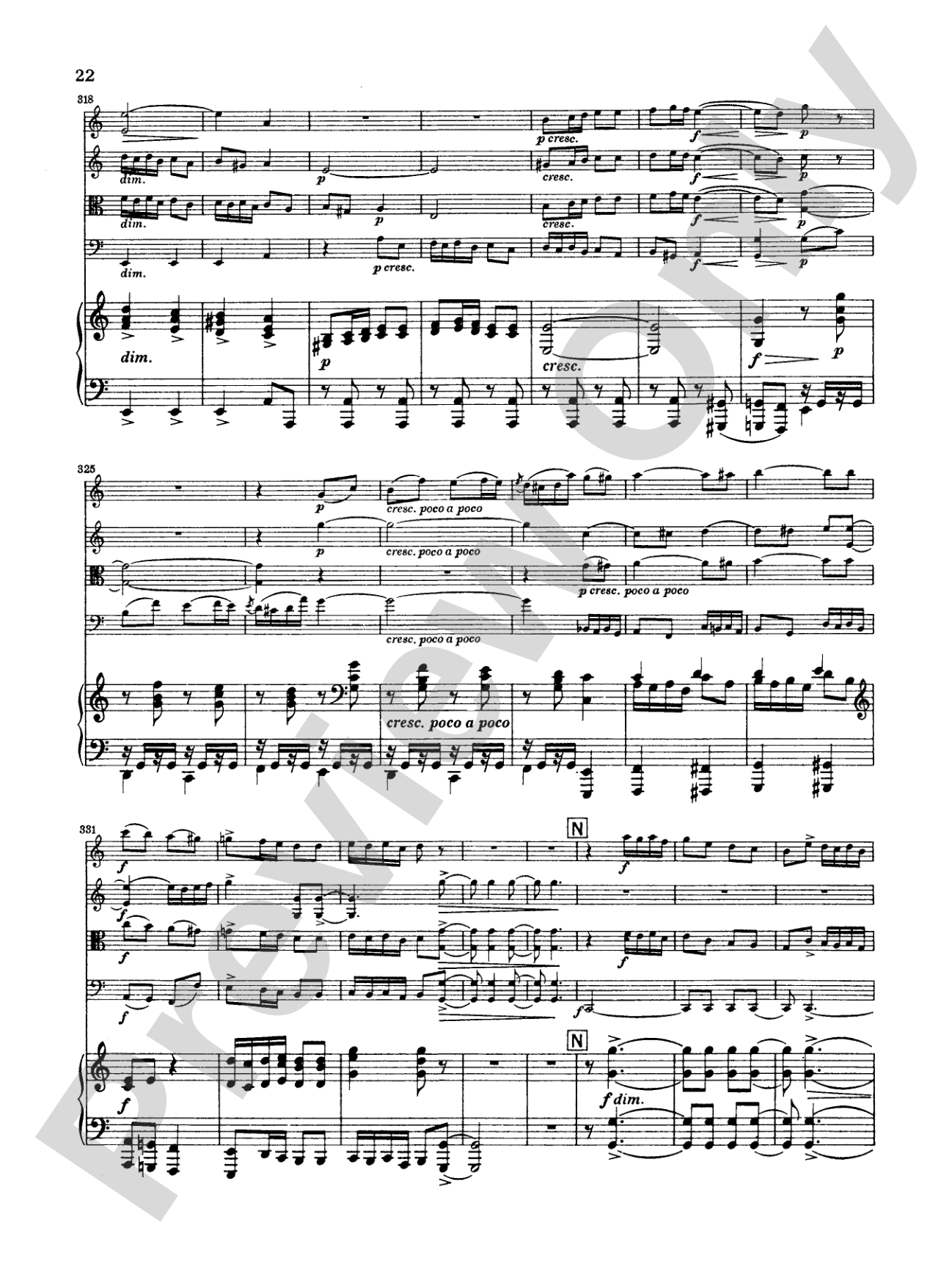
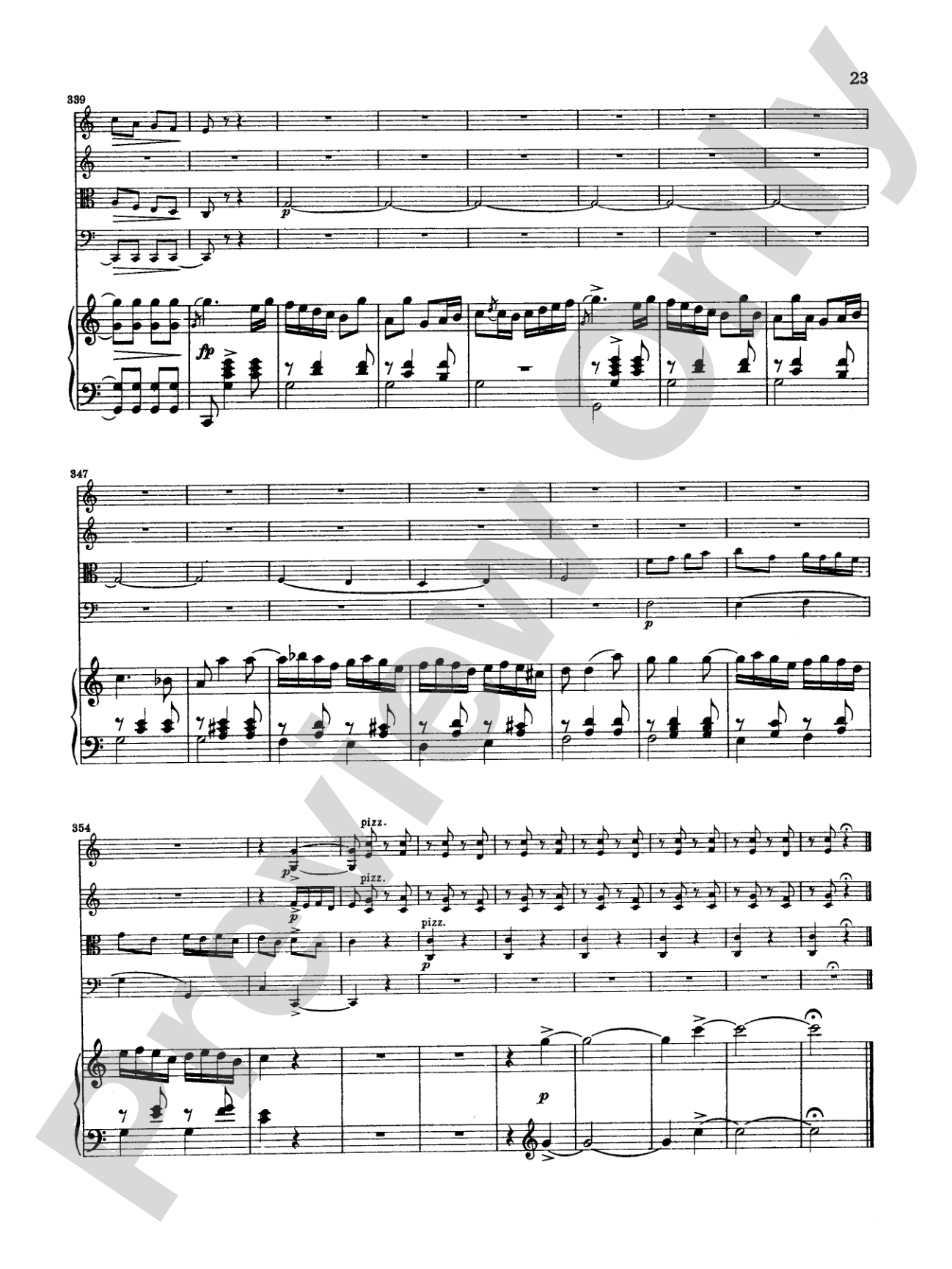
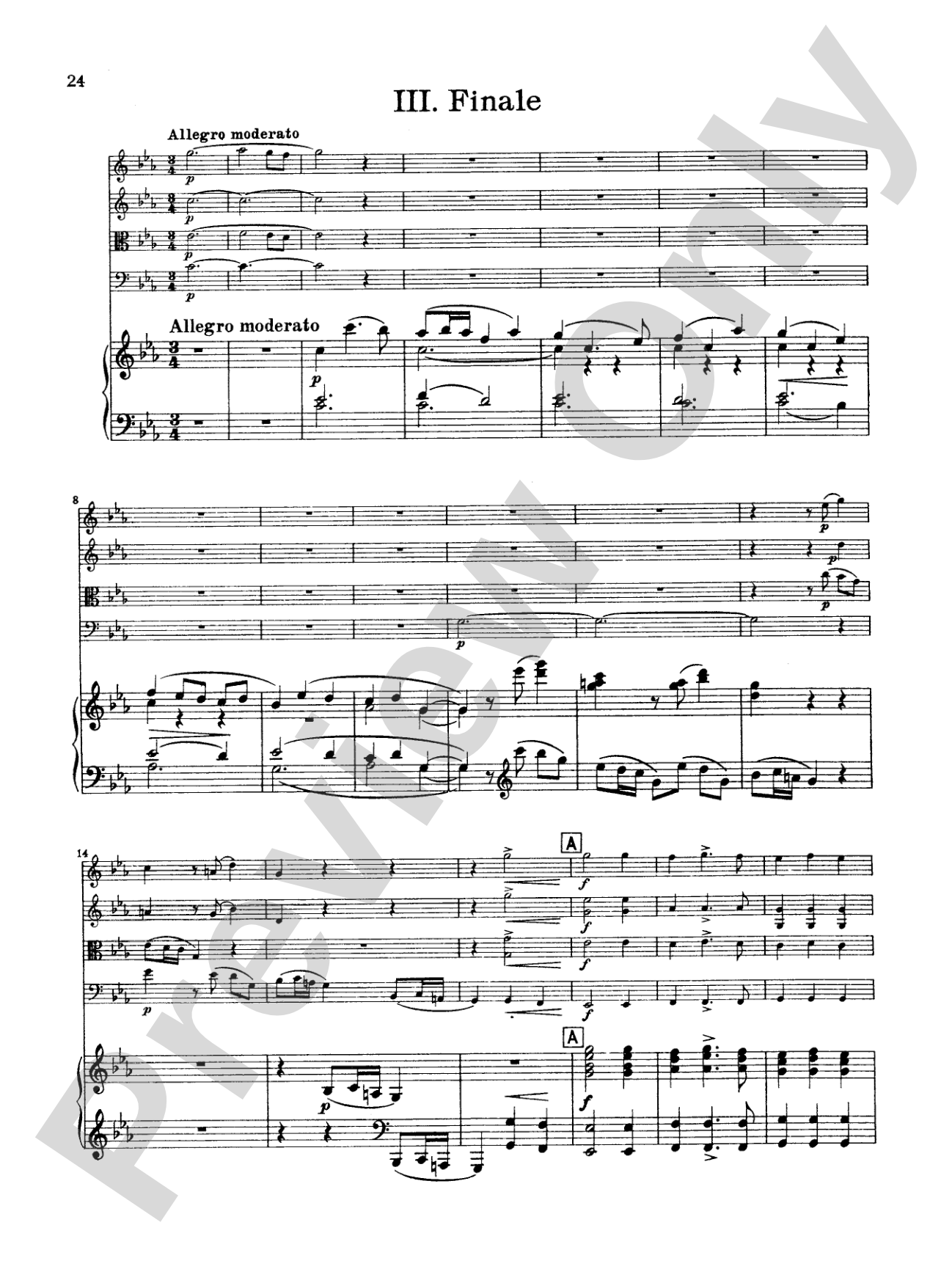
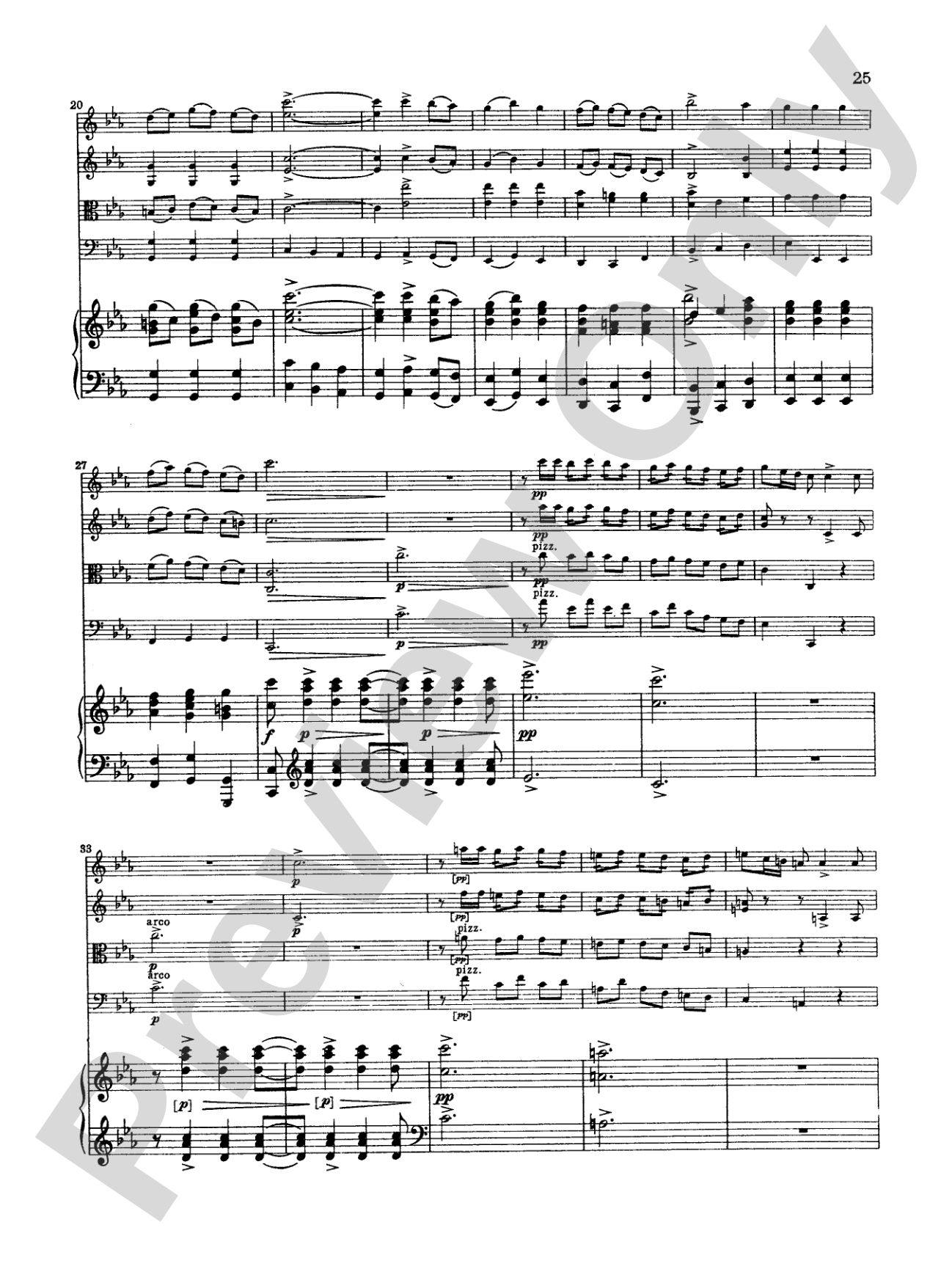
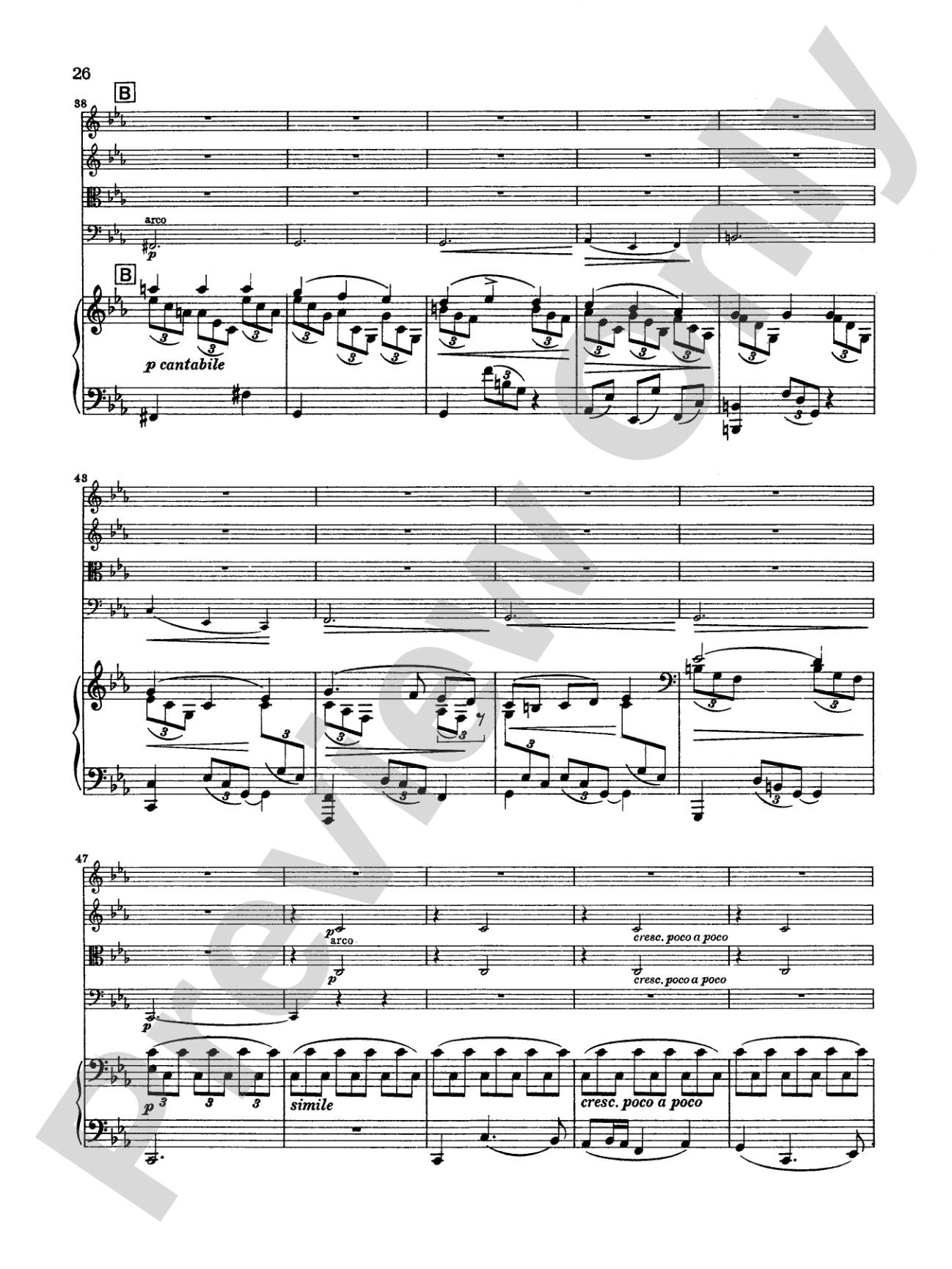
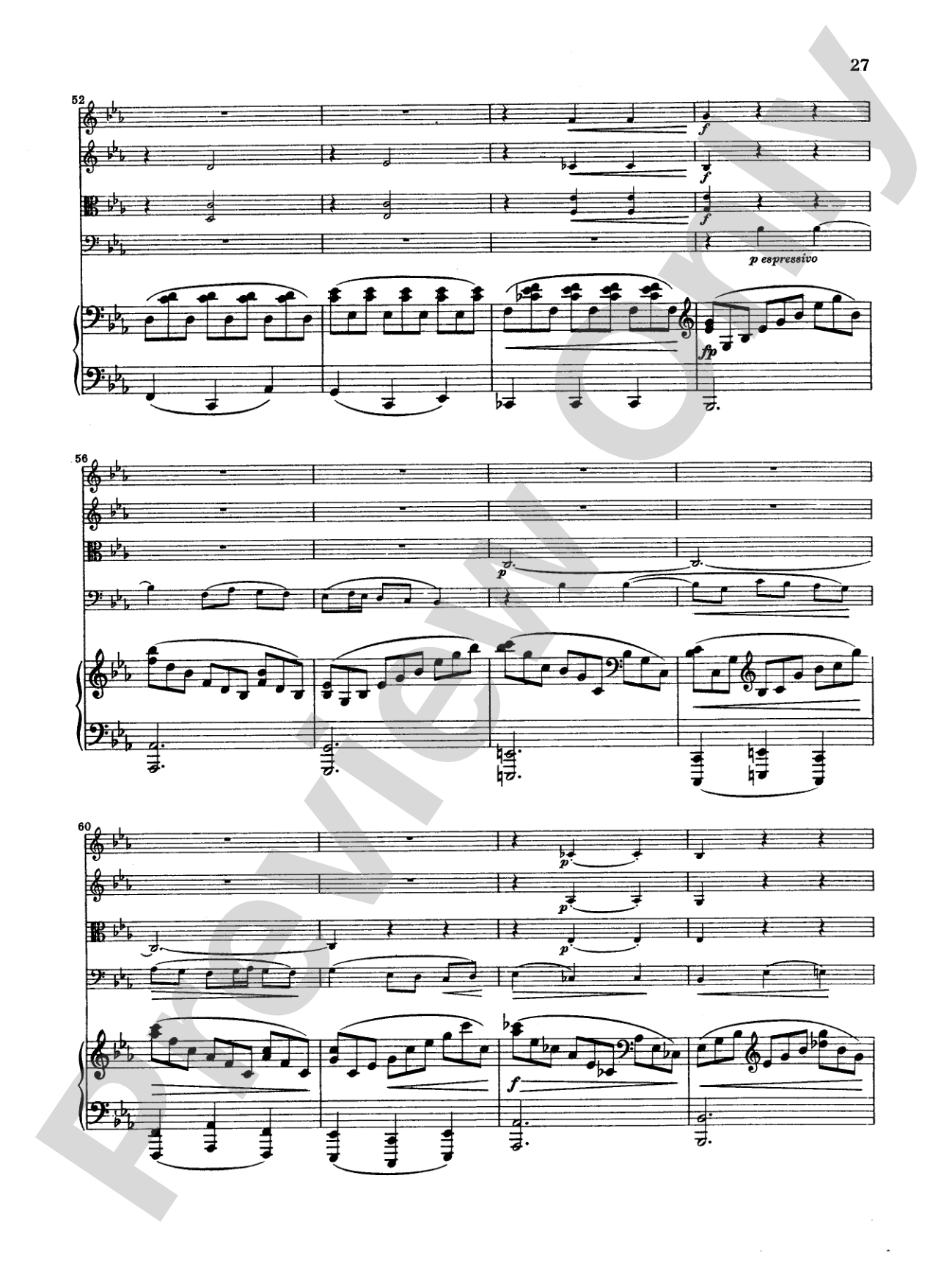
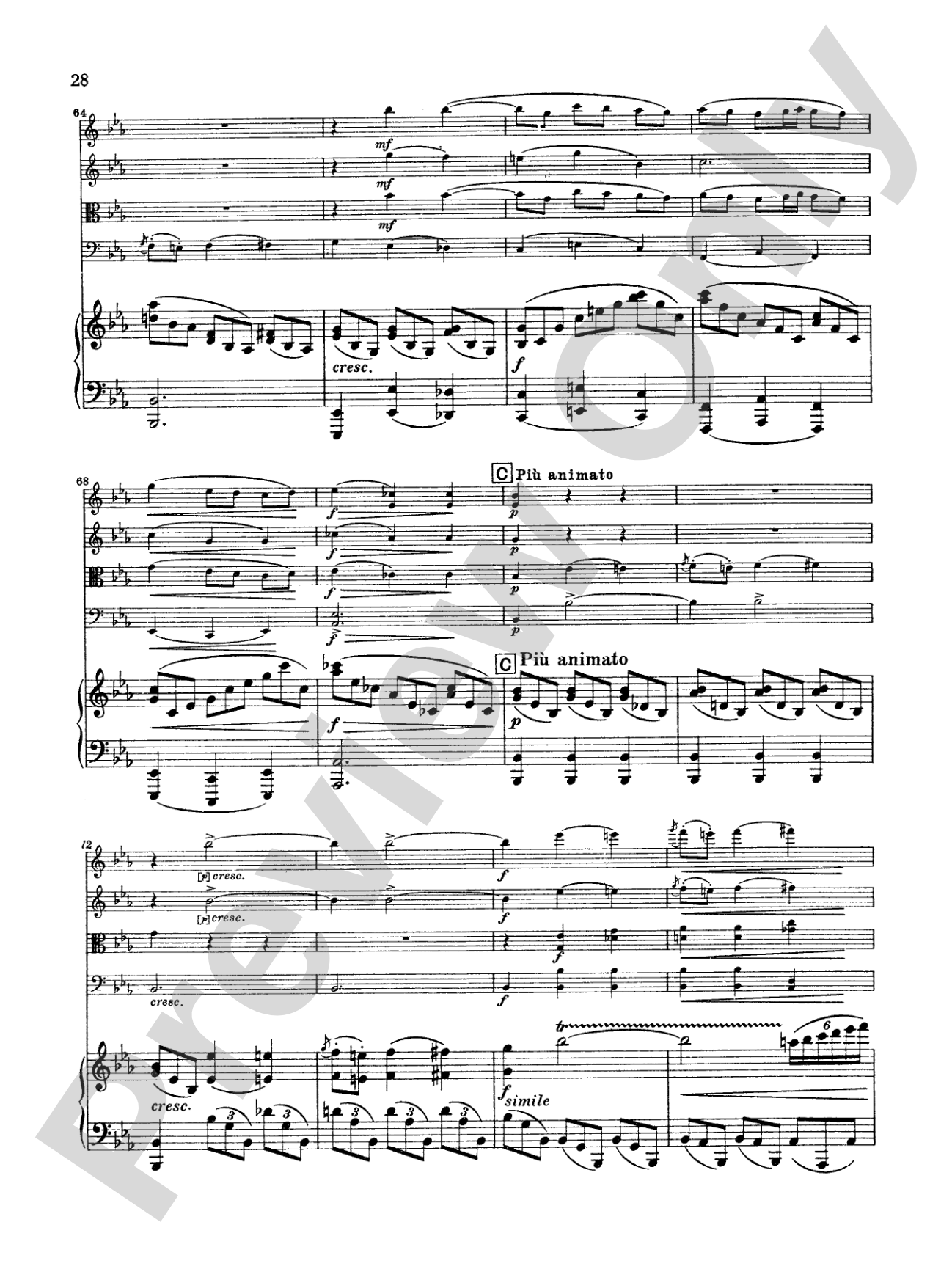
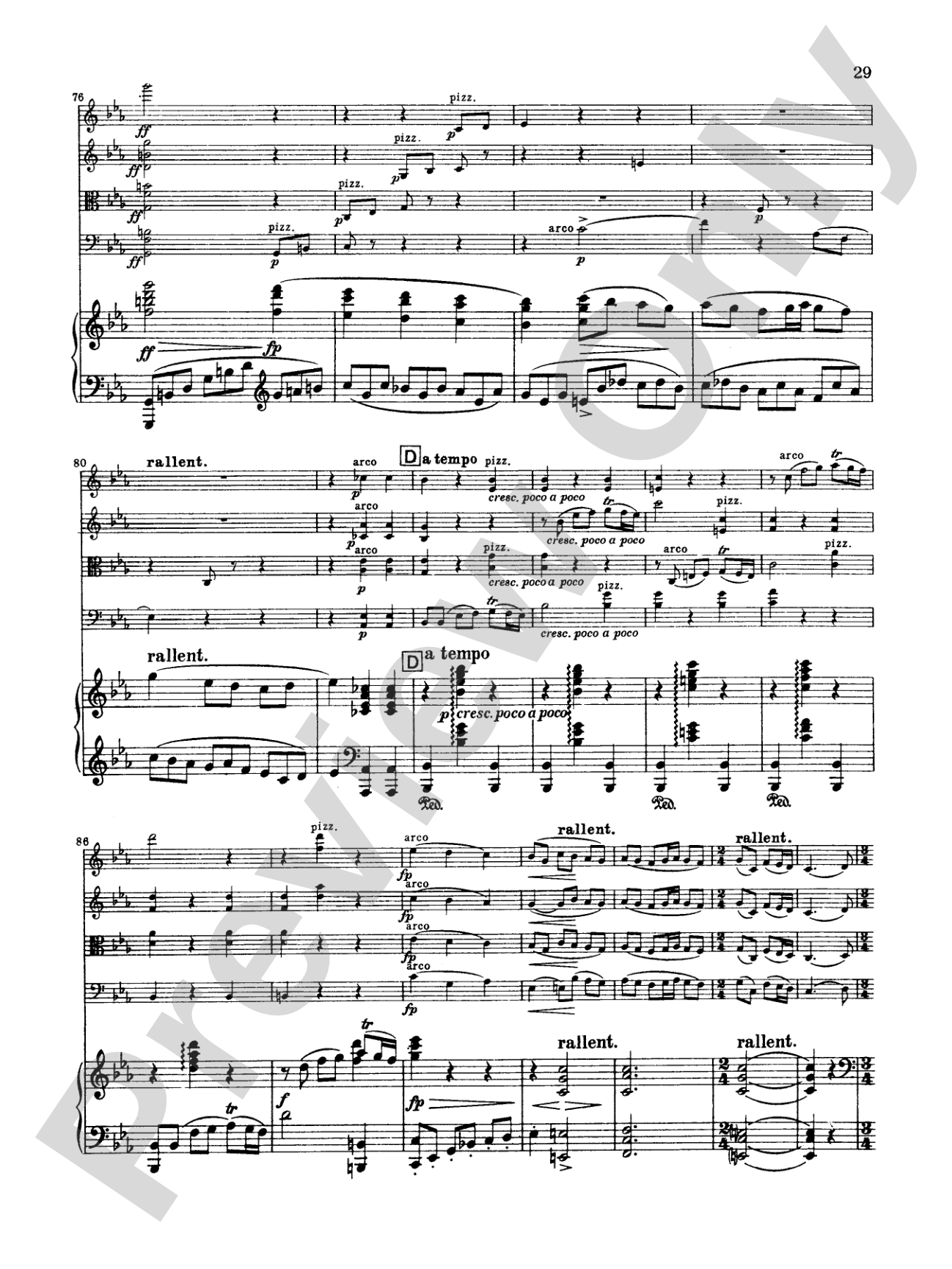
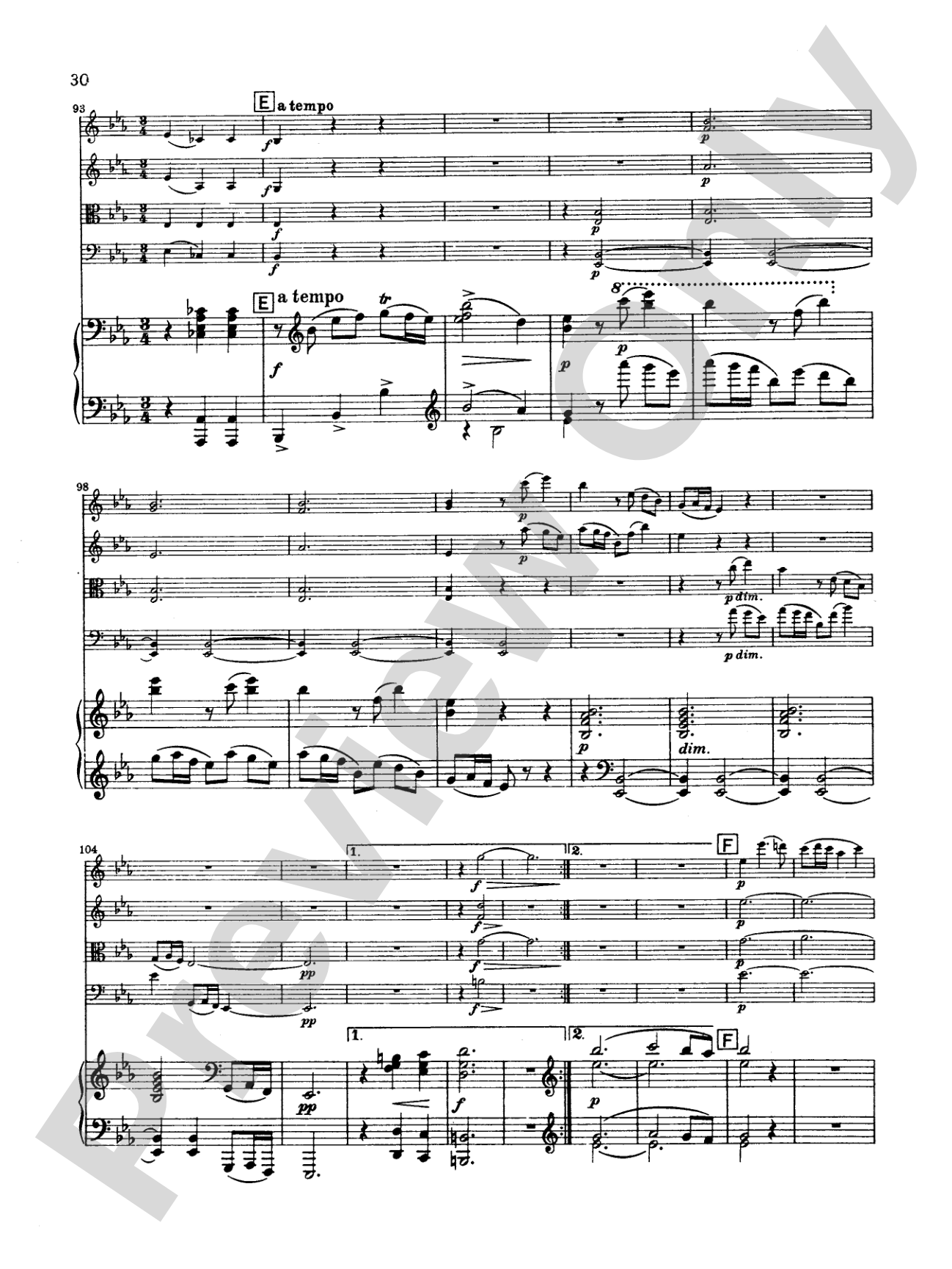
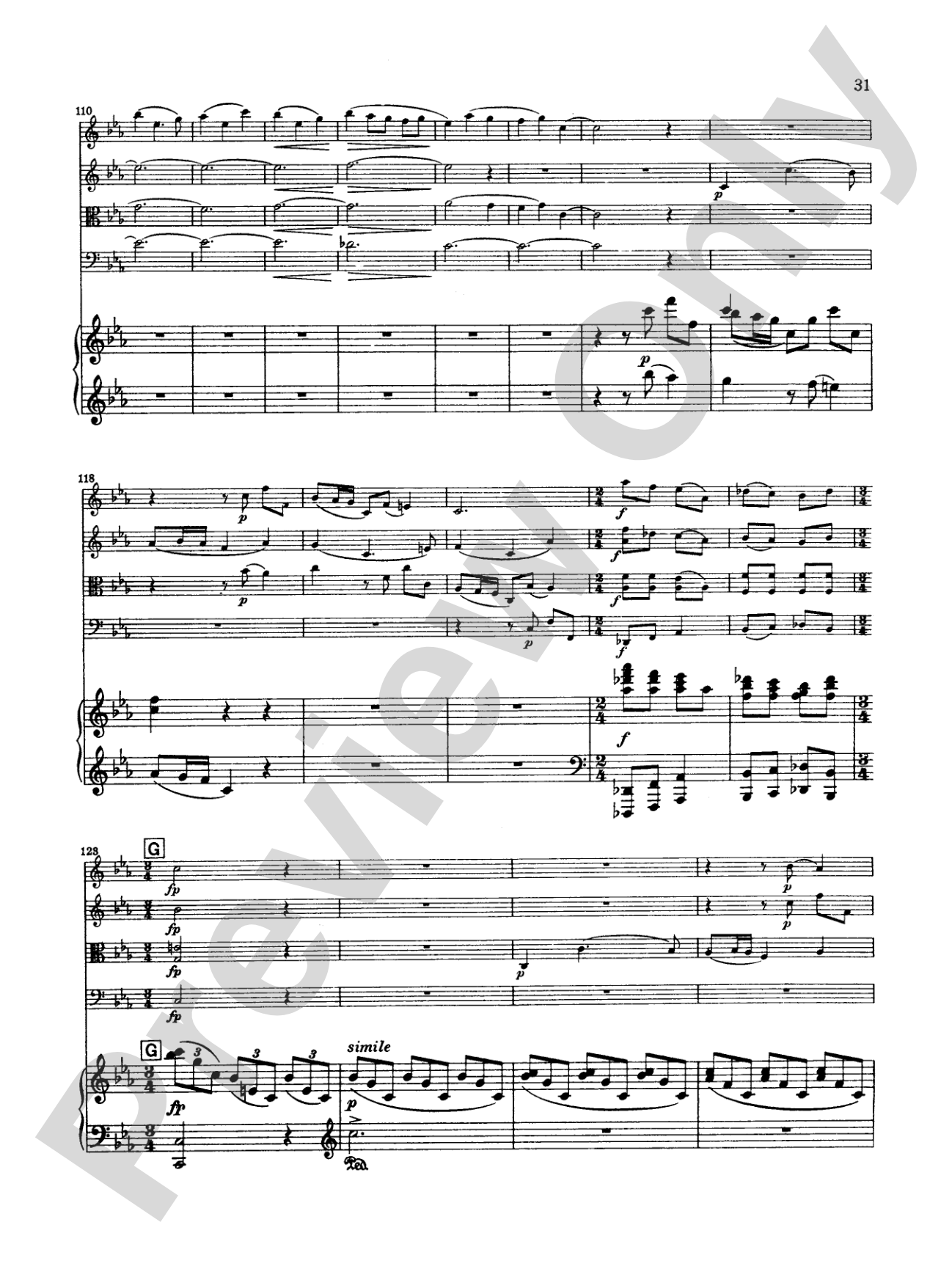
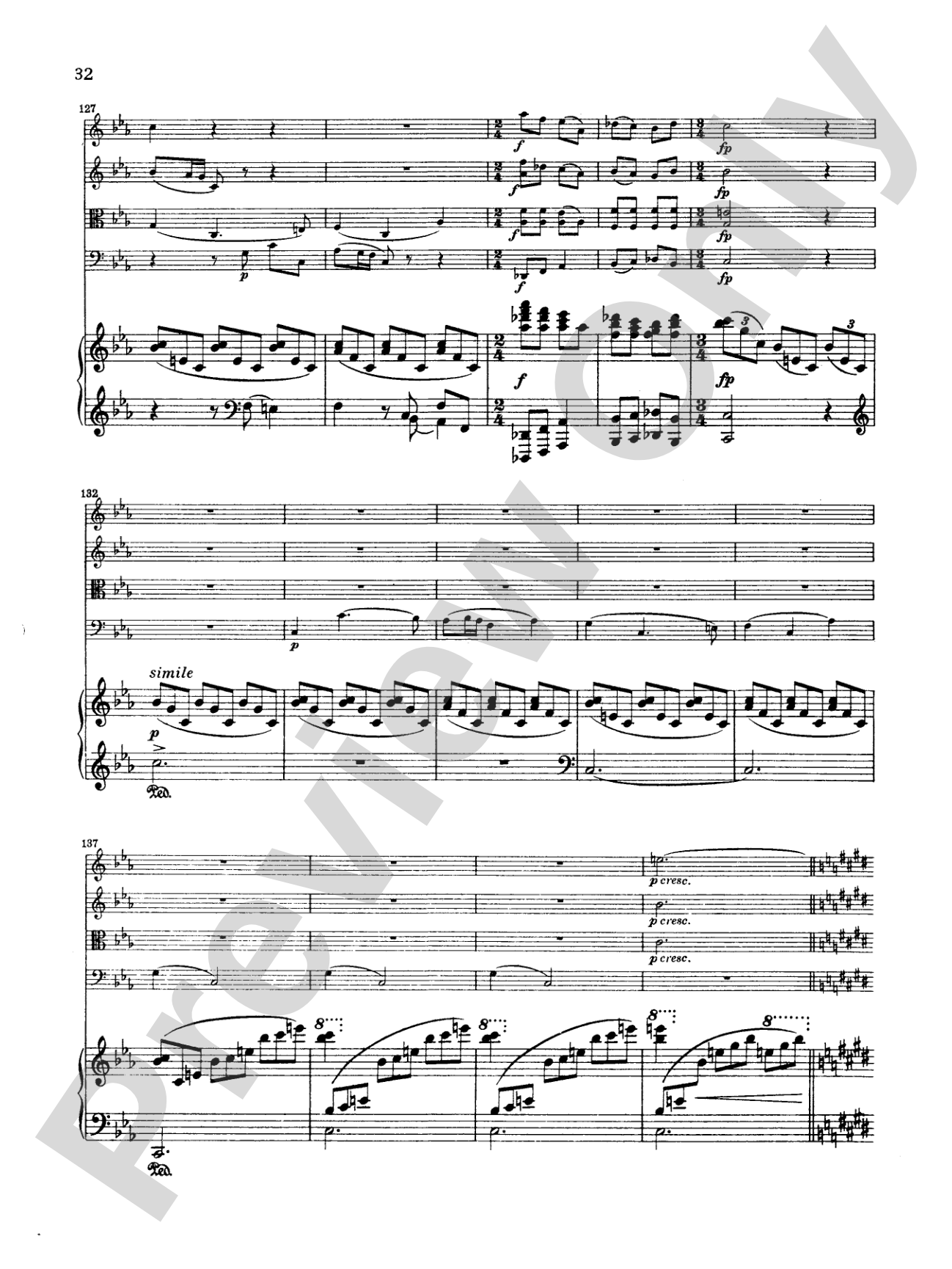
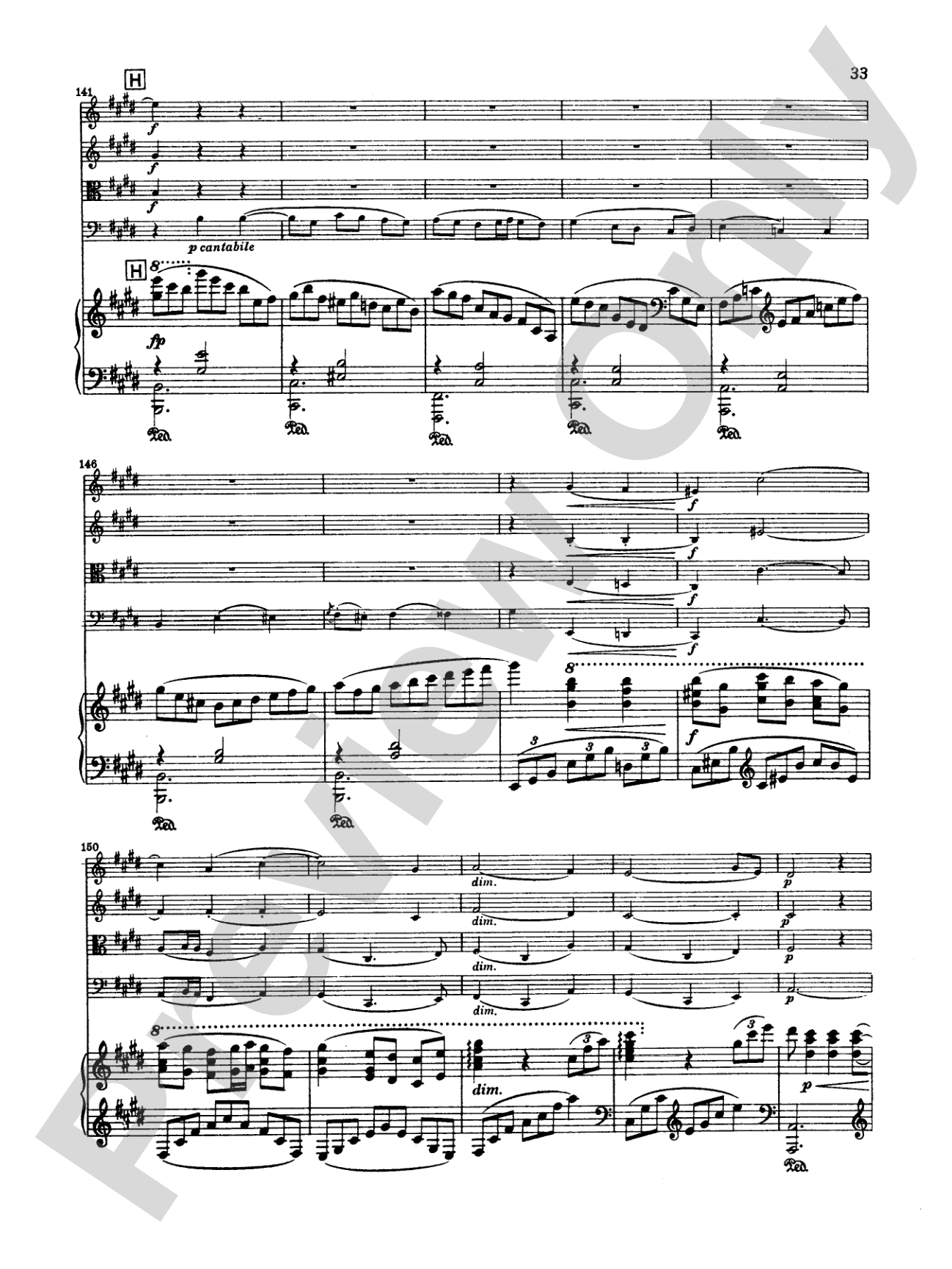
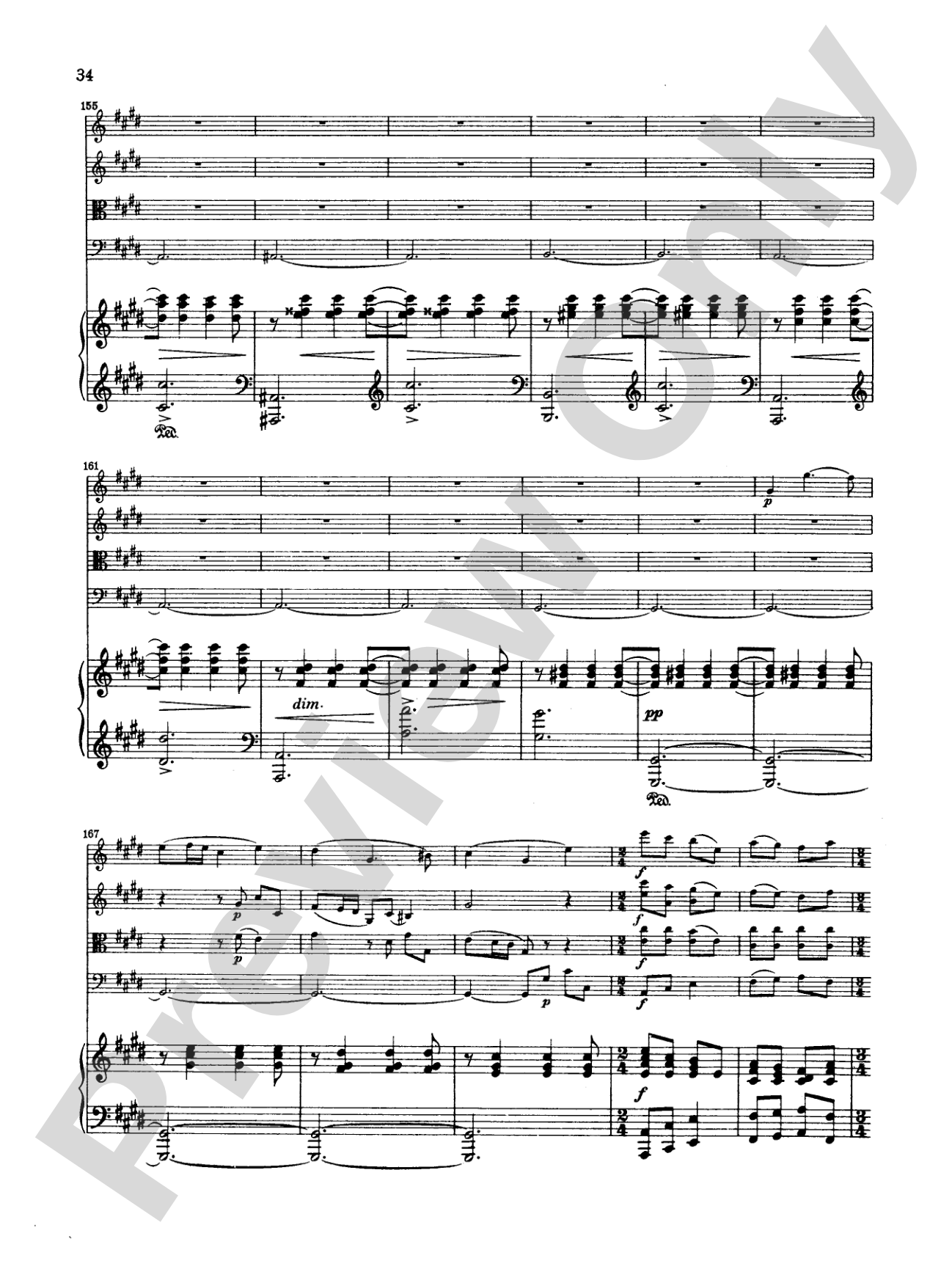
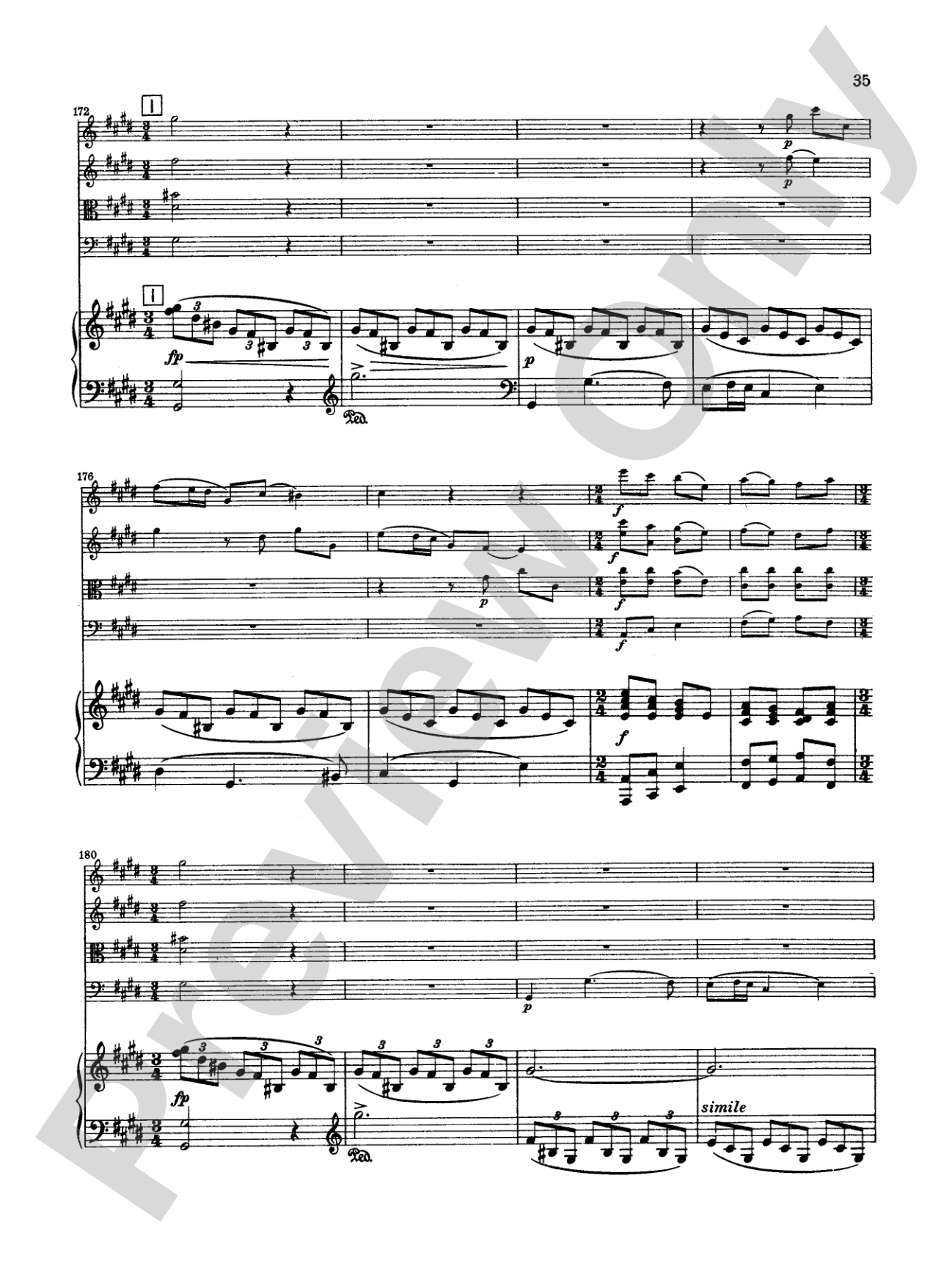
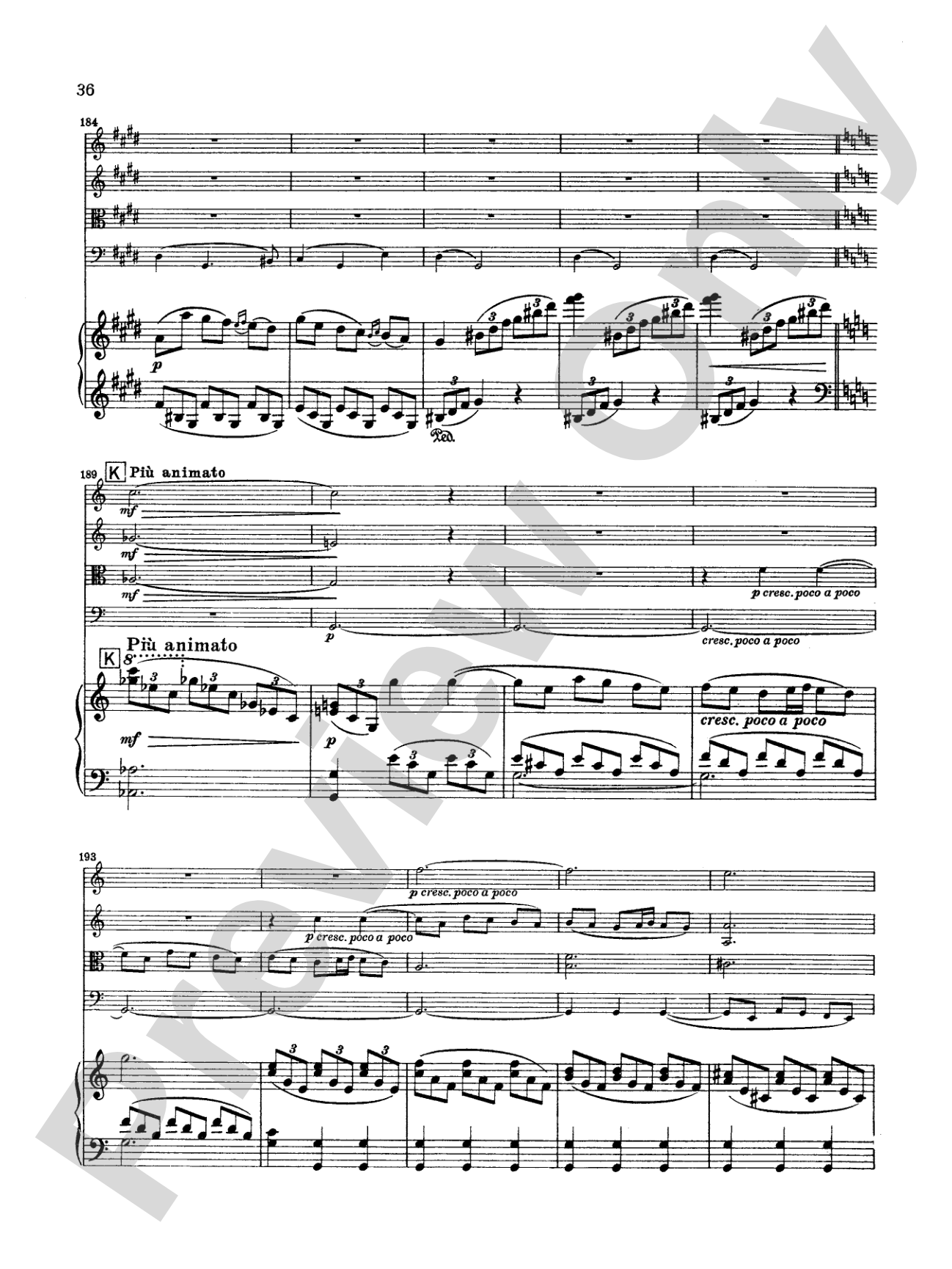
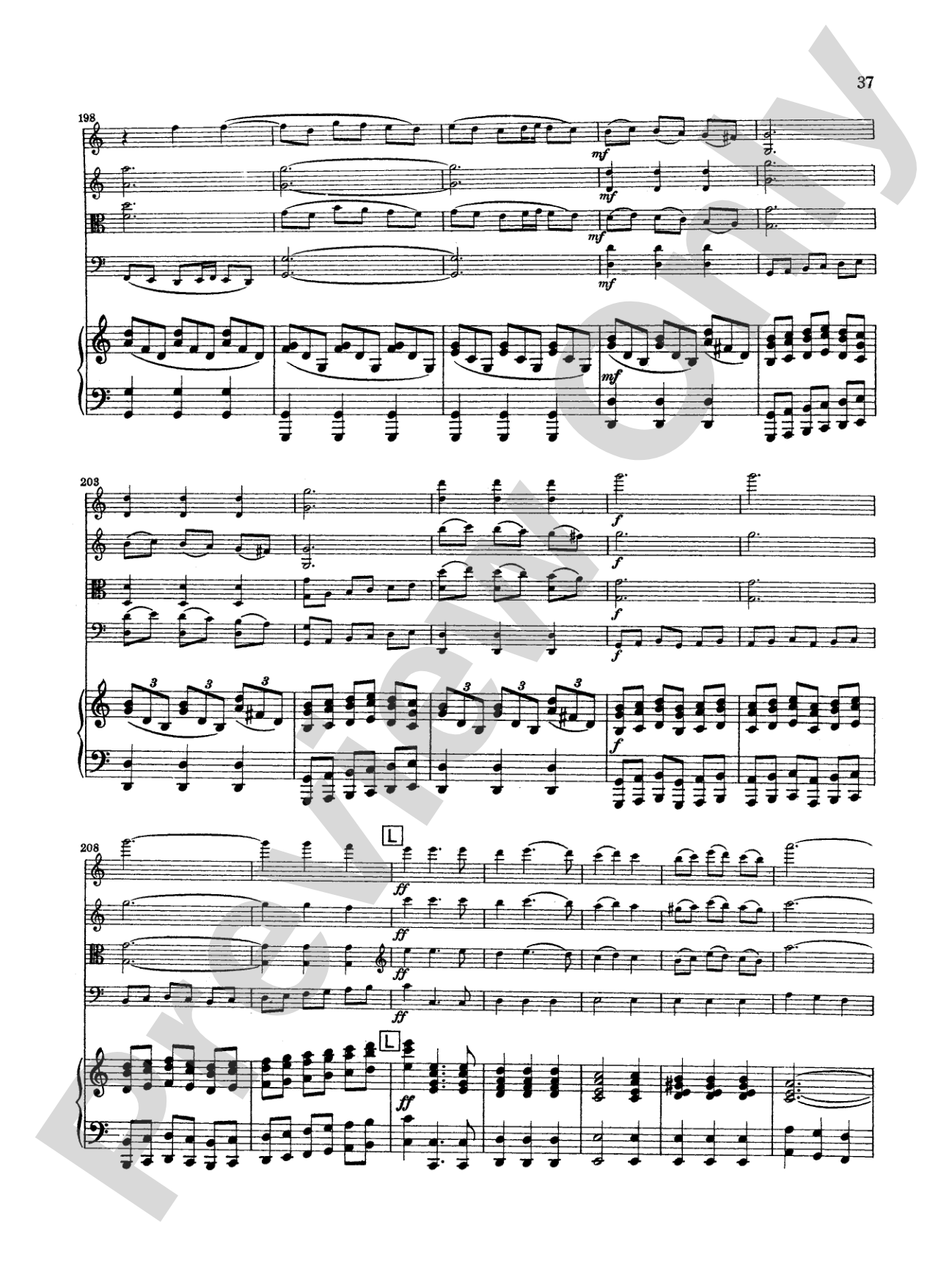
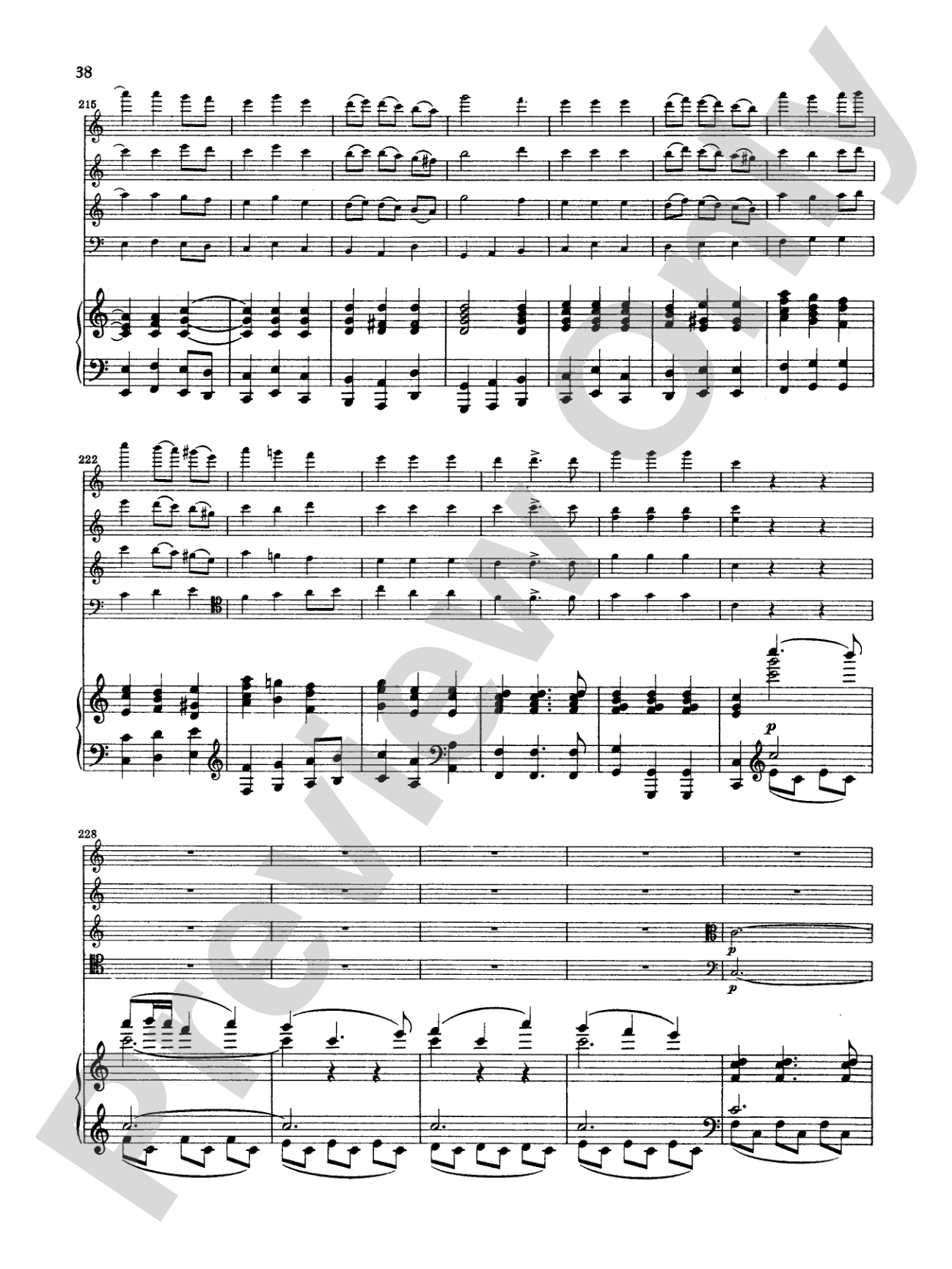
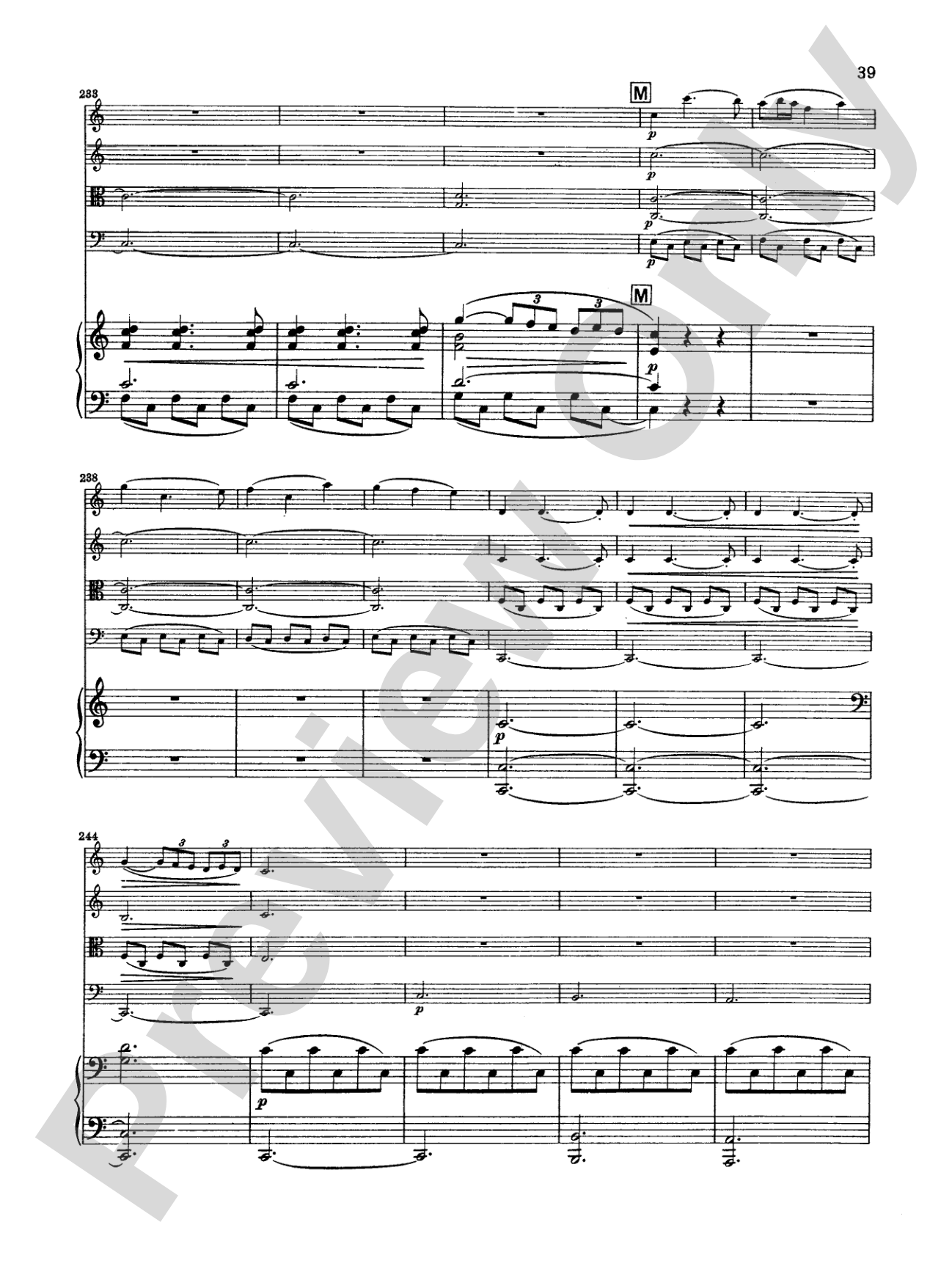
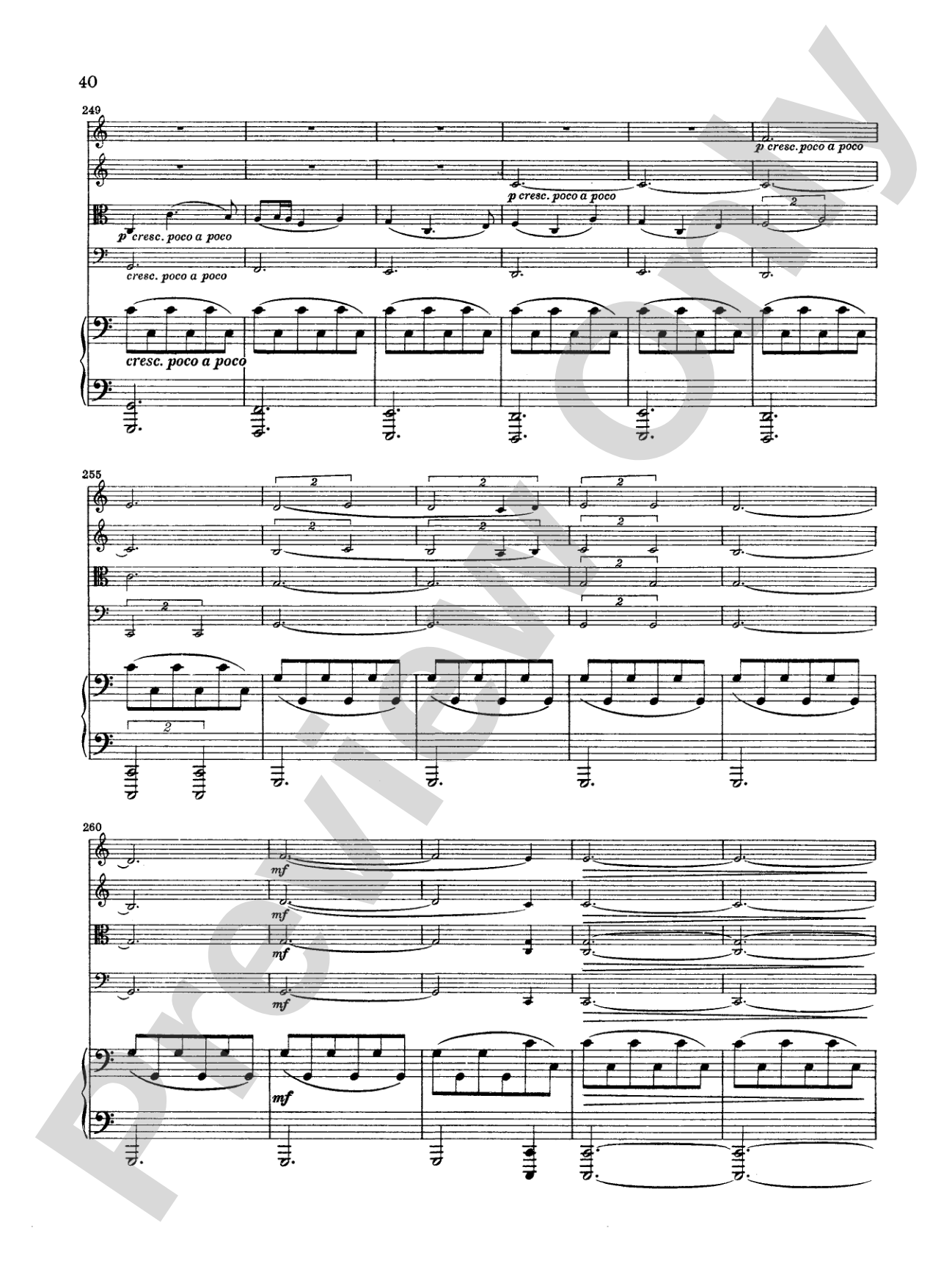
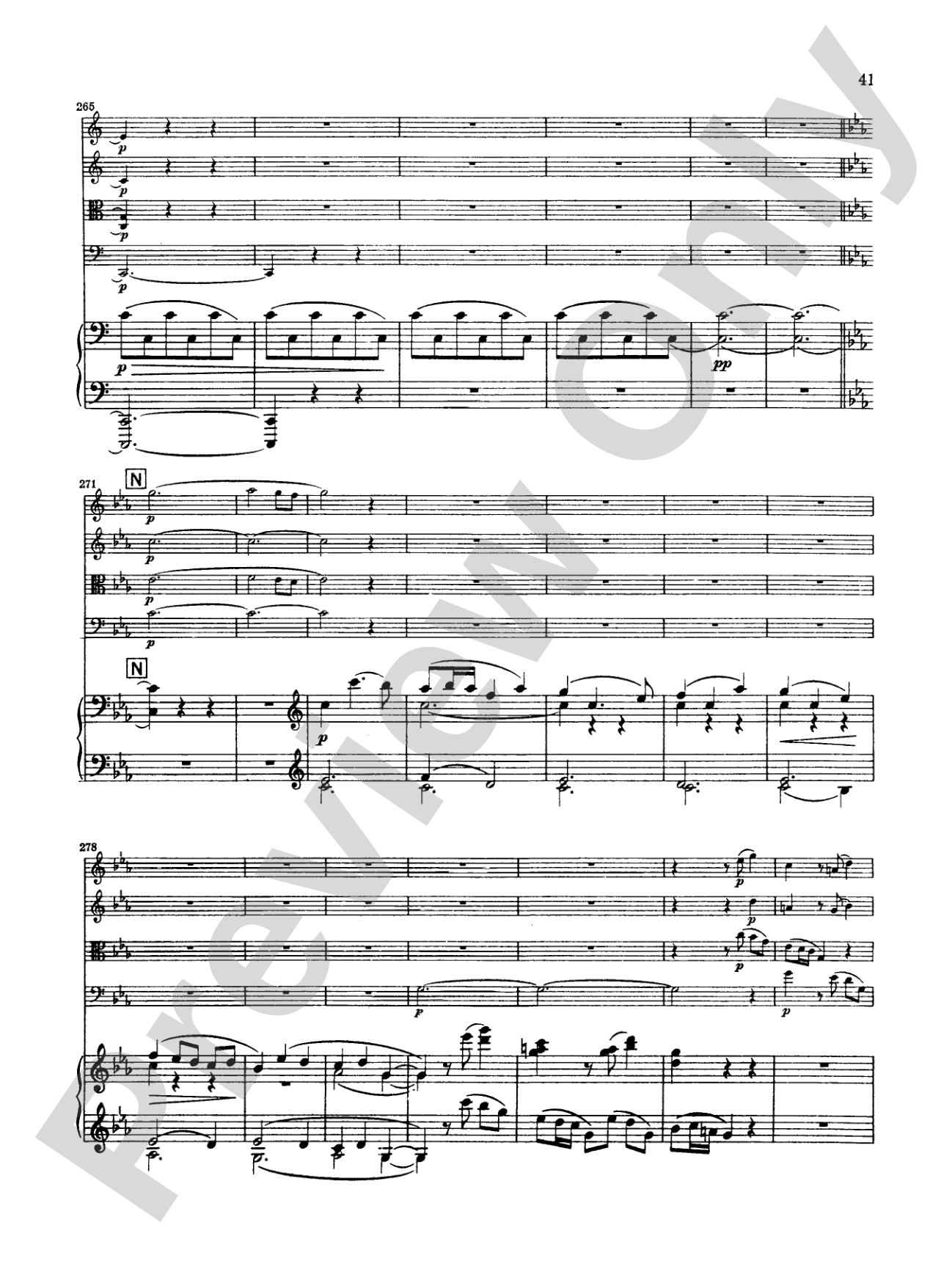
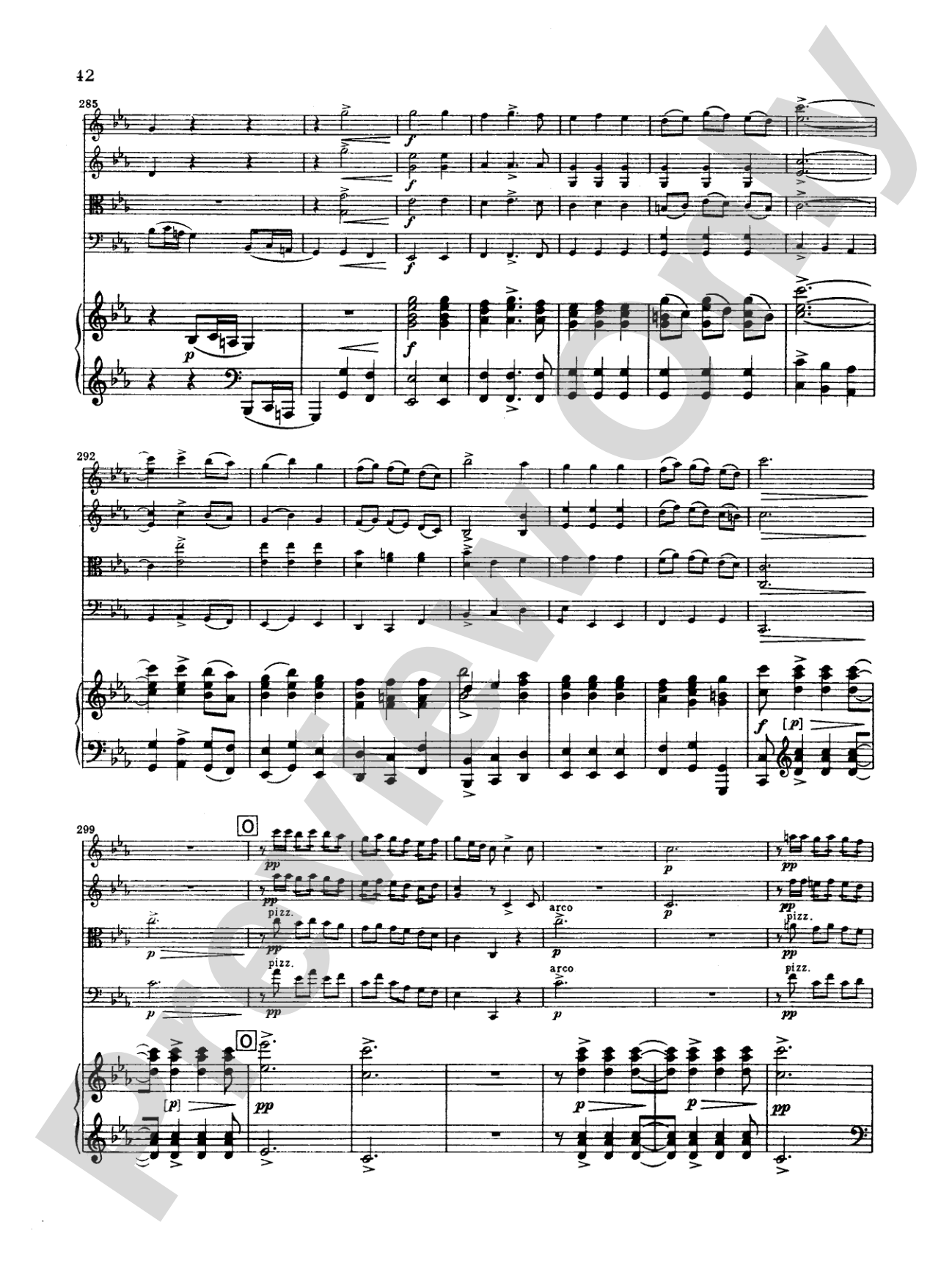
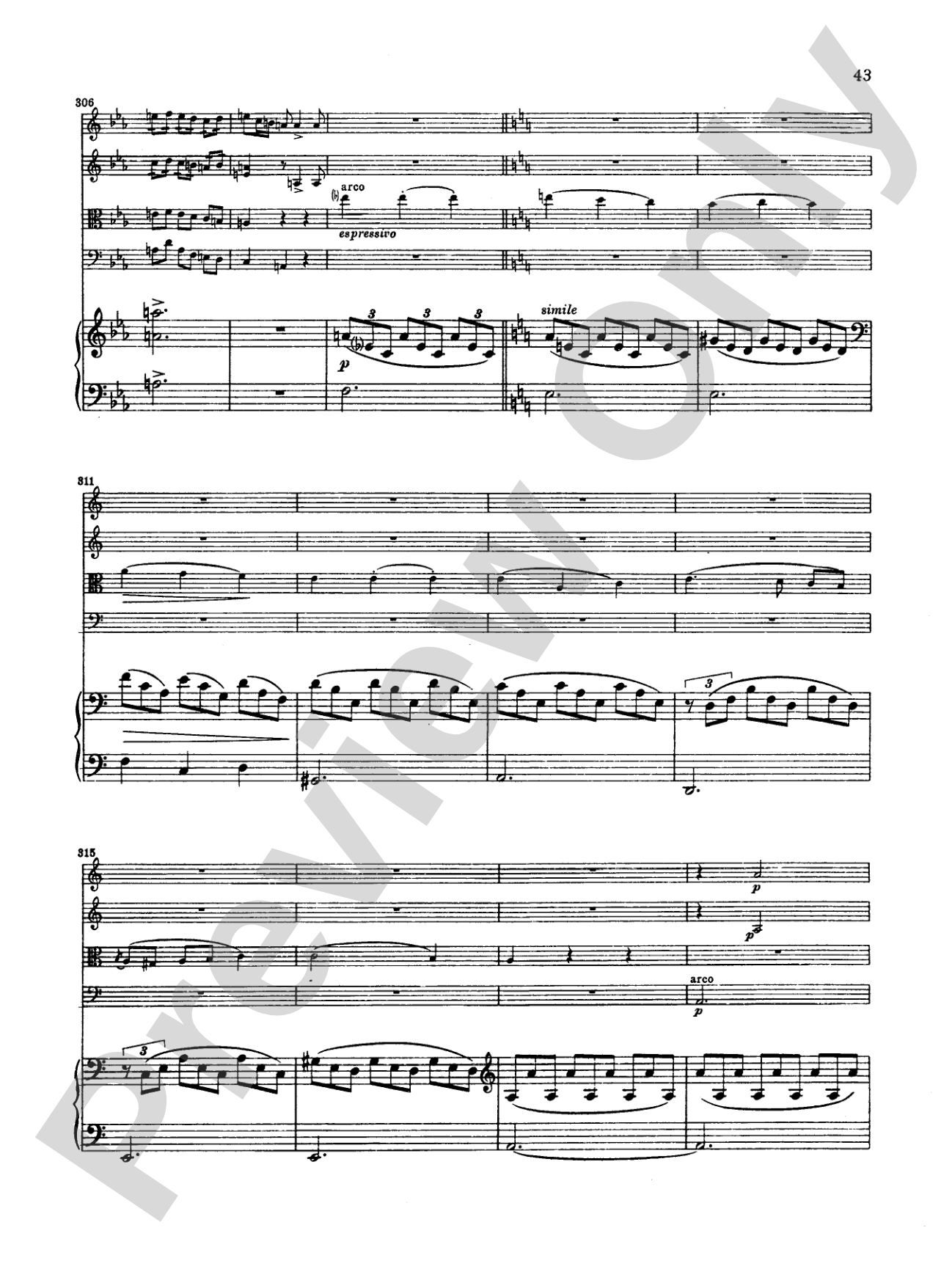
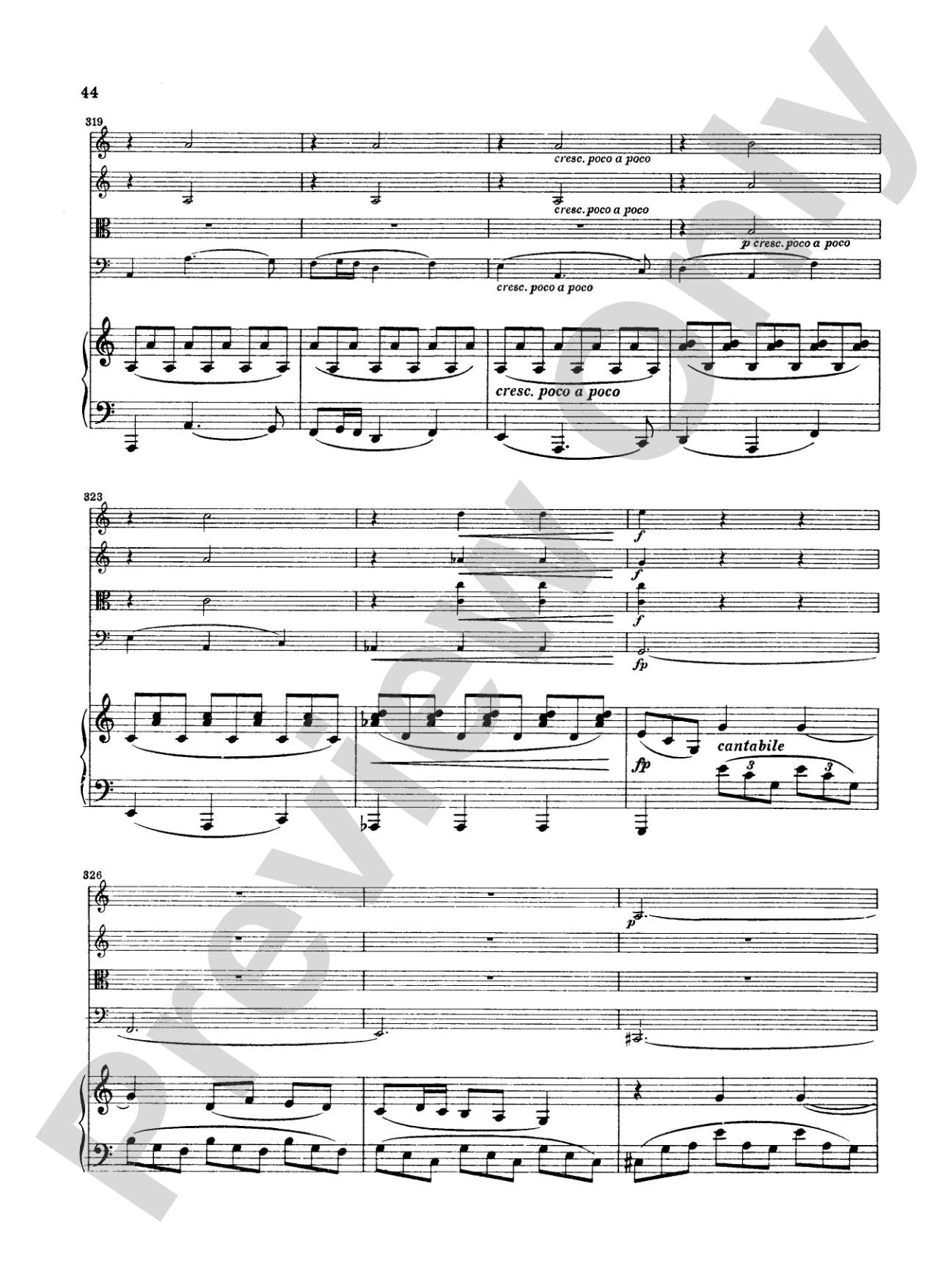
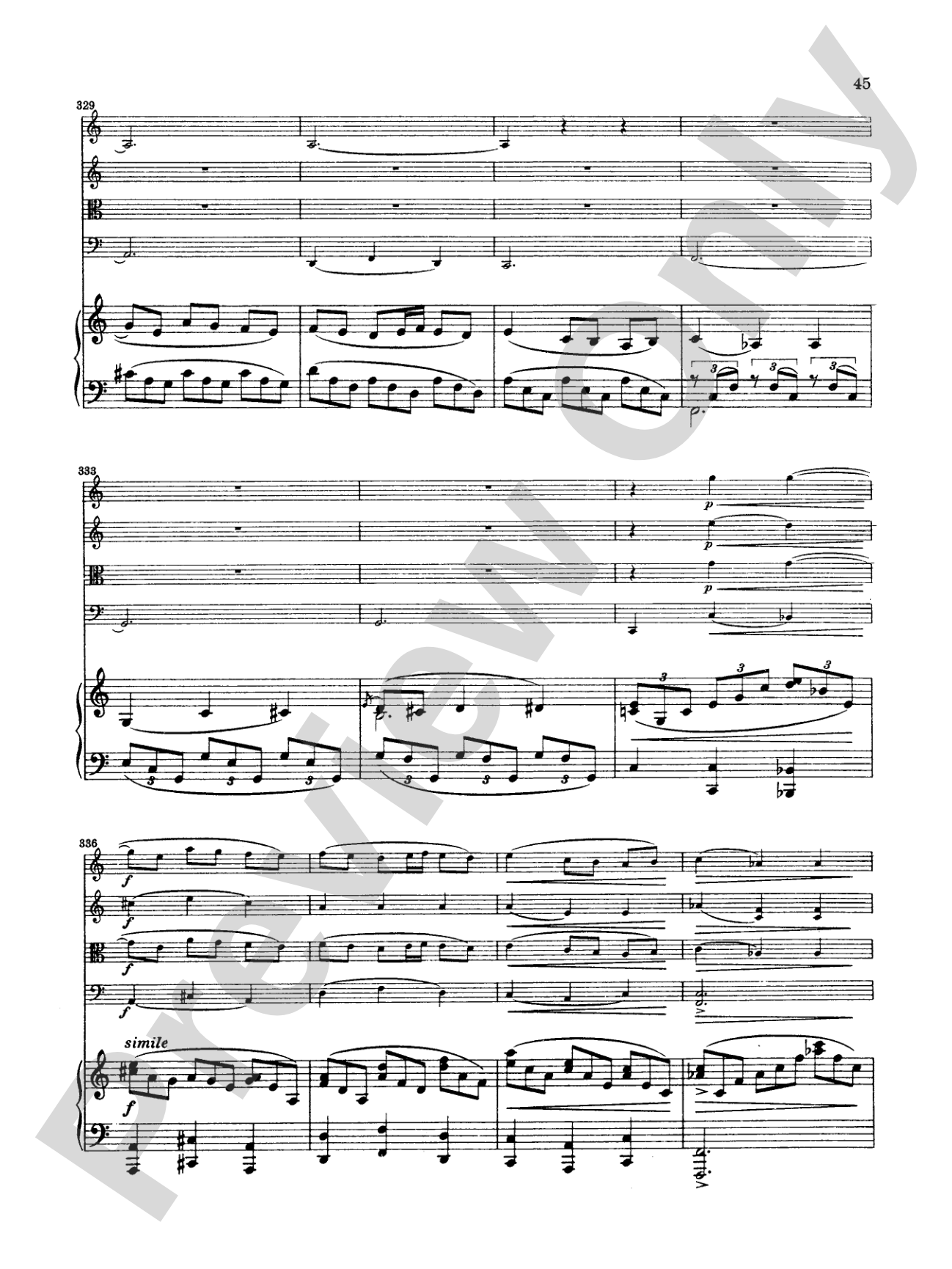
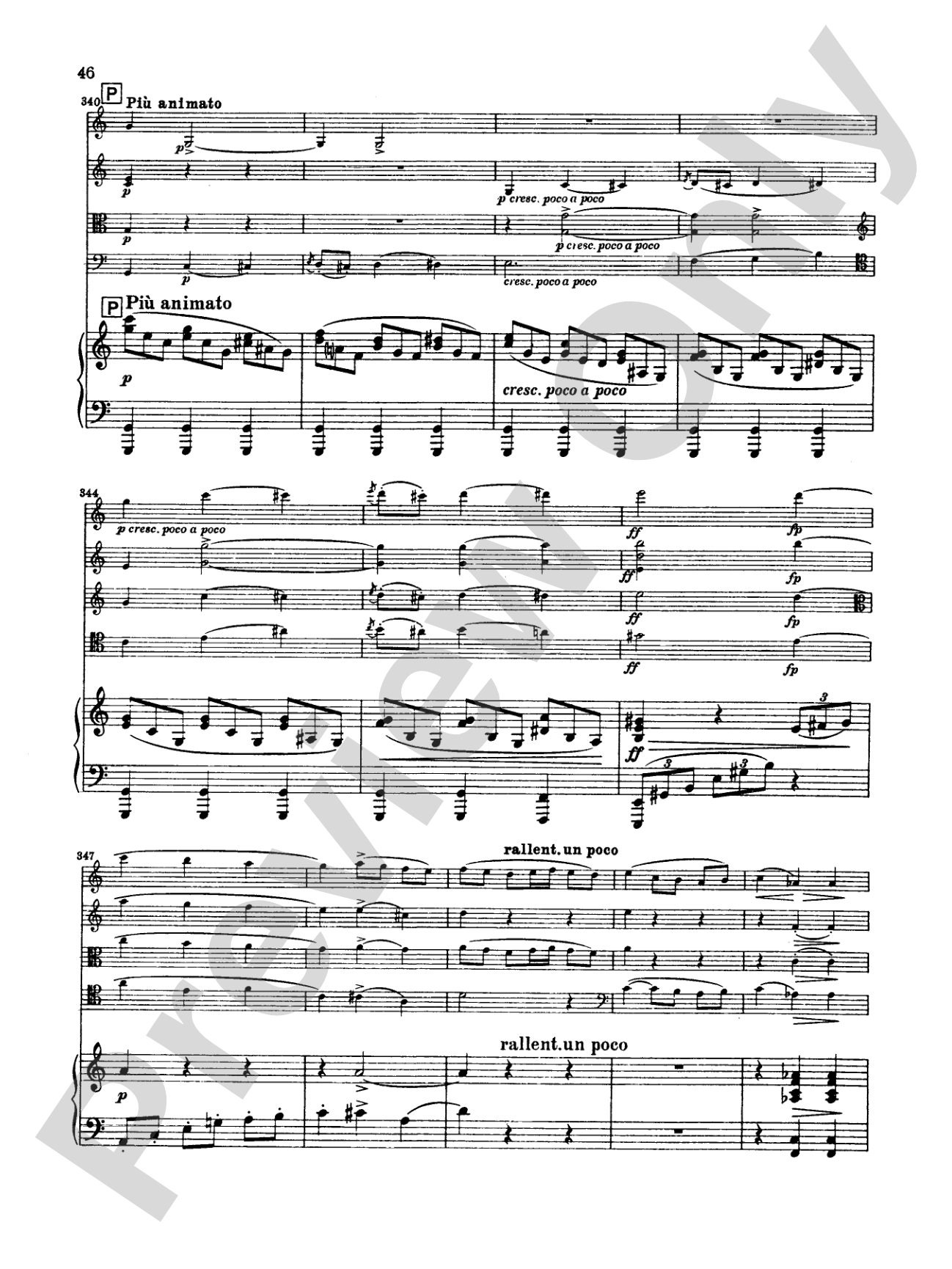
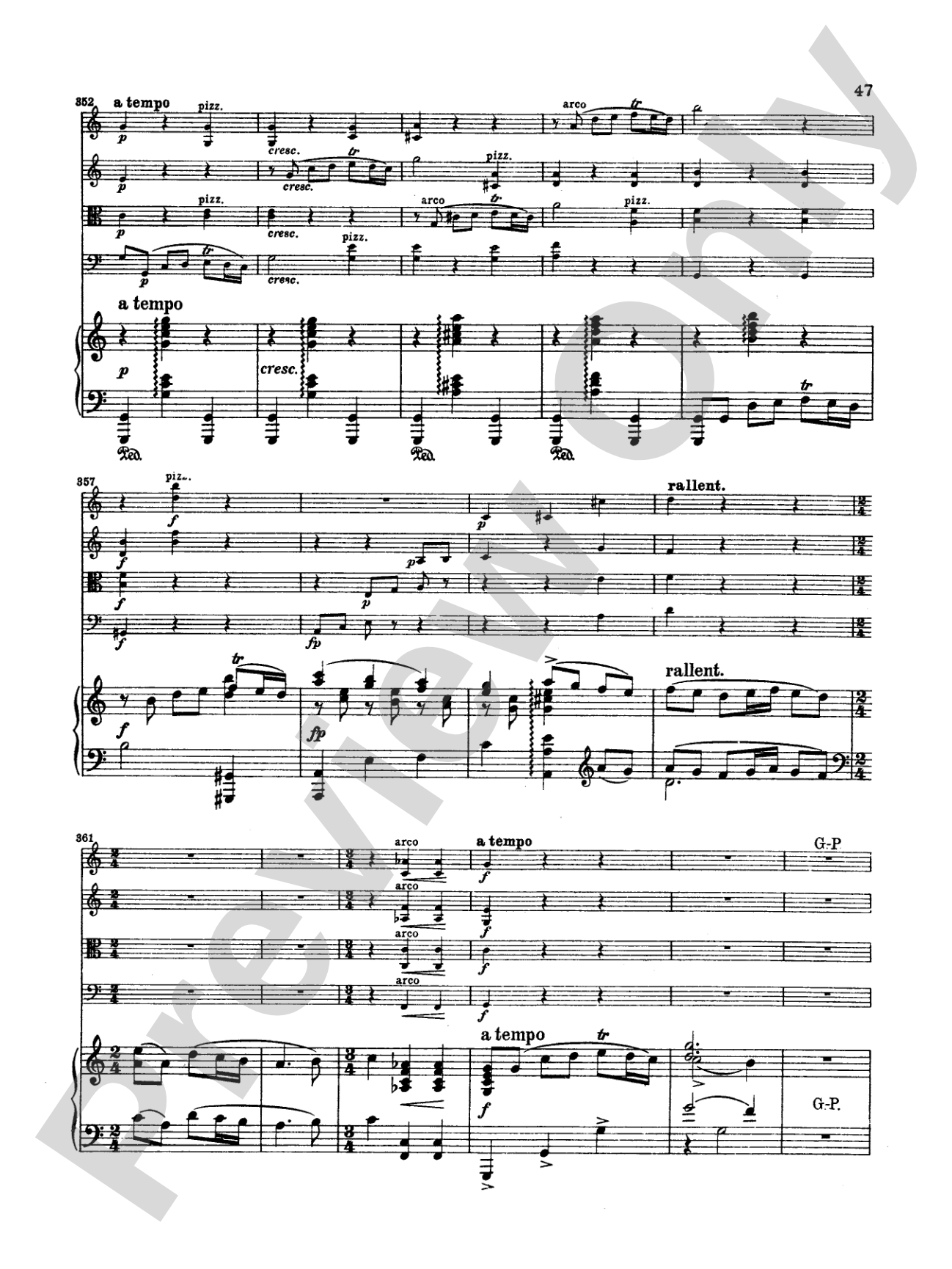

Borodin: Quintet in C Minor: String Quintet Book
By Alexander Borodin
Item: 00-PK-0003827

$19.95
Pickup currently not available
Parts Added to Cart!
Related Items
Quintet in C Minor: String Quintet Book |
$19.95
|
View |
Description
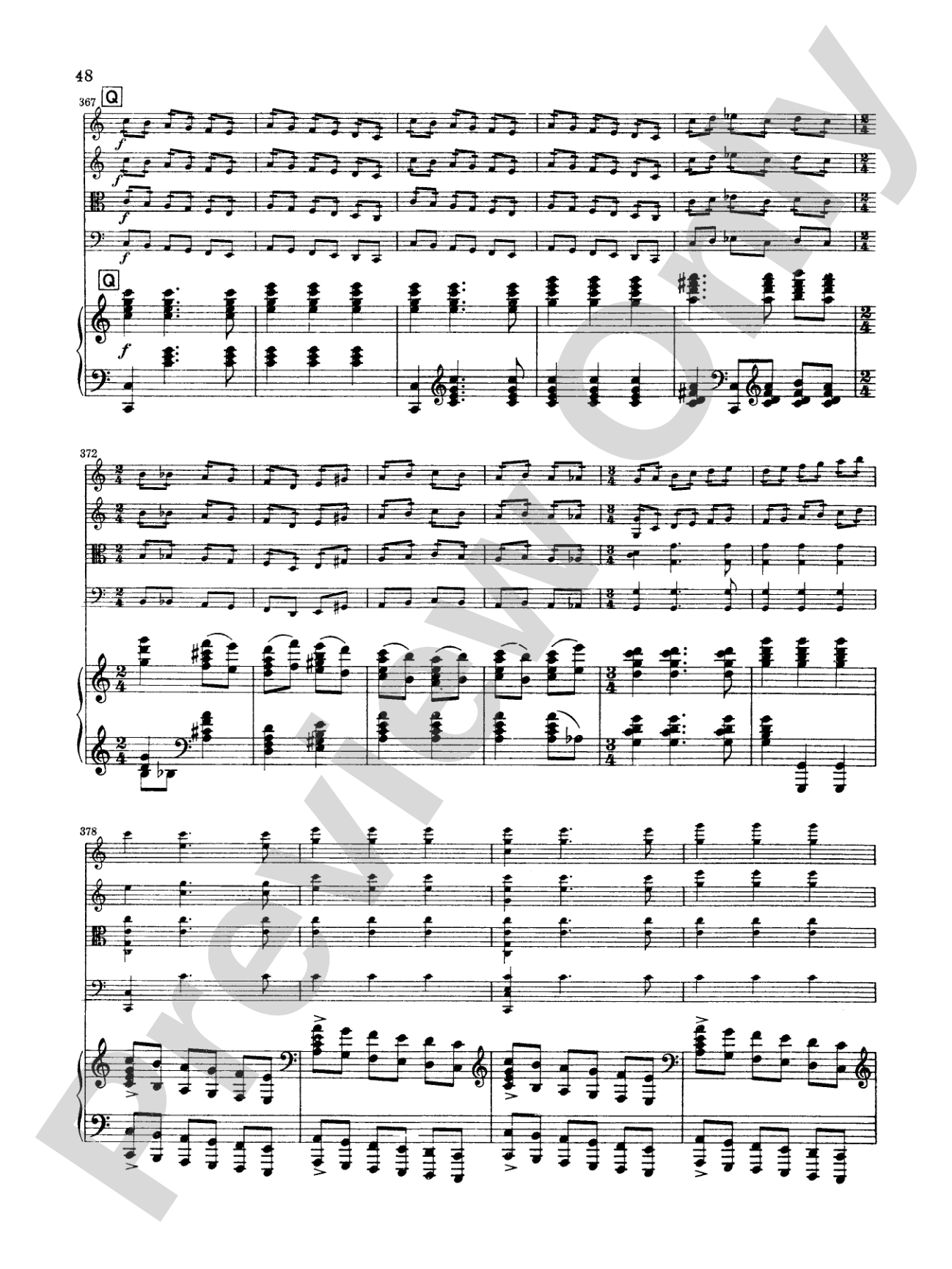
Quintet for 2 violins, viola, cello & piano.


Don't just read it, hear it, play along with it, and watch your students grow with it. In MakeMusic Cloud, Borodin: Quintet in C Minor: String Quintet Book comes alive with professional accompaniment, adjustable tempo, and built-in practice tools that turn solo practice into real progress.
Open in the Player
Jump straight in and assign it today.
Start Your Free Trial
Open this title and explore the full library in minutes.
Sample Audio
No sample audio found.
Sample Video
No sample videos found.
Additional Details
Series:
Kalmus Edition
Publisher:
Alfred Music
Page Count:
92
SKU:
00-PK-0003827
More about this title
About the Composer: Alexander Borodin
Alexander Borodin (1833-1887) was a Russian composer and chemist whose dual career shaped his distinctive musical voice. Trained in science and medicine, he composed during his limited free time, yet produced works of remarkable depth and orchestral color that helped define the Russian Romantic school alongside his contemporaries in The Five.
Why we love this
Borodin's C Minor Quintet showcases the lush harmonic language and lyrical gift that made him essential to Romantic chamber music, offering pianists and string players a score that demands musicianship while remaining genuinely rewarding to perform. The writing balances intimate dialogue between the strings with the piano's ability to provide both coloristic support and independent voice, creating something far richer than a string quartet with keyboard accompaniment. This is substantial repertoire that earns its 92 pages through genuine musical architecture, not padding.
What to expect
Borodin's harmonic language feels spacious and occasionally melancholic, with sudden harmonic turns that catch the ear without becoming jarring. The quintet moves between intimate, almost introspective passages and moments of open warmth, creating an emotional arc that feels both deeply personal and grandly Romantic.
Who it's for
Advanced chamber ensembles seeking Romantic-era repertoire that sits comfortably between the demands of a full string quartet and larger ensemble writing. Pianists and string players preparing for festival competition or recital performance will find a score that rewards serious interpretive work and showcases mature musicianship.
How to get the most out of it
- Shape the opening thematic material with subtle dynamic shaping; Borodin's lyricism depends on phrase breathing that mirrors vocal phrasing rather than strict metric punctuation.
- Balance the piano's dual role carefully across movements. In slower sections, the piano often provides harmonic foundation; in faster passages, treat it as a full ensemble member with equal voice priority.
- Establish the string intonation before rehearsing with piano. The harmonic language is chromatic enough that tuning drift compounds quickly and obscures Borodin's orchestral color.
- Use the score's structural breaks to reset ensemble blend between sections. Borodin modulates frequently and changes textural density; explicit retuning and balance adjustments between these moments prevent fatigue in both players and listeners.
How to use it
Program this as a complete performance or extract individual movements for chamber concert contexts where you want to present a single major work rather than a multi-piece recital. It pairs effectively on festivals with other Russian Romantic chamber works or as the centerpiece of a program exploring late-19th-century developments in piano quintet writing.
Skills your students will build
- Chromatic voice leading and harmonic analysis in Romantic-era composition
- Balancing multiple independent lines across five instruments with equal voice priority
- Intonation adjustment in frequently modulating harmonic contexts
- Collaborative ensemble balance between strings and piano
- Interpretation of Romantic-era phrase structure and rubato within chamber ensemble settings