
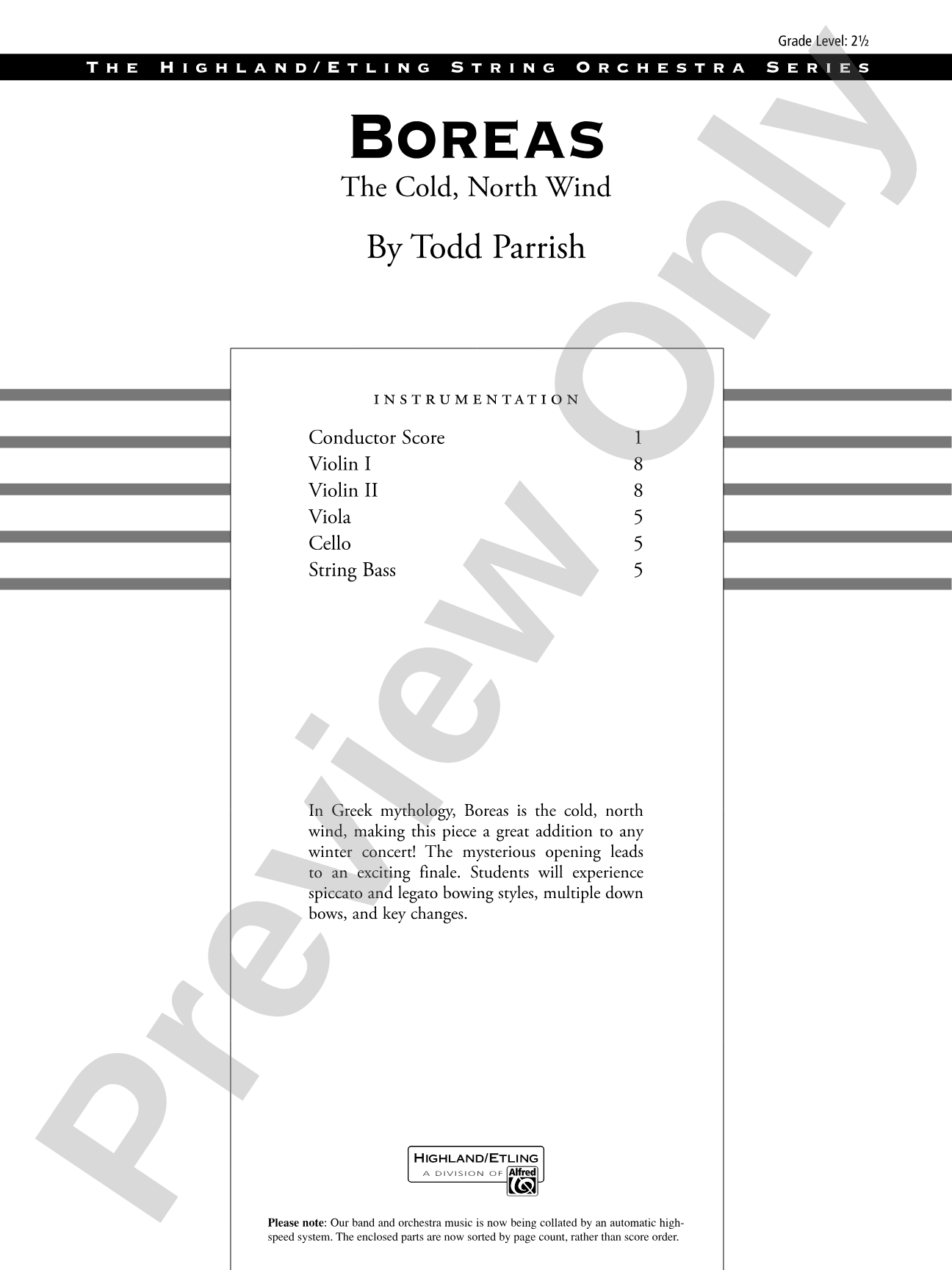

Boreas: String Orchestra Conductor Score & Parts
The Cold, North Wind
By Todd Parrish
Grade: 2.5
Item: 00-PK-0006119

$50.00
Pickup currently not available
Buy Extra Parts (Digital PDF Download)
| Product | Price | Quantity |
|---|---|---|
| Boreas: Score | $9.00 | |
| Boreas: 1st Violin | $5.99 | |
| Boreas: 2nd Violin | $5.99 | |
| Boreas: Viola | $5.99 | |
| Boreas: Cello | $5.99 | |
| Boreas: String Bass | $5.99 |
Parts Added to Cart!
Description
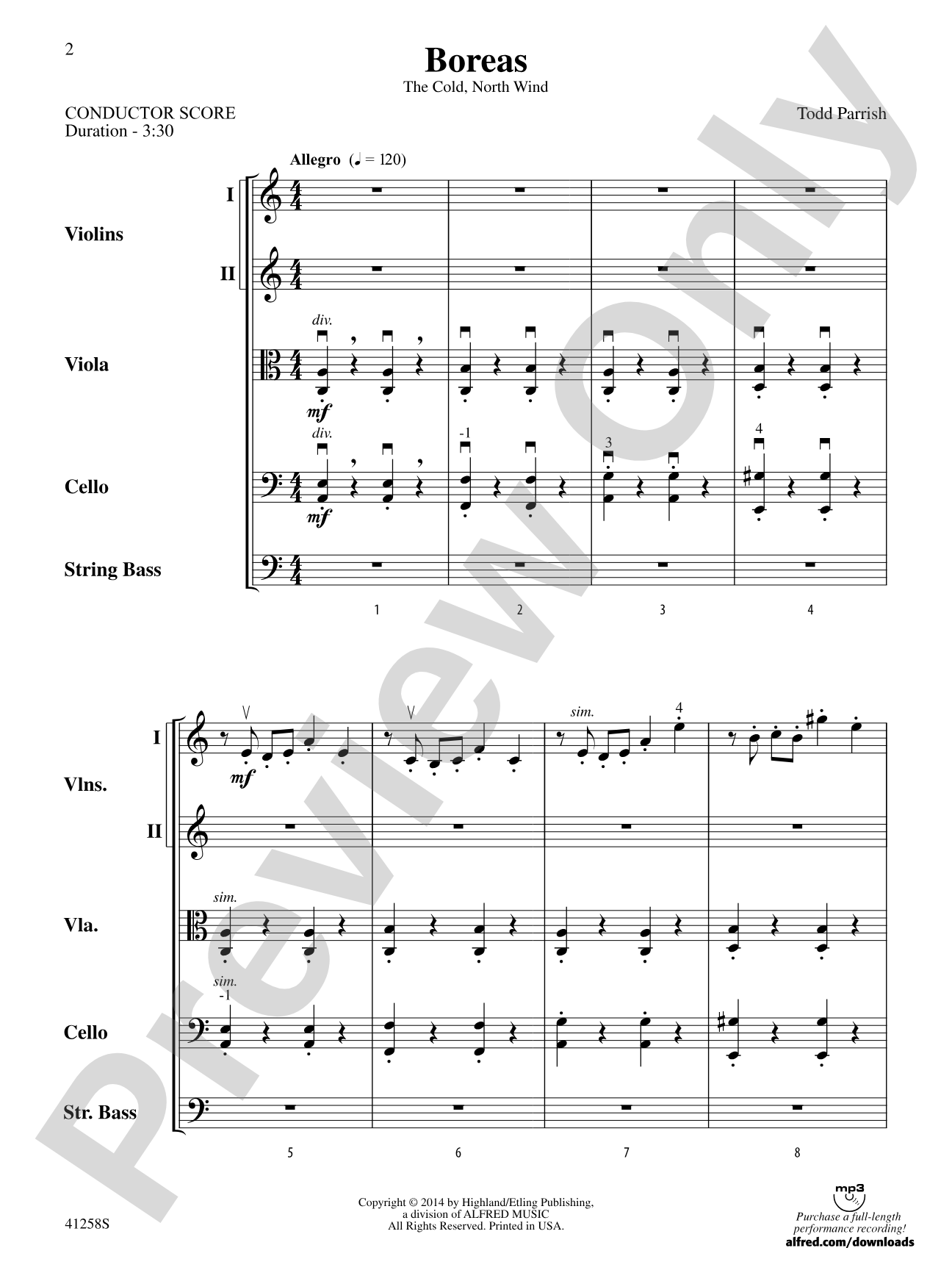
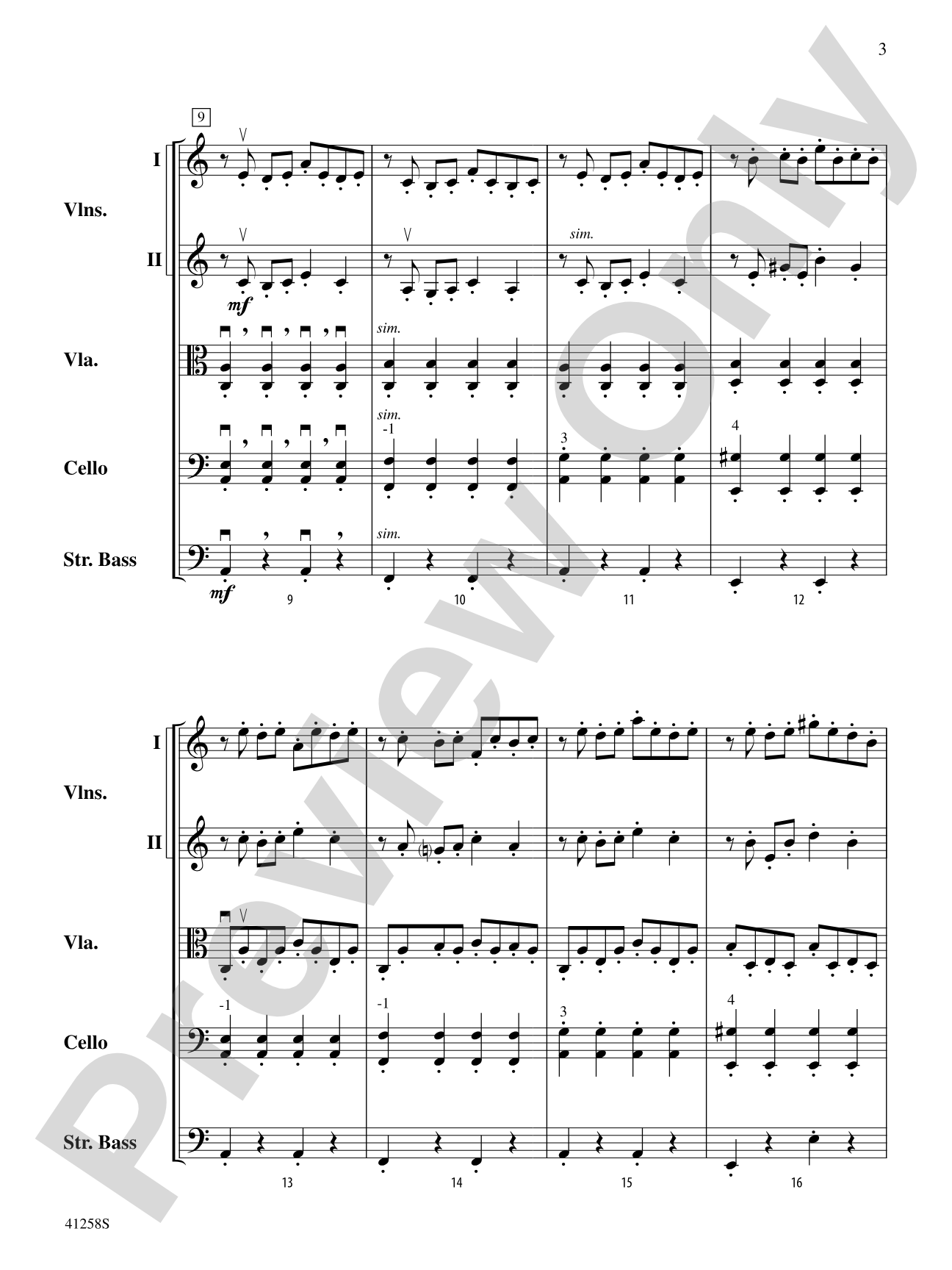
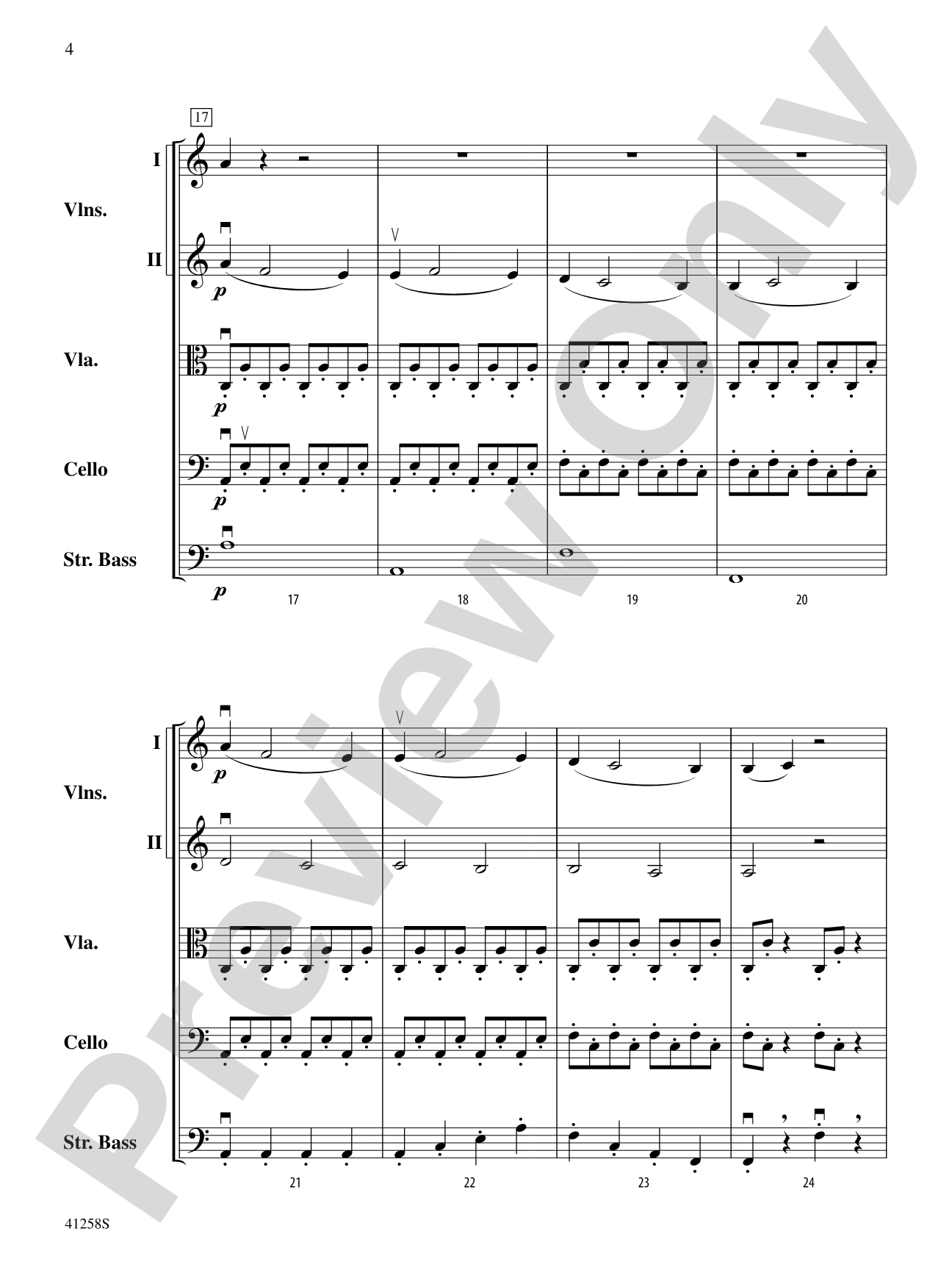
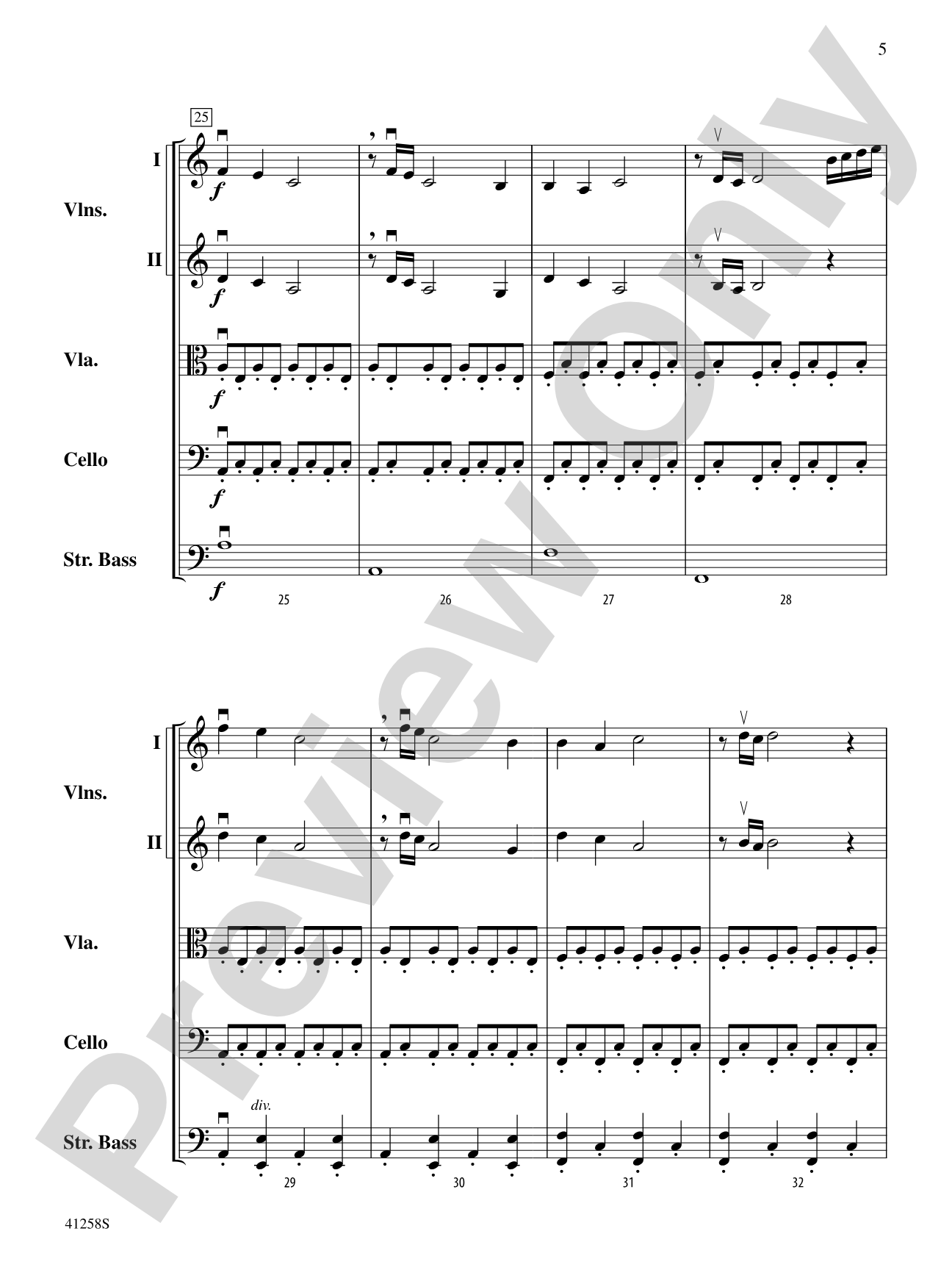
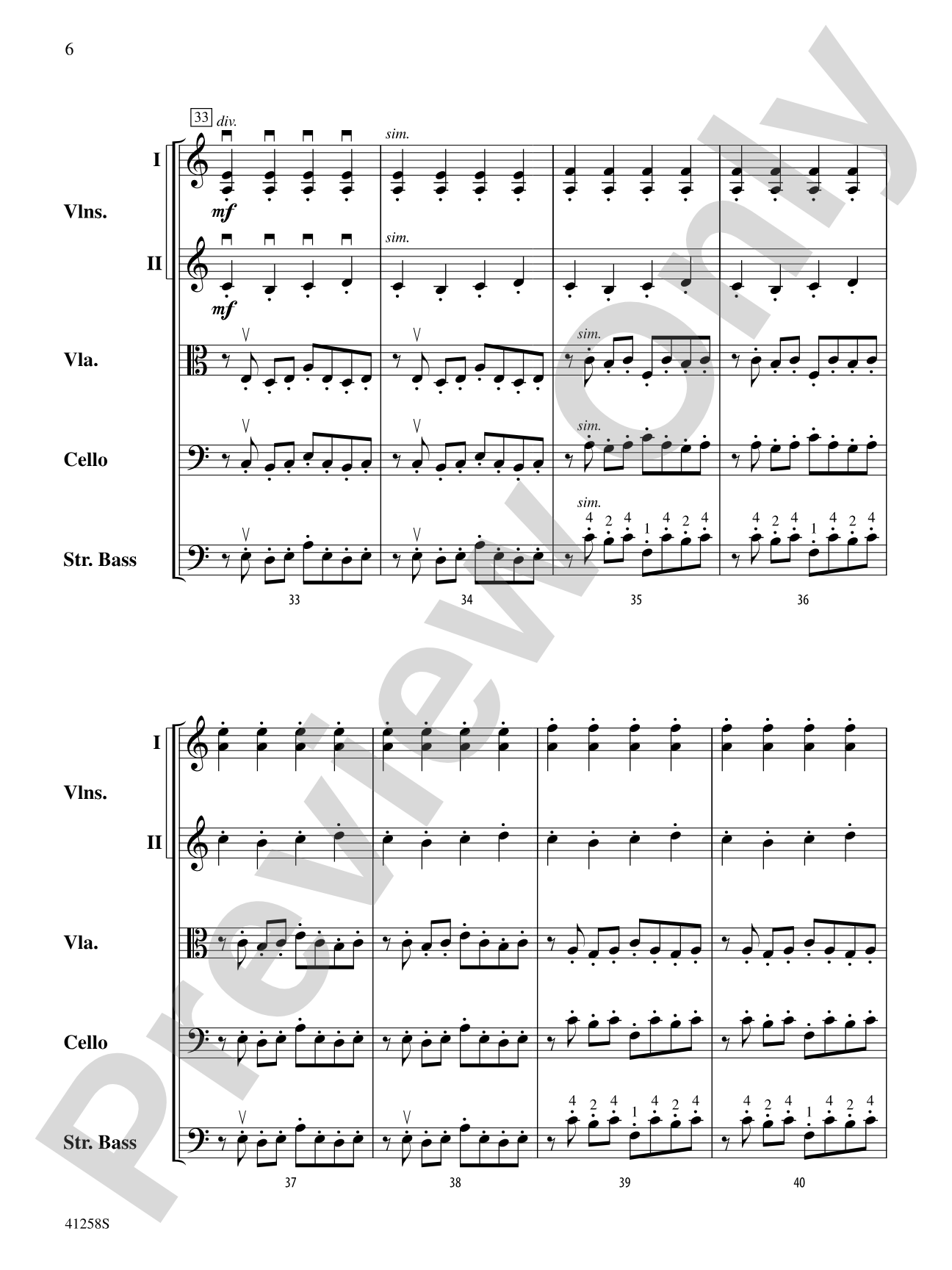
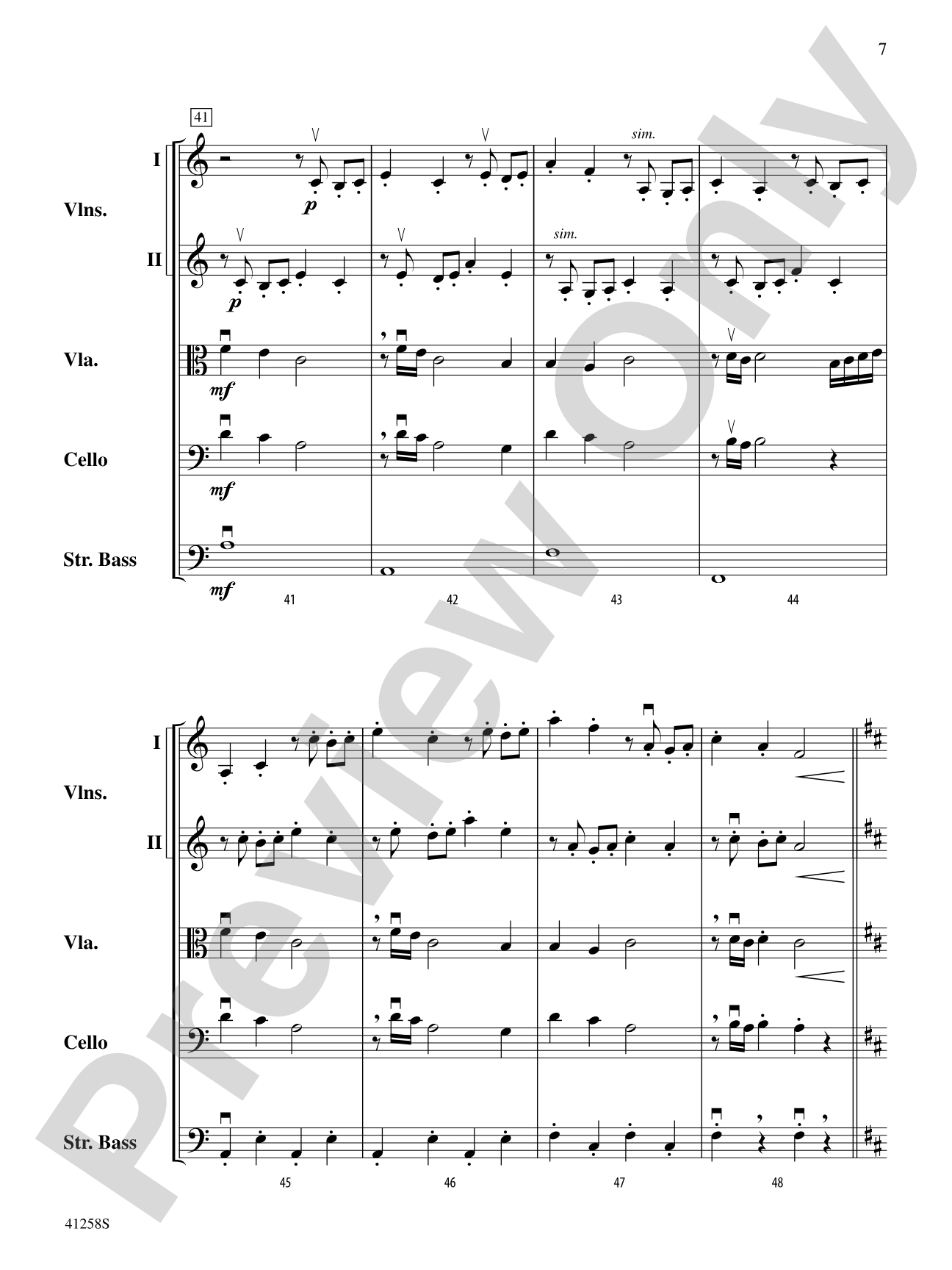
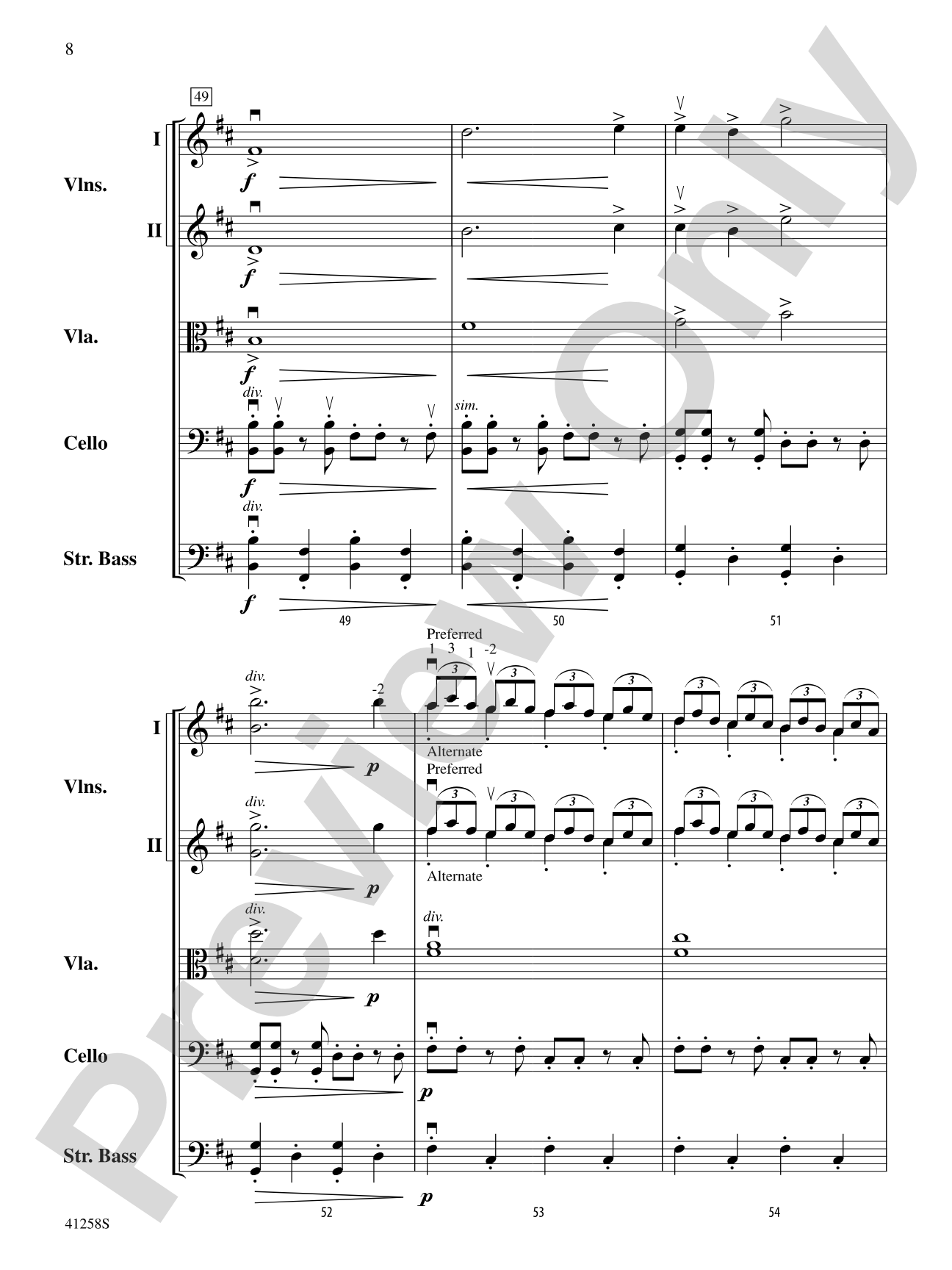
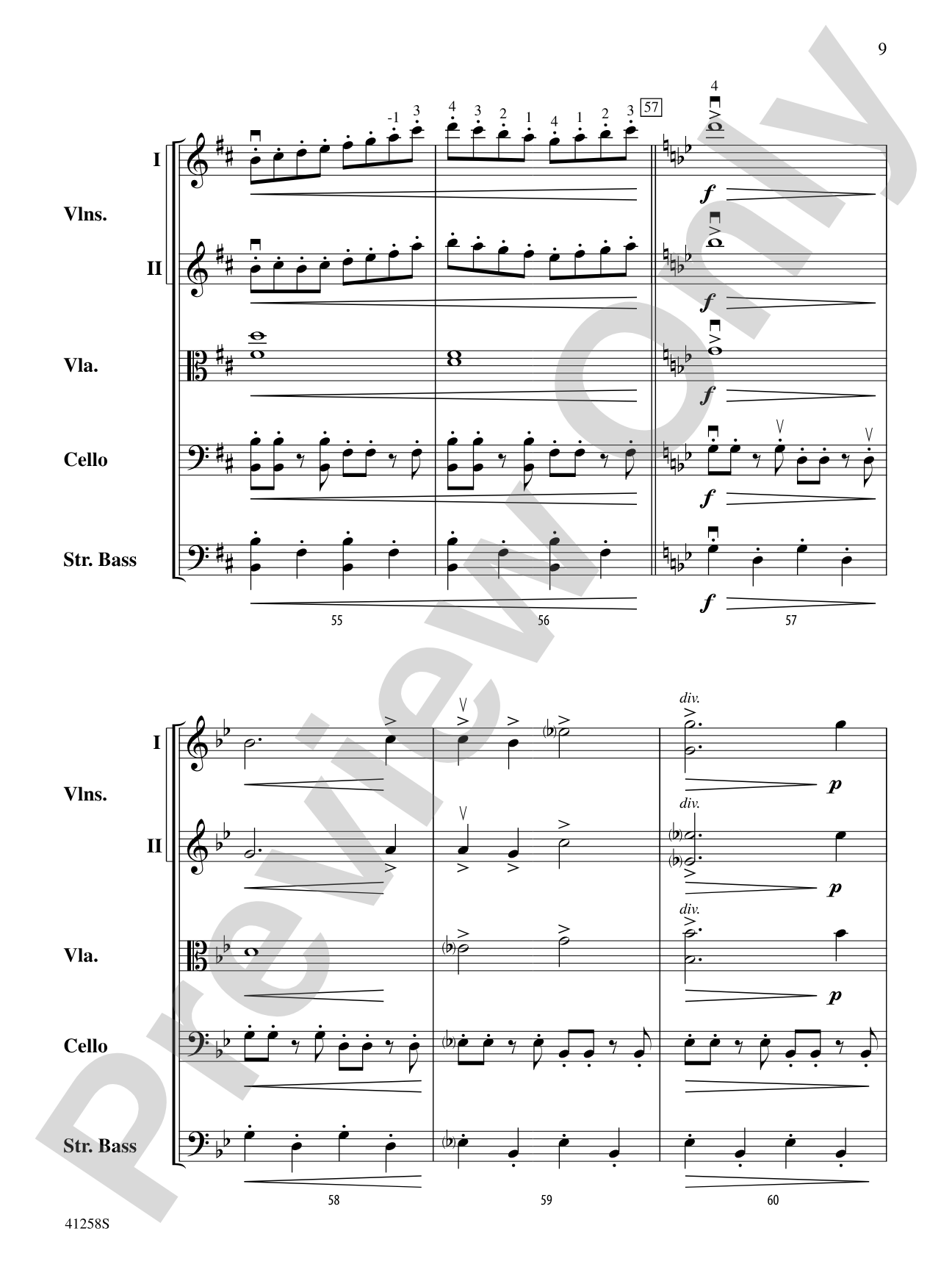
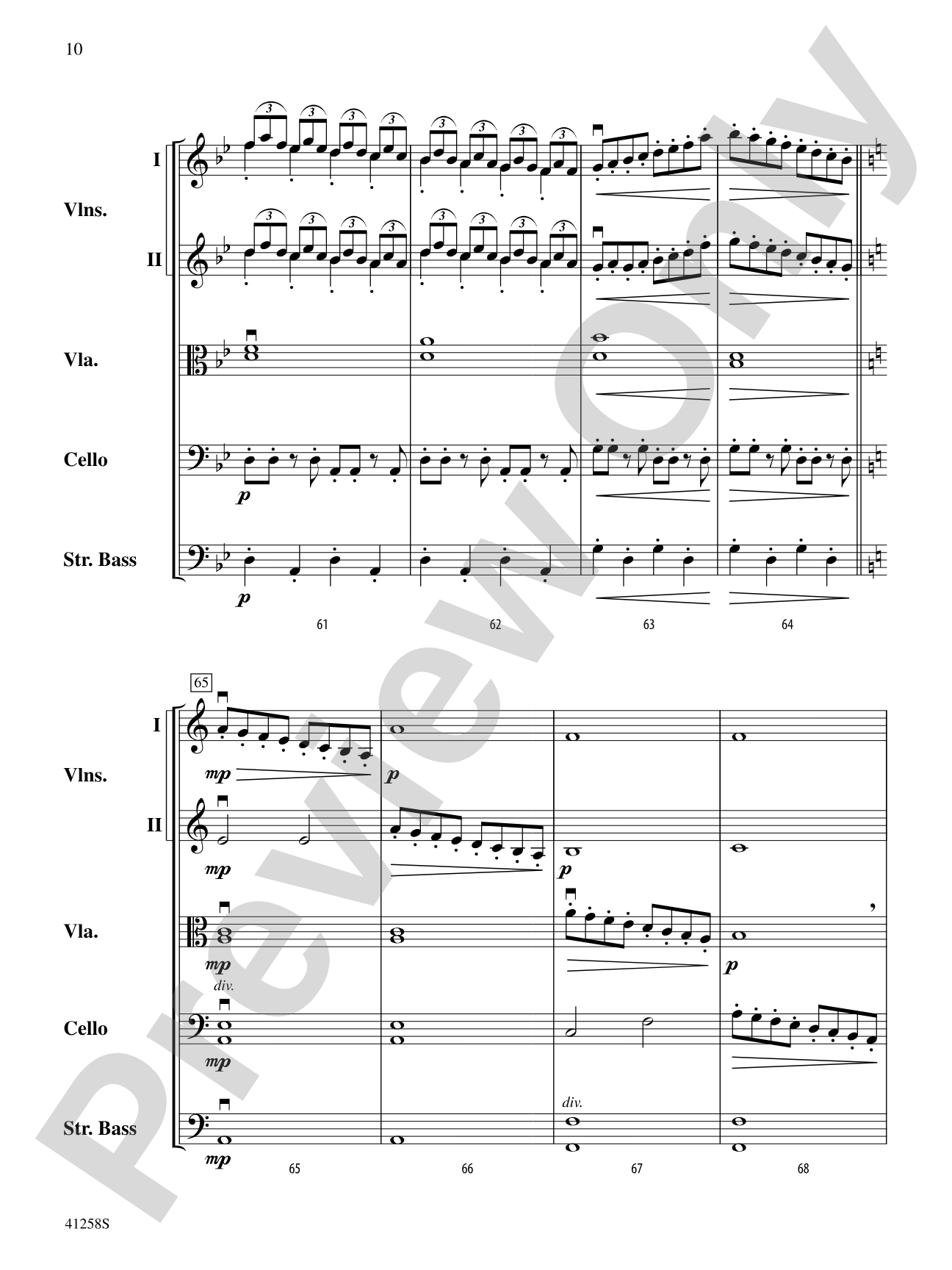
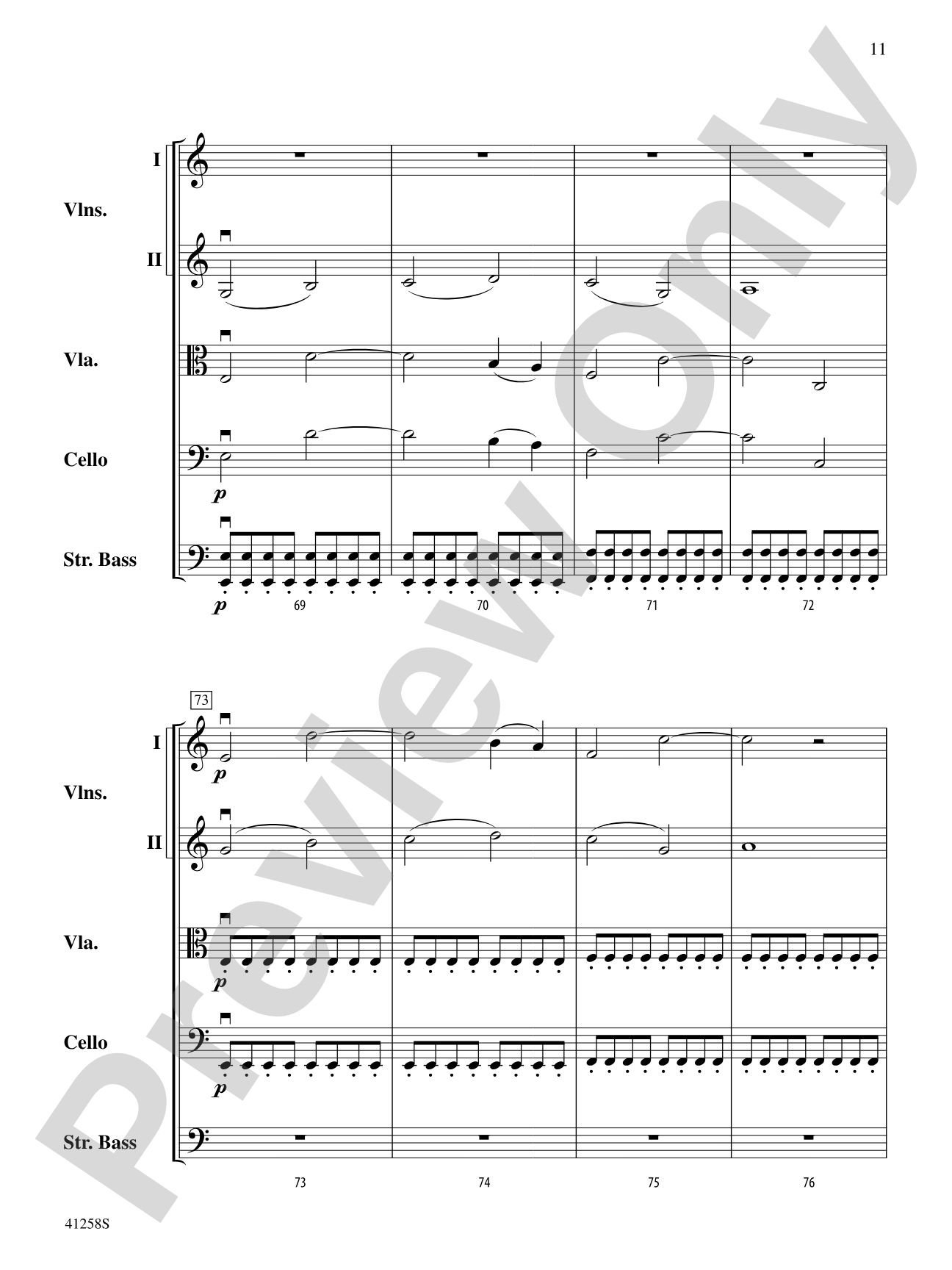
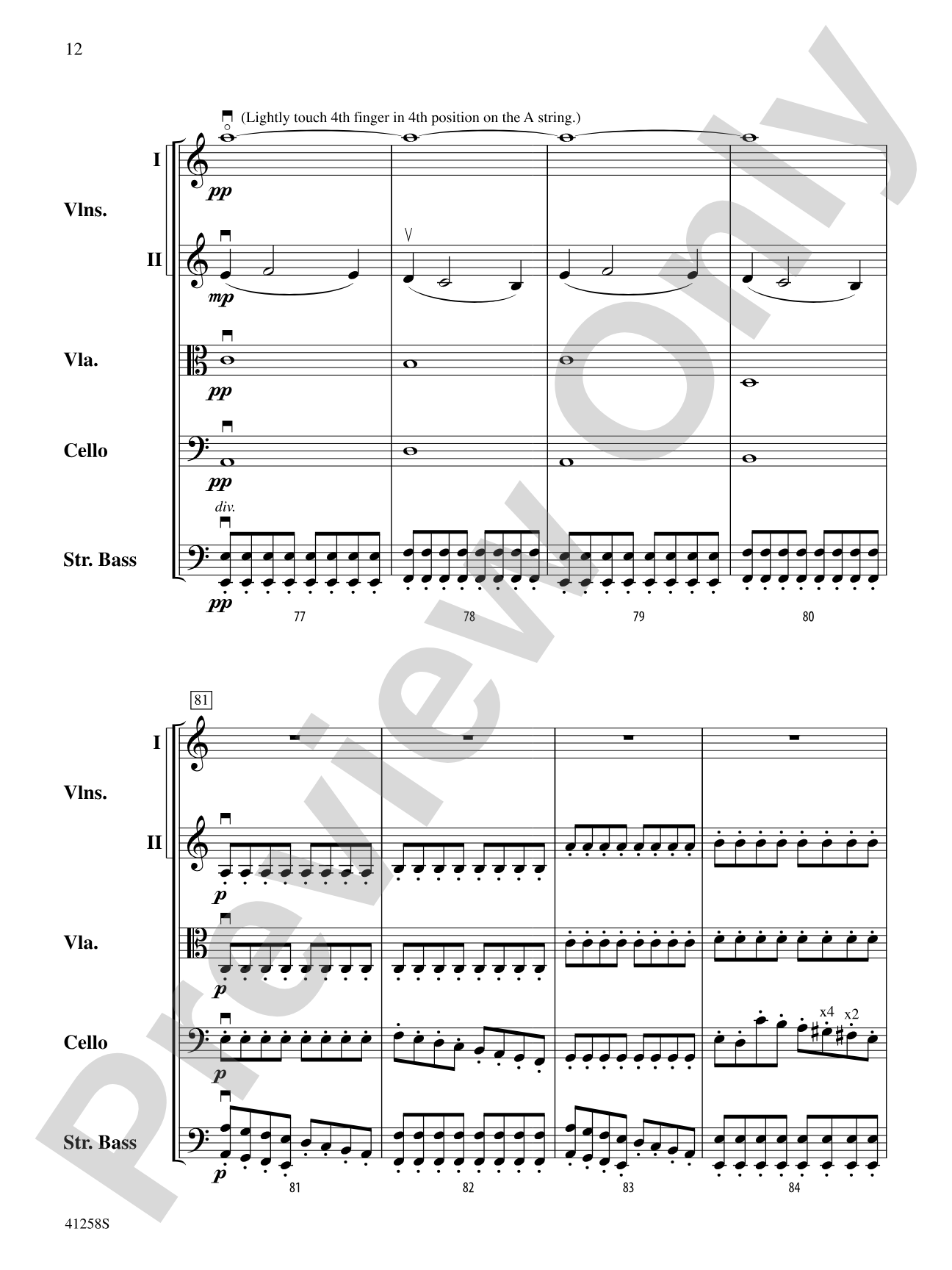
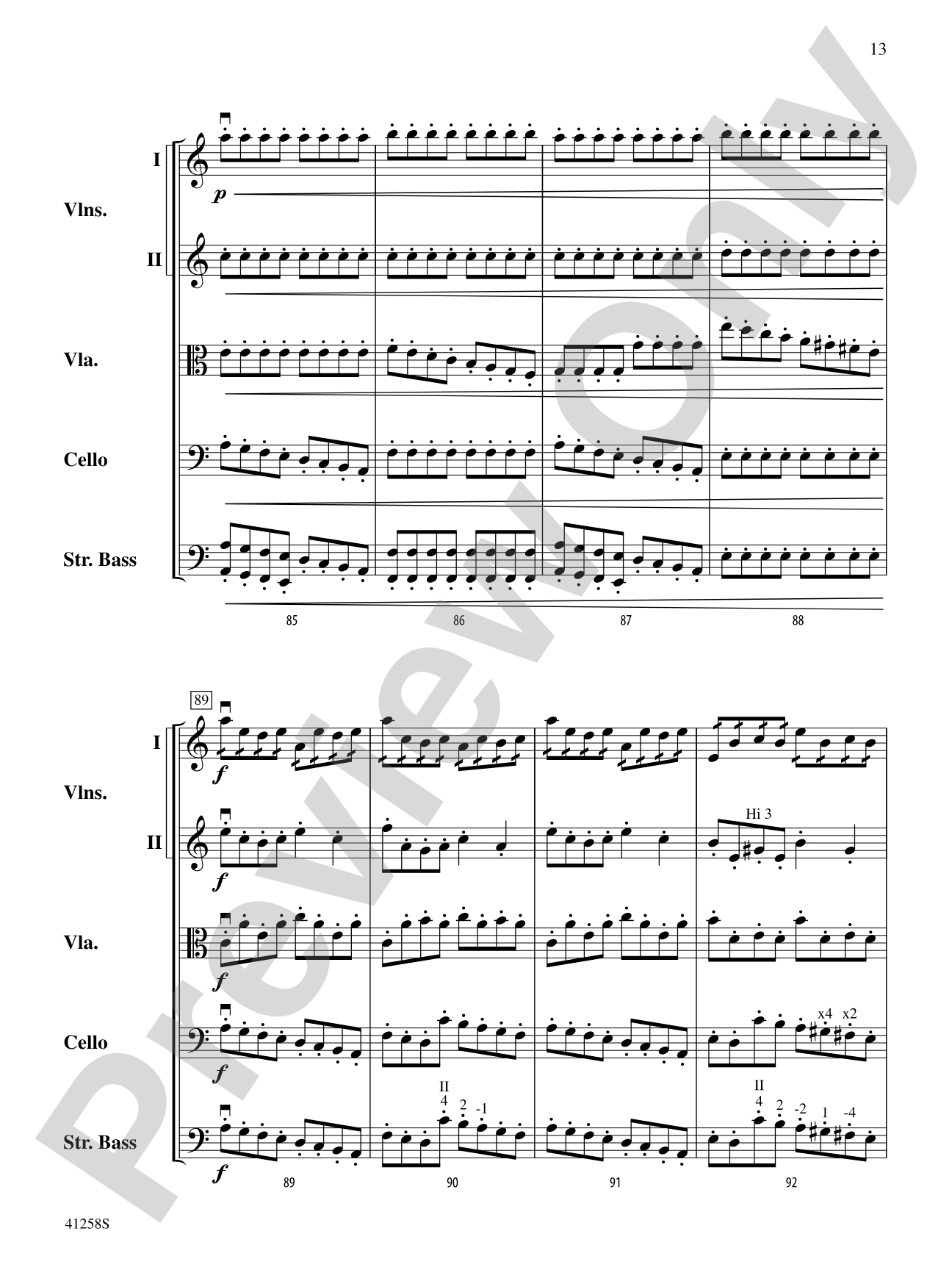
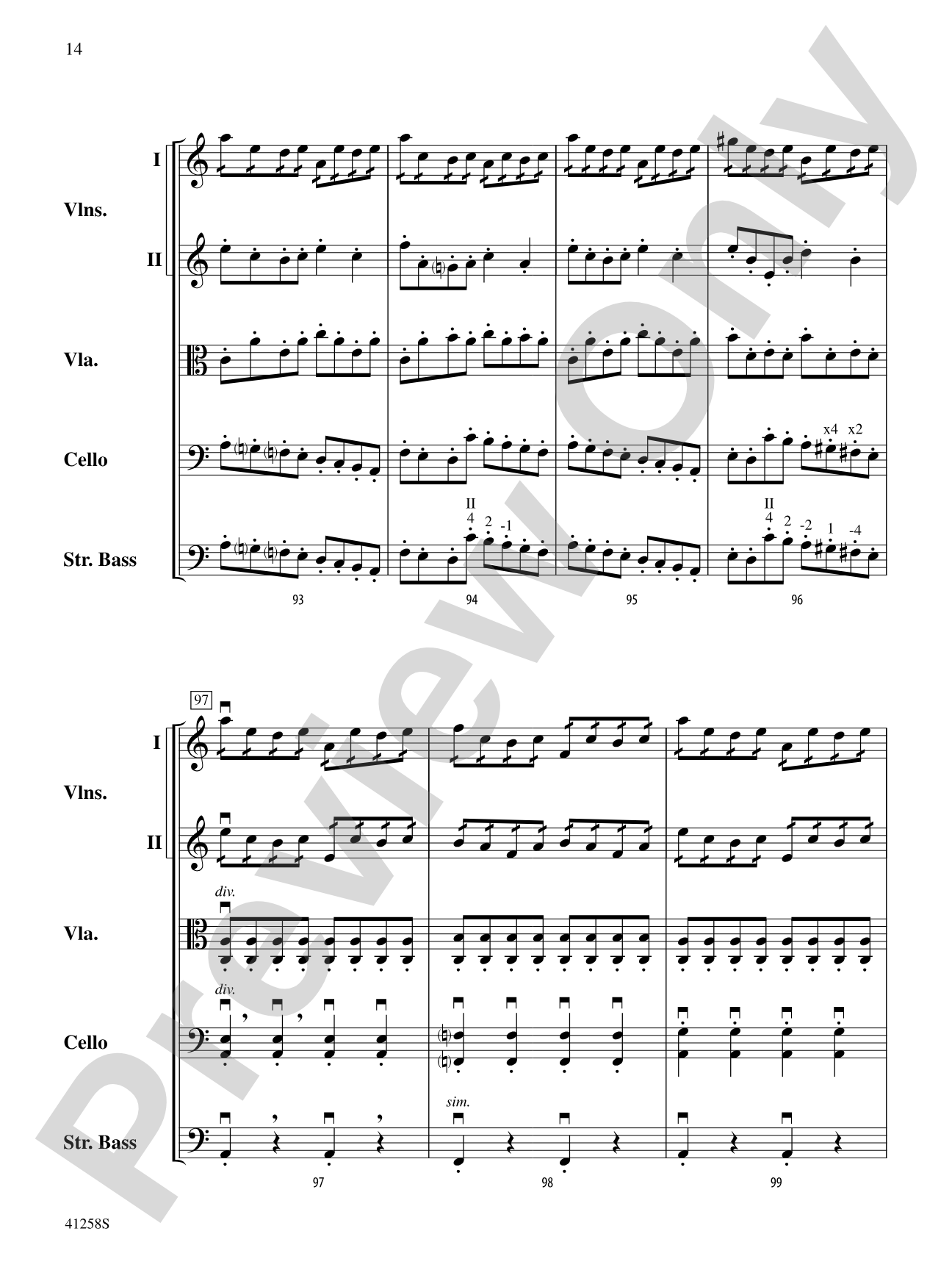
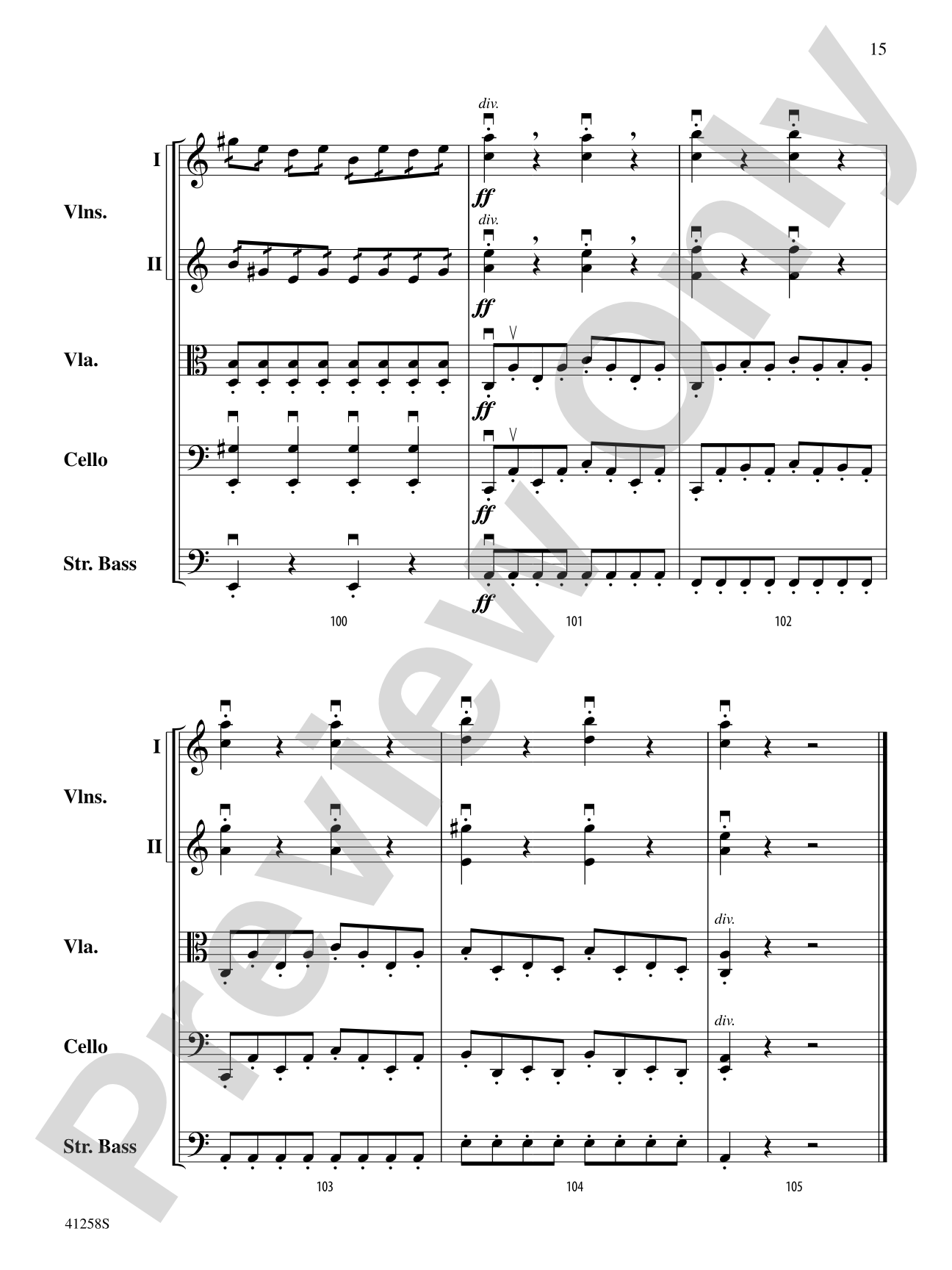
In Greek mythology, Boreas is the cold, north wind, making this piece a great addition to any winter concert! The mysterious opening leads to an exciting finale. Students will experience spiccato and legato bowing styles, multiple down bows, and key changes. (3:30) This title is available in MakeMusic Cloud.


Don't just read it, hear it, play along with it, and watch your students grow with it. In MakeMusic Cloud, Boreas: String Orchestra Conductor Score & Parts comes alive with professional accompaniment, adjustable tempo, and built-in practice tools that turn solo practice into real progress.
Open in the Player
Jump straight in and assign it today.
Start Your Free Trial
Open this title and explore the full library in minutes.
Sample Audio
1
Audio File
--:--
0:00
0:00
Sample Video
Additional Details
Series:
Highland/Etling String Orchestra
Publisher:
Alfred Music
Page Count:
124
SKU:
00-PK-0006119
More about this title
About the Composer: Todd Parrish
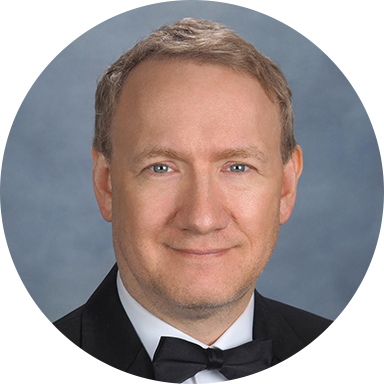
Todd Parrish brings two decades of orchestral teaching experience across multiple states to his compositions and arrangements for school ensembles. He studied violin and piano at ORU in Tulsa, Oklahoma, and earned a Master of Music in Orchestral Conducting from the University of Arizona, where he worked with conductor Jindong Cai and string specialists Nancy Green and Bonnie Terry. He has continued his conducting studies at prestigious summer workshops in Colorado, South Carolina, Maine, and France.
Parrish's editorial work spans major music publishers; he has served as orchestra editor for both J.W. Pepper and Carl Fischer Music, and as string editor for Wingert-Jones Publications. Over forty of his original compositions and arrangements are published across Alfred, Wingert-Jones, and Carl Fischer. He lives in Orlando, Florida, where he remains active as a guest conductor and composer for school orchestras.
Why we love this
Boreas captures the drama of mythology while staying musically practical for a mid-level orchestra. The structure rewards your students with clear dramatic arcs: an intriguing, atmospheric opening that builds genuine excitement by the finale. Parrish writes idiomatically for young string players, introducing technical growth (spiccato, legato variety, multiple down bows, key modulation) without overwhelming them.
What to expect
A cold wind sweeps in with mystery and subtle menace, building momentum through layered textures until it explodes into an exhilarating rush. The contrast between intimate, atmospheric passages and the energetic finale mirrors the mythological Boreas himself: forceful, inevitable, and impossible to ignore.
Who it's for
This piece suits orchestras in grades 5-8 ready for light orchestral storytelling and early bowing independence. Conductors programming winter concerts will find it both musically substantial and seasonally fitting without veering into cliché.
How to get the most out of it
- Shape the mysterious opening with dynamic restraint and even bow pressure; let the gradual buildup toward the finale define the piece's arc rather than forcing drama early.
- Isolate spiccato passages in separate rehearsals, ensuring each section masters the stroke independently before coordinating across the ensemble.
- Mark the key changes clearly in parts so students anticipate the harmonic shifts; sudden tonal moves will feel intentional rather than accidental.
- Use the recorded accompaniment to anchor tempo and help sections lock into the rhythmic drive of the finale.
How to use it
Program Boreas as a dramatic centerpiece in a winter concert, or pair it with lighter seasonal fare to give your program emotional variety. Its three-and-a-half-minute length makes it ideal for opening the second half of a concert, resetting audience attention before additional repertoire.
Skills your students will build
- Spiccato and legato bowing articulation
- Multiple consecutive down bows
- Playing through key changes (modulation)
- Building dynamic shape across longer phrases
- Ensemble balance when parts move at different textural densities