
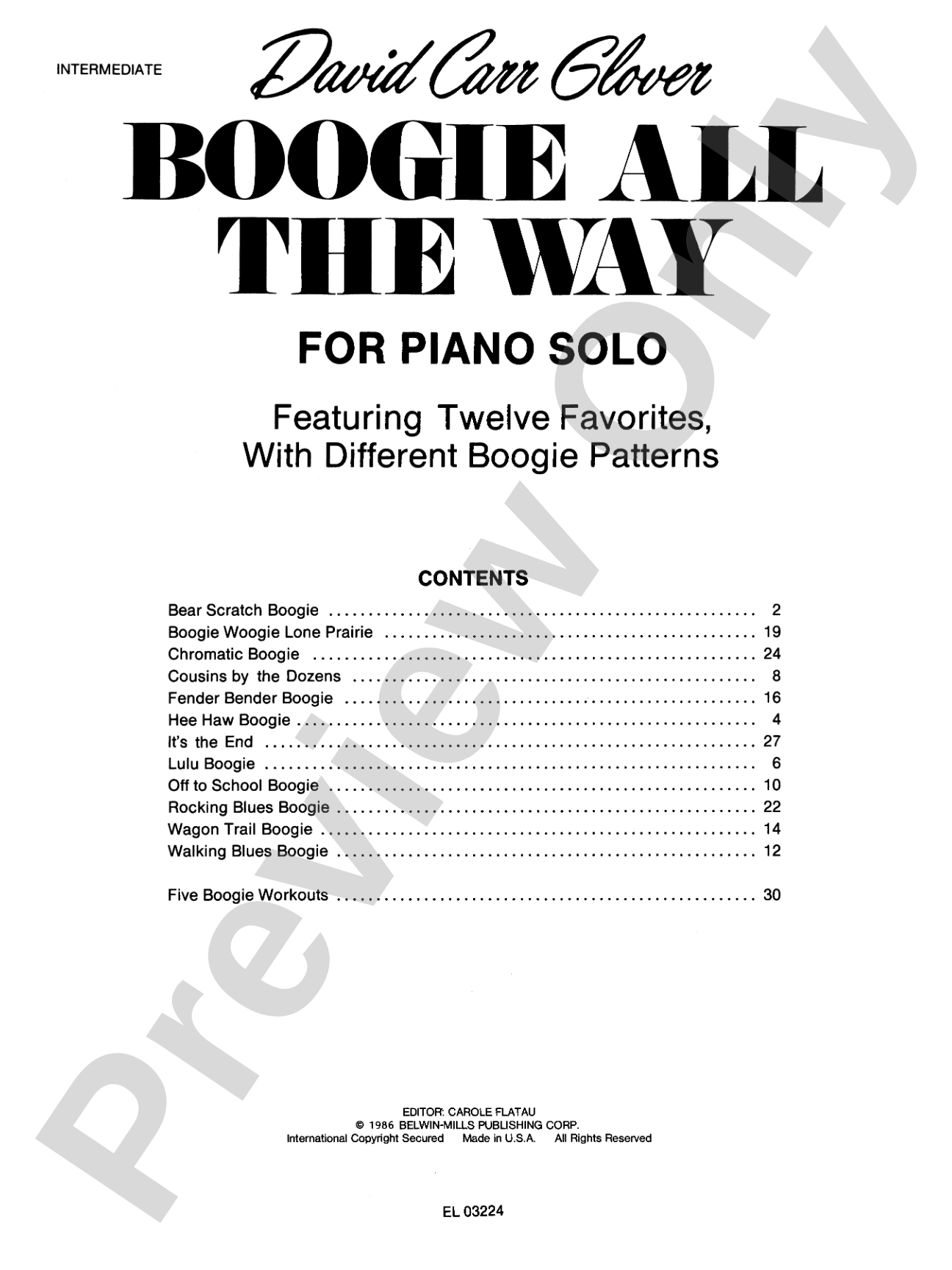
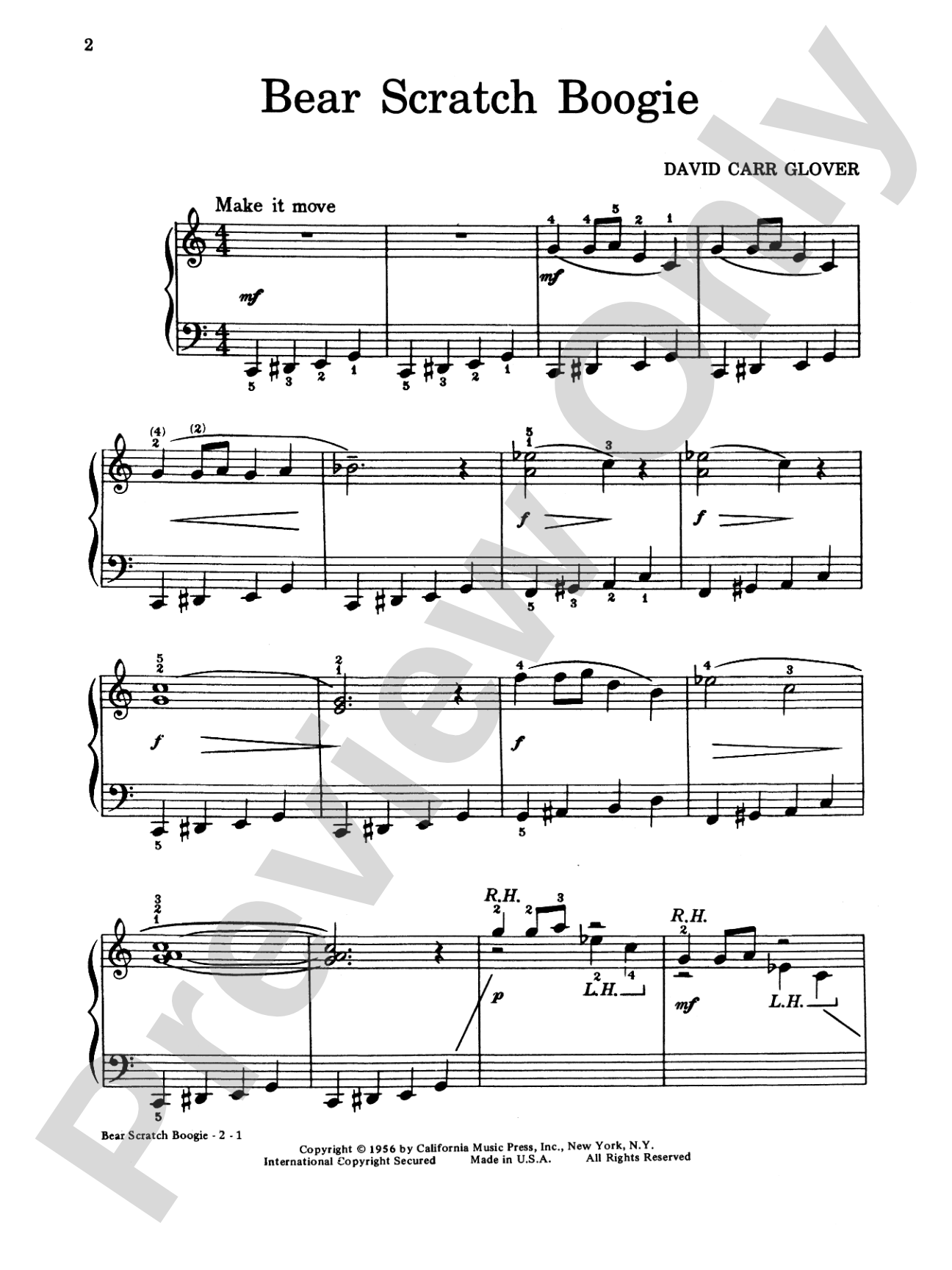
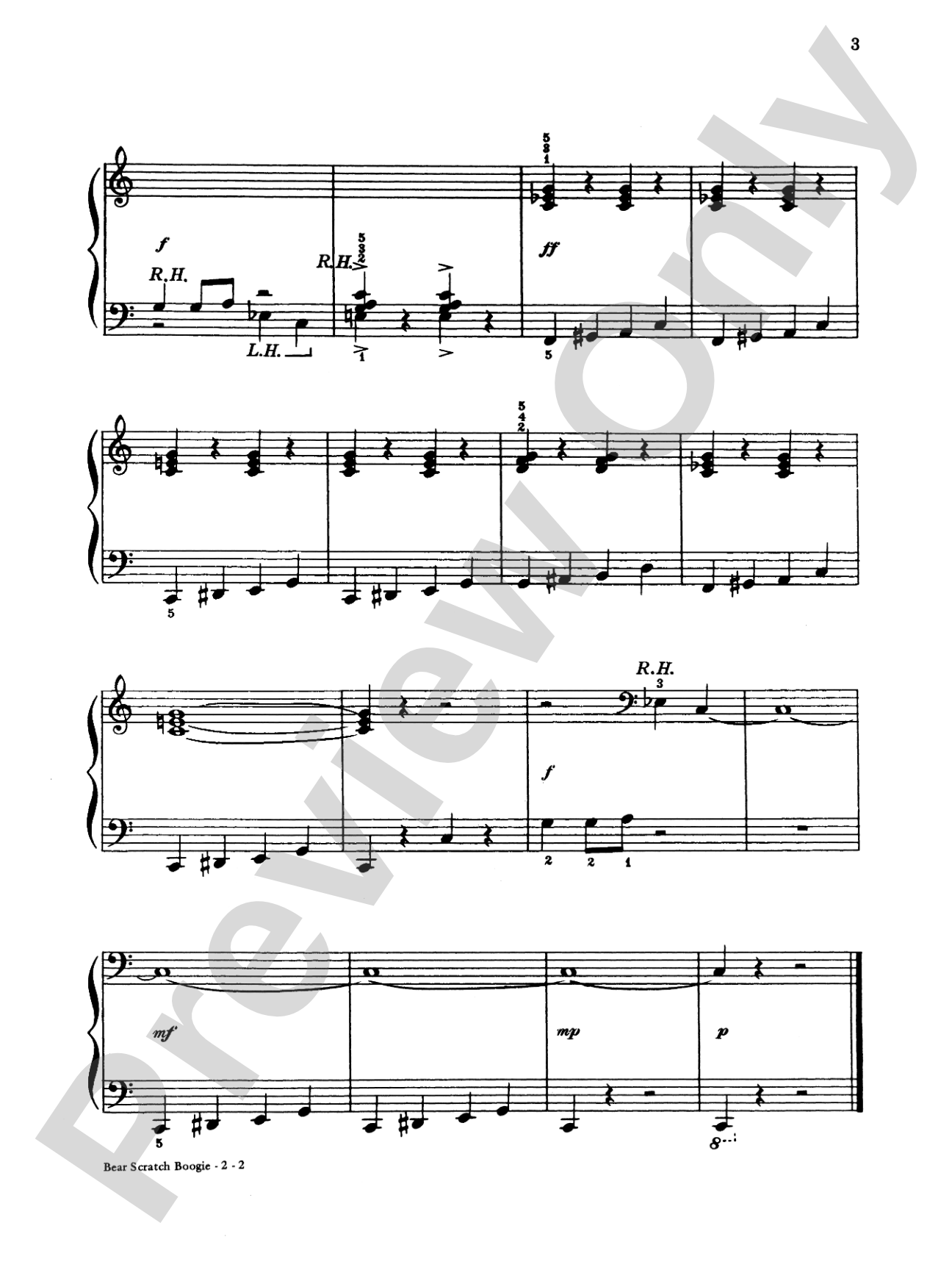
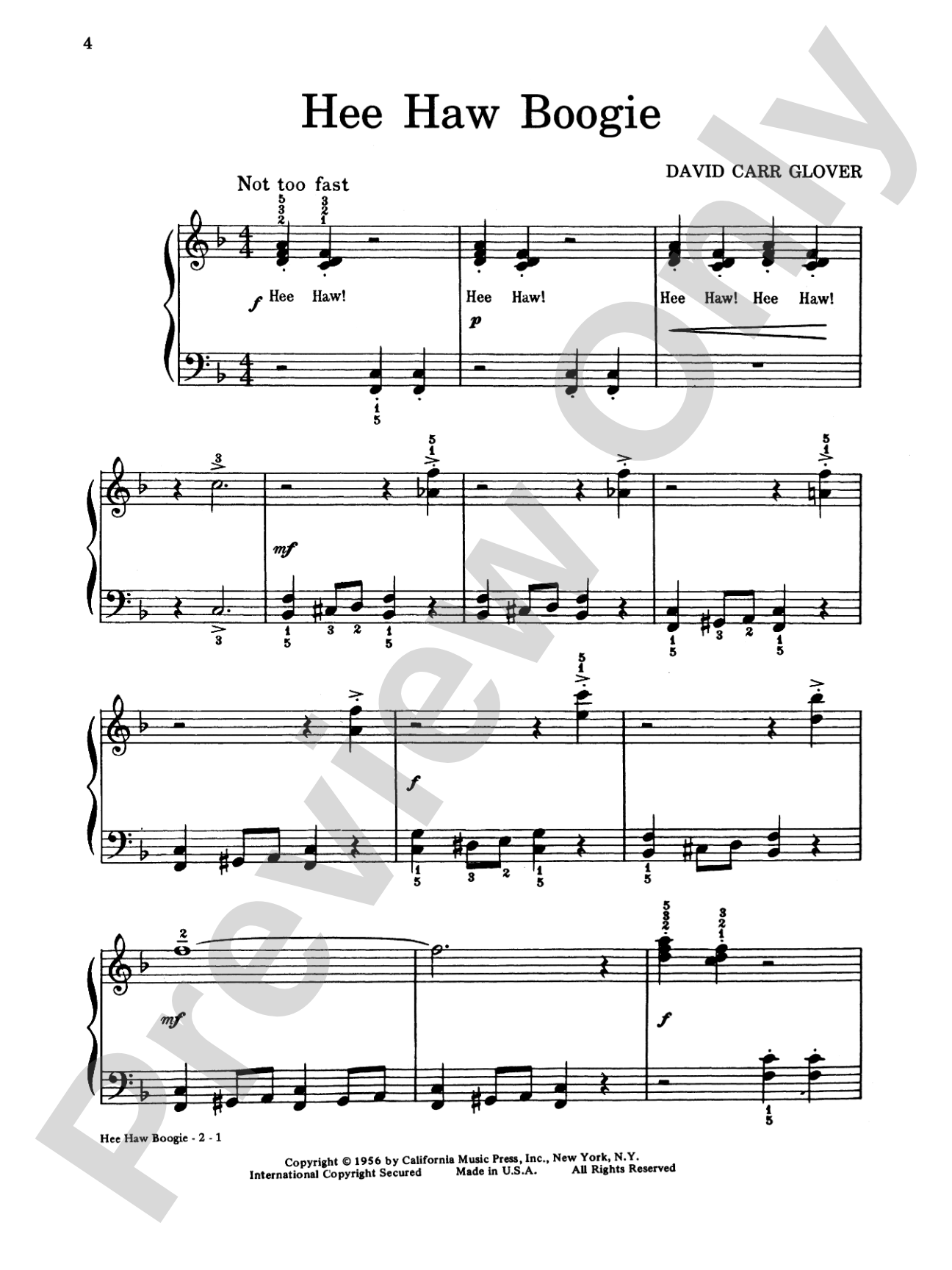
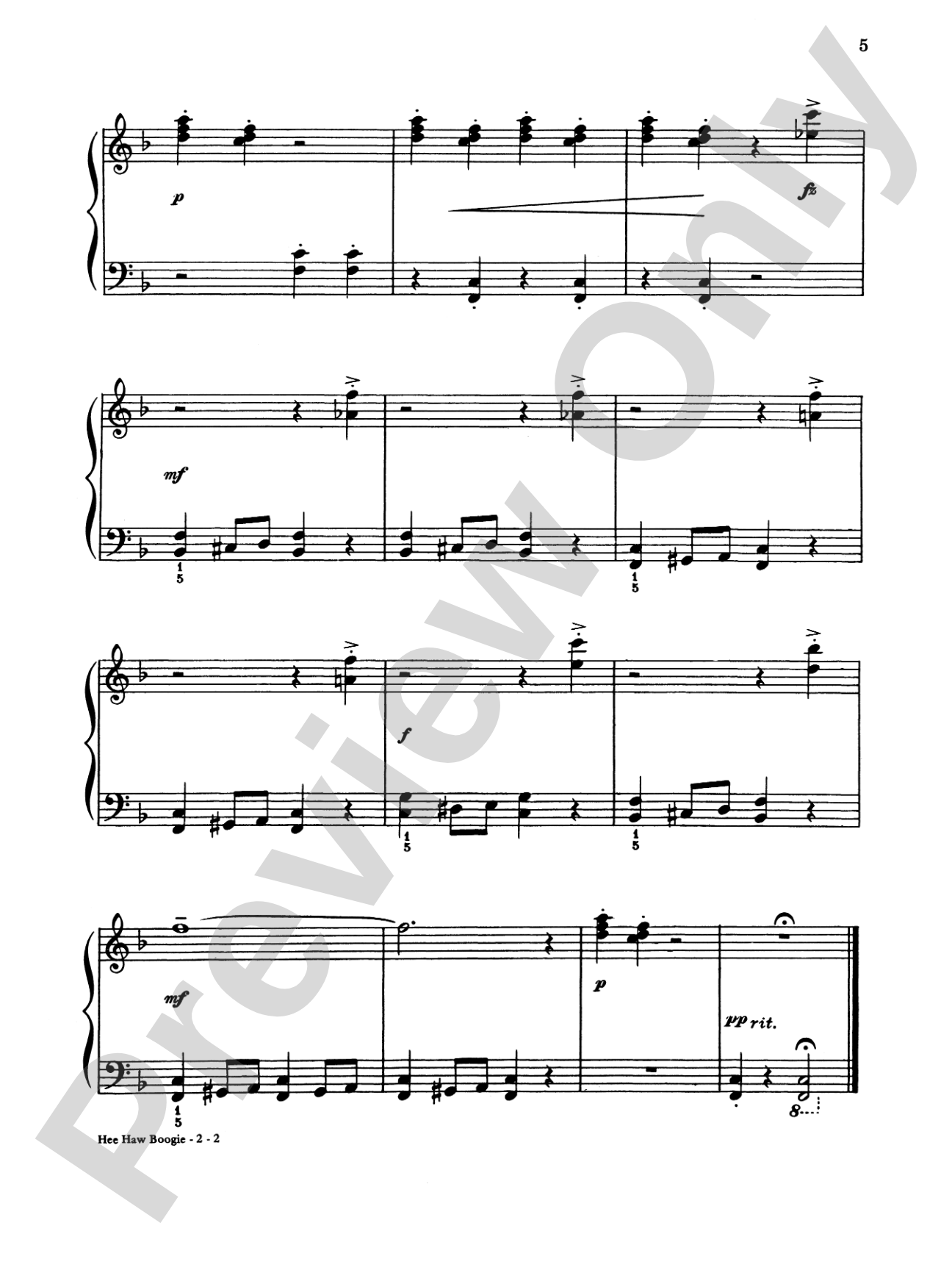
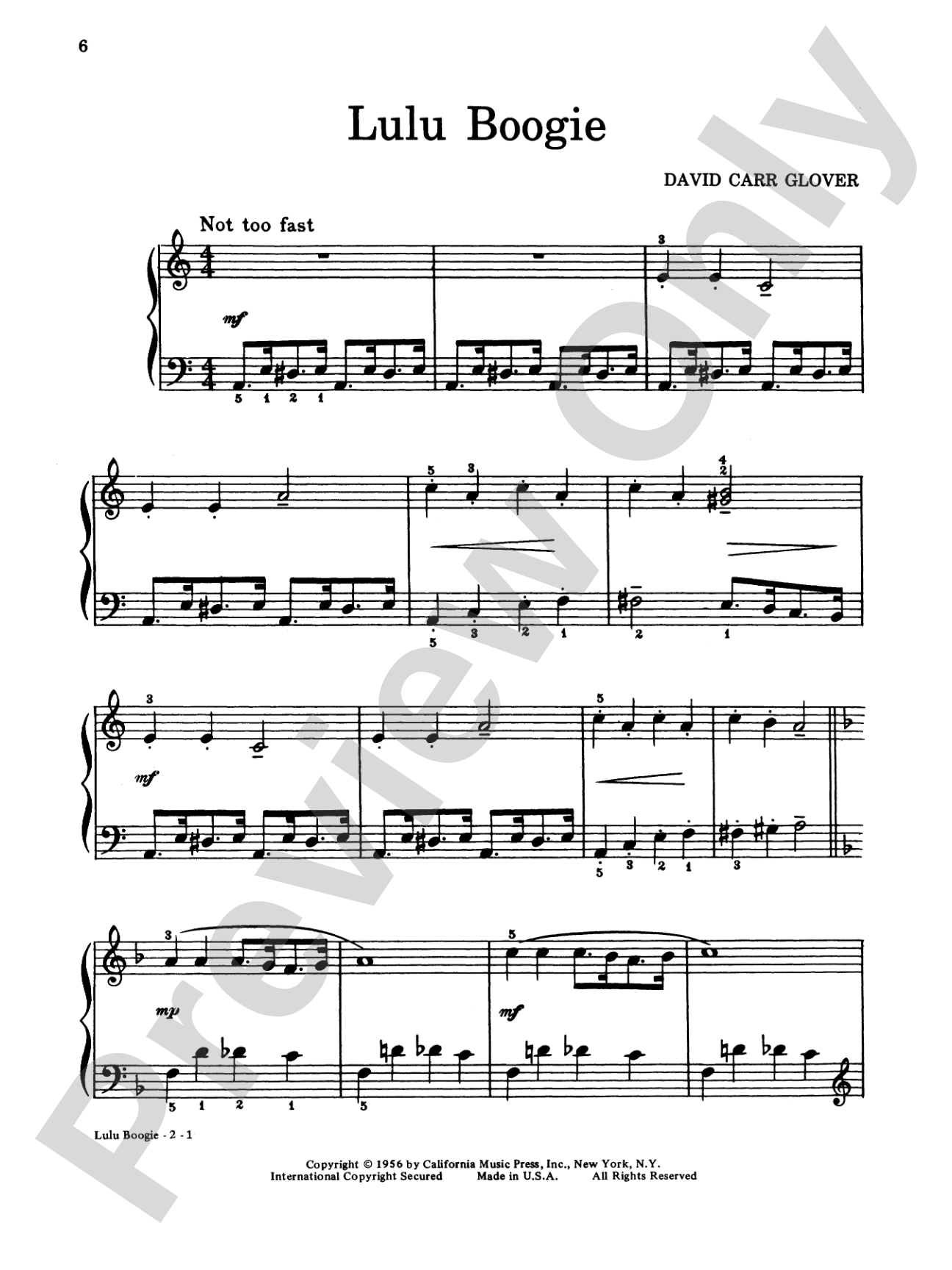
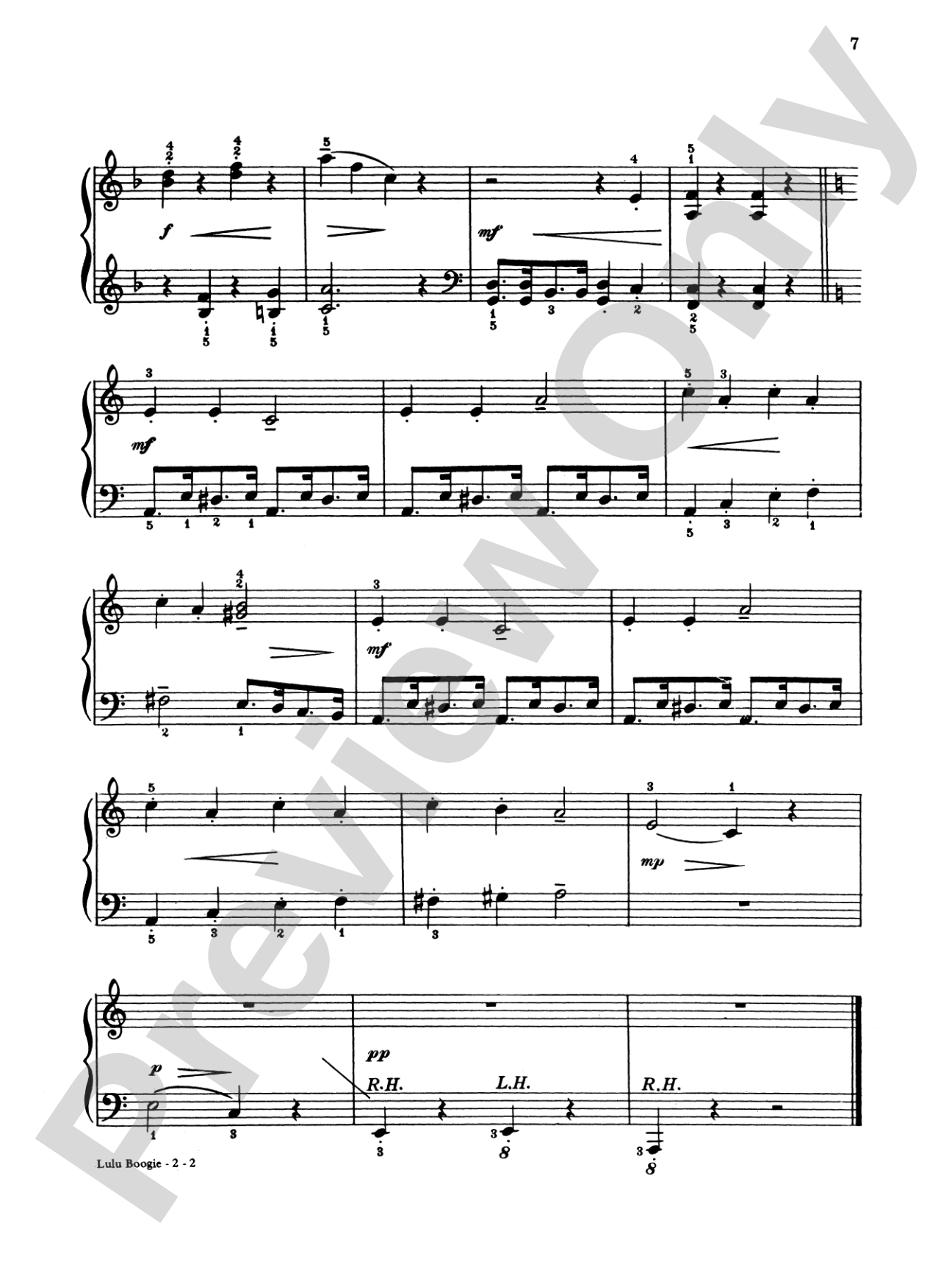

Boogie All the Way: Featuring Twelve Favorites with Different Boogie Patterns: Piano
Featuring Twelve Favorites with Different Boogie Patterns
By David Carr Glover
Level: Intermediate
Item: 00-PB-0000921
$7.99
Pickup currently not available
Related Items
Boogie All the Way: Piano Book |
$7.99
|
View |
Description


Boogie All the Way: Featuring Twelve Favorites with Different Boogie Patterns: Piano isn't in MakeMusic Cloud just yet...but it could be. Let us know you'd like to see it, and you'll help shape what comes next. In the meantime, start a free trial and dive into thousands of interactive titles your students can play along with today.
Request This Title
Tell us you want it.
Start Your Free Trial
Explore everything that's ready to play right now.
Sample Audio
No sample audio found.
Sample Video
No sample videos found.
Additional Details
Series:
David Carr Glover Piano Library
Publisher:
Alfred Music
Page Count:
32
SKU:
00-PB-0000921
More about this title
About the Composer: David Carr Glover
David Carr Glover was a prolific composer and music educator whose piano materials became foundational to American music instruction throughout the 20th century. His approach emphasized engaging, musically substantial repertoire that built technique organically rather than through isolated exercises, making him a trusted voice in piano pedagogy for generations of teachers.
Glover's gift was matching technical progression to genuine musical interest. His compositions for students never talked down to the player; instead, they invited young pianists into real musical idioms and styles while gradually expanding their capabilities. The David Carr Glover Piano Library remains widely used because it respects both the student's intelligence and the teacher's need for sequenced, reliable material.
Why we love this
Glover's ability to isolate and teach specific rhythmic and accompaniment patterns without sacrificing musicality shines throughout this collection. Rather than abstract rhythm drills, students encounter twelve distinct boogie feels embedded in recognizable, engaging pieces, so the patterns stick through musical context rather than repetition. The variety keeps intermediate pianists curious about what comes next.
What to expect
Twelve bursts of swing and energy, each one bouncing with a different rhythmic swing. The boogie patterns pulse underneath memorable melodies, creating the feel of relaxed, joyful playing where technique dissolves into musicality. This collection invites students to discover that the mechanical elements of piano playing can fuel genuine musical expression.
Who it's for
Intermediate piano students ready to explore a distinctive American musical style while building left-hand independence and rhythmic confidence. Teachers seeking motivated practice material that introduces boogie as both a technical tool and a window into jazz-influenced popular music. Studio pianists looking to expand their rhythmic vocabulary and move beyond classical repertoire.
How to get the most out of it
- Establish a comfortable tempo before attempting the full boogie pattern; the rhythmic pocket matters more than speed, so lock in the feel at a tempo where the left hand sits naturally.
- Study each accompaniment pattern in isolation before adding the melody line; boogie success depends on confident, relaxed left-hand coordination.
- Listen for the swing and shuffle inherent in boogie rhythms; straight eighth notes will feel mechanical, so let the figures breathe slightly.
- Use the variety of pieces as a learning sequence; work through them in order to absorb how boogie patterns can shift across different harmonic contexts.
How to use it
Feature these pieces in a recital segment celebrating American musical styles or rhythm-focused programming. Intersperse them throughout the year as supplementary material in private lessons, assigning a new boogie pattern every few weeks as students' hands grow more independent. Program them alongside classical repertoire to show students the range of musical expression available to pianists.
Skills your students will build
- Left-hand independence and comfort with repeated rhythmic patterns
- Understanding of boogie accompaniment patterns and how they vary across different harmonic contexts
- Swing feel and rhythmic flexibility beyond straight metered reading
- Hand coordination and evenness when melody and accompaniment operate in different rhythmic spaces
- Stylistic awareness of blues and jazz-influenced popular music