Boogie 1 A.M. Cover Image

Boogie 1 A.M.: SATB Choral Octavo

$3.50 USD
Sale price  $3.50 USD Regular price 
Skip to product information
Boogie 1 A.M. Cover Image

Boogie 1 A.M.: SATB Choral Octavo

Text by Langston Hughes, music by Dave Brubeck

Item: 00-OCT9914

$3.50
Shipped

One moment…

Description
Dave Brubeck has masterfully adapted the words of Langston Hughes to bring us this exceptional new choral work. This is one of four new chorals adapted from the larger work HOLD FAST TO DREAMS premiered in the fall of 1998 in Princeton, New Jersey. Inspiring and wonderful music!

Boogie 1 A.M.: SATB Choral Octavo isn't in MakeMusic Cloud just yet...but it could be. Let us know you'd like to see it, and you'll help shape what comes next. In the meantime, start a free trial and dive into thousands of interactive titles your students can play along with today.

Sample Pages

Sample Audio
No sample audio found.
Sample Video
Additional Details
Series: Lawson-Gould: The Dave Brubeck Series
Publisher: Alfred Music
Page Count: 20
UPC: 029156989328
SKU: 00-OCT9914

More about this title

About the Composer: Dave Brubeck
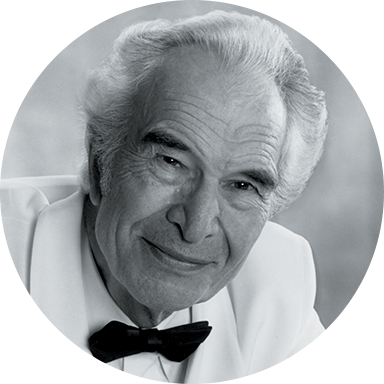
Dave Brubeck

Dave Brubeck earned international recognition as a jazz pianist whose improvisational mastery fundamentally shaped modern jazz, yet his compositional output spanned far beyond the jazz idiom. He created choral works, hymns, orchestral pieces, chamber music, ballet suites, and large-scale works for chorus and orchestra, drawing on both jazz language and classical forms. His album Time Out became the first jazz recording to exceed one million copies in sales, and "Take Five" achieved legendary status. Beyond his musical innovations, Brubeck played a pivotal role in dismantling racial barriers in mid-twentieth-century America.

His sacred and choral works have circled the globe: To Hope! has been performed in Germany, Austria, Russia, and throughout English-speaking countries, with a notable 1995 recording by the Cathedral Choral Society at the National Cathedral in Washington, DC. The London Symphony Orchestra and London Voices recorded his Pange Lingua Variations and oratorios The Voice of the Holy Spirit and Beloved Son. Brubeck studied composition with Darius Milhaud at Mills College following World War II service, an influence that encouraged him to synthesize jazz vernacular with classical discipline. His lifetime achievements earned him the Presidential Medal of the Arts, Grammy Lifetime Achievement Award, a lifetime achievement award from the London Symphony Orchestra in 2007, and election into the American Classical Music Hall of Fame in 2003.

Why we love this

Brubeck's setting of Langston Hughes' words creates a rare bridge between American literary legacy and choral immediacy. The poetry gains dimension through Brubeck's harmonic language, which honors both the jazz sensibility that defines his career and the formal structures choral singers need to lock onto, making this feel neither contrived nor reductive.

What to expect

The music pulses with the kind of sophisticated swing that reflects Brubeck's jazz roots while maintaining clarity of text and form. Hughes' words take on new resonance through harmonic color and rhythmic sophistication, creating an experience that feels both intellectually engaging and emotionally direct.

Who it's for

This octavo suits choral programs with singers who can navigate chromatic harmony and jazz-influenced harmonic movement. It works particularly well for choirs already drawn to contemporary literature and secular works that engage cultural and historical themes.

How to get the most out of it

  • Study the text separately from the music first. Hughes' language carries its own rhythmic weight and emotional stakes; let that inform how you shape the melodic phrases rather than letting the notes dictate expression.
  • Balance the jazz-inflected harmonies without letting them pull the ensemble off center. Brubeck's chromatic movement can tempt singers to lag or rush; lock the tempo in rehearsal and trust the written rhythms.
  • Layer in dynamics gradually through rehearsals. The contrasts between sections will read more powerfully if you build them intentionally rather than marking everything in the score at once.

How to use it

Pair this with other contemporary American choral works or programs exploring twentieth-century poetry and music together. Its 20 pages make it substantial enough to anchor a concert section while remaining accessible for groups building their contemporary repertoire.

Skills your students will build

  • Reading and singing chromatic harmony and jazz-influenced chord progressions
  • Interpreting text by twentieth-century American poets through musical setting
  • Balancing jazz-inflected phrasing with formal choral ensemble cohesion
  • Understanding how compositional language can reflect both performer identity and literary content

You May Also Like