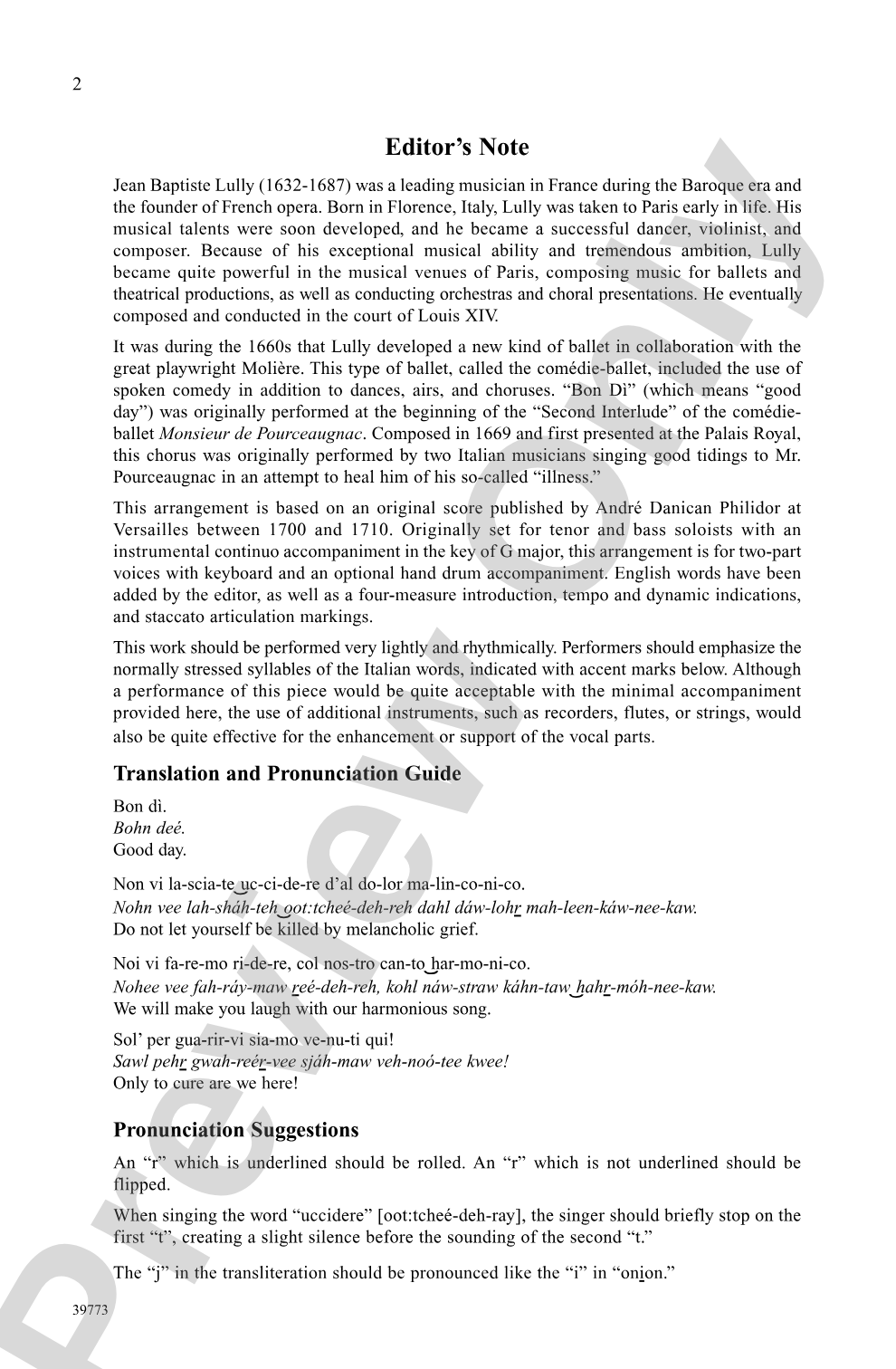
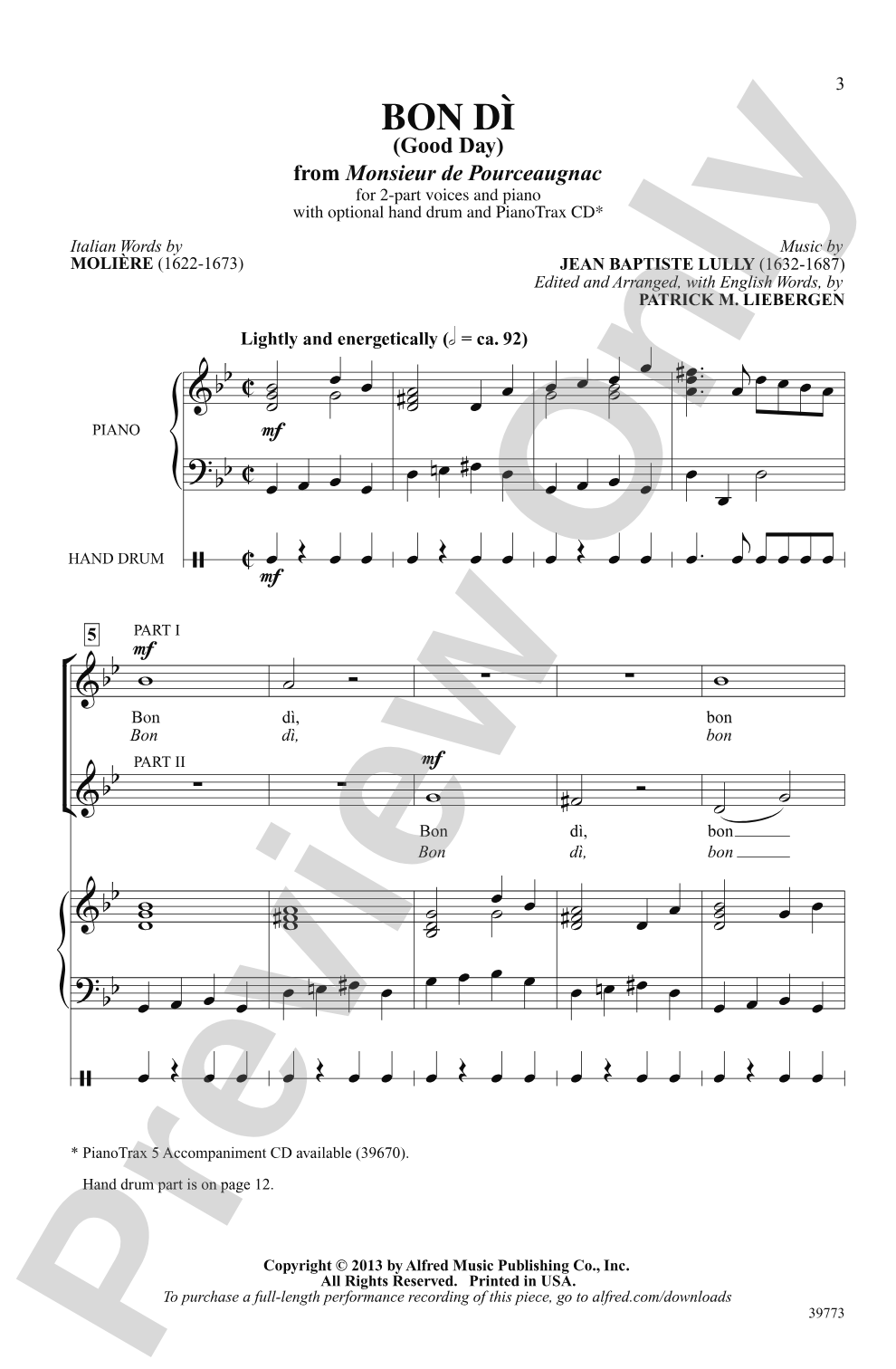
Jean-Baptiste Lully (1632–1687) was the dominant musical force of the French Baroque, serving as court composer to Louis XIV and establishing the French operatic tradition. His gift for melody and dramatic timing made him indispensable to the spectacles of Versailles, and his influence on European music extended far beyond his death.
Lully's collaboration with playwright Molière created the comédie-ballet, a hybrid form that merged theatrical comedy with musical entertainment. This innovation shaped how composers thought about integrating music with drama, and it remains a cornerstone of music history curricula.