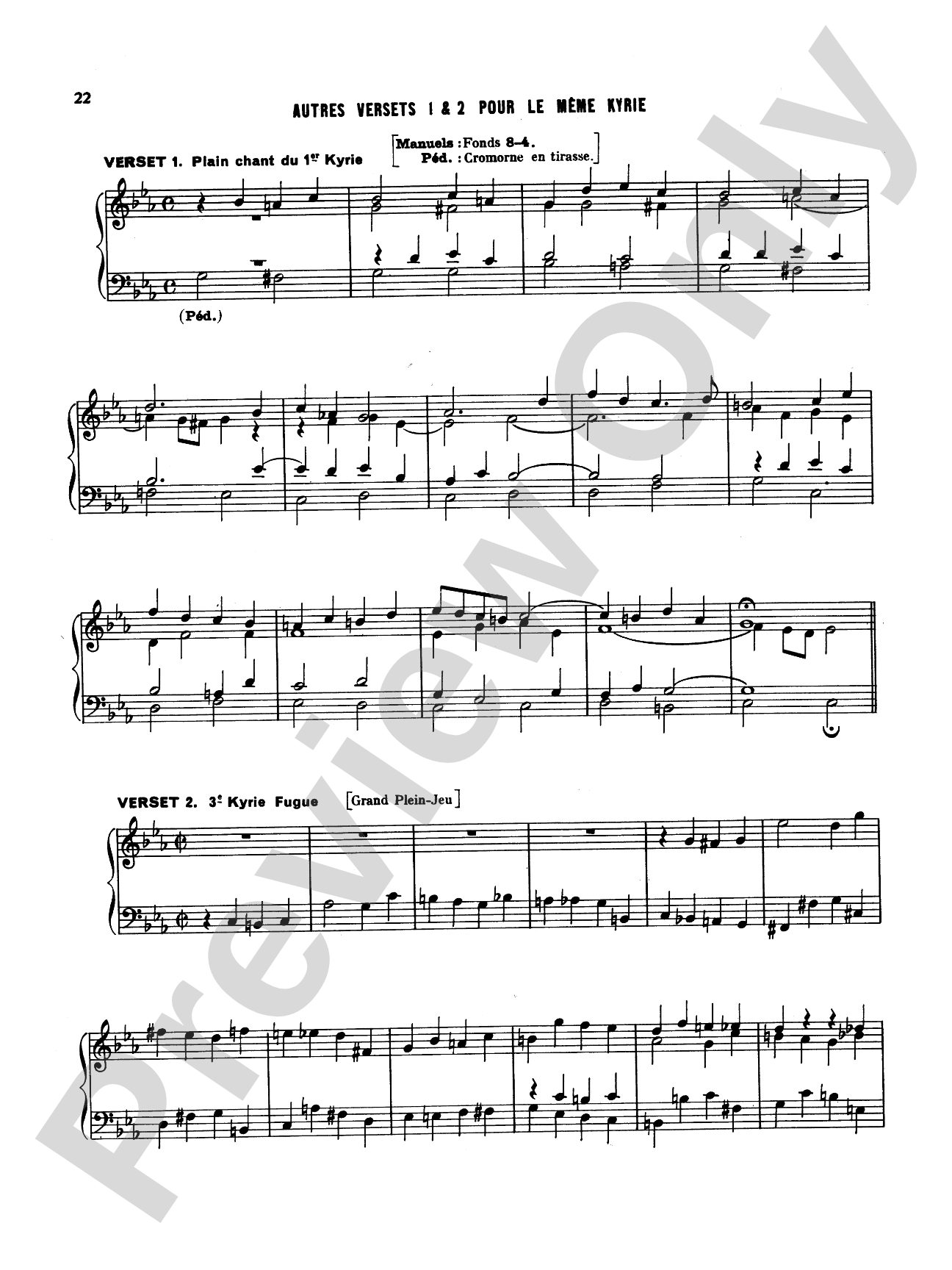
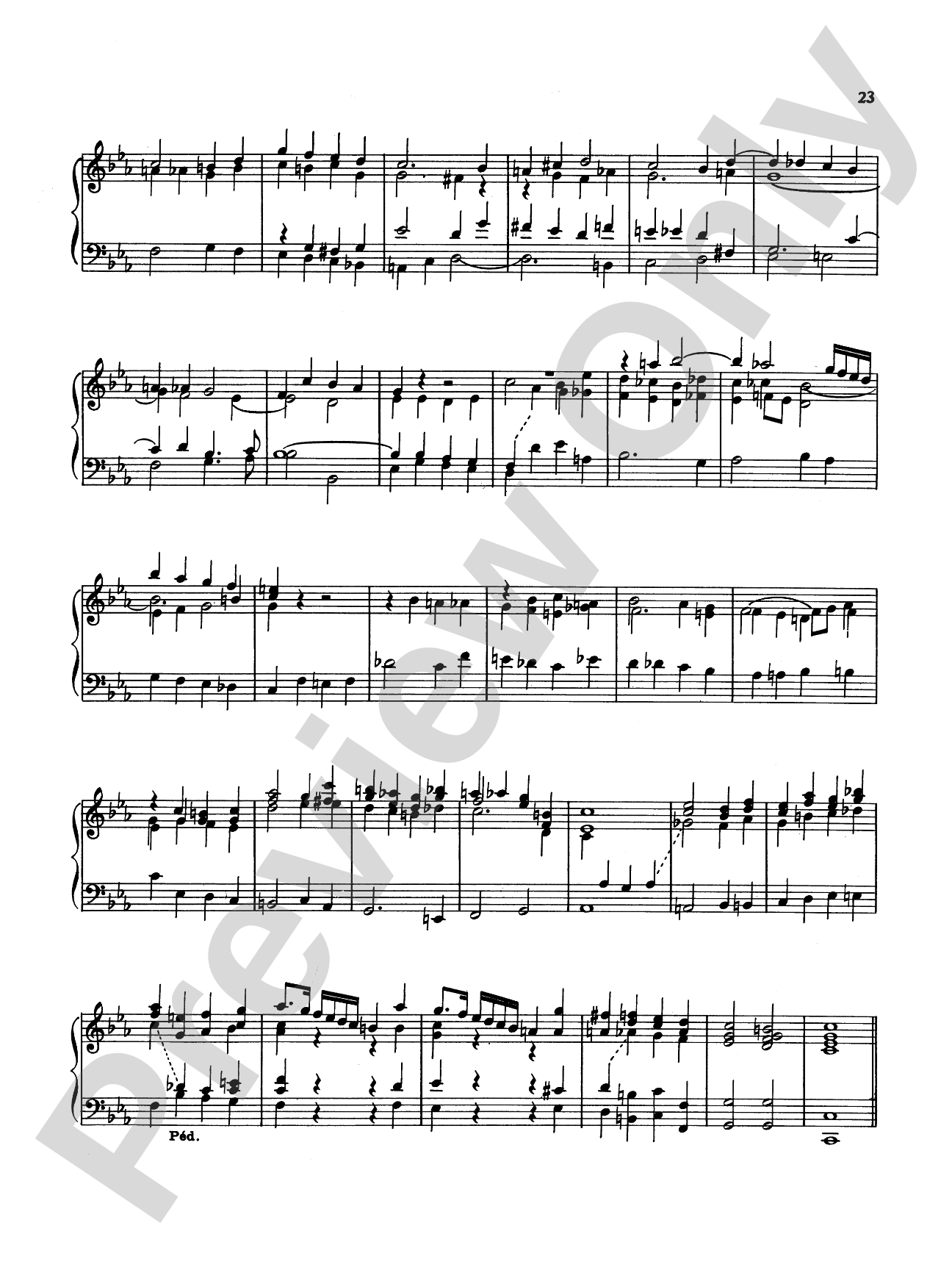
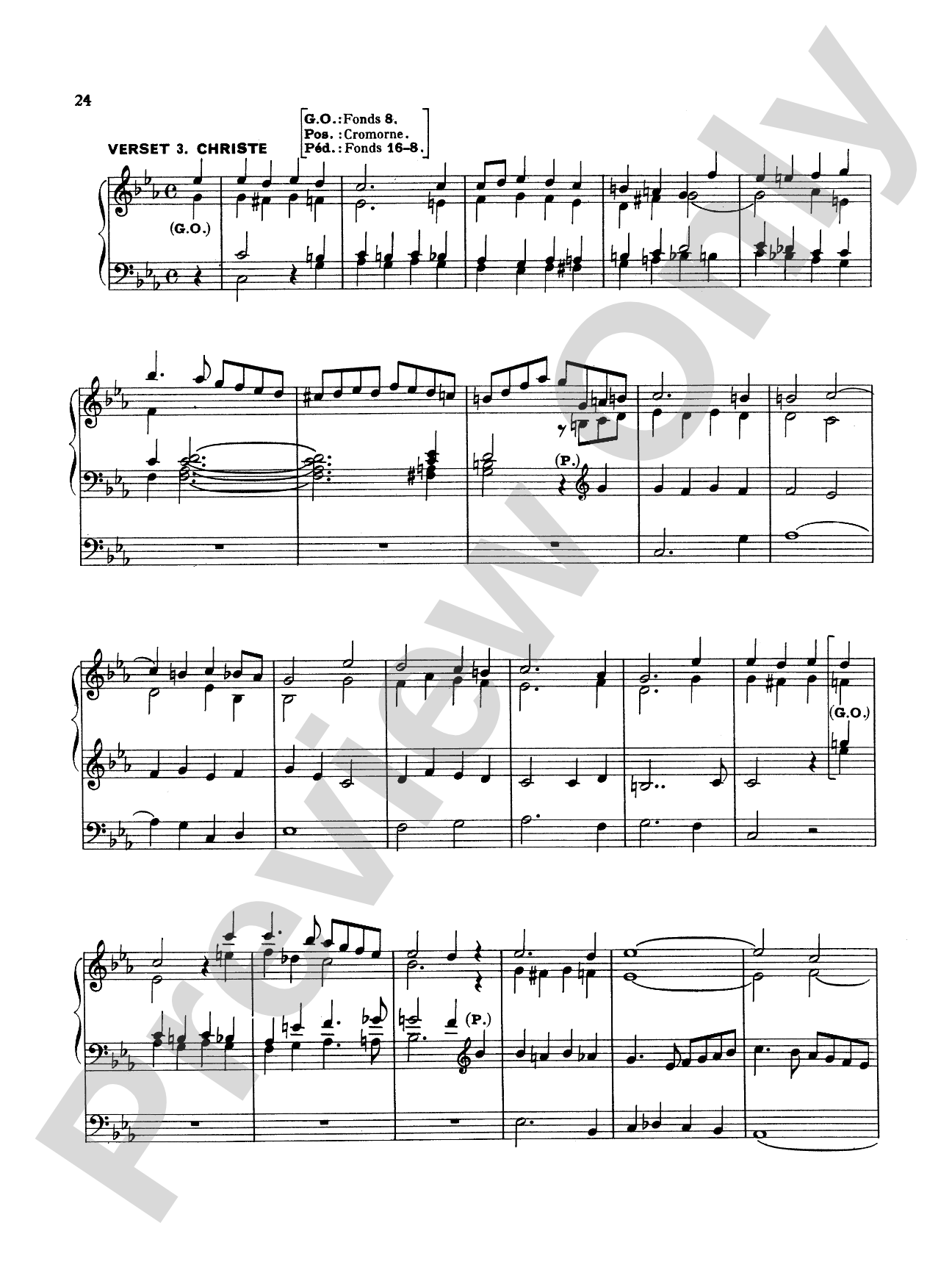
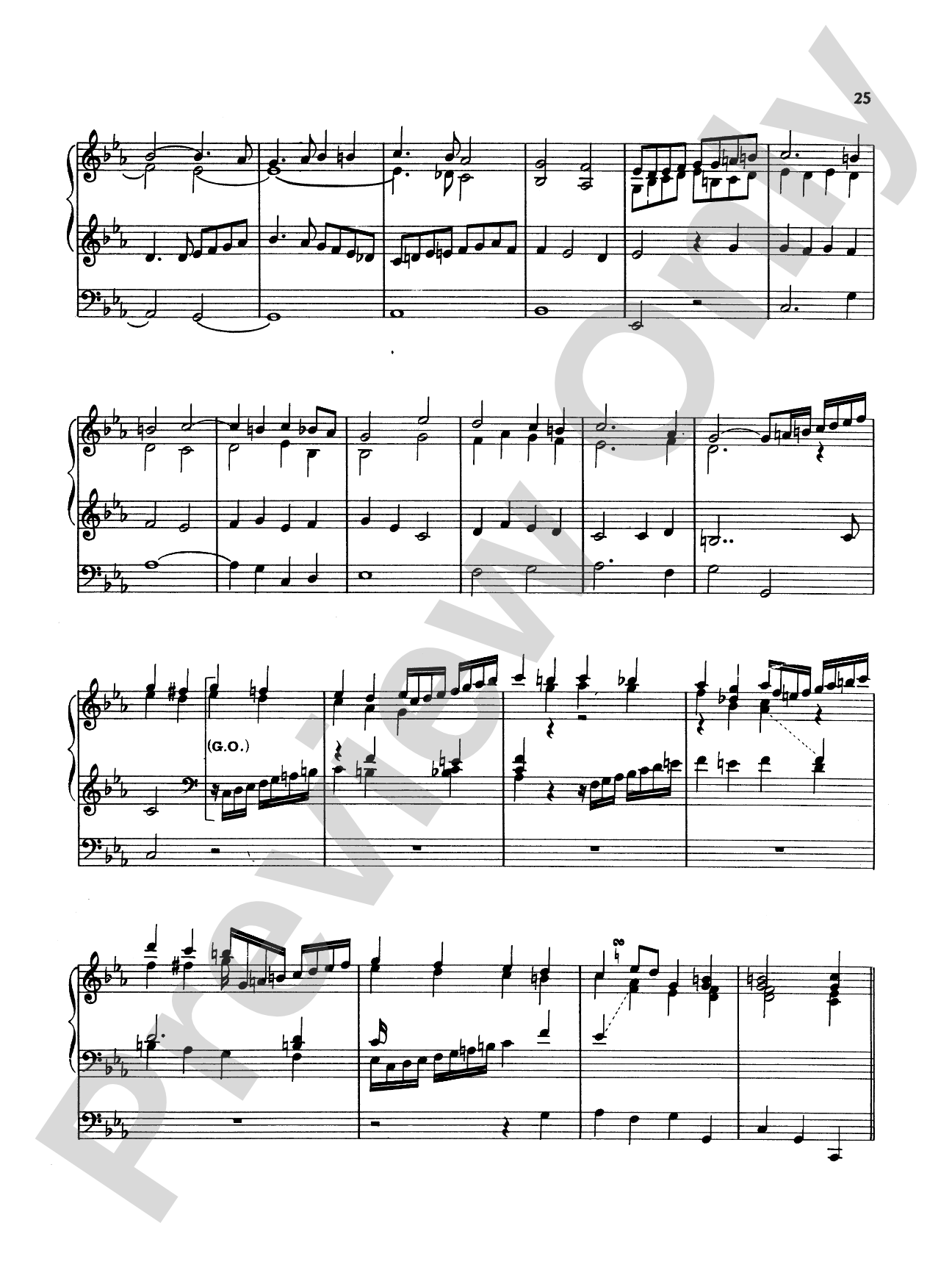
Boëly: Liturgical Service, Volume I Sheet Music Preview

Boëly: Liturgical Service, Volume I

By Alexandre Pierre François Boëly

Item: 00-PC-0005573

Digital Download
$3.95
Description
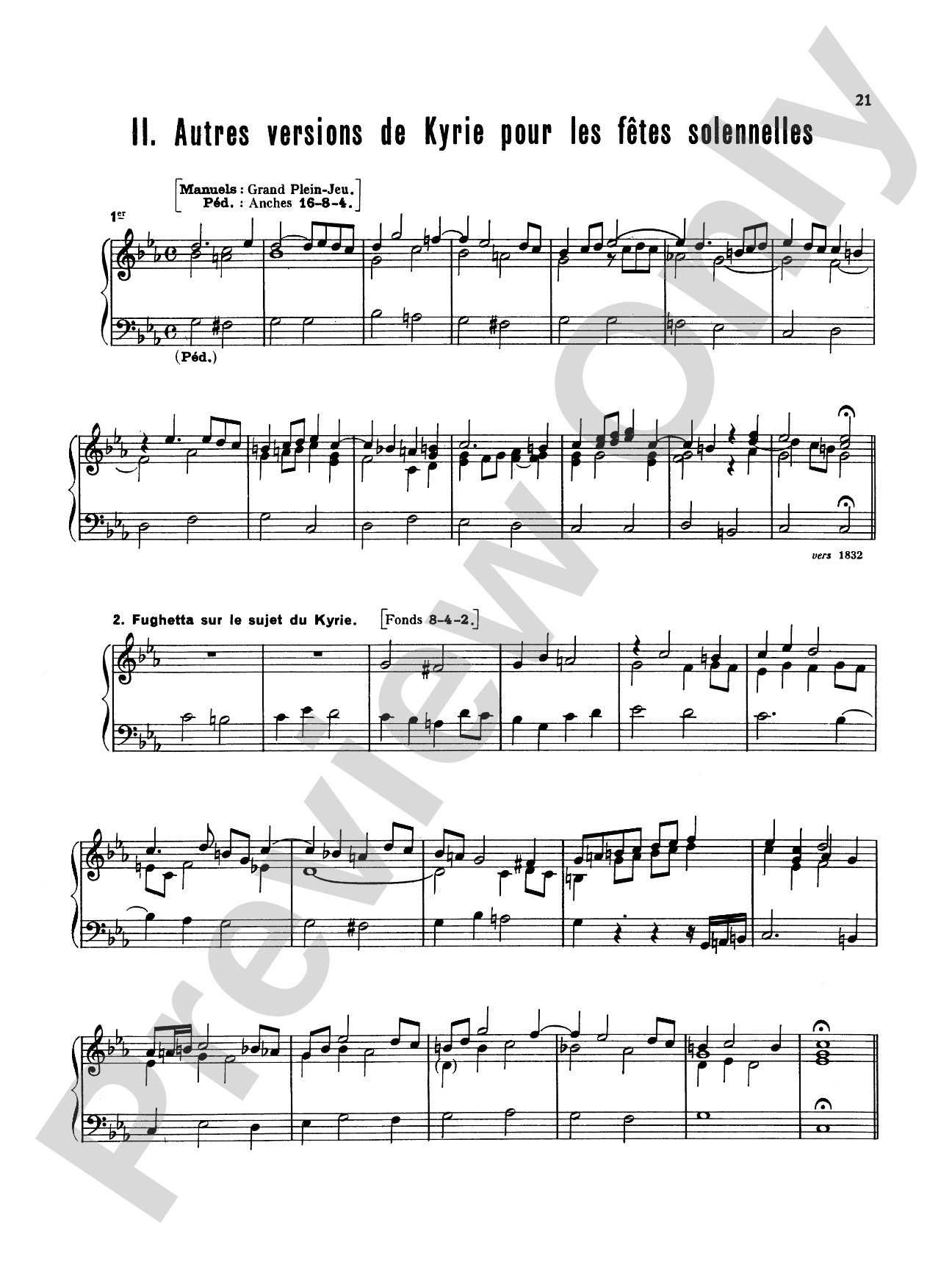
A collection of exercises, for Organ, composed by A.P.F. Boely.

Don't just read it, hear it, play along with it, and watch your students grow with it. In MakeMusic Cloud, Boëly: Liturgical Service, Volume I comes alive with professional accompaniment, adjustable tempo, and built-in practice tools that turn solo practice into real progress.

Sample Audio
No sample audio found.
Sample Video
Additional Details
Series: Kalmus Edition
Publisher: Alfred Music
Page Count: 44
SKU: 00-PC-0005573

More about this title

About the Composer: A.P.F. Boëly

Alexis-Gustave Boëly (1785-1858) was a French organist and composer whose liturgical works shaped the development of organ music in nineteenth-century France. Active as a church musician in Paris, he composed extensively for the instrument he knew most intimately, blending classical forms with the emerging Romantic sensibility of his era.

Why we love this

Boëly's Liturgical Service offers organists a structured yet rewarding sequence of material grounded in actual liturgical practice. The collection moves beyond generic exercises to create genuine musical substance, making it an intelligent choice for building both technical facility and interpretive maturity.

What to expect

These exercises carry the weight of genuine devotion. Rather than sterile technical drills, Boëly's writing breathes with Romantic sensibility while maintaining the clarity and discipline required for worship settings. You encounter harmonic language that invites expressive interpretation without abandoning structural integrity.

Who it's for

Organists working toward intermediate to advanced proficiency will find this collection most rewarding. Church musicians preparing for liturgical service and students seeking nineteenth-century French organ literature will benefit from Boëly's practical yet musically sophisticated approach.

How to get the most out of it

  • Shape phrases with clear registration choices; Boëly's writing assumes thoughtful use of manuals and stops to distinguish melodic lines and accompanimental textures.
  • Attend to the harmonic language carefully. The chromaticism and voice leading demand precise pedal work and hand independence to avoid muddiness.
  • Practice sections separately by manual before combining them, especially where the hands cross or work in close ranges.
  • Honor the liturgical context by maintaining steady pulse and avoiding rubato that would disrupt congregational singing where applicable.

How to use it

Use this collection as a cornerstone of advanced organ study, assigning pieces as students deepen their understanding of liturgical forms and nineteenth-century compositional practice. Individual movements work well as interludes or voluntary selections during church services where the organ repertoire extends beyond hymn accompaniment.

Skills your students will build

  • Manual and pedal independence in liturgical contexts
  • Registration choices to clarify counterpoint and texture
  • Voice leading and harmonic analysis within Romantic-era organ music
  • Pedal technique on sustained and moving figures
  • Phrasing and articulation in religious music for public performance

You May Also Like