
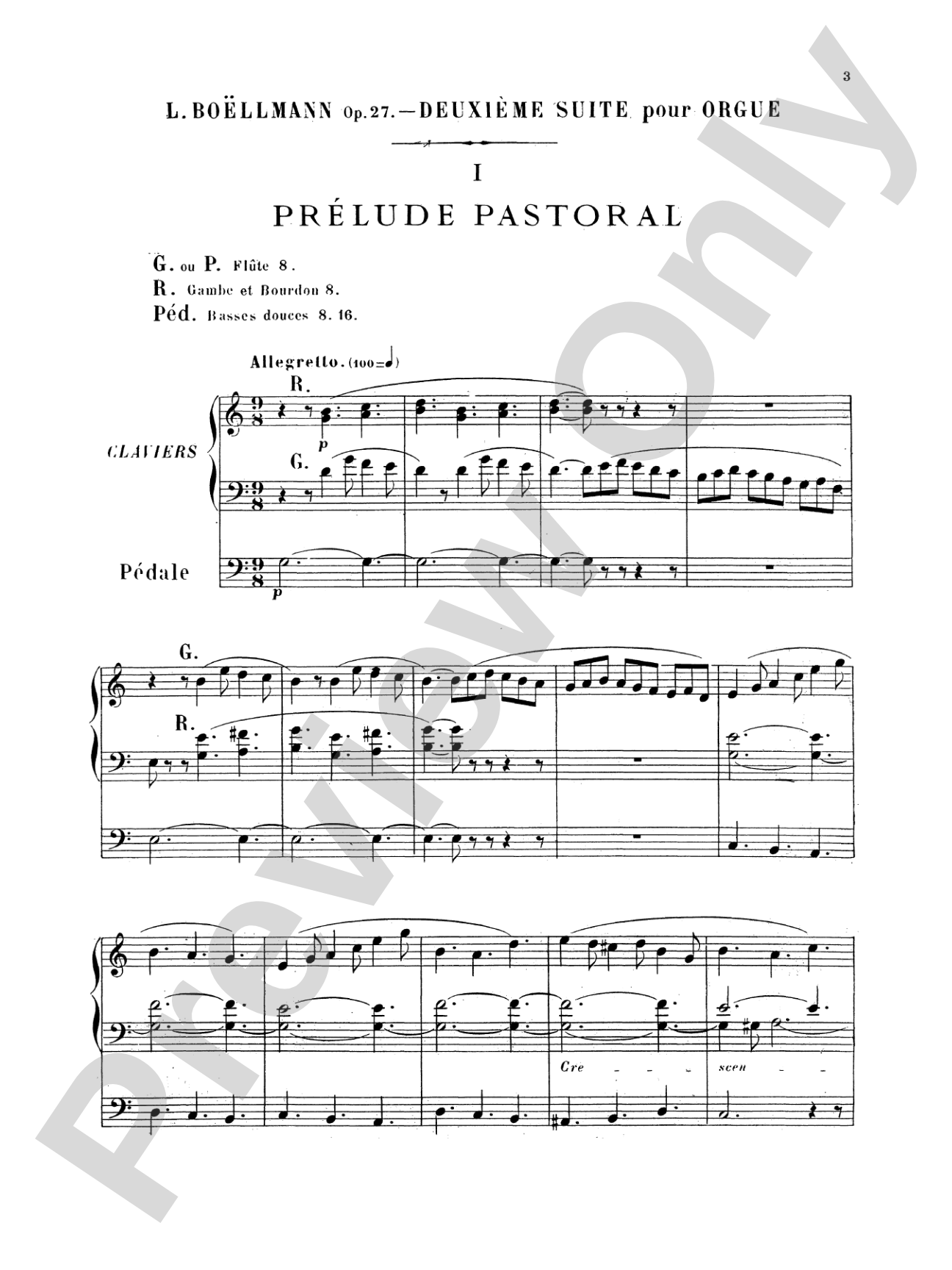
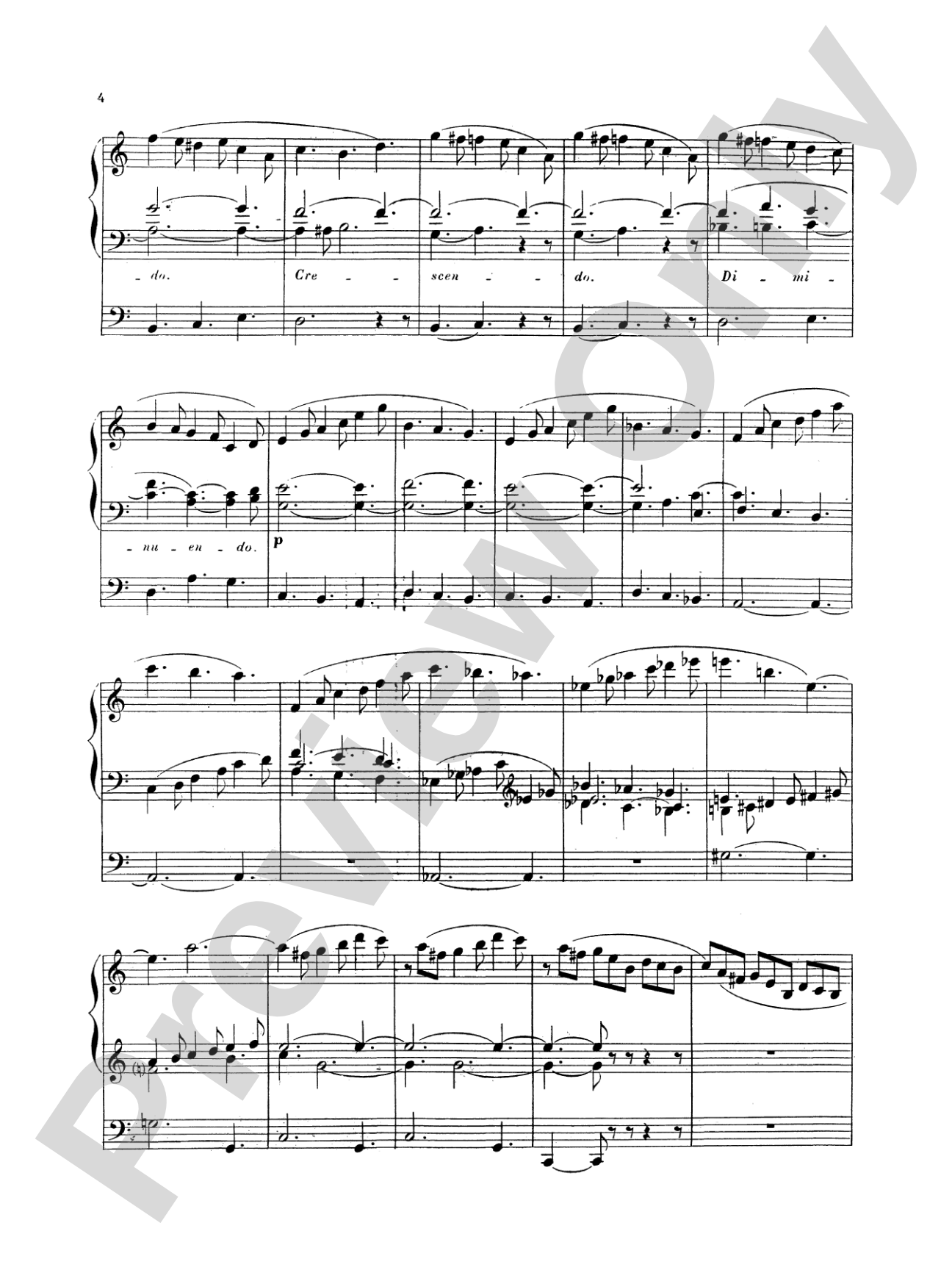
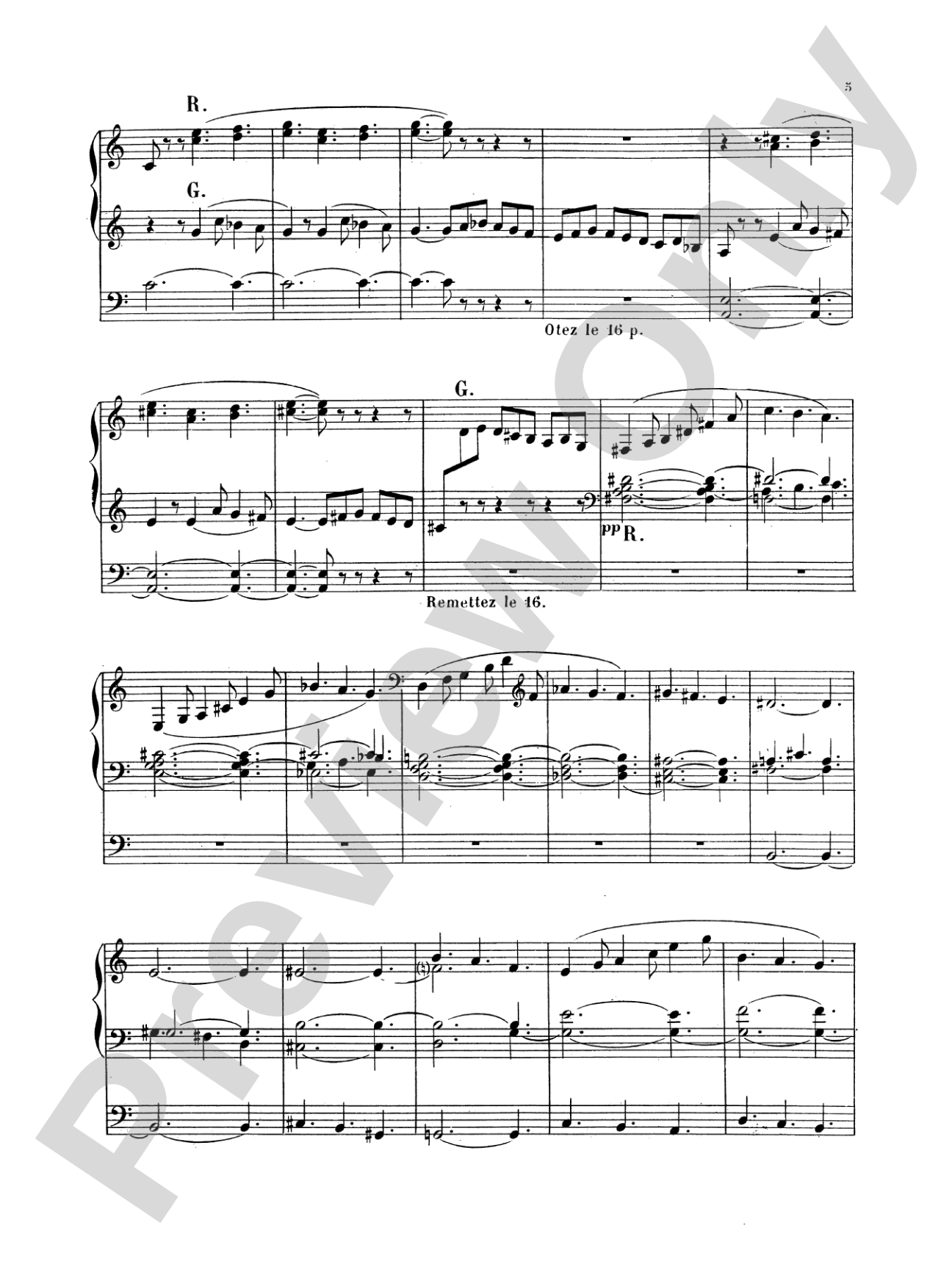
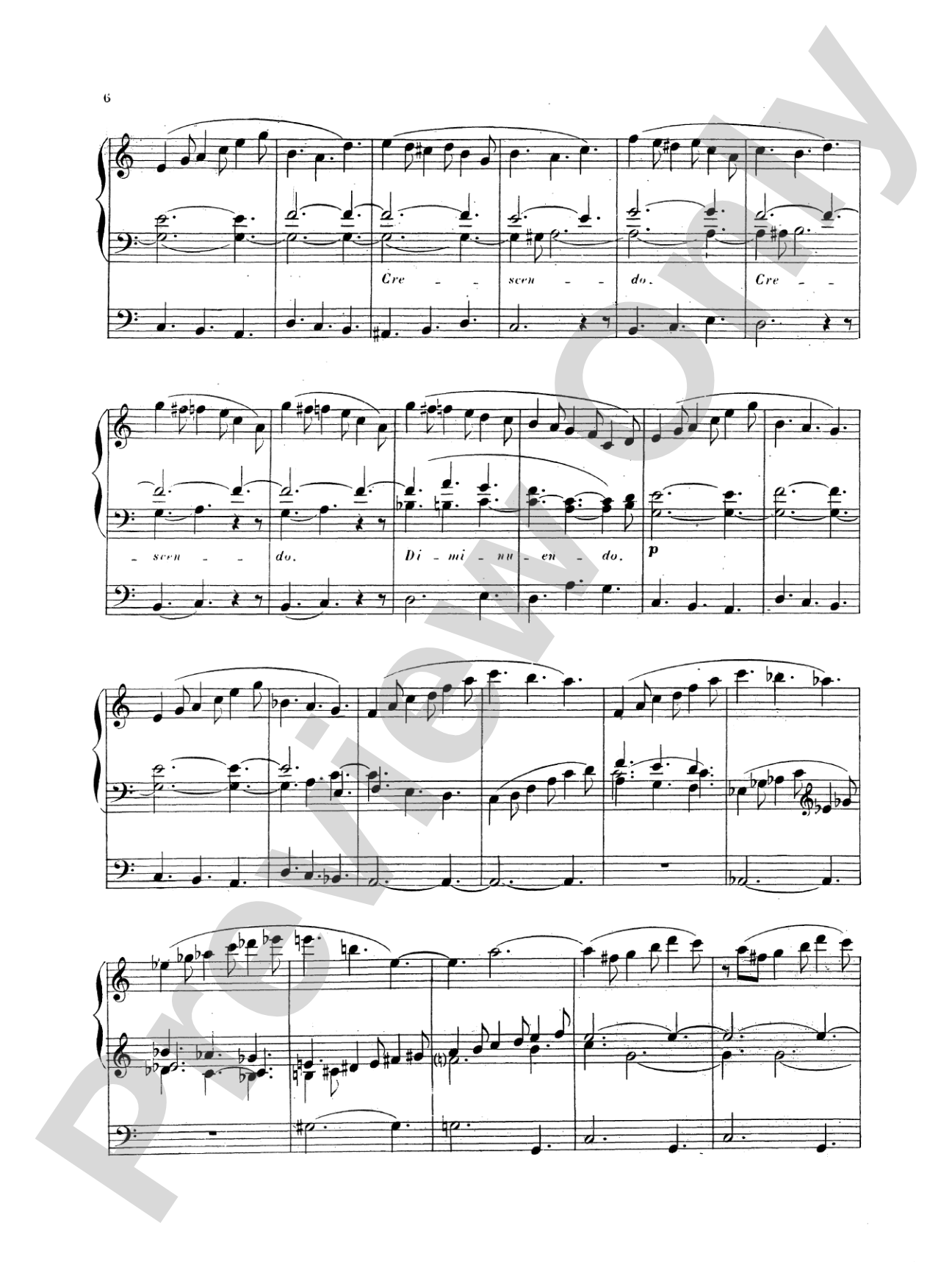
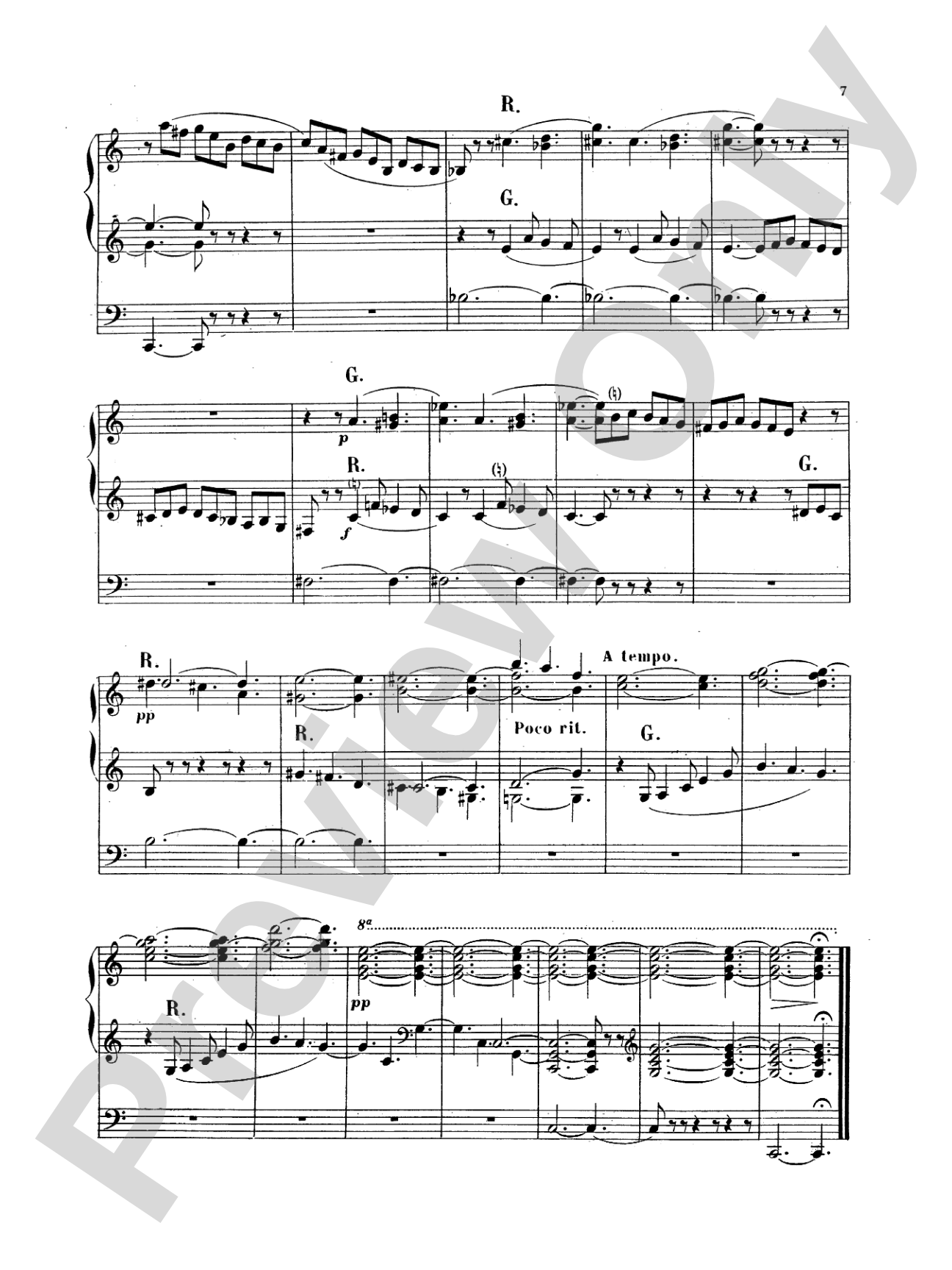

Boëllmann: Second Suite, Op. 27 (Urtext): Organ Sheet
By Léon Boëllmann
Item: 00-PK-0003527

$7.99
Pickup currently not available
Buy Extra Parts (Digital PDF Download)
| Product | Price | Quantity |
|---|---|---|
| Boëllmann: Second Suite, Op. 27 (Urtext) | $0.99 | |
| Boëllmann: Second Suite, Op. 27 (Urtext) | $0.99 | |
| Boëllmann: Second Suite, Op. 27 (Urtext) | $0.99 | |
| Boëllmann: Second Suite, Op. 27 (Urtext) | $0.99 |
Parts Added to Cart!
Related Items
Second Suite, Opus 27 (Urtext Edition): Organ Sheet |
$7.95
|
View |
Description
An Organ solo composed by Léon Boëllmann.


Don't just read it, hear it, play along with it, and watch your students grow with it. In MakeMusic Cloud, Boëllmann: Second Suite, Op. 27 (Urtext): Organ Sheet comes alive with professional accompaniment, adjustable tempo, and built-in practice tools that turn solo practice into real progress.
Open in the Player
Jump straight in and assign it today.
Start Your Free Trial
Open this title and explore the full library in minutes.
Sample Audio
No sample audio found.
Sample Video
No sample videos found.
Additional Details
Series:
Kalmus Edition
Publisher:
Alfred Music
Page Count:
36
SKU:
00-PK-0003527
More about this title
About the Composer: Leon Boëllmann
Léon Boëllmann (1862-1897) was a French organist and composer who spent much of his career as titular organist at Saint-Vincent-de-Paul in Paris. Though his life was cut short by illness at thirty-five, he left a substantial body of work for organ that remains central to the Romantic keyboard repertoire. His compositions balance technical brilliance with genuine musical substance, making them enduring choices for advanced organists.
Why we love this
The Second Suite stands as one of Boëllmann's most architecturally assured works, with movements that showcase both the coloristic possibilities of the Romantic organ and genuine structural mastery. This Urtext edition returns to the composer's original notation, stripping away editorial interpretations that sometimes obscure his intentions. Programming this work signals musical sophistication and gives advanced organists access to genuine masterwork literature at a level between Bach and the full virtuoso Widor repertoire.
What to expect
Boëllmann's Second Suite unfolds with the confidence of a composer fully commanding his medium. The writing balances declarative organ sonorities with surprisingly intimate moments, moving fluidly between grandeur and reflection while maintaining the structural clarity of classical forms recast in Romantic colors.
Who it's for
Advanced organists preparing repertoire for recital or church service contexts will find this Urtext edition essential. The Second Suite demands secure technique, musical maturity, and understanding of Romantic organ idiom, making it ideal for upper-level students and professionals refining their interpretive voice.
How to get the most out of it
- Study the registration indications carefully; Boëllmann's markings reflect the French organ aesthetic of his time and guide appropriate tonal choices even on instruments with different mechanical systems.
- Attend to voice independence in passages where the manual parts interact with pedal figuration; clarity here reveals the architectural logic underneath the Romantic surface.
- Use the page count strategically when planning practice sessions; thirty-six pages requires sustained focus on longer movements, so break learning into structural sections rather than arbitrary time blocks.
- Balance the lyrical passages with their surrounding virtuosity; Boëllmann frequently alternates reflective material with technical display, and the transitions between these states shape the work's drama.
How to use it
This work anchors a recital focused on French Romantic organ repertoire or serves as a substantial centerpiece when pairing with smaller Boëllmann pieces or contrasting works by Guilmant, Widor, or Franck. Its three-movement structure makes it suitable for programs exploring the relationship between organ music and symphonic form.
Skills your students will build
- Reading and interpreting Romantic-era registration markings specific to French organ conventions
- Managing longer multi-movement forms with structural awareness across extended pages
- Coordinating independent manual and pedal voices in passages of varying textural density
- Executing idiomatic Romantic keyboard figuration with clarity and stylistic precision
- Navigating the technical demands of Boëllmann's characteristic passagework and modulation