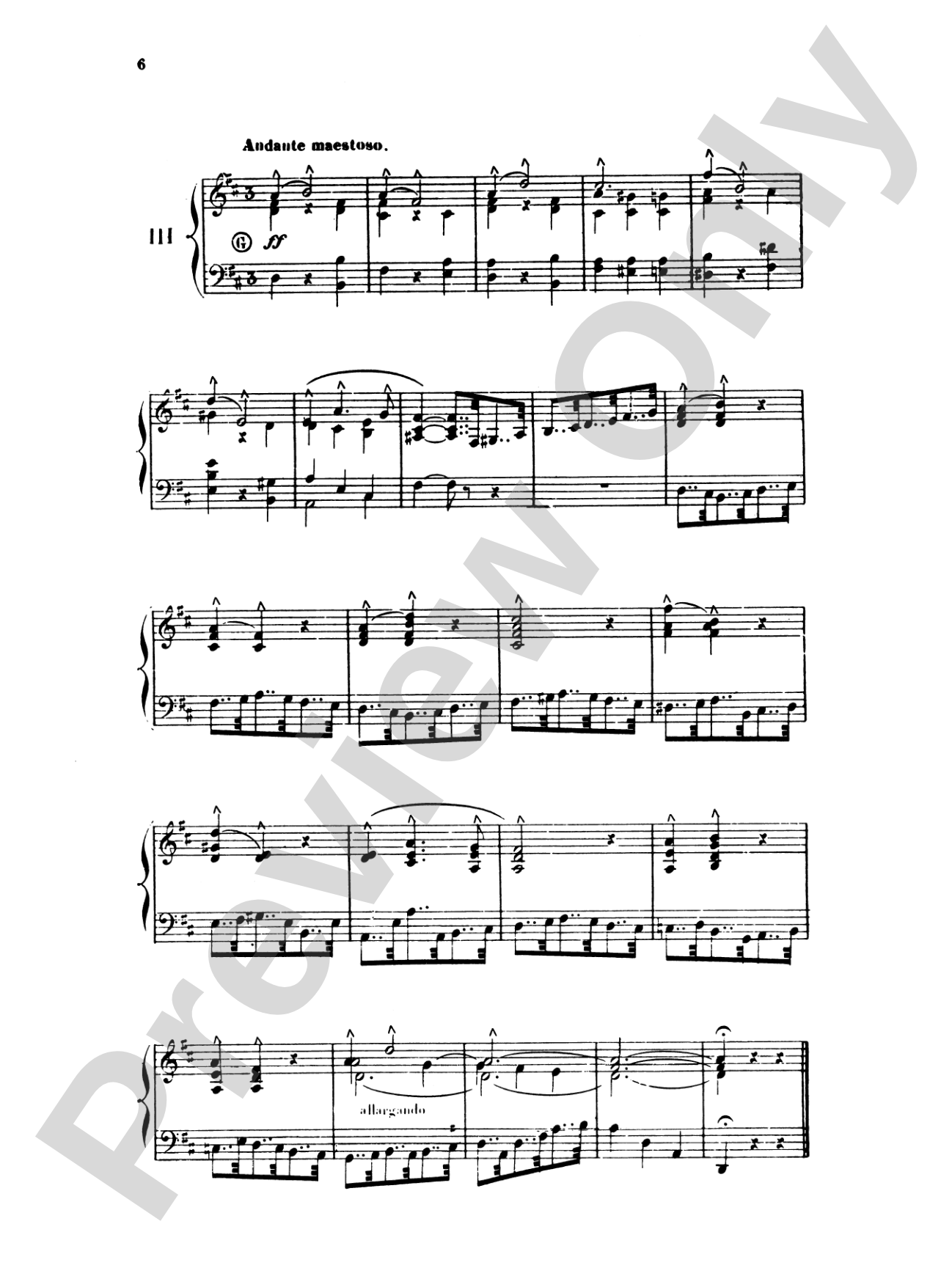
Boëllmann: Heures Mystiques, Op. 29, Volume I Sheet Music Preview

Boëllmann: Heures Mystiques, Op. 29, Volume I

By Léon Boëllmann

Item: 00-PC-0010495

Digital Download
$0.99
Description
Expertly arranged Organ Collection by Léon Boëllmann from the Kalmus Edition series. This is from the Romantic era.

Don't just read it, hear it, play along with it, and watch your students grow with it. In MakeMusic Cloud, Boëllmann: Heures Mystiques, Op. 29, Volume I comes alive with professional accompaniment, adjustable tempo, and built-in practice tools that turn solo practice into real progress.

Sample Audio
No sample audio found.
Sample Video
Additional Details
Series: Kalmus Edition
Publisher: Alfred Music
Page Count: 108
SKU: 00-PC-0010495

More about this title

About the Composer: Leon Boëllmann

Léon Boëllmann (1862–1897) was a French organist and composer who bridged the Romantic era and early modern sensibilities. Though his life was cut short by illness at thirty-five, he left a significant body of organ music that balanced technical virtuosity with lyrical, meditative passages. His works remain cornerstones of the organ repertoire, valued for their architectural clarity and emotional depth.

Boëllmann served as organist at the Church of Saint-Vincent-de-Paul in Paris, a position that shaped both his compositional voice and his understanding of the instrument's capabilities. His legacy rests primarily on his organ works, which combine French organ traditions with Romantic harmonic language and demonstrate a master's control of registration and form.

Why we love this

Boëllmann's Heures Mystiques strikes an ideal balance between accessibility and artistic substance for organists working across intermediate and advanced levels. The collection's contemplative character and transparent textures make it rewarding for both recital performance and liturgical use, and the Kalmus Edition's presentation gives you a complete exploration of this essential Romantic repertoire without overwhelming scope.

What to expect

The music unfolds with the quiet grandeur of candlelit contemplation. Boëllmann's harmonic palette shifts between warm Romantic colors and moments of austere clarity, creating an atmosphere both devotional and intellectually engaging. Each movement feels like a separate meditation, connected by a shared sense of introspection and formal elegance.

Who it's for

Intermediate to advanced organists seeking substantial Romantic repertoire for recital programming, liturgical services, or serious study. This collection suits organists who have moved beyond beginner materials and are building a core performance library.

How to get the most out of it

  • Attend carefully to the registration suggestions embedded in the score; Boëllmann's orchestration for organ relies on specific combinations of stops to achieve the tonal colors he intended, and respecting these indications brings the work into focus.
  • Shape each movement's harmonic progressions with subtle rubato rather than aggressive tempo variation; the Romantic language benefits from elastic phrasing that allows the listener to sense the emotional weight of key areas and cadences.
  • Practice the pedal passages independently before integrating them with the manual parts. The pedal writing is idiomatic and often quite independent, and securing it ahead of time prevents the hands from overcompensating.

How to use it

Program selections from this collection on recitals dedicated to Romantic organ music, or use individual movements as liturgical voluntaries or postludes in church services. The varied emotional content within the volume allows you to program a cohesive set of three or four movements as a standalone offering or to extract single pieces that complement works by Widor, Guilmant, or Franck.

Skills your students will build

  • Romantic era harmonic language and voice leading
  • Registration and stop management for color and balance
  • Independent pedal technique and pedal-manual coordination
  • Interpretive rubato and phrasing within formal structures
  • Sight-reading of complex multi-staff organ scores

You May Also Like