Boehm: Twelve Etudes, Op. 15 Sheet Music Preview

Boehm: Twelve Etudes, Op. 15

By Theobald Boehm

Item: 00-PC-0004905

Digital Download
$0.99
Description
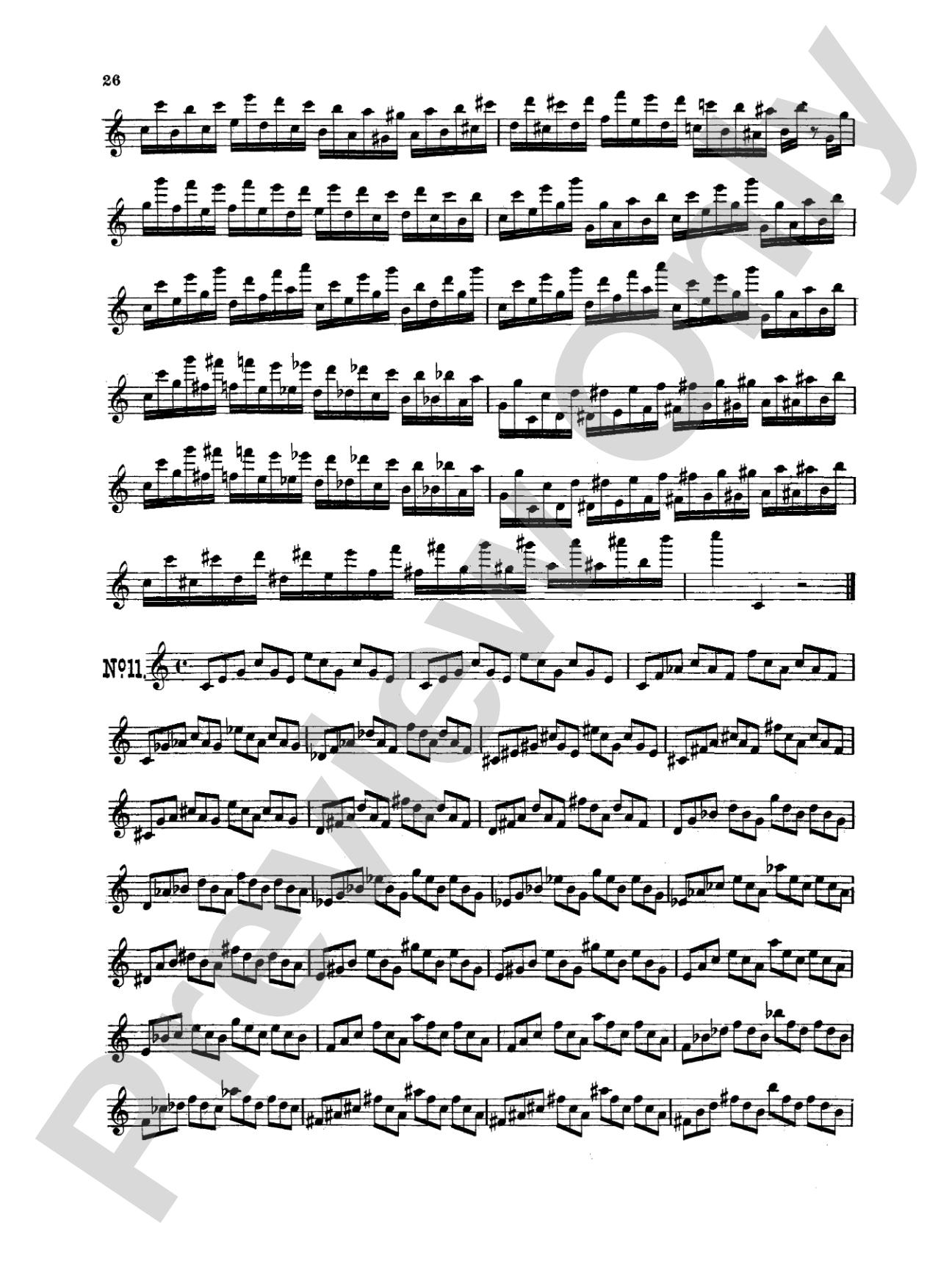
A collection of exercises for flute, composed by Theobald Boehm.

Don't just read it, hear it, play along with it, and watch your students grow with it. In MakeMusic Cloud, Boehm: Twelve Etudes, Op. 15 comes alive with professional accompaniment, adjustable tempo, and built-in practice tools that turn solo practice into real progress.

Sample Audio
No sample audio found.
Sample Video
Additional Details
Series: Kalmus Edition
Publisher: Alfred Music
Page Count: 32
SKU: 00-PC-0004905

More about this title

About the Composer: Theobald Boehm

Theobald Boehm (1794-1881) was a Bavarian flutist, inventor, and composer whose innovations fundamentally transformed flute design and playing technique. His system of keywork and bore design created the modern flute and established an entirely new standard for intonation, evenness, and technical facility across the entire range of the instrument.

Boehm's pedagogical works emerged directly from his mastery of his own instrument. His etudes and exercises were composed not as abstract technical studies but as musical solutions to the real challenges flutists face when navigating the expanded capabilities of the Boehm system flute. His writing remains essential to serious flute study because it demands both mechanical precision and genuine musicality.

Why we love this

These etudes strike a rare balance between rigorous technical demand and musical substance. Each study isolates specific fingering patterns and articulation challenges introduced by the Boehm system without reducing the material to mindless repetition. Flutists emerge from this collection not just more technically secure but with a deeper understanding of how the modern flute should sing.

What to expect

These etudes unfold with quiet confidence and purpose. They never feel showy or gratuitous; instead, they challenge you to solve real musical problems through focused technical work. There's a crafted, economical quality to Boehm's writing that rewards both discipline and musicality.

Who it's for

Flutists working toward intermediate-to-advanced proficiency who are ready to tackle the technical demands of the Boehm system with serious intention. These etudes assume solid fundamental technique and are most valuable for students preparing for college-level study or advanced amateur performers seeking disciplined, purposeful practice material rooted in the instrument's historical tradition.

How to get the most out of it

  • Approach articulation with clarity and intention. Boehm's etudes reward crisp tonguing and require you to match articulation precision to the technical difficulty of the passage.
  • Build momentum gradually across the collection rather than drilling each etude in isolation. Work through them sequentially over several weeks to let technical gains compound and reinforce one another.
  • Pay close attention to dynamic shaping even in technically demanding sections. Boehm writes with musical purpose, and maintaining phrase direction through fast passages elevates these from exercises to miniature performances.
  • Address intonation challenges methodically. The Boehm system demands precise embouchure adjustments in different registers; use these etudes to map out where your flute needs support and where you need flexibility.

How to use it

Work these etudes into a long-term practice plan as supplemental technical material alongside concerto and sonata repertoire. They pair well with 19th-century flute literature and serve as essential preparation for advanced chamber works. Programming individual etudes as recital openers can also effectively demonstrate technical mastery to an audience.

Skills your students will build

  • Rapid articulation patterns and tonguing clarity across the full range
  • Fingering fluency in the extended Boehm system, including alternate fingerings and adjustment techniques
  • Intonation stability in challenging registers and dynamic contexts
  • Musical phrasing and dynamic control while executing complex technical passages
  • Evenness and consistency of tone across register breaks and rapid position changes

You May Also Like