
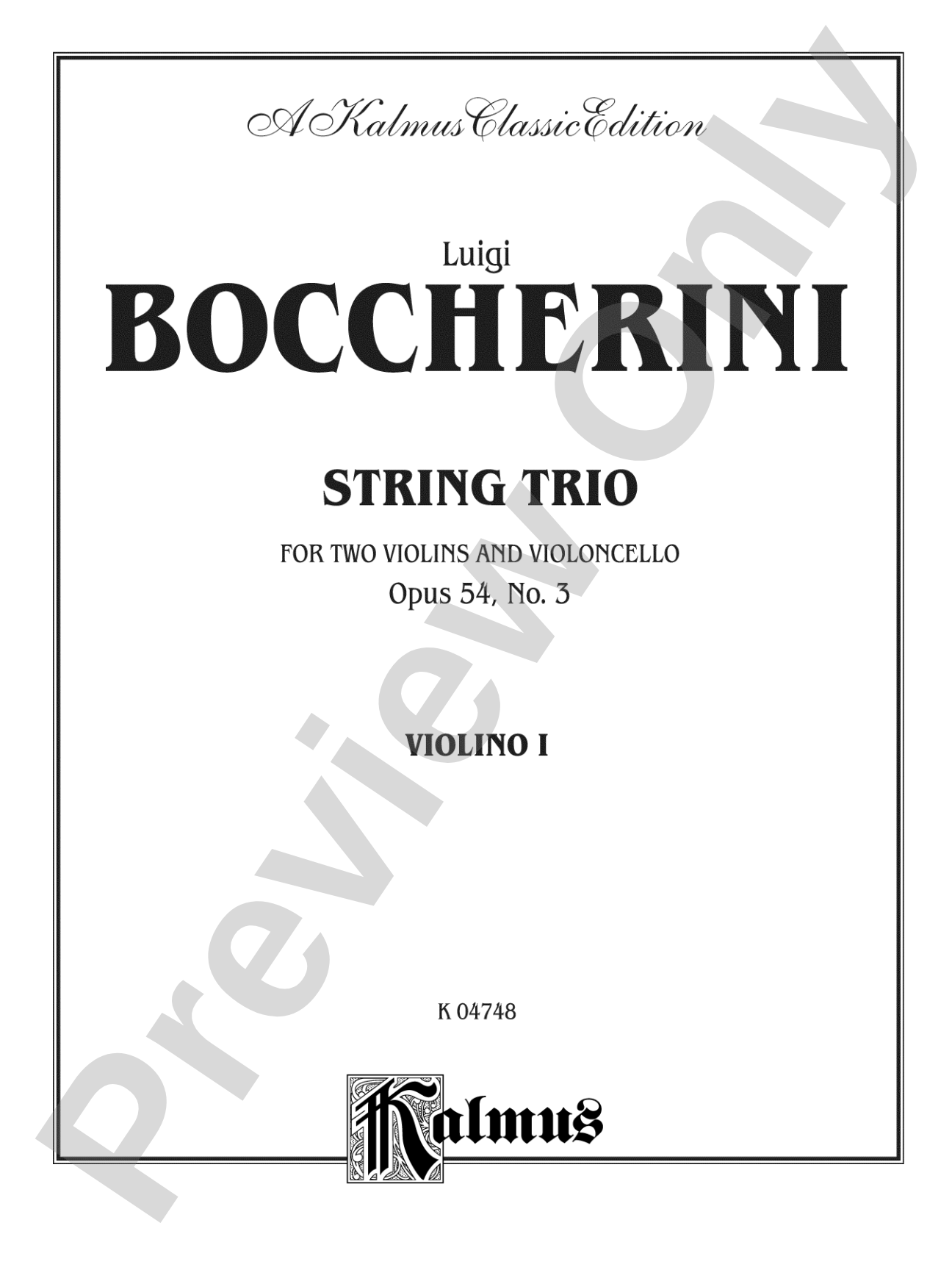
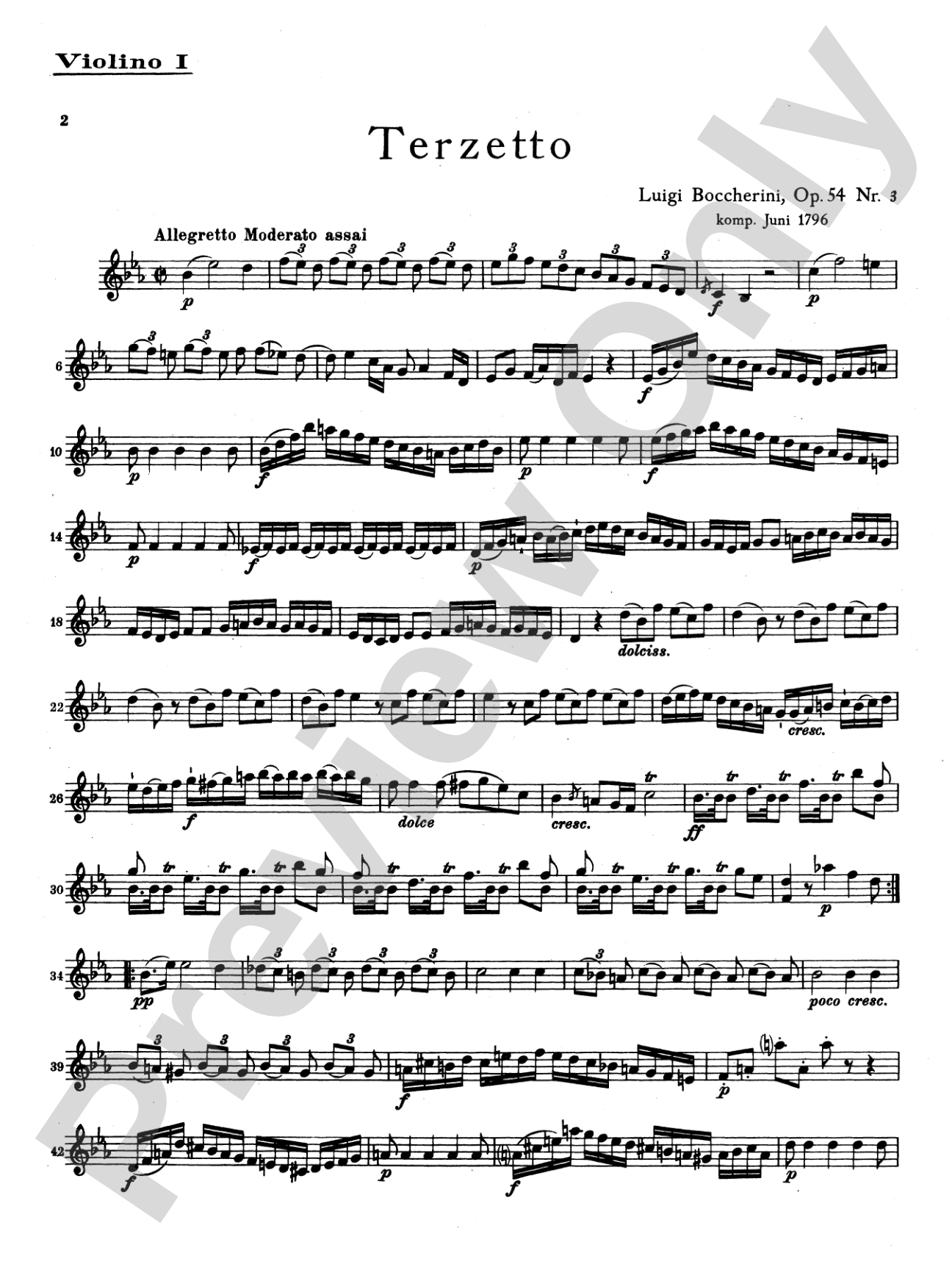
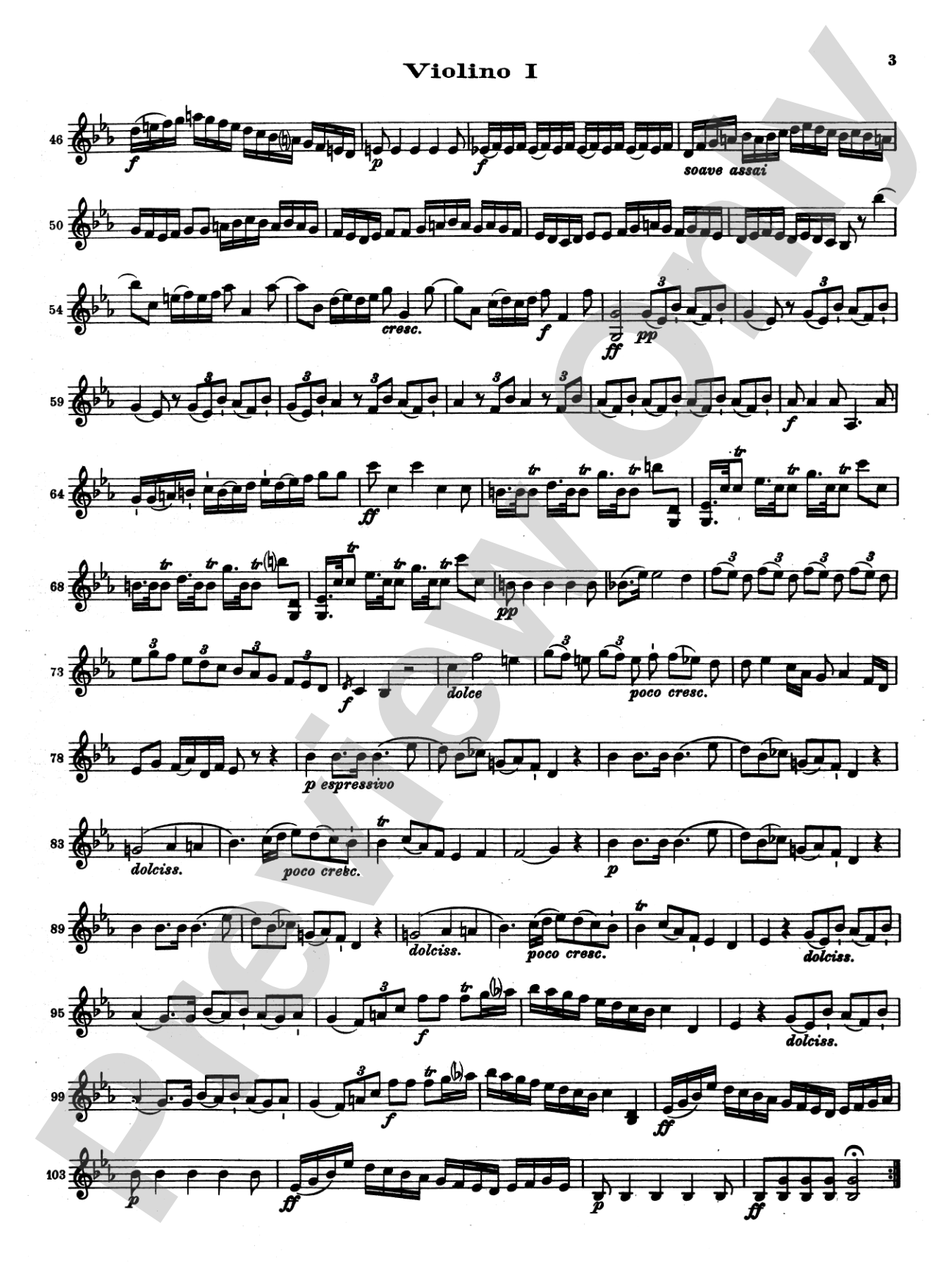
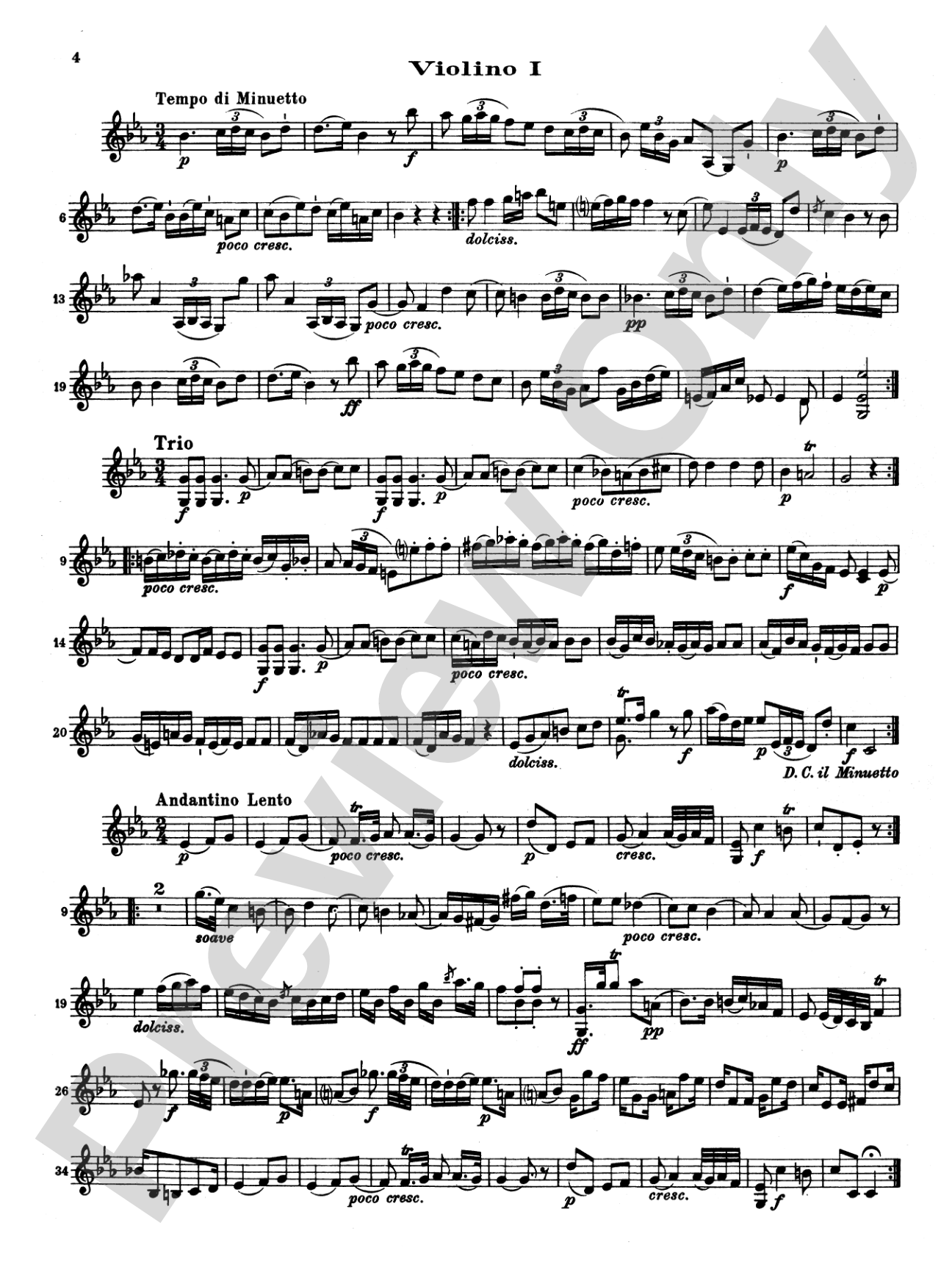
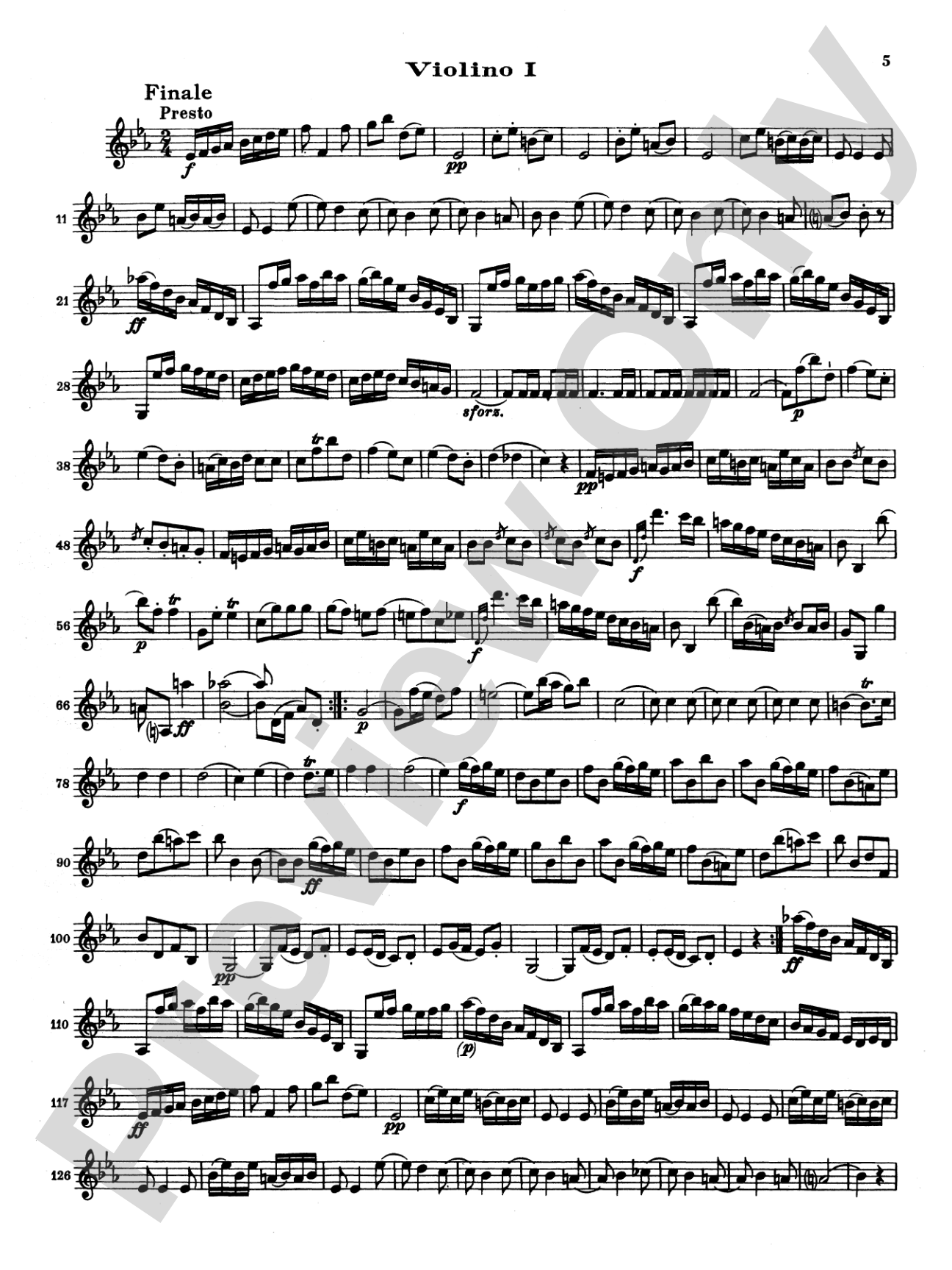
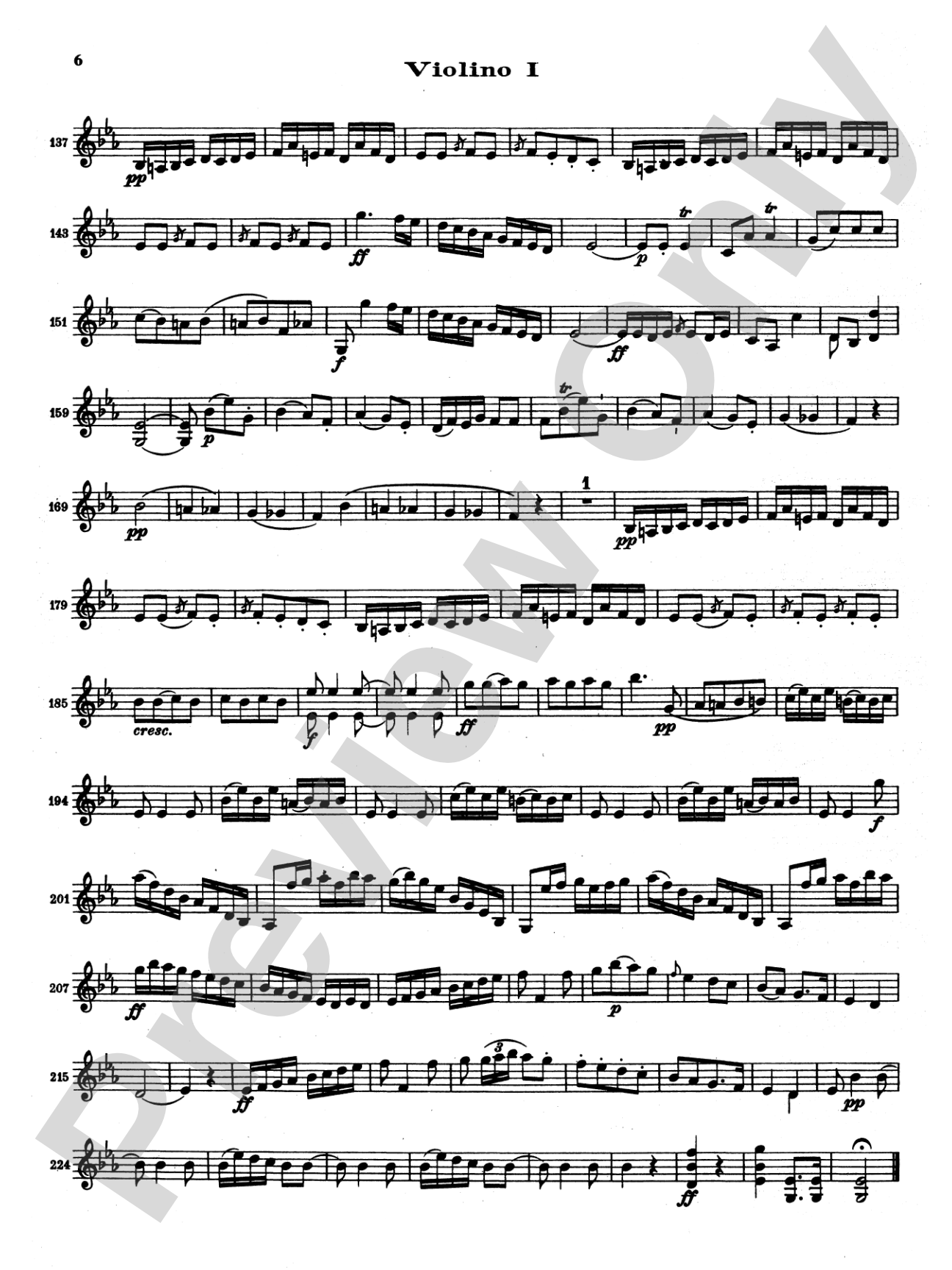



Boccherini: String Trio, Op. 54, No. 3: String Trio Book
By Luigi Boccherini
Item: 00-PK-0003608

$7.99
Pickup currently not available
Buy Extra Parts (Digital PDF Download)
| Product | Price | Quantity |
|---|---|---|
| Boccherini: String Trio, Op. 54, No. 3 | $1.99 | |
| Boccherini: String Trio, Op. 54, No. 3 | $1.99 | |
| Boccherini: String Trio, Op. 54, No. 3 | $1.99 |
Parts Added to Cart!
Related Items
String Trio, Opus 54, No. 3: String Trio Book |
$7.95
|
View |
Description
A string trio for Violin, Viola and Cello composed by Luigi Boccherini.


Don't just read it, hear it, play along with it, and watch your students grow with it. In MakeMusic Cloud, Boccherini: String Trio, Op. 54, No. 3: String Trio Book comes alive with professional accompaniment, adjustable tempo, and built-in practice tools that turn solo practice into real progress.
Open in the Player
Jump straight in and assign it today.
Start Your Free Trial
Open this title and explore the full library in minutes.
Sample Audio
No sample audio found.
Sample Video
No sample videos found.
Additional Details
Series:
Kalmus Edition
Publisher:
Alfred Music
Page Count:
20
SKU:
00-PK-0003608
More about this title
About the Composer: Luigi Boccherini
Luigi Boccherini (1743–1805) was an Italian cellist and composer whose prolific output helped define the string quartet and trio in the late 18th century. Working across Europe, he brought a refined melodic sensibility and structural clarity to chamber music that influenced the emerging Classical style. His instrumental works remain cornerstones of the string repertoire, valued for their elegant phrasing and idiomatic writing for their instruments.
Boccherini composed over 100 string quartets, numerous quintets, and many trios, establishing himself as a master of intimate ensemble writing. His music balances the galant style of his era with genuine harmonic sophistication and memorable thematic material. Today, his chamber works are essential training ground for serious string players and a mainstay of competition and festival programming.
Why we love this
This trio demonstrates why Boccherini remains a cornerstone of string chamber music: the writing sits naturally on all three instruments, the thematic material rewards careful shaping, and the balanced four-movement structure provides a complete artistic arc without excessive virtuosic display. Performers can focus on ensemble cohesion and phrasing rather than wrestling with overly taxing passage work, making it equally valuable for developing ensembles and experienced ones seeking repertoire depth.
What to expect
The music unfolds with an aristocratic grace that never feels precious or overly ornamental. Boccherini's melodic lines are singing and natural, moving through carefully constructed harmonies that invite the ensemble to find warmth and expression without romantic excess. There is genuine conversation between the three instruments; each part feels heard, and the overall impression is one of elegant conversation rather than display.
Who it's for
Advanced high school and college string trios preparing for competitions, festivals, or chamber recitals will find this a rewarding addition to their repertoire. This work suits ensembles with solid technique who are ready to work on ensemble balance, phrasing refinement, and stylistic awareness without confronting extreme technical demands.
How to get the most out of it
- Balance the upper voices against the cello; Boccherini's textures often emphasize the violin and viola melody while the cello provides harmonic support, so resist the urge to play the bottom line heavily.
- Shape the longer phrase arcs across entire sections rather than breaking at bar lines. Many of Boccherini's melodies unfold gradually and gain character through continuous gentle shaping.
- Use the Kalmus score's text carefully; bowings and articulation markings reflect period practice and should be examined thoughtfully rather than applied mechanically to ensure they serve your interpretation.
- Maintain independence between parts during contrapuntal passages, particularly in development sections where all three voices carry thematic fragments simultaneously.
How to use it
Program this as part of a Classical chamber music set alongside quartets by Haydn or Mozart, where it will sit comfortably both stylistically and technically. The Op. 54, No. 3 trio works particularly well in competitions or festival showcases where judges value balanced ensemble playing and period style awareness, and it serves as an excellent stepping stone between early chamber works and the more complex demands of late Beethoven or Brahms trios.
Skills your students will build
- Classical-era phrasing and articulation
- Ensemble balance in three-part texture
- Reading and interpreting historical performance markings
- Voice independence in contrapuntal writing
- Stylistic awareness of the galant and early Classical periods