Boccherini: Nine Selected String Quartets Sheet Music Preview

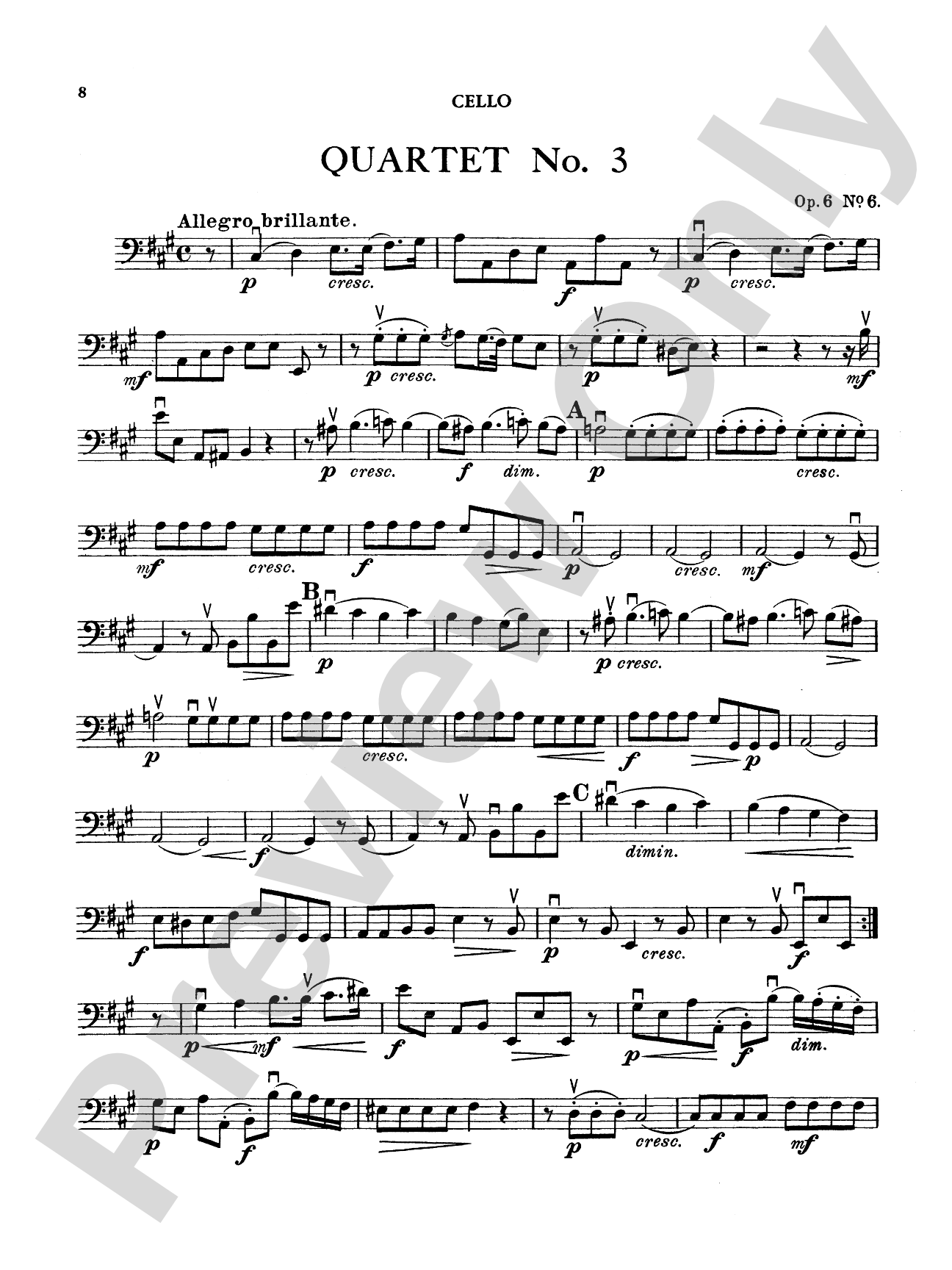
Boccherini: Nine Selected String Quartets

By Luigi Boccherini

Item: 00-PC-0005540

Digital Download
$0.99
Description
Expertly arranged String Quartets by Luigi Boccherini from the Kalmus Edition series. This is from the Baroque and Classical eras.

Boccherini: Nine Selected String Quartets isn't in MakeMusic Cloud just yet...but it could be. Let us know you'd like to see it, and you'll help shape what comes next. In the meantime, start a free trial and dive into thousands of interactive titles your students can play along with today.

Sample Audio
No sample audio found.
Sample Video
Additional Details
Series: Kalmus Edition
Publisher: Alfred Music
Page Count: 152
SKU: 00-PC-0005540

More about this title

About the Composer: Luigi Boccherini

Luigi Boccherini (1743-1805) was an Italian composer and cellist who brought refinement and elegance to the string quartet at a time when Haydn and Mozart were defining the form. Working primarily in Madrid and Rome, he composed over 100 string quartets alongside symphonies, concertos, and chamber works that earned him respect across Europe. His writing for strings balances technical brilliance with lyrical grace, making his quartets valuable repertoire for ensembles seeking classical mastery without the density of his more famous contemporaries.

Boccherini's quartets showcase his gift for memorable melody and inventive inner-voice writing. Teachers and ensemble directors return to his works because they reward careful listening, require genuine ensemble coordination, and remain deeply musical without excessive virtuosity. His legacy in string quartet literature remains strong among musicians seeking works that combine structural clarity with emotional warmth.

Why we love this

These nine quartets span Boccherini's stylistic range and offer string ensembles a curated path through his output without requiring a complete collected edition. The Kalmus presentation gives you legitimate classical-era chamber works suitable for festival programming, student recitals, and serious ensemble study all in one accessible volume.

What to expect

Boccherini's string writing inhabits a world of crystalline textures and graceful momentum. These quartets move with the lightness of chamber conversation while maintaining structural integrity; they feel conversational rather than formal, elegant rather than ornate, and reward the ensemble that listens intently to its own sound.

Who it's for

String quartets preparing contest and festival repertoire will find established works here that adjudicators recognize and audiences appreciate. Intermediate to advanced ensembles benefit from the technical clarity and musical substance Boccherini offers; his quartets demand musicianship and coordination without overwhelming players technically.

How to get the most out of it

  • Honor the singing quality of each instrumental line; Boccherini's inner voices often carry thematic material that reshapes harmonic color when balanced properly.
  • Shape phrases with attention to his use of sequential figures and dialogue between instruments; resist the urge to rush these patterns, which gain their effect through clarity and breath.
  • Pay close attention to dynamics and articulation markings throughout; Boccherini's classical refinement depends on precise execution of these details rather than interpretive excess.
  • Establish a steady ensemble pulse in movements with driving rhythmic accompaniment patterns; his music thrives on rhythmic precision without metronomic rigidity.

How to use it

Program these quartets as festival entries or student recital centerpieces; a single quartet works well as a concert anchor, while multiple movements from different quartets can create a varied chamber program. Their classical idiom complements both baroque and romantic repertoire on longer concert bills.

Skills your students will build

  • Classical phrase architecture and formal structure in the quartet medium
  • Inner-voice independence and thematic awareness across all four parts
  • Ensemble balance and dialogue between instruments
  • Stylistically informed articulation and dynamic shaping in the classical era
  • Reading and performing with period-appropriate refinement and clarity

You May Also Like