Bob Is Not My Uncle Cover Image

Bob Is Not My Uncle: Brass Quintet Score & Parts

$15.00 USD
Sale price  $15.00 USD Regular price 
Skip to product information
Bob Is Not My Uncle Cover Image

Bob Is Not My Uncle: Brass Quintet Score & Parts

By Vince Gassi

Level: Medium

Item: 81-BQ28306

$15.00
Shipped

One moment…

Description
"Gut Bucket Funk" and "In The Pocket" are just two of the many ways to describe this Funk-a-pedic chart. It begins with a rhythmic groove in the low brass that just won't quit and soon thereafter, hijinks ensue as the rest of the gang join in the fun. This is a great companion piece to its sequel "Betty Is Not My Aunt." Drum part included with fills written out.

Bob Is Not My Uncle: Brass Quintet Score & Parts isn't in MakeMusic Cloud just yet...but it could be. Let us know you'd like to see it, and you'll help shape what comes next. In the meantime, start a free trial and dive into thousands of interactive titles your students can play along with today.

Sample Pages

No sample pages found.

Sample Audio
0:00
0:00
Sample Video
Additional Details
Series: Eighth Note Publications
Publisher: Eighth Note Publications
ISBN10: 1-55473-346-4
ISBN13: 978-1-55473-346-0
UPC: 685462013470
SKU: 81-BQ28306
Instrumentation: Brass Quintet (Opt. Drumset)

More about this title

About the Composer: Vince Gassi
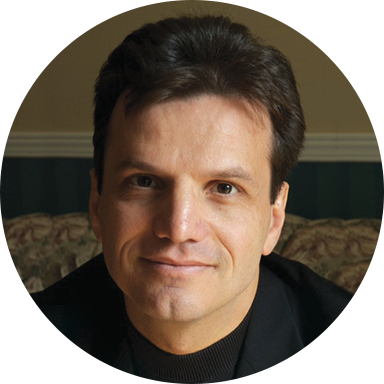
Vince Gassi

Vince Gassi has established himself as a prolific composer and educator whose catalog exceeds 100 published works. A graduate of the University of Western Ontario and the Dick Grove School of Music in Los Angeles, he earned his Ph.D. from York University in Toronto. His compositions balance accessibility with musical substance, earning recognition on international concert and contest programs across North America, Europe, and Japan.

For more than two decades, Gassi taught instrumental music at elementary and secondary levels while building a reputation as a sought-after guest conductor, clinician, and adjudicator throughout the United States and Canada. His seminars on creative engagement and digital workflows for music directors reflect his commitment to helping educators transform their teaching practice. His work appears regularly at major venues including the Midwest Clinic in Chicago.

Why we love this

Gassi nails the balance between entertainment and musicality that makes a piece actually fun to rehearse. The rhythmic anchor in the low brass gives your section a concrete foundation to lock onto, while the written drum fills keep the whole ensemble engaged without requiring improvisation.

What to expect

The energy is immediately infectious. A propulsive low brass groove carries the piece from the downbeat, and as the rest of the quintet enters, playful interactions emerge across the five voices. It swings with purpose rather than floating, giving performers something tactile and rhythmically satisfying to dig into.

Who it's for

Brass quintet ensembles at the intermediate level looking for a contemporary piece with real personality and groove. This works equally well for concert settings and is substantial enough to program alongside more traditional repertoire.

How to get the most out of it

  • Build the groove in rehearsal by having the low brass play the opening rhythmic figure alone for several run-throughs. Once that pocket is locked, layer in the upper voices one at a time.
  • Check the drum part early. The written fills are a crucial structural element, not window dressing, so your drummer needs rehearsal time with the brass section to coordinate transitions.
  • Resist the temptation to rush. Medium tempos with funk grooves often feel better slightly under tempo, which gives the ensemble room to breathe and lets the rhythmic precision shine.

How to use it

Place this strategically in a concert to shift the energy without breaking the flow. It pairs well after a lyrical ballad or classical standard, offering the audience a moment of contemporary style and humor while showcasing your ensemble's rhythmic precision.

Skills your students will build

  • Locking and maintaining funk rhythmic grooves across multiple parts
  • Balancing ensemble rhythmic precision with stylistic relaxation
  • Coordinating five-part texture while emphasizing the lowest voices as the harmonic foundation
  • Interpreting written drum fills and coordinating with percussion accompaniment

You May Also Like