
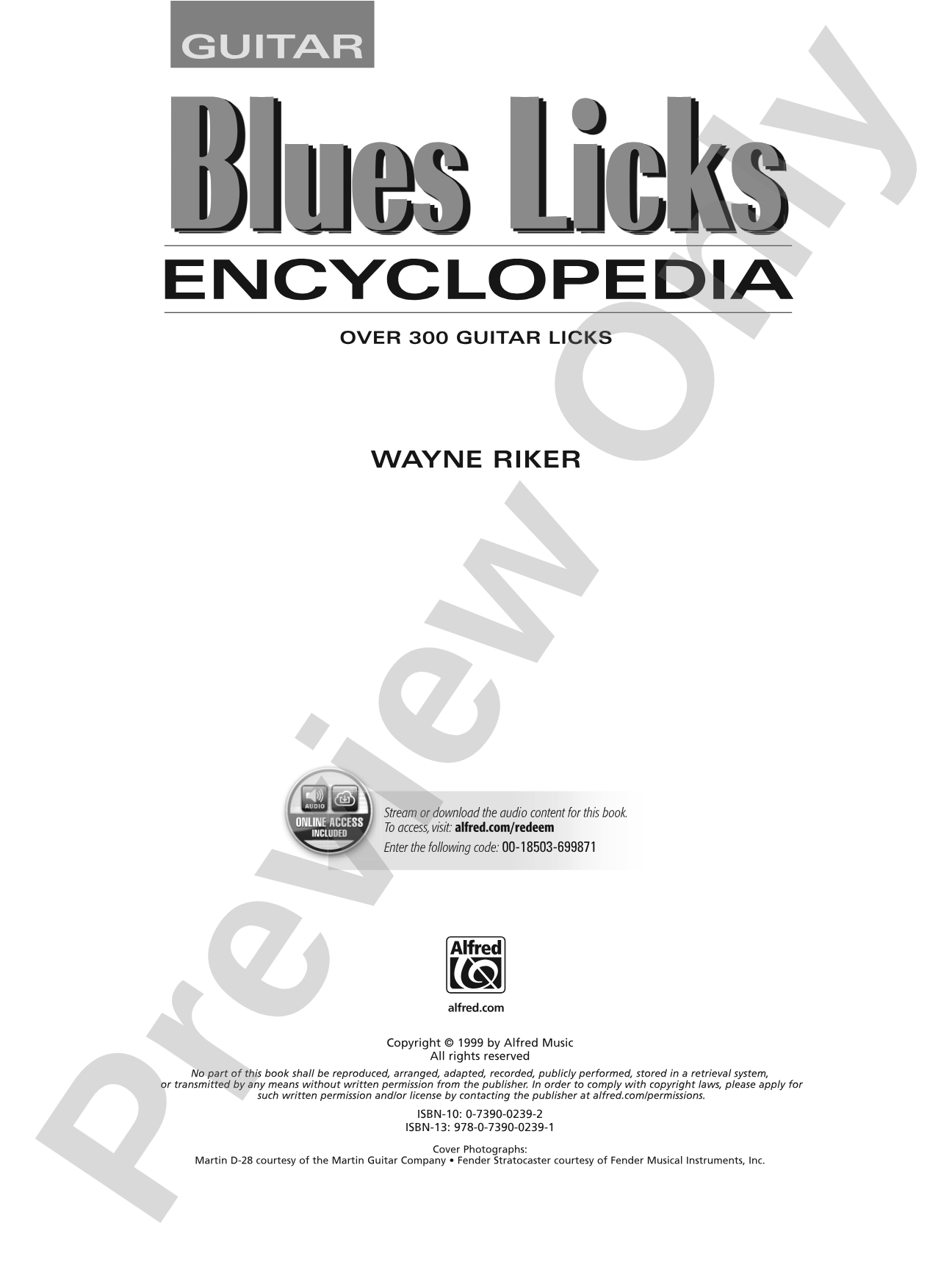

Blues Licks Encyclopedia: Over 300 Guitar Licks
Over 300 Guitar Licks
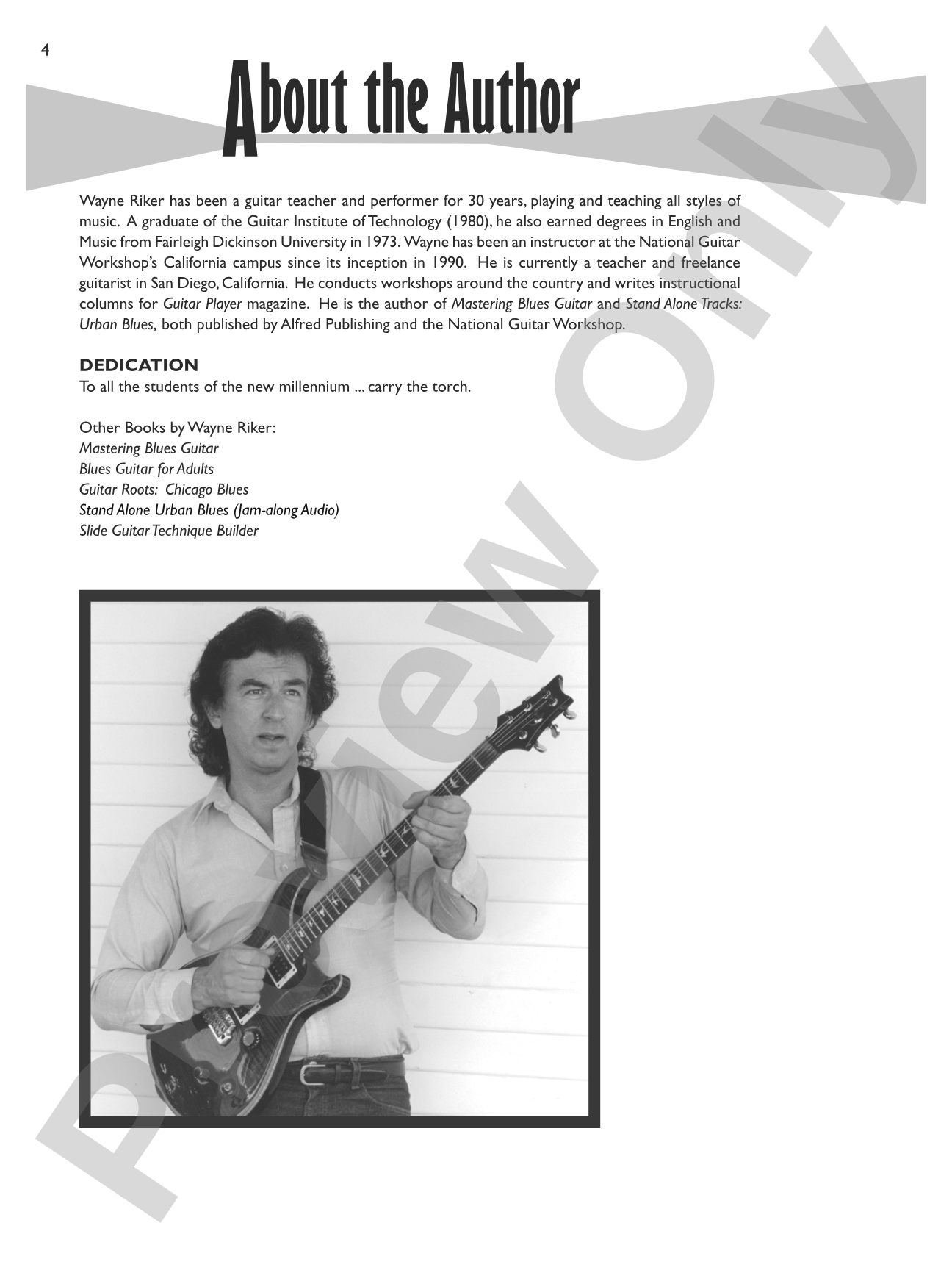
By Wayne Riker
Item: 00-PB-0002188
$20.99
Pickup currently not available
Related Items
Blues Licks Encyclopedia: Guitar Book & Online Audio |
$20.99
|
View |
Description
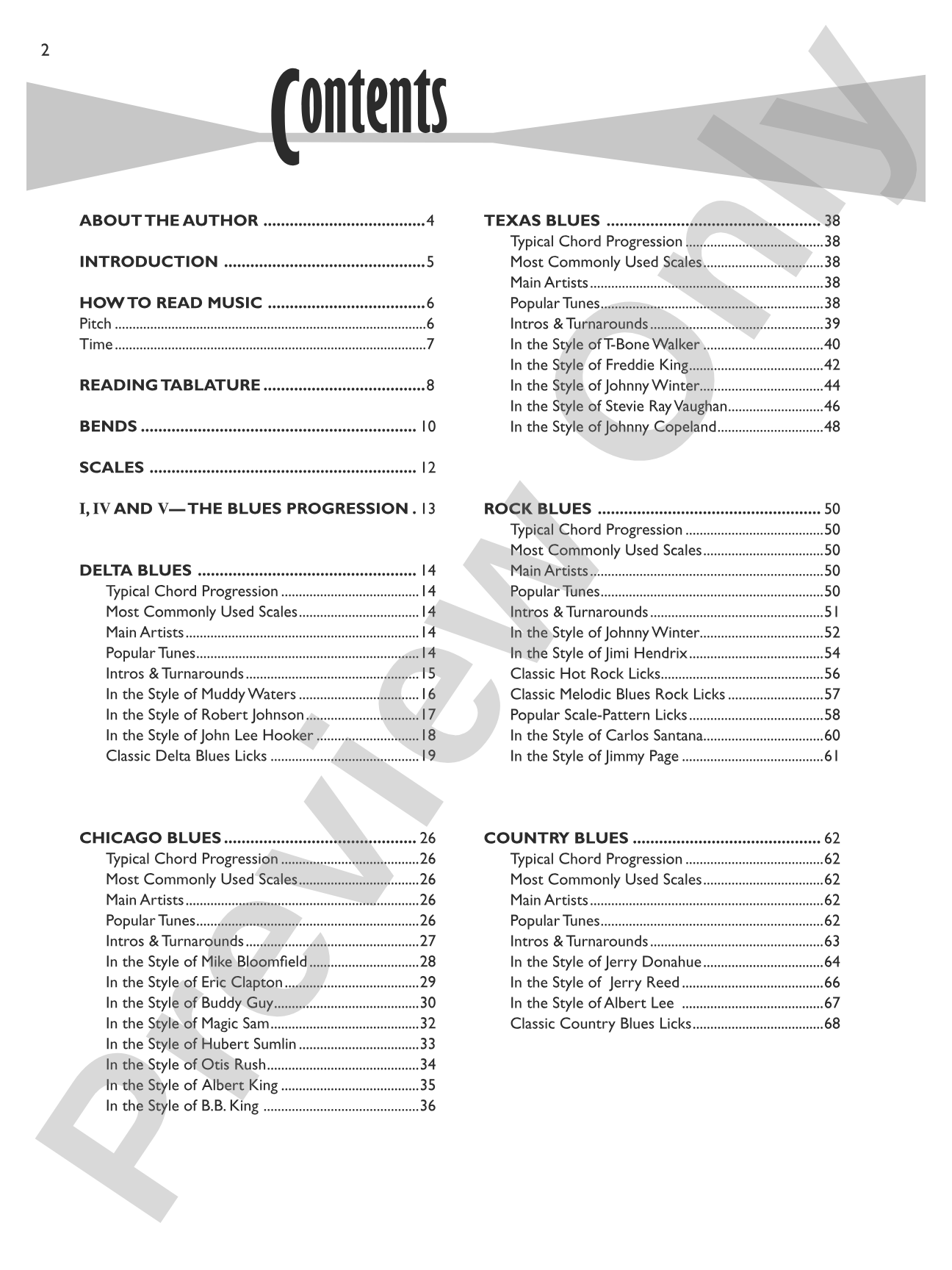
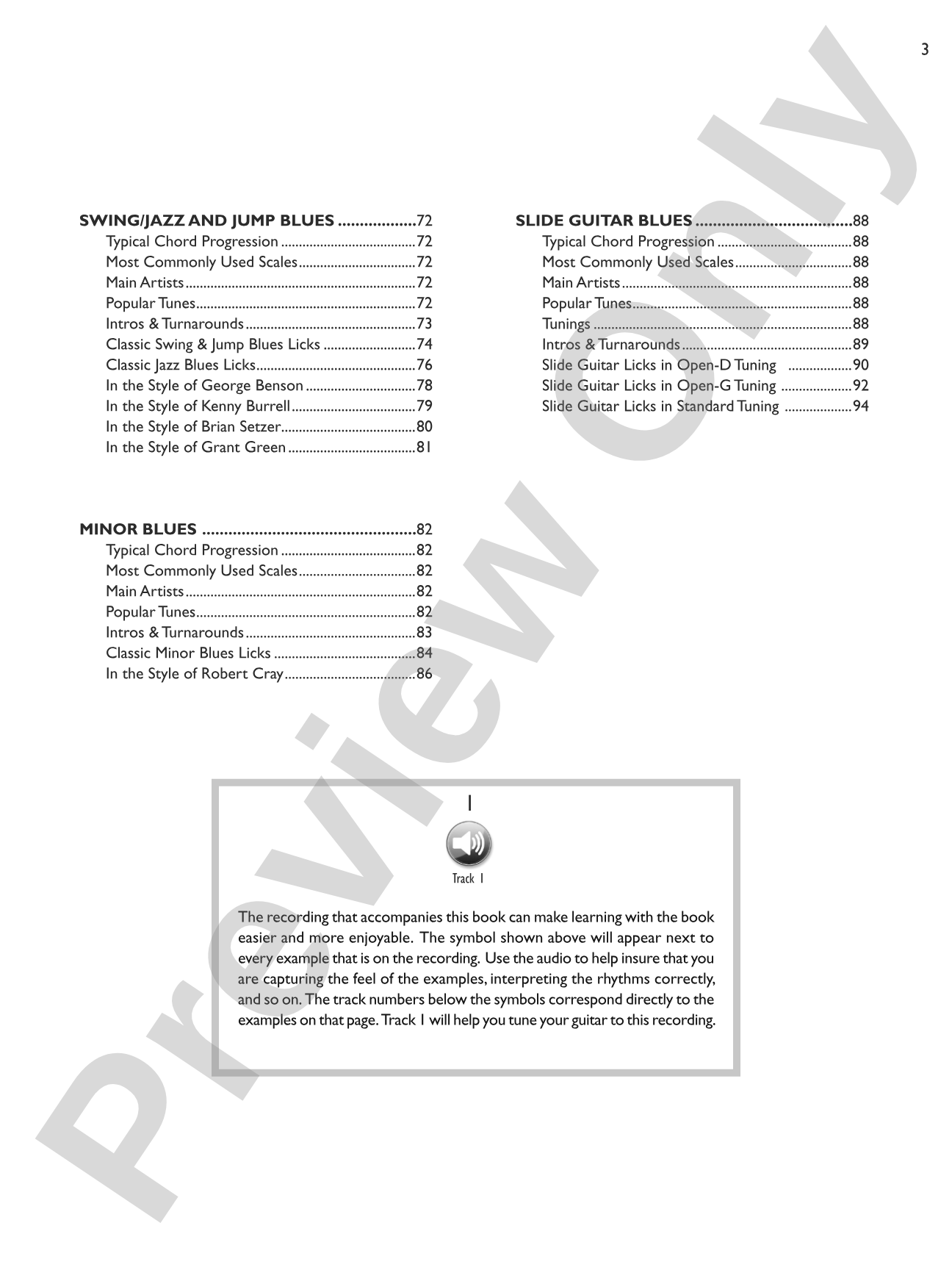
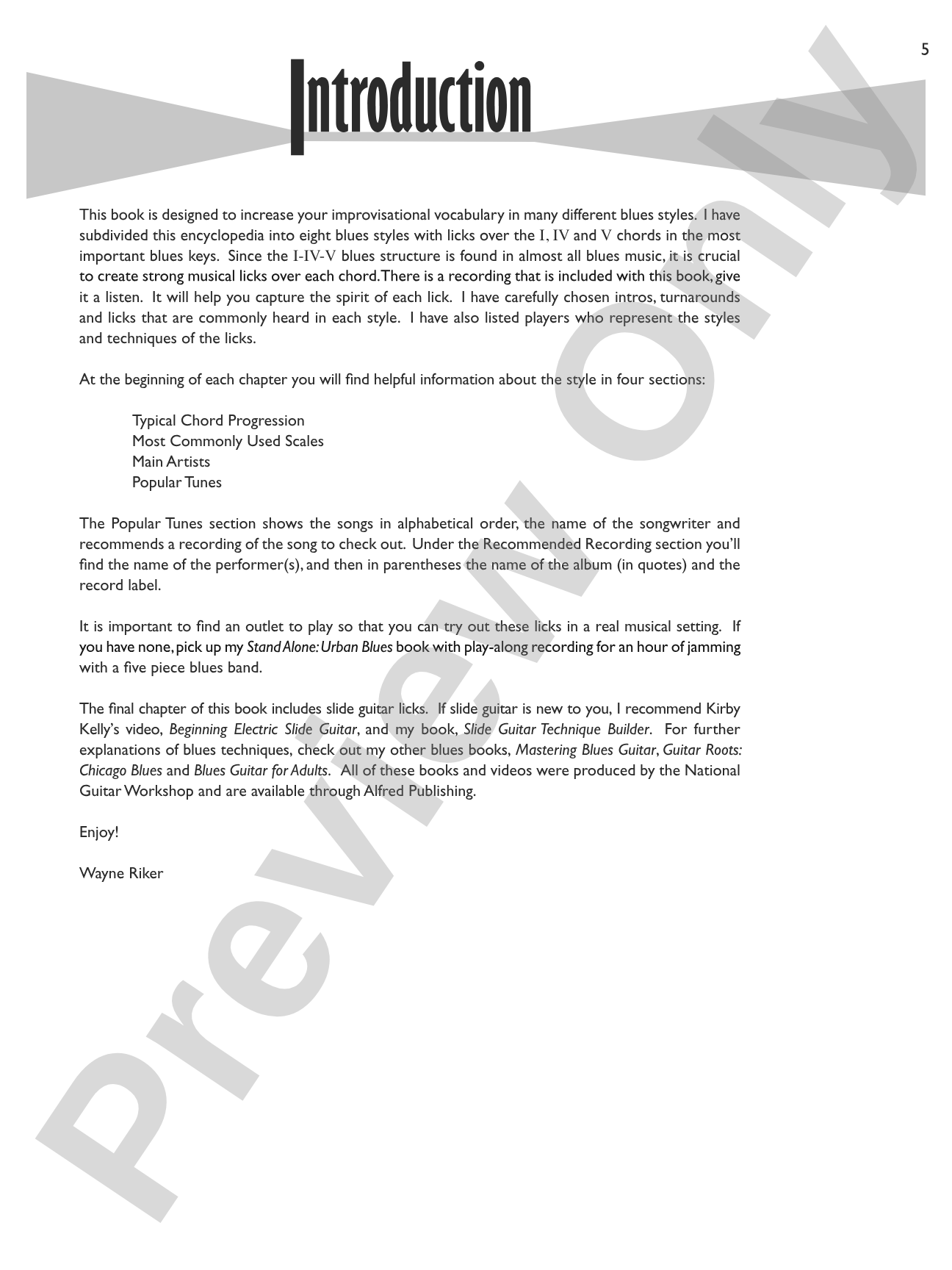
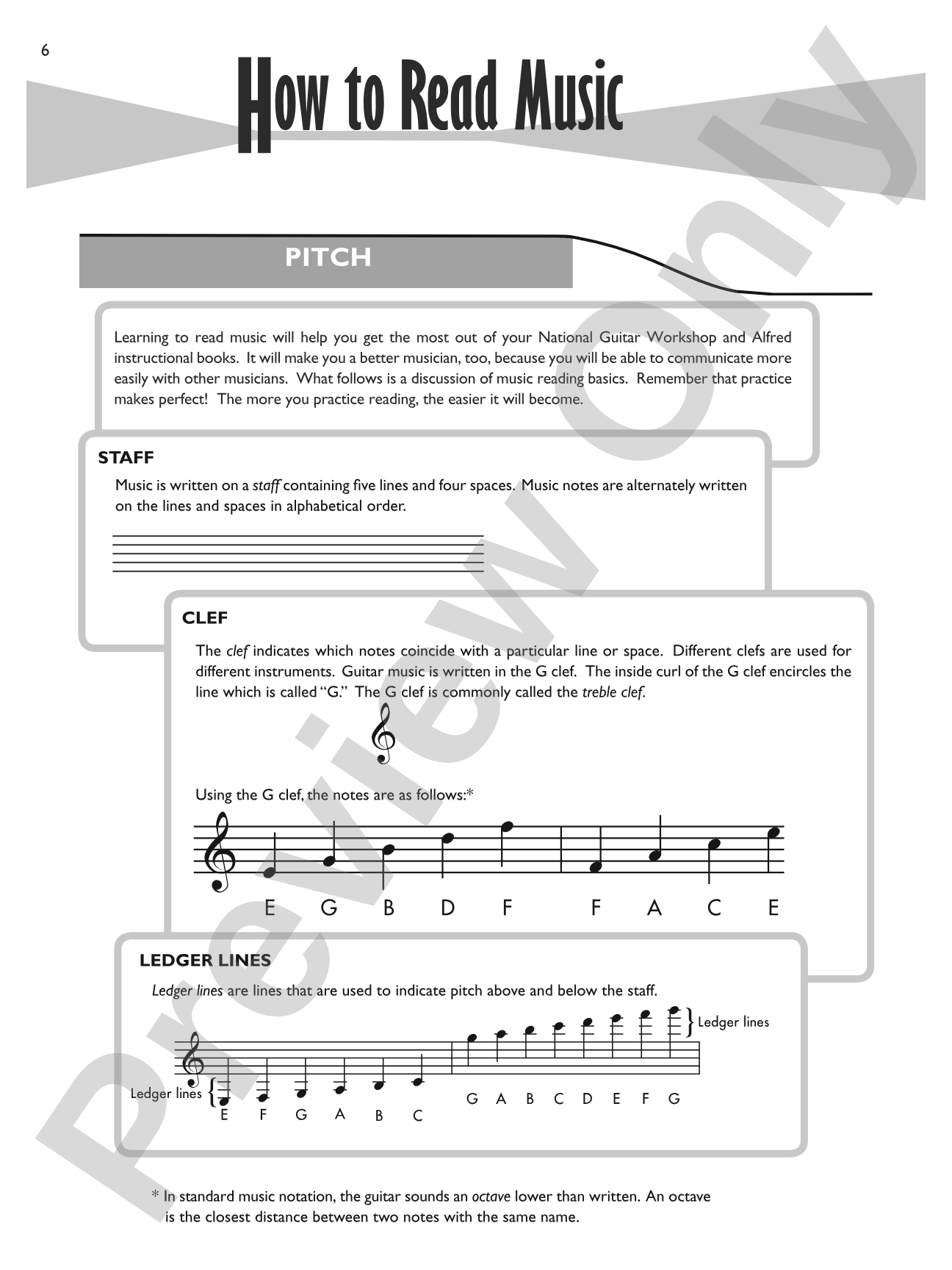
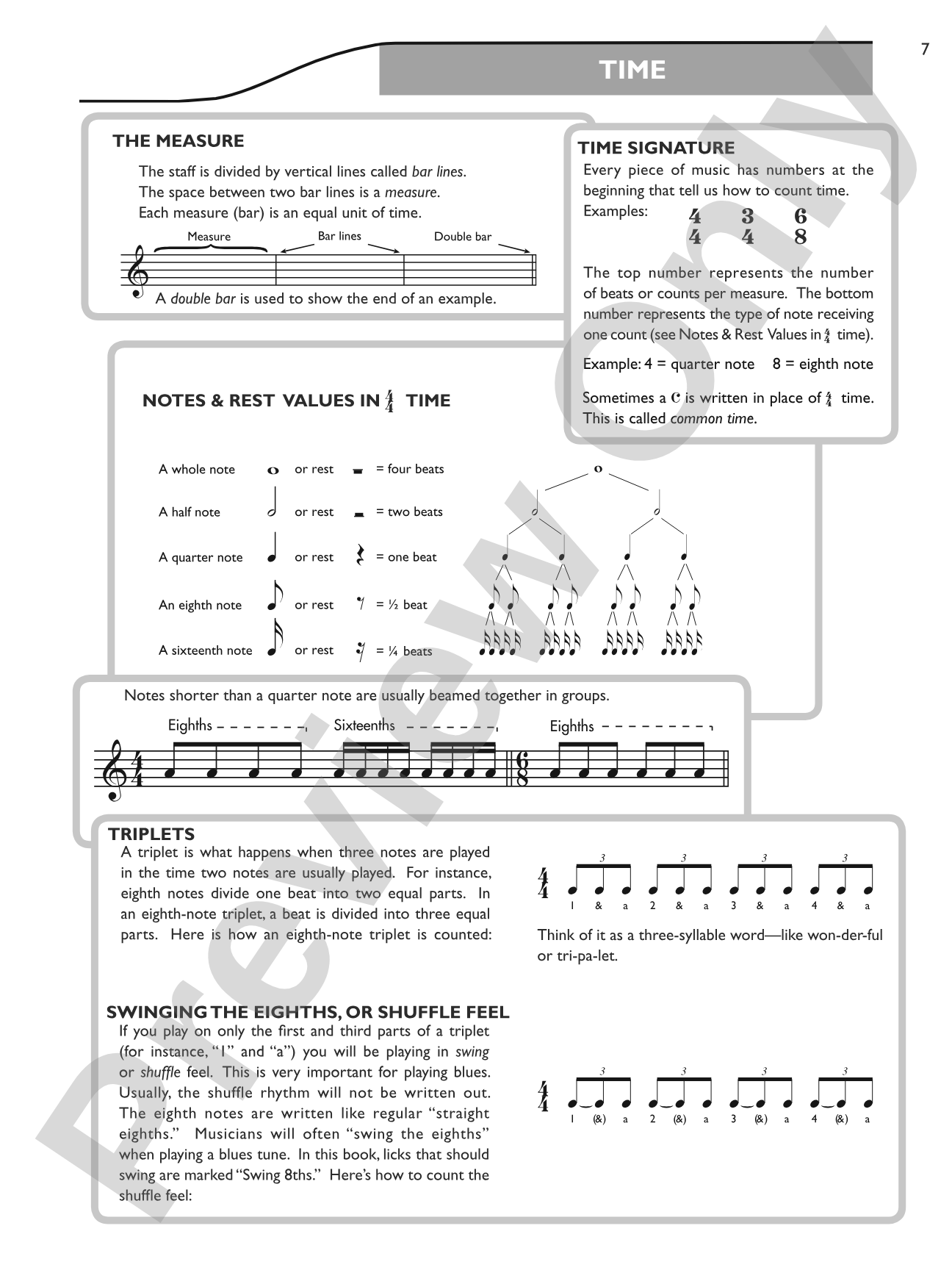
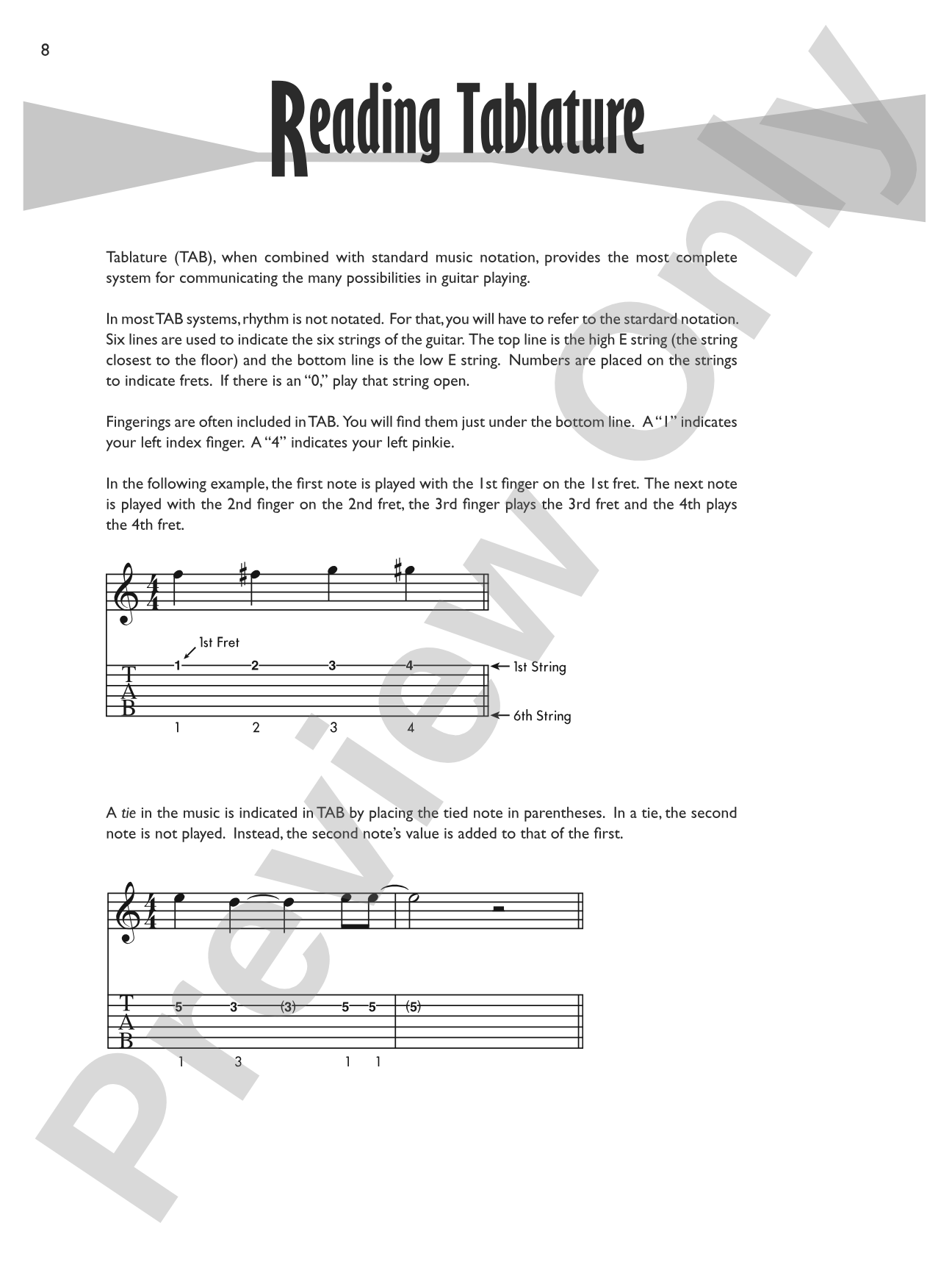
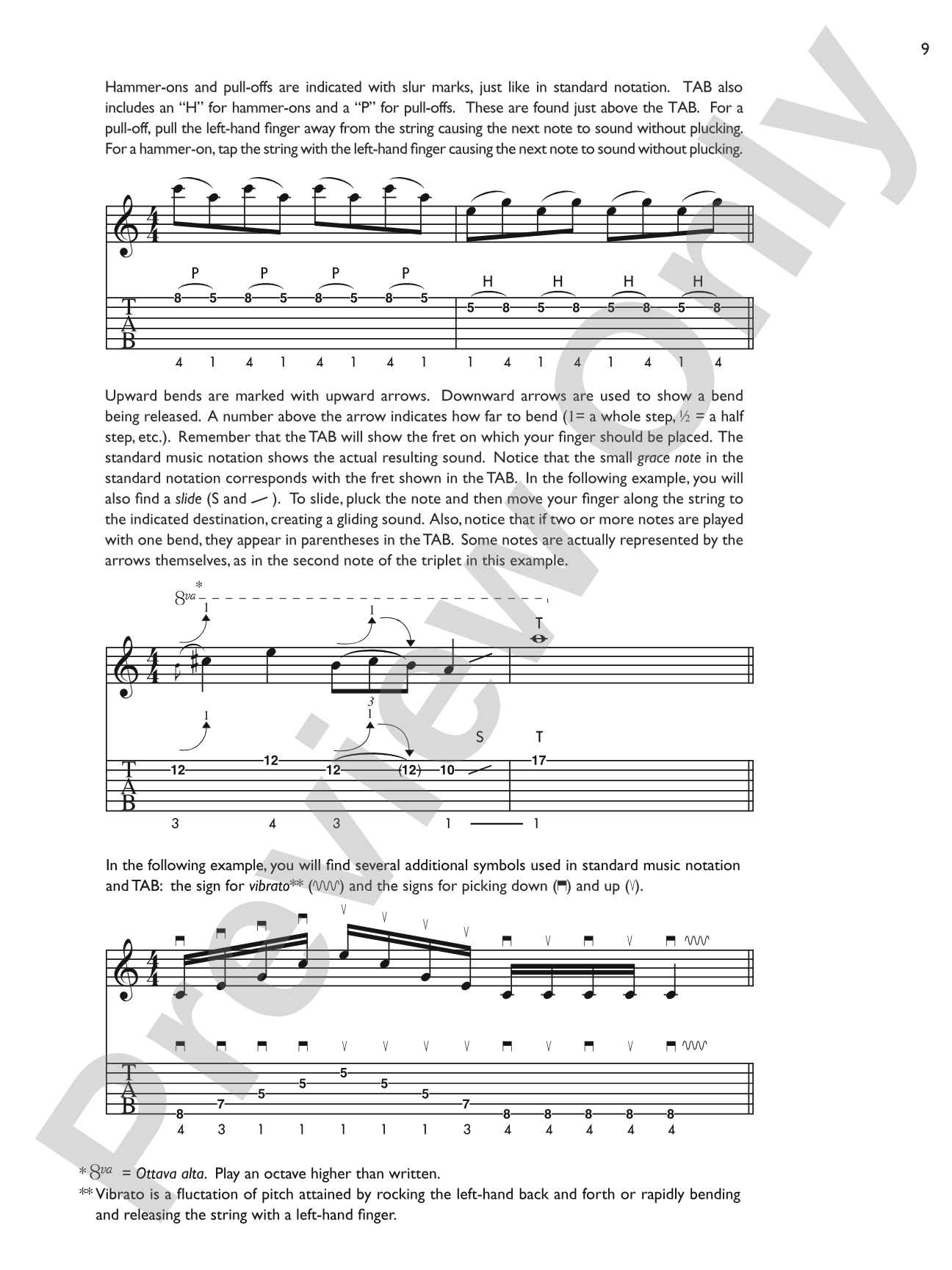
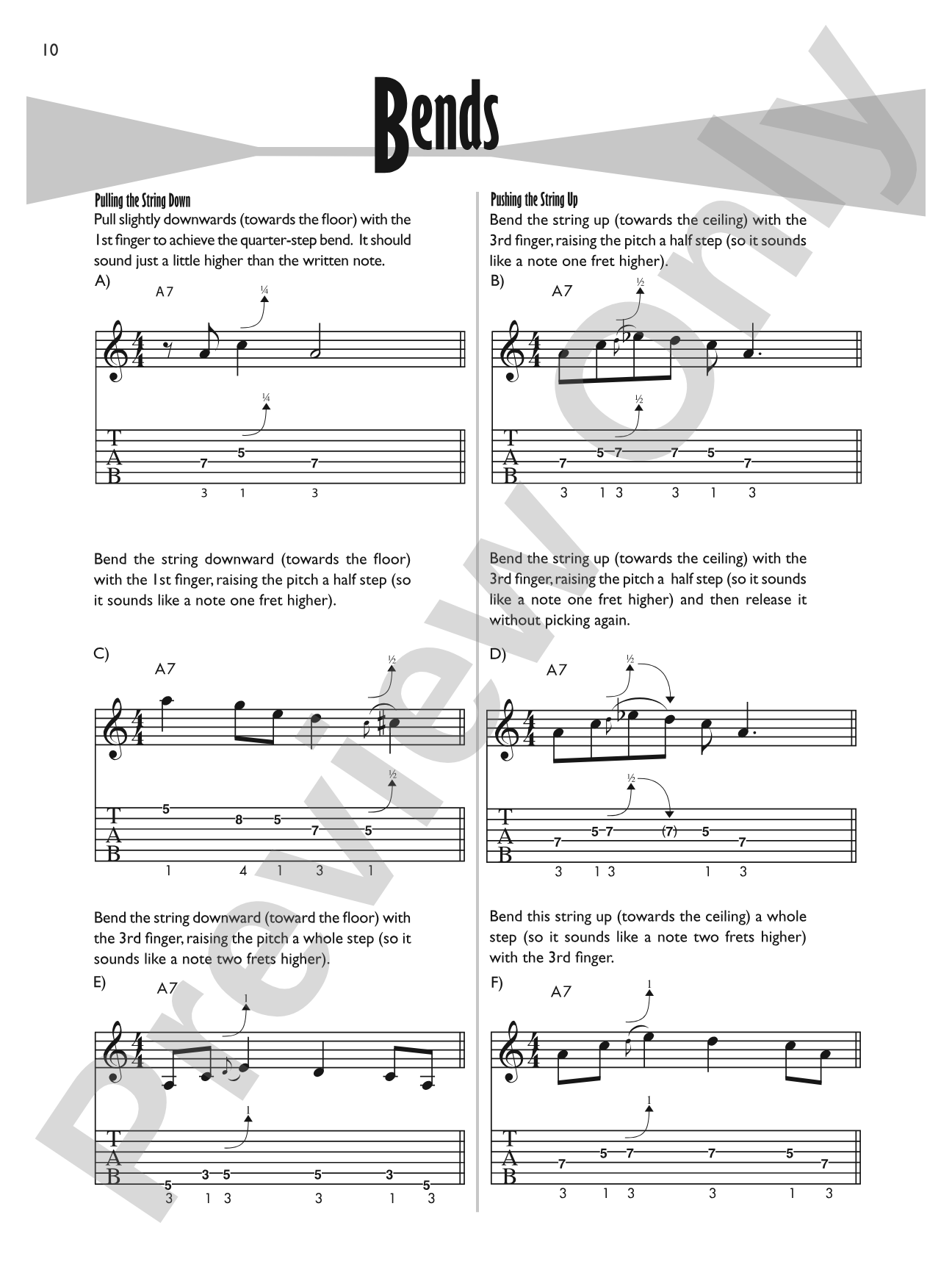
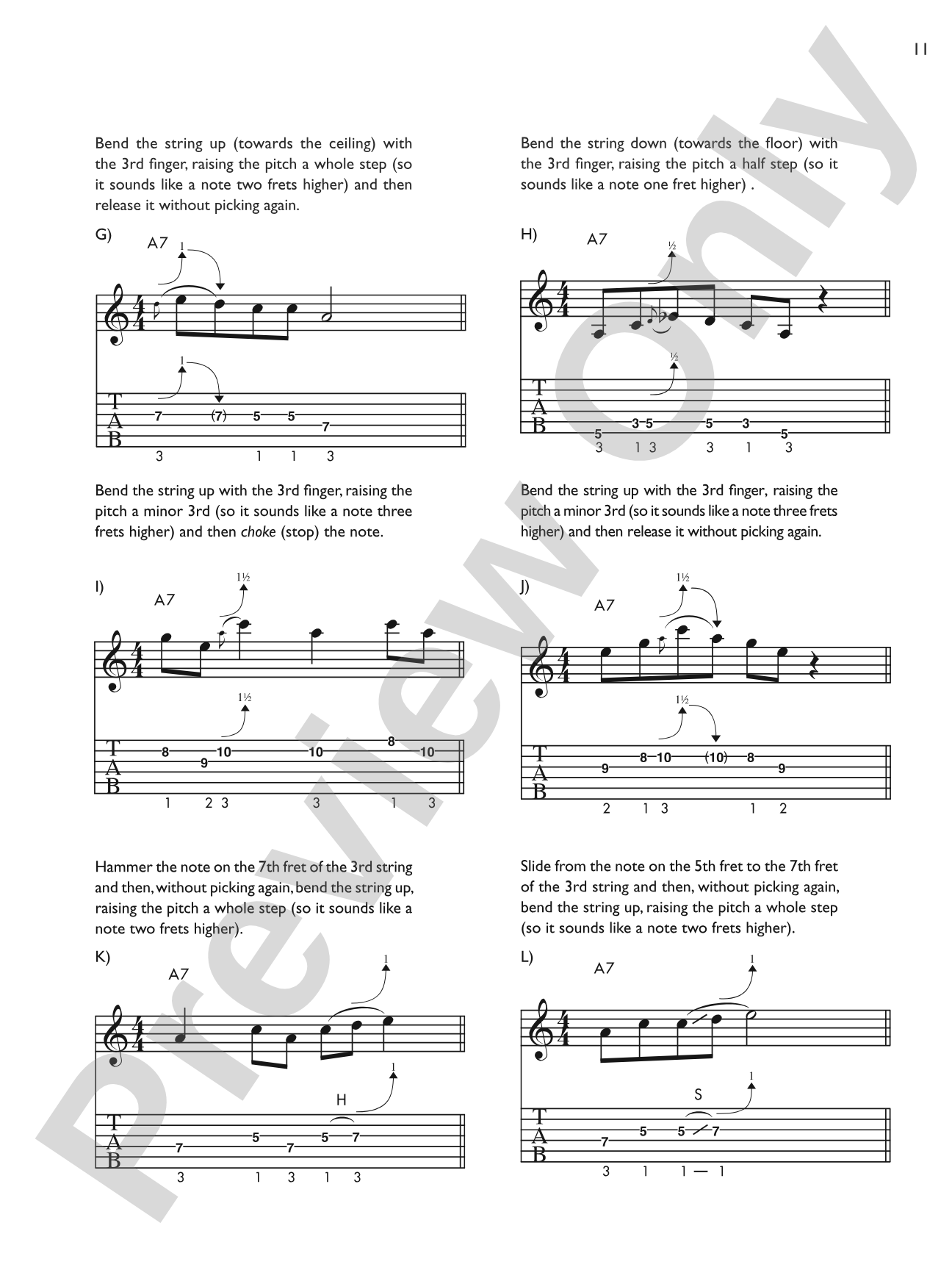
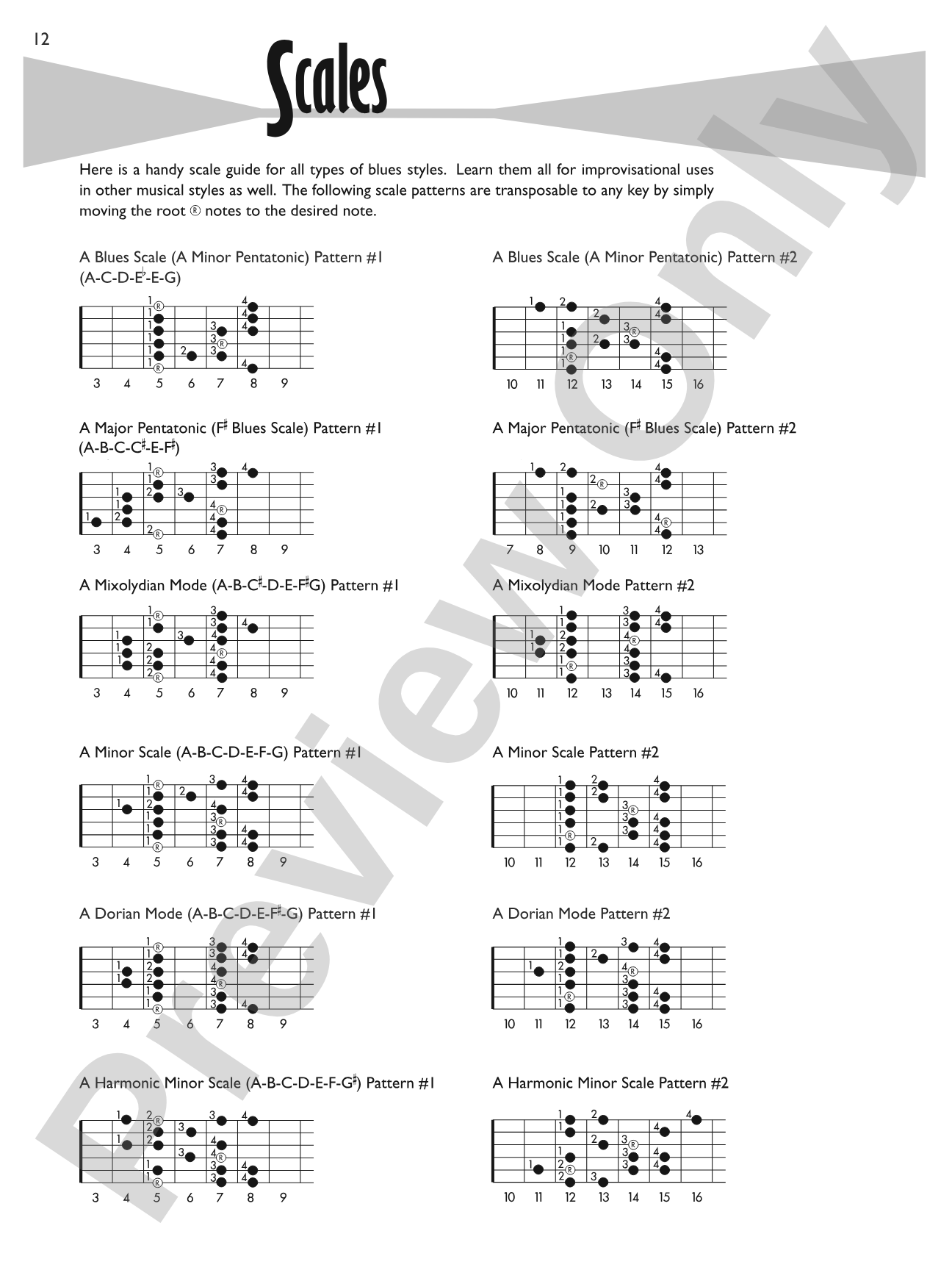
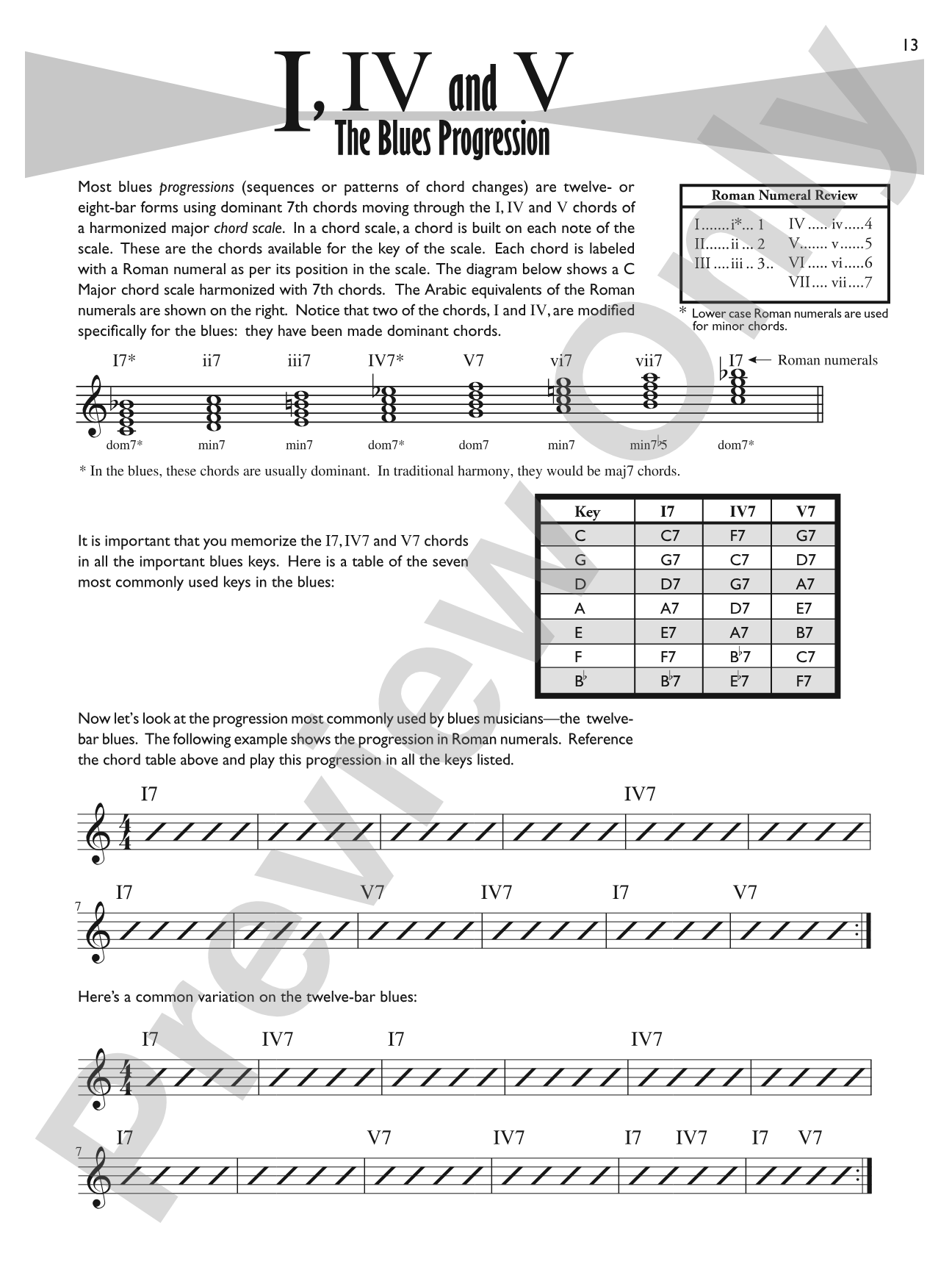
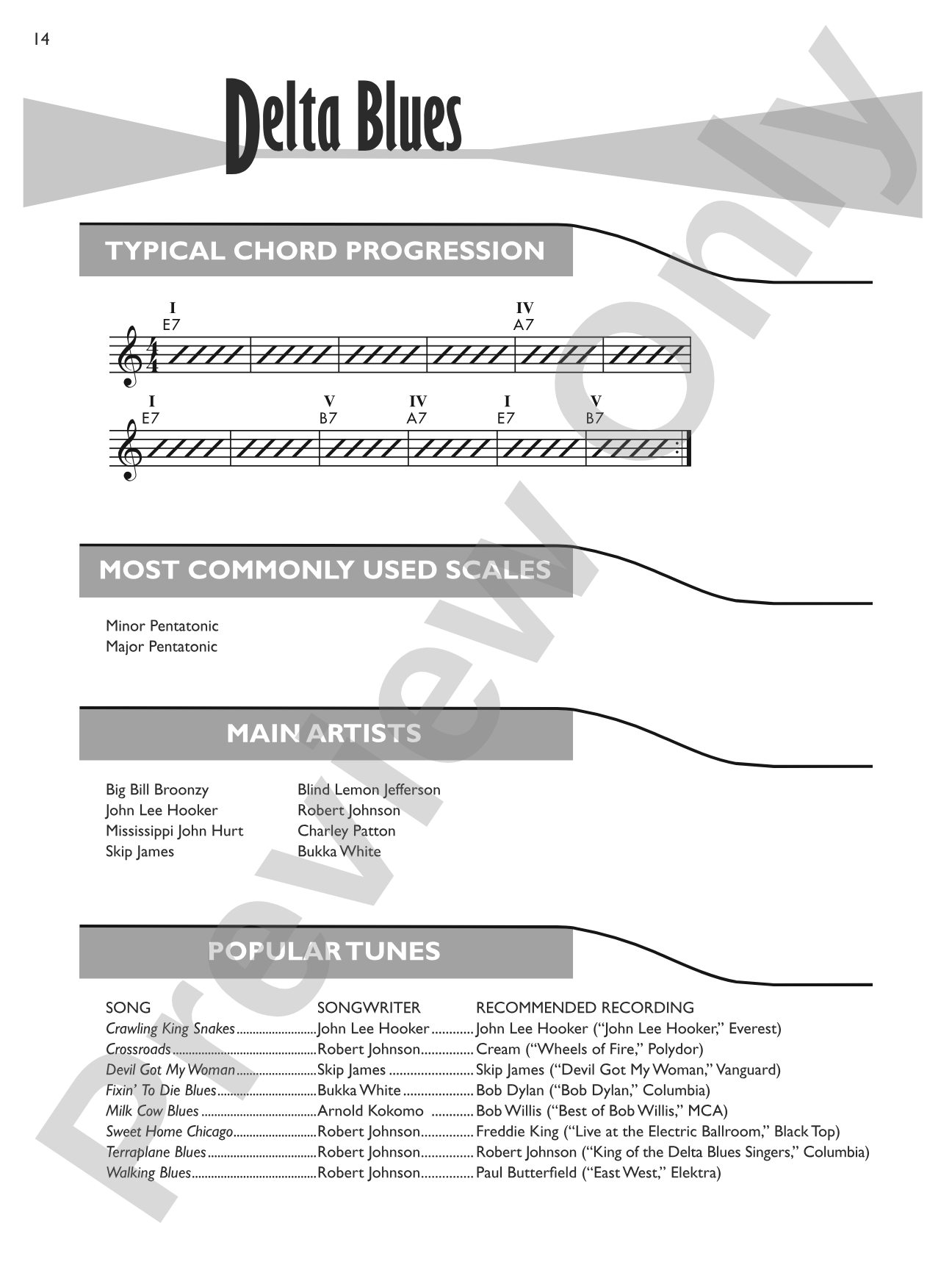
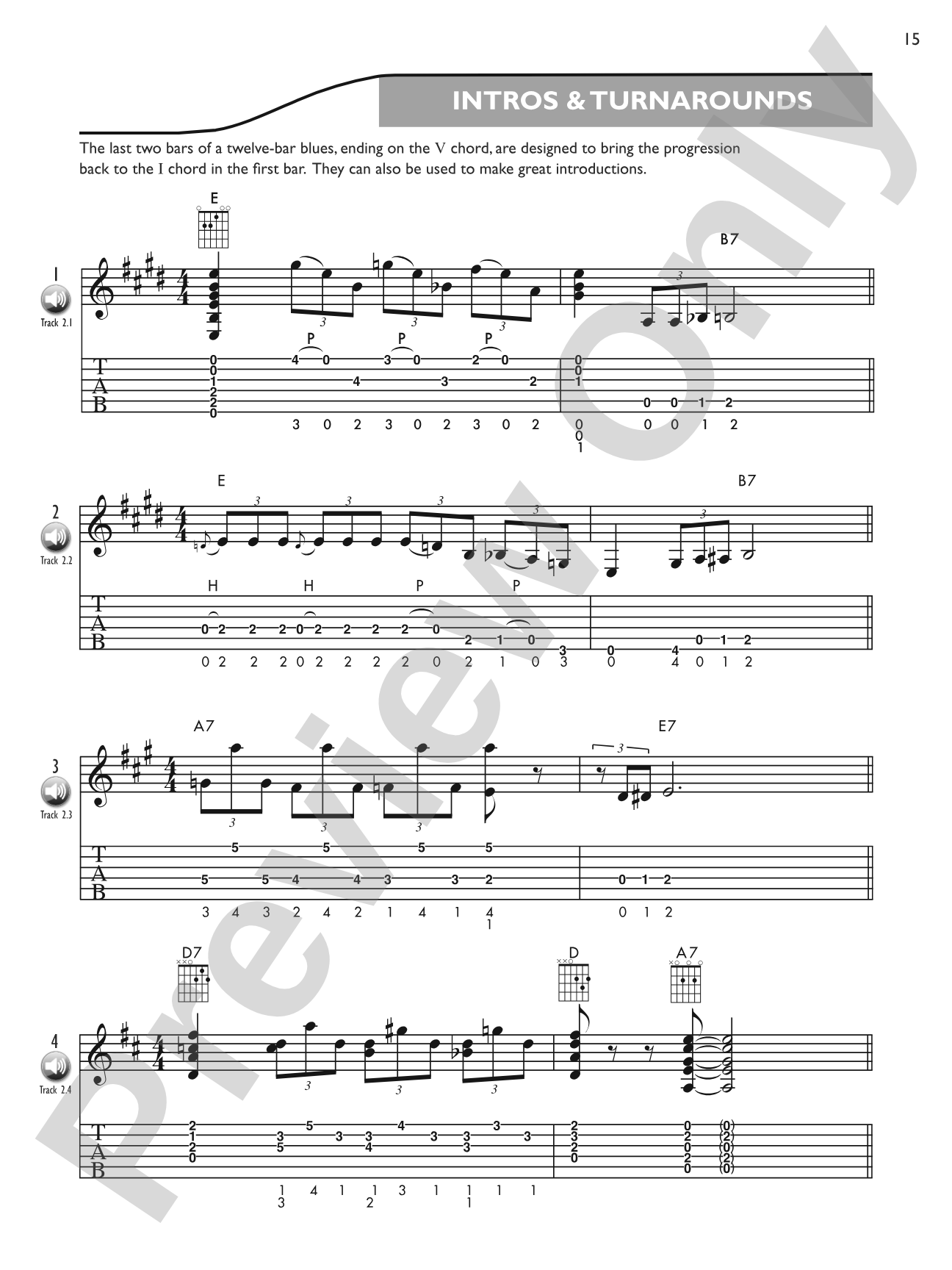
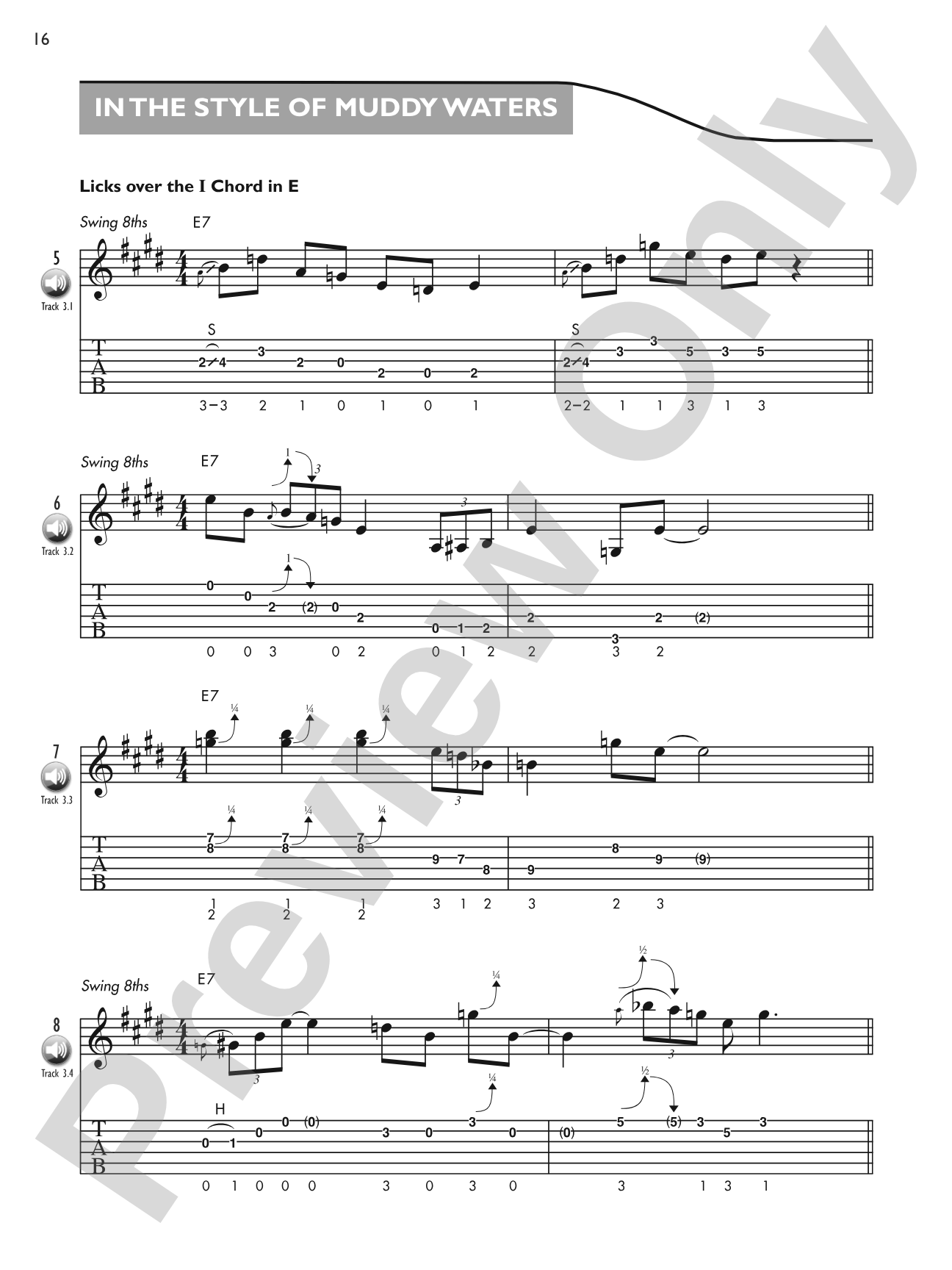
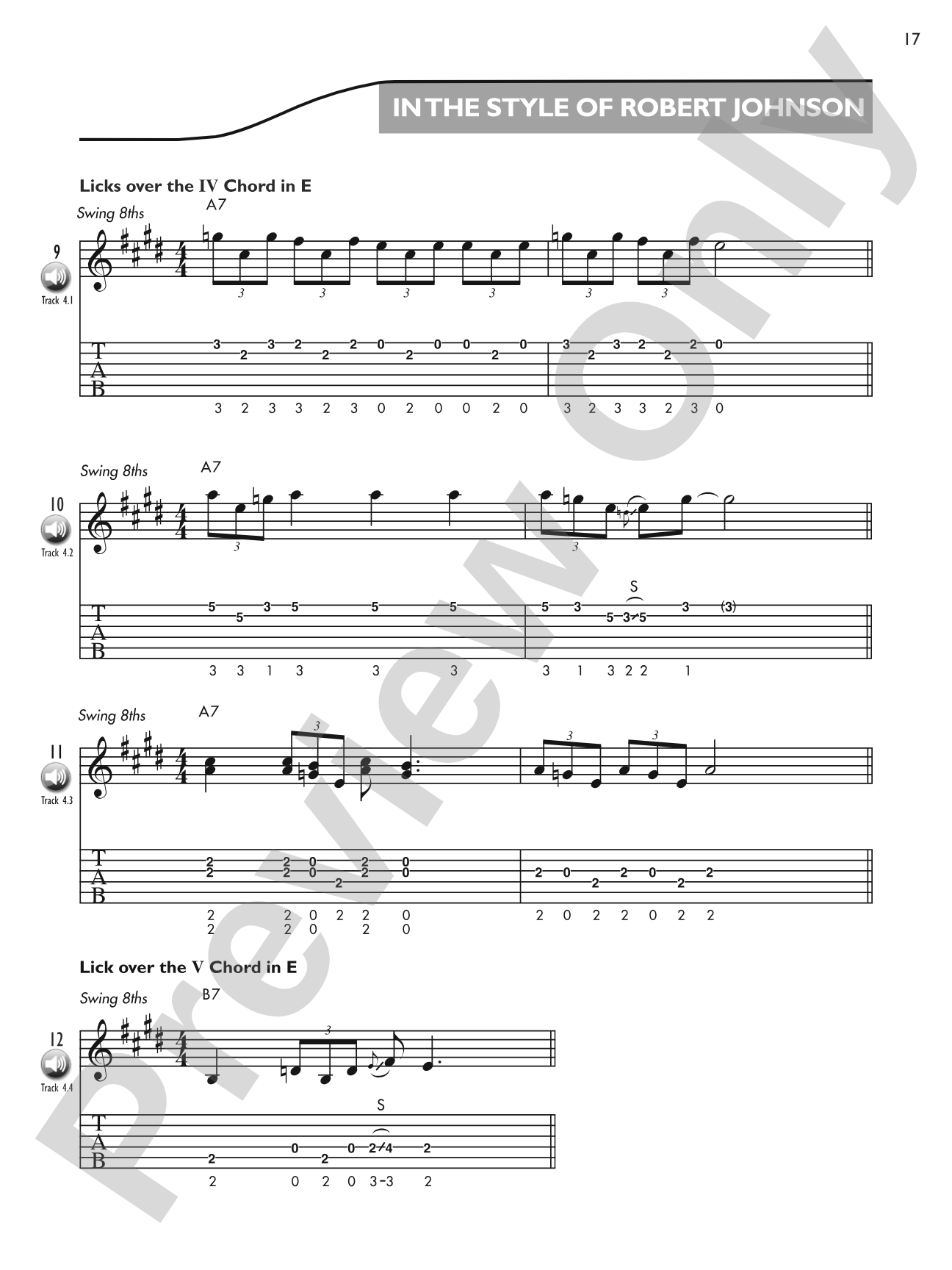
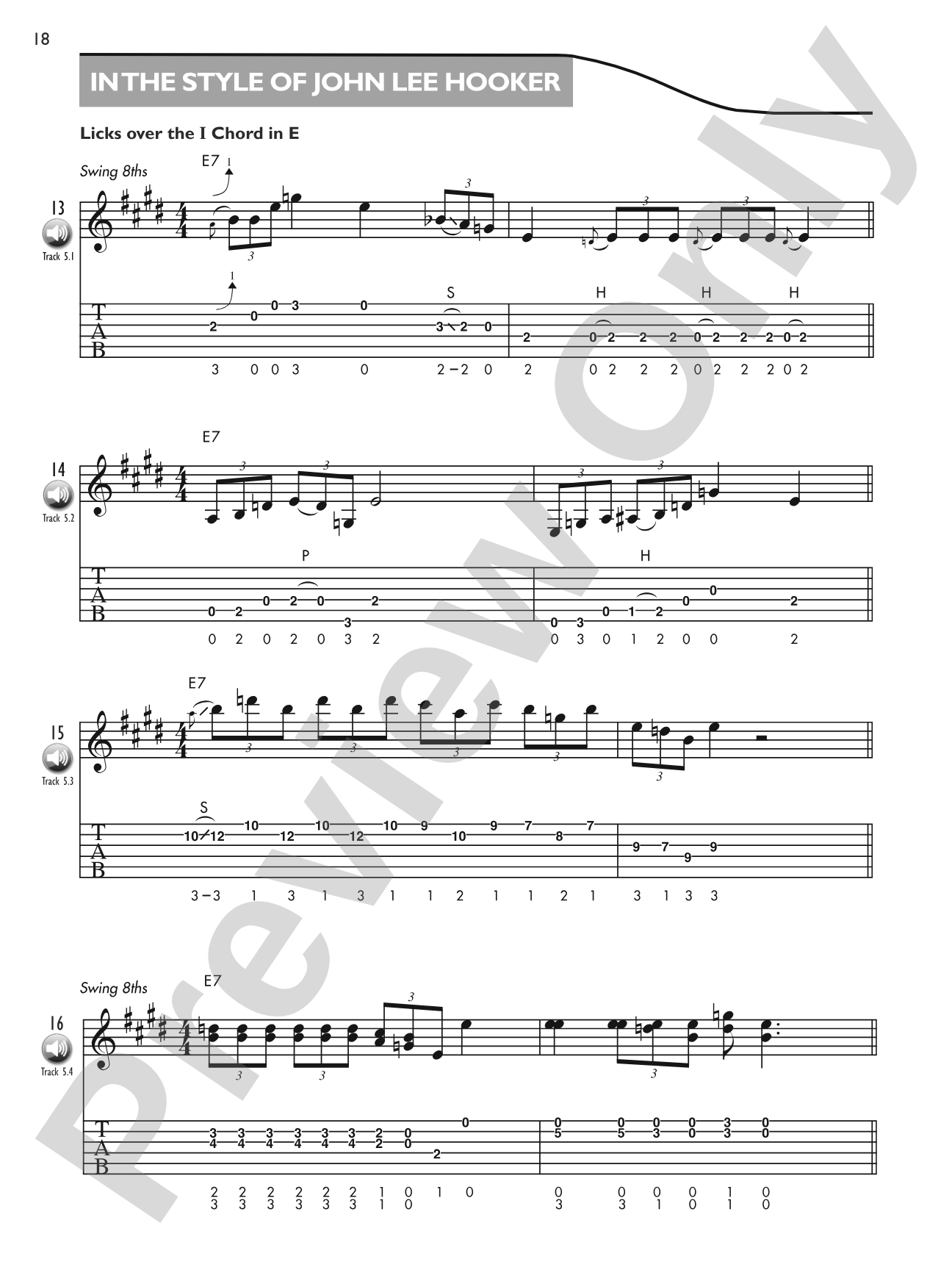
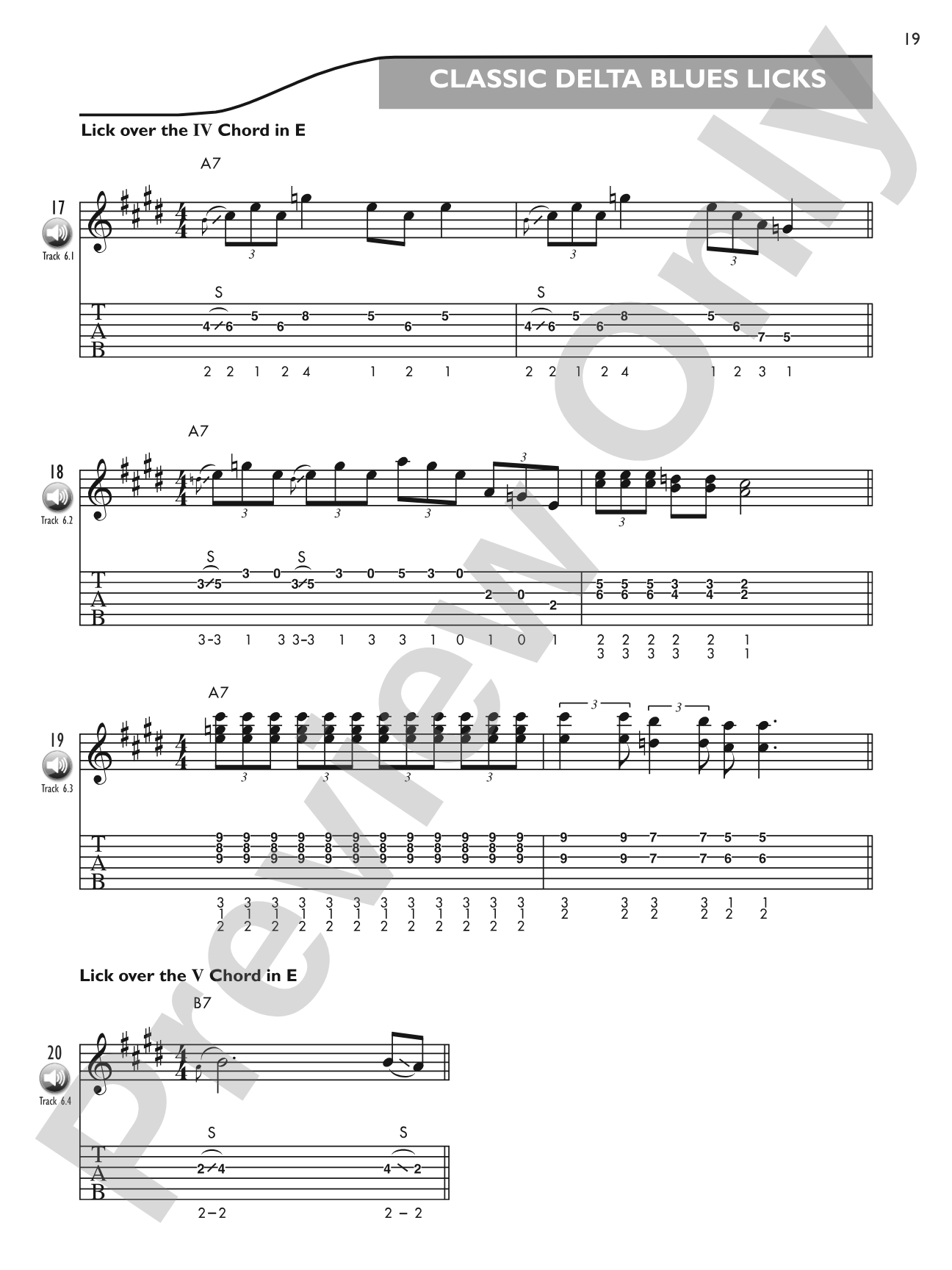
Over 300 guitar licks licks, intros and turnarounds in delta, Chicago, Texas, rock, country, swing, minor and slide blues styles. includes sections on how to read music, blues techniques and a handy table of scales. Everything is shown in easy-to-read standard music notation and TAB. The recording includes a demonstration of all the licks.


Discover MakeMusic Cloud: thousands of interactive titles your students can play along with today.
Sample Audio
1
Sample Eric Clapton Lick
--:--
2
Sample Jimi Hendrix Lick
--:--
3
Sample Robert Cray Lick
--:--
Sample Eric Clapton Lick
0:00
0:00
Sample Video
No sample videos found.
Additional Details
Publisher:
Alfred Music
Page Count:
96
SKU:
00-PB-0002188
More about this title
Why we love this
This collection cuts through the noise of scattered online resources by organizing blues vocabulary into a coherent, learnable system across eight distinct regional and stylistic approaches. The inclusion of intros and turnarounds alongside single licks makes this a working reference that students can actually pull from during jamming and composition, not just a list to pages through. Standard notation paired with TAB means guitarists at different reading levels can access the same material.
What to expect
You're opening a field guide written by someone who spent time in each blues region and extracted what matters. The licks feel alive because they're rooted in actual playing traditions, not theory exercises. Moving from delta to Chicago to rock blues shows you how the same musical DNA expresses itself differently depending on the landscape and the players who shaped it.
Who it's for
Guitarists who want to speak blues fluently across multiple traditions, whether that's delta fingerstyle, Chicago electric, or Texas swing. Teachers building curriculum around blues history will find this invaluable as a vocabulary bank for intermediate and advanced students. Players transitioning from classical or folk traditions into improvisation need this kind of systematic framework.
How to get the most out of it
- Record yourself playing each lick at half speed, then compare against the demonstration. You'll catch timing and phrasing details that are easy to gloss over at full tempo.
- Choose one region's lick vocabulary to saturate for two weeks before moving to another. Shallow exposure to all eight styles teaches you less than deep work in three.
- Use the scales section to understand why certain licks fit certain contexts. Knowing that a lick lives in minor pentatonic is the beginning of being able to improvise with it.
How to use it
Pair this with a blues history unit where each week covers a different regional style; students learn the licks that defined that sound and hear recordings by the masters who played them. For jazz or contemporary music classes, it's a reference that students return to throughout the year as they build personal improvisational vocabulary. Solo players preparing for auditions or recitals can mine it for authentic introductions and transitions that sit naturally under their fingers.
Skills your students will build
- Reading single-line notation and TAB simultaneously
- Blues phrasing and articulation across eight regional styles
- Left-hand techniques including slides, bends, and vibrato
- Minor pentatonic and blues scale fluency in multiple keys
- Recognizing and executing turnarounds and intro figures
- Hearing and recreating blues rhythm vocabulary