
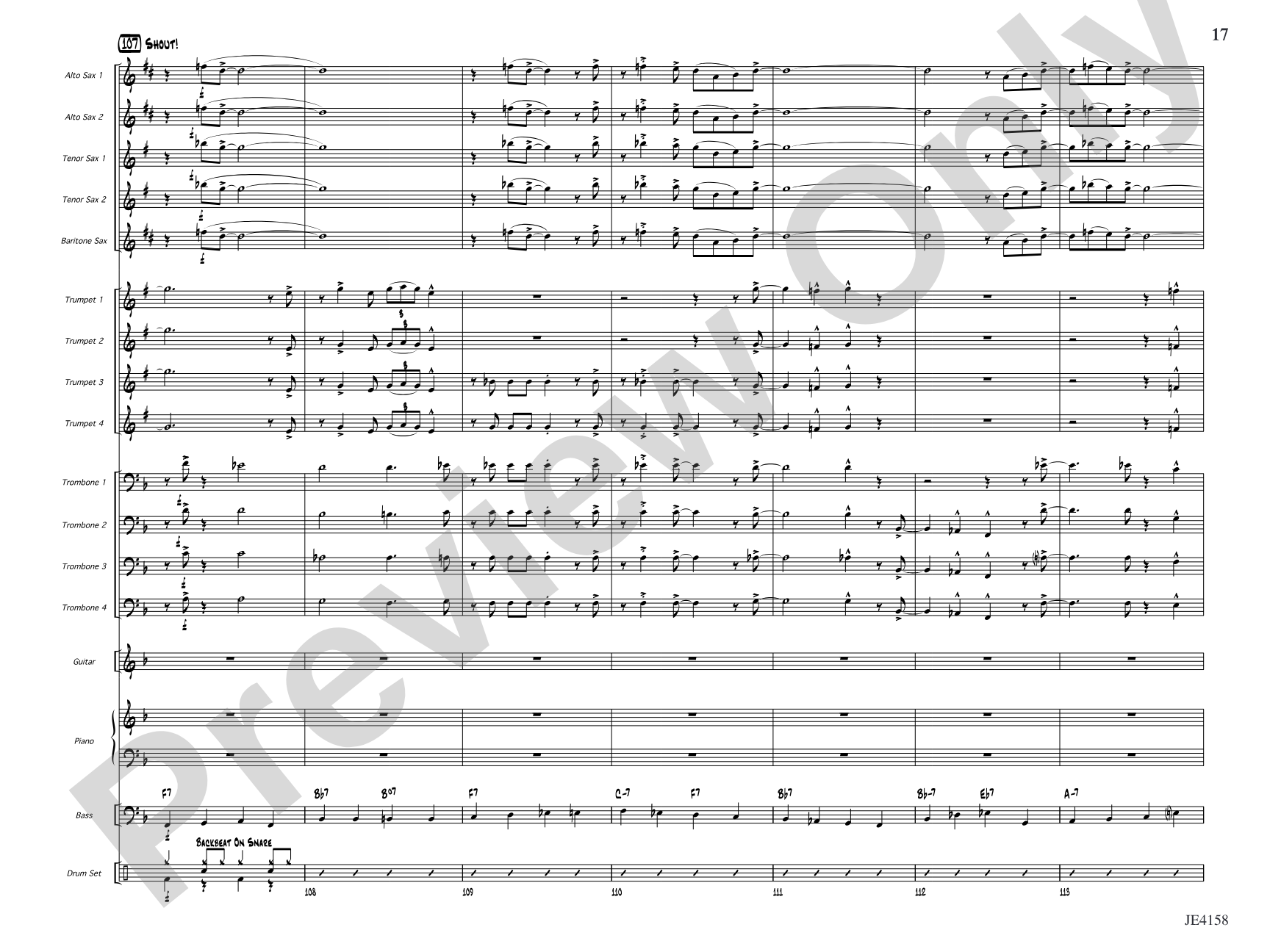
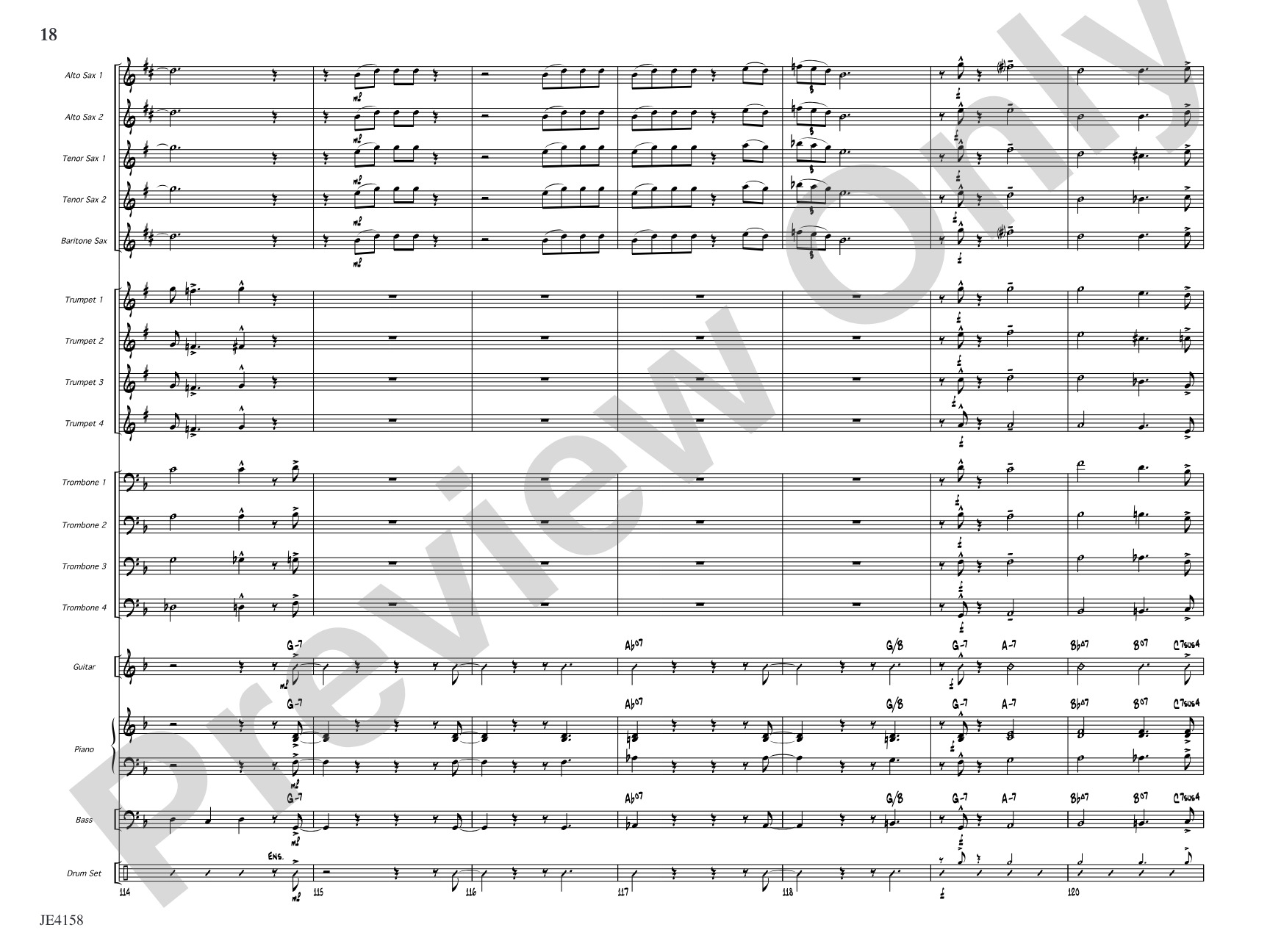
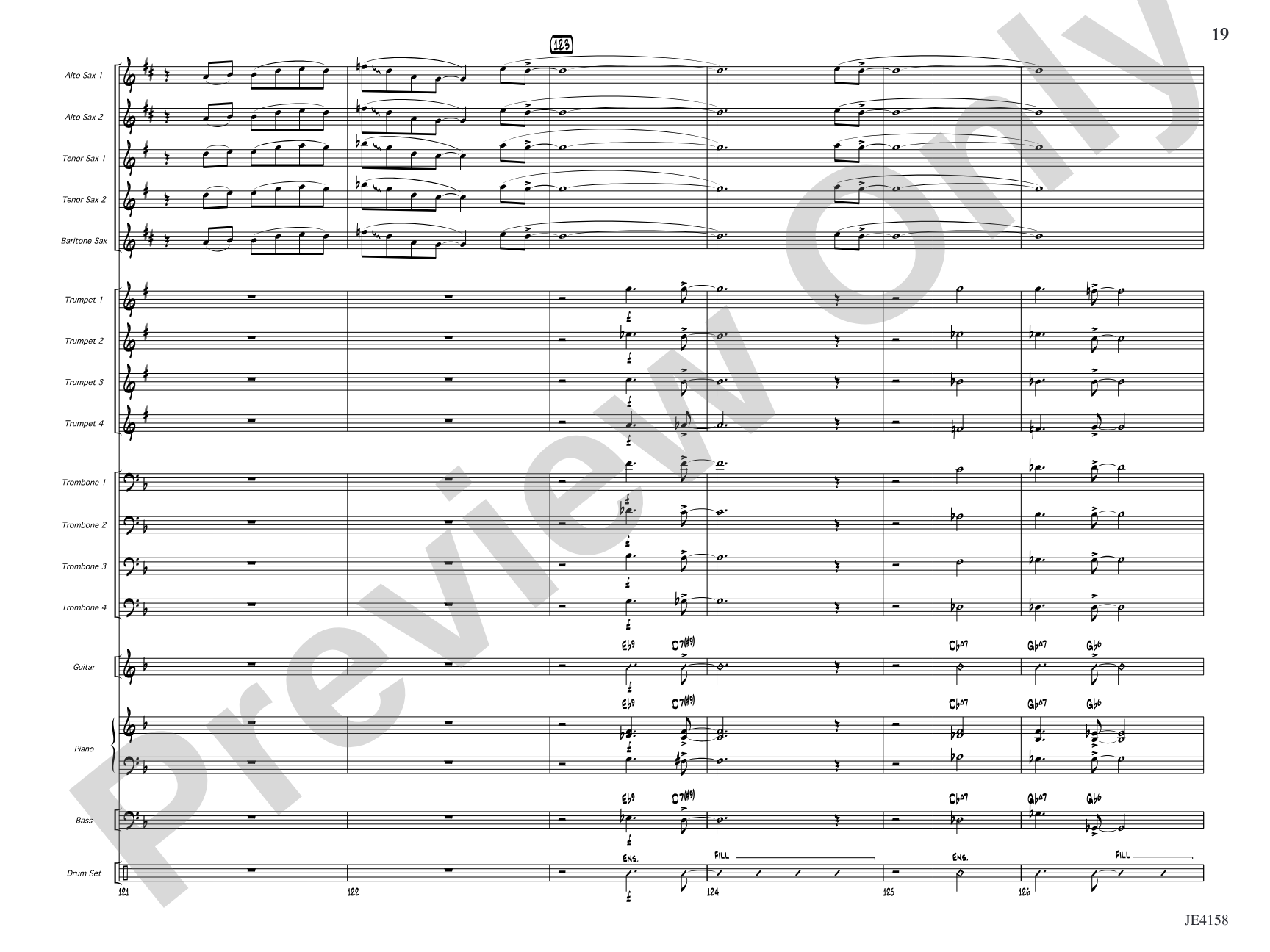
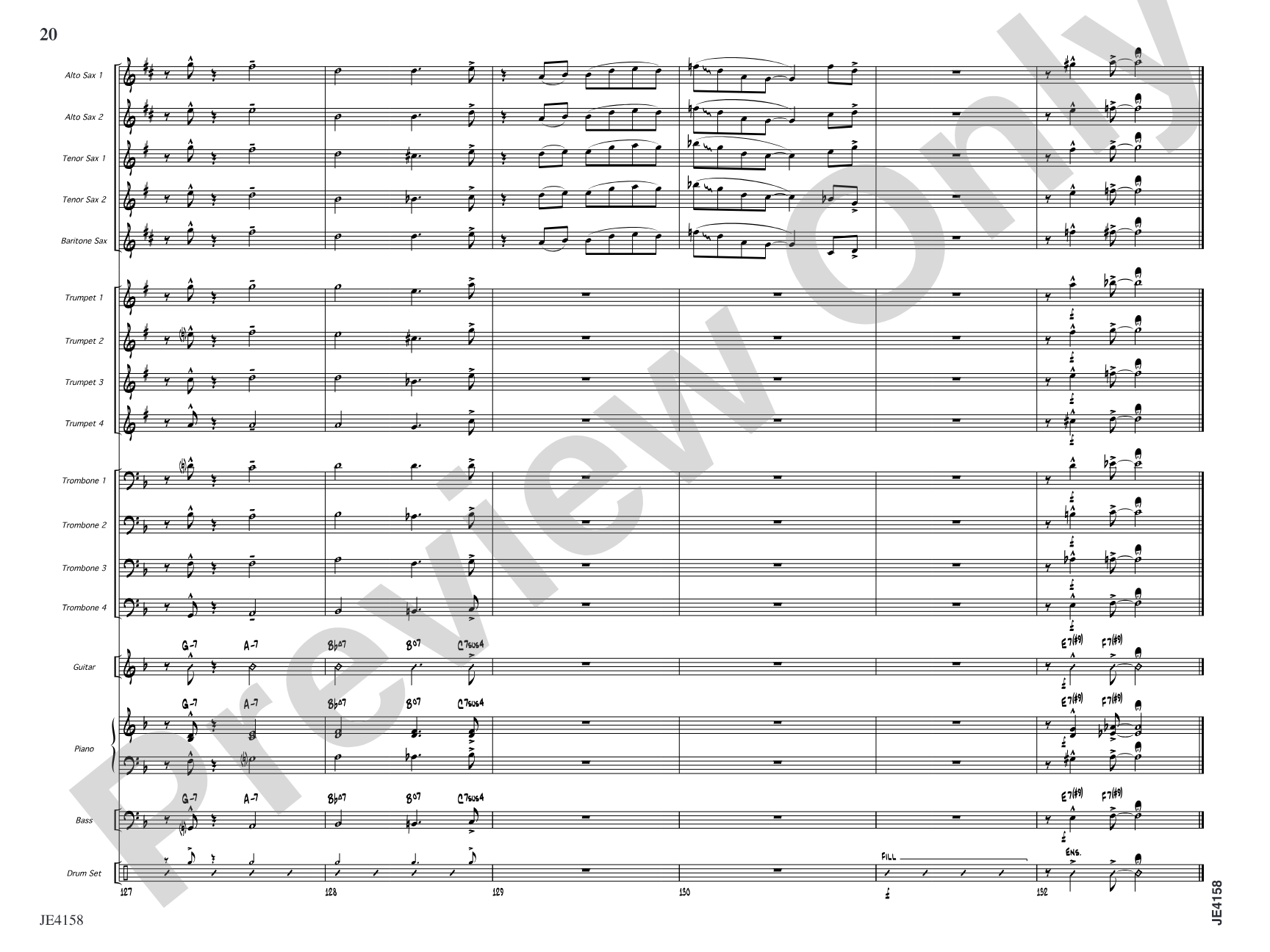

Blues for Who?: Jazz Ensemble Conductor Score & Parts
By Mark Tonelli
Grade: 3
Item: 98-DJE4158

$55.00
Pickup currently not available
Buy Extra Parts (Digital PDF Download)
| Product | Price | Quantity |
|---|---|---|
| Blues for Who?: Score | $6.00 | |
| Blues for Who?: Alto Sax 1 | $7.00 | |
| Blues for Who?: Alto Sax 2 | $7.00 | |
| Blues for Who?: Tenor Sax 1 | $7.00 | |
| Blues for Who?: Tenor Sax 2 | $7.00 | |
| Blues for Who?: Baritone Sax | $7.00 | |
| Blues for Who?: Trumpet 1 | $7.00 | |
| Blues for Who?: Trumpet 2 | $7.00 | |
| Blues for Who?: Trumpet 3 | $7.00 | |
| Blues for Who?: Trumpet 4 | $7.00 | |
| Blues for Who?: Trombone 1 | $7.00 | |
| Blues for Who?: Trombone 2 | $7.00 | |
| Blues for Who?: Trombone 3 | $7.00 | |
| Blues for Who?: Trombone 4 | $7.00 | |
| Blues for Who?: Guitar Chord Guide | $7.00 | |
| Blues for Who?: Guitar | $7.00 | |
| Blues for Who?: Piano | $7.00 | |
| Blues for Who?: Bass | $7.00 | |
| Blues for Who?: Drum Set | $7.00 |
Parts Added to Cart!
Description
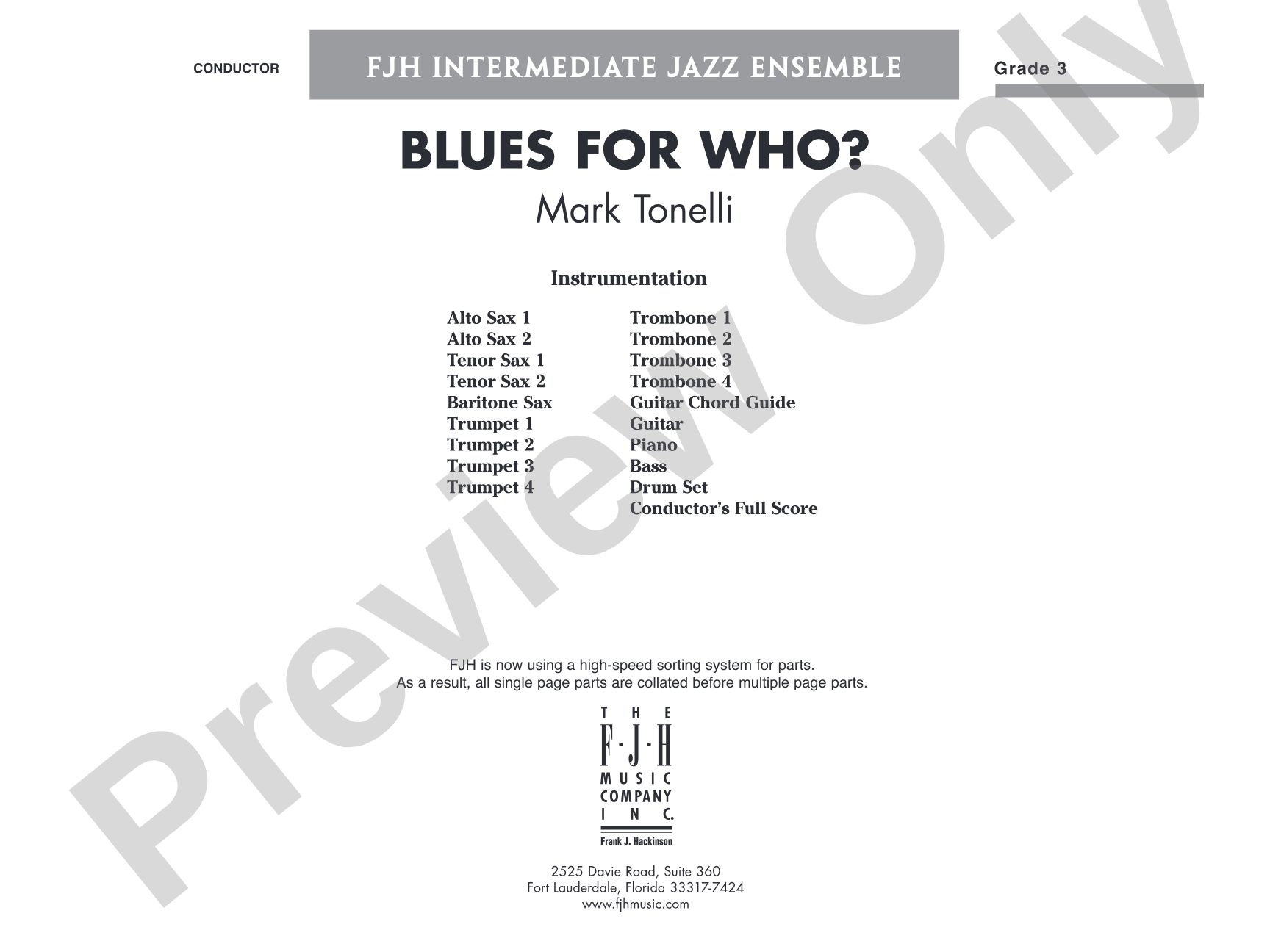
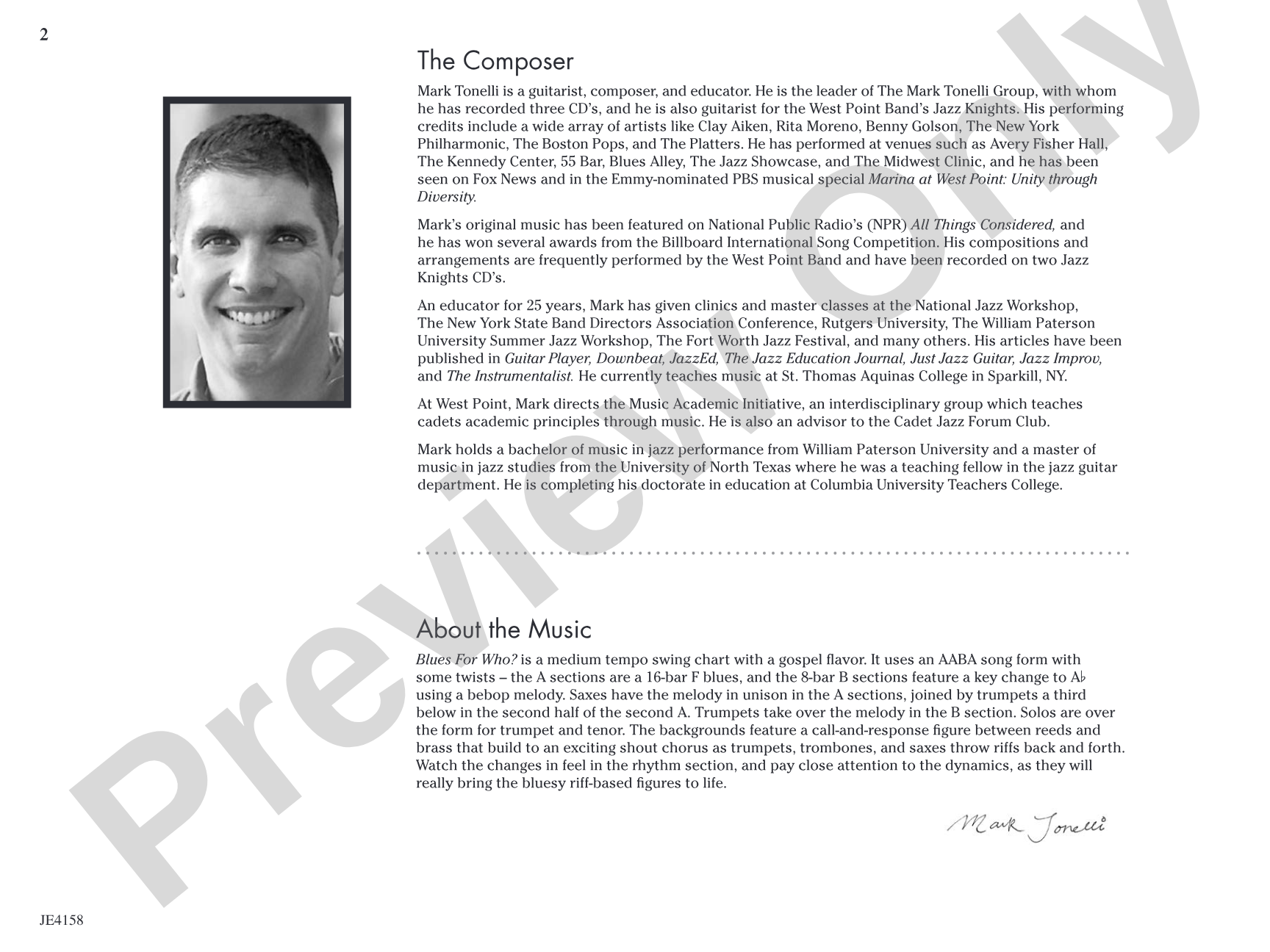
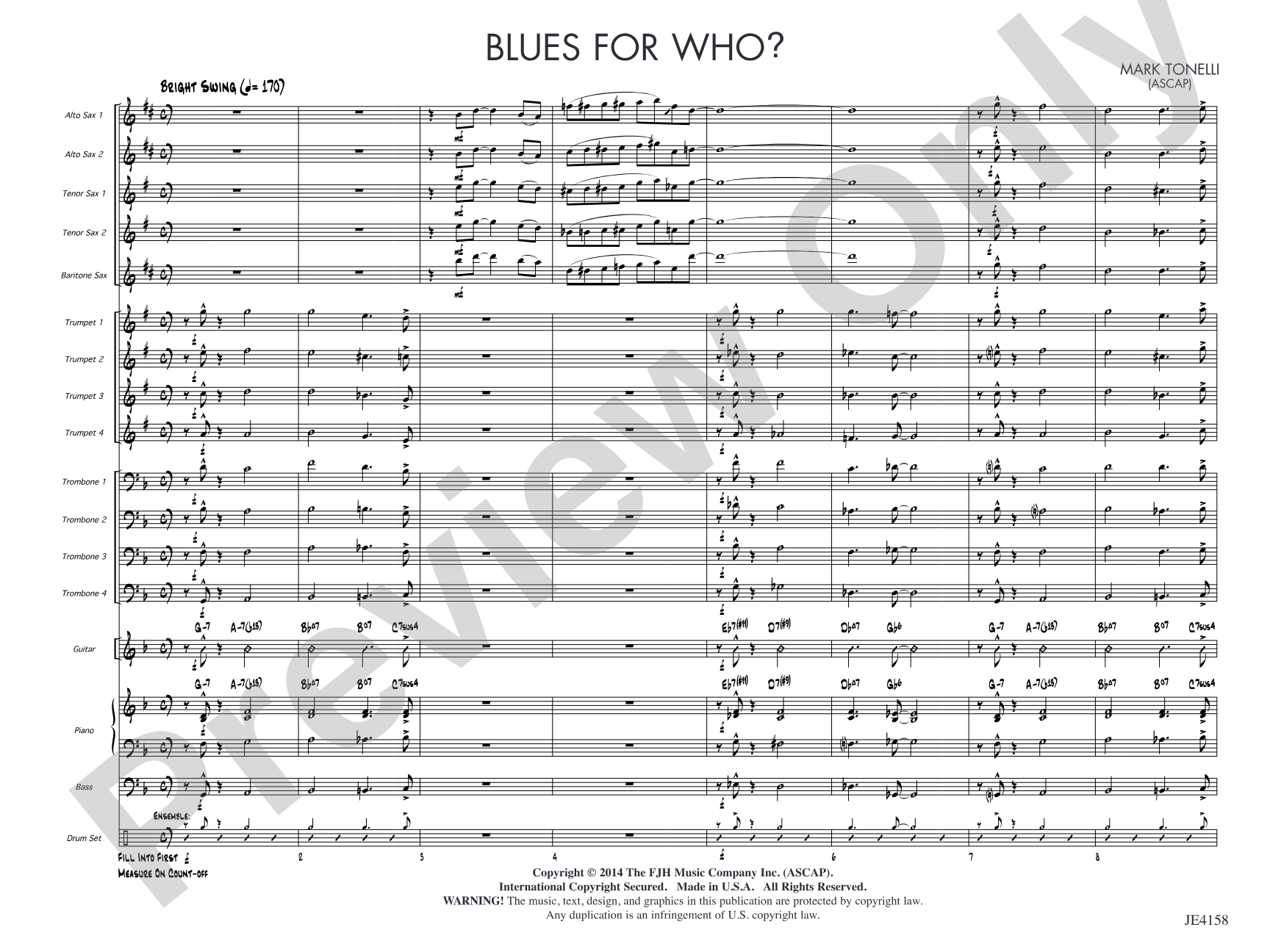
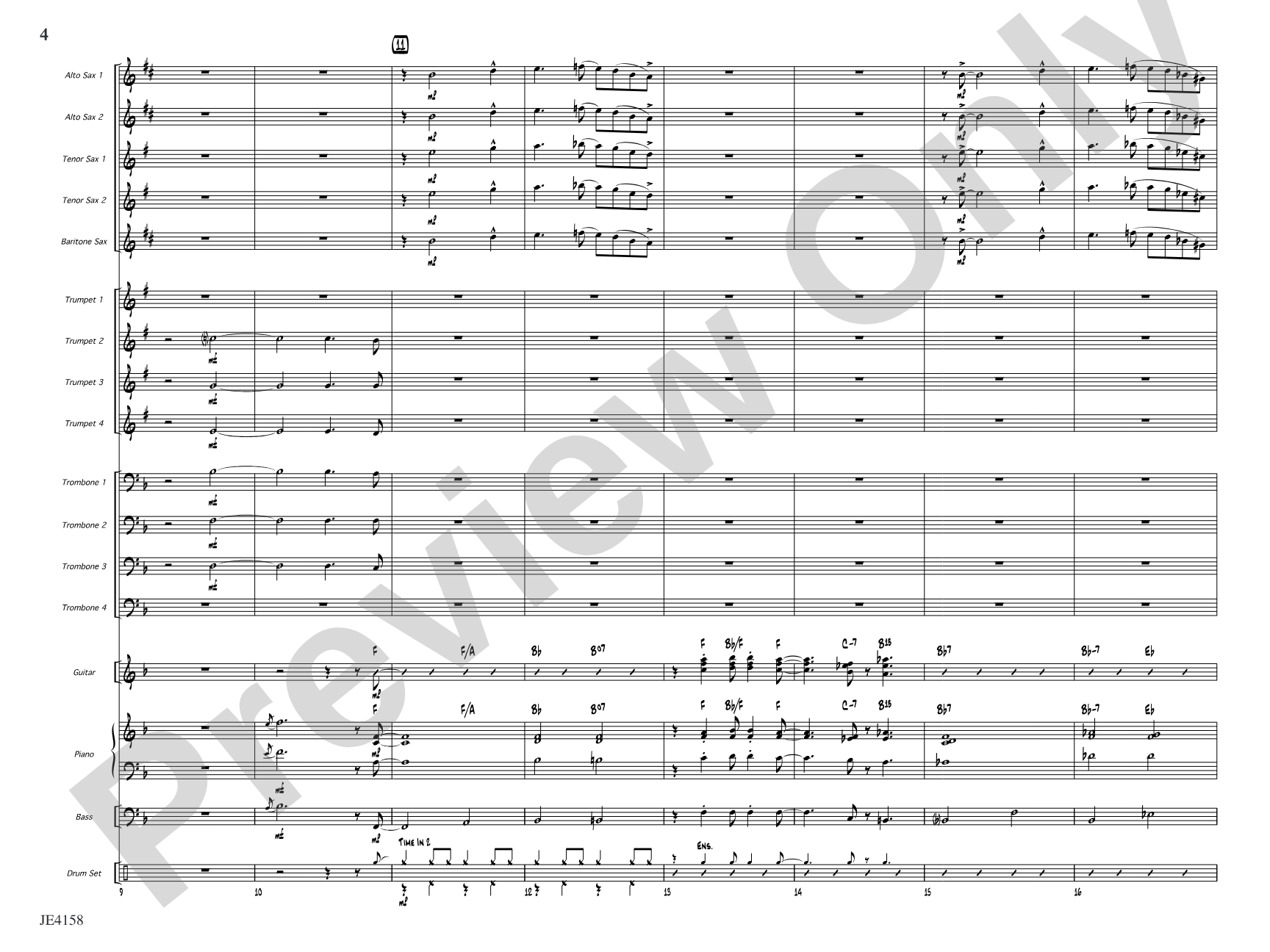
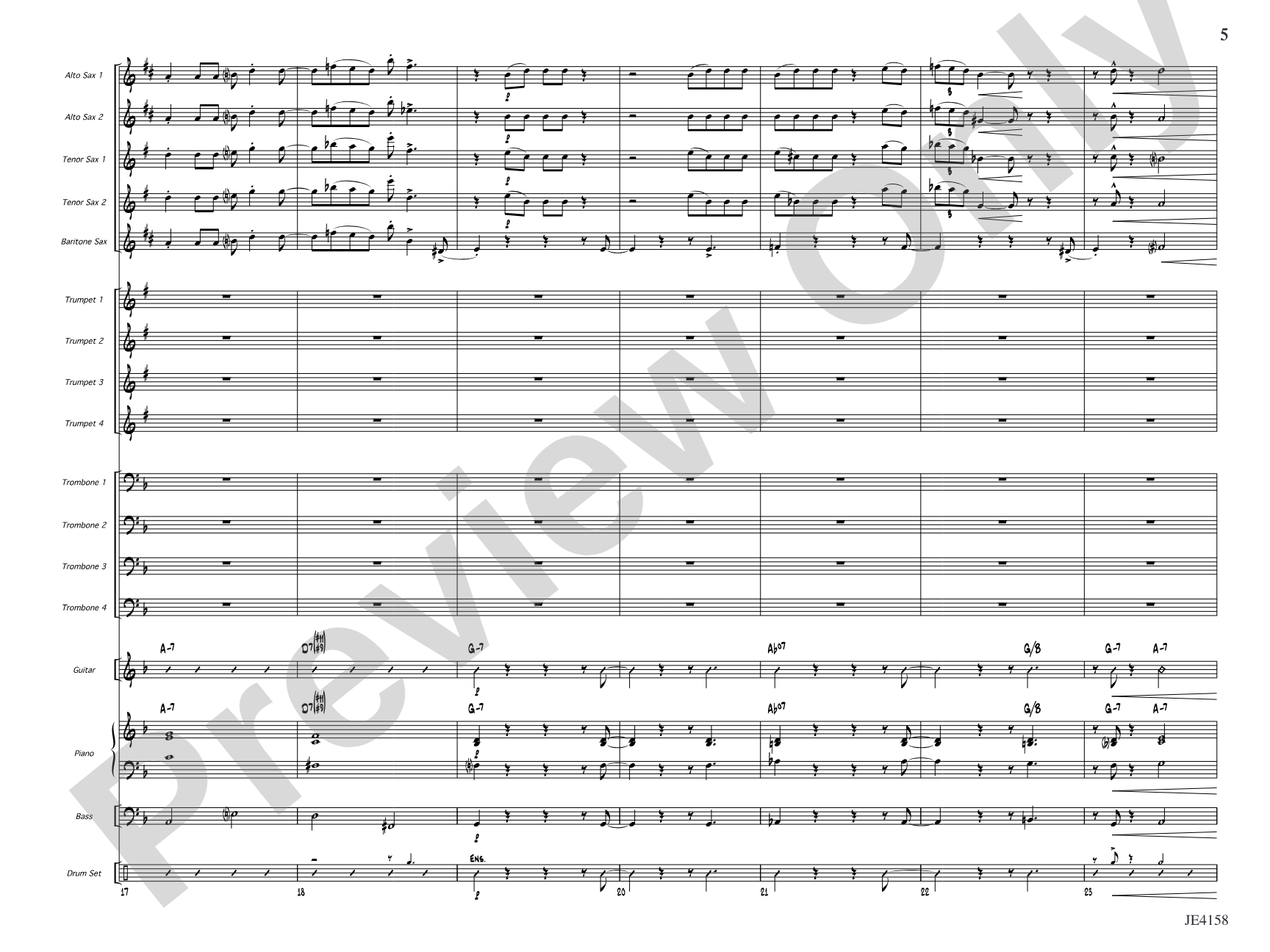
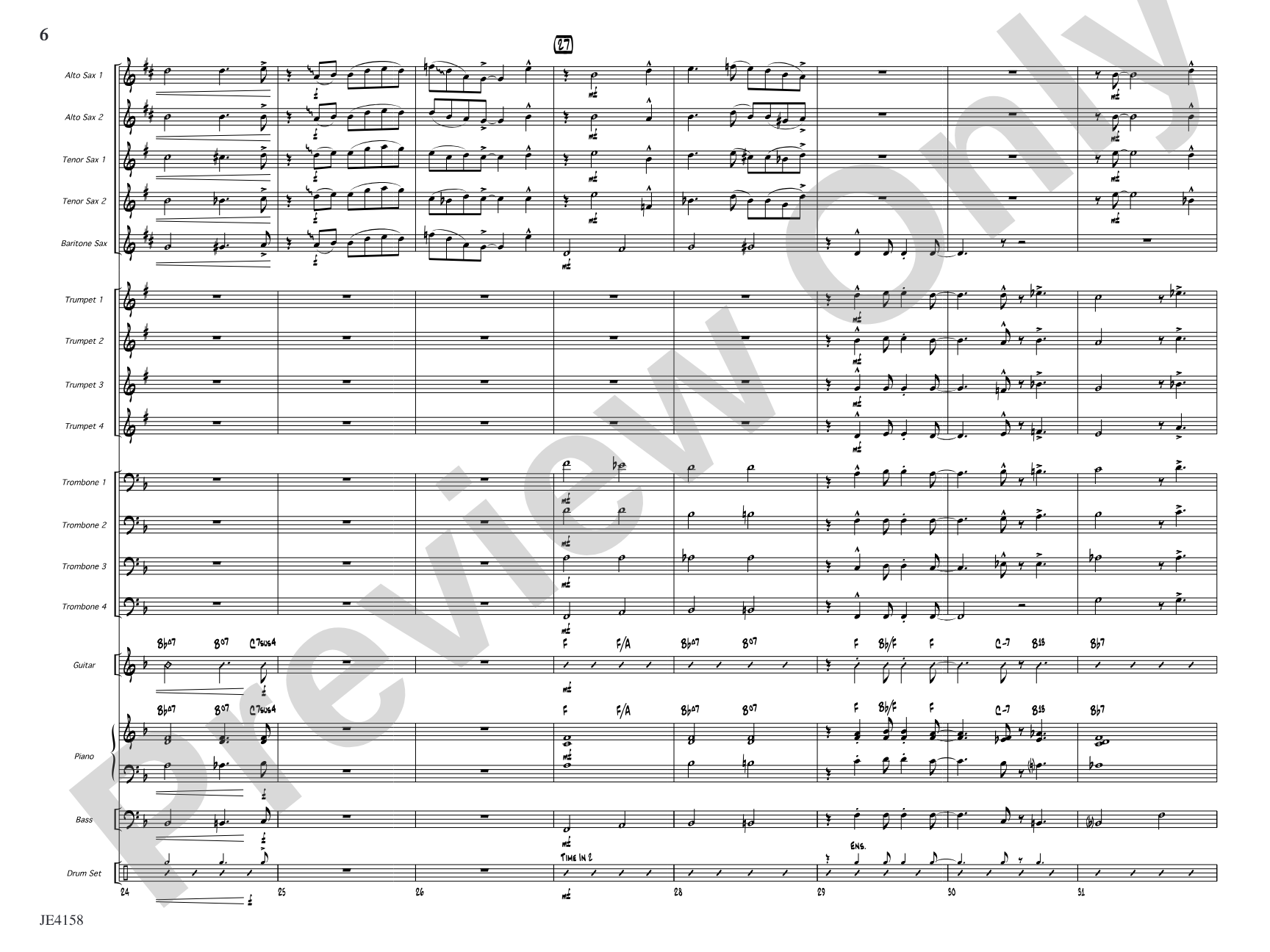
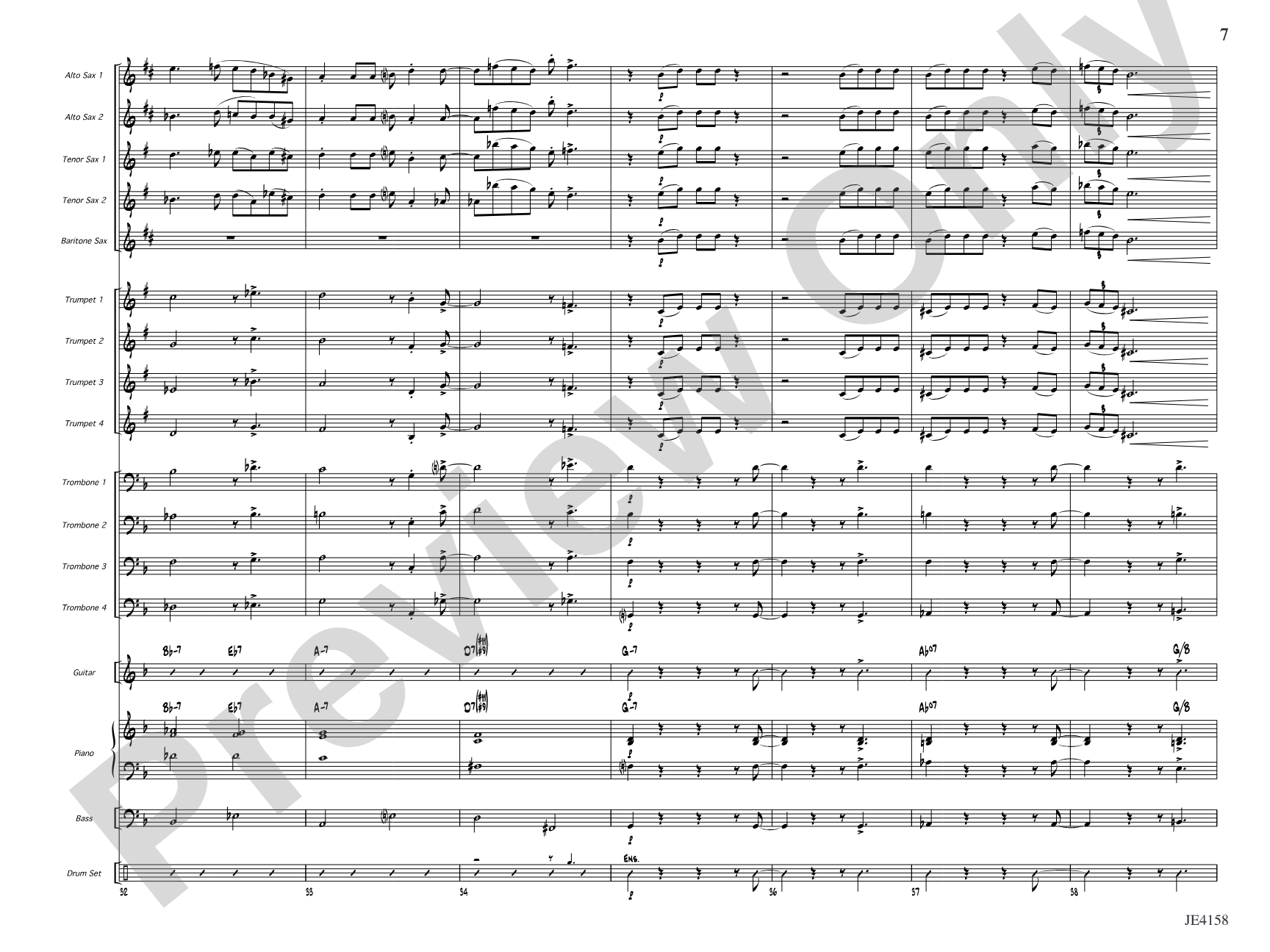
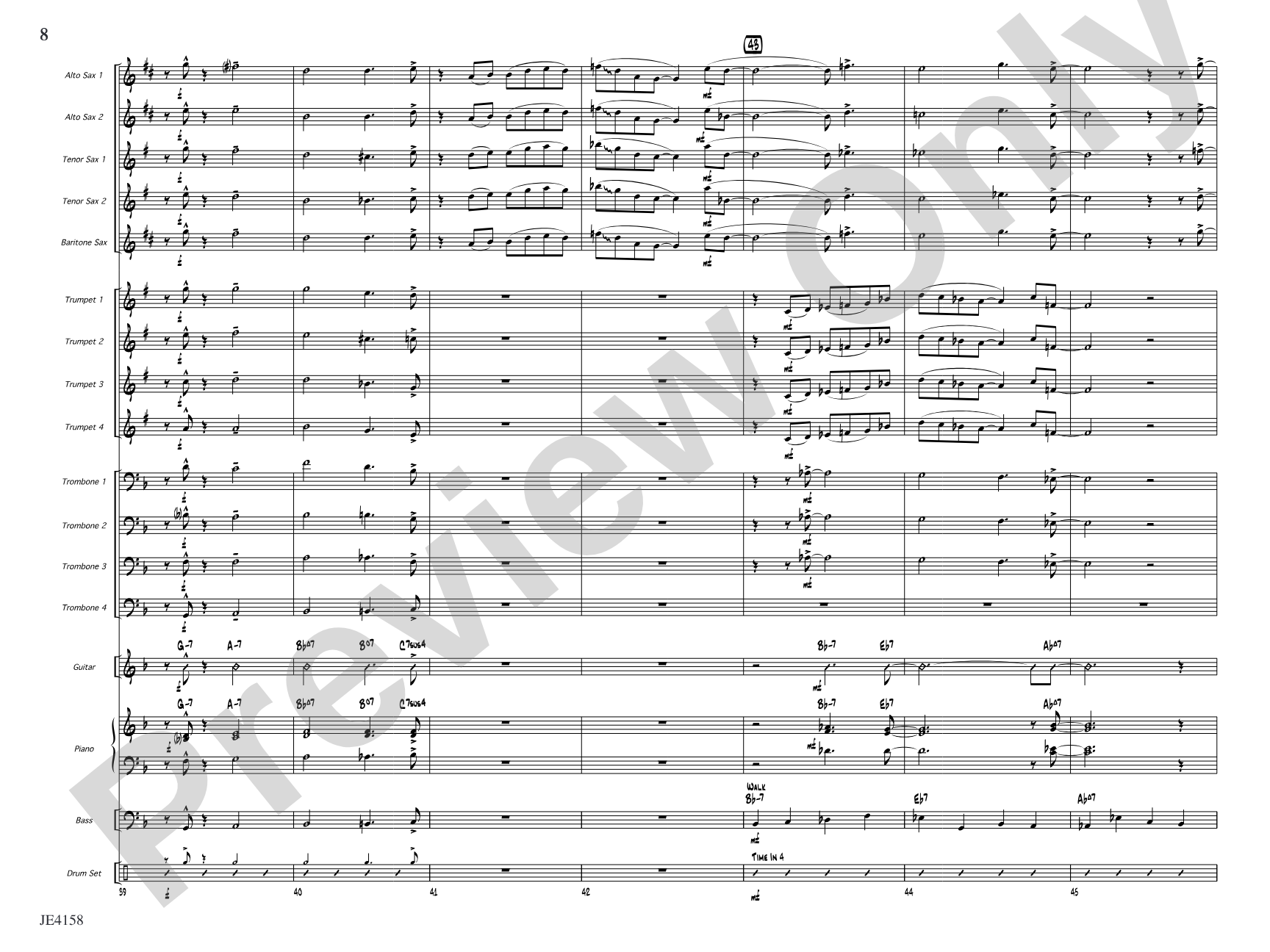
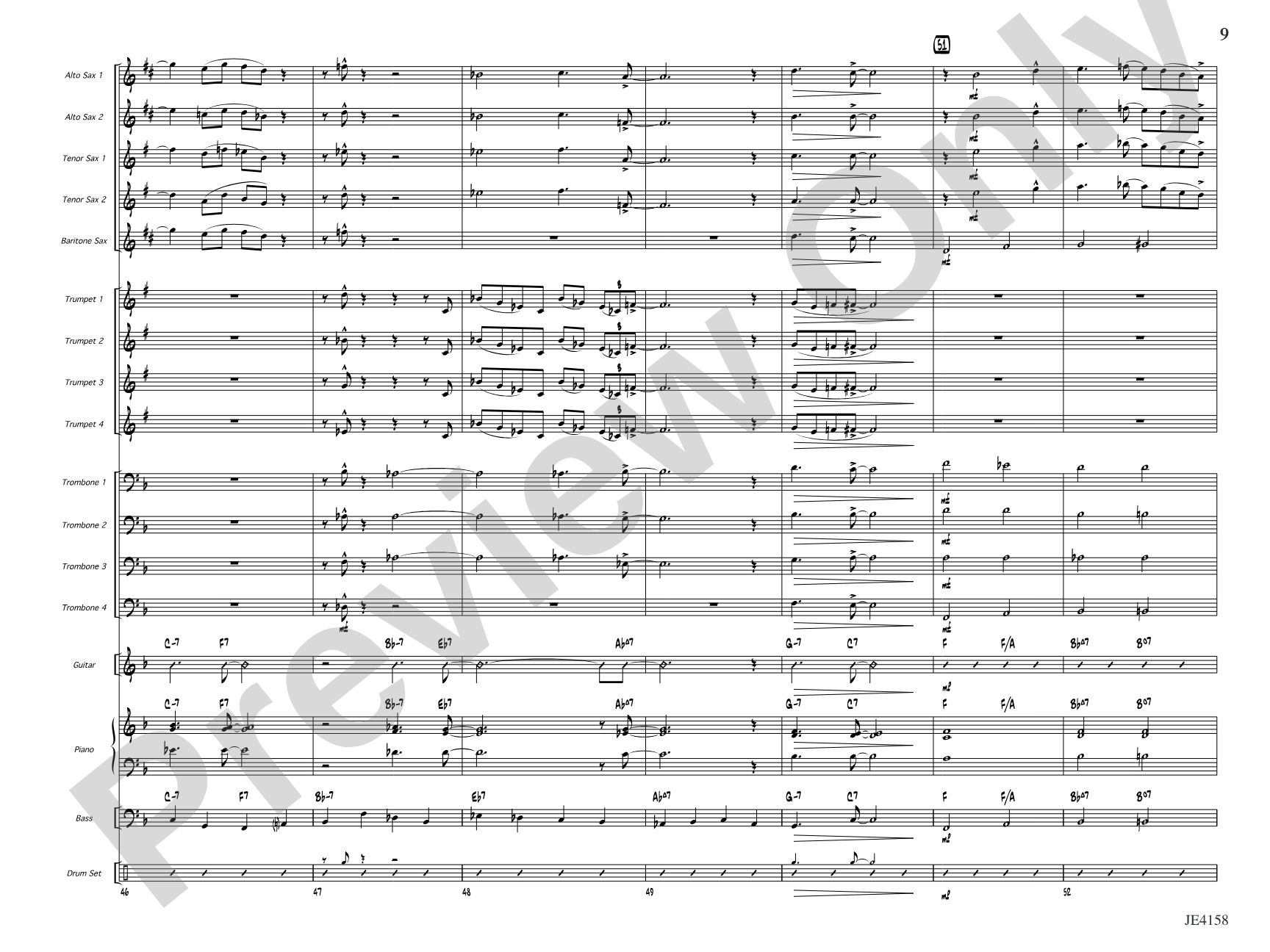
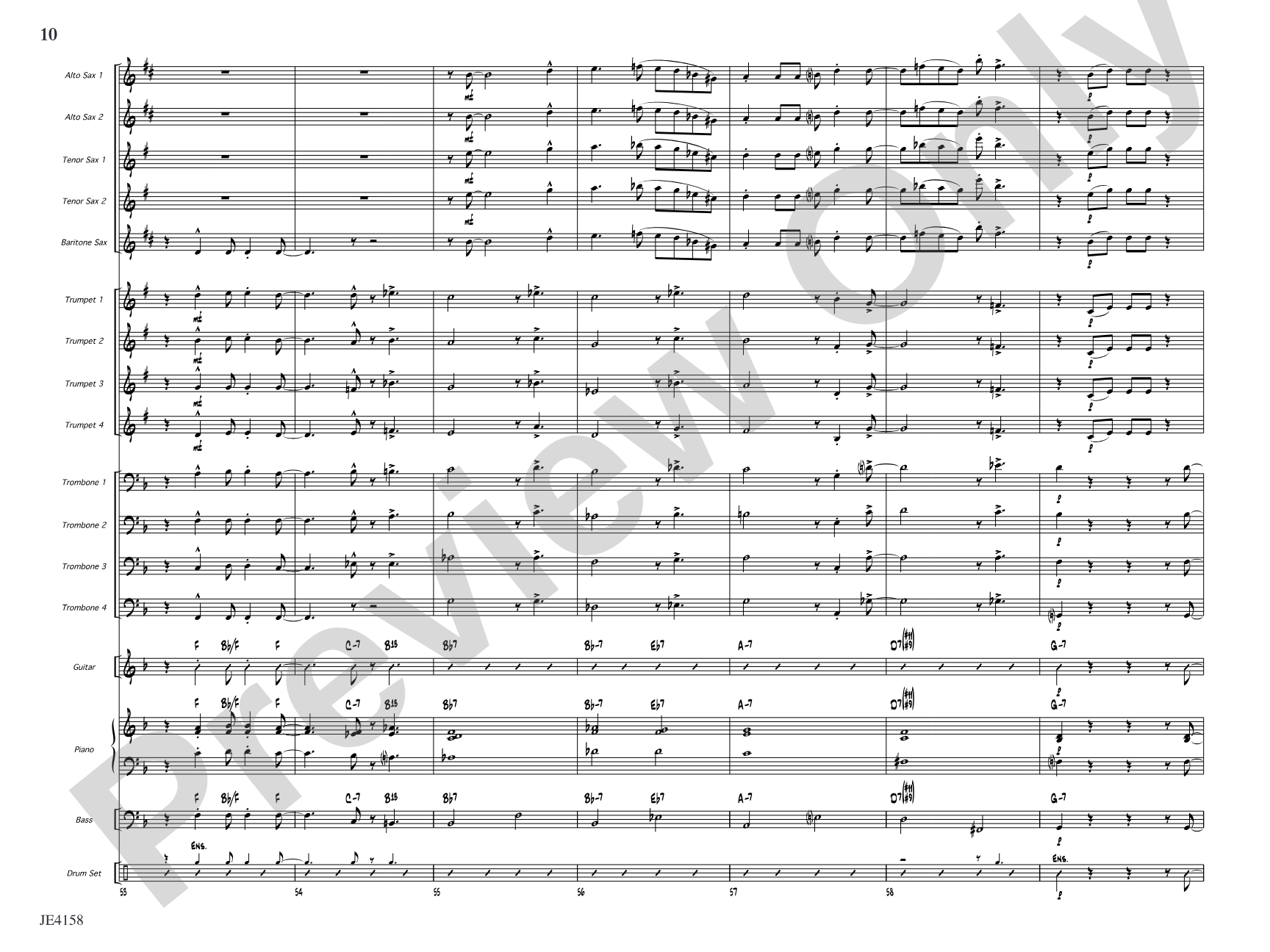
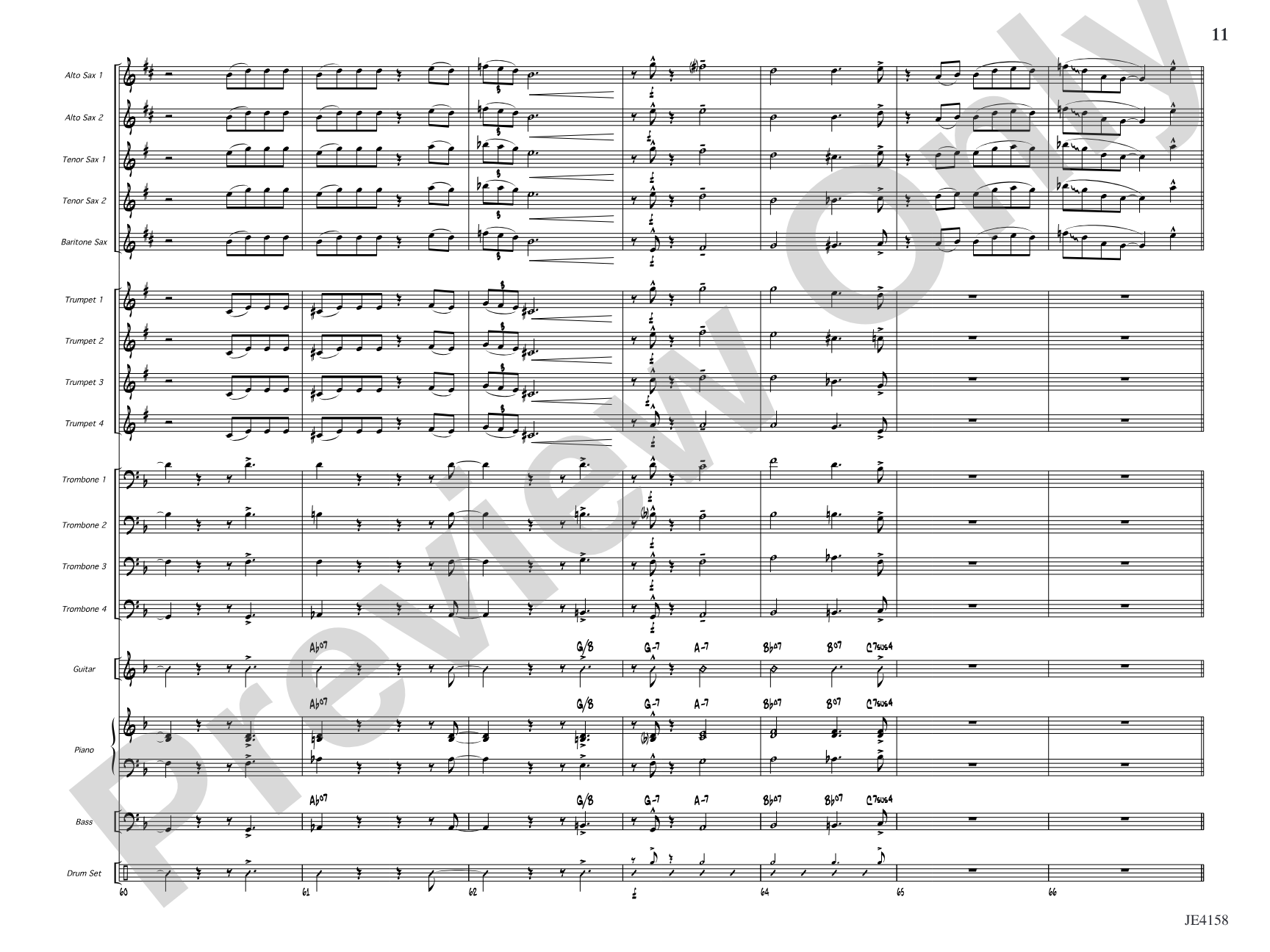
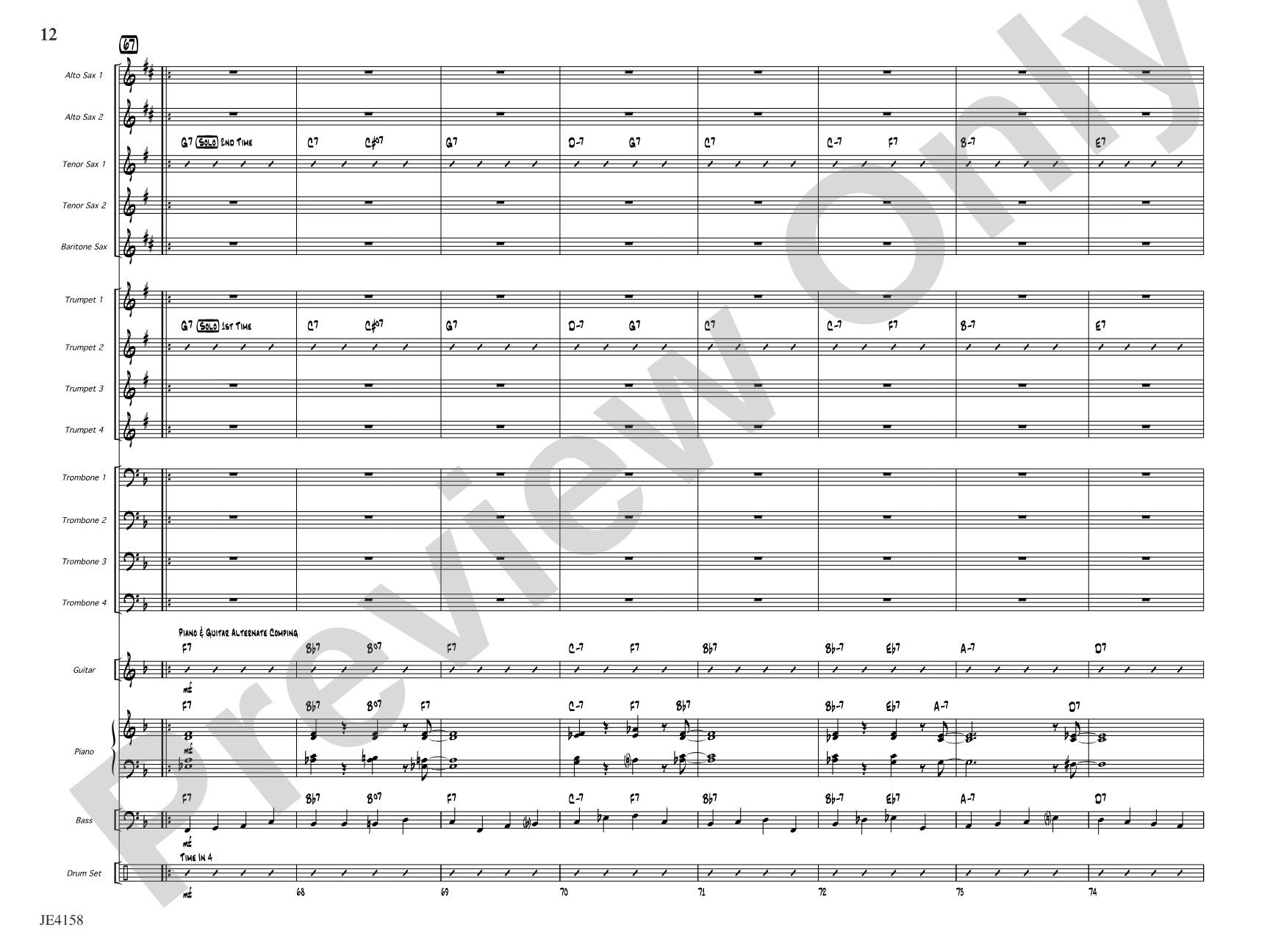
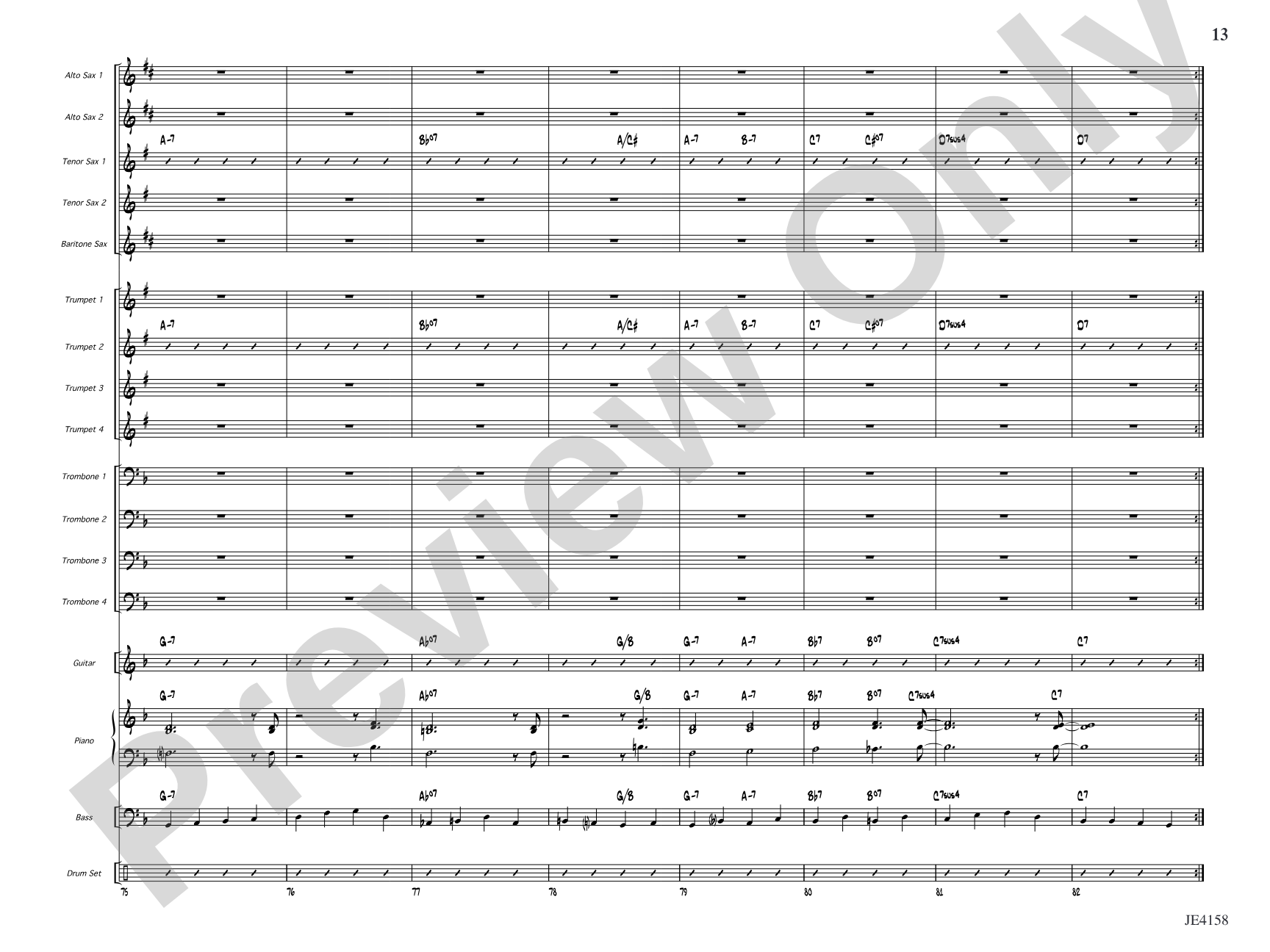
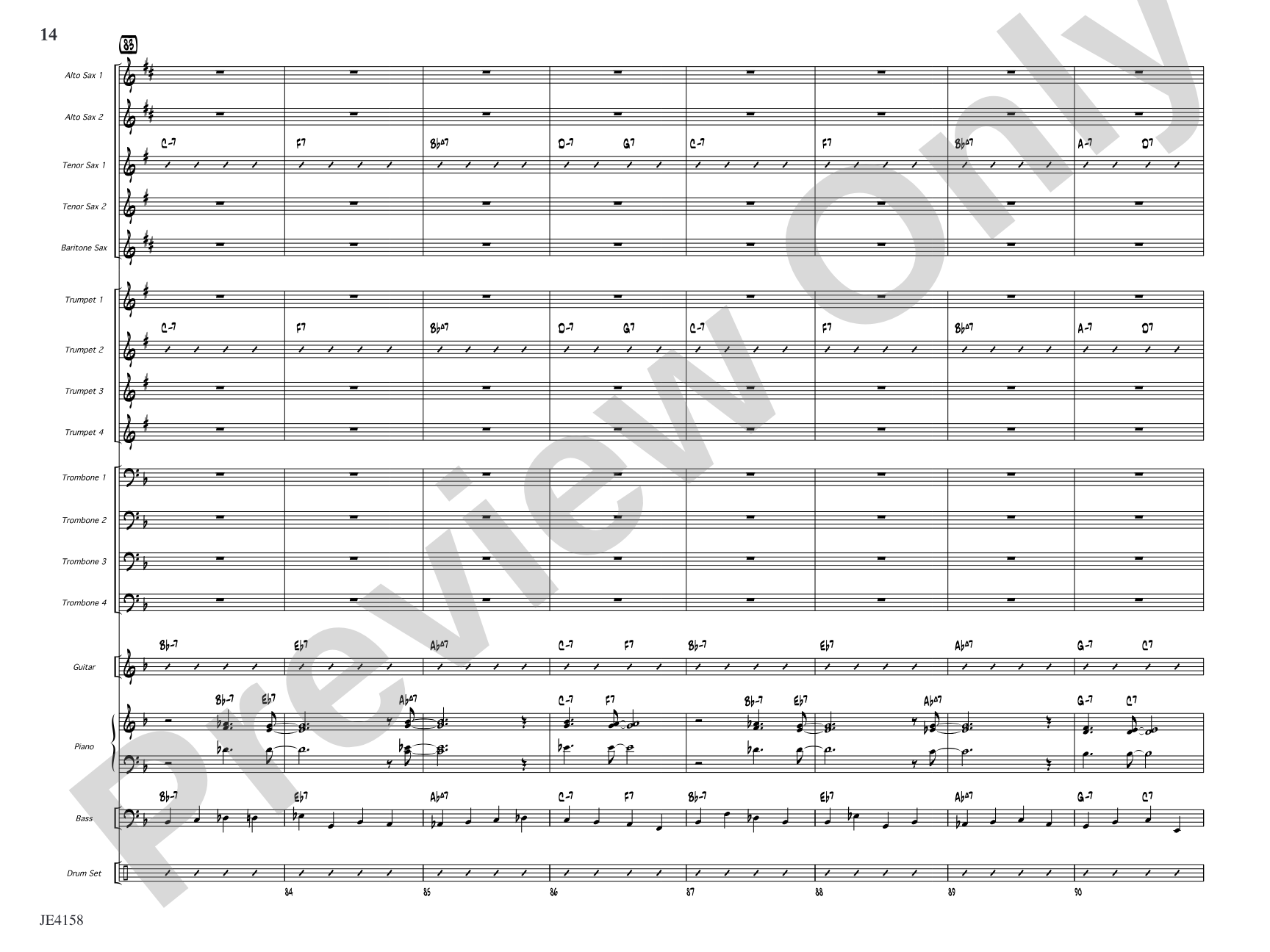
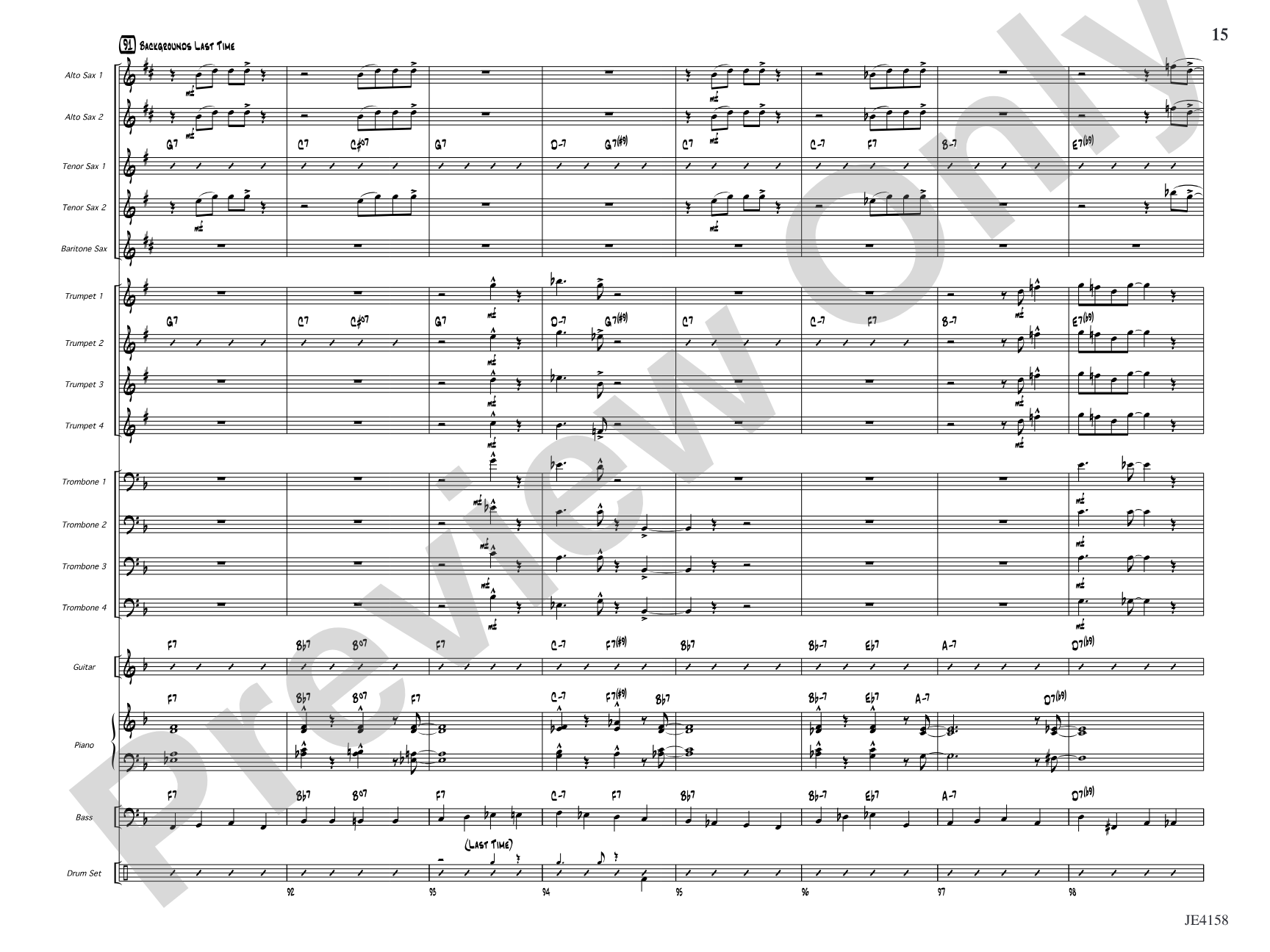
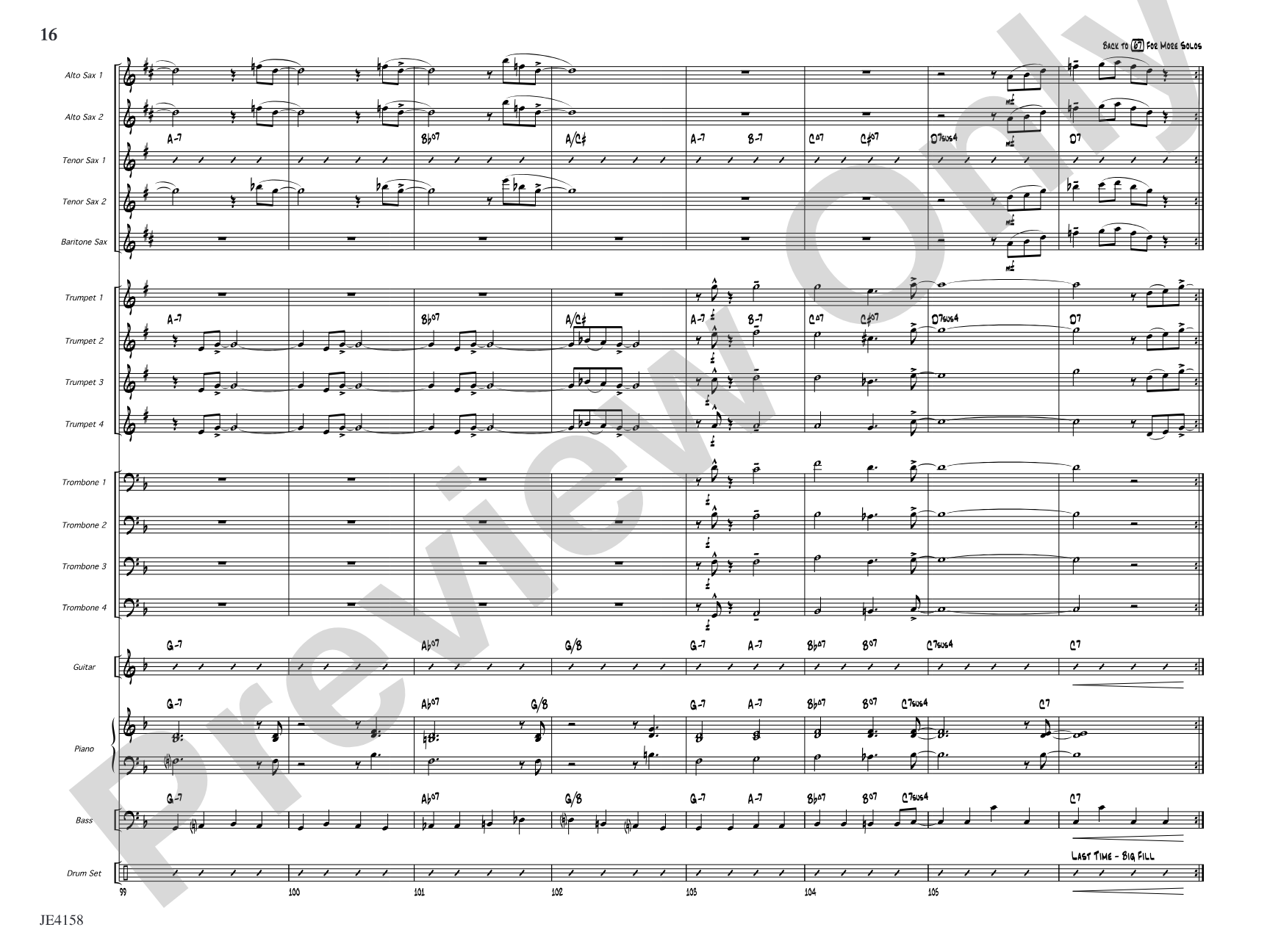
This swinging extended blues has an infectious gospel feel with a surprise bridge that changes things up with a slick bebop melody. Trumpet and tenor have written changes, but you can open it up for others. A lively call and response soli leads to a rousing finish - by the end, your audience will know that blues is for everyone!


Don't just read it, hear it, play along with it, and watch your students grow with it. In MakeMusic Cloud, Blues for Who?: Jazz Ensemble Conductor Score & Parts comes alive with professional accompaniment, adjustable tempo, and built-in practice tools that turn solo practice into real progress.
Open in the Player
Jump straight in and assign it today.
Start Your Free Trial
Open this title and explore the full library in minutes.
Sample Audio
1
Audio File
--:--
0:00
0:00
Sample Video
No sample videos found.
Additional Details
Series:
FJH Intermediate Jazz Ensemble
Publisher:
The FJH Music Company, Inc.
SKU:
98-DJE4158
More about this title
Why we love this
Blues for Who? works equally well as a festival closer or a concert opener because it builds genuine ensemble energy without requiring advanced improvisation skills. The written changes for trumpet and tenor saxophone give less experienced soloists a secure foundation, while the optional open voicings for other players invite your section leaders to step into the spotlight. By the time that gospel-tinged groove hits the bebop bridge, the piece practically conducts itself.
What to expect
Warm, swinging, and irresistibly groovy. The gospel undertones and call-and-response texture give the arrangement a communal spirit, while the bebop bridge injects surprise and forward motion. By the final chorus, the blues idiom feels inclusive rather than intimidating, living up to the piece's title.
Who it's for
Grade 3 jazz ensembles with developing improvisation skills and players who benefit from guided harmonic structures. This arrangement is especially valuable for groups balancing the need for accessible solos with audience appeal and musical substance.
How to get the most out of it
- Establish the blues pocket early in sectionals; the infectious groove depends on the rhythm section locking into a relaxed swing feel rather than rushing the eighth-note subdivision.
- Balance the call and response soli so that the ensemble answers feel confident without overpowering the soloist. This section drives the energy toward the finish, so reserve your dynamic peak for the final shout chorus.
- Let the bebop bridge breathe slightly; the melodic shift should land as a genuine surprise, so resist the urge to telegraph the key change or adjust the tempo.
- Encourage players who take the open changes to listen through a full rehearsal before improvising. Hearing the written trumpet and tenor parts first gives everyone a clearer sense of the harmonic movement and the style you're aiming for.
How to use it
Open a jazz concert with this piece to establish immediate audience connection and ensemble confidence, or close a set with the rousing finale as a guaranteed applause builder. The accessible solo structure and festival-friendly length make it an excellent choice when you need a high-impact selection that doesn't require an advanced rhythm section or lead soloist.
Skills your students will build
- Swing feel and eighth-note subdivision in a blues context
- Reading written changes and basic chord changes
- Trading soli and call-and-response ensemble communication
- Gospel phrasing and articulation
- Bebop melodic language and harmonic navigation