

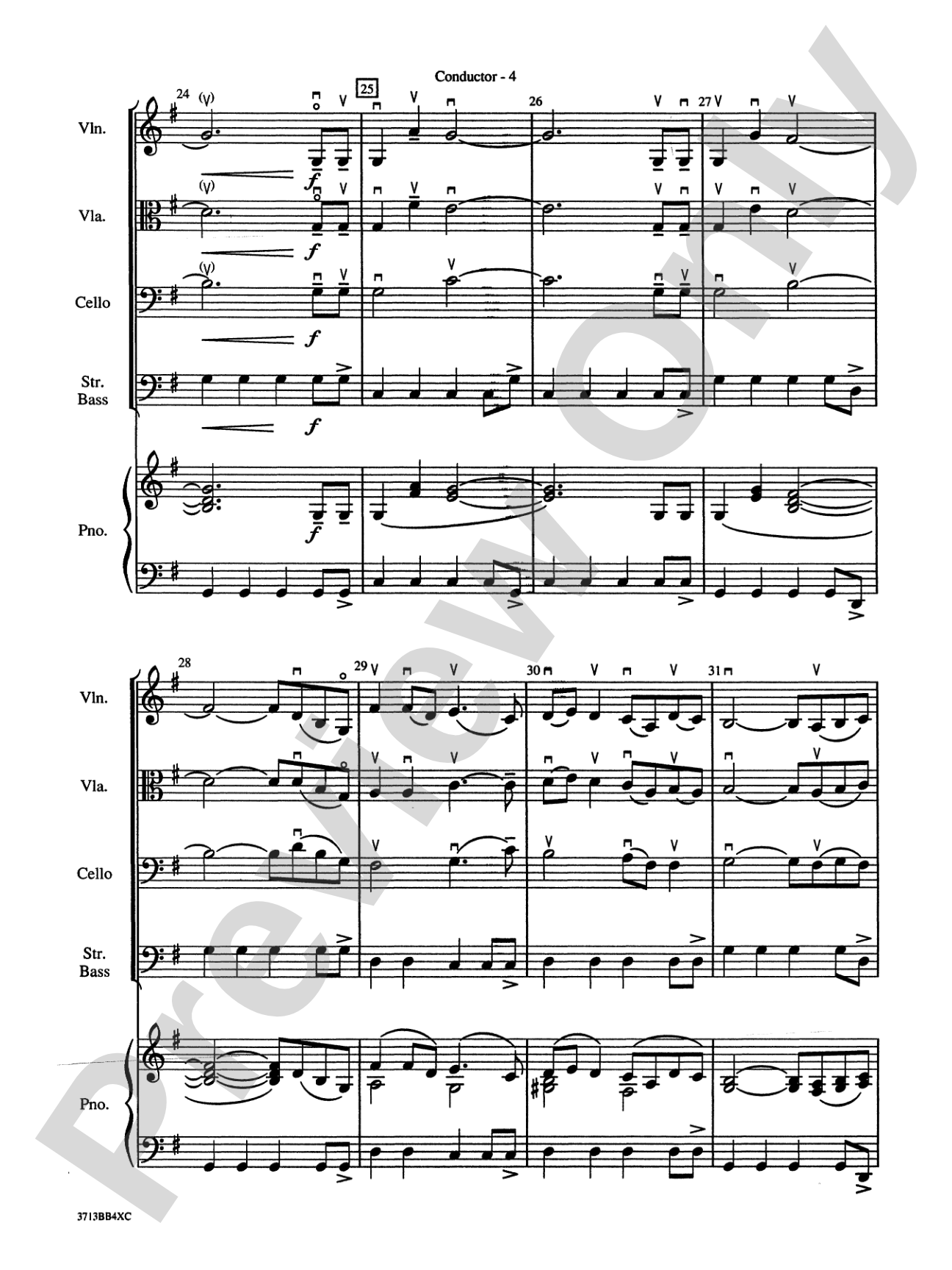
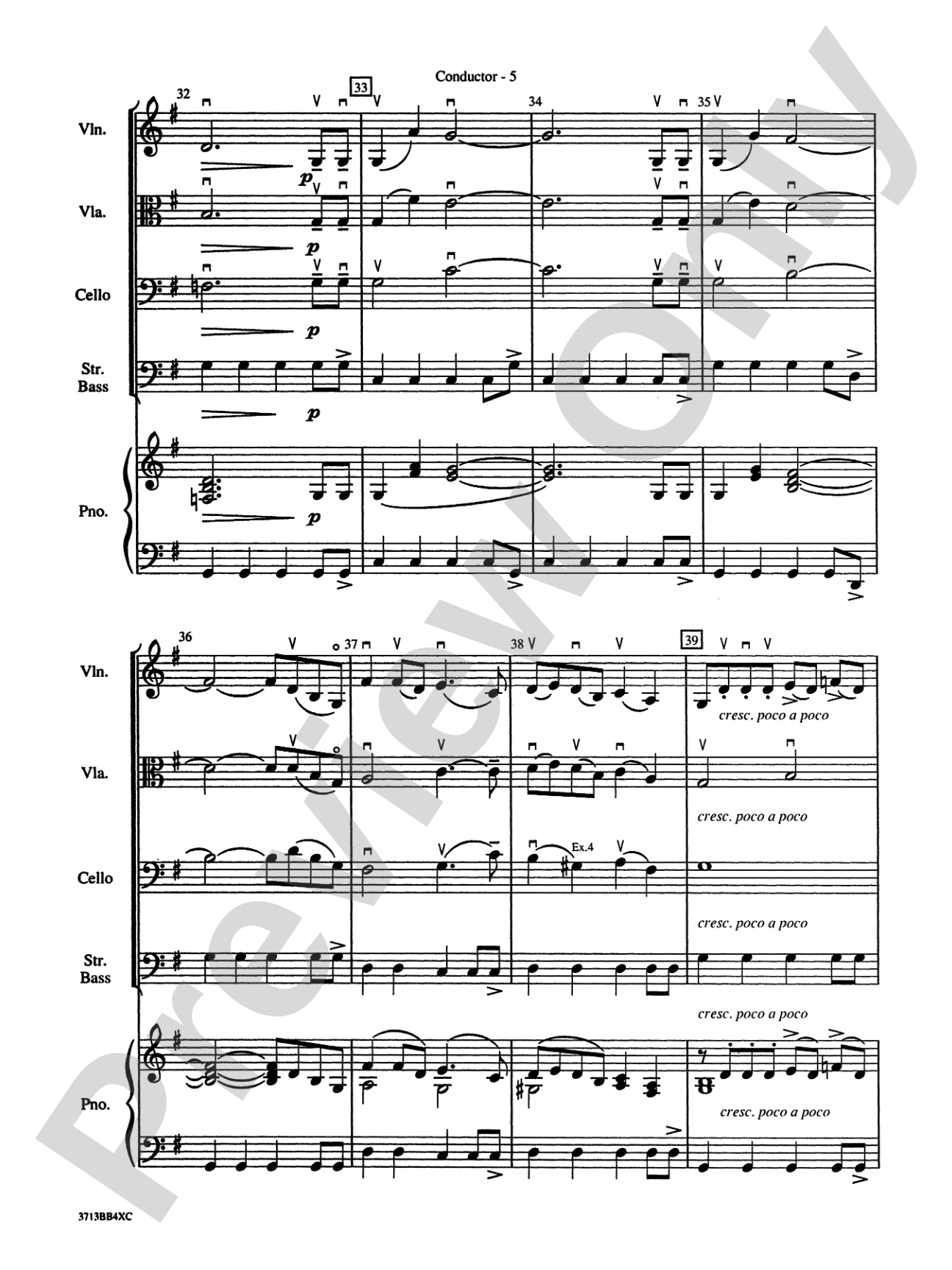
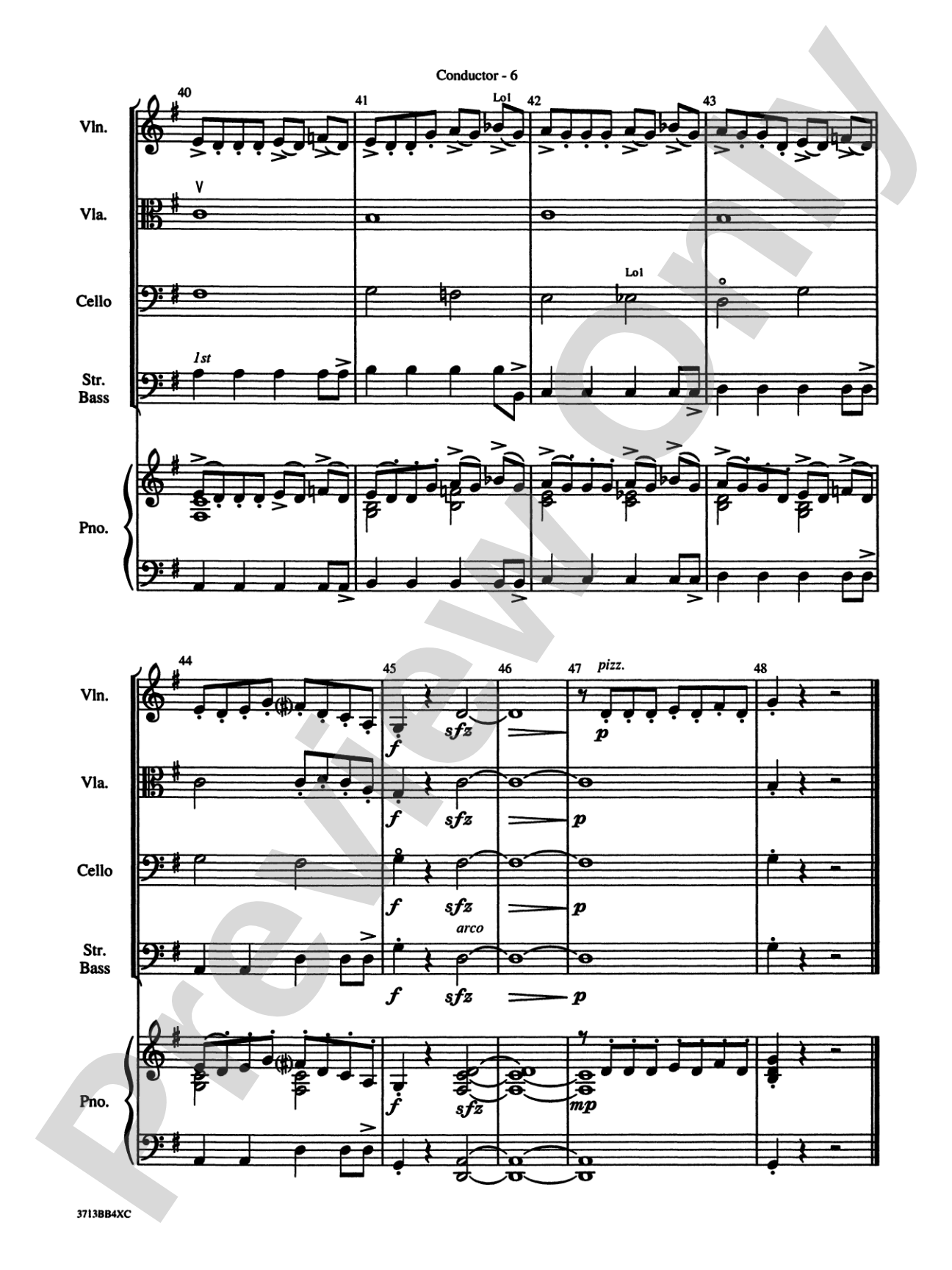

Blue Tango: Score
By Leroy Anderson / arr. Bob Cerulli
Grade: 1
Item: 00-PR-0001825
$9.00
Pickup currently not available
Description
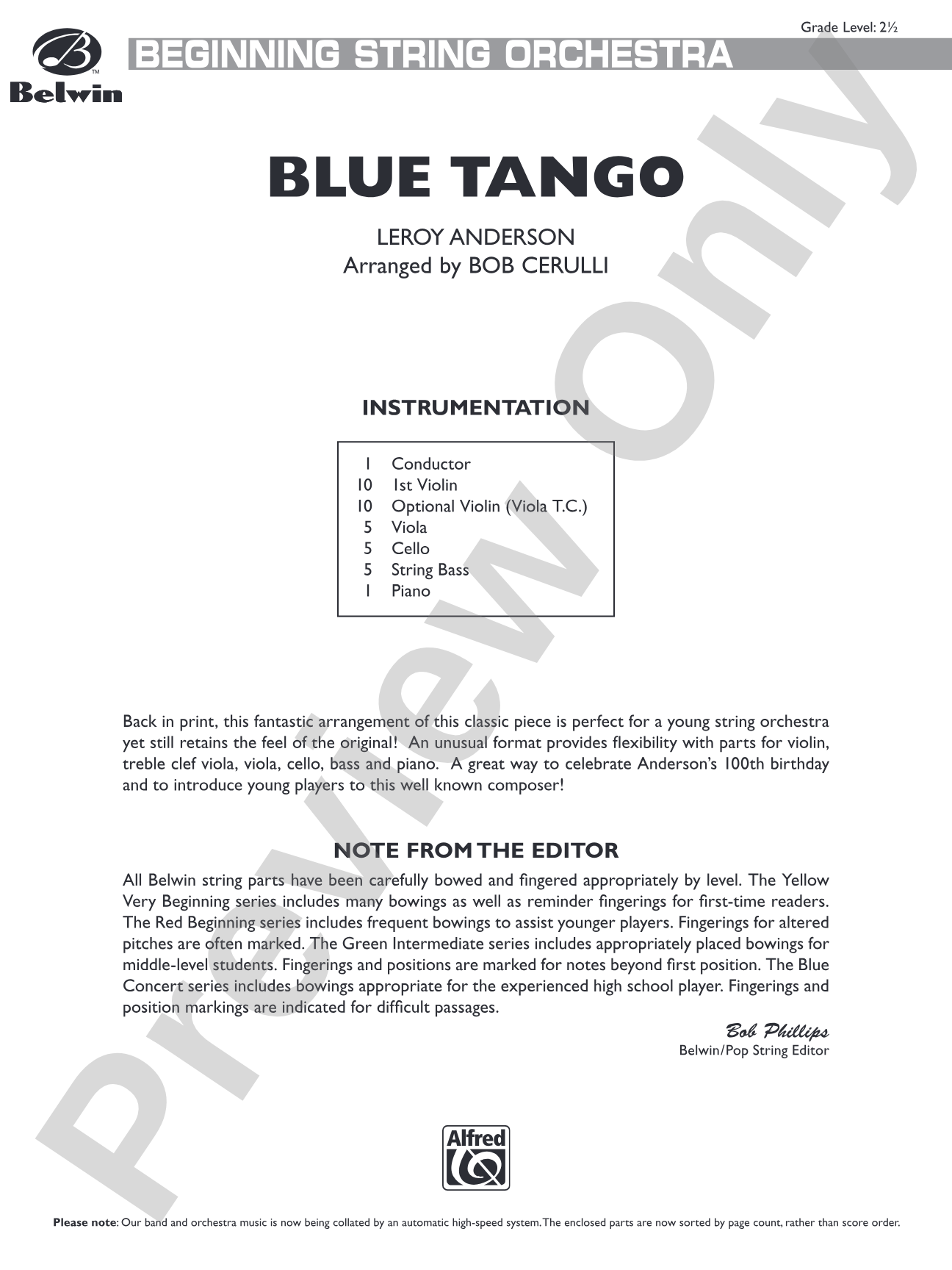
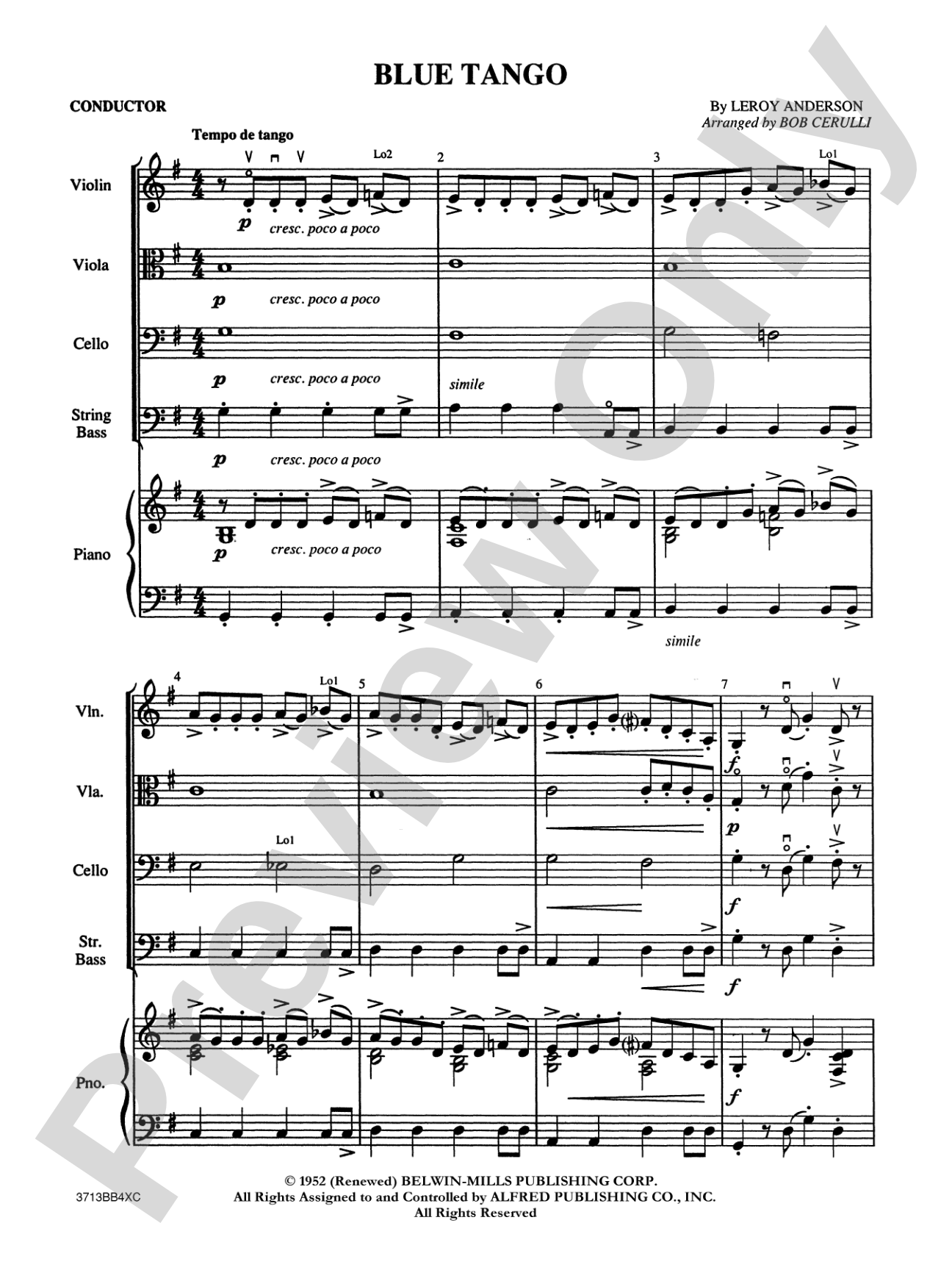
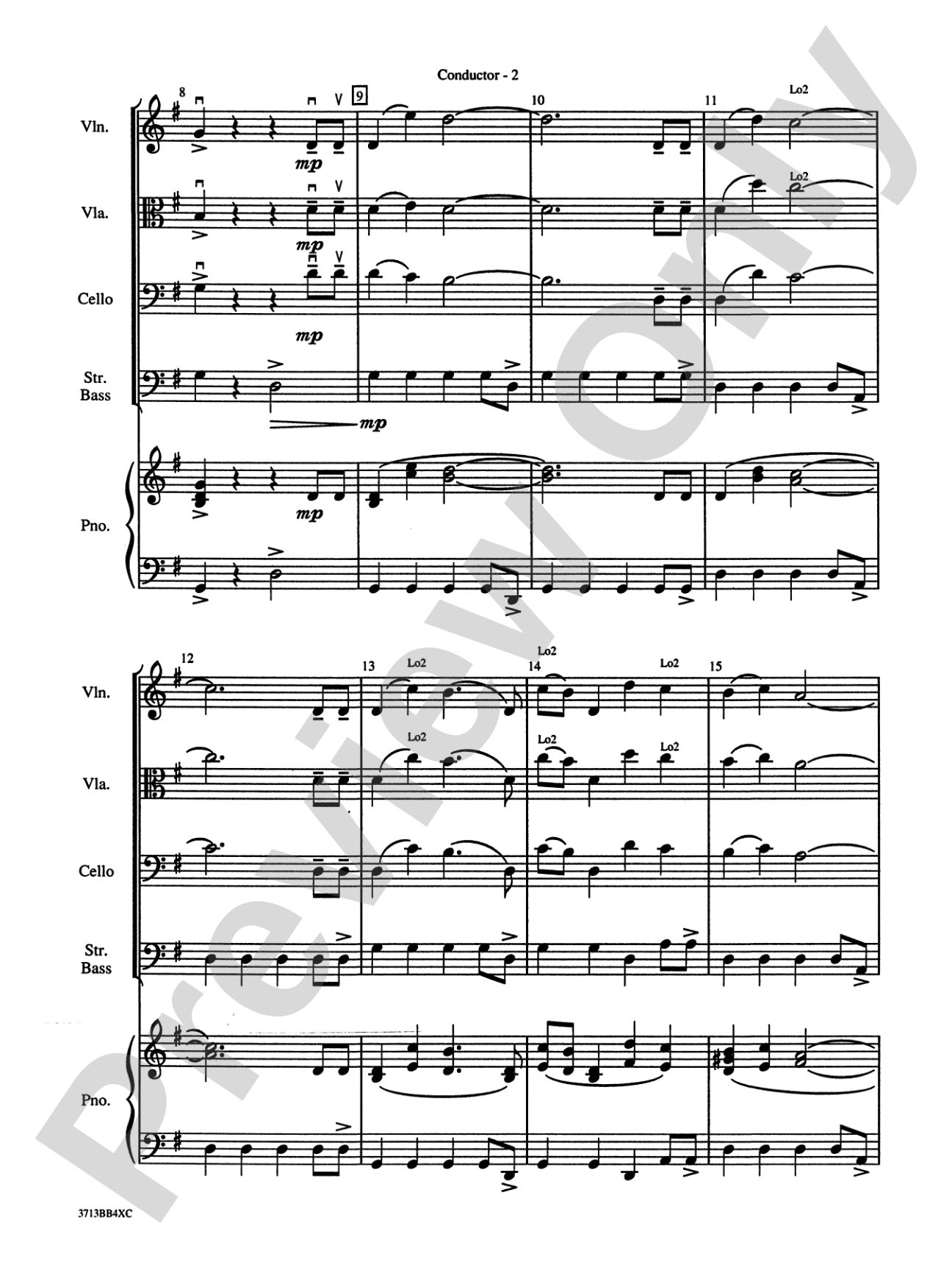
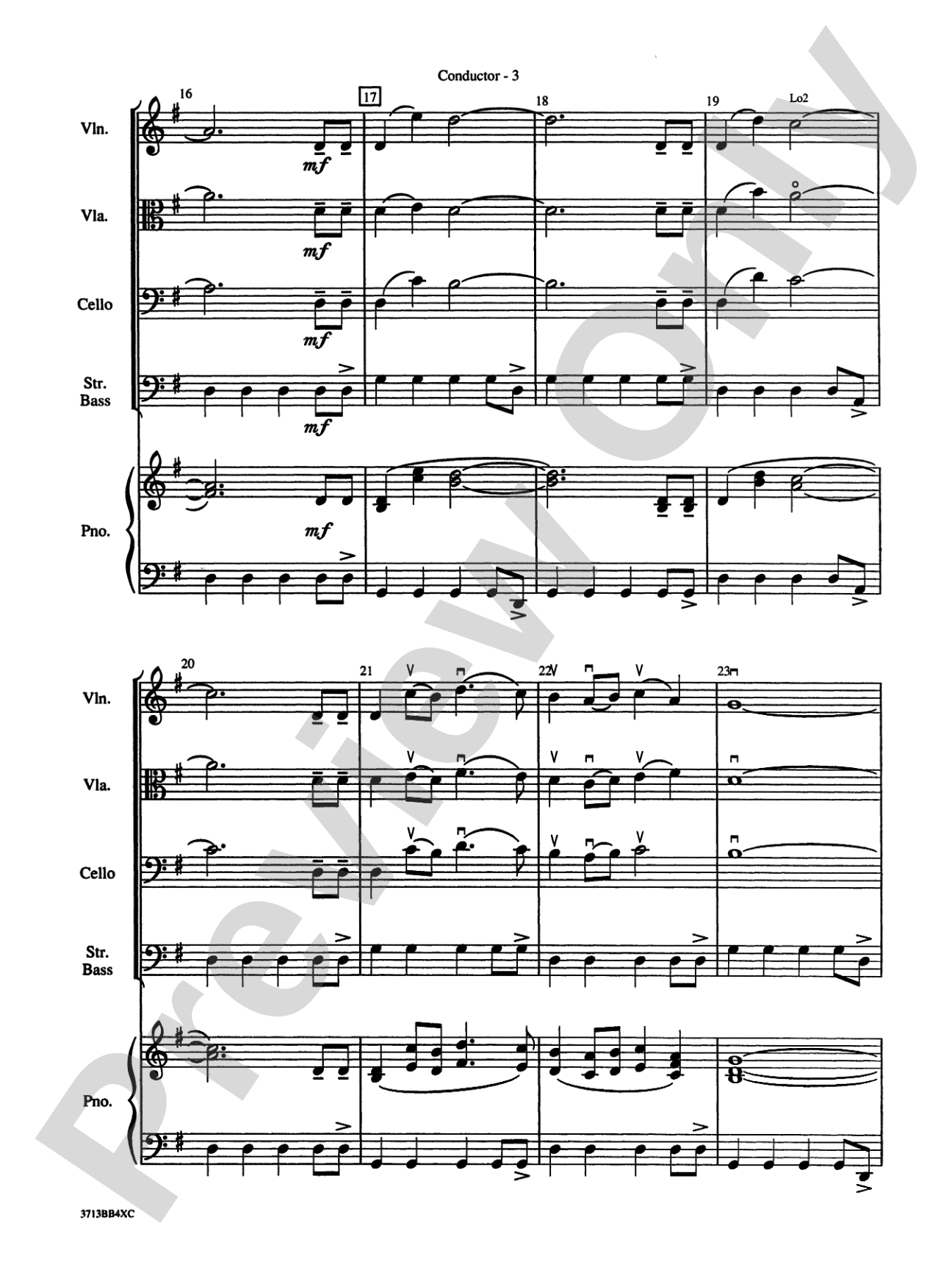
Back in print, this fantastic arrangement of this classic piece is perfect for a young string orchestra, yet still retains the feel of the original! An unusual format provides flexibility with parts for violin, treble clef viola, viola, cello, bass and piano. A great way to celebrate Anderson's 100th birthday and to introduce young players to this well known composer!


Don't just read it, hear it, play along with it, and watch your students grow with it. In MakeMusic Cloud, Blue Tango: Score comes alive with professional accompaniment, adjustable tempo, and built-in practice tools that turn solo practice into real progress.
Open in the Player
Jump straight in and assign it today.
Start Your Free Trial
Open this title and explore the full library in minutes.
Sample Audio
1
Audio File
--:--
0:00
0:00
Sample Video
No sample videos found.
Additional Details
Series:
Pop Beginning String Orchestra
Publisher:
Alfred Music
Page Count:
94
SKU:
00-PR-0001825
More about this title
About the Composer: Leroy Anderson
Leroy Anderson (1908-1975) was an American composer and conductor whose light orchestral works became staples of American concert music. Trained at Harvard University, Anderson developed a distinctive gift for writing accessible, witty pieces that appealed equally to concert audiences and radio listeners. His catalog includes over 150 compositions, many of them short concert pieces that remain popular with student and professional orchestras alike.
Why we love this
Bob Cerulli's arrangement captures the swing and energy of Anderson's original without overwhelming young players. The flexible instrumentation (including treble clef viola parts) makes this playable by orchestras with varying instrumentation, while the Grade 1 writing ensures that developing musicians can sound polished and confident. It's genuinely fun to play and audiences recognize it immediately, giving students the reward of performing a real, recognizable composition.
What to expect
Bright, bouncy, and sophisticated. Anderson's tango sparkles with understated wit and elegant restraint; the melody dances rather than marches. Even at this simplified level, the arrangement preserves the original's charm and style, giving young musicians a taste of the sophisticated light classical tradition.
Who it's for
Young string orchestras in their first or second year of ensemble playing, including groups with mixed instrumentation. This works equally well for school orchestra programs, youth orchestra placements, and community or private studio group recitals.
How to get the most out of it
- Keep the pulse steady and light. Anderson's tangos sit on a dance rhythm, so lock the bow strokes with the dance feel rather than playing metronomically.
- Balance the melody between first violins and any featured sections; the arrangement spreads Anderson's charming lines across the ensemble, so clarity matters more than volume.
- Shape phrases rather than playing each measure identically. Even at Grade 1, small dynamic inflections and slight tempo flexibility lift the music from mechanical to musical.
- Let the piano part breathe. If you're using piano accompaniment, it's a full partner in the arrangement and drives the rhythmic vitality.
How to use it
Program this as a concert opener or a lighthearted piece in the middle of a spring concert to shift energy and mood. It pairs beautifully with other accessible concert music and gives audiences a familiar anchor after more demanding contemporary or classical repertoire. It's also an ideal choice for a pops-themed concert or celebration.
Skills your students will build
- Performing balanced forte and mezzo-forte dynamics in an ensemble context
- Reading and responding to dance rhythms and flexible phrasing
- Coordinating articulation and bow changes across mixed string and piano instrumentation
- Building confidence with recognizable, performance-ready literature at an early level