
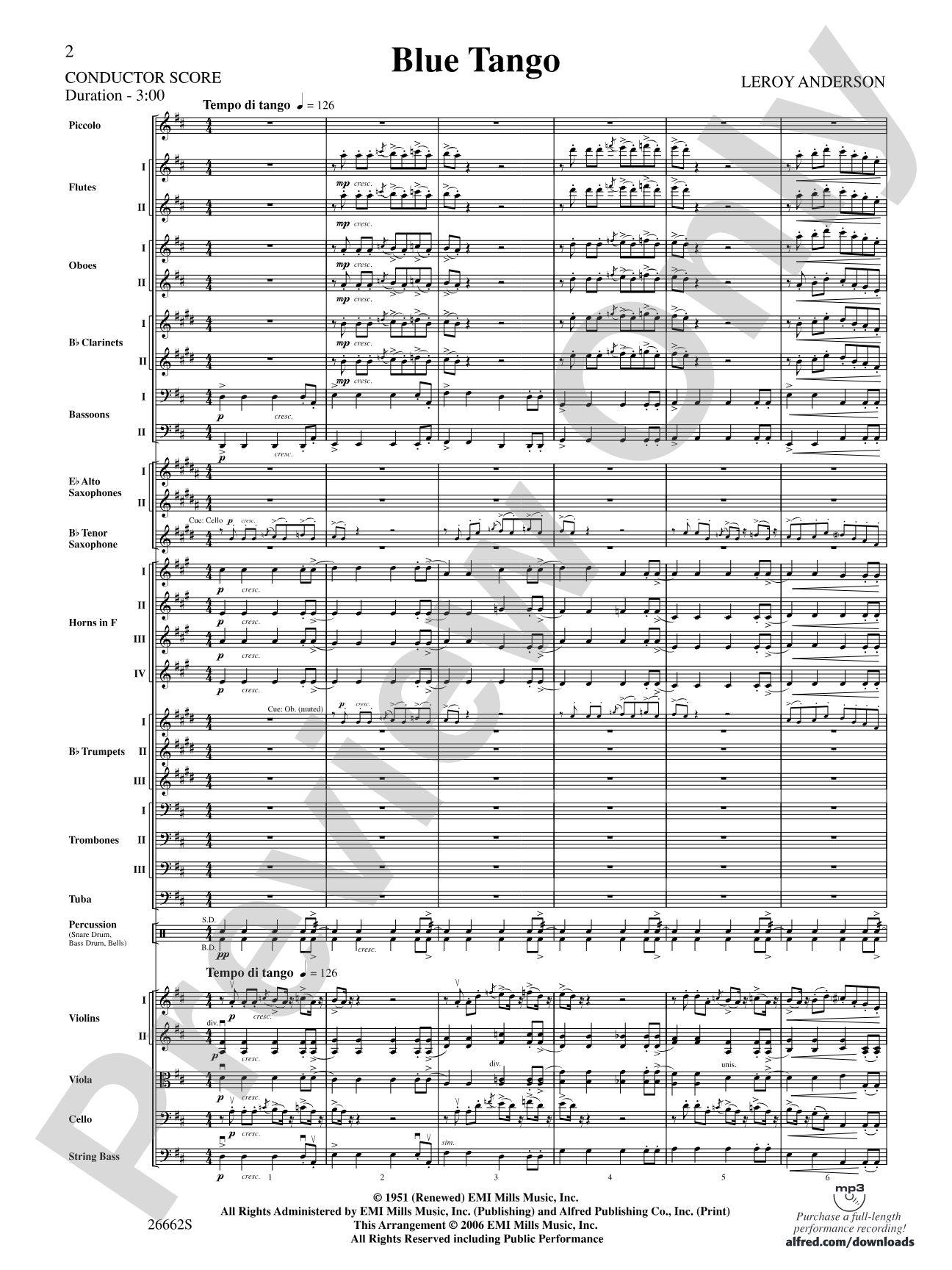
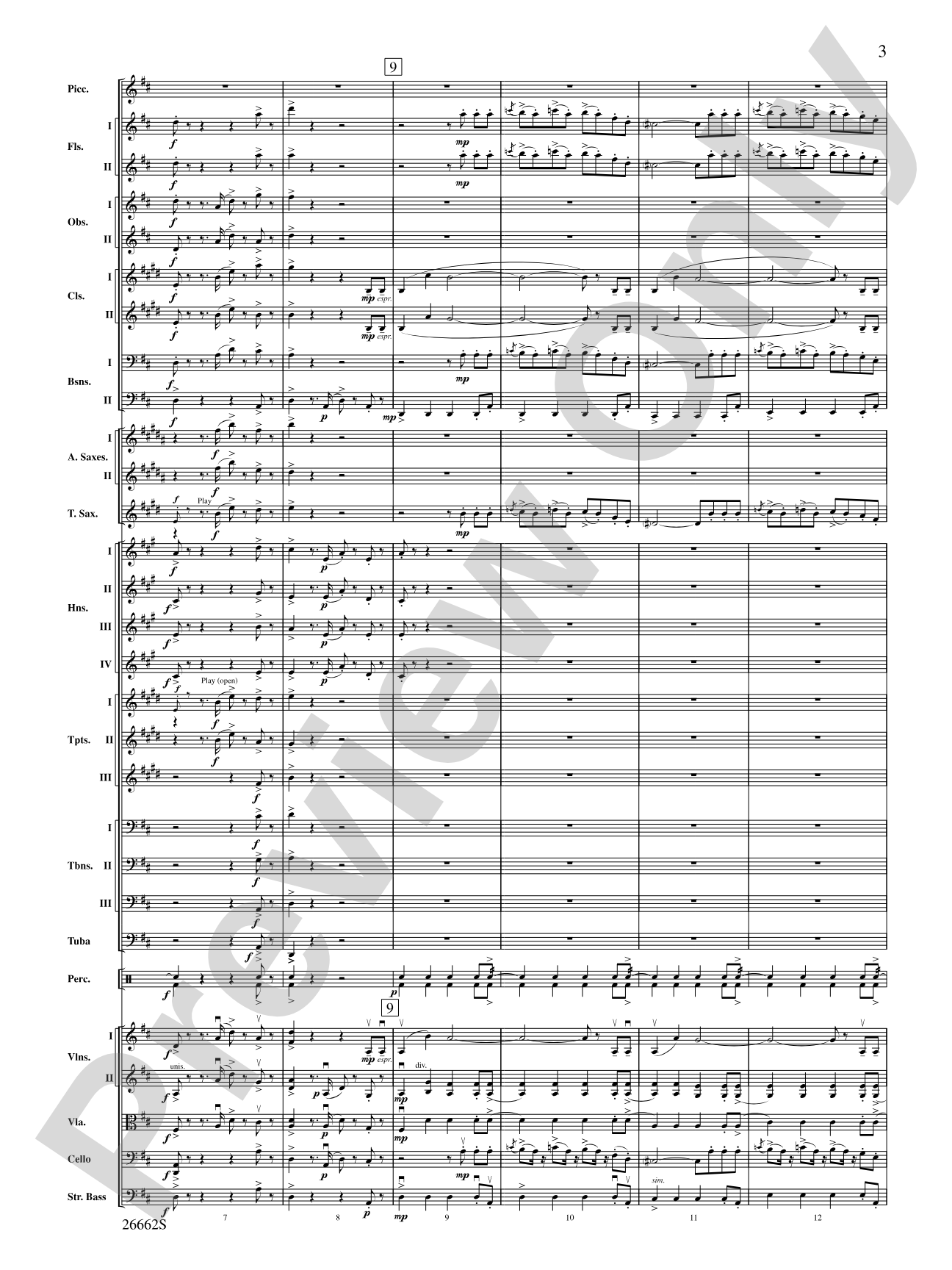
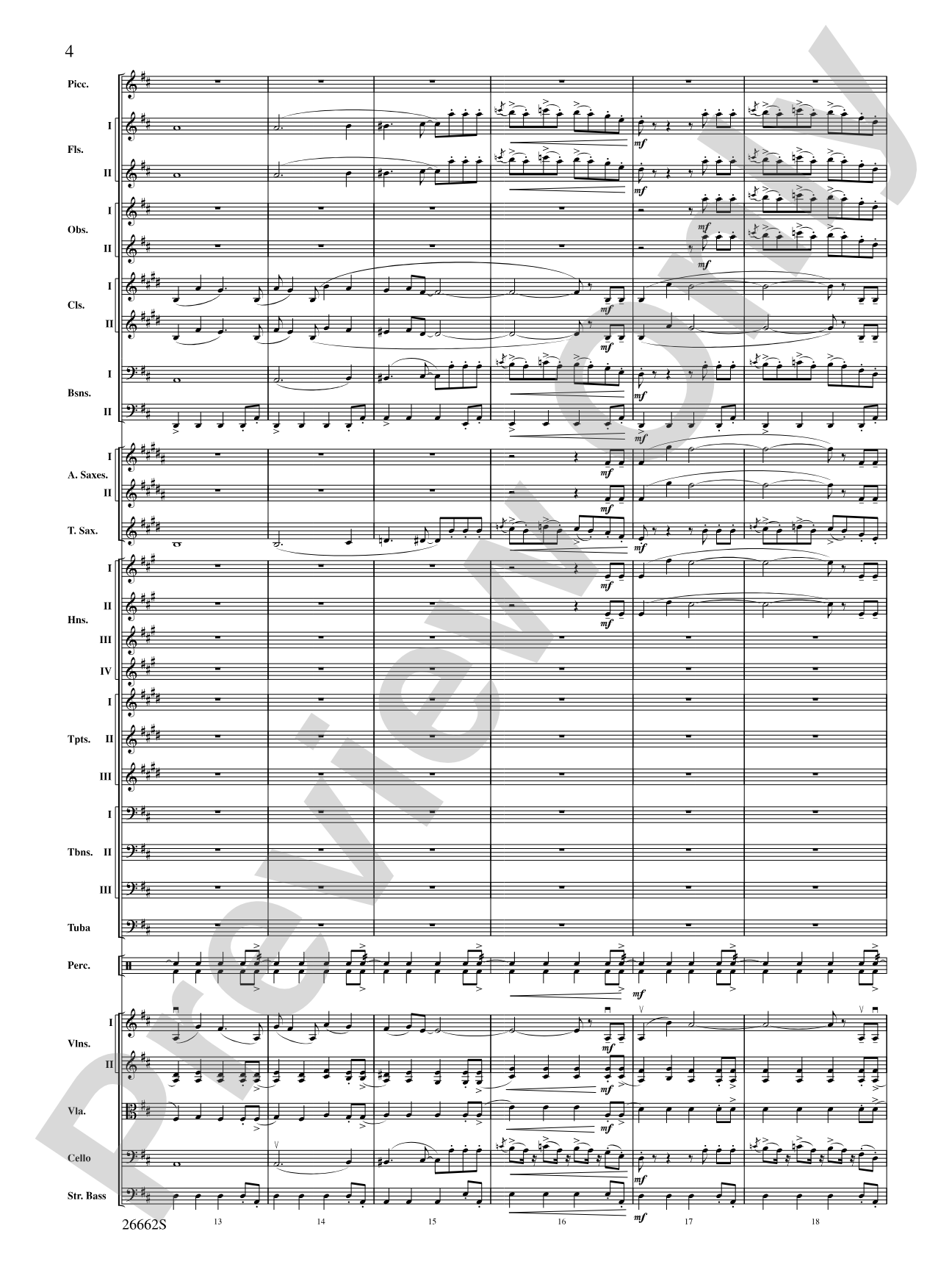
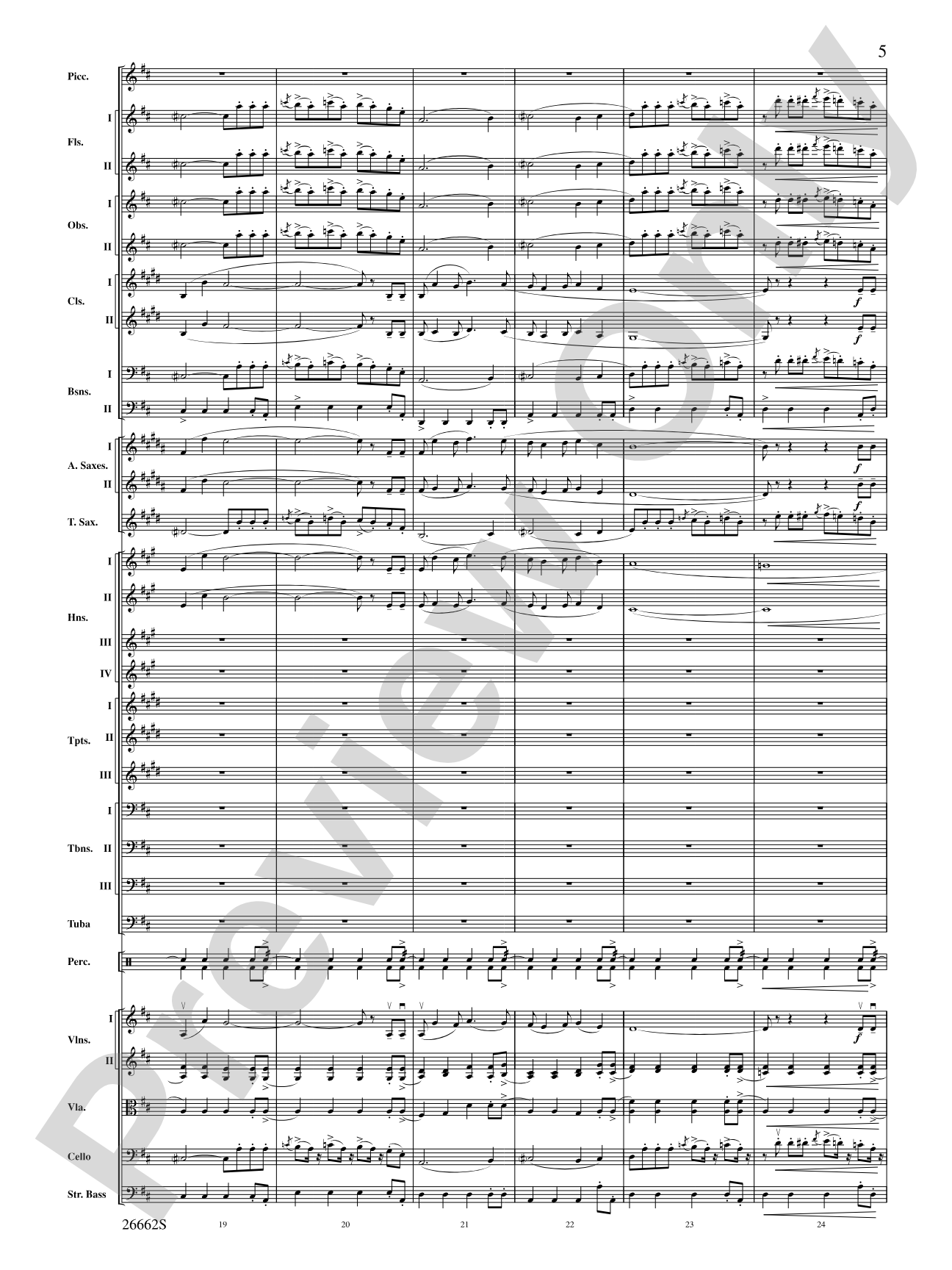
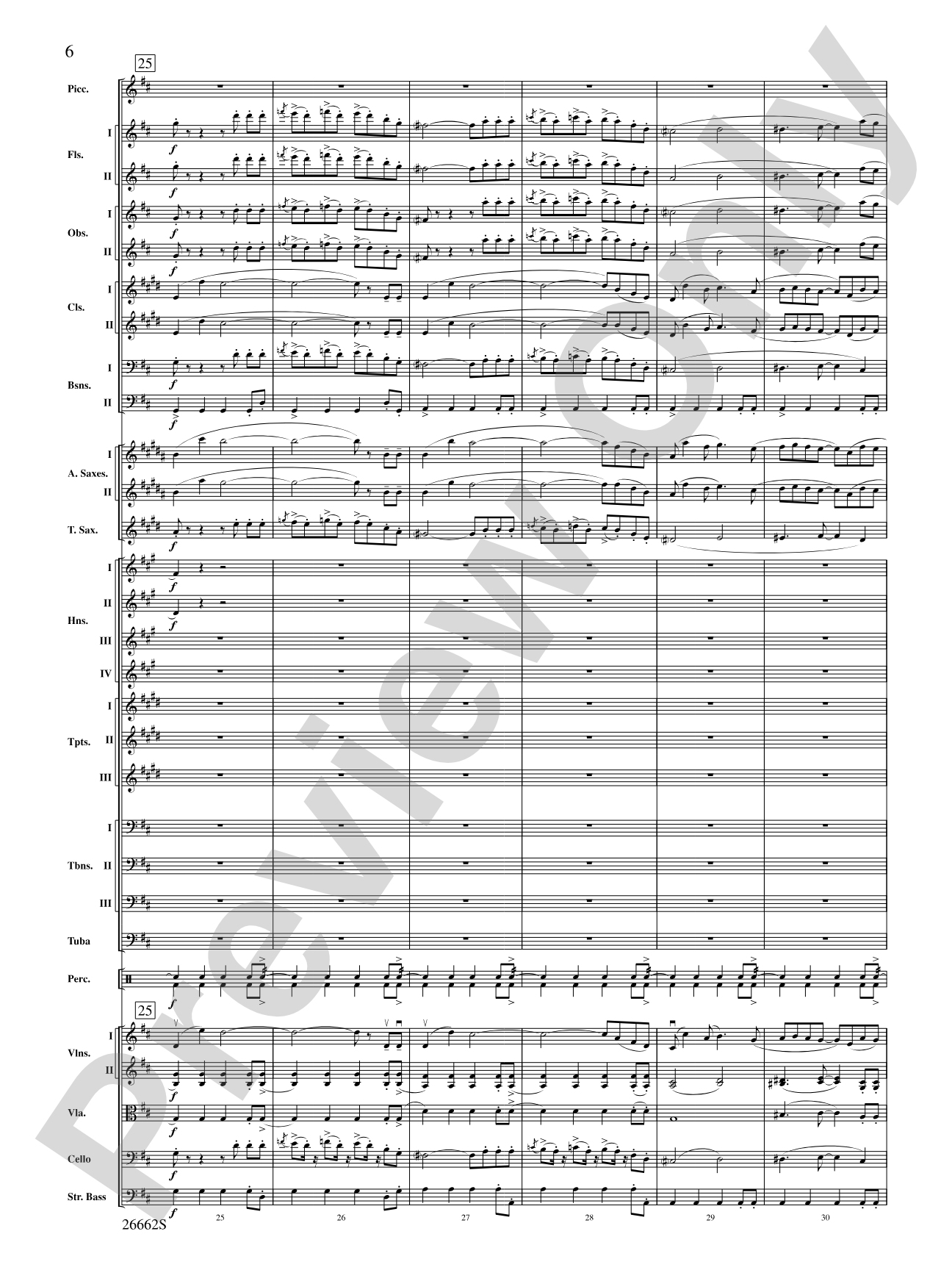
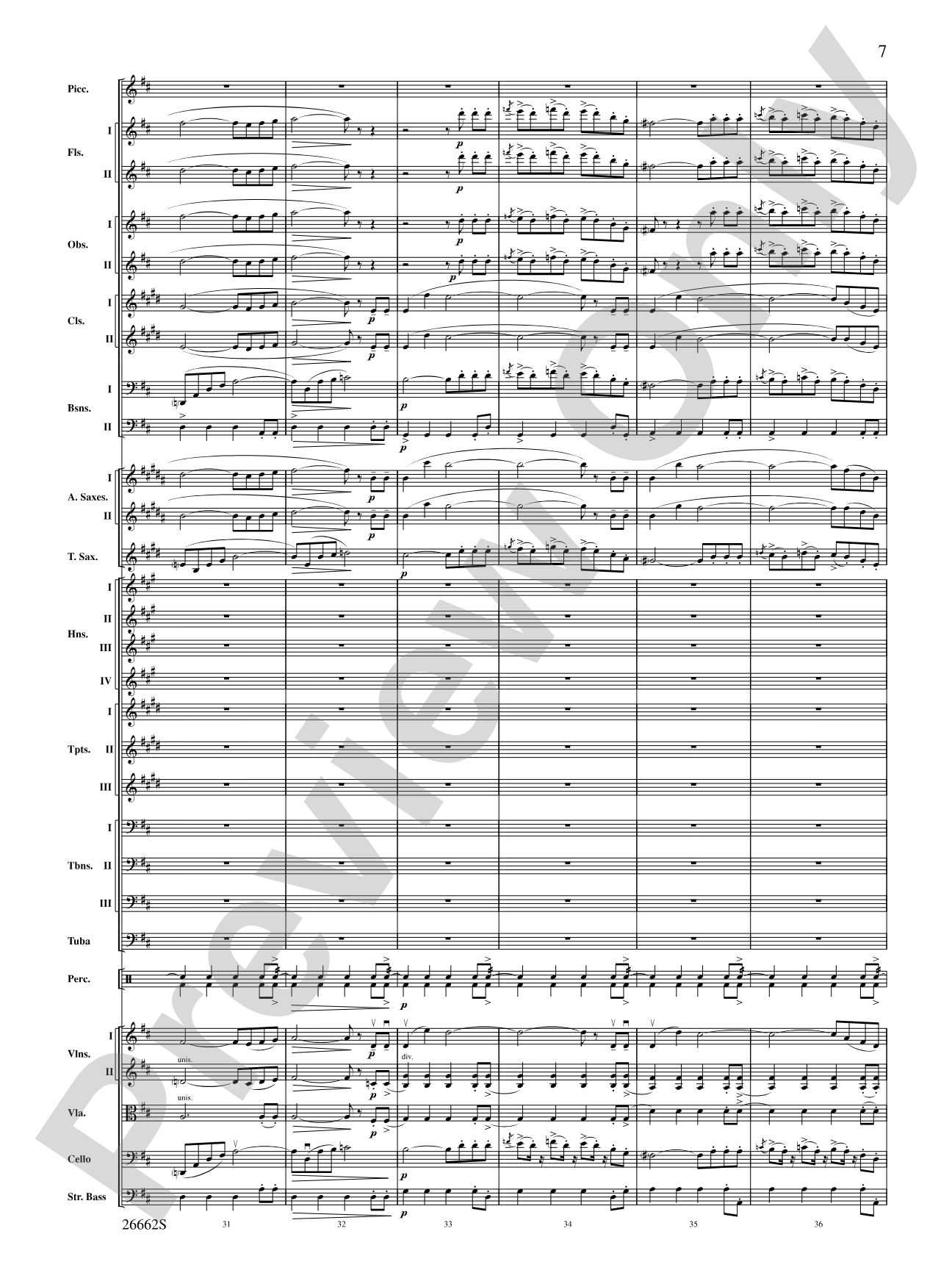
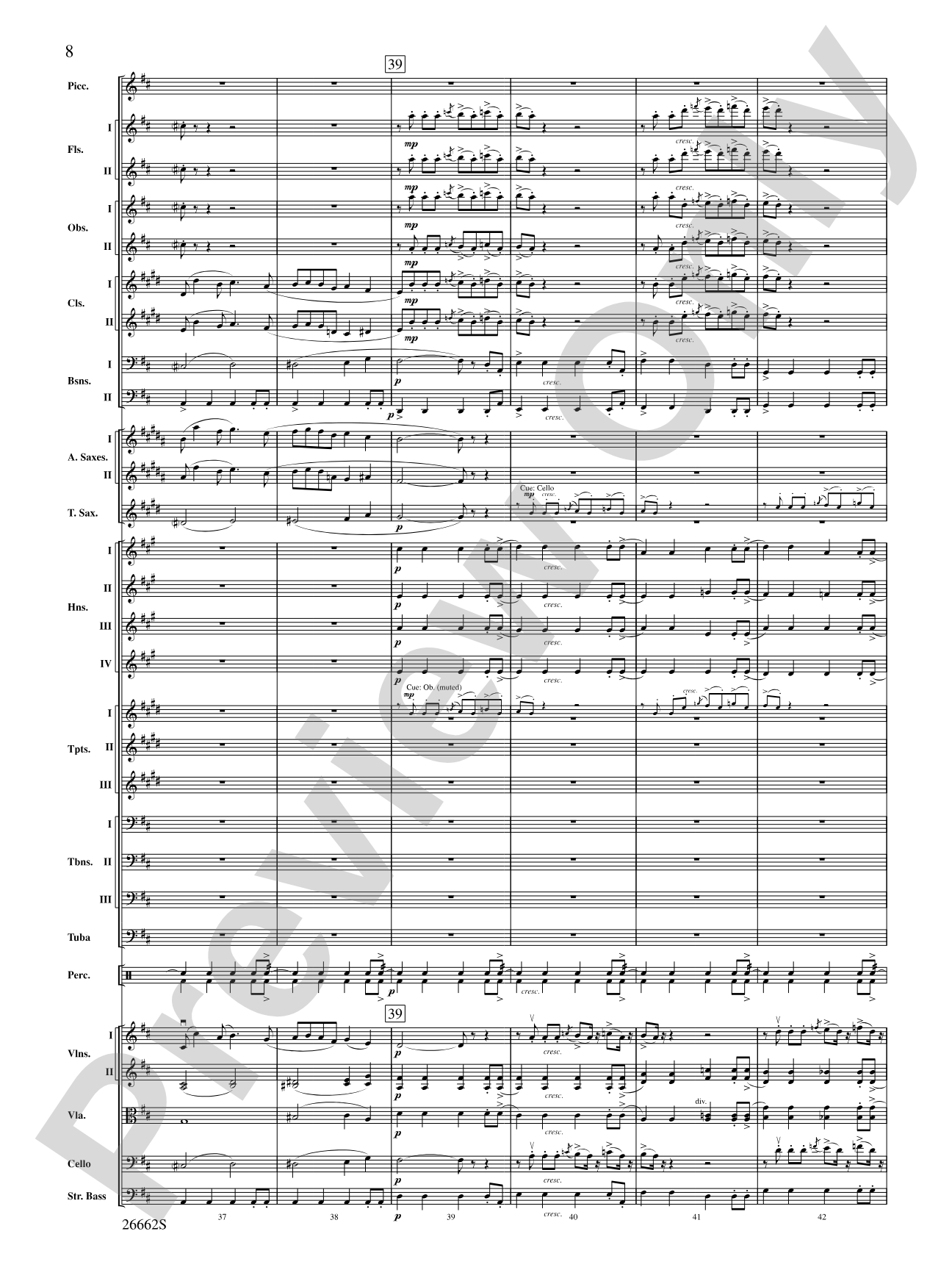
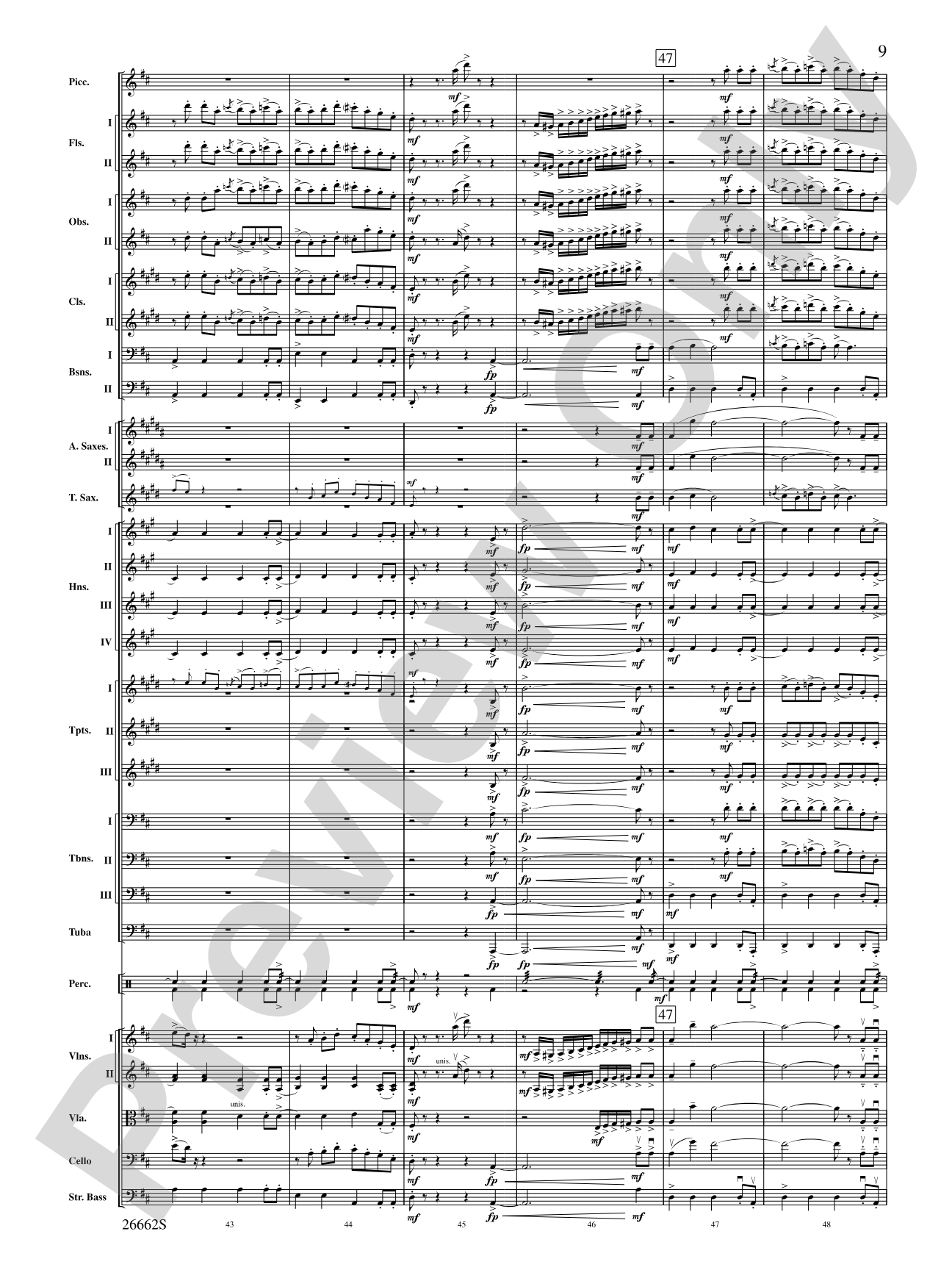
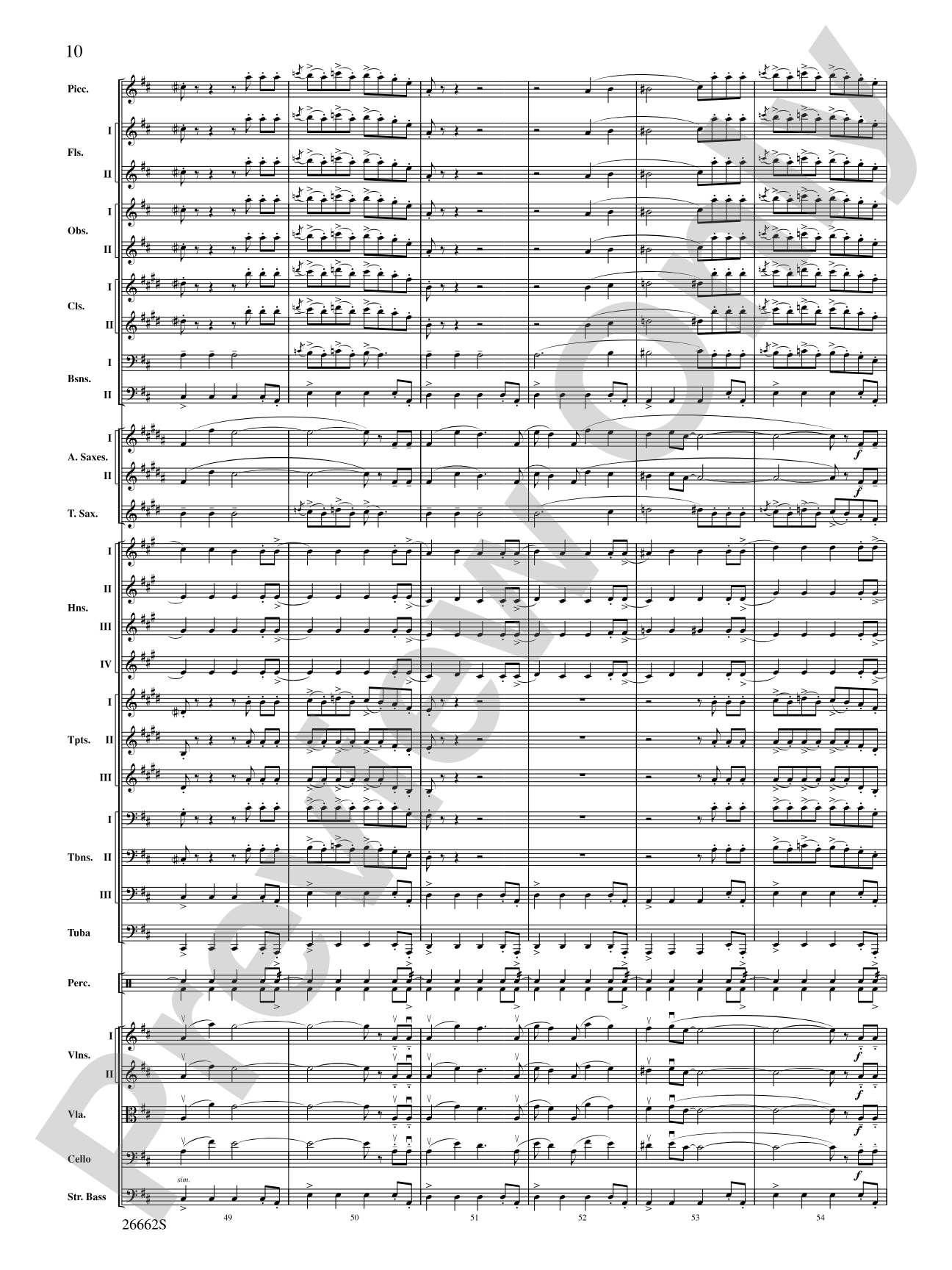
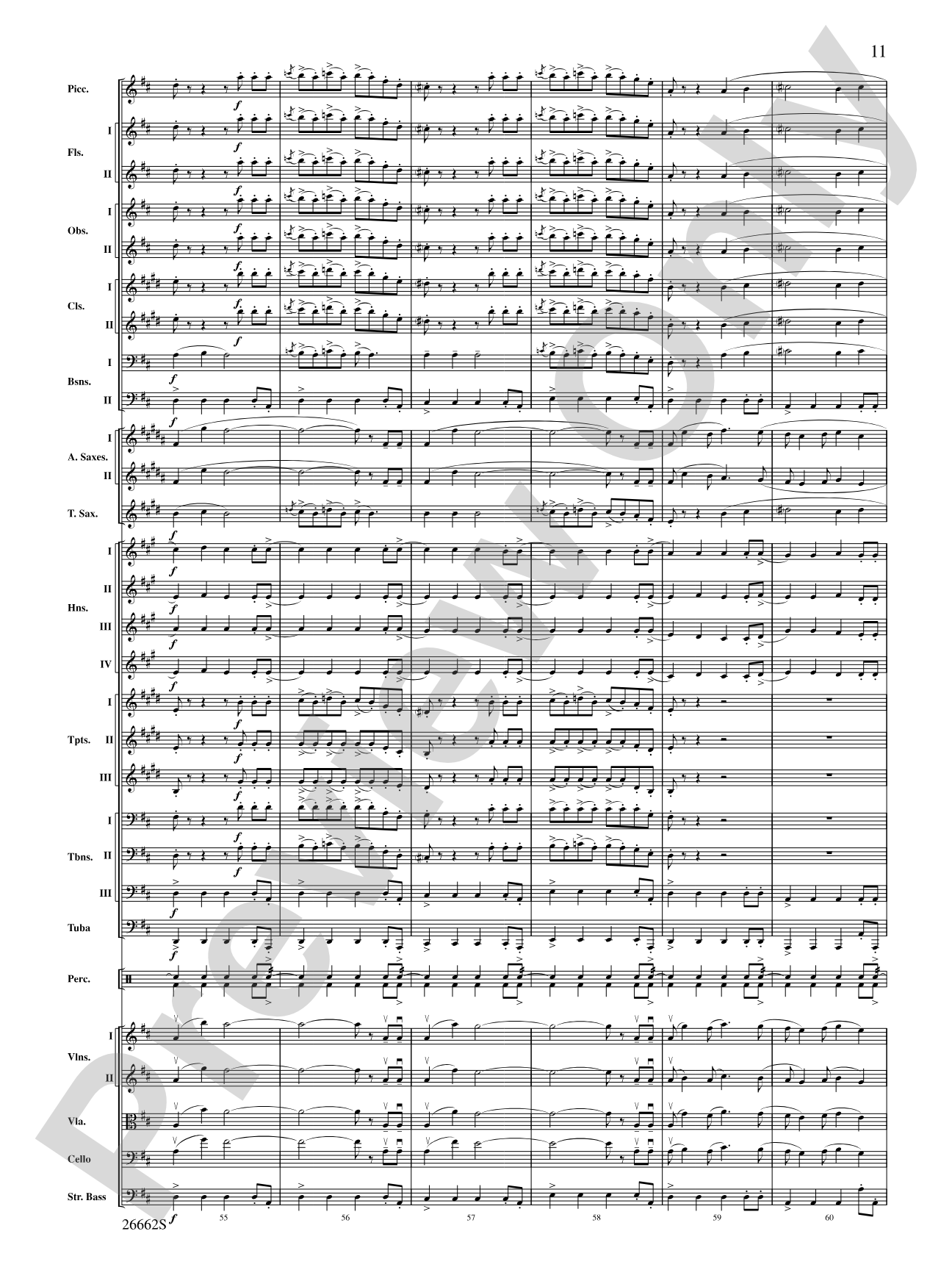
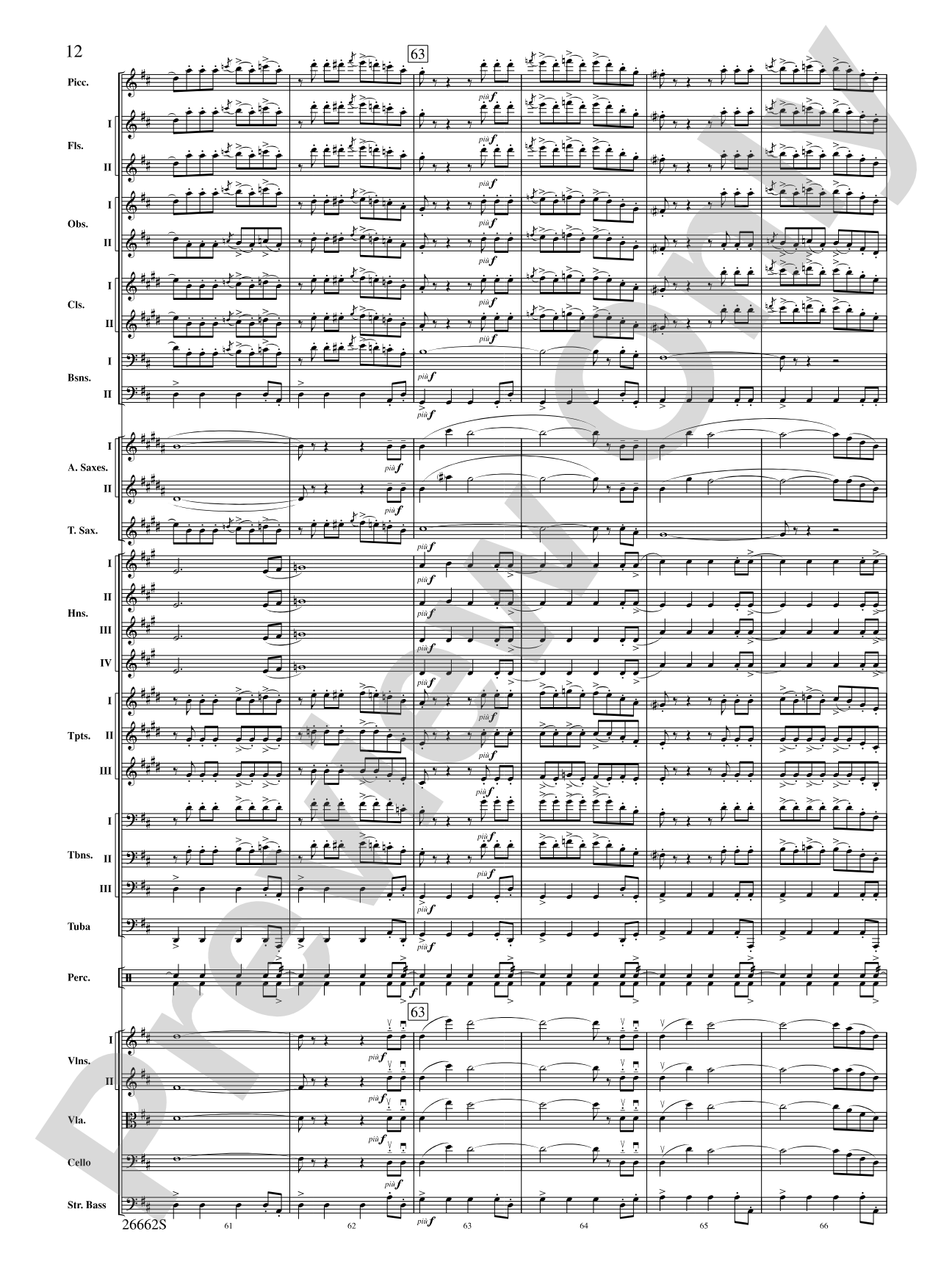
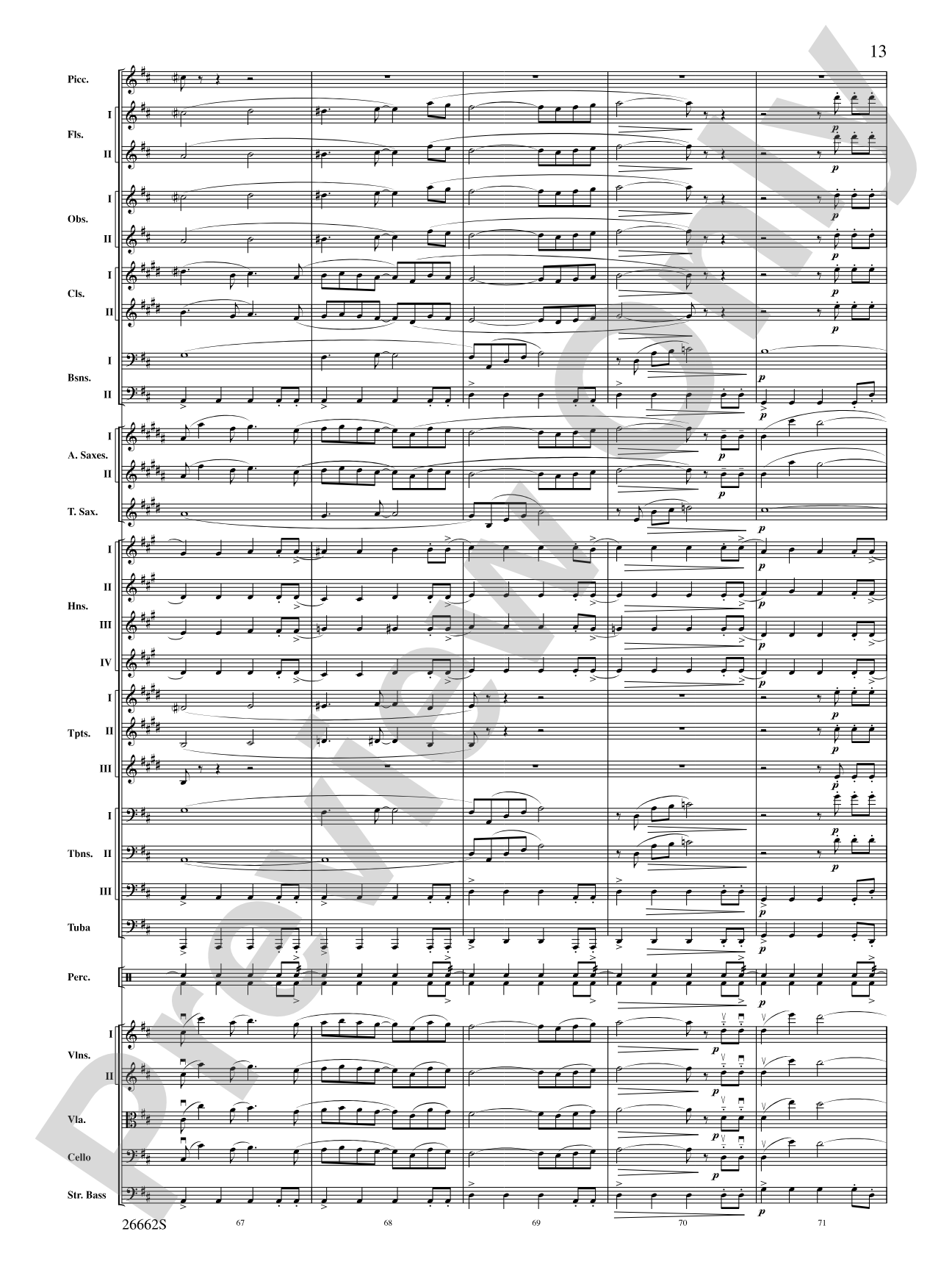
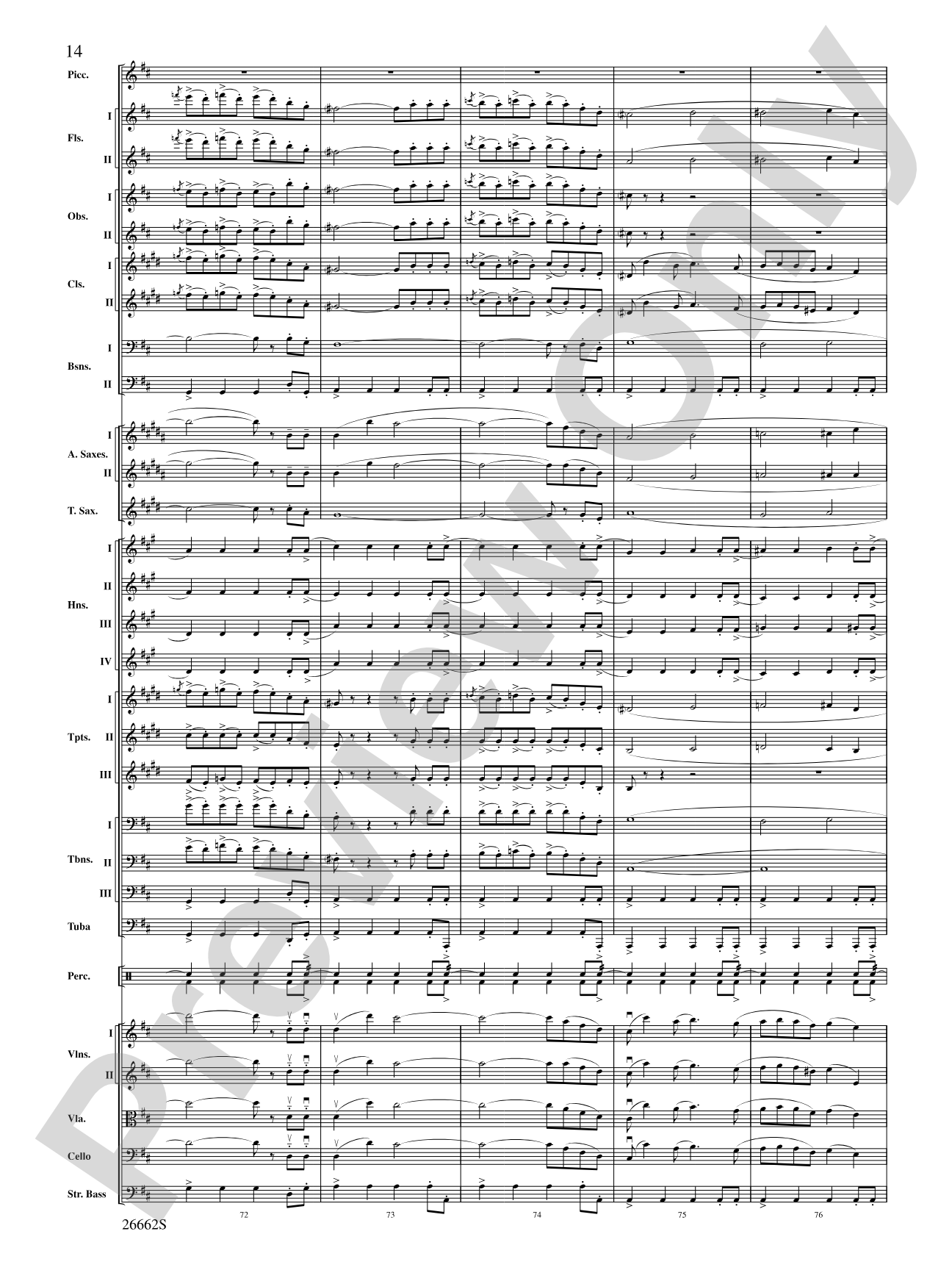
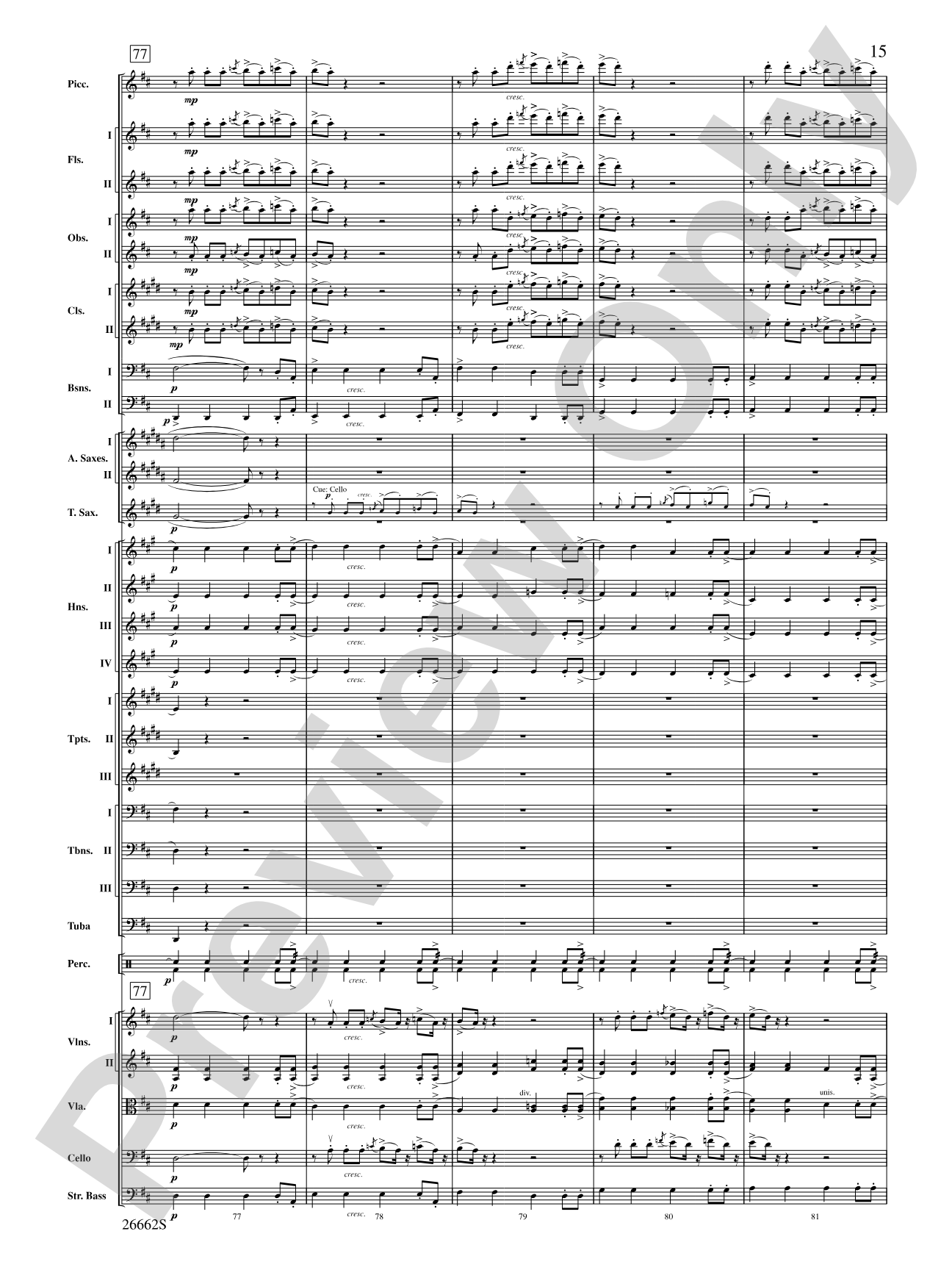
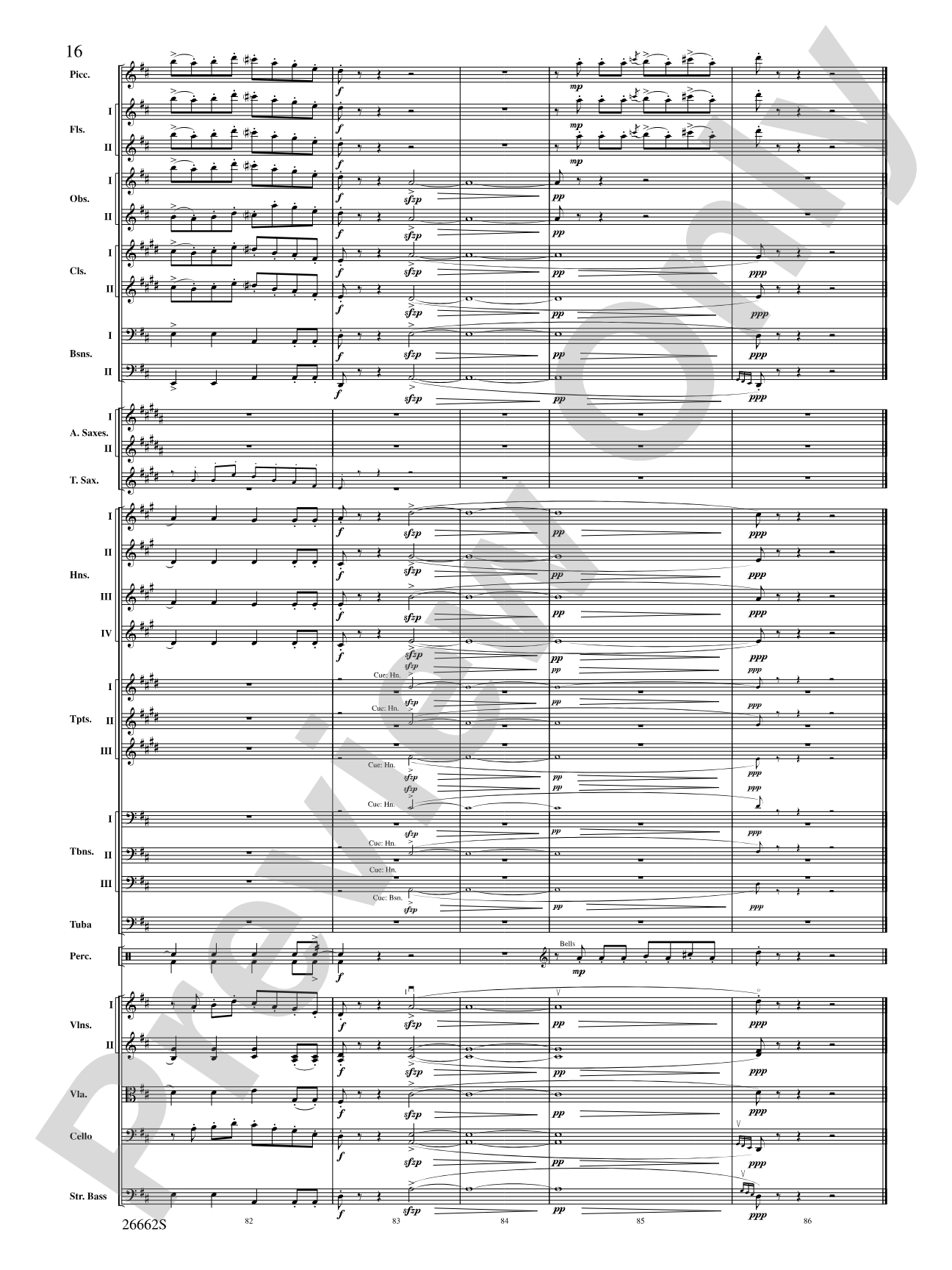

Blue Tango: Score
By Leroy Anderson
Grade: 5
Item: 00-PR-0001140
$10.00
Pickup currently not available
Description
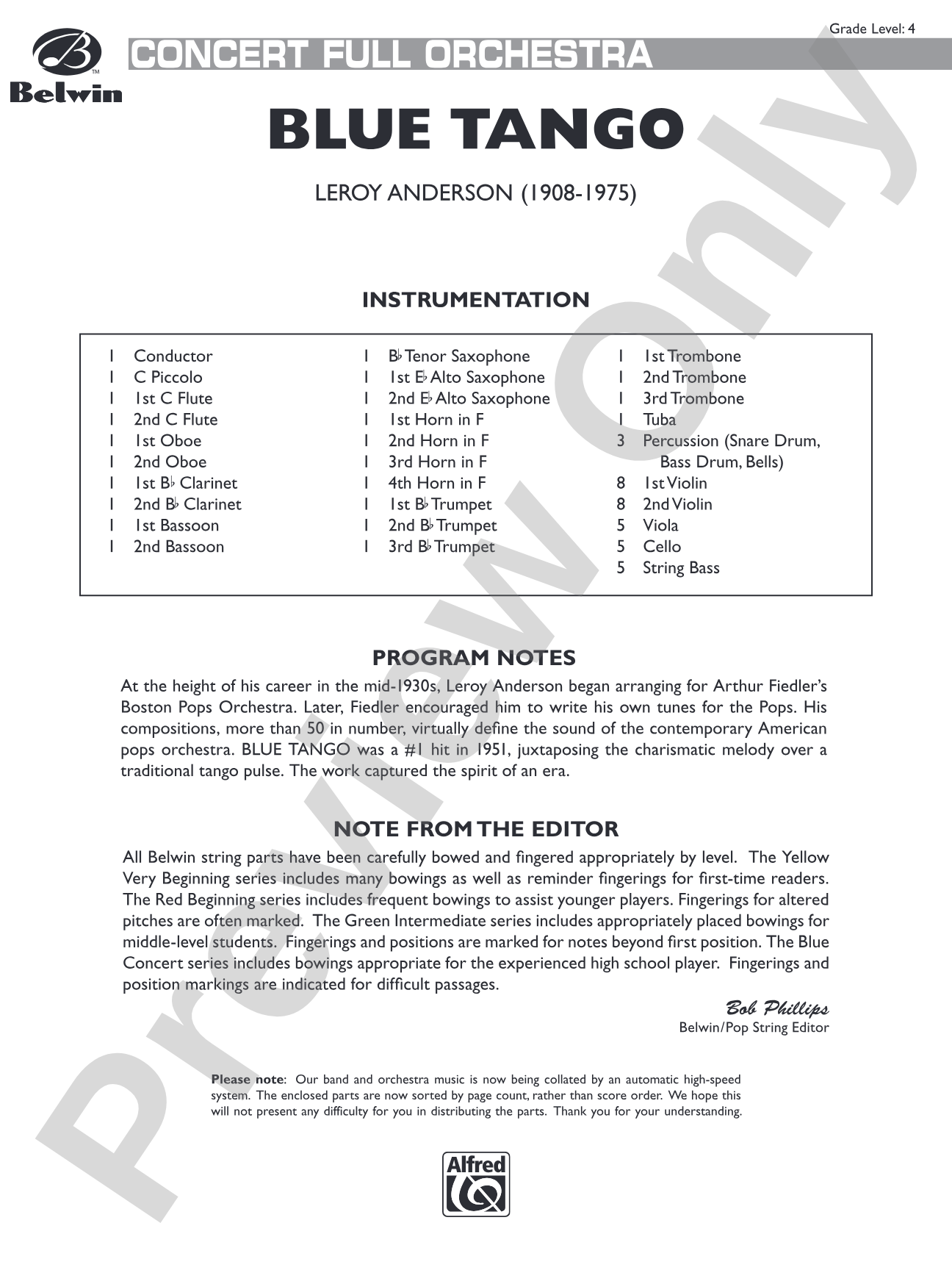
At the height of his career in the mid-1930s, Leroy Anderson began arranging for Arthur Fiedler's Boston Pops Orchestra. Later, Fiedler encouraged him to write his own tunes for the Pops. His compositions, more than 50 in number, virtually define the sound of the contemporary American pops orchestra. Blue Tango was a #1 hit in 1951, juxtaposing the charismatic melody over a traditional tango pulse. The work captured the spirit of an era. This title is available in MakeMusic Cloud.


Don't just read it, hear it, play along with it, and watch your students grow with it. In MakeMusic Cloud, Blue Tango: Score comes alive with professional accompaniment, adjustable tempo, and built-in practice tools that turn solo practice into real progress.
Open in the Player
Jump straight in and assign it today.
Start Your Free Trial
Open this title and explore the full library in minutes.
Sample Audio
1
Audio File
--:--
0:00
0:00
Sample Video
No sample videos found.
Additional Details
Series:
Pop Concert Full Orchestra
Publisher:
Alfred Music
Page Count:
104
SKU:
00-PR-0001140
More about this title
About the Composer: Leroy Anderson
Leroy Anderson (1908-1975) earned his reputation as the most prolific composer of American light orchestral music, producing over 50 works that became staples of the Boston Pops repertoire. Beginning as an arranger for Arthur Fiedler in the mid-1930s, Anderson evolved into a composer whose gift for melody and orchestration defined the sound of mid-century American popular concerts, influencing generations of pops orchestras and concert bands.
Why we love this
Anderson's mastery of orchestration shines throughout this score, with each section given moments to shine while maintaining the infectious tango groove. The straightforward Grade 5 difficulty makes it accessible for developing orchestras without sacrificing the sophistication that made this a #1 hit, and conductors appreciate how the familiar melody engages audiences immediately.
What to expect
Blue Tango captures the sophistication and optimism of 1950s American popular music. The elegant tango rhythm provides the framework, while Anderson's soaring melody evokes both the romance of the dance and the confident, forward-moving spirit of the era.
Who it's for
Full orchestras at the intermediate level who want a crowd-pleasing concert piece with genuine compositional craft. This works equally well for school orchestras developing their sound and community or university ensembles seeking accessible repertoire that entertains without condescension.
How to get the most out of it
- Maintain a steady tango pulse throughout; the accompaniment figures define the style more than rubato. Resist the urge to rush the syncopated rhythms, which work precisely because they sit securely on the beat.
- Balance the charismatic melody against the rhythmic foundation. The melody instruments should sing clearly, but the tango accompaniment in the middle voices and rhythm section provides essential character and should remain audible.
- Shape the phrase lengths carefully, particularly in the A section. Anderson writes in natural eight and sixteen-bar units; honor these architectural divisions to let the melody breathe and land.
- Clarify articulation across the ensemble, especially in the rhythmic figures that propel the tango. Crisp, unified tonguing in the winds and clean attacks in the strings will sharpen the groove.
How to use it
Program this as an anchor piece in a pops-style concert or as a bridge between classical and contemporary works in a traditional concert. Its accessibility makes it ideal for pre-concert engagement or as the centerpiece of a concert celebrating American light music alongside other Anderson compositions.
Skills your students will build
- Maintaining steady rhythmic accompaniment patterns while supporting a lyrical melody line
- Balancing section roles in a traditional orchestral arrangement
- Shaping phrase structures in tango form and articulating syncopated rhythmic figures
- Reading and executing characteristic American pops orchestra orchestration