Blue Rondo a la Turk Cover Image

Blue Rondo a la Turk: Jazz Ensemble Conductor Score & Parts

$60.00 USD
Sale price  $60.00 USD Regular price 
Skip to product information
Blue Rondo a la Turk Cover Image

Blue Rondo a la Turk: Jazz Ensemble Conductor Score & Parts

By Dave Brubeck / arr. Kris Berg

Grade: 4.5 (Medium Advanced / Difficult)

Item: 00-JEM05038

makemusic Cloud badge

Need it now?

Buy Digital Version
$60.00
Shipped

One moment…

Description
A show-stopping tour de force! Dave Brubeck's fabulous tune from his classic quartet album Time Out. Arranger Kris Berg worked hard on this chart to capture the essence of Brubeck. The meter changes from 9/8 to 12/8 Afro-Cuban groove with the Brubeck rhythm patterns. Solo space for alto 1, trumpet 2 and drums. Lead trumpet goes up to high C. This is an exceptional chart for concert or festival! (5:03)

Don't just read it, hear it, play along with it, and watch your students grow with it. In MakeMusic Cloud, Blue Rondo a la Turk: Jazz Ensemble Conductor Score & Parts comes alive with professional accompaniment, adjustable tempo, and built-in practice tools that turn solo practice into real progress.

Sample Pages

Sample Audio
0:00
0:00
Sample Video
Additional Details
Series: Premier Jazz Series
Publisher: Alfred Music
Page Count: 74
UPC: 654979093824
SKU: 00-JEM05038

More about this title

About the Composer: Dave Brubeck
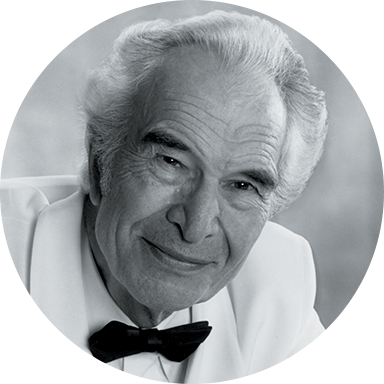
Dave Brubeck

Dave Brubeck established himself as one of jazz's most innovative voices through both his work as a pianist and his prolific output as a composer. Beyond his celebrated improvisations, he created a substantial body of fully notated music spanning choral works, orchestral pieces, chamber music, ballets, and large-scale compositions for chorus and orchestra. His album Time Out became the first jazz recording to sell over a million copies, and the standard "Take Five" remains one of the most recognizable jazz compositions ever written.

Brubeck's impact extended far beyond the jazz world. He studied with French composer Darius Milhaud after World War II, an influence that shaped his approach to blending jazz language with classical forms. Throughout his career, he received numerous accolades including the Presidential Medal of the Arts, a Grammy Lifetime Achievement Award, and induction into the American Classical Music Hall of Fame. His choral and orchestral works have been performed by major institutions worldwide, from the London Symphony Orchestra to the National Cathedral in Washington, DC.

Why we love this

Kris Berg's arrangement captures the rhythmic sophistication and melodic appeal that made Time Out an instant classic, giving your ensemble direct access to one of jazz's most influential albums without sacrificing the original's character. The meter changes and Afro-Cuban groove keep the ensemble engaged intellectually while remaining viscerally fun to play, and the three solo spots ensure meaningful leadership moments for alto, trumpet, and drums.

What to expect

The piece swings with irresistible momentum, launching into its signature 9/8 groove with the kind of confident joy that defines Brubeck's best work. When it shifts into the 12/8 Afro-Cuban feel, the energy becomes hypnotic, grounded in a rhythm pattern that feels both exotic and fundamentally grounded.

Who it's for

Jazz ensembles at the advanced high school and college level will find a piece that demands musicianship without requiring students to have years of section experience. Directors preparing a strong concert or festival set will appreciate a chart that showcases ensemble precision, individual voices, and genuine jazz authenticity in a repertoire-standard tune.

How to get the most out of it

  • Lock the transition between 9/8 and 12/8 sections in sectional rehearsals before combining the full ensemble; the groove change demands rhythmic clarity from the entire rhythm section and front line.
  • Work the lead trumpet part separately to ensure comfort with the high C passages; the range demands accuracy but the melody's accessibility means it sits naturally once the player adjusts to the altitude.
  • Balance the featured soloists so each voice carries over the ensemble texture without drowning it out; the piano and drums should anchor the groove rather than dominate.

How to use it

This is an ideal closer or near-closer for a jazz concert, where its fame and immediate recognizability will land with your audience while your ensemble's execution demonstrates real musicianship. It also works powerfully in a festival setting where you want a piece that showcases both technical control and groove sensibility.

Skills your students will build

  • Reading and executing meter changes (9/8 to 12/8)
  • Maintaining rhythmic integrity within an Afro-Cuban groove
  • Solo improvisation over ensemble texture
  • Balancing ensemble voicing with featured melodic lines
  • Interpreting jazz phrasing and articulation in a composed arrangement

You May Also Like
