
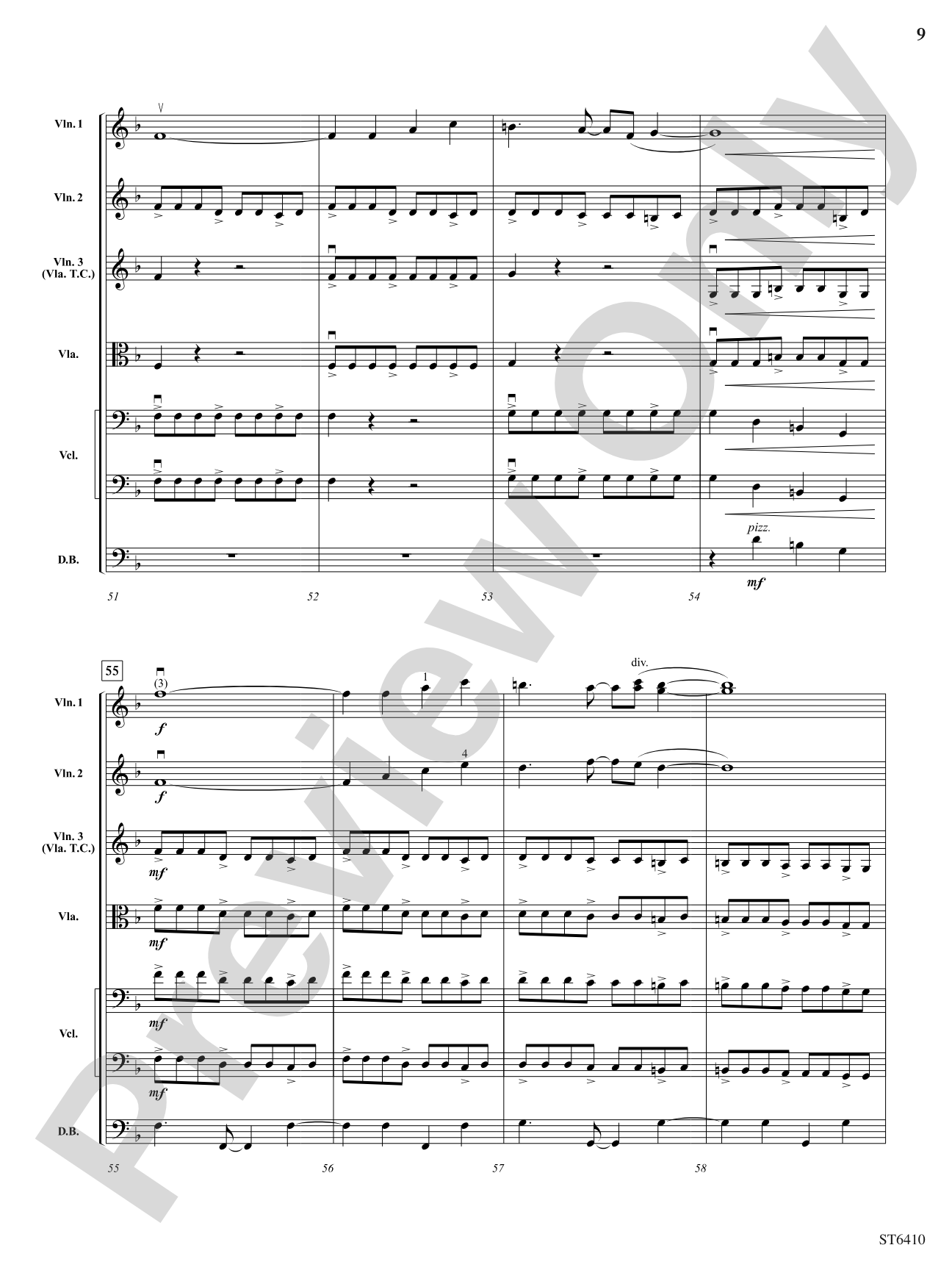
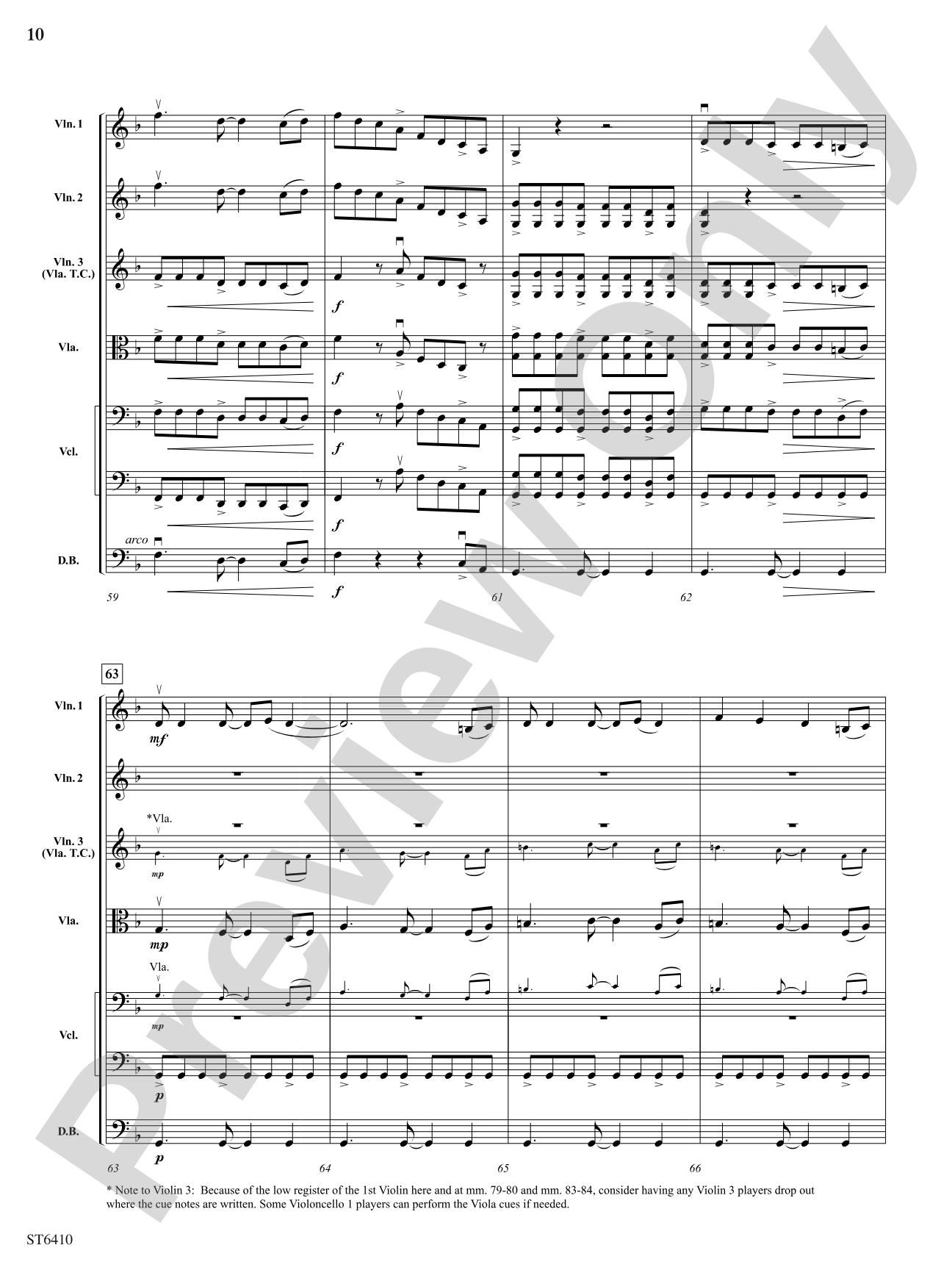
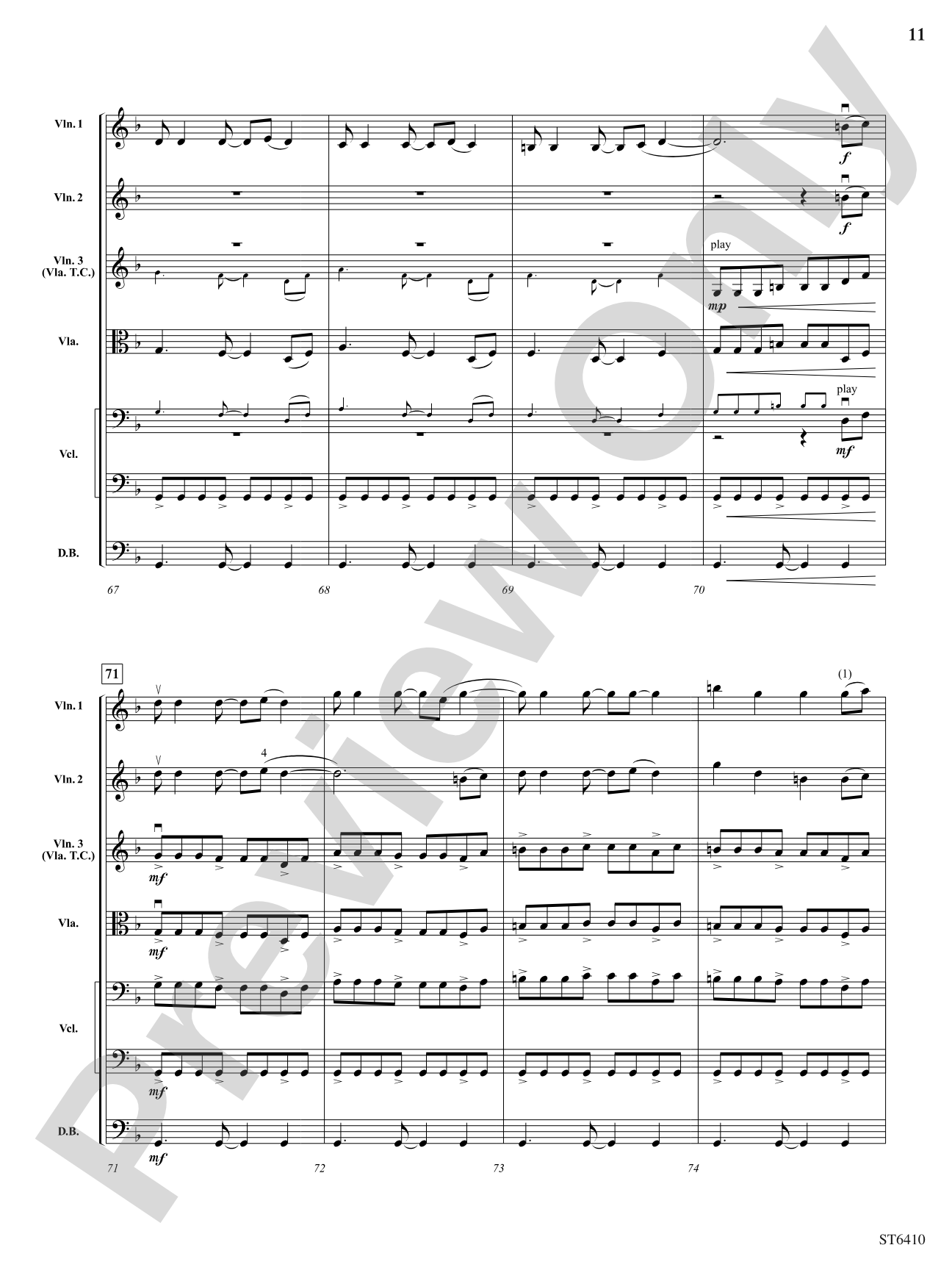
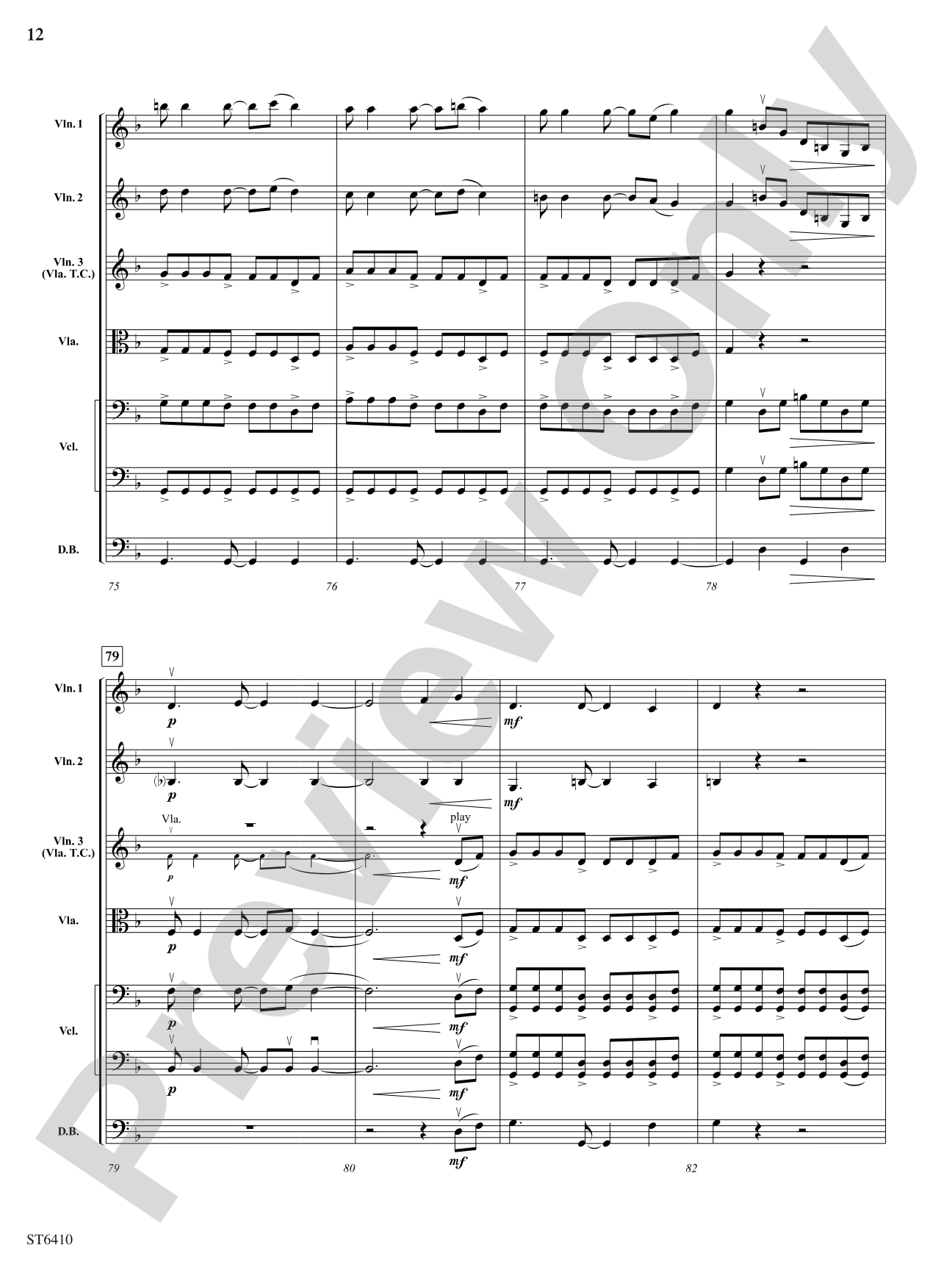

Blue Mountain: String Orchestra Conductor Score & Parts
By Alexander Safford
Grade: 3
Item: 98-DST6410
$80.00
Pickup currently not available
Buy Extra Parts (Digital PDF Download)
| Product | Price | Quantity |
|---|---|---|
| Blue Mountain: Score | $13.00 | |
| Blue Mountain: Violin 1 | $7.00 | |
| Blue Mountain: Violin 2 | $7.00 | |
| Blue Mountain: Violin 3 (Viola T.C.) | $7.00 | |
| Blue Mountain: Viola | $7.00 | |
| Blue Mountain: Violoncello | $7.00 | |
| Blue Mountain: Double Bass | $7.00 |
Parts Added to Cart!
Description
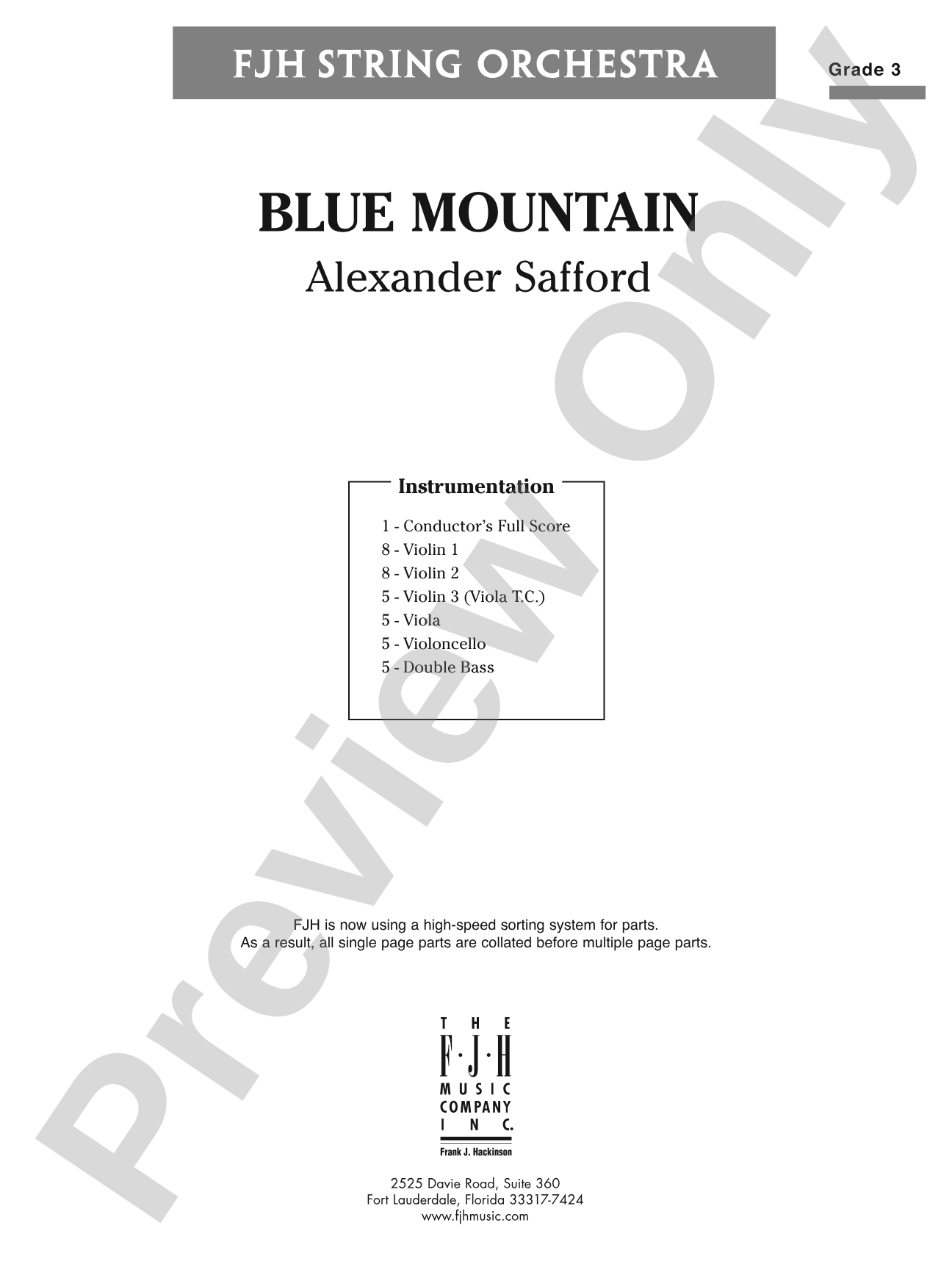
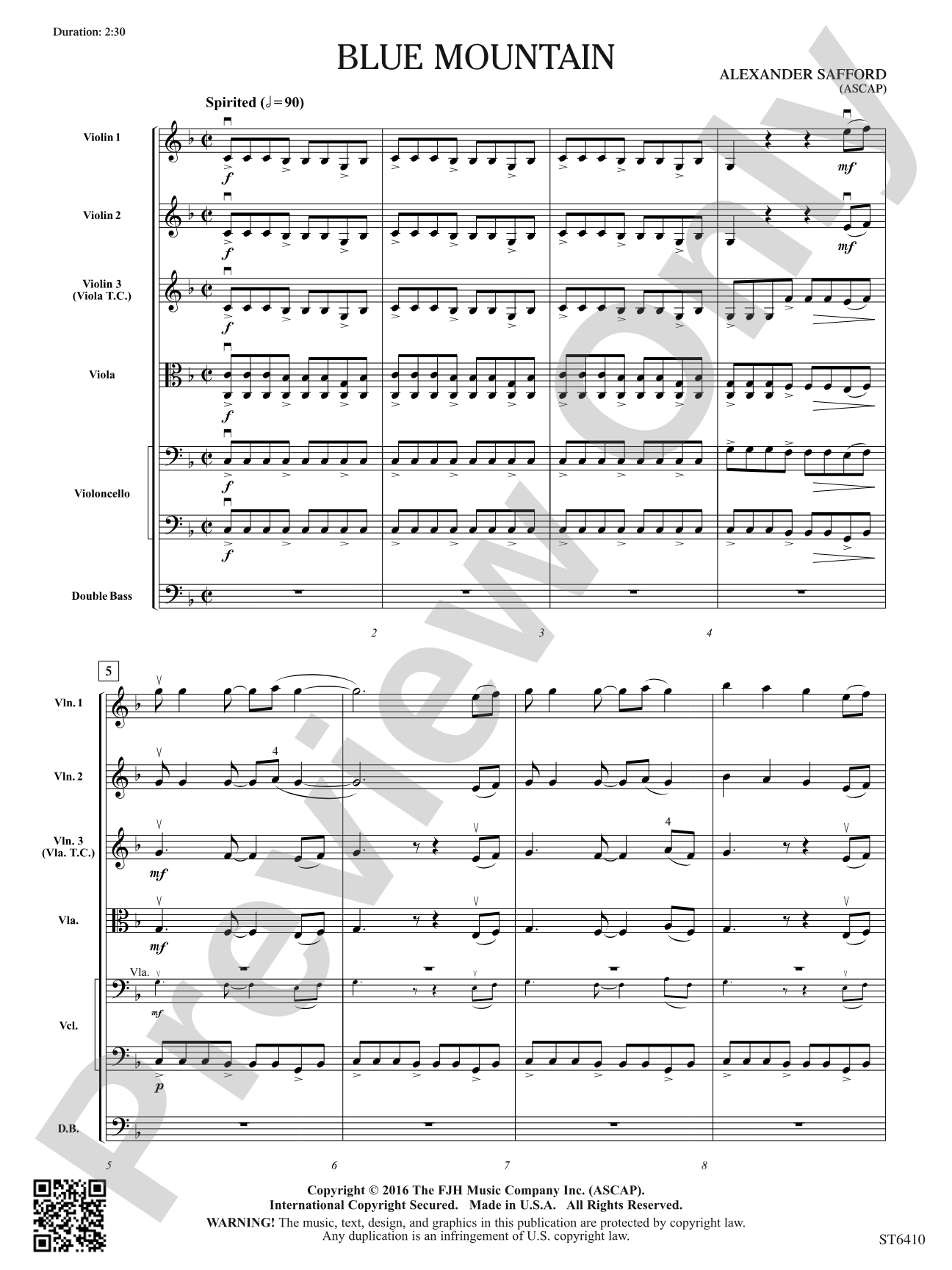
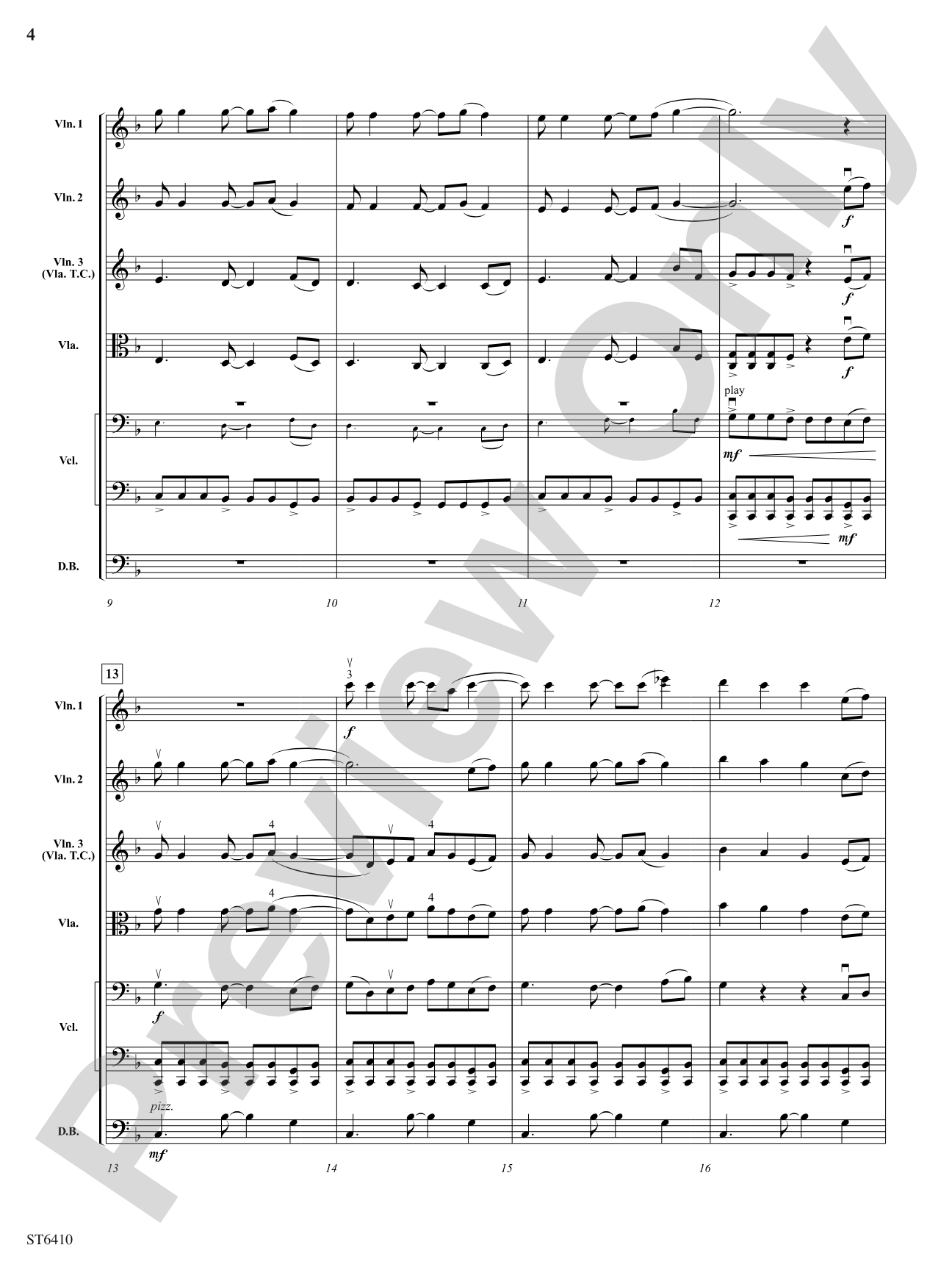
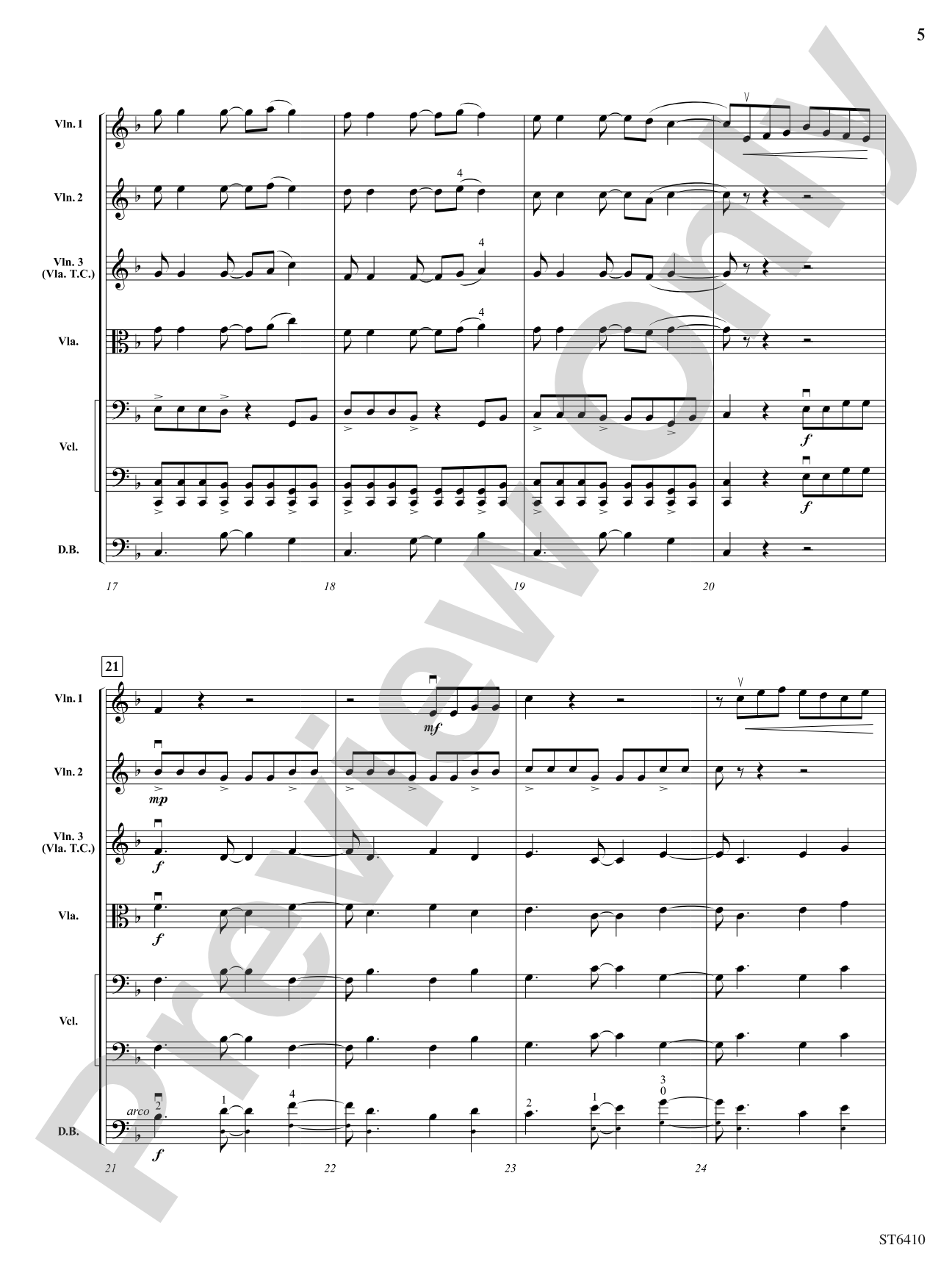
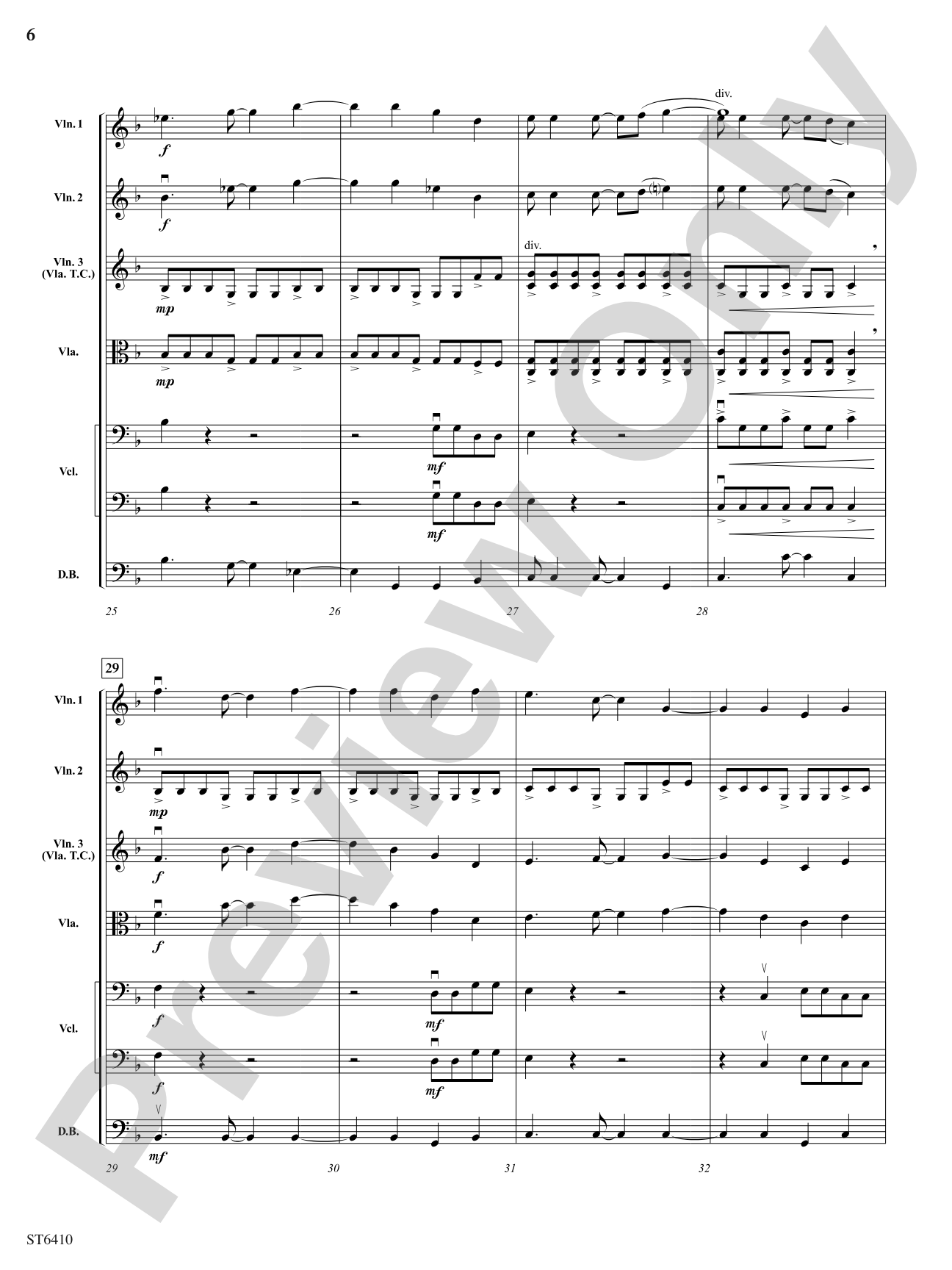
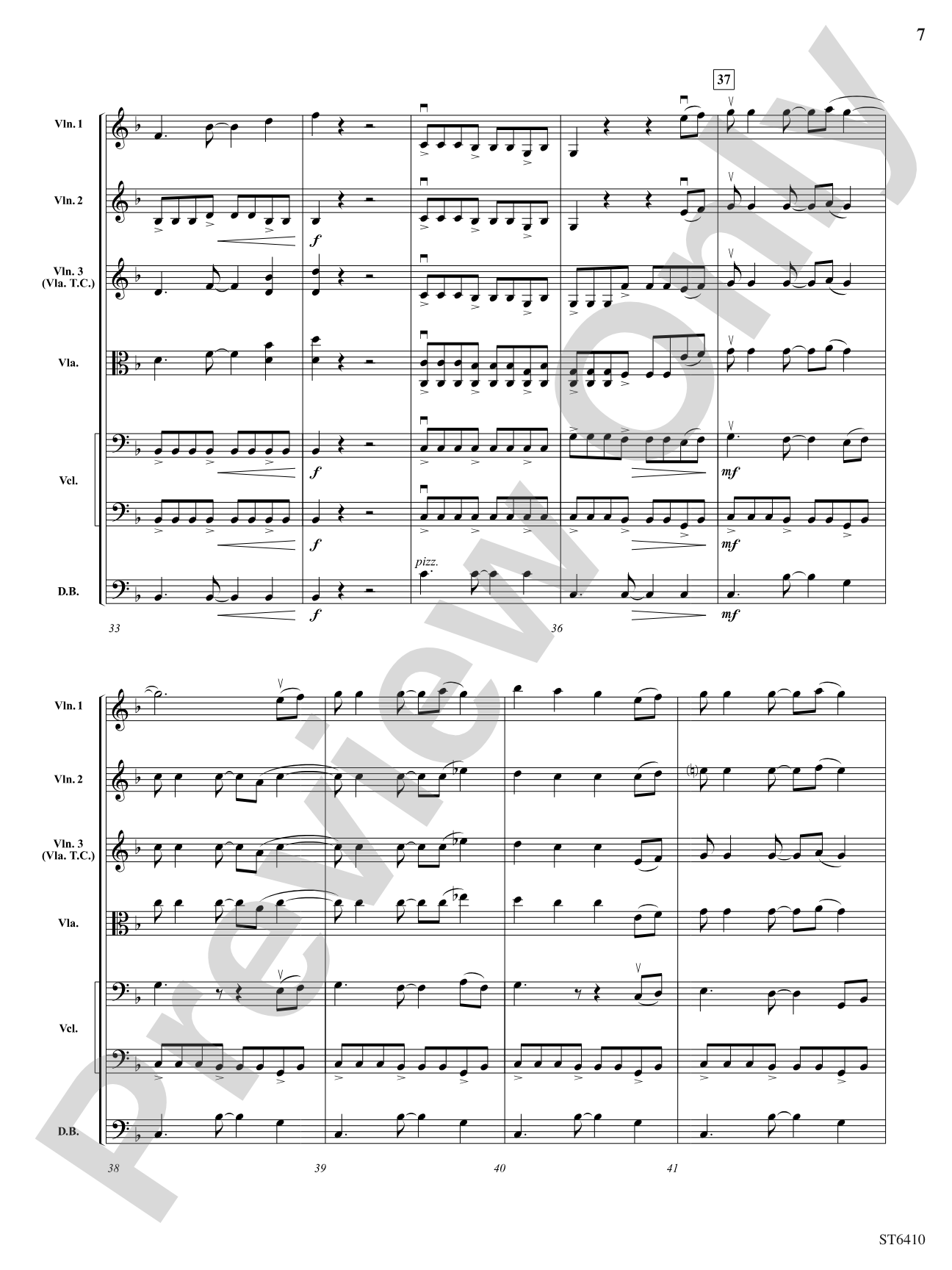
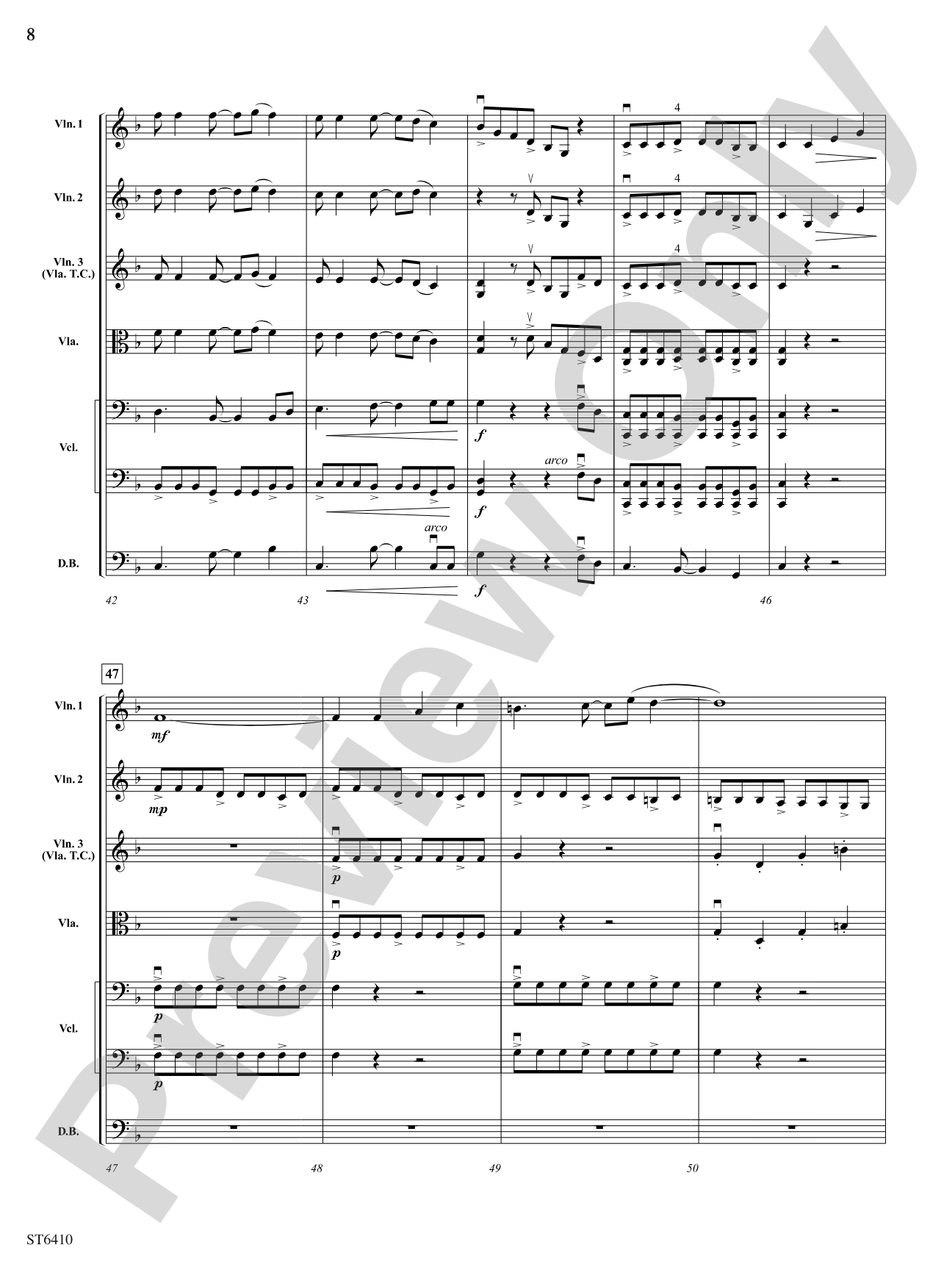
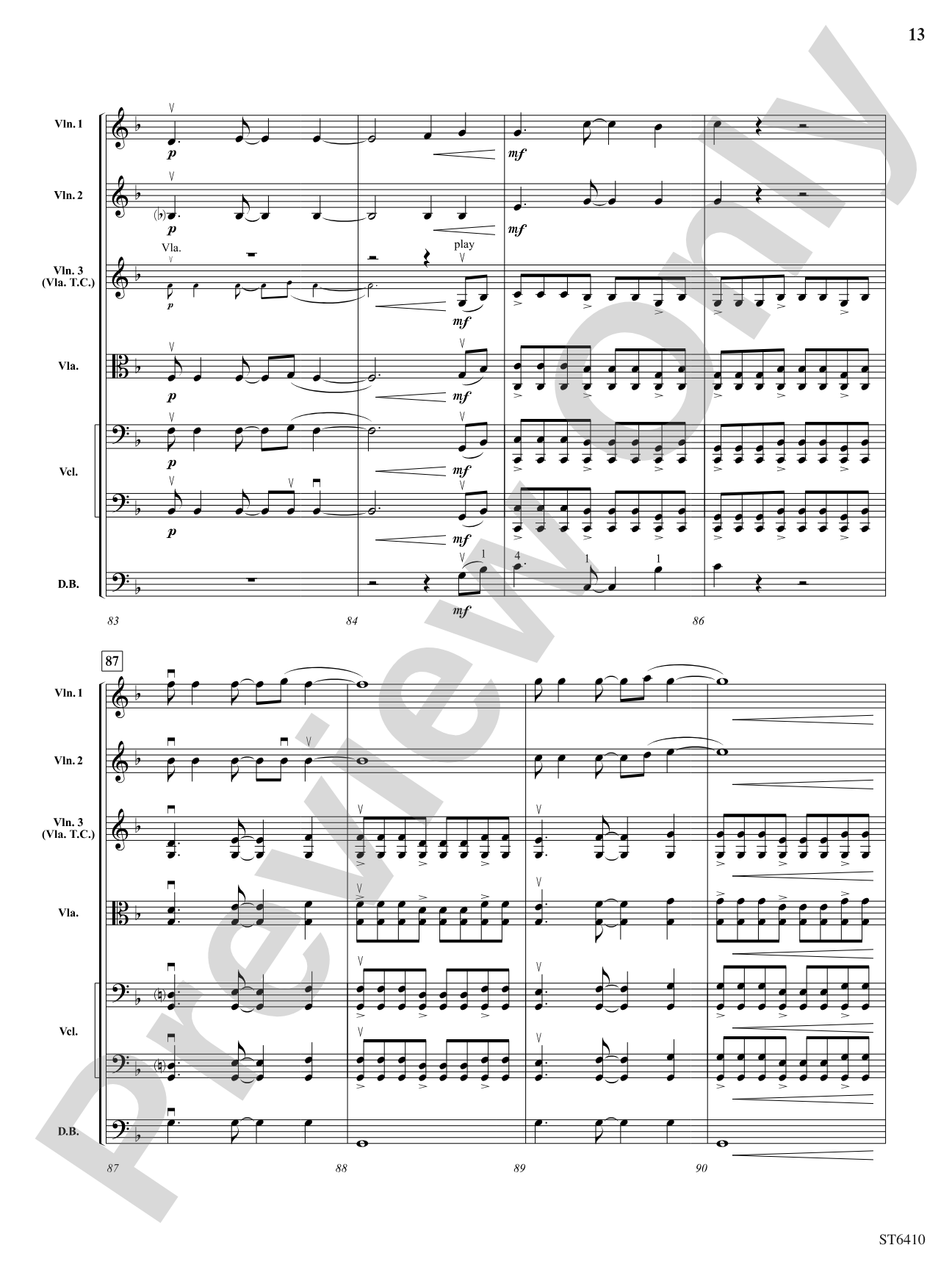
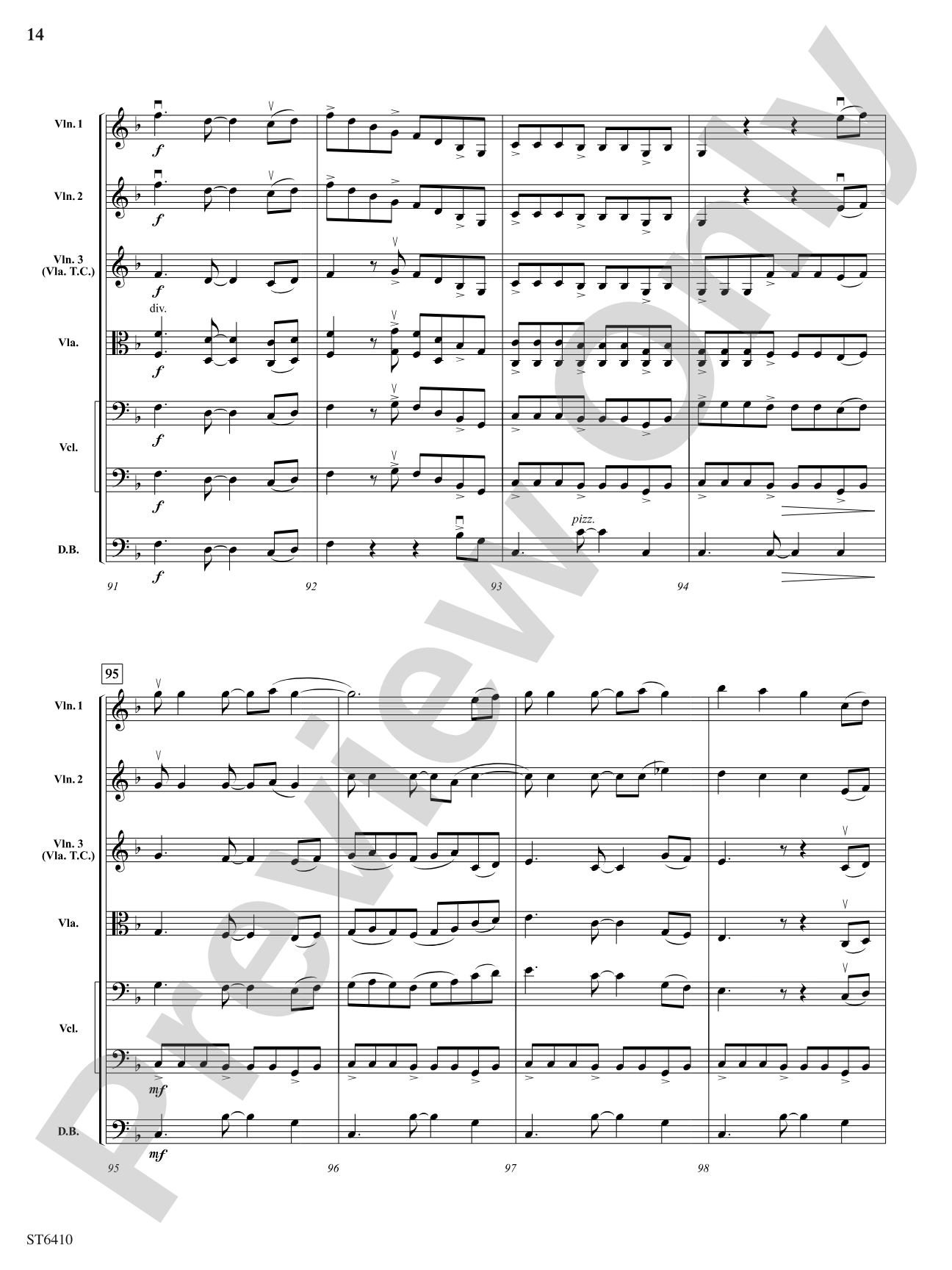
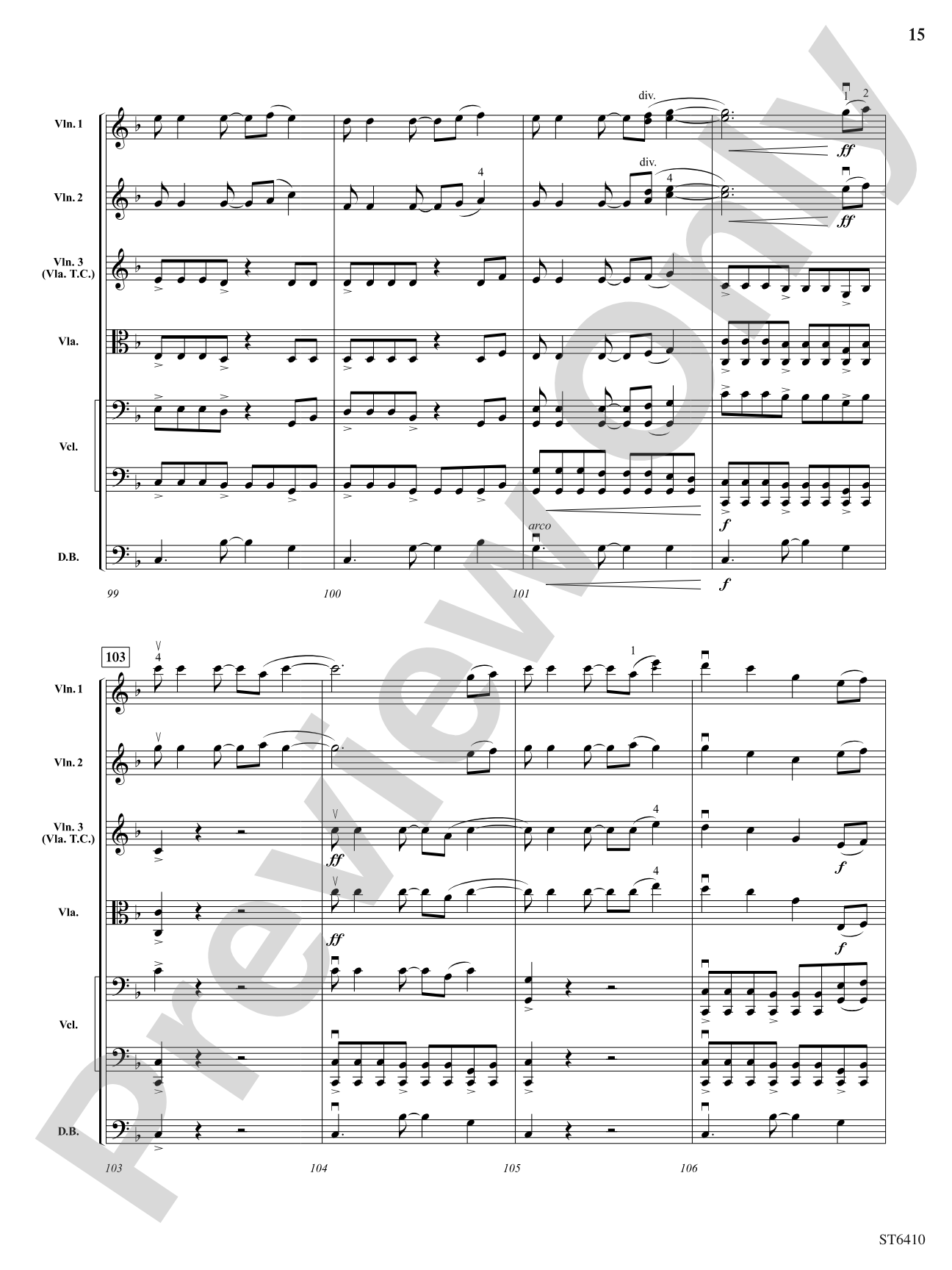
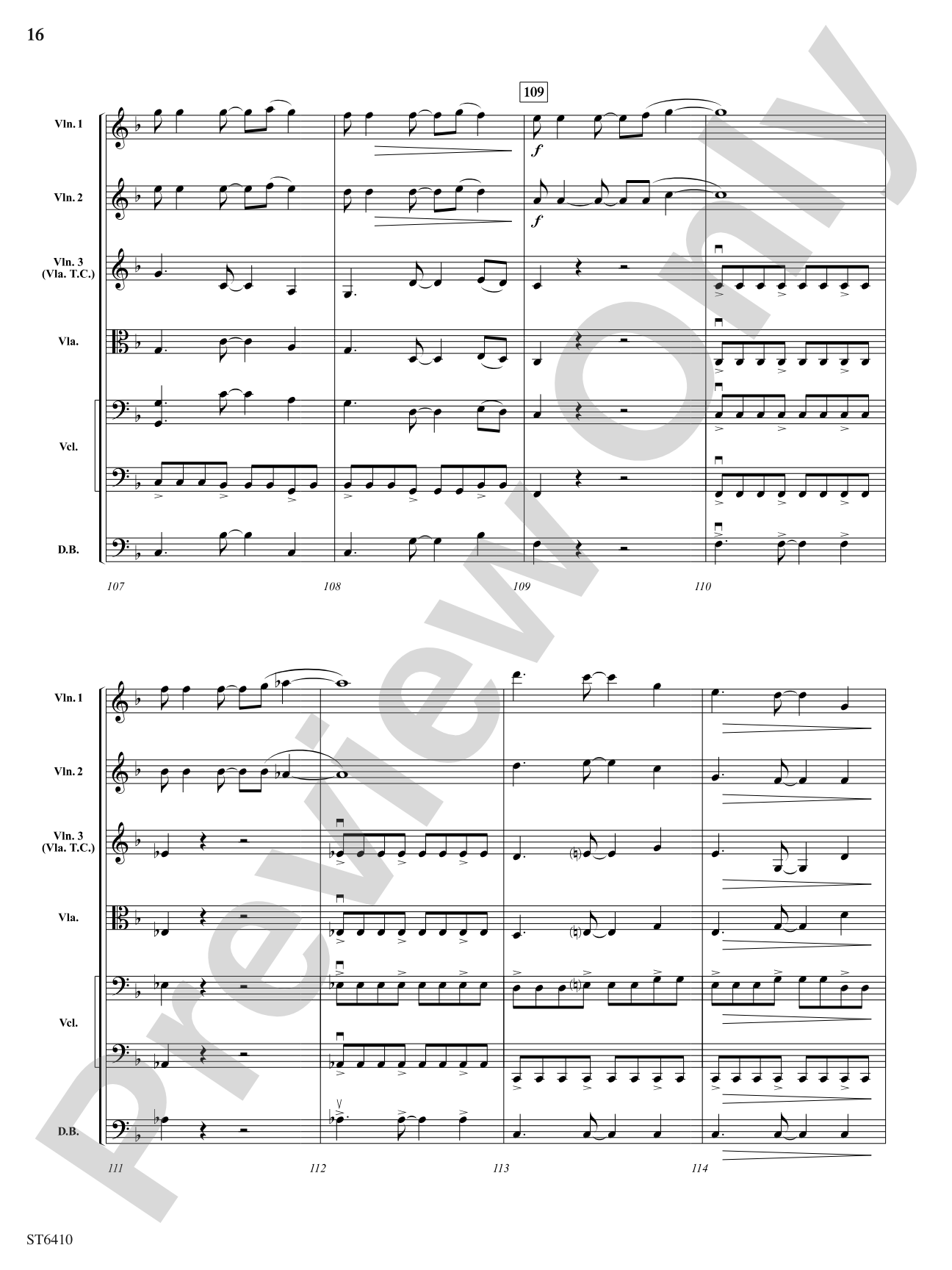
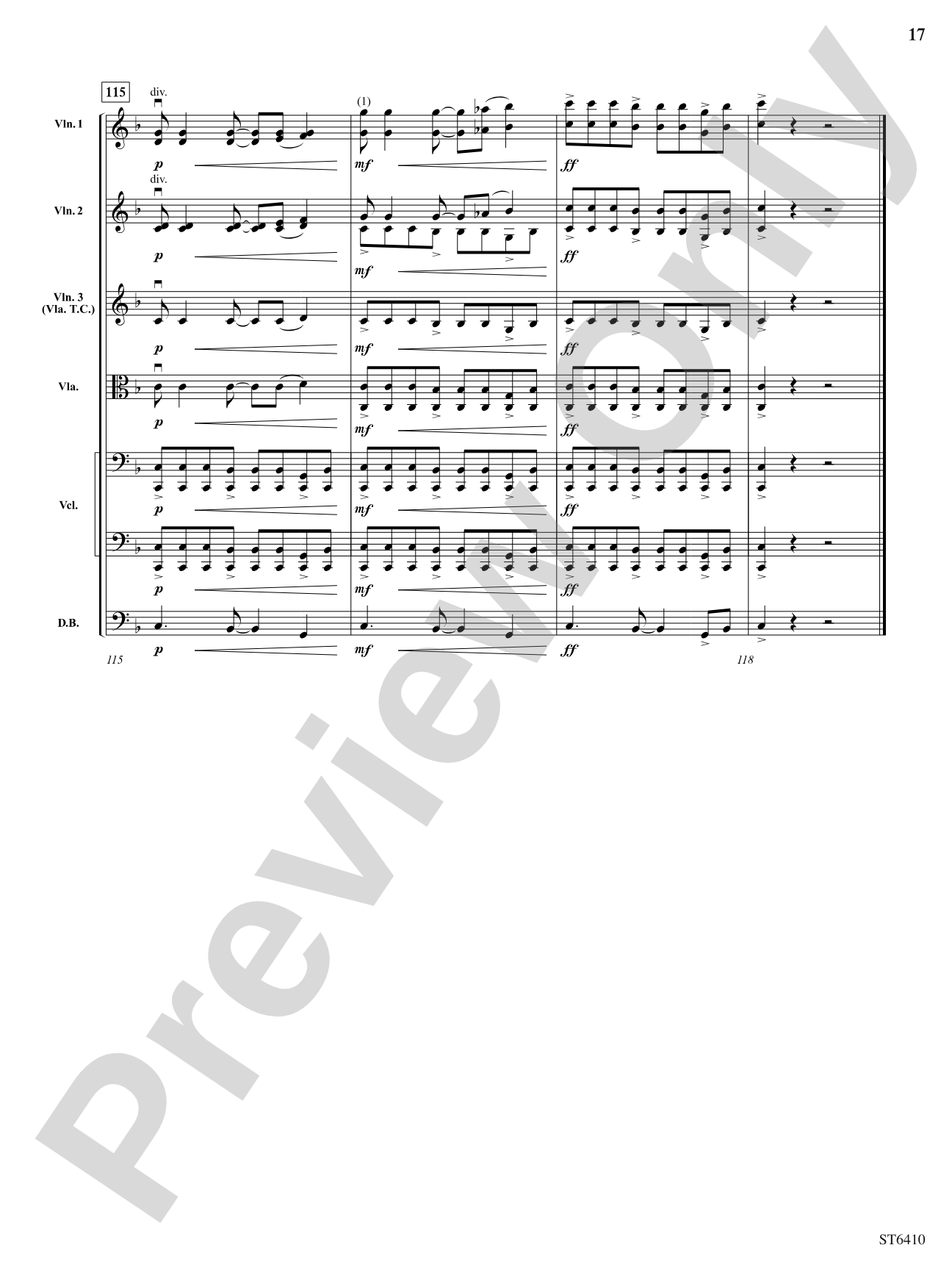
Upbeat and spirited, this dynamic composition is a refreshing jolt of energy. Featuring buoyant melodies and driving rhythms, the piece bustles from start to finish. An underlying rhythmic motive accompanies a high spirited melody along with double stops and lively harmonies. A sure way to add excitement to your concert program!


Blue Mountain: String Orchestra Conductor Score & Parts isn't in MakeMusic Cloud just yet...but it could be. Let us know you'd like to see it, and you'll help shape what comes next. In the meantime, start a free trial and dive into thousands of interactive titles your students can play along with today.
Request This Title
Tell us you want it.
Start Your Free Trial
Explore everything that's ready to play right now.
Sample Audio
1
Audio File
--:--
0:00
0:00
Sample Video
No sample videos found.
Additional Details
Series:
FJH String Orchestra
Publisher:
The FJH Music Company, Inc.
SKU:
98-DST6410
More about this title
Why we love this
Safford writes for young orchestras with genuine musicality and practical awareness of what intermediate players can execute. The rhythmic motive that threads through the piece gives every section a clear musical anchor, making rehearsal efficient and allowing students to hear how independent parts connect into a cohesive whole.
What to expect
Bright, propulsive, and buoyant. The piece moves forward with infectious momentum, driven by rhythmic precision and warm harmonic color. Double stops add texture and maturity to what might otherwise feel lightweight.
Who it's for
String orchestras at the intermediate level (Grade 3) looking for a piece with genuine energy that doesn't sacrifice musicality. Directors programming a concert that needs a pick-me-up will find this delivers exactly that without resorting to novelty arrangements.
How to get the most out of it
- Bring out the rhythmic motive in all sections. This is the skeleton of the piece; when it's locked, everything else falls into place. Mark it clearly in parts so players know when they're carrying the main idea versus supporting it.
- Balance the buoyant melodies against the driving rhythms so neither overwhelms. Young orchestras often lean too hard on accompaniment patterns; remind players that the lively harmonies should sparkle, not dominate.
- Work the double stops in isolation before full rehearsal. They're essential to the spirited character, but intonation and bow coordination need attention at this grade level.
How to use it
Program this as a contrast piece between slower repertoire to reset the audience's energy. Its multicultural genre tag suggests it could anchor a thematic concert section or sit naturally in a spring pops program where spirited, concert-quality pieces are the draw.
Skills your students will build
- Rhythmic coordination in driving accompaniment patterns
- Double stop intonation and articulation
- Following a unifying melodic/rhythmic motive across multiple sections
- Balancing melody and harmony within a full orchestral texture