
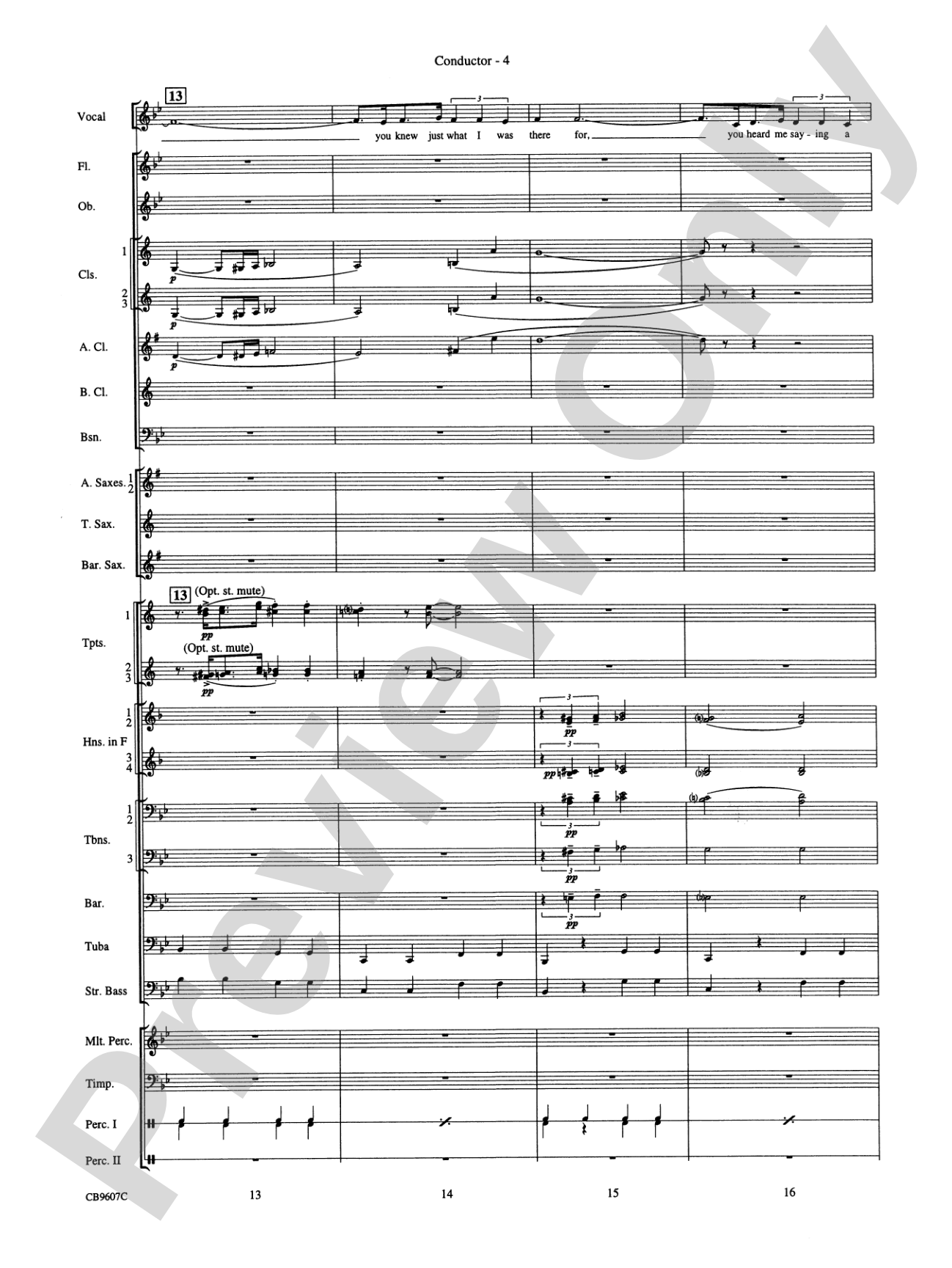
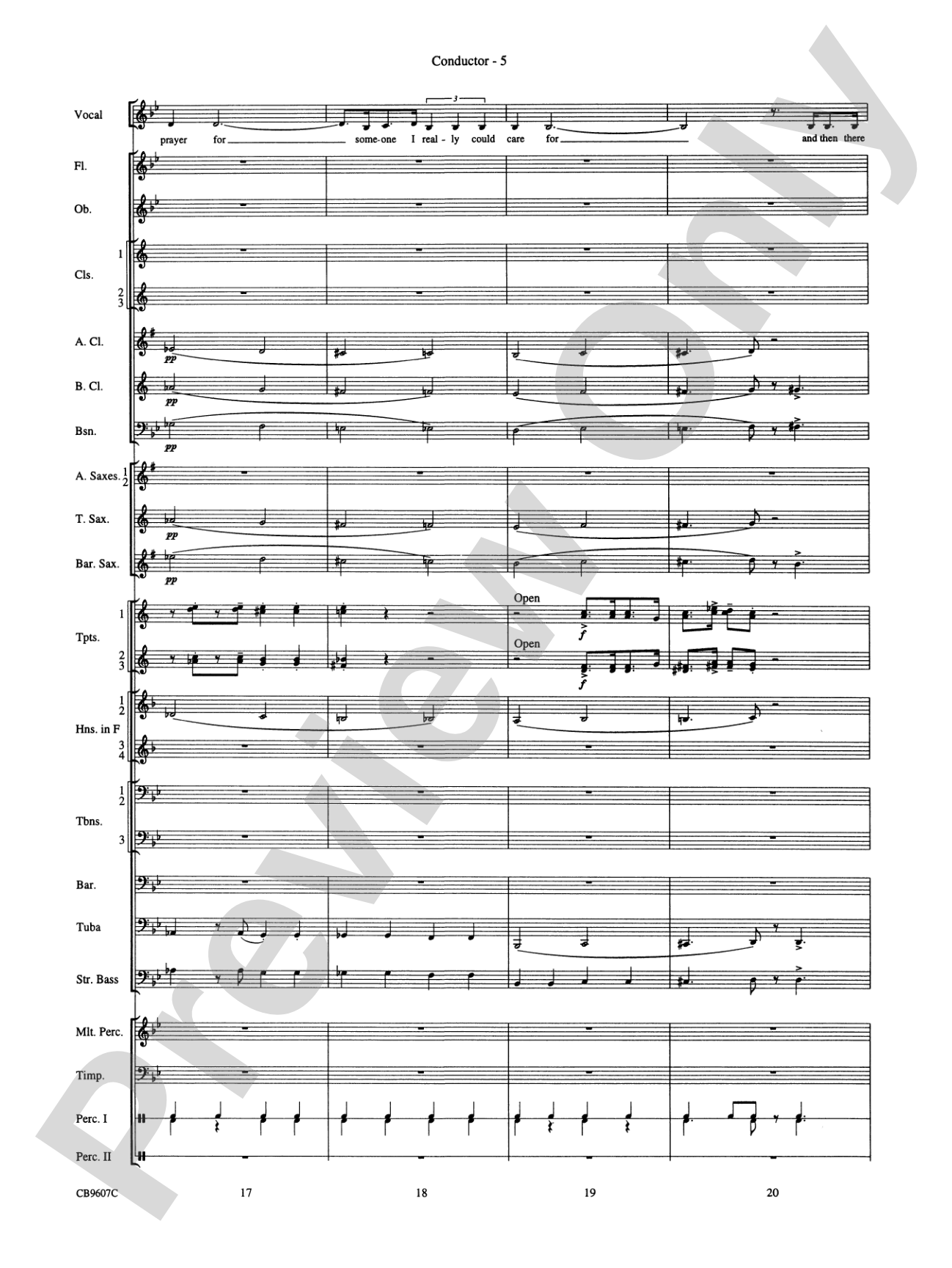
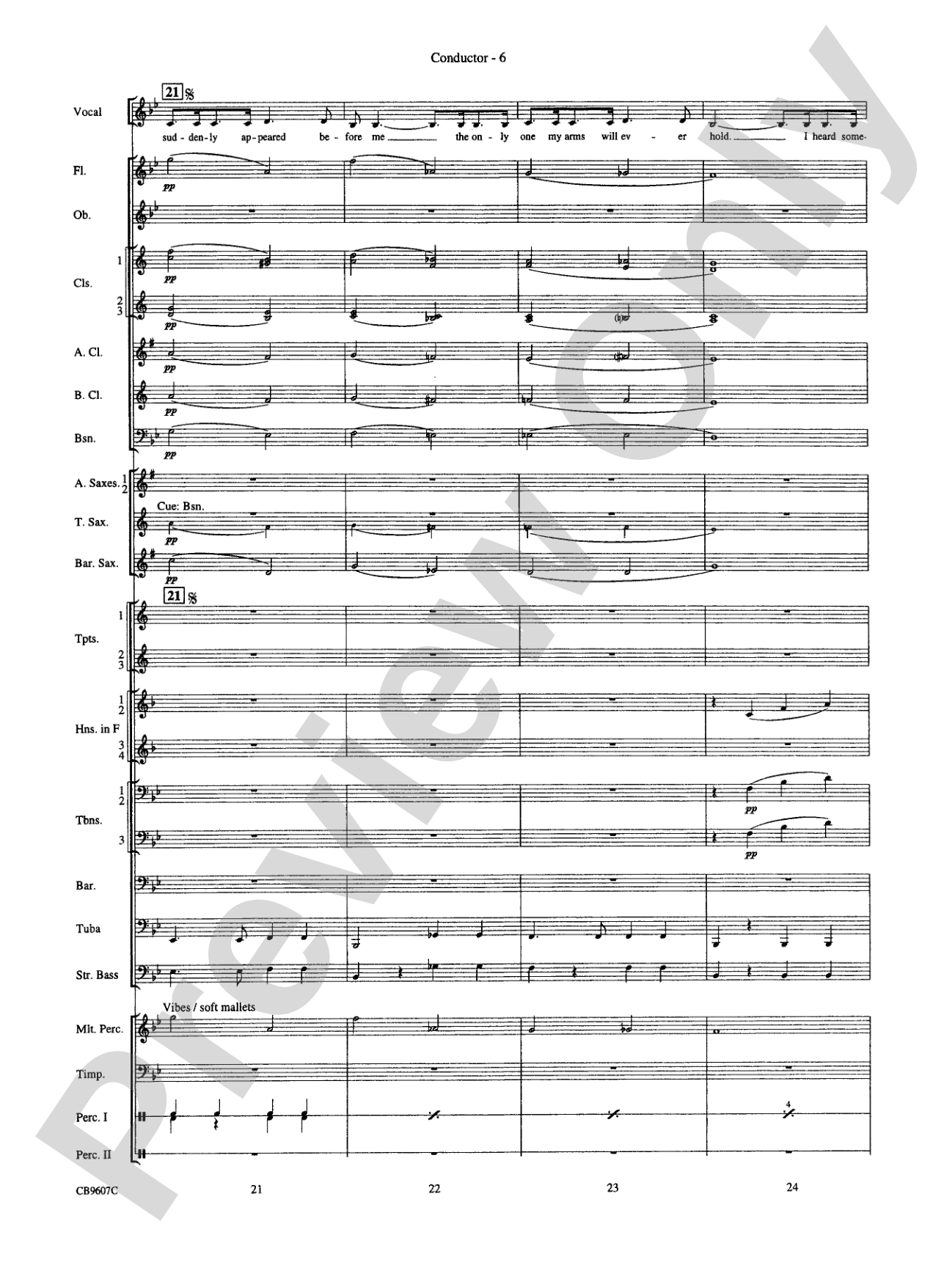
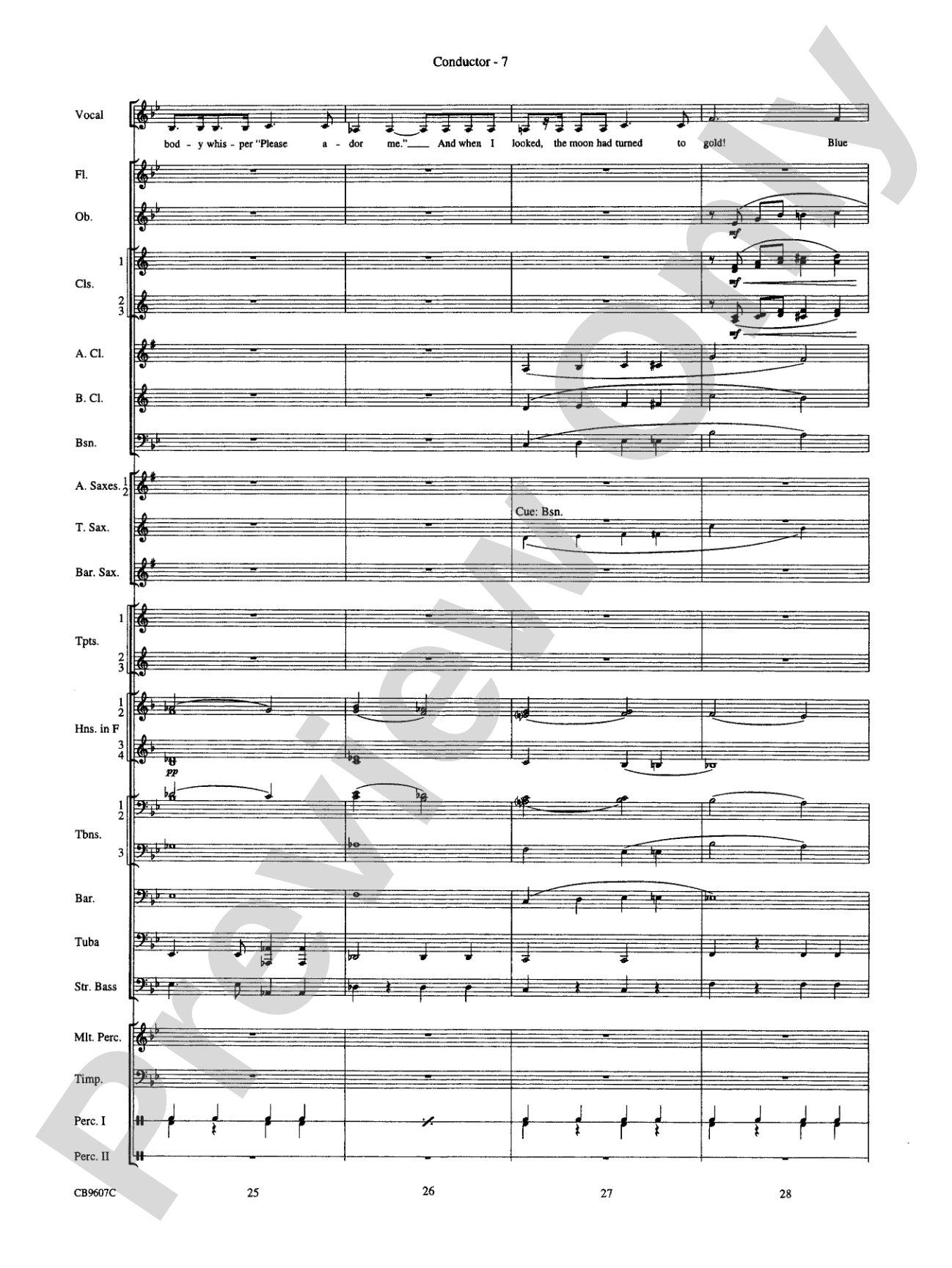
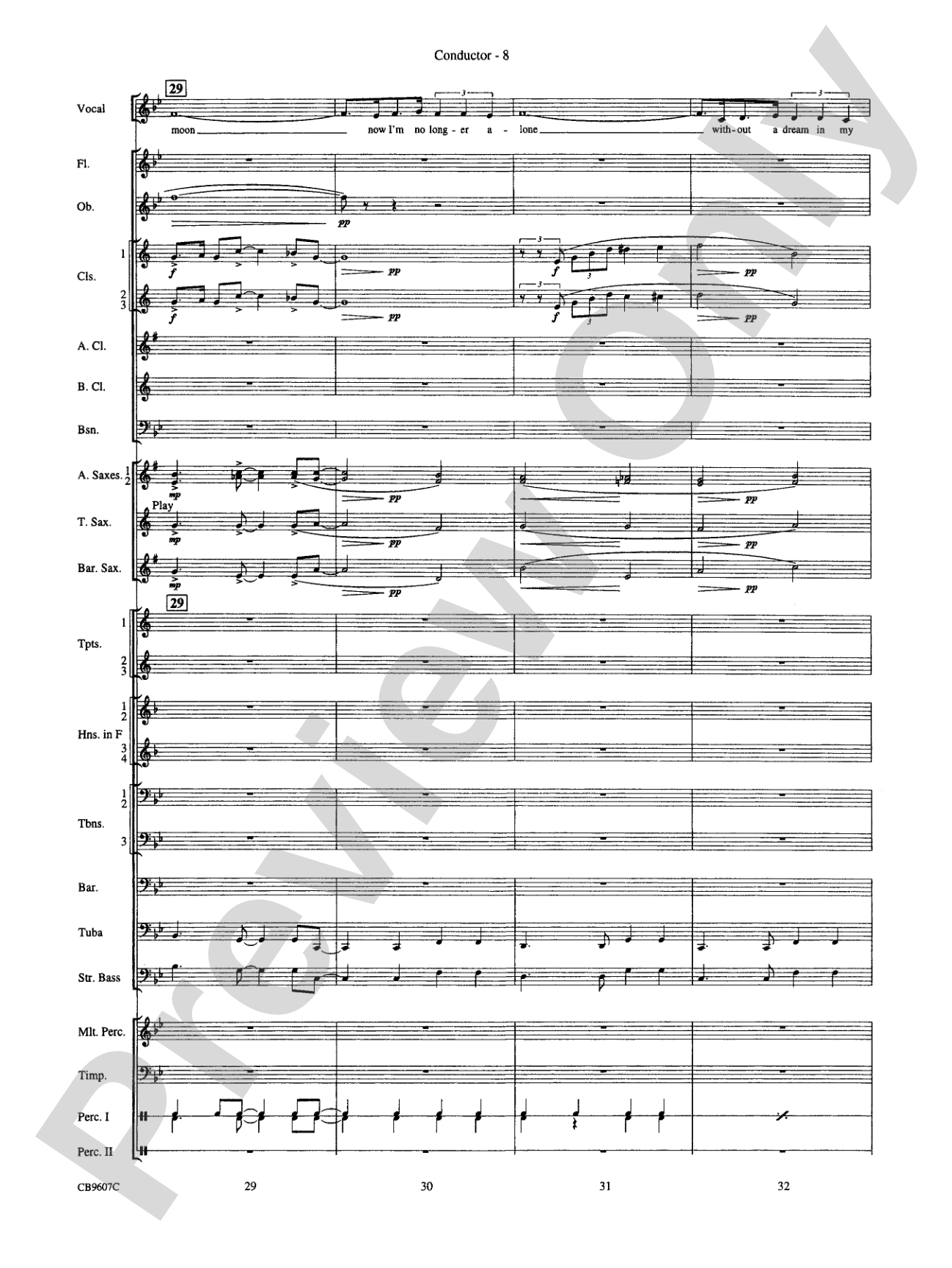
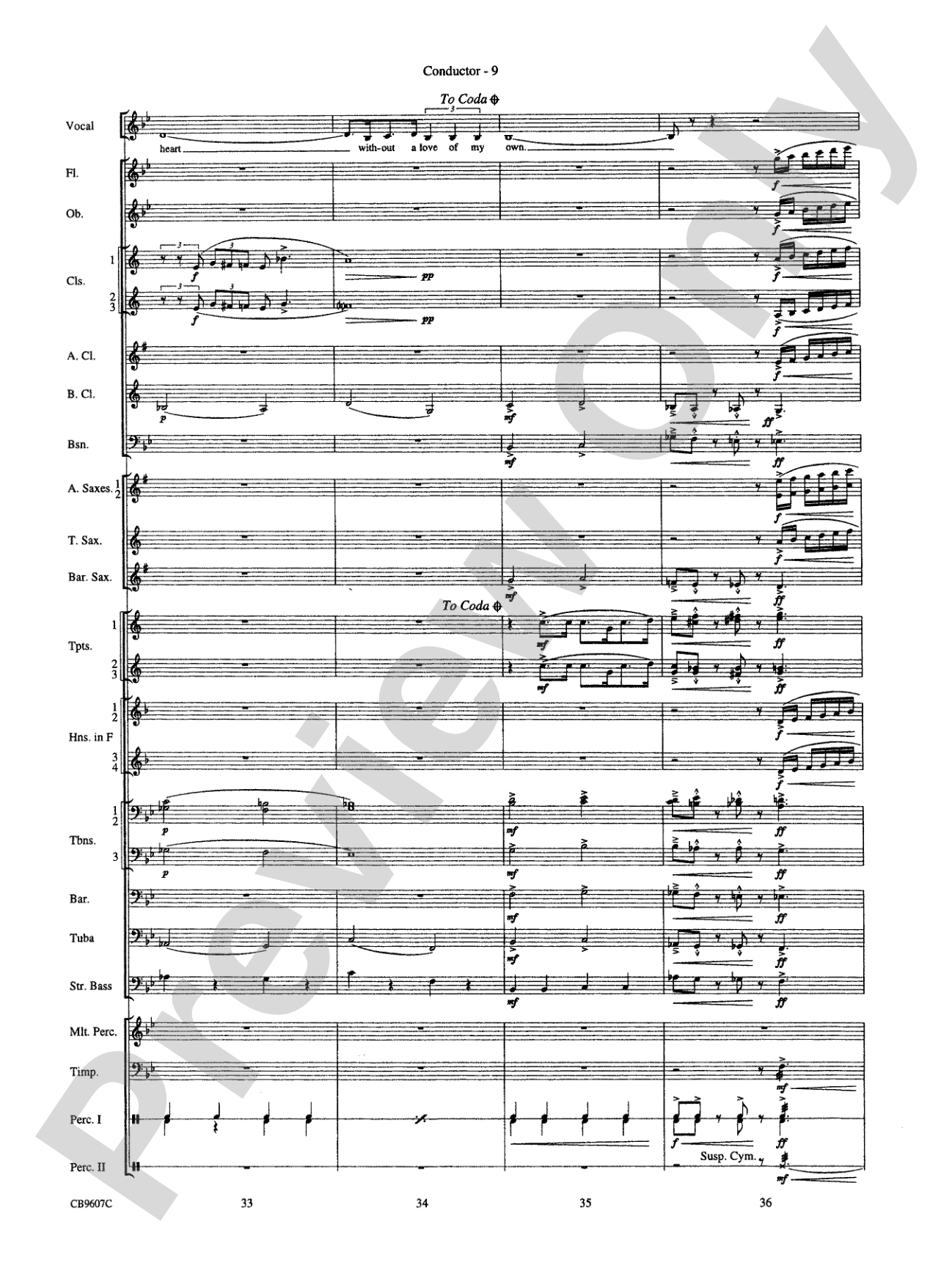
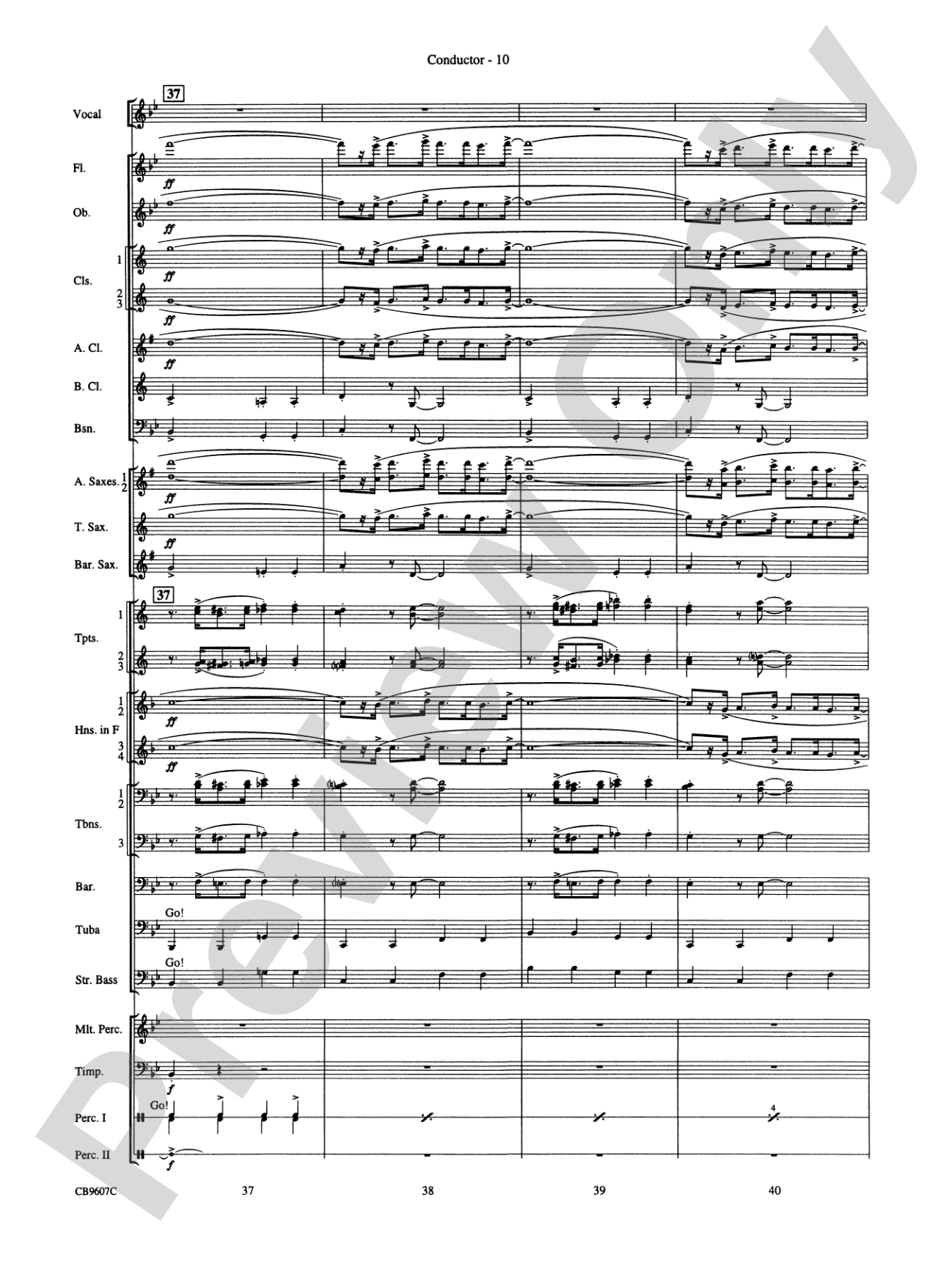
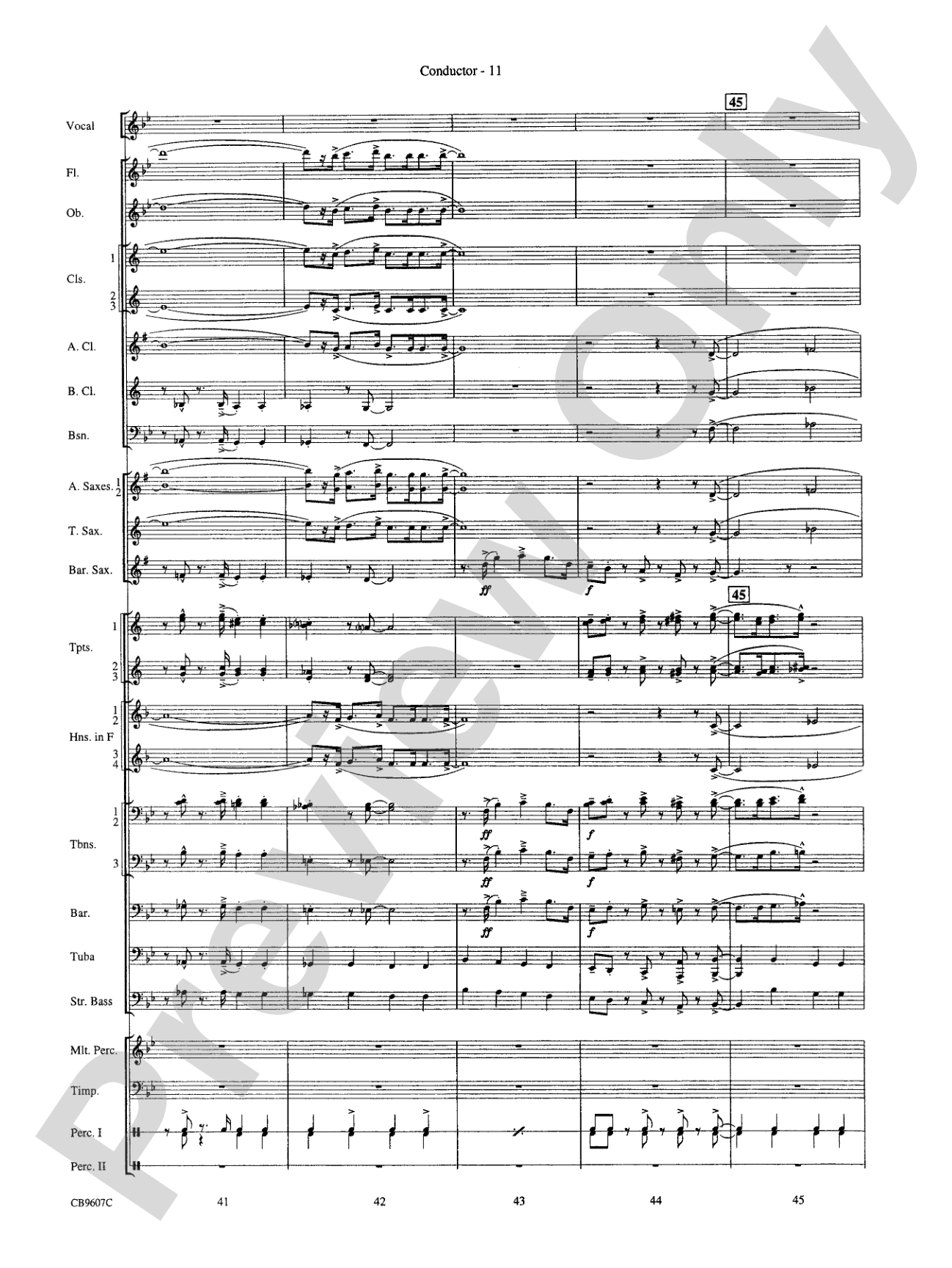
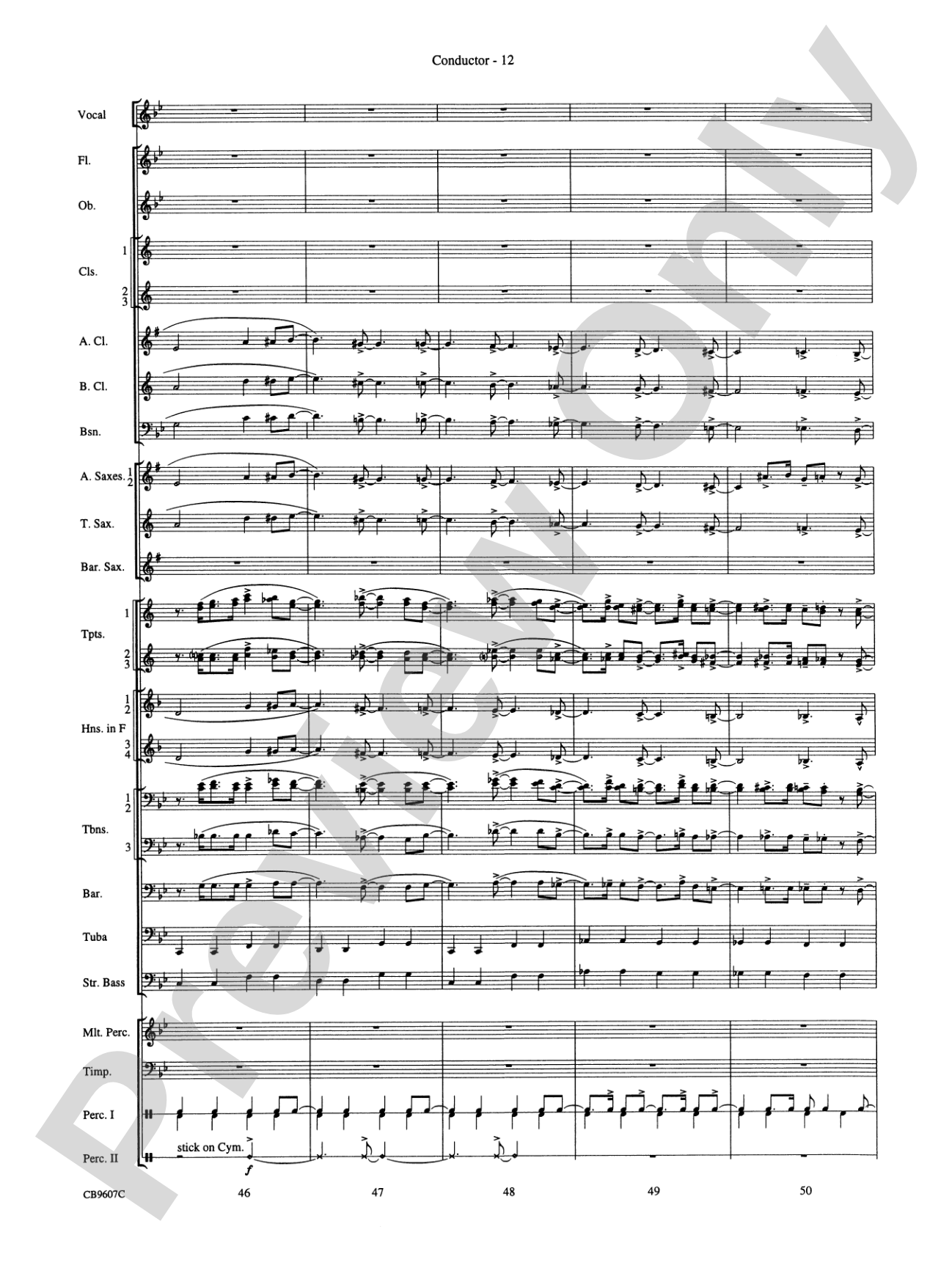
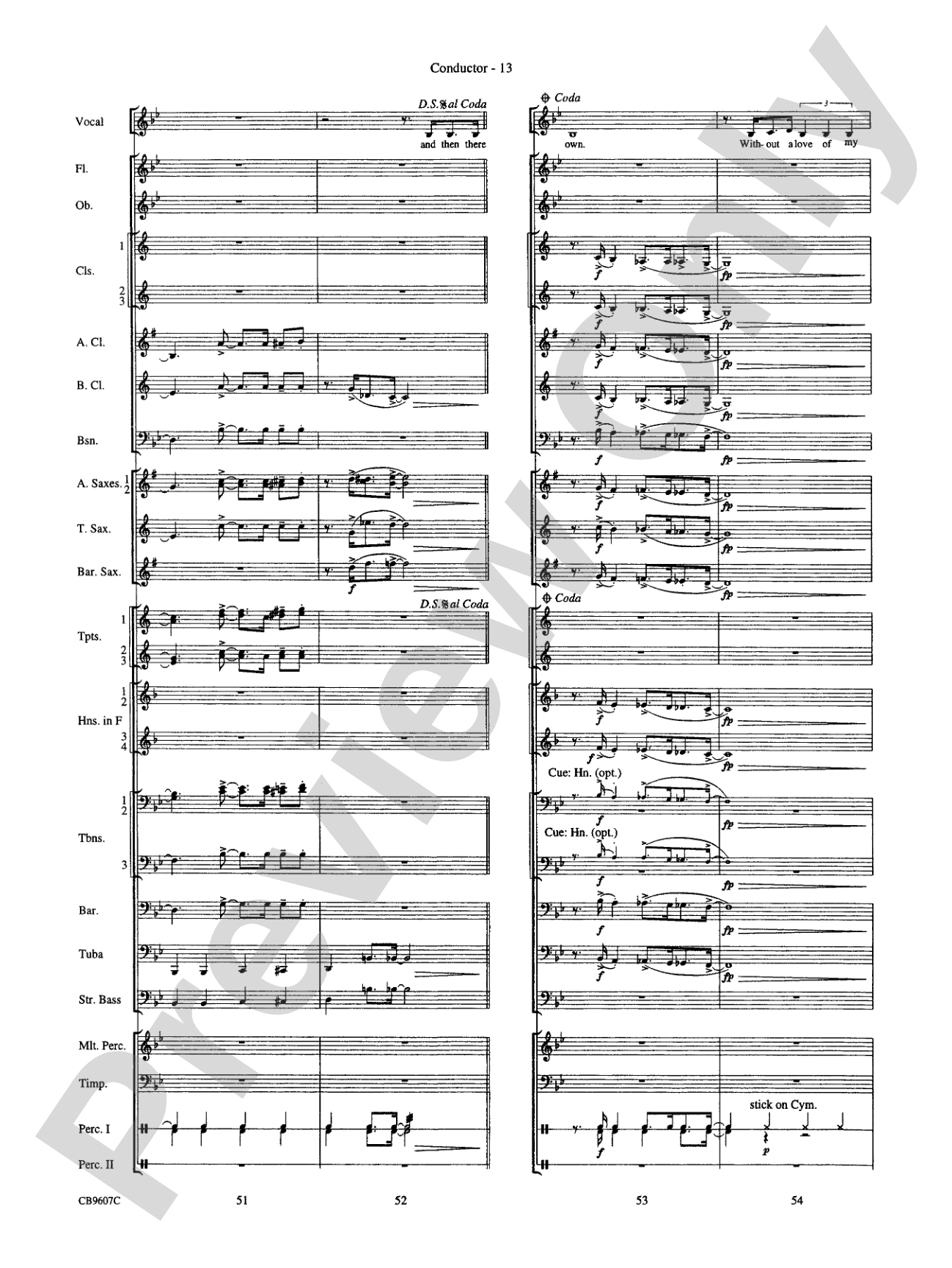
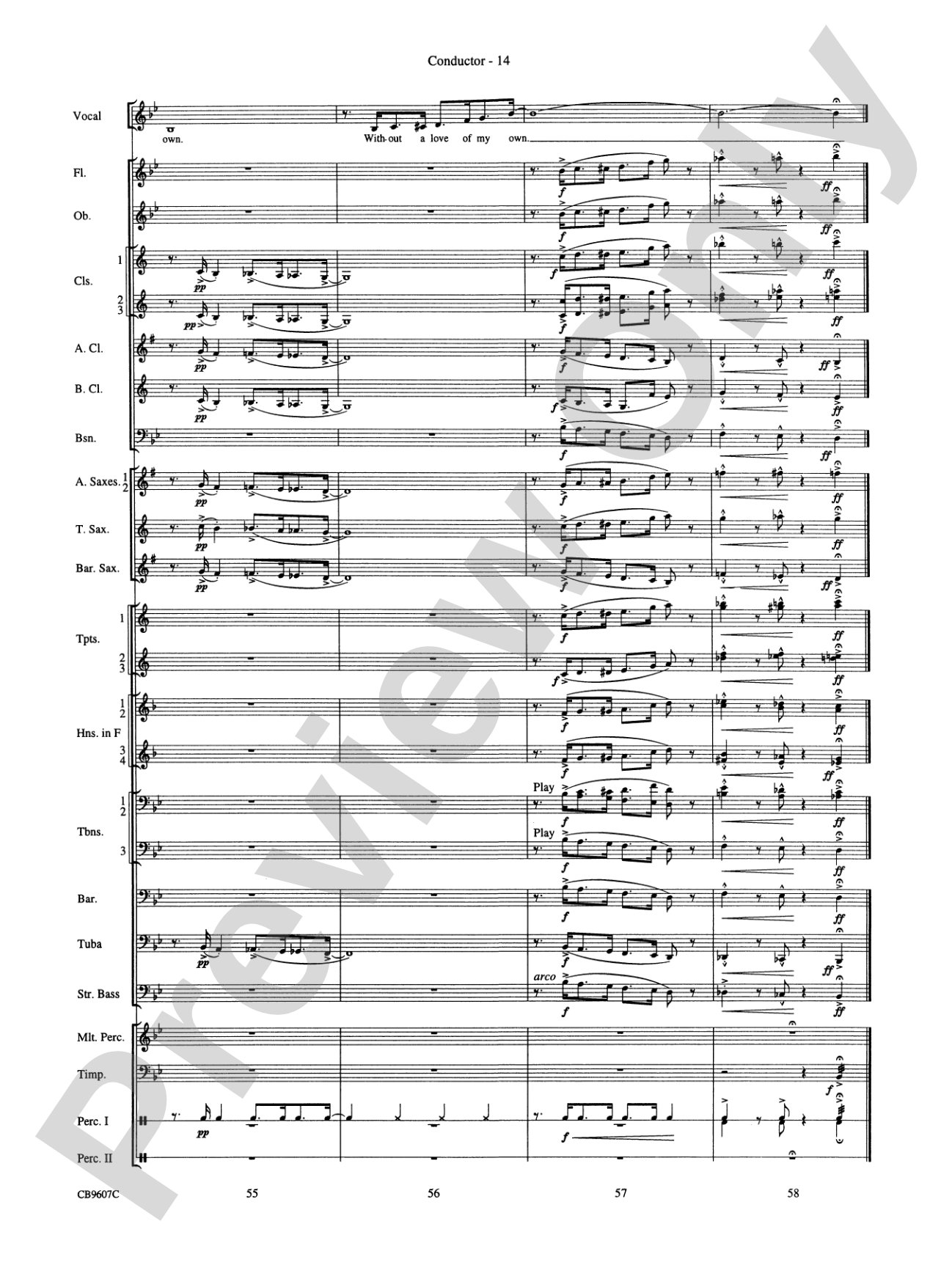


Blue Moon: Concert Band Conductor Score & Parts
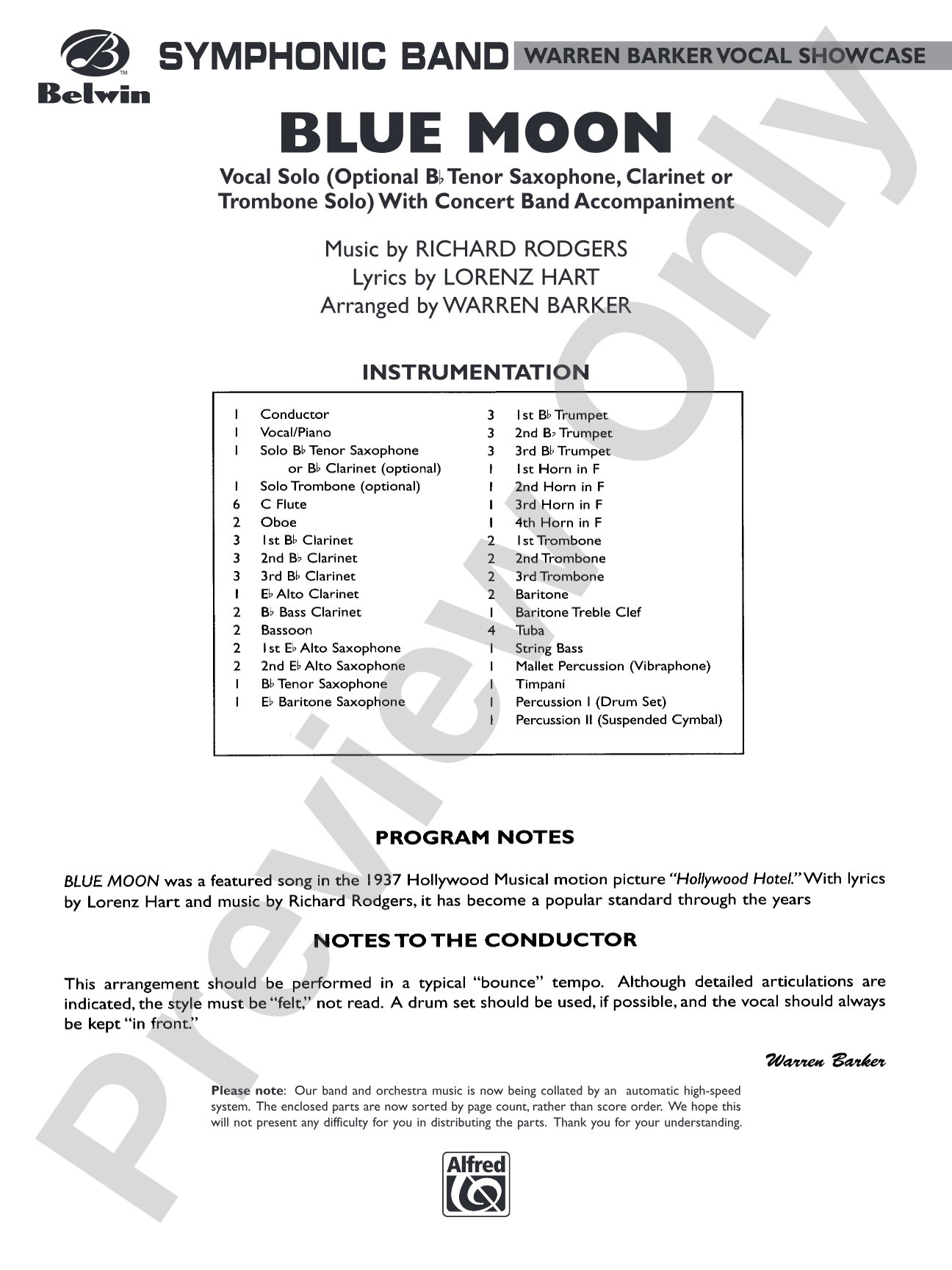
Music by Richard Rodgers, lyrics by Lorenz Hart / arr. Warren Barker
Grade: 5 (Medium Advanced)
Item: 00-PK-0002323

$87.00
One moment…
Description
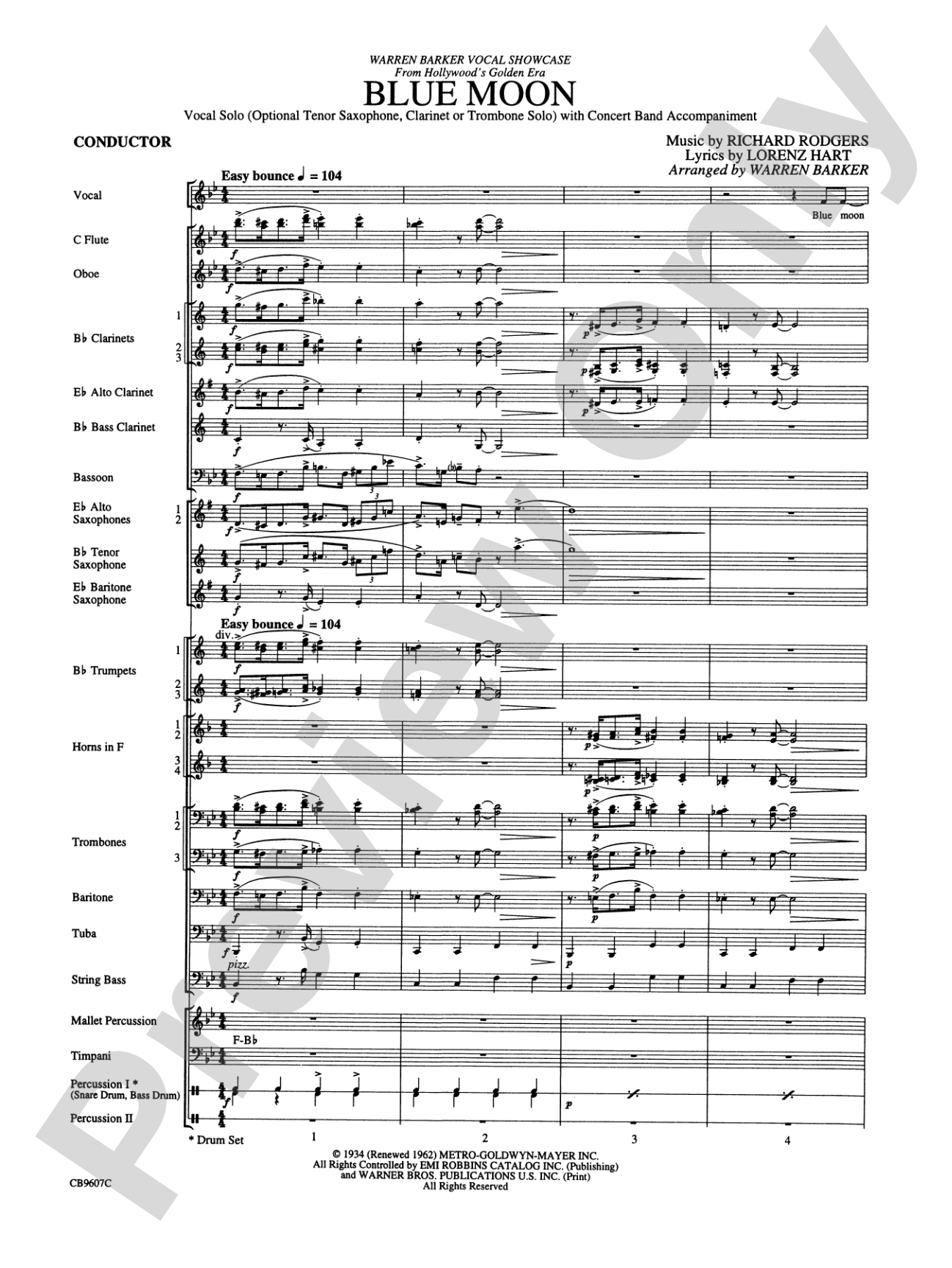
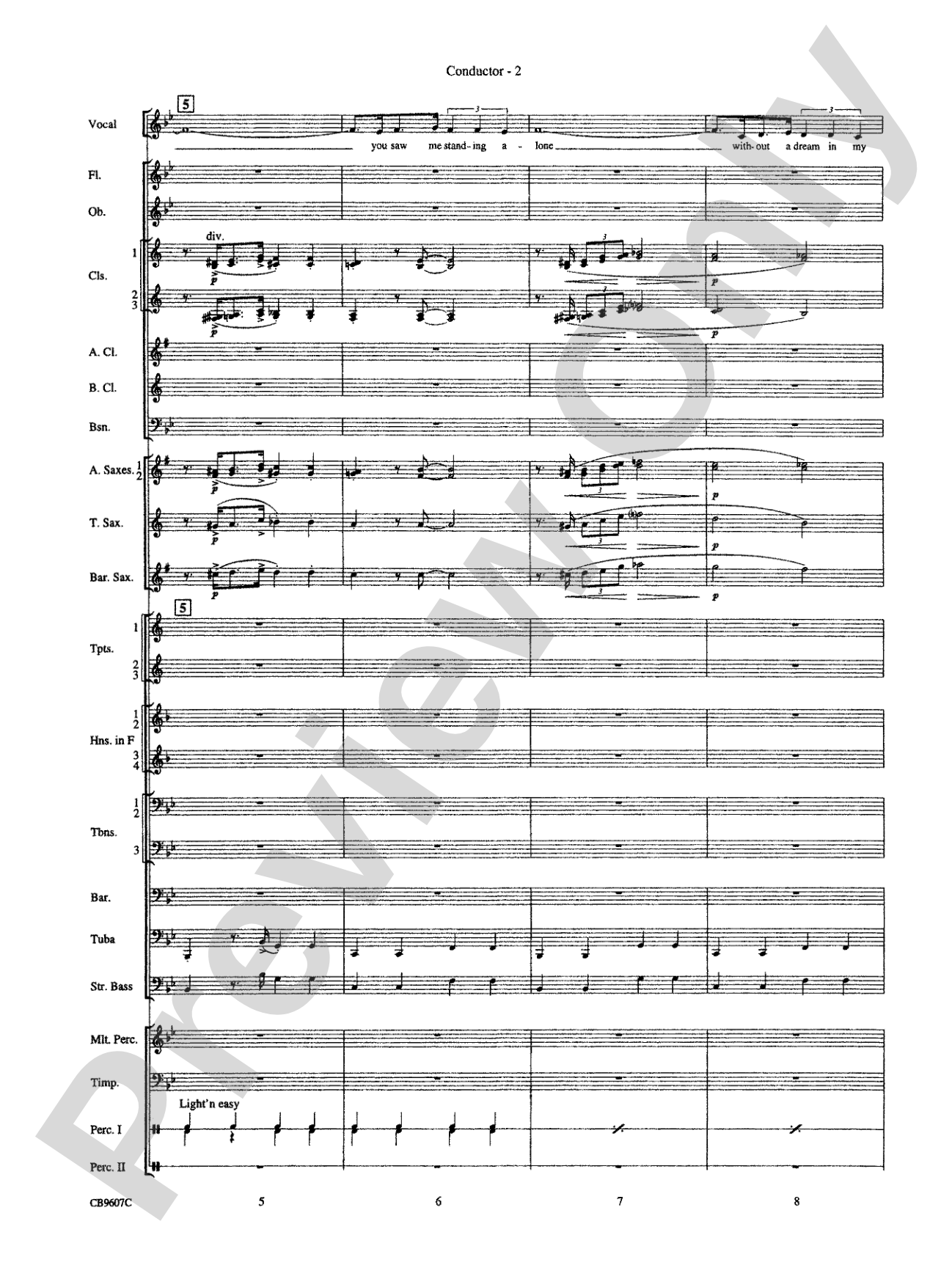
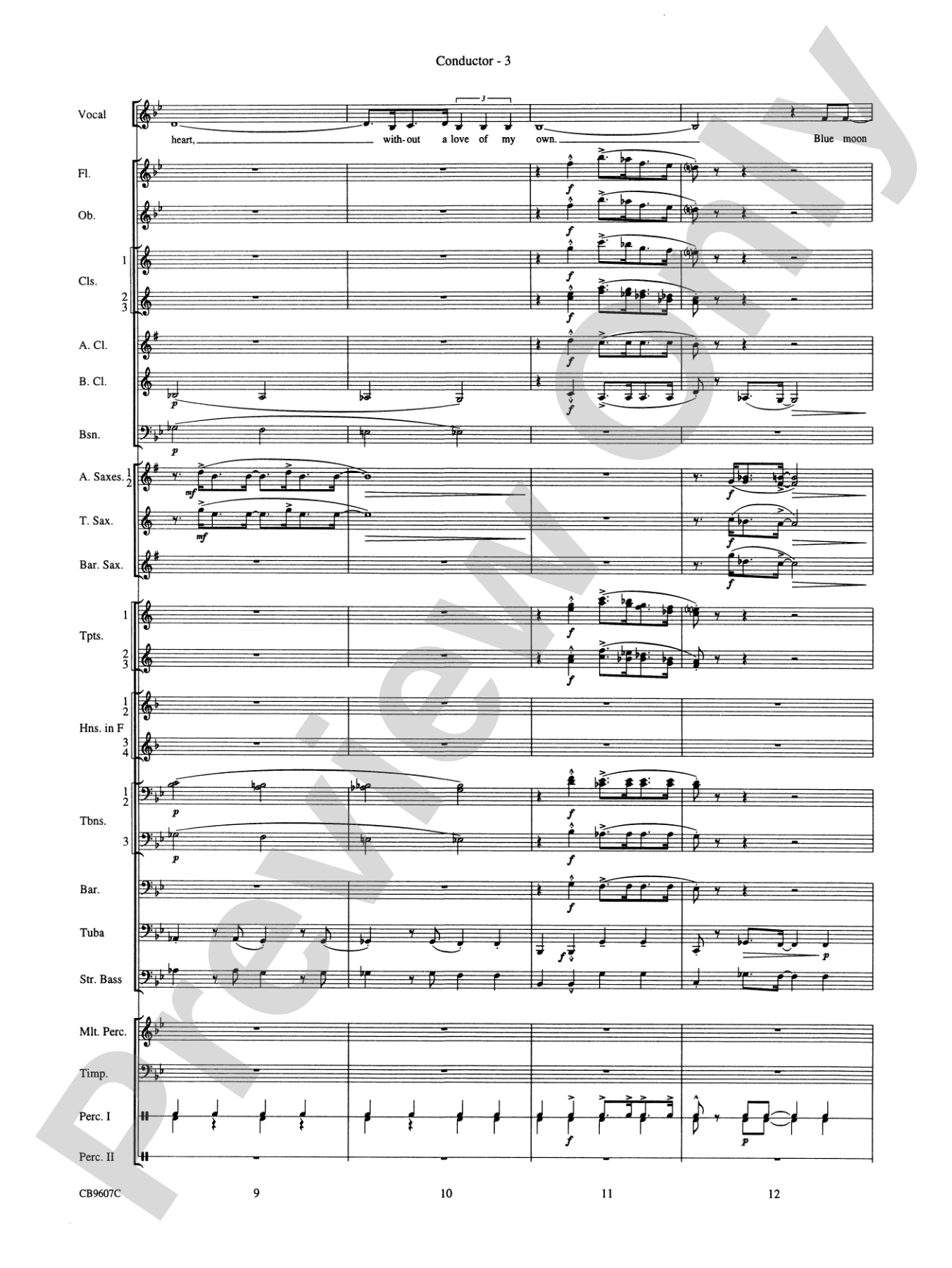
You can't keep a good song down! Written more than fifty years ago, this timeless ballad endures as new singers discover its delightful lyric message and very satisfying melodic and harmonic content. Warren Barker's oh-so-smooth scoring of "Blue Moon" guarantees that another generation will fall in love with this song. (Vocal range, A-flat below staff to third line B-flat, treble clef) (3:05)


Don't just read it, hear it, play along with it, and watch your students grow with it. In MakeMusic Cloud, Blue Moon: Concert Band Conductor Score & Parts comes alive with professional accompaniment, adjustable tempo, and built-in practice tools that turn solo practice into real progress.
Open in the Player
Jump straight in and assign it today.
Start Your Free Trial
Open this title and explore the full library in minutes.
Sample Audio
1
Audio File
--:--
0:00
0:00
Sample Video
No sample videos found.
Additional Details
Series:
Pop Symphonic Band
Publisher:
Alfred Music
Page Count:
62
SKU:
00-PK-0002323
More about this title
About the Composer: Richard Rodgers
Richard Rodgers (1902-1979) stands as one of the most prolific and successful composers in American musical theater. Across a career spanning five decades, he created the scores for some of Broadway's most enduring shows, collaborating first with lyricist Lorenz Hart and later with Oscar Hammerstein II. His gift for melody was immediate and instinctive; songs like "Blue Moon," "My Funny Valentine," and "Some Enchanted Evening" became standards precisely because their emotional directness and harmonic sophistication made them memorable from first hearing.
For music educators, Rodgers represents the gold standard of accessible sophistication. His melodies sit naturally in the voice, his harmonies reward close listening without obscuring the tune, and his orchestrations demonstrate how to enhance without overwhelming. These qualities make his work invaluable in the concert band repertoire, where clarity and craft matter equally.
Why we love this
Warren Barker's arrangement captures everything that made 'Blue Moon' endure: the lush harmonic palette, the effortless singability, and a sense of nostalgic sophistication that appeals across generations. The 3:05 runtime fits concert programming naturally, and the Grade 5 difficulty lands at that sweet spot where technical demands challenge advancing students without overshadowing the music's emotional core.
What to expect
Warm and reflective, with the kind of harmonic richness that makes you want to linger on each chord. The orchestration gives every section moments to shine while never losing sight of the elegant simplicity at the heart of the melody. It feels like discovering why a song has lasted seventy years: the craft is evident, but it never announces itself.
Who it's for
Concert bands at the Grade 5 level looking to add a celebrated standard to their nostalgia or pops programming. This arrangement works equally well for mixed ensembles featuring a vocalist or as an instrumental feature that highlights the band's ability to deliver sophisticated harmonic color without sacrificing clarity.
How to get the most out of it
- Balance the melodic line carefully across sections. The primary tune will move between instruments, so establish clear leadership and ensure phrase direction remains obvious even as orchestration shifts.
- Pay attention to the harmonic underpinnings; Rodgers built this song on rich seventh chords and chromatic voice leading that can muddy if the ensemble doesn't articulate cleanly. Light tonguing and precision help the harmony sing through.
- Shape each phrase with restraint. This is a ballad, not a march; resist the urge to over-conduct or rush tempo changes. Let the band hear the lyrical intent even without a vocalist present.
- Work the vocal range into your rehearsal communication (A-flat below staff to third line B-flat, treble clef) so any musicians doubling a singer or familiar with the vocal line understand where the melody sits.
How to use it
Program this as a bridge between classical or contemporary work and full pops programming. The sophisticated harmony and Barker's tasteful scoring make it work in mixed concerts, and the 3:05 duration gives you flexibility in concert flow. It also pairs naturally with other standards from the American songbook, creating a thematic set that appeals to audiences of all ages.
Skills your students will build
- Balancing melodic line and harmonic texture across multiple instrumental families
- Sustaining phrase shape and tempo in lyrical, non-marchlike settings
- Reading and interpreting harmonic color created through seventh chords and chromatic voice leading
- Ensemble blend and articulation control in legit (non-jazz) popular music contexts