
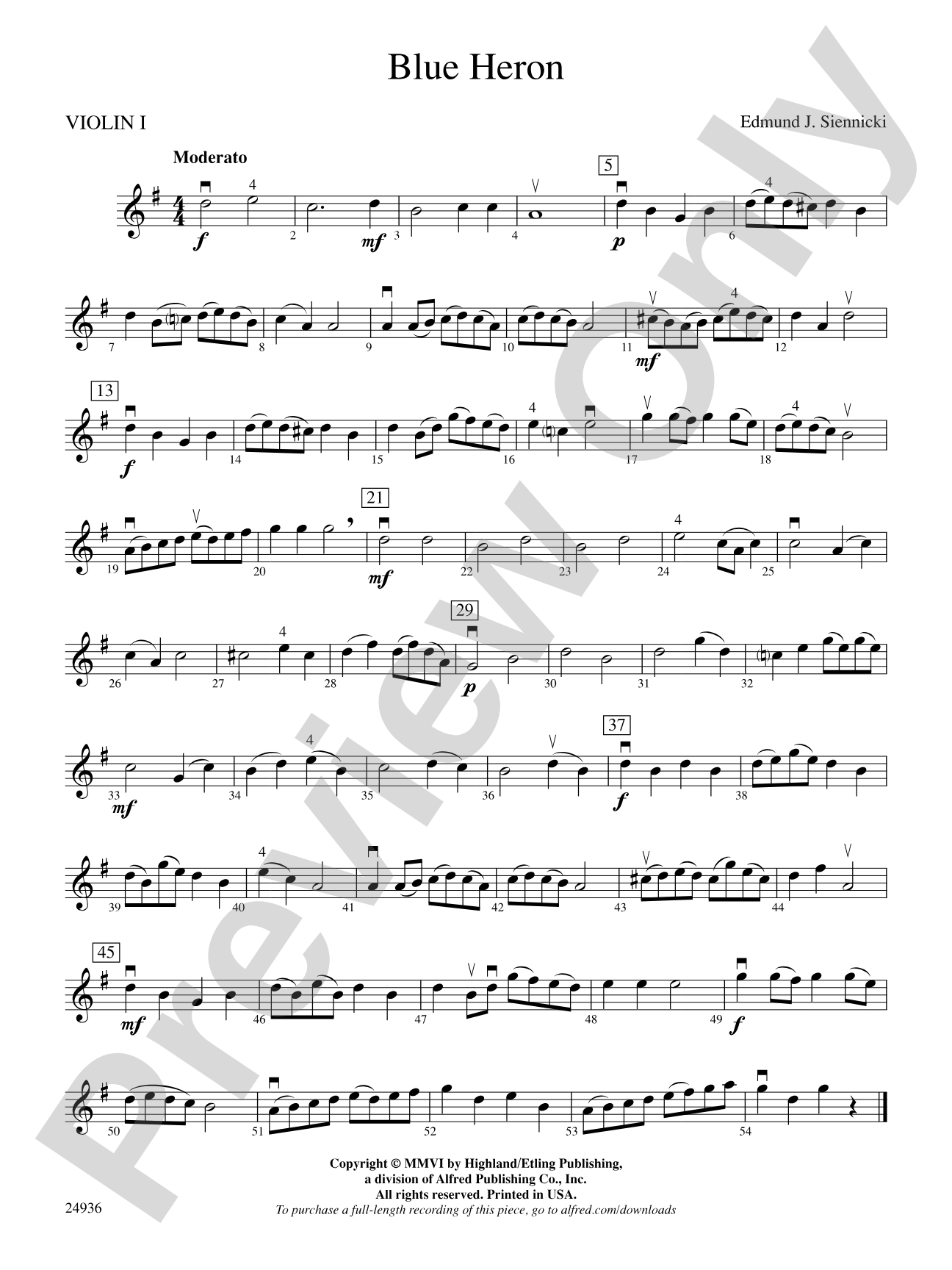

Blue Heron: 1st Violin
By Edmund J. Siennicki
Grade: 2
Item: 00-PC-0000928_VN1
$5.99
Pickup currently not available
Description
Imagine the stately bird, the blue heron, in the marshes along Lake Erie. When standing on one leg in the water, the bird is visible to the careful observer, yet their large wingspan makes them majestic flyers. This piece calls for a moderate tempo. After the short introduction, the next 16 measures are played piano, mezzo forte and forte. This is followed by two versions with variations. All players get to play the melody and bowings and dynamics make the music more interesting for the audience and performers as the piece comes to a loud ending.


Don't just read it, hear it, play along with it, and watch your students grow with it. In MakeMusic Cloud, Blue Heron: 1st Violin comes alive with professional accompaniment, adjustable tempo, and built-in practice tools that turn solo practice into real progress.
Open in the Player
Jump straight in and assign it today.
Start Your Free Trial
Open this title and explore the full library in minutes.
Sample Audio
1
Audio File
--:--
0:00
0:00
Sample Video
No sample videos found.
Additional Details
Series:
Highland/Etling Strictly Strings
Publisher:
Alfred Music
Page Count:
72
SKU:
00-PC-0000928_VN1
More about this title
About the Composer: Edmund J. Siennicki
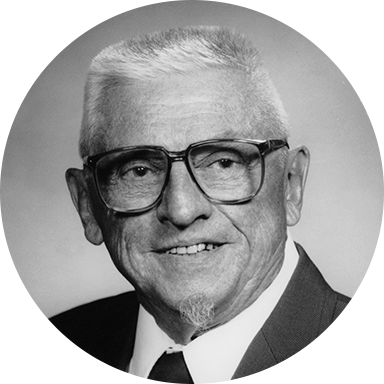
Edmund J. Siennicki was born in Cleveland, Ohio in 1920, where he would later spend his teaching career working with junior high school orchestras. At age twelve, he met the legendary pianist Ignacy Jan Paderewski, an encounter that profoundly shaped his musical direction. He earned his Bachelor's degree from Kent State University, where he also composed Fight On for KSU, a fight song still performed at university football games today. In 1994, Kent State recognized his contributions with its Distinguished Alumnus Award.
Siennicki's formal training in composition came through study with Herbert Elwell, and he further expanded his musical knowledge by studying electronic music with Sergio Barroso and consulting with Vincent Persichetti. He completed his Master's degree at Teachers College, Columbia University. As a performer, he worked professionally on bassoon and piano. His catalog includes approximately 200 published compositions, with several prize winners in the National School Orchestra composition contests. He served as composer in residence at the MacDowell Colony on two separate occasions and has received special recognition from ASCAP for two decades. Beyond his prolific compositional output, Siennicki has taught at Michigan and Kent State University and continues to visit schools and lead clinics.
Why we love this
Siennicki crafts accessible Grade 2 repertoire that still delivers genuine musical interest. The structure of Blue Heron gives every section a turn with the melody, building ensemble confidence while the varied bowings and dynamic shaping keep players and audiences engaged. Contest and festival programming becomes meaningful when Grade 2 orchestras can perform something this musically cohesive.
What to expect
Blue Heron evokes a moment of quiet observation followed by growing majesty. The piano opening feels almost like watching the bird's stillness in the water, then the piece unfolds with increasing momentum and color as the heron takes flight, wings spread wide. By the final measures, the orchestra soars with the bird.
Who it's for
String orchestras at the Grade 2 level preparing for contests, festivals, or concert performances. This piece works equally well for groups building confidence with melody sharing and those ready to explore dynamic control and bowing variety as expressive tools.
How to get the most out of it
- Shape the introduction with care to establish the blue heron's presence before the melody enters. A clean articulation here sets the tone for what follows.
- Balance the sustained piano and mezzo forte passages by ensuring the melody line carries above the accompaniment, even at softer dynamics.
- Build intensity gradually through the two variations, using the bow distribution and dynamic markings as your roadmap. The "loud ending" works best when audiences hear the contrast from what came before.
- Assign bowings clearly in rehearsal so all players execute them together. Coordinated bow strokes in the variations create the visual and sonic interest Siennicki intended.
How to use it
This piece fits perfectly into a concert where you want to showcase your orchestra's growing musicality without requiring advanced technical skills. Pair it with other nature-inspired works or use it as a centerpiece of a spring concert. Its festival appeal also makes it an ideal choice for competitive programming when you need Grade 2 literature that engages both players and judges.
Skills your students will build
- Playing melody across all voice parts in an ensemble
- Dynamic control and contrast within a moderate tempo framework
- Coordinated bowing techniques and articulation
- Sustaining phrases at soft to moderate volumes without balance loss
- Contributing to ensemble shape during sectional and full variations