
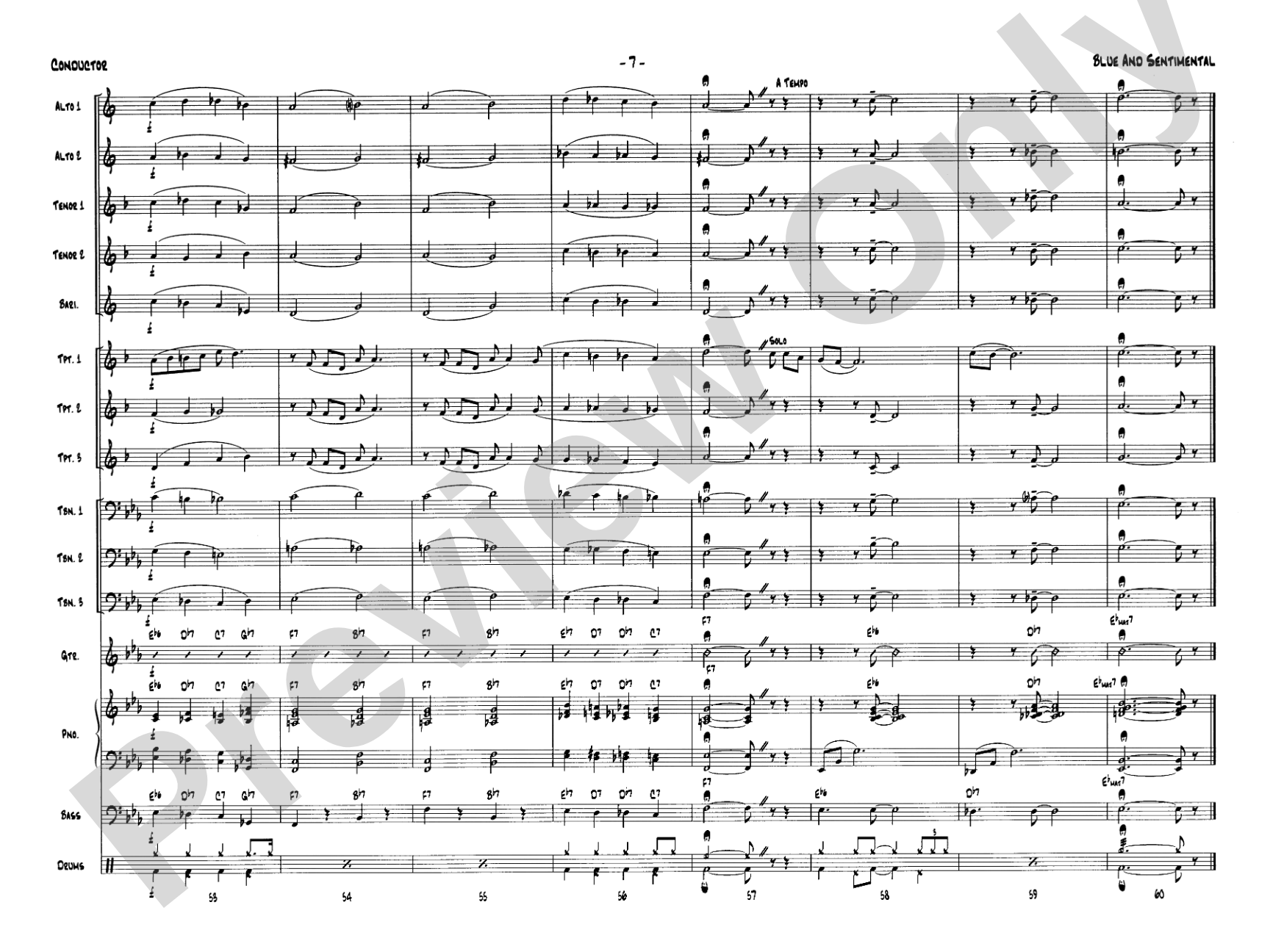




Blue and Sentimental: Jazz Ensemble Conductor Score & Parts
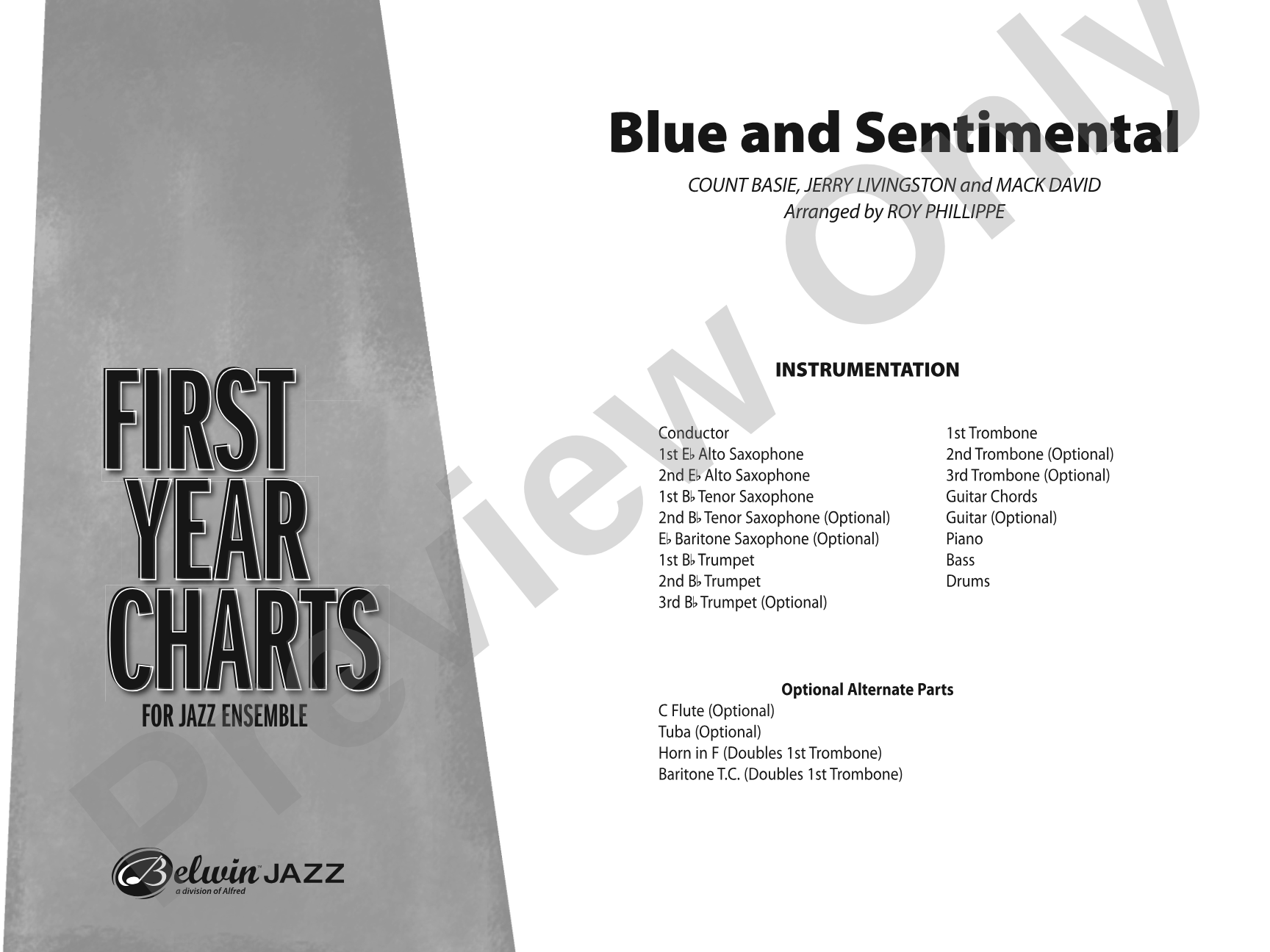
By Count Basie, Jerry Livingston, and Mack David / arr. Roy Phillippe
Grade: 1 (Easy)
Item: 00-PK-0002521

$42.00
One moment…
Description
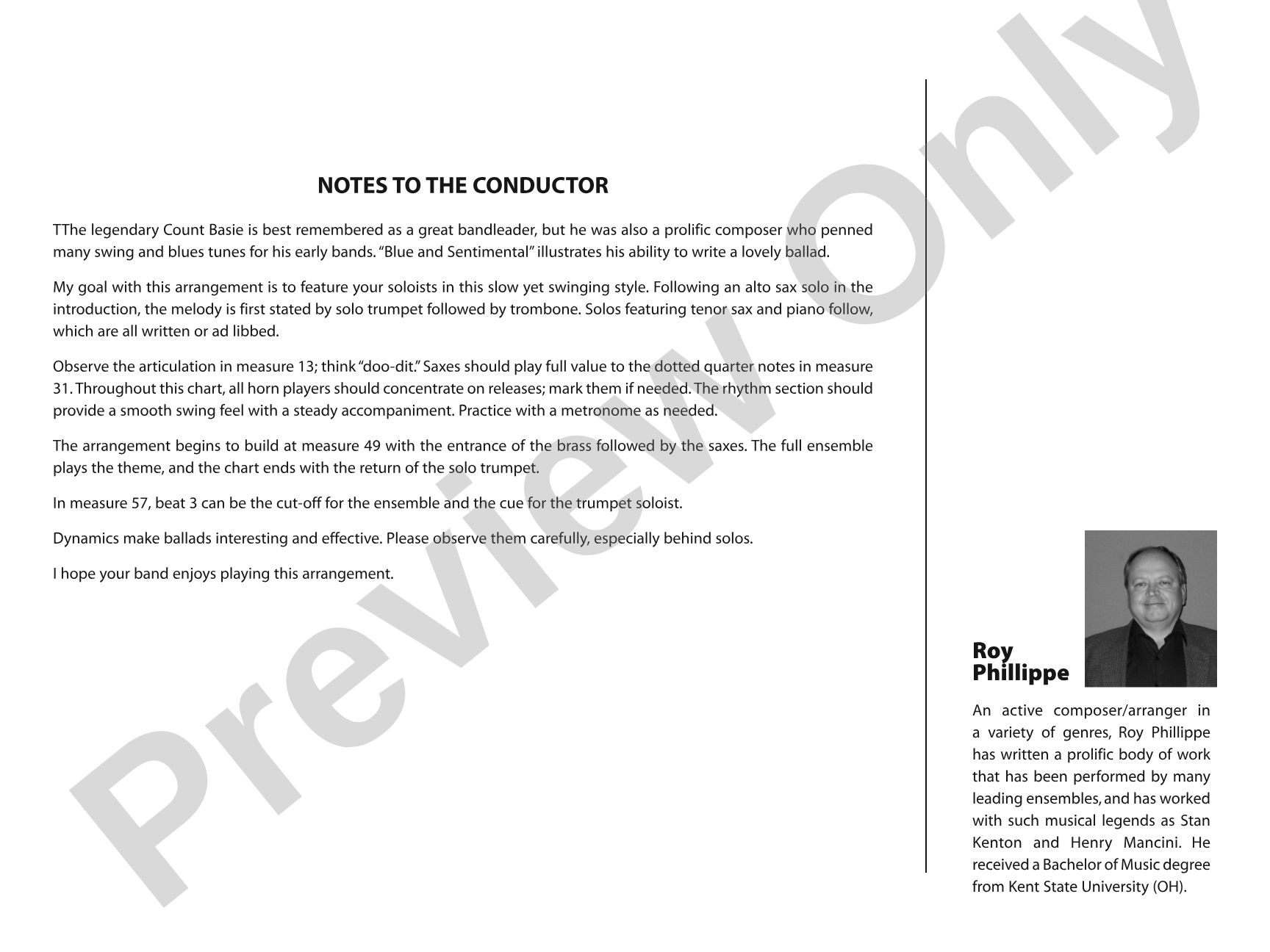
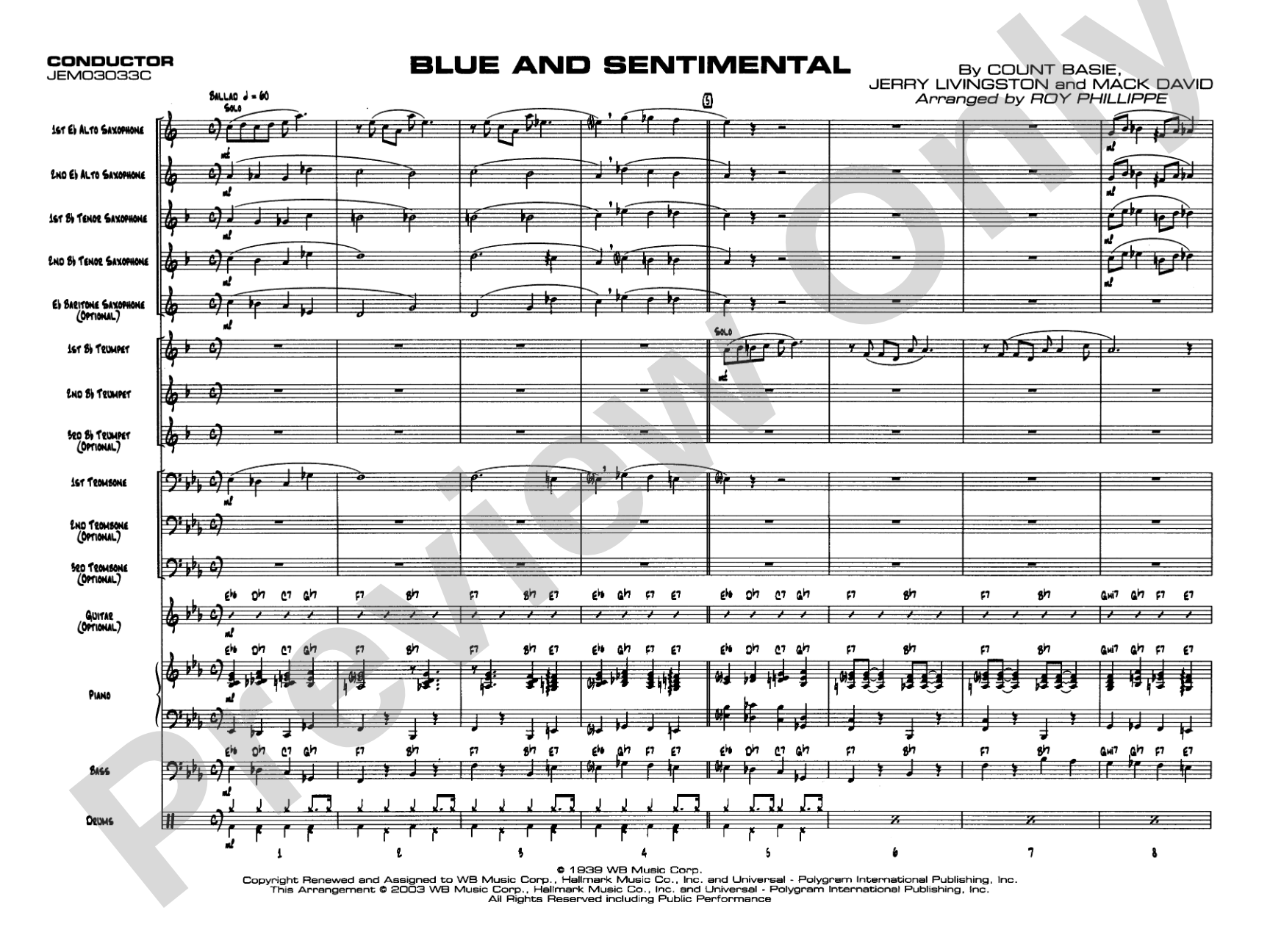
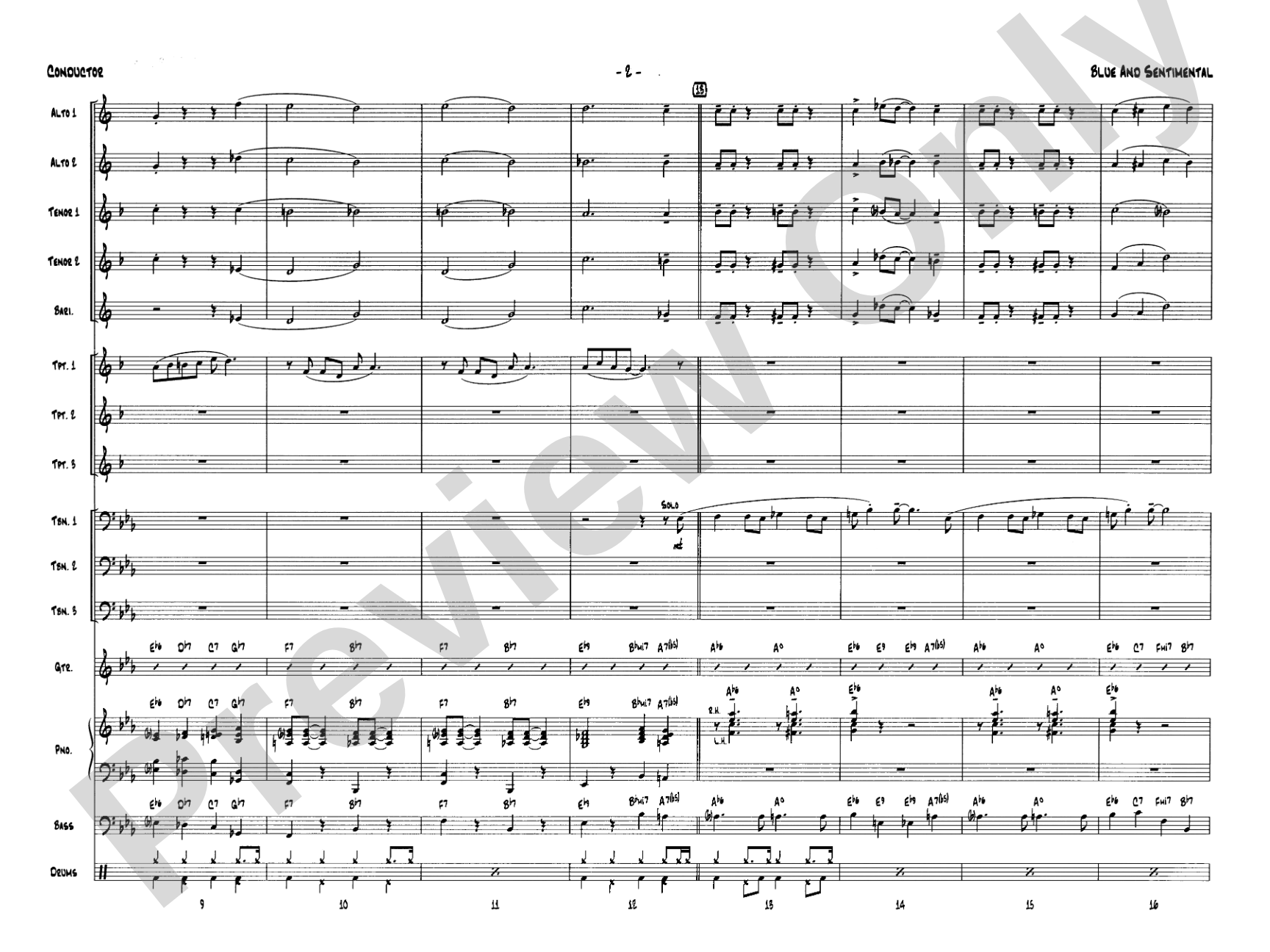
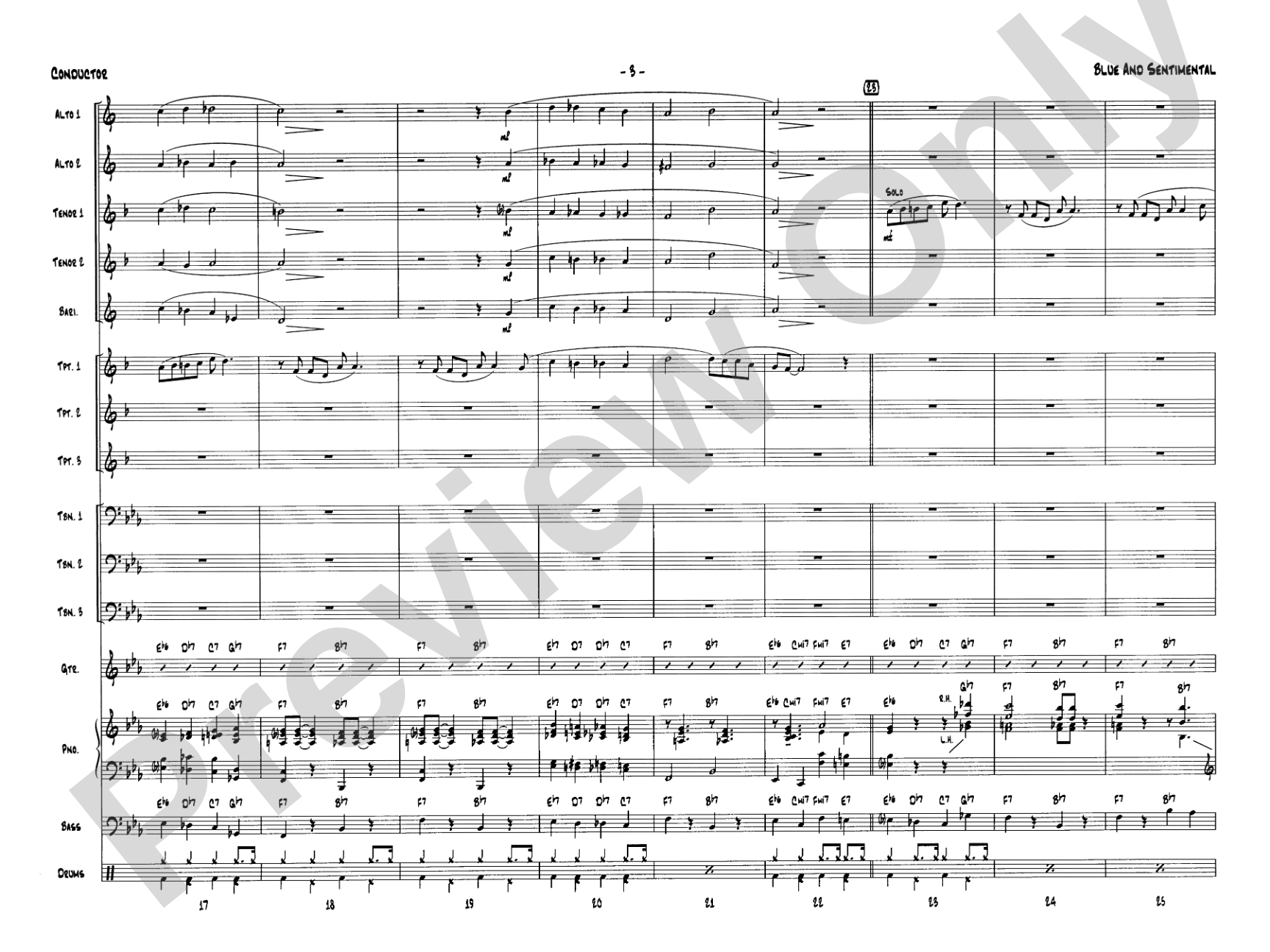
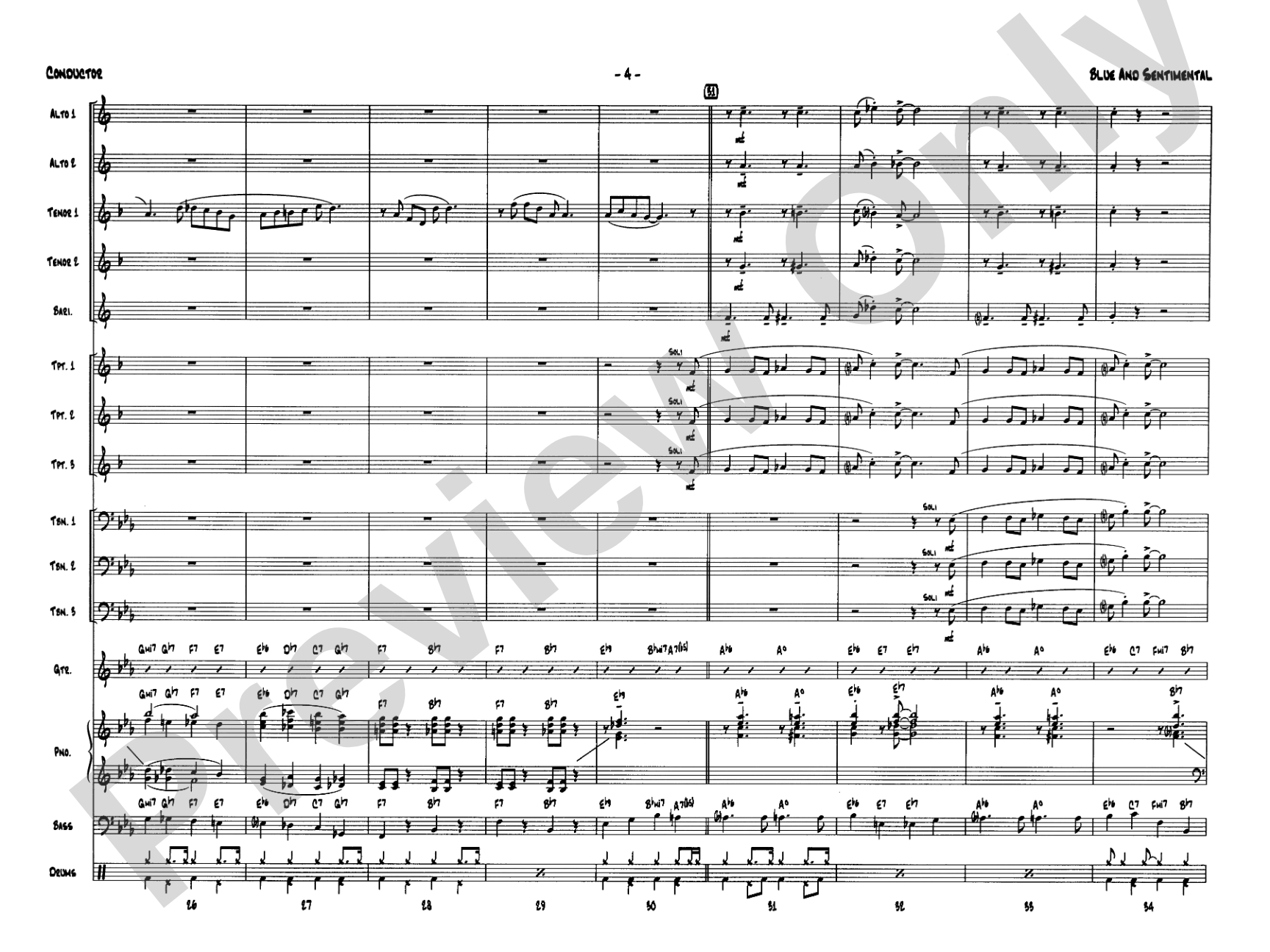
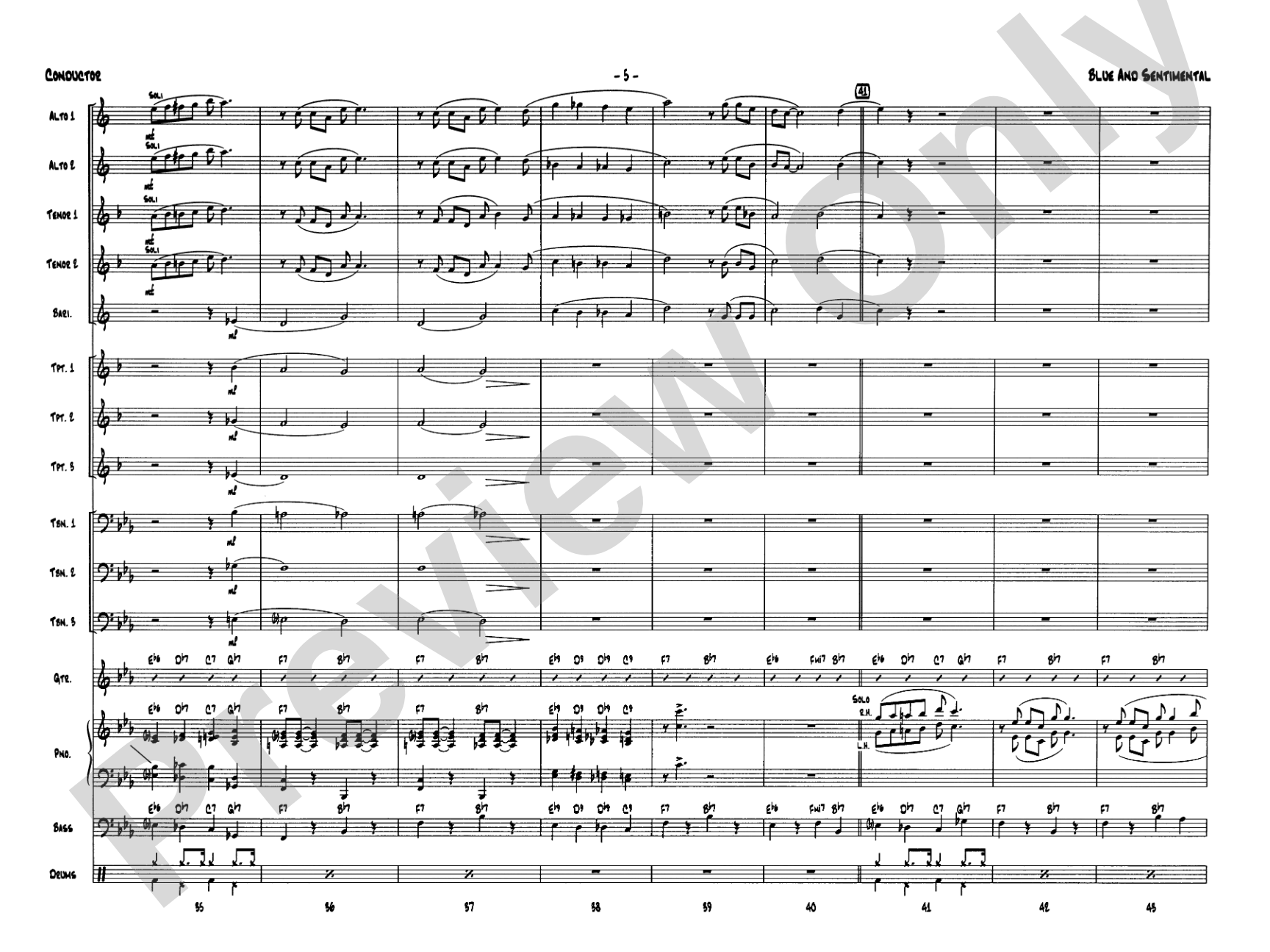
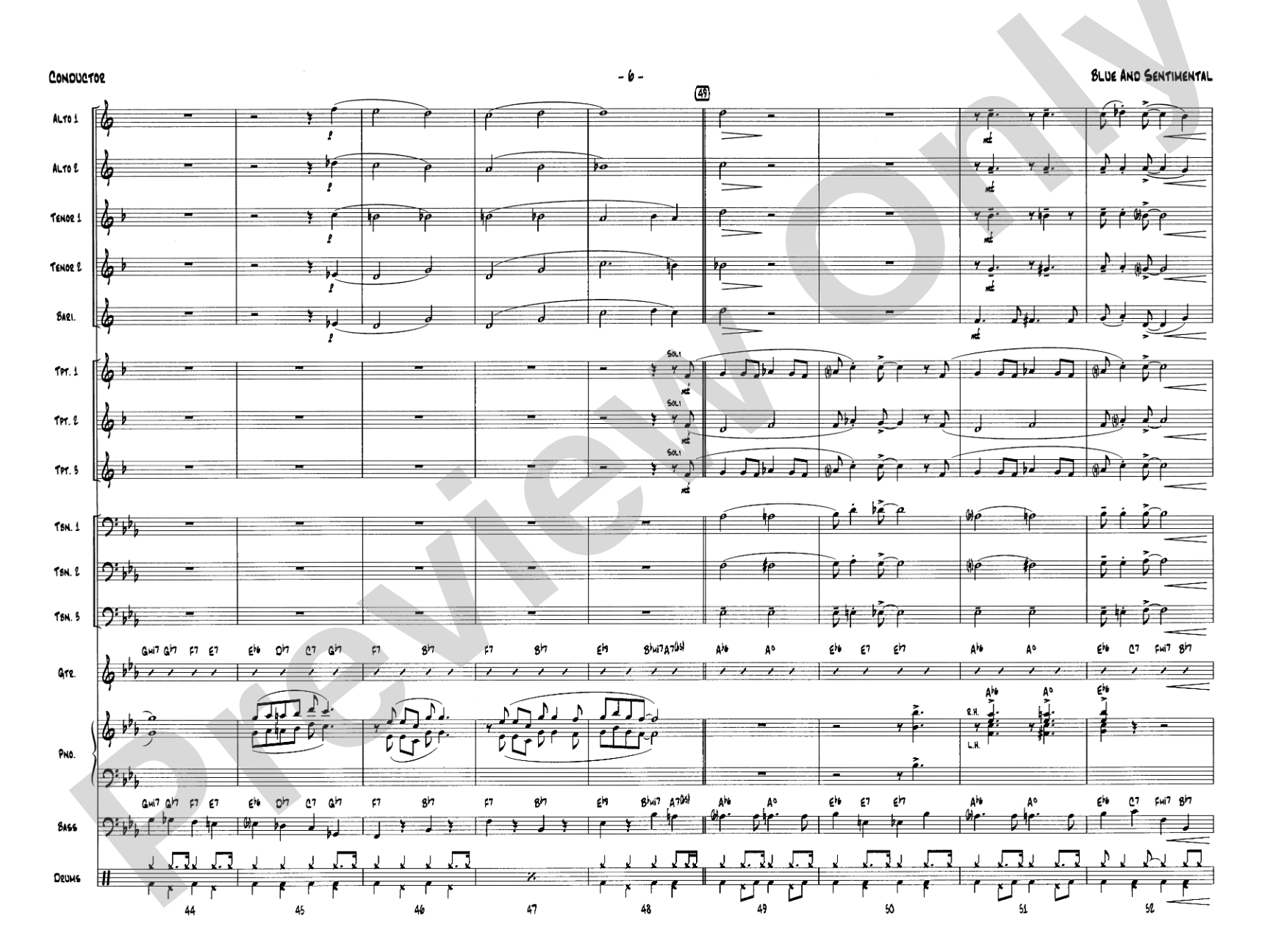
Count Basie is also known as a composer. This slow swing composed by the legendary Count and arranged by Roy Phillippe will make your young band sound like old pros. Written solos bounce around the band for alto sax, trumpet, trombone, tenor sax, and piano to spread out the opportunity to solo. Simple rhythms, easy ranges, and a nice melody provide the ideal setting for the young player to play jazz. The Count would dig this chart.


Don't just read it, hear it, play along with it, and watch your students grow with it. In MakeMusic Cloud, Blue and Sentimental: Jazz Ensemble Conductor Score & Parts comes alive with professional accompaniment, adjustable tempo, and built-in practice tools that turn solo practice into real progress.
Open in the Player
Jump straight in and assign it today.
Start Your Free Trial
Open this title and explore the full library in minutes.
Sample Audio
1
Audio File
--:--
0:00
0:00
Sample Video
No sample videos found.
Additional Details
Series:
First Year Charts for Jazz Ensemble
Publisher:
Alfred Music
Page Count:
50
SKU:
00-PK-0002521
More about this title
About the Composer: Count Basie
Count Basie (1904–1984) fundamentally changed how big bands sound. His Kansas City style emphasized a tight, swinging rhythm section that let soloists breathe, and he composed and arranged some of jazz's most enduring standards. Basie led one of the most consistently excellent orchestras in jazz history, maintaining the same band for decades and proving that accessibility and artistry are not opposites.
Why we love this
Roy Phillippe's arrangement captures the essence of Basie's compositional voice without overwhelming young players. The solo opportunities are genuinely distributed across the band, meaning every section gets a moment to shine, and the simple rhythmic vocabulary lets students focus on phrasing and swing feel instead of battling notation.
What to expect
Blue and Sentimental swings with quiet confidence. The melody sits comfortably in the band's middle range, and the slow tempo allows each phrase to breathe. Solo sections feel intimate rather than show-offish; the whole piece has the warmth of a late-night jam session.
Who it's for
First-year jazz ensemble students and beginning improvising musicians who need a chart that teaches style without requiring advanced reading skills. This is ideal for band directors building a jazz program and looking for pieces that make young players sound convincing from day one.
How to get the most out of it
- Let the rhythm section establish the groove first. Have drums, bass, and piano lock in before adding horns; this models how Basie's bands actually worked.
- Keep the tempo conversational and unhurried. Slow swing requires restraint, not dragging; find the pocket where the band feels relaxed rather than labored.
- Balance the written melody with the soloists. When featured players take their breaks, the section behind them should support without overwhelming the solo voice.
- Encourage soloists to listen to recordings of Basie's band and notice how the original soloist phrases against the rhythm. Young players often rush; the recording is a master class in pacing.
How to use it
Pair this with a more uptempo Basie chart to show how the same composer wrote across tempos and moods. It works beautifully as an opener for a jazz concert, setting a sophisticated tone before moving into higher-energy numbers. Consider programming it alongside student-composed blues to reinforce how professionals approach form and phrasing.
Skills your students will build
- Reading and performing swing rhythms at a slow tempo
- Trading solos and listening actively while others improvise
- Balancing melody and accompaniment as a section
- Phrasing jazz lines with space and intention
- Understanding Basie's compositional approach to ensemble writing