Blow: Twelve Compositions
By John Blow
Item: 00-PC-0005513
Pickup currently not available
Description
Don't just read it, hear it, play along with it, and watch your students grow with it. In MakeMusic Cloud, Blow: Twelve Compositions comes alive with professional accompaniment, adjustable tempo, and built-in practice tools that turn solo practice into real progress.
Jump straight in and assign it today.
Open this title and explore the full library in minutes.
Sample Audio
Sample Video
Additional Details
More about this title
About the Composer: John Blow
John Blow (1649–1708) was a foundational figure in English Baroque music and one of the most influential keyboard composers of his era. Appointed organist at Westminster Abbey in 1669, he shaped the next generation of English composers through direct teaching; his pupils included William Croft, Jeremiah Clarke, and most notably Henry Purcell, who would become one of England's greatest musical voices.
Blow's keyboard works reveal a master of both formal structure and expressive depth. His dance forms, grounds, and fugues balance the contrapuntal rigor of continental music with a distinctly English melodic sensibility. As a teacher and composer, Blow demonstrated that technical sophistication and immediate musical appeal were not opposing forces but complementary elements of good writing.
Why we love this
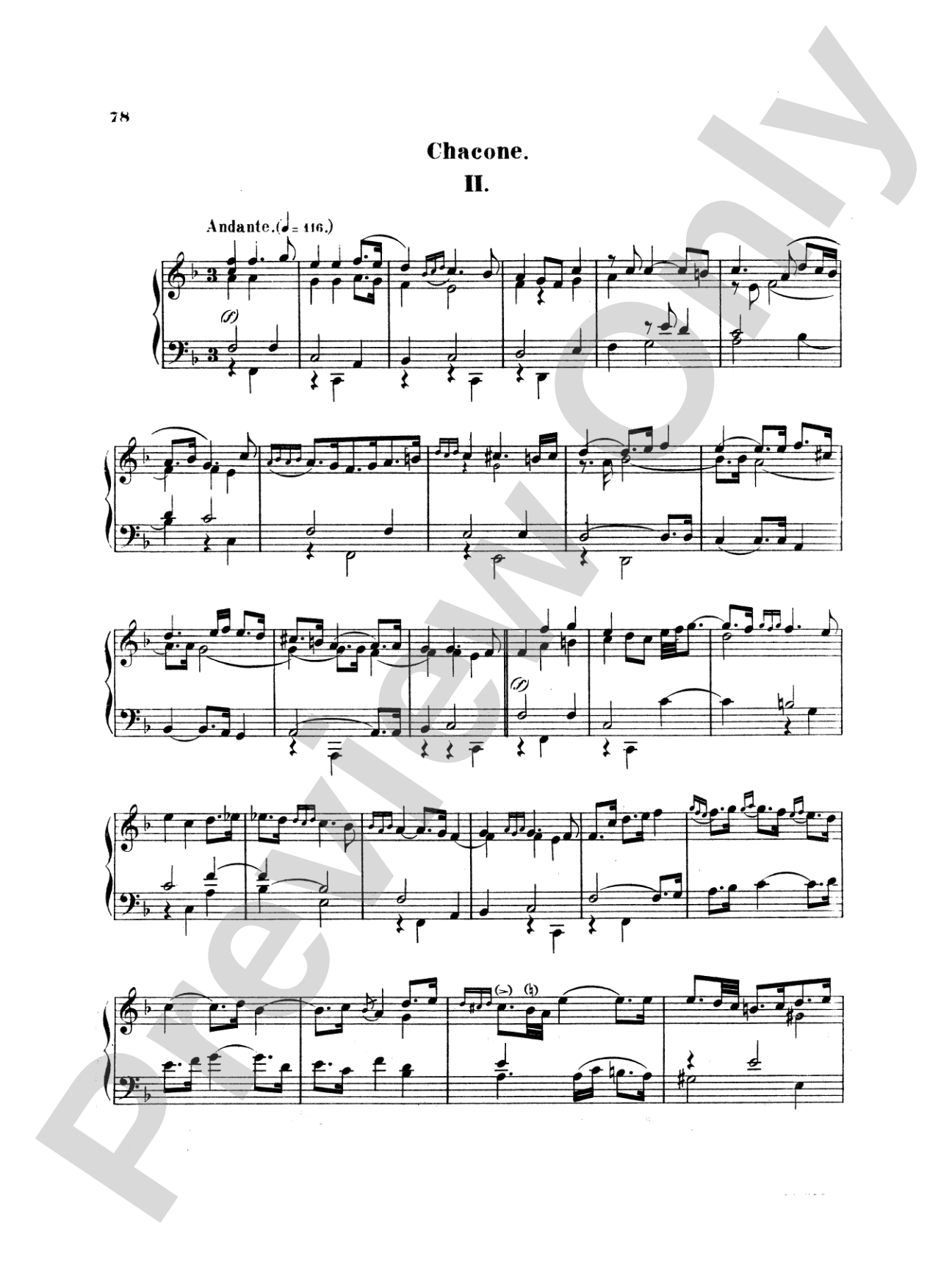
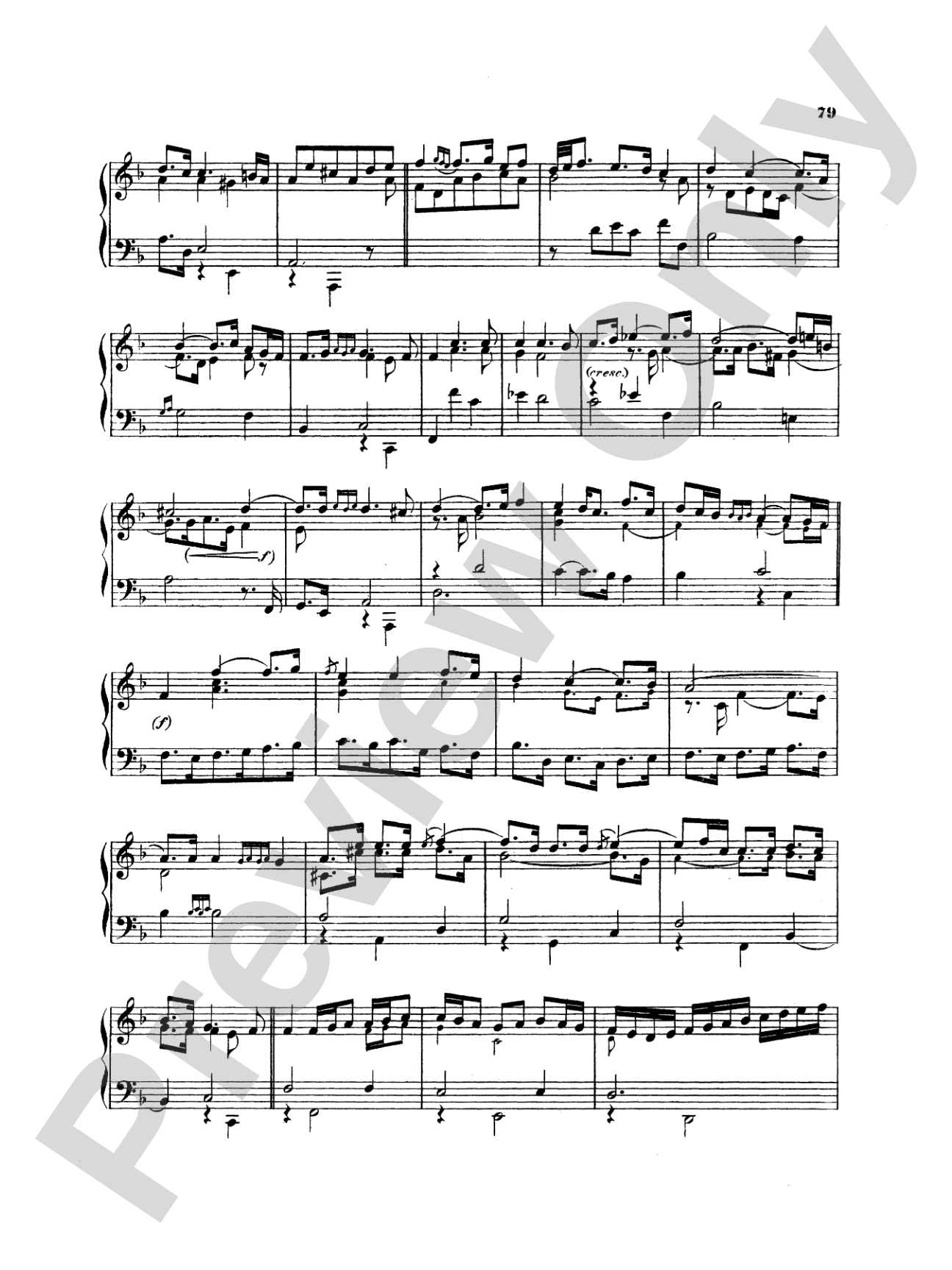
Blow's keyboard works offer pianists substantive material that sits comfortably between early dance suites and more demanding fugal writing. The variety across these twelve pieces—almands, chaconnes, courantes, grounds, and fugues—gives you flexible programming options, whether you're building a themed recital on Baroque dance forms or introducing students to keyboard variation and ground bass techniques. The music rewards careful voicing and period-appropriate ornamentation without requiring virtuosic technique.
What to expect
These pieces inhabit a musical world of measured elegance and intellectual craft. Dance movements move with purposeful grace; chaconnes unfold through stacked variations that shift harmonic and rhythmic color while the bass remains fixed; grounds build momentum through careful accumulation. The fugues are lean and workmanlike, without the theatrical drama of later writing, yet they speak clearly and with genuine voice independence.
Who it's for
Pianists working on Baroque keyboard literature who want access to a major English composer's core output without flipping between scattered anthologies. Teachers introducing intermediate to advanced students to variation forms, ground bass construction, and the architectural logic of Baroque keyboard writing will find the range of forms here especially useful.
How to get the most out of it
- Treat dance movements as social music that breathes naturally; avoid metronomic regularity even within consistent pulse.
- Ground bass pieces benefit from a slightly lighter touch in the left hand to let the variations above come forward without muddying the harmonic foundation.
- The fugues respond well to clear voice independence and subtle dynamic shaping; resist the urge to play all voices at the same volume.
- Consult period treatises on ornamentation for guidance on how and where to add graceful figuration appropriate to almands and courantes.
How to use it
This collection works as a standalone recital of Baroque keyboard music or as a source for individual pieces in themed programs on English music, dance forms, or keyboard variation techniques. The shorter pieces (Almands, Courante, Preludes) slot naturally into mixed-era recitals or student showcases, while a Chacone or Ground gives pianists a substantial, coherent work to explore in depth.
Skills your students will build
- Understanding and executing ground bass form and harmonic variation
- Voice independence and clarity in fugal writing
- Stylistically appropriate ornamentation for English Baroque dance forms
- Period-appropriate articulation and phrasing across multiple keyboard genres
- Harmonic analysis in closed forms (almands, courantes) and variation structures