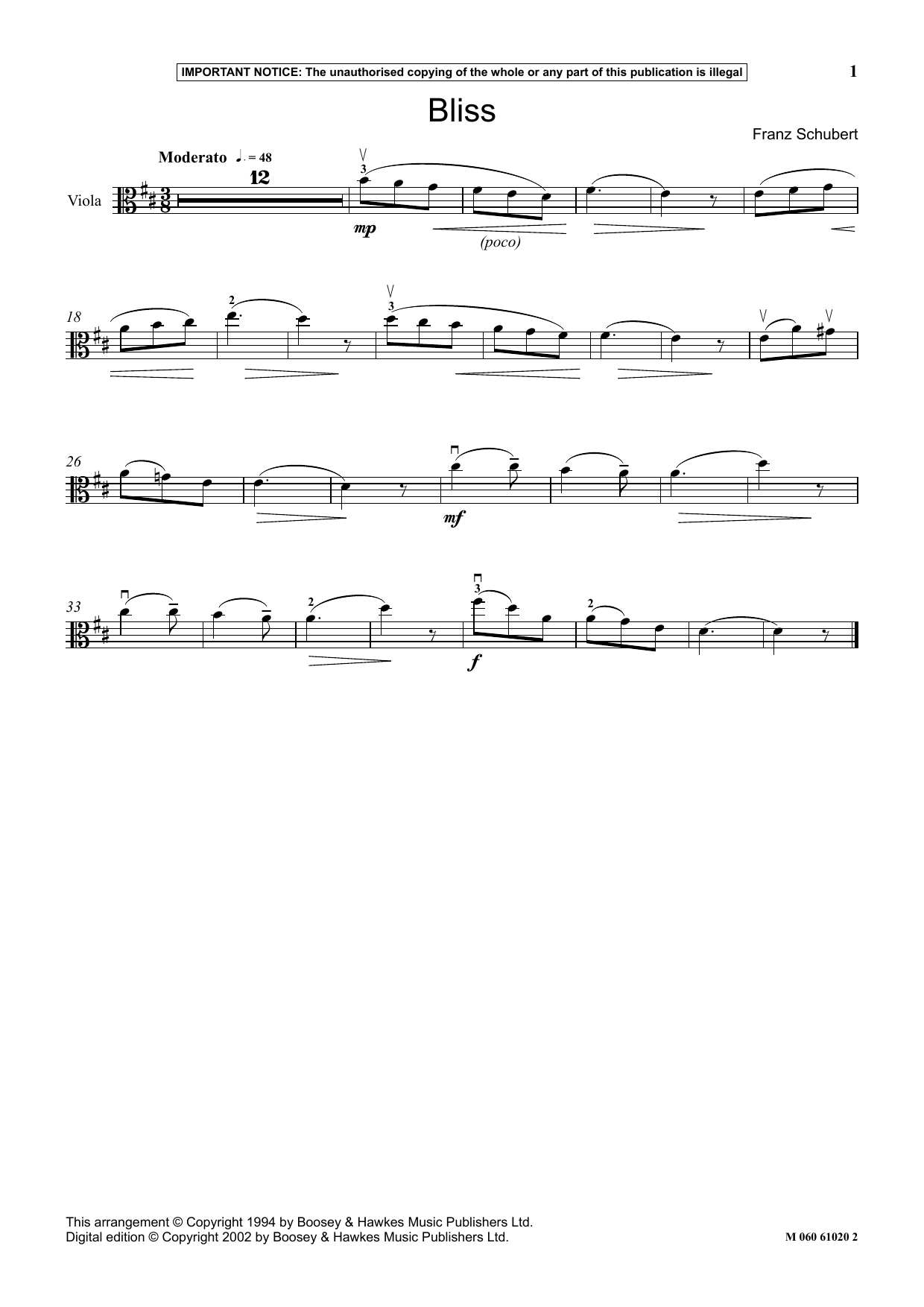
Franz Schubert (1797–1828) composed over 600 works across every major genre, yet spent much of his life in relative obscurity in Vienna. His gift for melody was unparalleled; he could spin out lyrical lines that seem to unfold naturally, almost inevitably. Though he died at 31, his influence on Romantic music became profound, shaping how composers approached intimacy, harmonic innovation, and the expressive possibilities of instrumental music.
Schubert's music speaks directly to musicians and listeners alike because it balances structural clarity with emotional depth. His chamber works and solo pieces remain central to music education precisely because they reward careful listening and playing while remaining accessible to developing musicians.