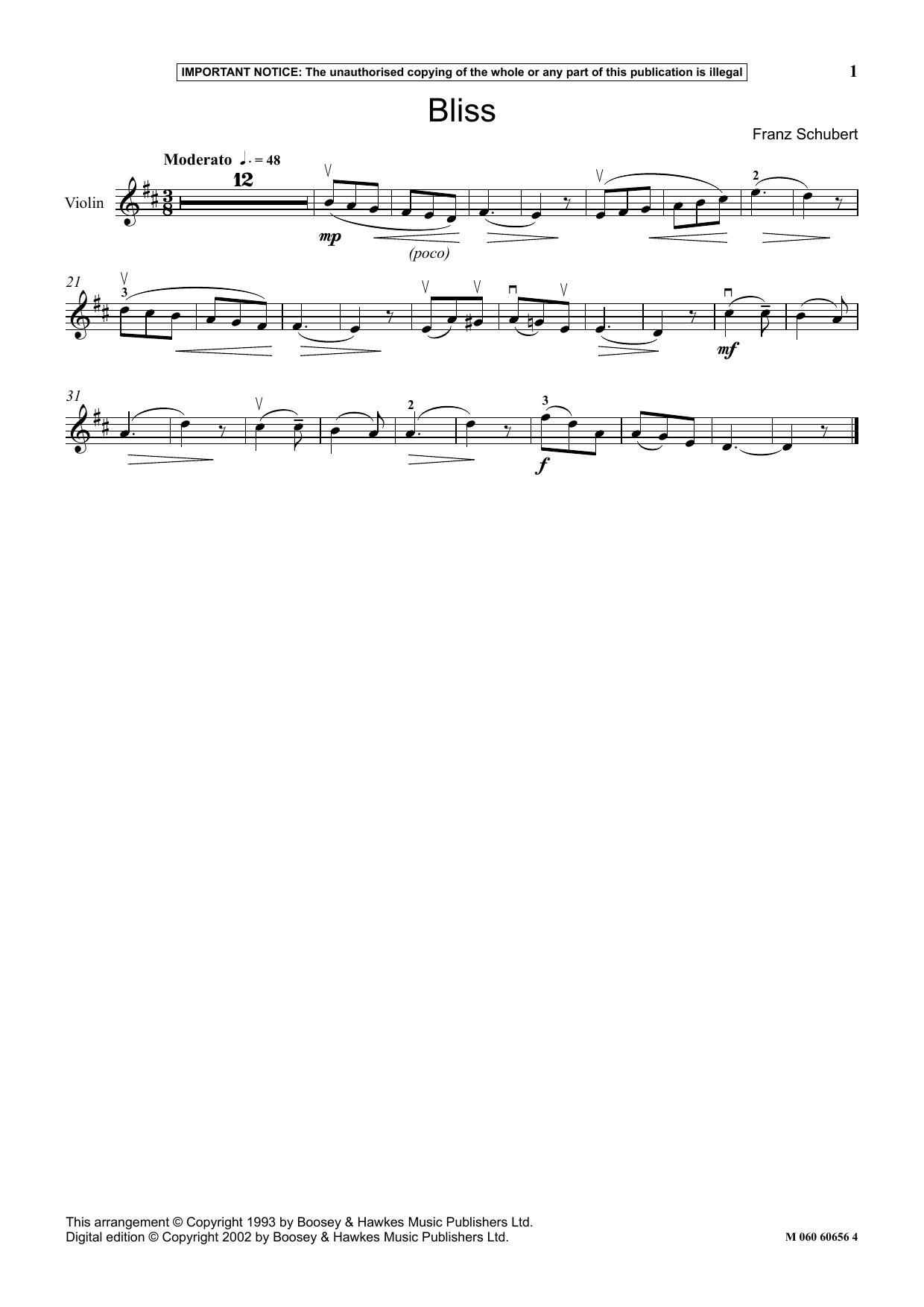
Franz Schubert (1797-1828) composed prolifically across every major genre despite his short life, leaving behind nearly 1,000 works that shaped the course of Romantic music. His gift for melody was unmatched; he could spin out unforgettable themes that feel both intimate and expansive, often within deceptively simple formal structures. Schubert's piano works and lieder remain central to music education because they model how to achieve profound emotional depth without technical excess.
For ensemble directors and piano teachers, Schubert's accessibility masks real compositional sophistication. His works teach students about harmonic color, phrase architecture, and the power of repetition with variation. Whether adapting his chamber works or exploring his original keyboard music, performers encounter a composer equally concerned with singability and architectural integrity.