


Blame It On The Bossa Nova: Choral Instrumental Pak
Arranged by Kirby Shaw
Item: 35-PK00248328
$30.00
Pickup currently not available
Buy Extra Parts (Digital PDF Download)
Parts Added to Cart!
Description
You'll capture the sound of an era when you perform this campy hit from 1963 at the zenith of the Bossa Nova craze! Opening with a two part call and response, it moves into a fully harmonized chorus with some clever lyrics that will create smiles all around.


Blame It On The Bossa Nova: Choral Instrumental Pak isn't in MakeMusic Cloud just yet...but it could be. Let us know you'd like to see it, and you'll help shape what comes next. In the meantime, start a free trial and dive into thousands of interactive titles your students can play along with today.
Request This Title
Tell us you want it.
Start Your Free Trial
Explore everything that's ready to play right now.
Sample Audio
No sample audio found.
Sample Video
No sample videos found.
Additional Details
Publisher:
Hal Leonard
SKU:
35-PK00248328
More about this title
About the Arranger: Kirby Shaw
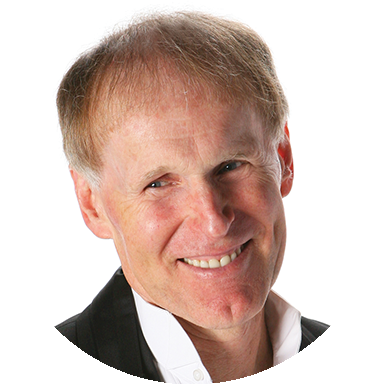
Kirby Shaw's influence reaches across continents and generations. He holds degrees in Music Education and Choral Composition from San Jose State University, plus a DMA in Choral Conducting from the University of Washington. His work has taken him to 45 states and a dozen countries, where he's shared his gift for making music education both rigorous and joyful.
As a composer and arranger with over 2500 works in print, Shaw has sold nearly 20 million copies of his music worldwide. He founded the celebrated COS Vocal Jazz Ensemble at College of the Siskiyous and later directed similar ensembles at Colorado State and the University of Missouri at Kansas City. His credentials include personal mentorship from legends like Bobby McFerrin and Al Jarreau, a partnership in the a cappella group Just 4 Kicks, commissions from major institutions, and multiple ASCAP awards. Shaw's collaborations with his wife Markita have extended into musical theater, including their adaptation of A Christmas Carol called Scroogical.
Why we love this
Shaw understands the chemistry between humor and musicality. This arrangement captures both the infectious groove of early 1960s pop and the genuine charm of bossa nova idiom, which means students get to inhabit an actual style rather than parody it. The two-part call and response opening gives younger or less experienced singers a clear entry point before the piece unfolds into fuller harmonies that reward careful listening.
What to expect
Stepping into a swank 1963 nightclub where the music is breezy and the lyrics are clever. There's warmth in the harmonies and an unmistakable playfulness in how the melody sits against the rhythm, creating an atmosphere that invites the audience to smile along without ever feeling like a novelty act.
Who it's for
Choirs seeking a crowd-pleasing concert number that feels contemporary in its wit but rooted in real musical substance. This works equally well for high school and college programs looking to lighten a spring concert or add energy to a variety show.
How to get the most out of it
- Lock the rhythm section into that relaxed bossa nova feel from the start. The groove should sit behind the beat slightly, never pushing ahead.
- Keep the opening call and response conversational. These moments thrive when singers treat them like actual dialogue rather than musical exposition.
- Shape phrases through the harmonized chorus so that individual voice lines remain audible even as they blend together. This clarity makes the clever lyrics land with the audience.
- Balance warmth with precision in the ensemble sections. The campy spirit of the tune works best when the singing is honest and well-supported, not winking at the audience.
How to use it
Pair this with other Latin-influenced or jazz-adjacent pieces to build a thematic set around groove and style, or position it as a palate cleanser between more serious works to give both singers and audience a moment of genuine fun. Its length and combo voicing make it ideal for concert pacing when you need something engaging that doesn't demand a full choir.
Skills your students will build
- Bossa nova rhythmic feel and articulation
- Two-part call and response coordination
- Singing with character and intentional style
- Blend and balance in four-part harmony
- Latin jazz phrasing and swing