
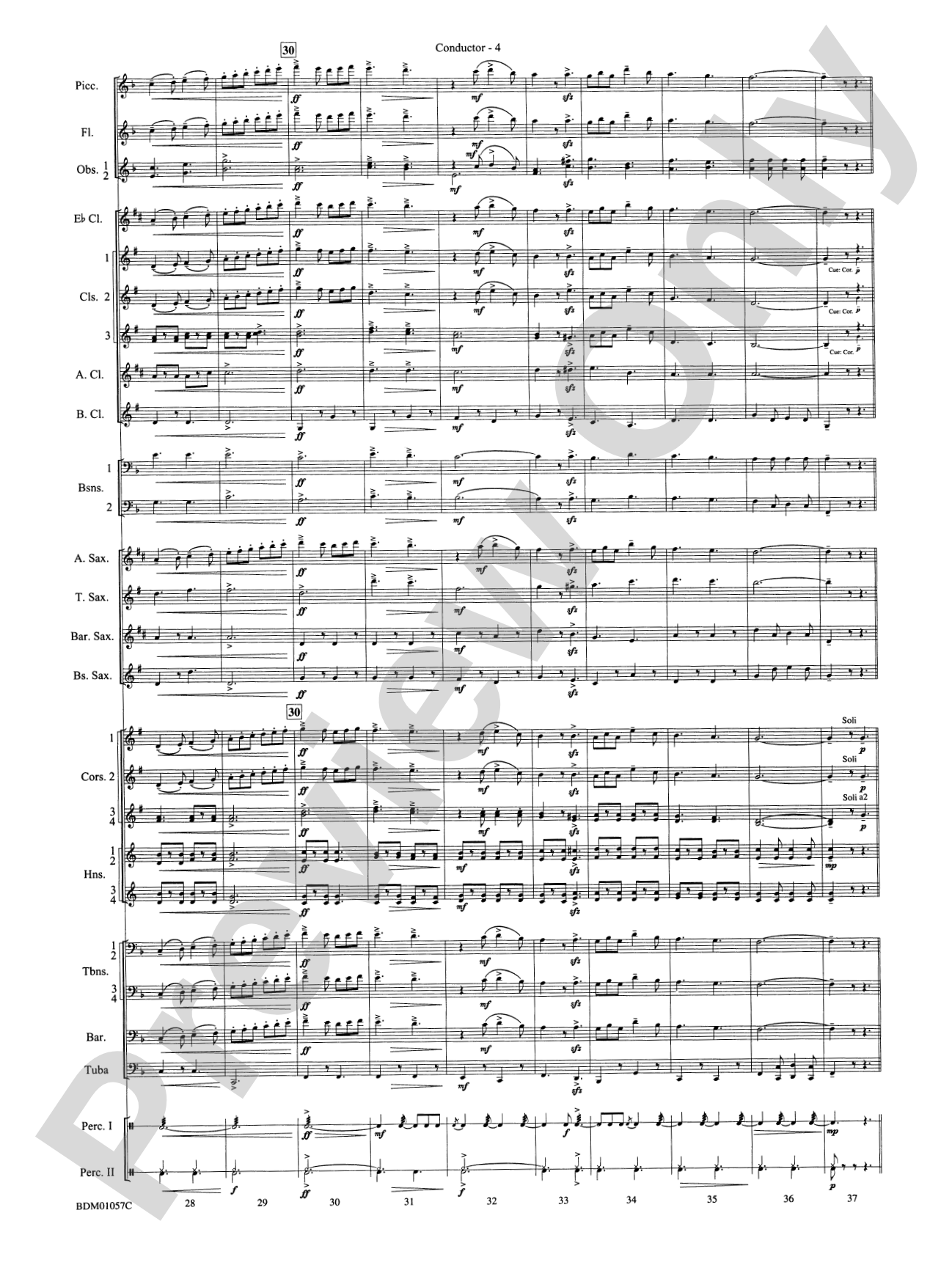
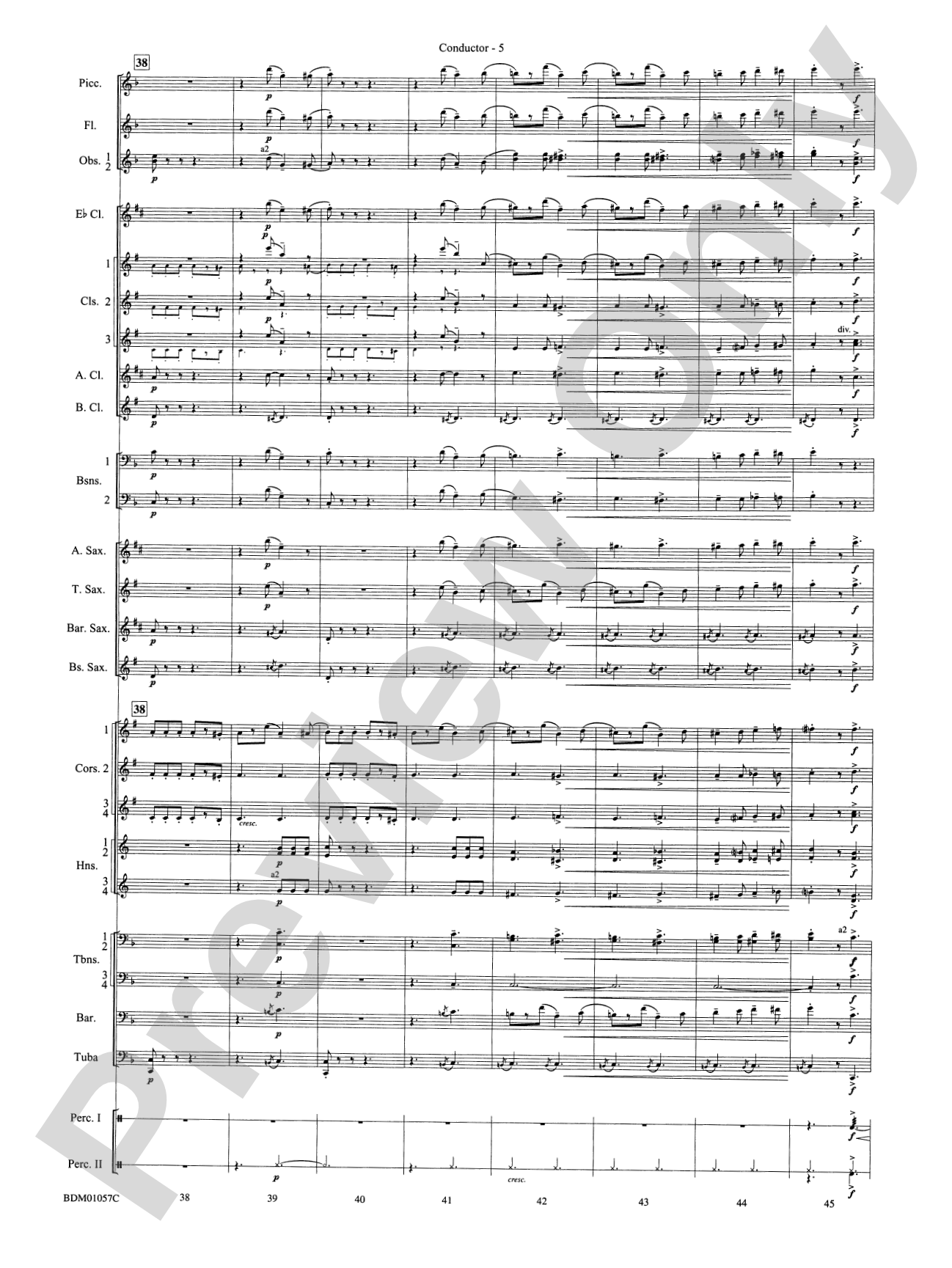
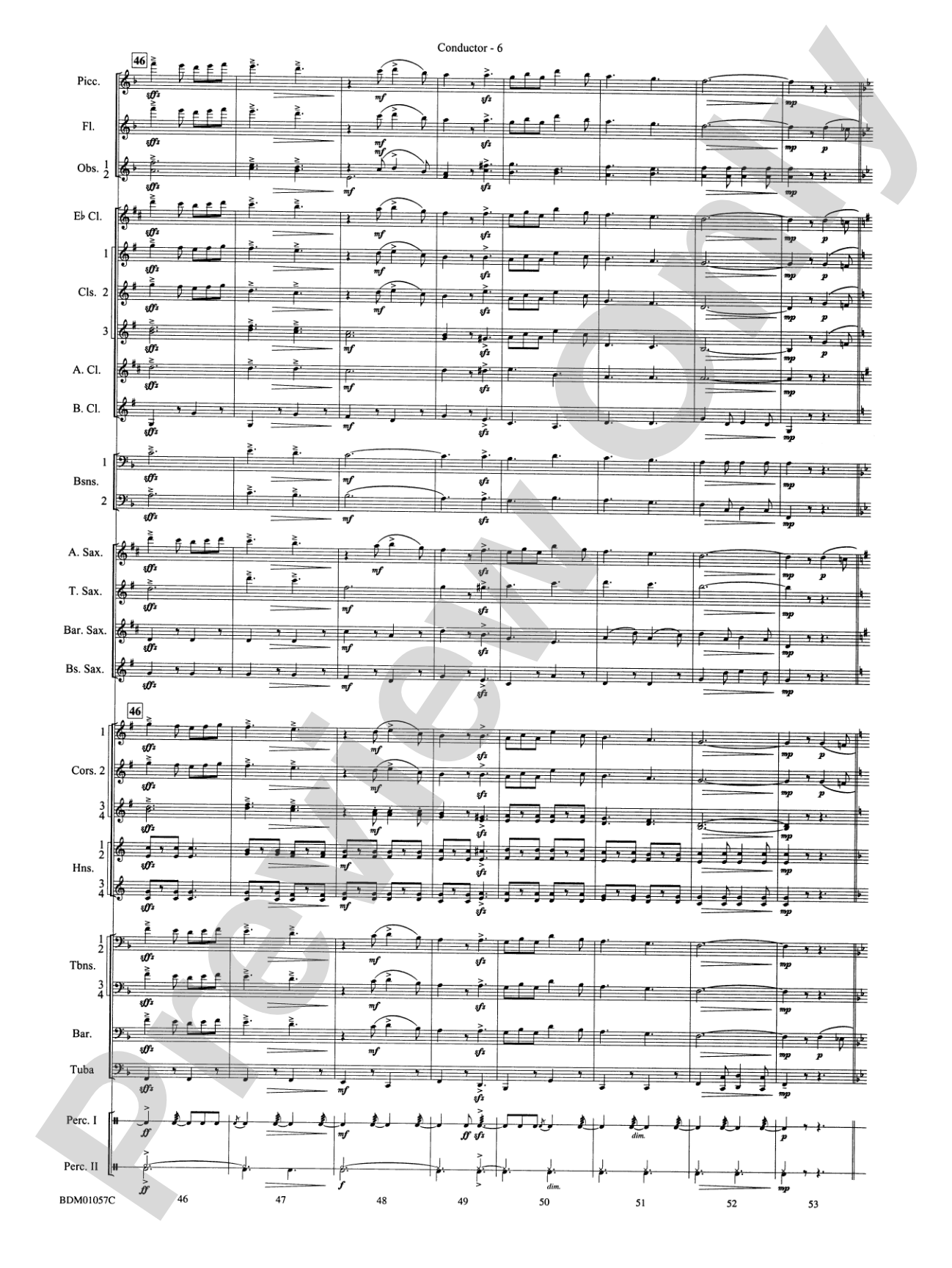
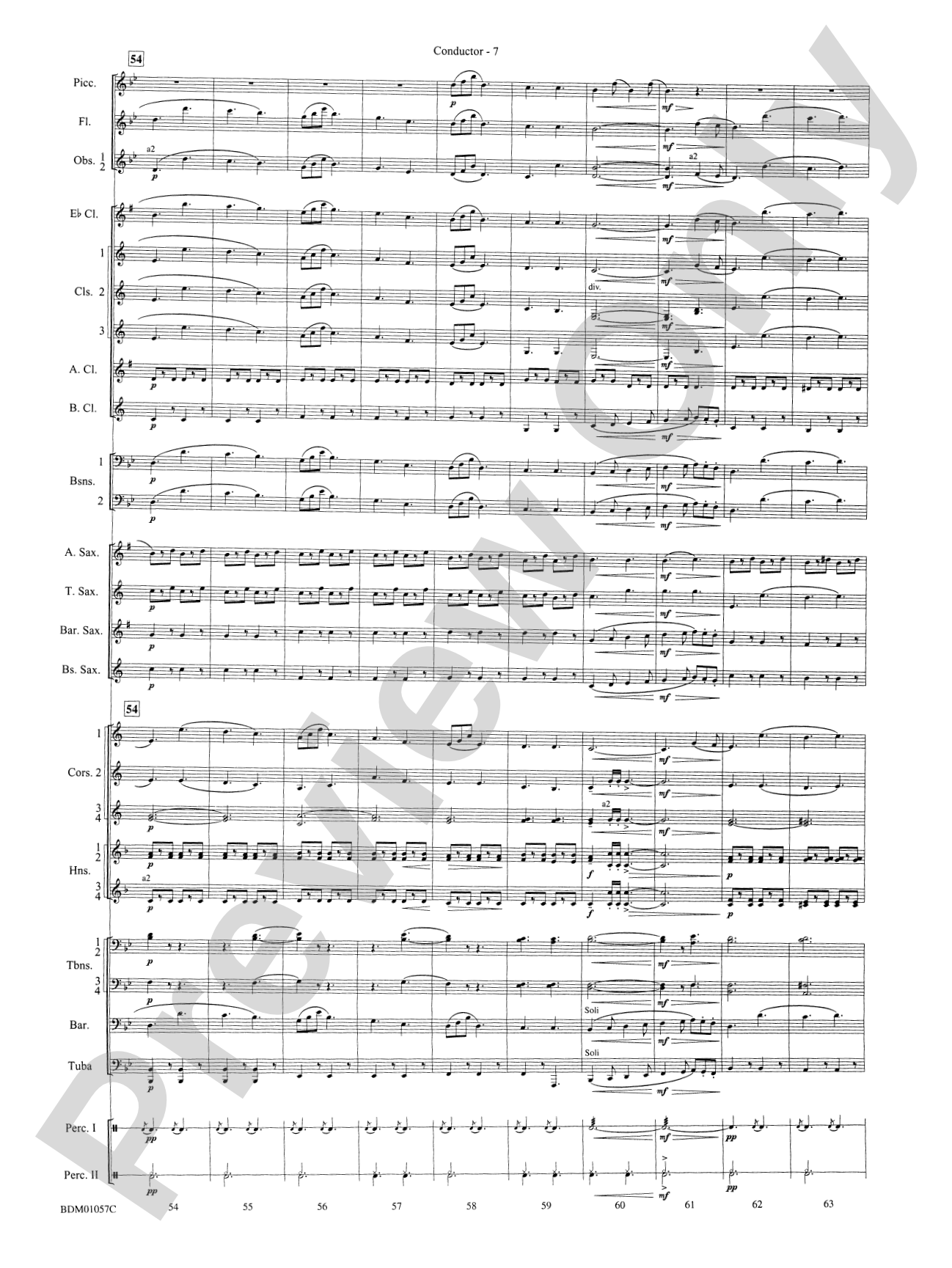
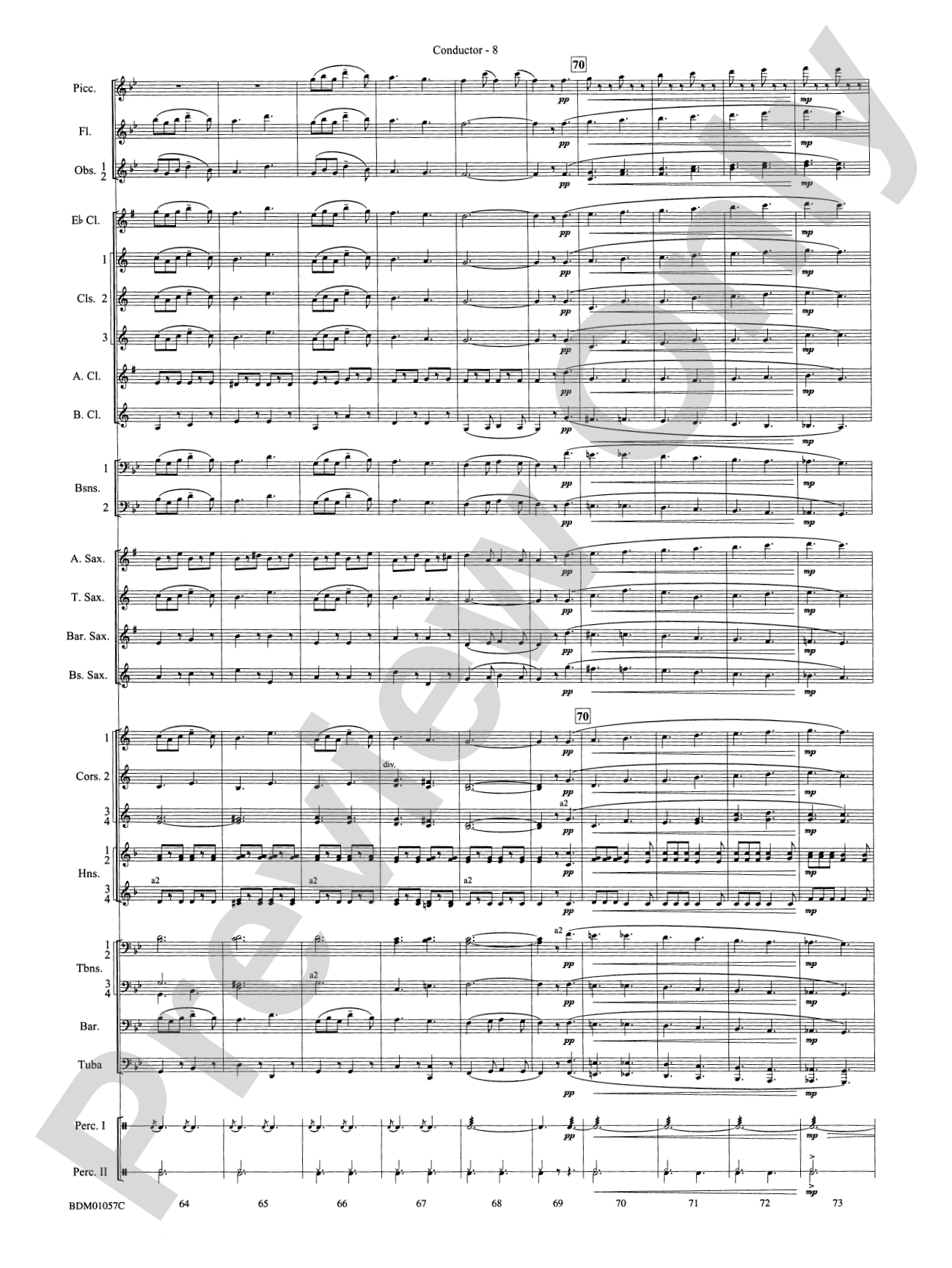
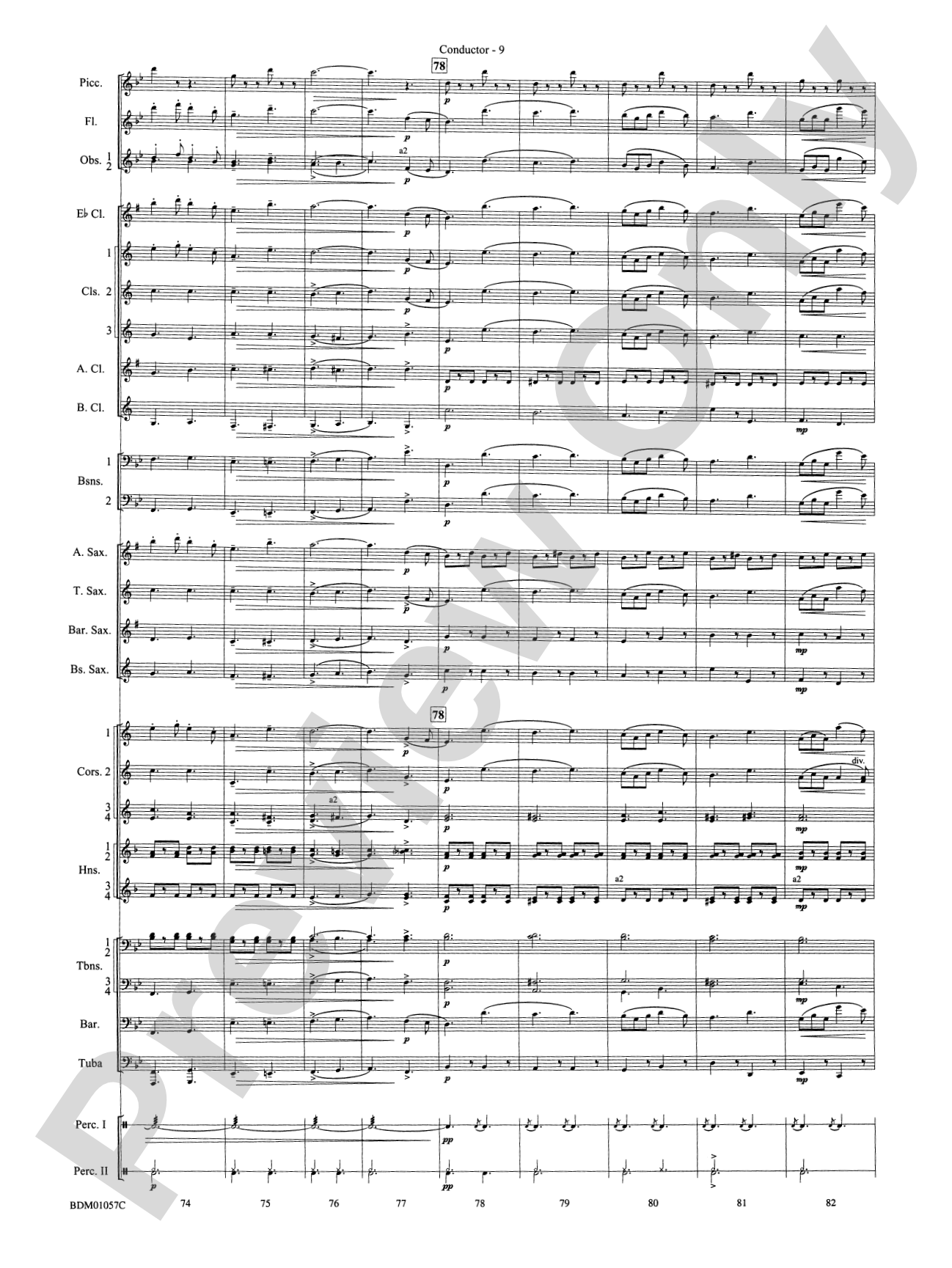
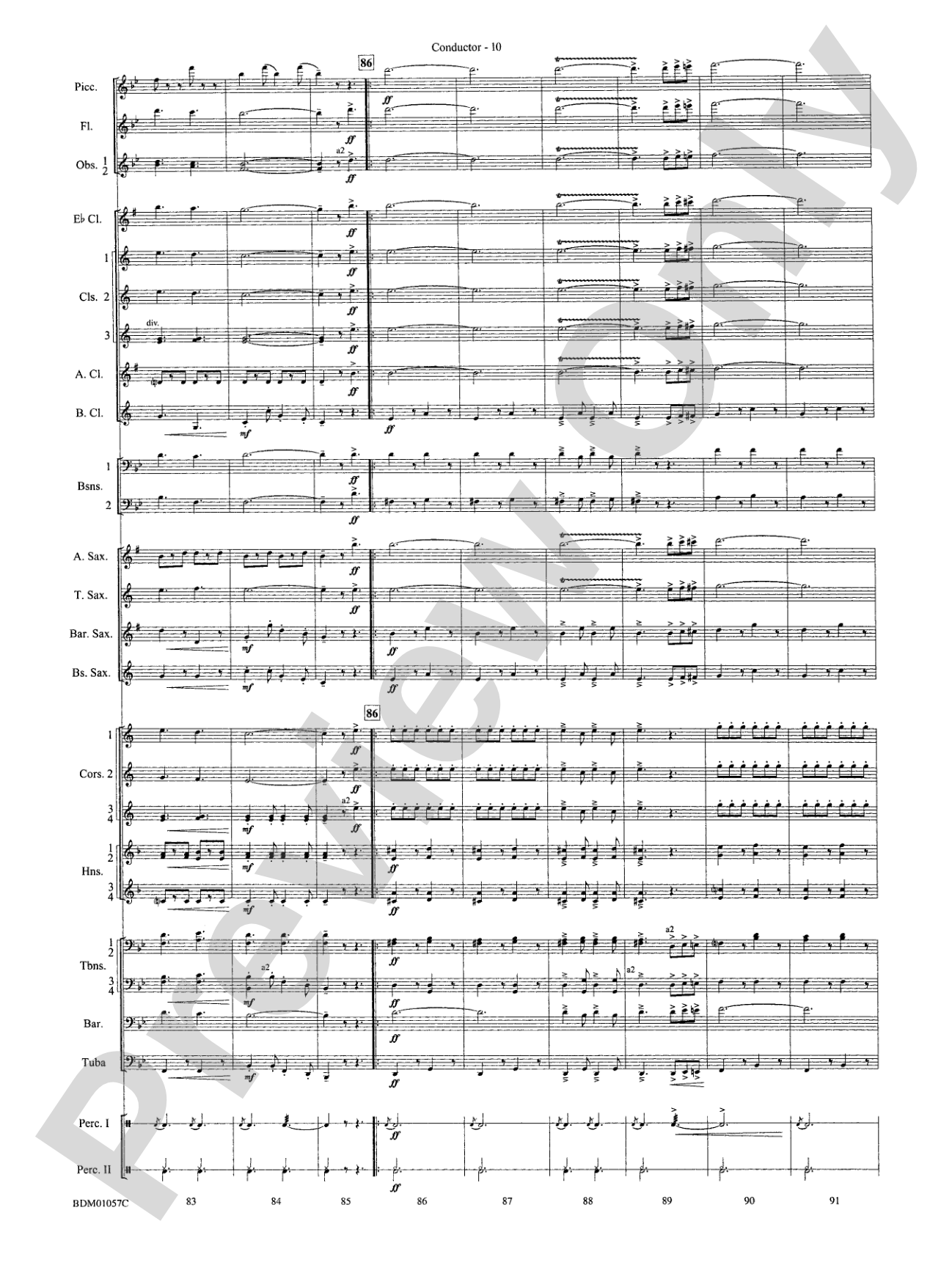
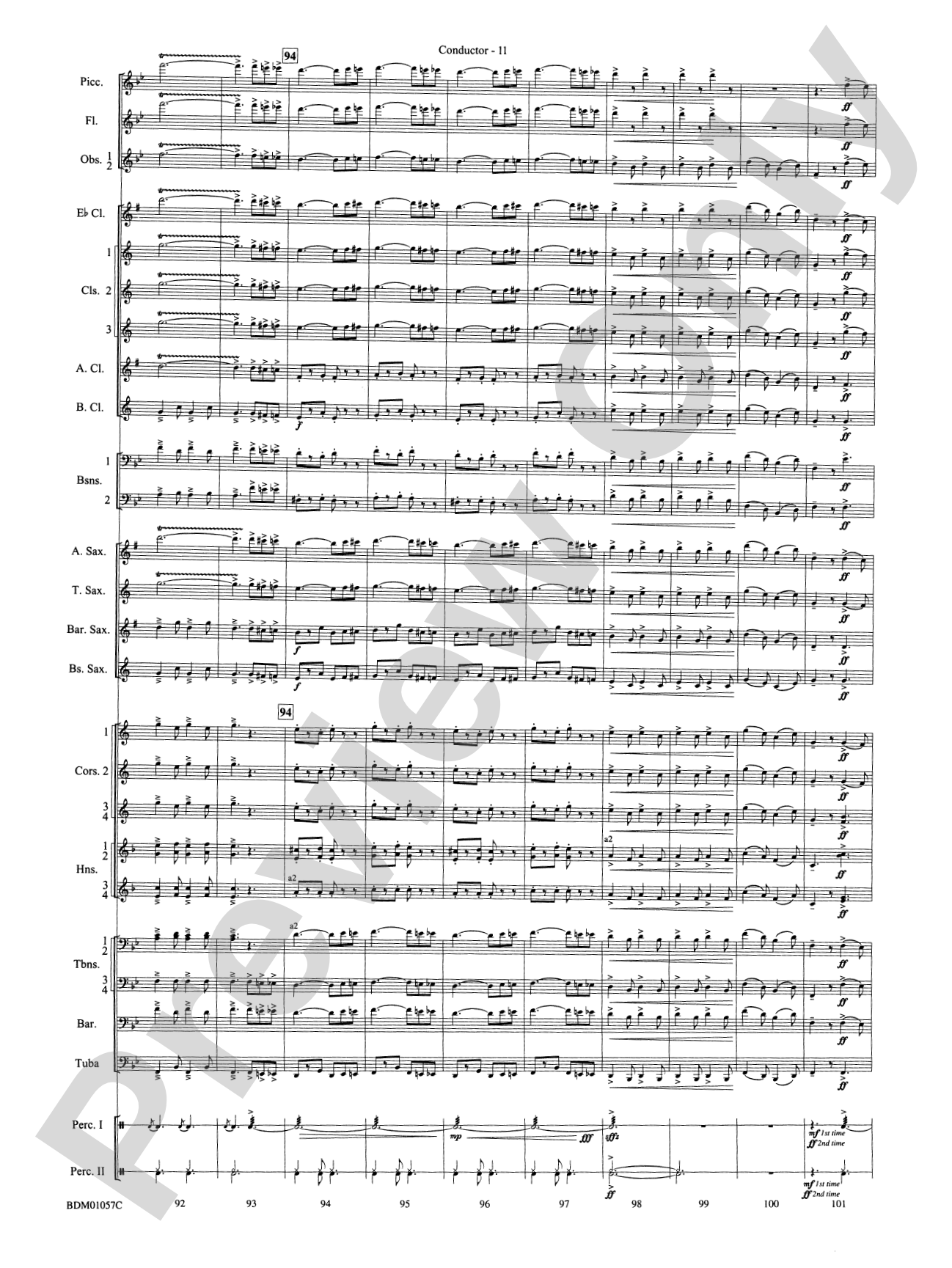
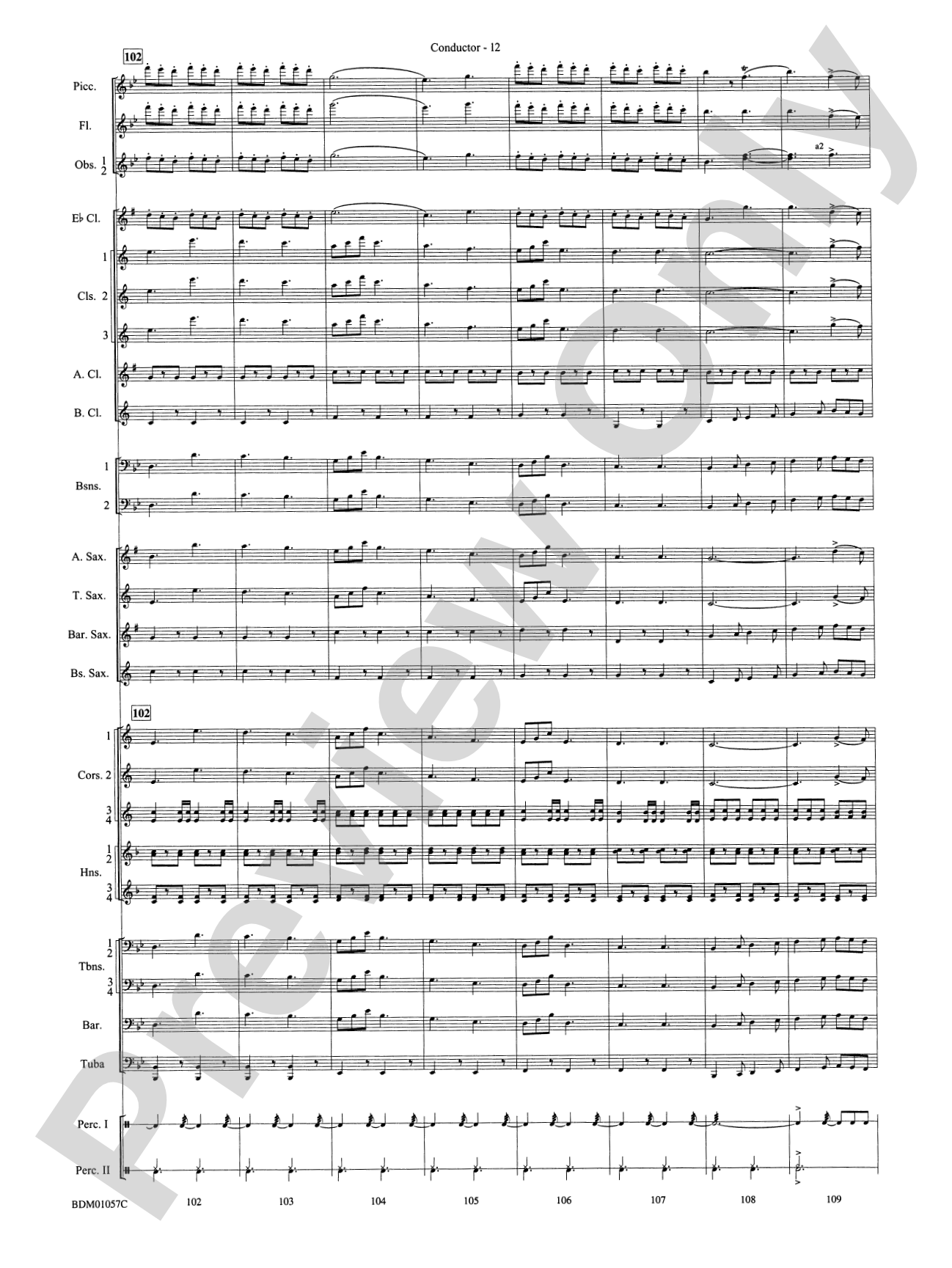
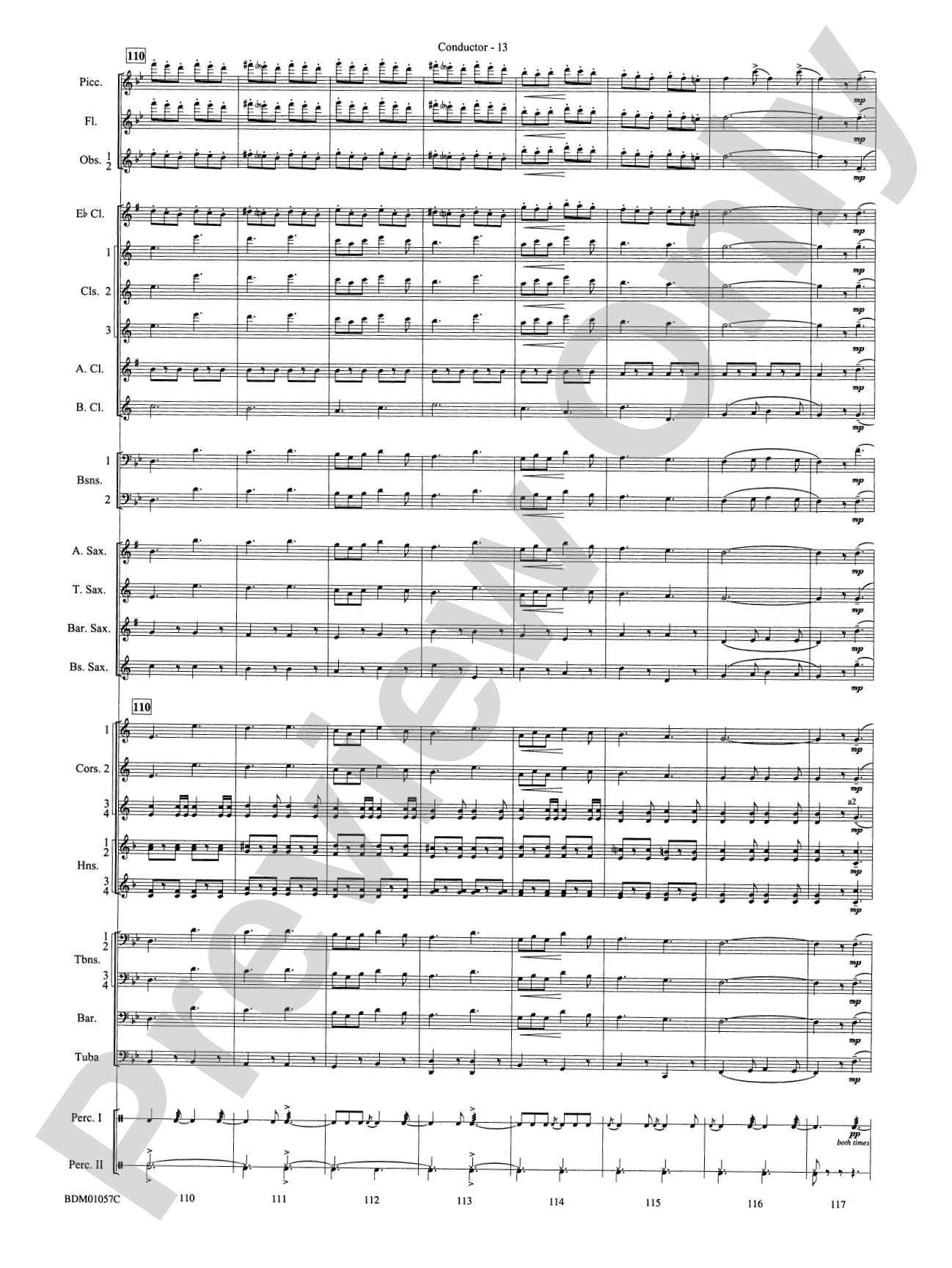
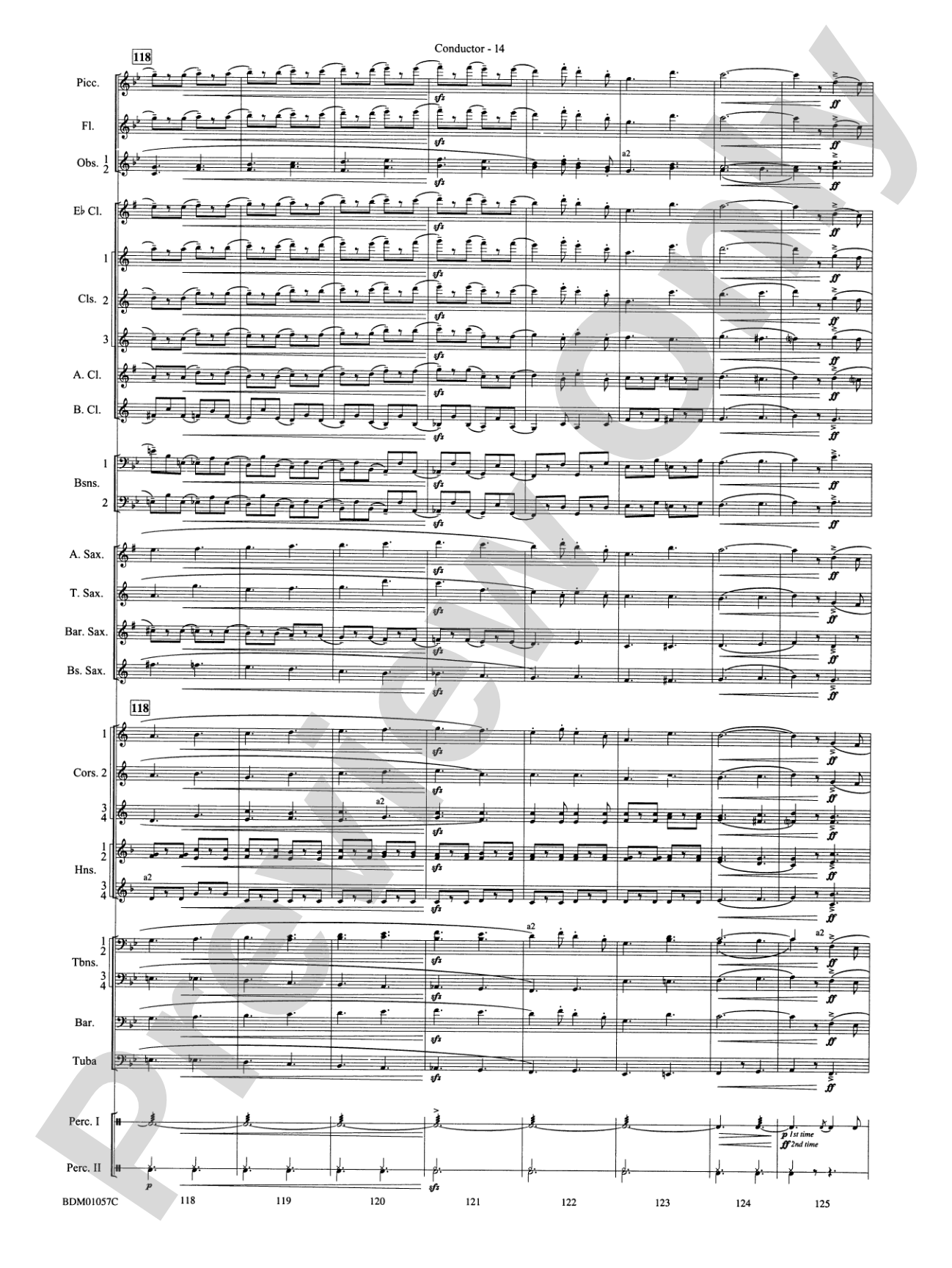
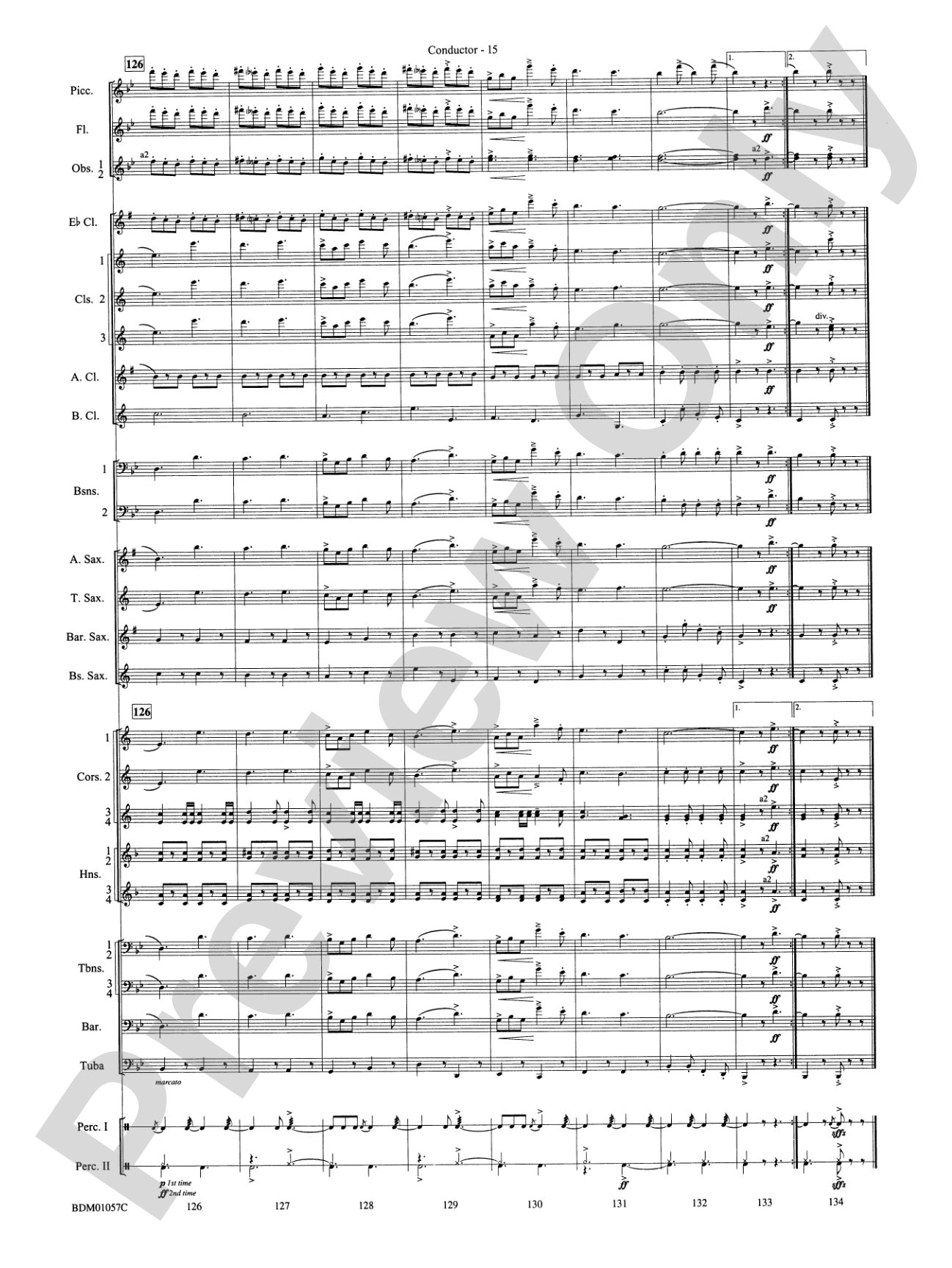

Black Horse Troop: Concert Band Conductor Score & Parts
By John Philip Sousa / ed. Frederick Fennell
Grade: 3 (Medium Easy)
Item: 00-PK-0002179

$82.00
One moment…
Description
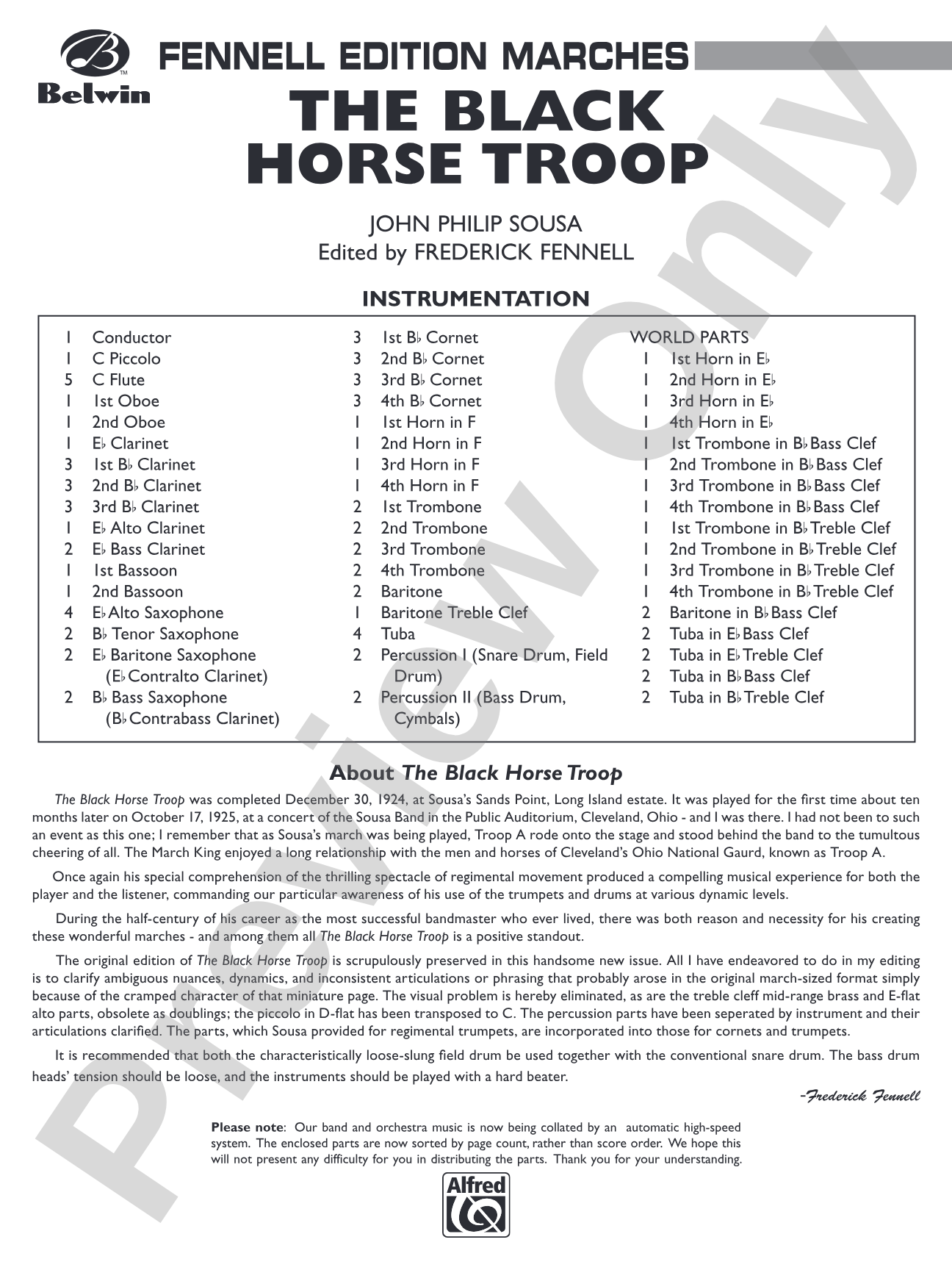
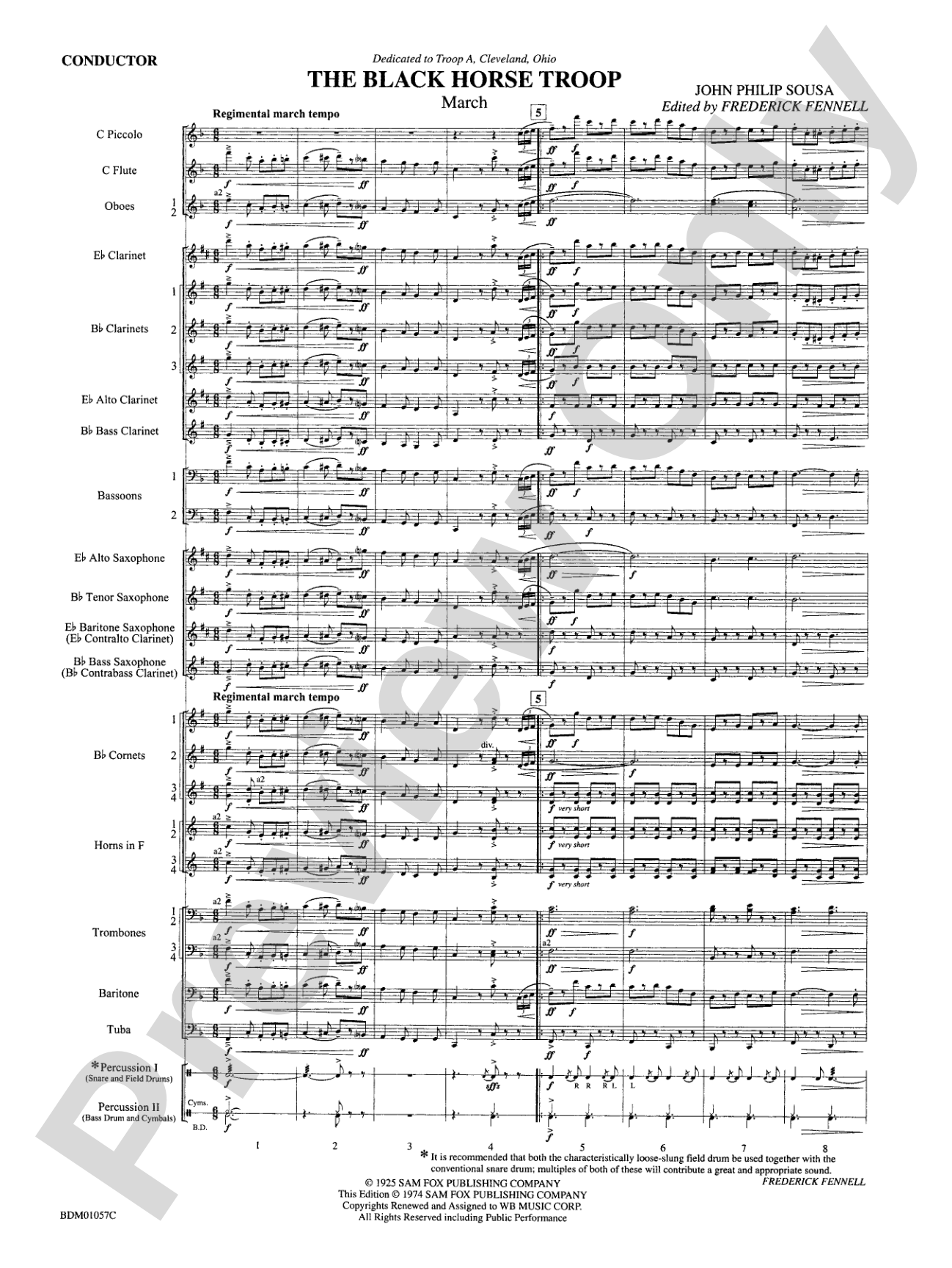
Sousa, who was a horseman himself, completed this wonderful work late in 1925. The march exemplifies the regimental rhythms heard with horse and rider and the Fennell arrangement preserves Sousa's original intent, specifically explaining articulations and musical nuances. The Black Horse Troop has been re-engraved with a full score for the first time. (3:31) This title is available in MakeMusic Cloud.


Don't just read it, hear it, play along with it, and watch your students grow with it. In MakeMusic Cloud, Black Horse Troop: Concert Band Conductor Score & Parts comes alive with professional accompaniment, adjustable tempo, and built-in practice tools that turn solo practice into real progress.
Open in the Player
Jump straight in and assign it today.
Start Your Free Trial
Open this title and explore the full library in minutes.
Sample Audio
1
Audio File
--:--
0:00
0:00
Sample Video
No sample videos found.
Additional Details
Series:
Fennell Edition Marches for Band
Publisher:
Alfred Music
Page Count:
372
SKU:
00-PK-0002179
More about this title
About the Composer: John Philip Sousa
John Philip Sousa (1854–1932) stands as American music's march king, a composer and conductor whose works defined the concert band genre. His marches remain standard repertoire because they combine singable melodic lines, clear harmonic progressions, and rhythmic vitality that engage both players and audiences. Sousa was also an accomplished horseman, and his personal experience with mounted cavalry directly informed pieces like Black Horse Troop, lending authentic detail to the regimental character of his writing.
Why we love this
The Fennell Edition restores clarity to Sousa's original articulation intentions, making this a teaching tool as much as a performance piece. Grade 3 accessibility combined with authentic military march idiom means students hear and play genuine concert music, not simplified pedagogy. Sousa's equestrian background surfaces in the rhythmic drive and forward momentum that keeps young players engaged from the opening to final chord.
What to expect
Black Horse Troop pulses with the steady cadence of mounted cavalry moving across open ground. Sousa builds energy through repeating rhythmic cells and straightforward harmonic progressions that feel inevitable rather than forced, creating a sense of military precision without rigidity. The piece conveys forward momentum and purposeful confidence from its first measures.
Who it's for
Concert bands working at the solid Grade 3 level will find a piece that sounds professional and substantial while remaining within reach for players developing secure rhythmic and intonation skills. Conductors seeking repertoire for festivals, contests, and concerts benefit from a title with genuine historical standing and clear pedagogical payoff. This work teaches style, phrasing, and artistic integrity alongside technique.
How to get the most out of it
- Shape the main march strain with a gentle dynamic rise through the first four bars of each phrase rather than playing it straight; this creates the sense of forward motion Sousa intended without sentimentality.
- Balance the solo cornet or trumpet line in the first trio so it projects clearly over the underlying band texture; Fennell's arrangement depends on clean voice leading to make harmonic movement audible.
- Set a tempo that allows clean articulation in the faster sections while maintaining the steady, processional quality of a mounted unit; too fast blurs the regimental character.
- Trust the open voicing in the lower instruments; resist the urge to add weight or thickness, as the original scoring depends on transparency to showcase Sousa's harmonic language.
How to use it
Open a concert with this march to establish energy and confidence, or use it as a centerpiece between slower works to showcase your band's rhythmic cohesion and articulation control. It pairs well with other Sousa marches or contrasting concert repertoire, giving audiences and adjudicators a clear sense of your ensemble's range. Consider programming it in contests where judges value authentic American repertoire and solid musical foundations.
Skills your students will build
- Precision articulation in fast-moving scalar passages
- Balance between solo lines and band texture
- Reading clear, traditional concert band voicing
- Sustaining steady tempo and pulse in march rhythm
- Shaping phrasing in repetitive melodic material
- Understanding military march idiom and style