
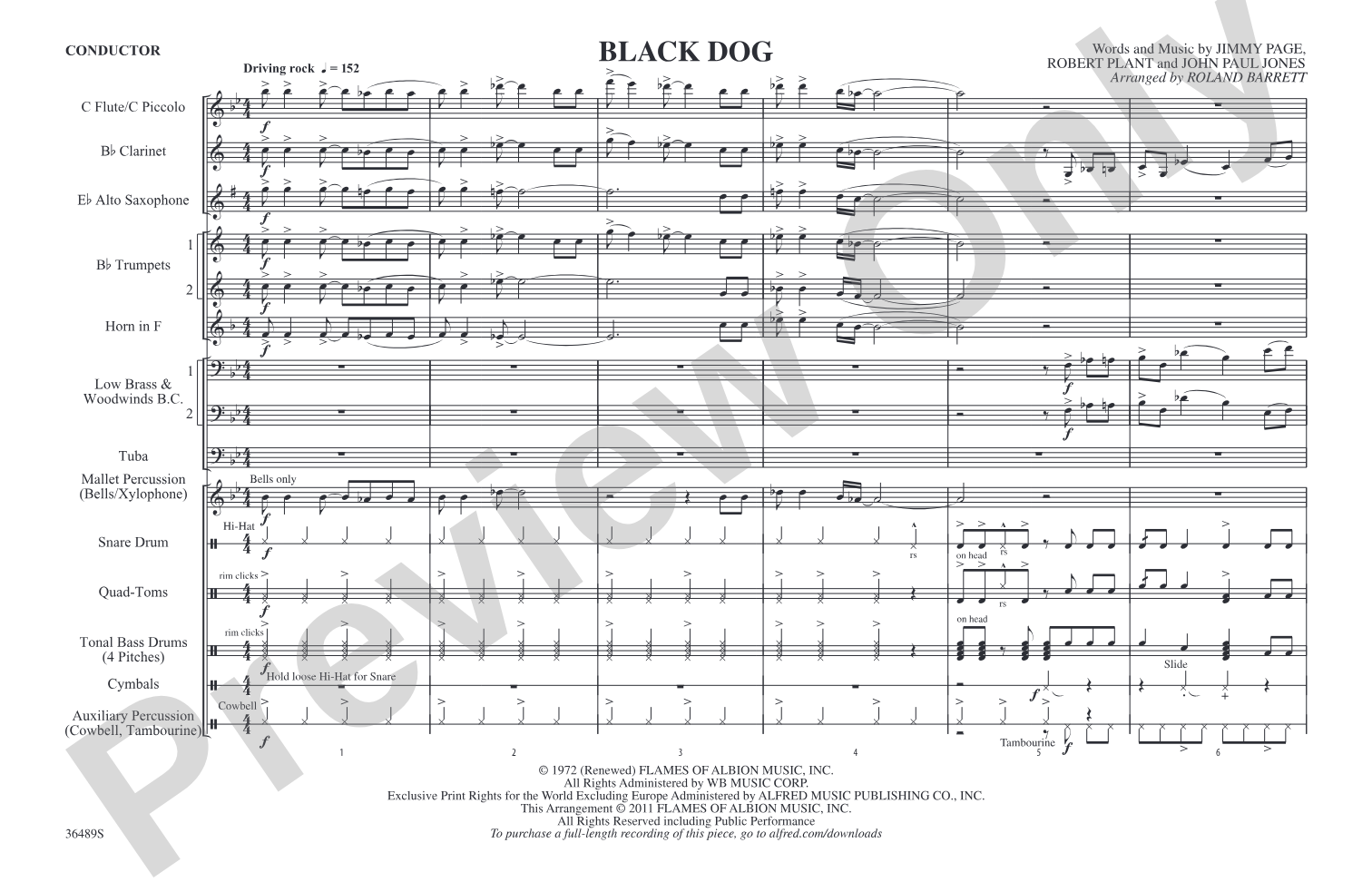
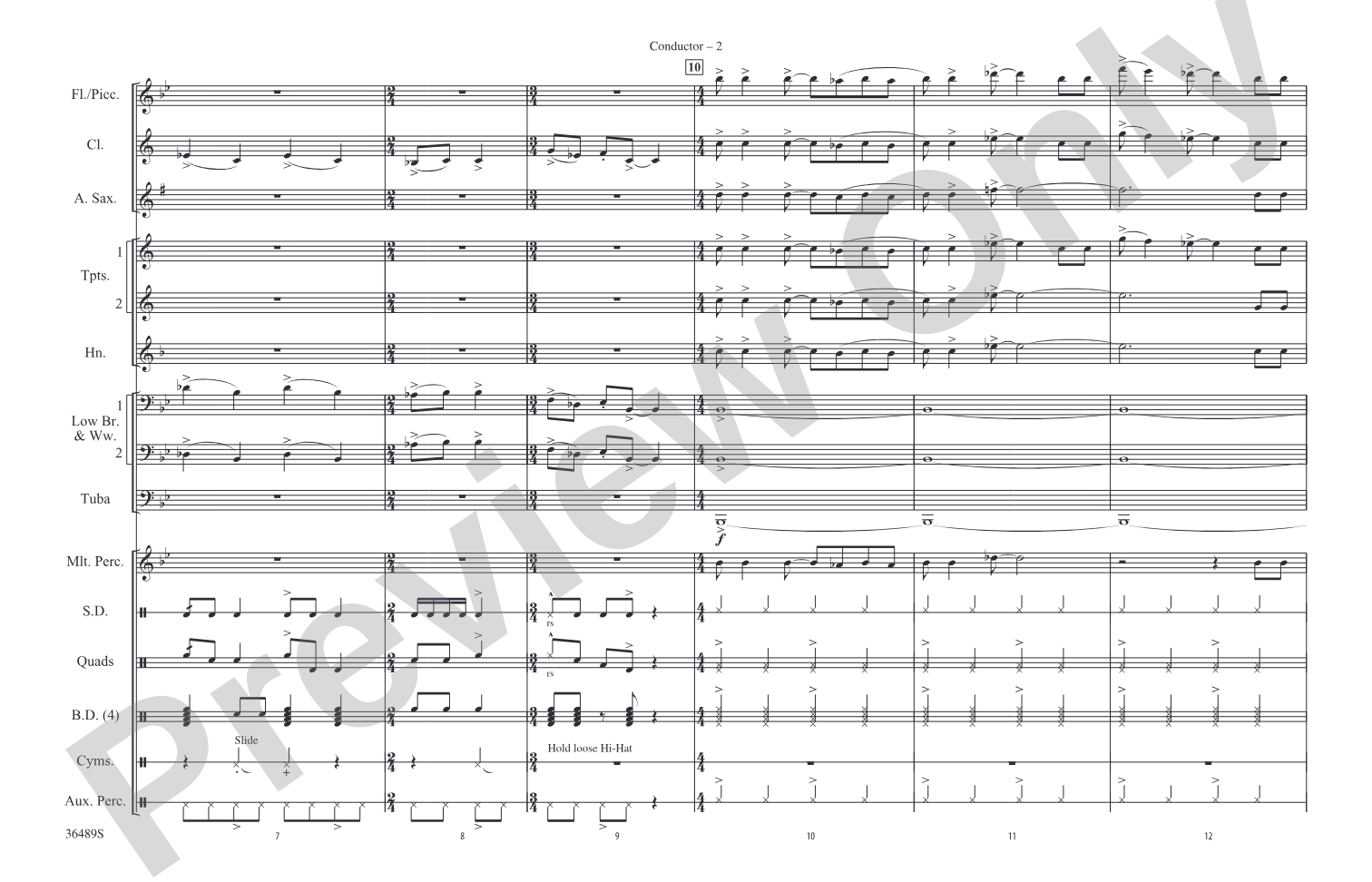
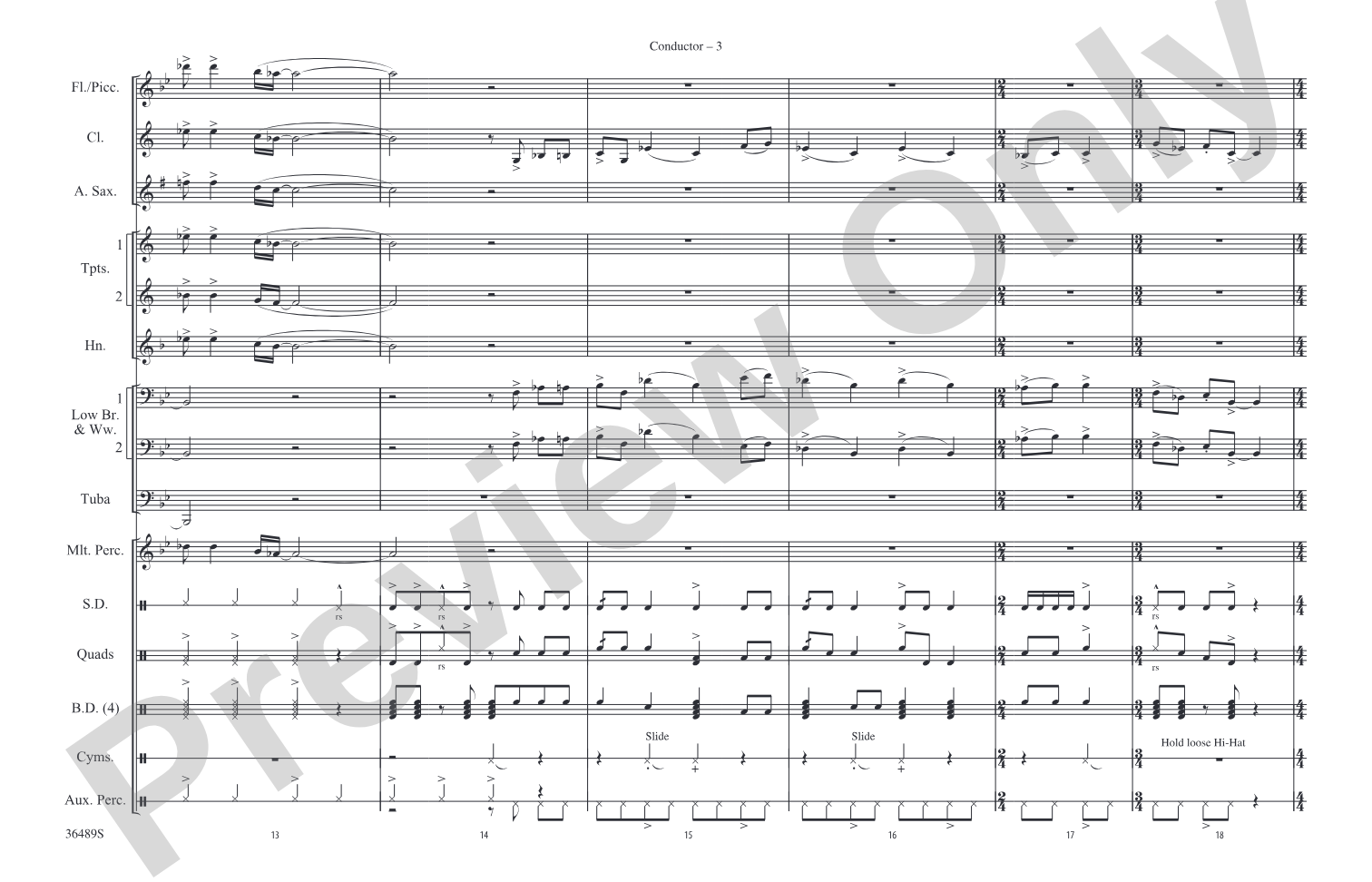
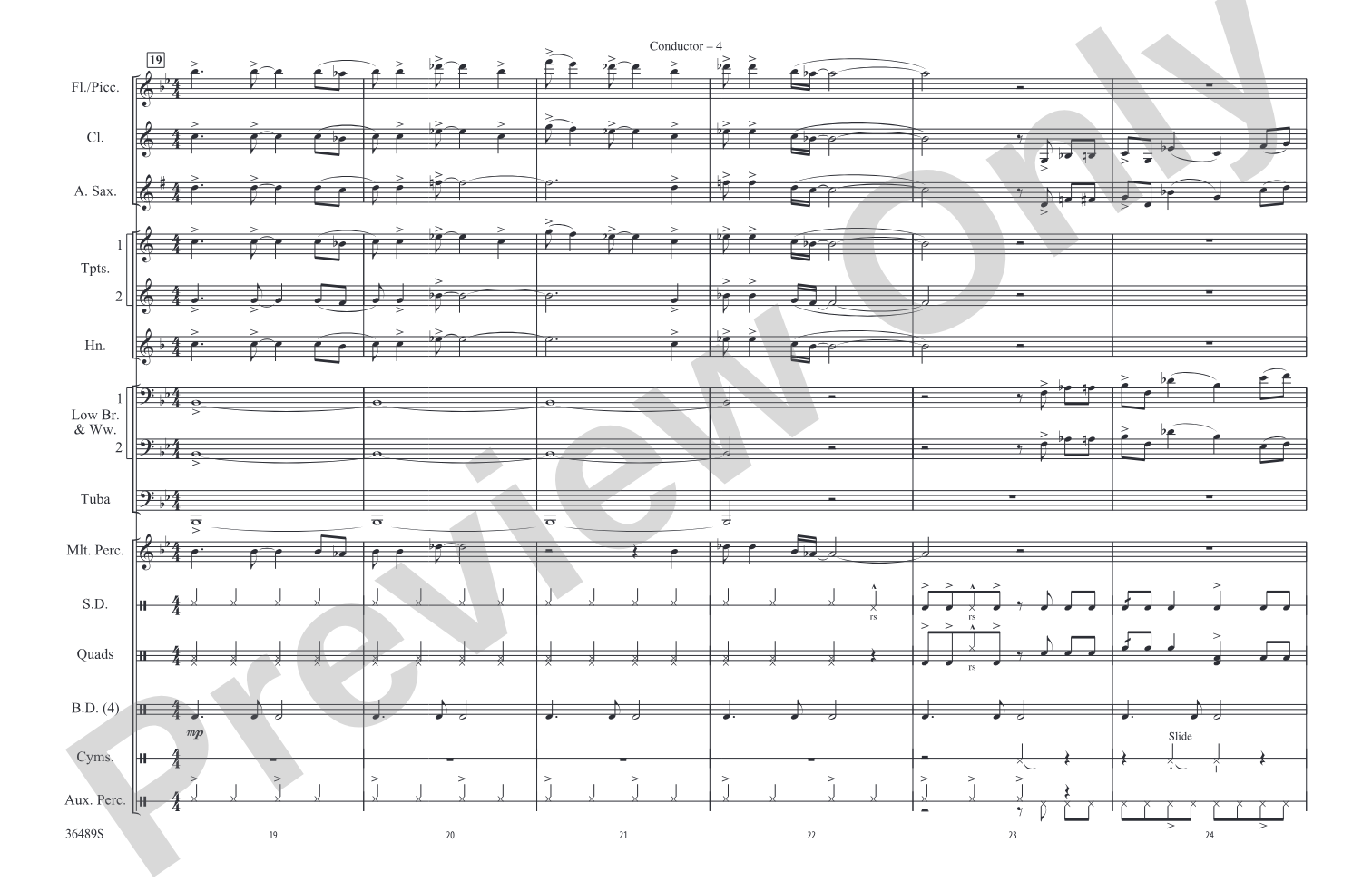
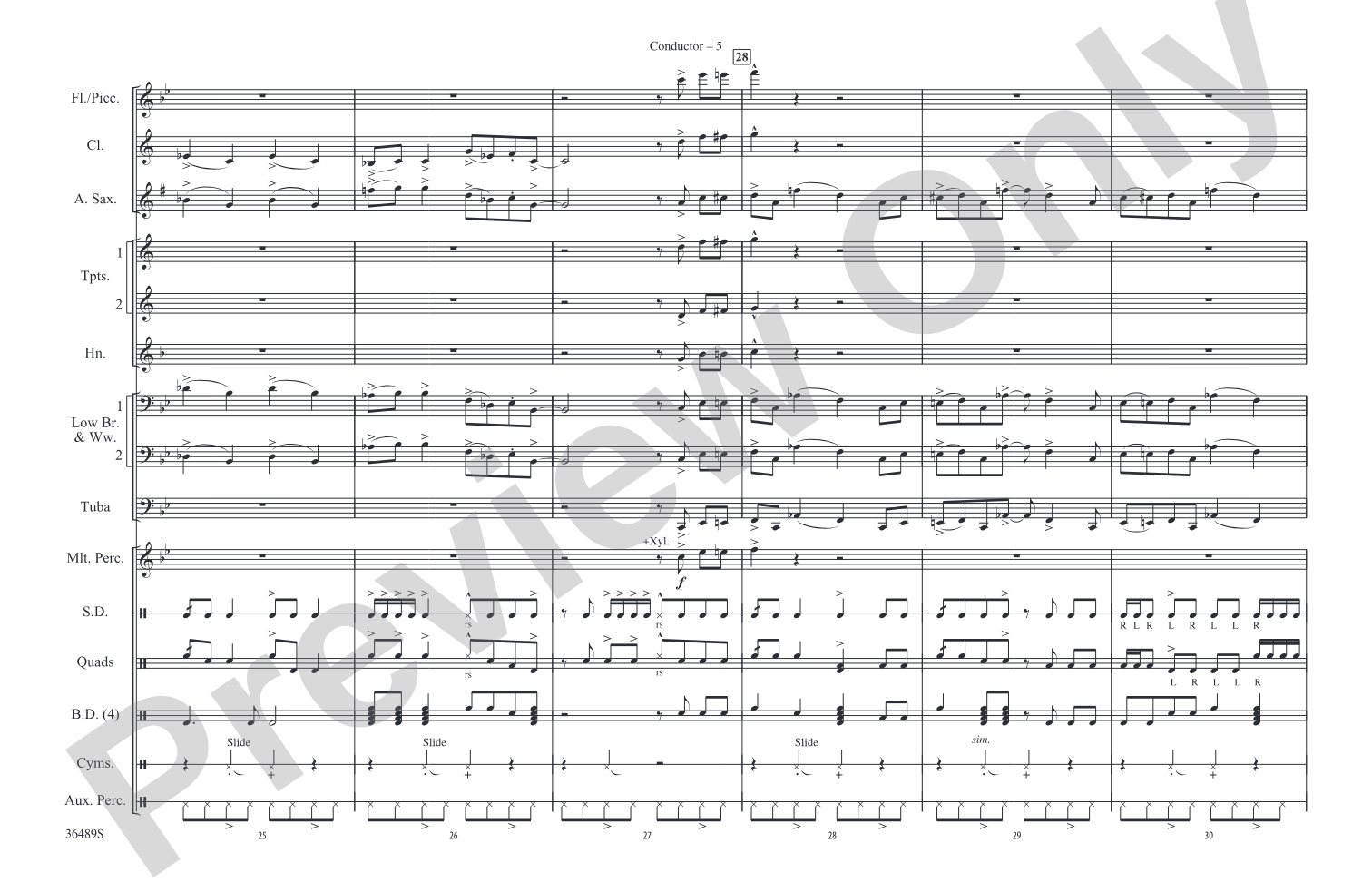
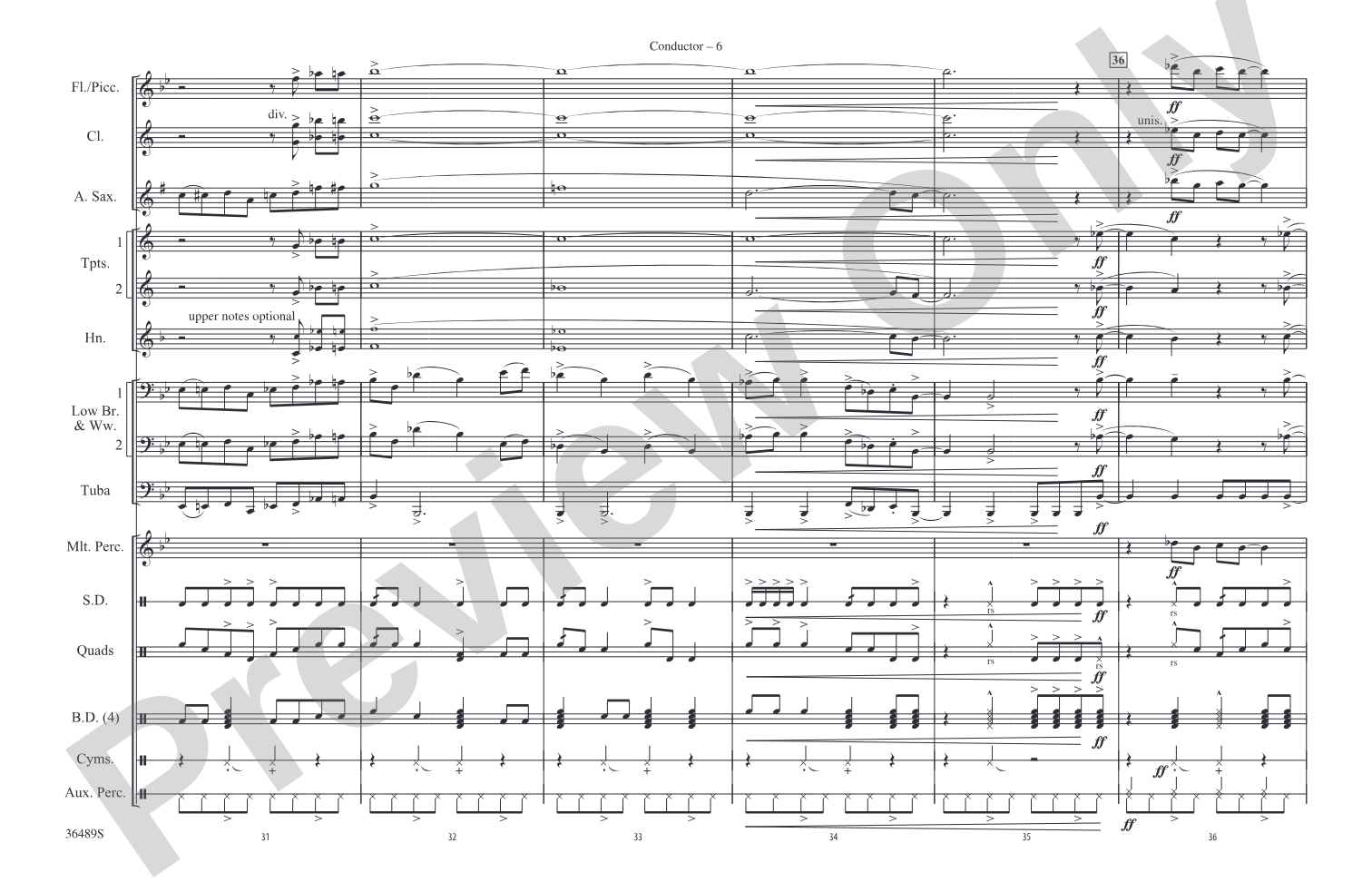
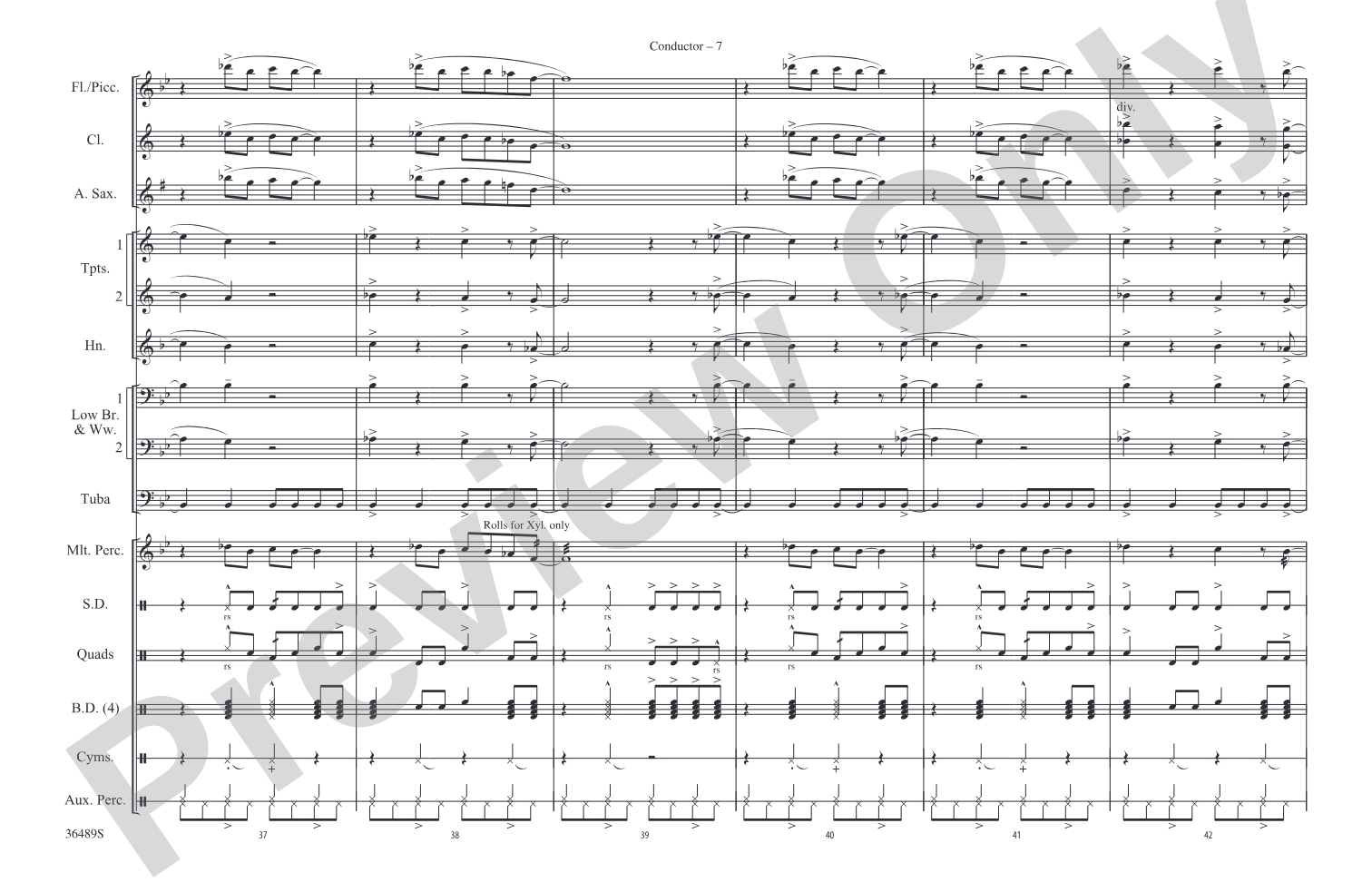
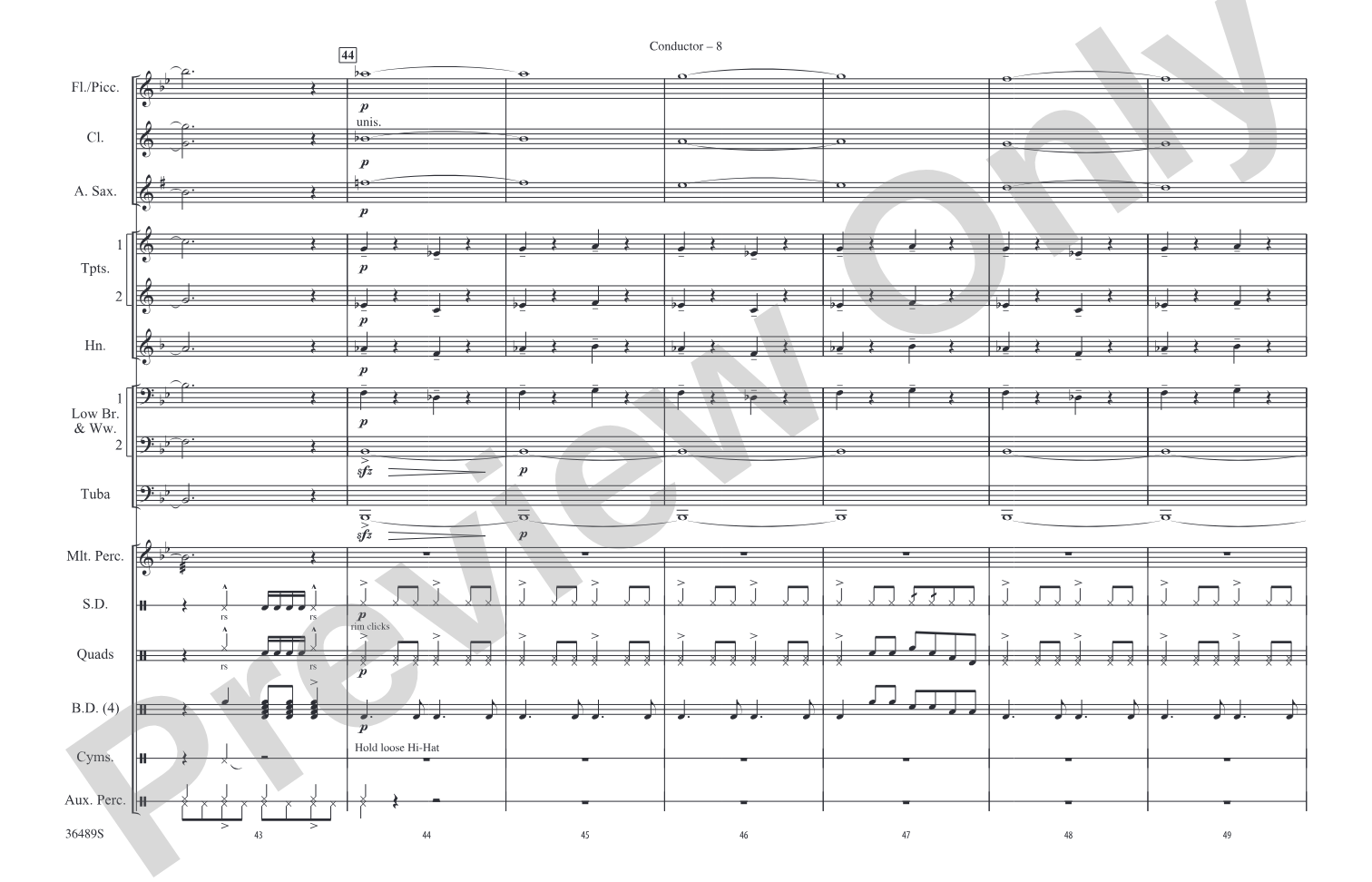
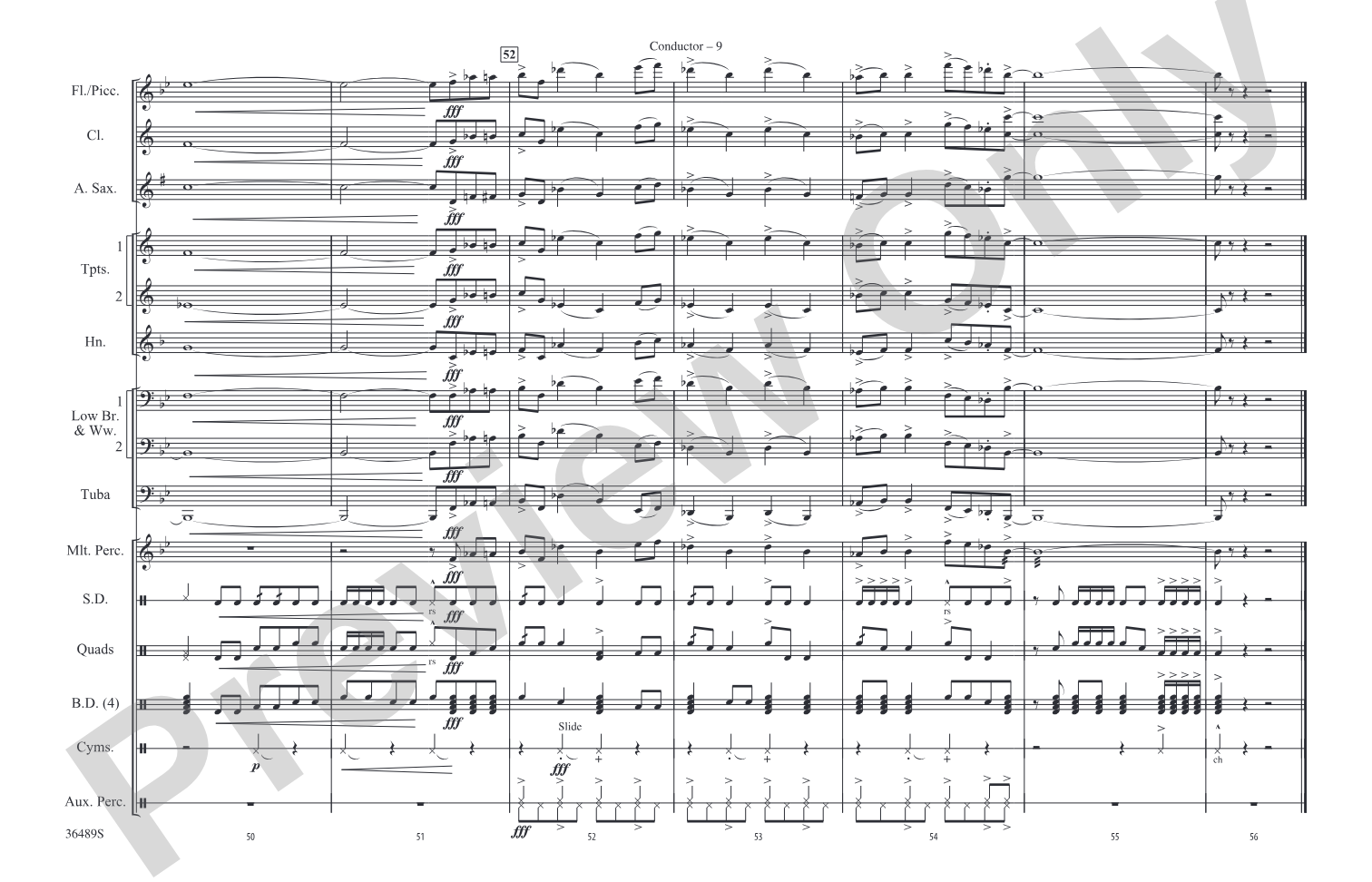

Black Dog: Score
Words and music by Jimmy Page, Robert Plant, and John Paul Jones [Led Zeppelin] / arr. Roland Barrett
Grade: 3 (Medium)
Item: 00-PR-0006465
$9.00
Pickup currently not available
Description
The innovative music from the rock group Led Zeppelin is as fresh and exciting today as it was when it was first released. Veteran arranger Roland Barrett has crafted a driving arrangement of one of their biggest hits. This hard-rocking chart will be a favorite year after year!


Don't just read it, hear it, play along with it, and watch your students grow with it. In MakeMusic Cloud, Black Dog: Score comes alive with professional accompaniment, adjustable tempo, and built-in practice tools that turn solo practice into real progress.
Open in the Player
Jump straight in and assign it today.
Start Your Free Trial
Open this title and explore the full library in minutes.
Sample Audio
1
Audio File
--:--
0:00
0:00
Sample Video
No sample videos found.
Additional Details
Series:
Mega Sounds for Marching Band
Publisher:
Alfred Music
Page Count:
110
SKU:
00-PR-0006465
More about this title
About the Composer: Jimmy Page
Jimmy Page is the legendary guitarist and primary architect of Led Zeppelin's sound. His innovations in electric guitar technique, studio production, and songwriting fundamentally shaped rock music from the early 1970s onward. Page's compositional voice combines blues-based riffing with Eastern musical influences and experimental arrangement, creating tracks that remain central to music education discussions about rock's artistic legitimacy.
Why we love this
Roland Barrett's arrangement captures the raw energy and iconic riff of "Black Dog" while making it fully accessible to Grade 3 marching ensembles. The chart respects the original's harmonic and rhythmic identity without requiring virtuosic technical facility, giving students a genuine rock hit they'll recognize and feel proud to perform. This is the kind of music that gets audiences excited and musicians invested in rehearsal.
What to expect
The arrangement channels "Black Dog's" restless energy and swagger. You hear the driving groove, the angular riff that won't leave your head, and the blues-rock attitude that made the original unforgettable, all translated into a marching band idiom that feels authentic rather than diluted.
Who it's for
Band directors seeking authentic rock repertoire for Grade 3 marching ensembles will find a performance-ready chart that respects both the original composition and student capability. Marching programs looking to broaden their programming beyond traditional march styles and classical adaptations will connect with ensembles genuinely excited by this material.
How to get the most out of it
- Lock the signature riff into the front ensemble and lower brass together. The rhythmic precision of that hook is what makes the piece recognizable, so drill it as a single unified gesture rather than instrument-by-instrument.
- Keep the groove grounded in the battery. A marching band "Black Dog" lives or dies on steady pulse and crisp articulation in the drums, so establish that pocket early and never let it drift.
- Balance the melody line against the riff so neither overwhelms the other. These two elements need to coexist clearly; if the riff buries the tune, you lose melodic shape.
- Commit to the dynamics. Rock music depends on contrast between verses and choruses, so shape your full-ensemble swells and pull-backs with intention rather than playing at a single volume.
How to use it
Feature this as a show opener or closer to create an immediate connection with audiences who know the song. It pairs well in programs that mix classic rock with other contemporary material, or as a standalone statement when you want to demonstrate that marching band arranging extends far beyond traditional repertoire.
Skills your students will build
- Maintaining steady groove and subdivisions in a rock context
- Rhythmic coordination between melody and countermelody lines
- Dynamic contrast and shape within a non-classical genre
- Precision articulation in a syncopated, riff-based texture
- Responding to and performing recognizable contemporary music