
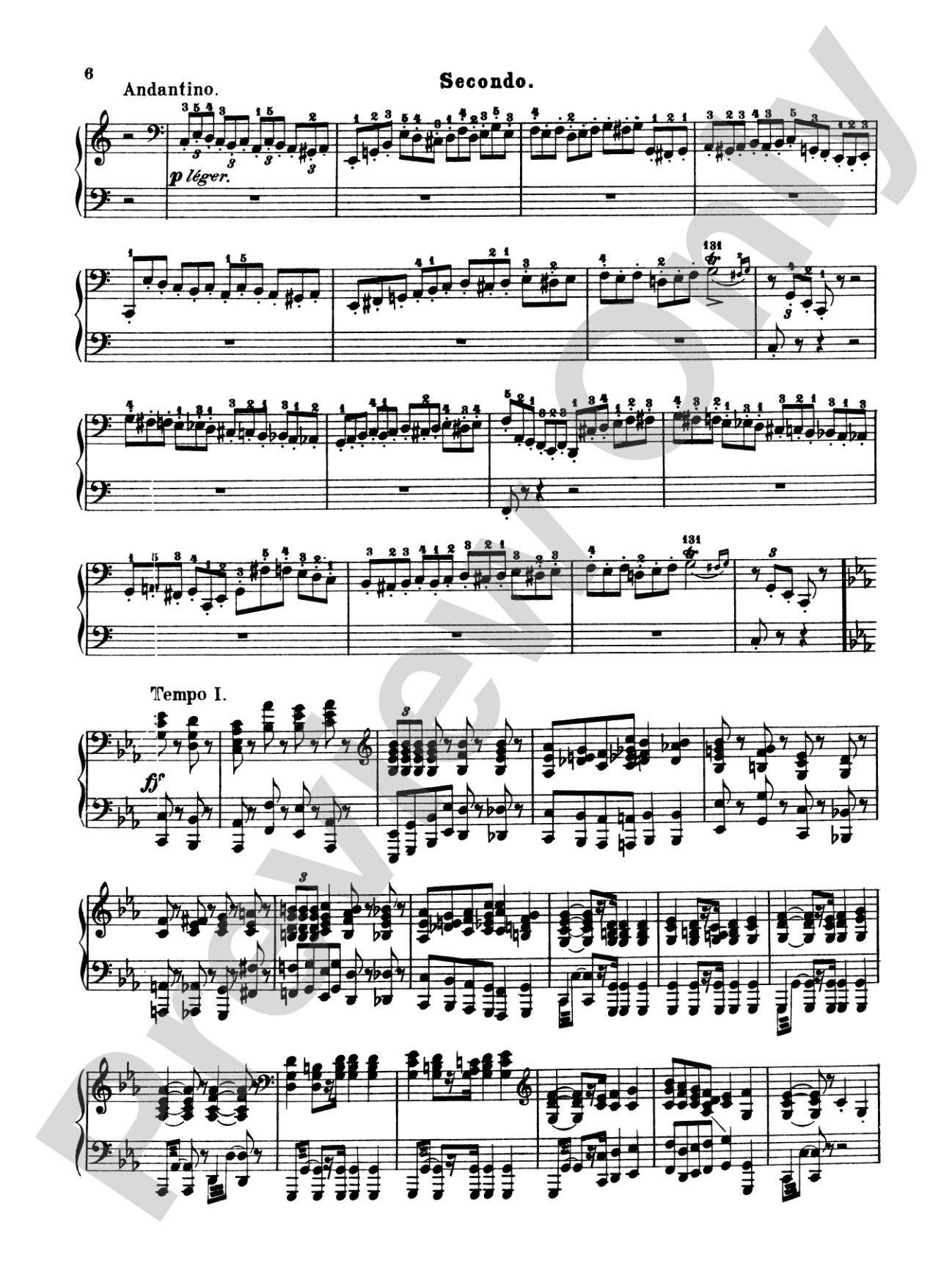
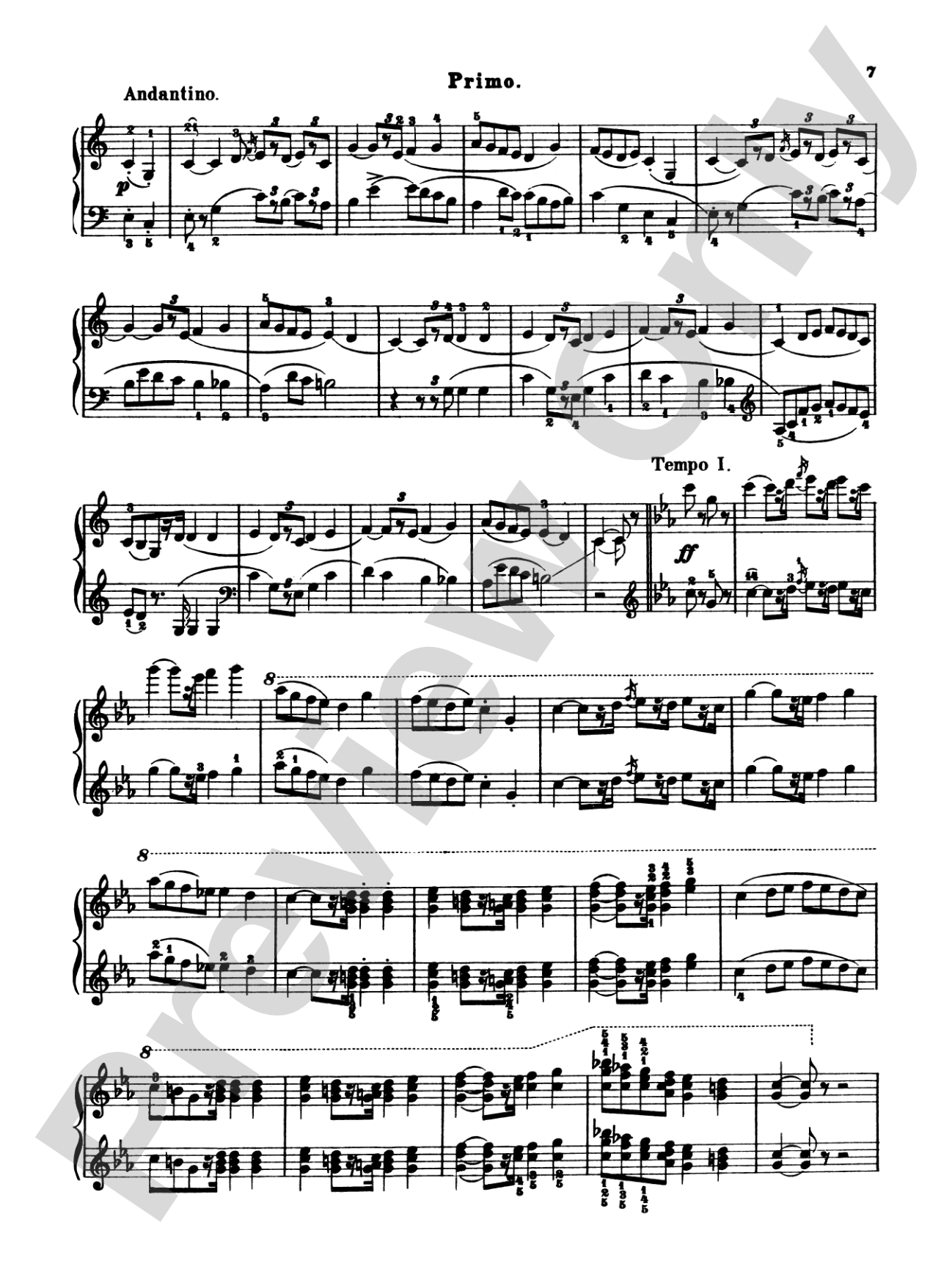
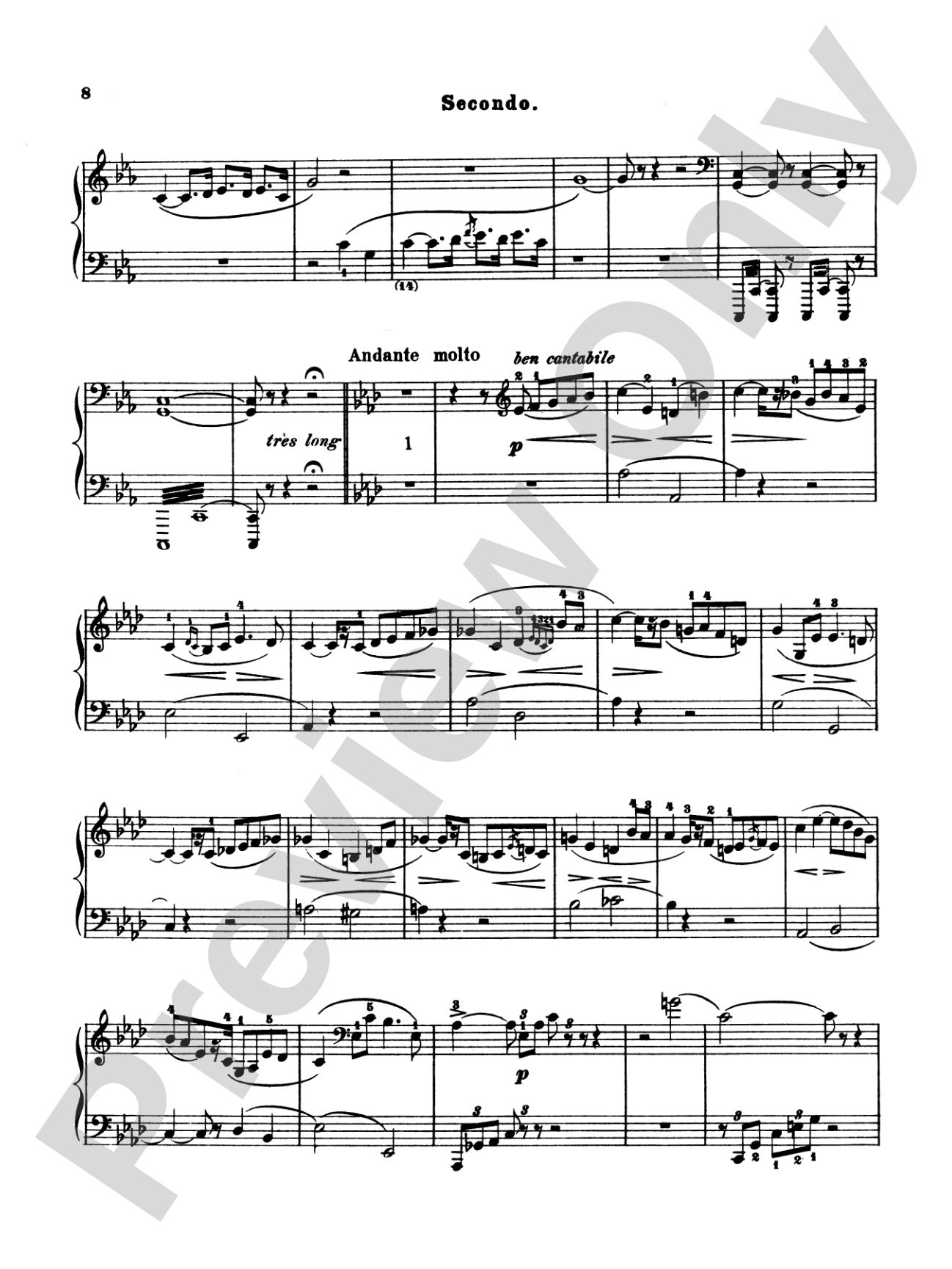
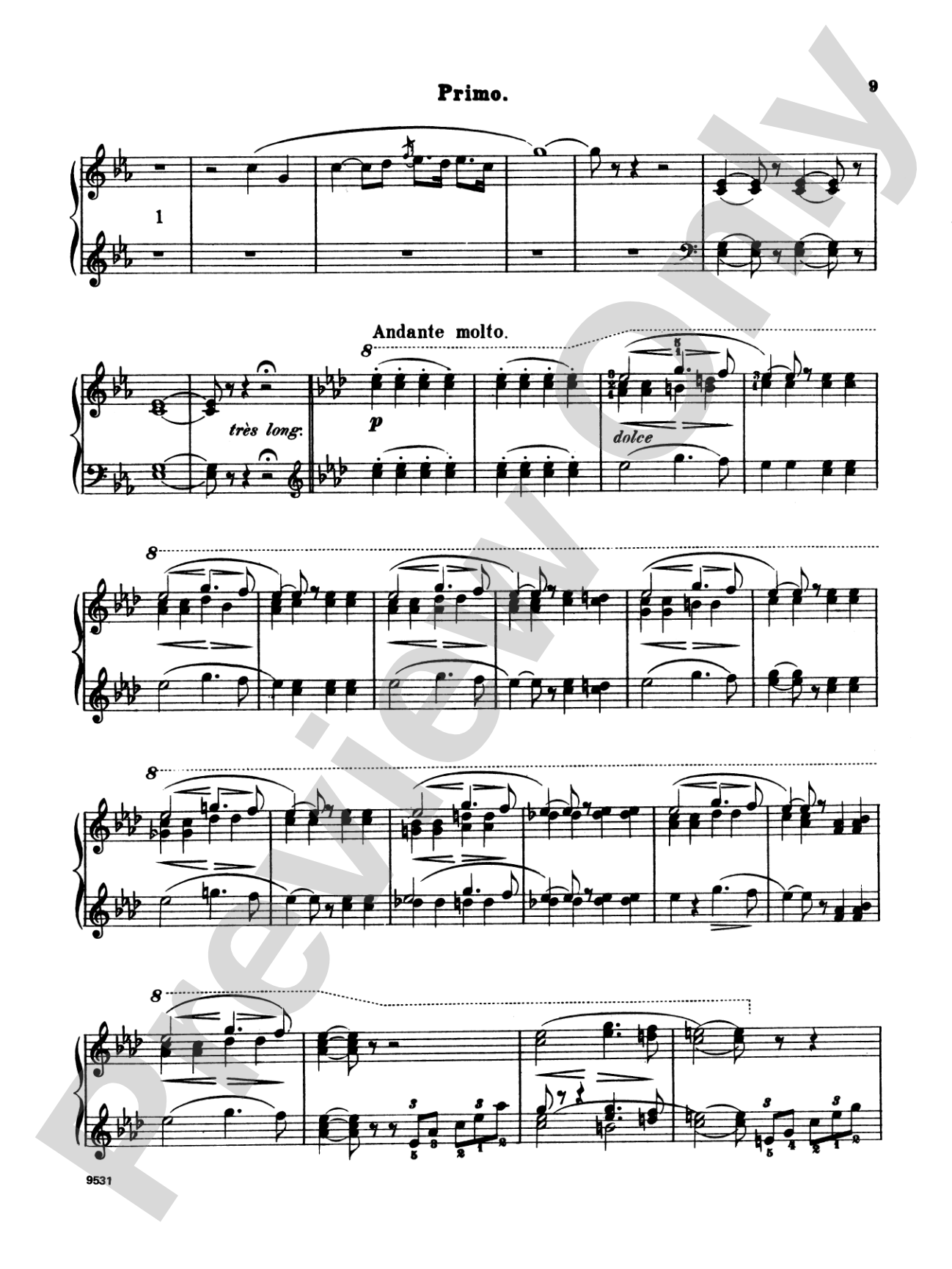
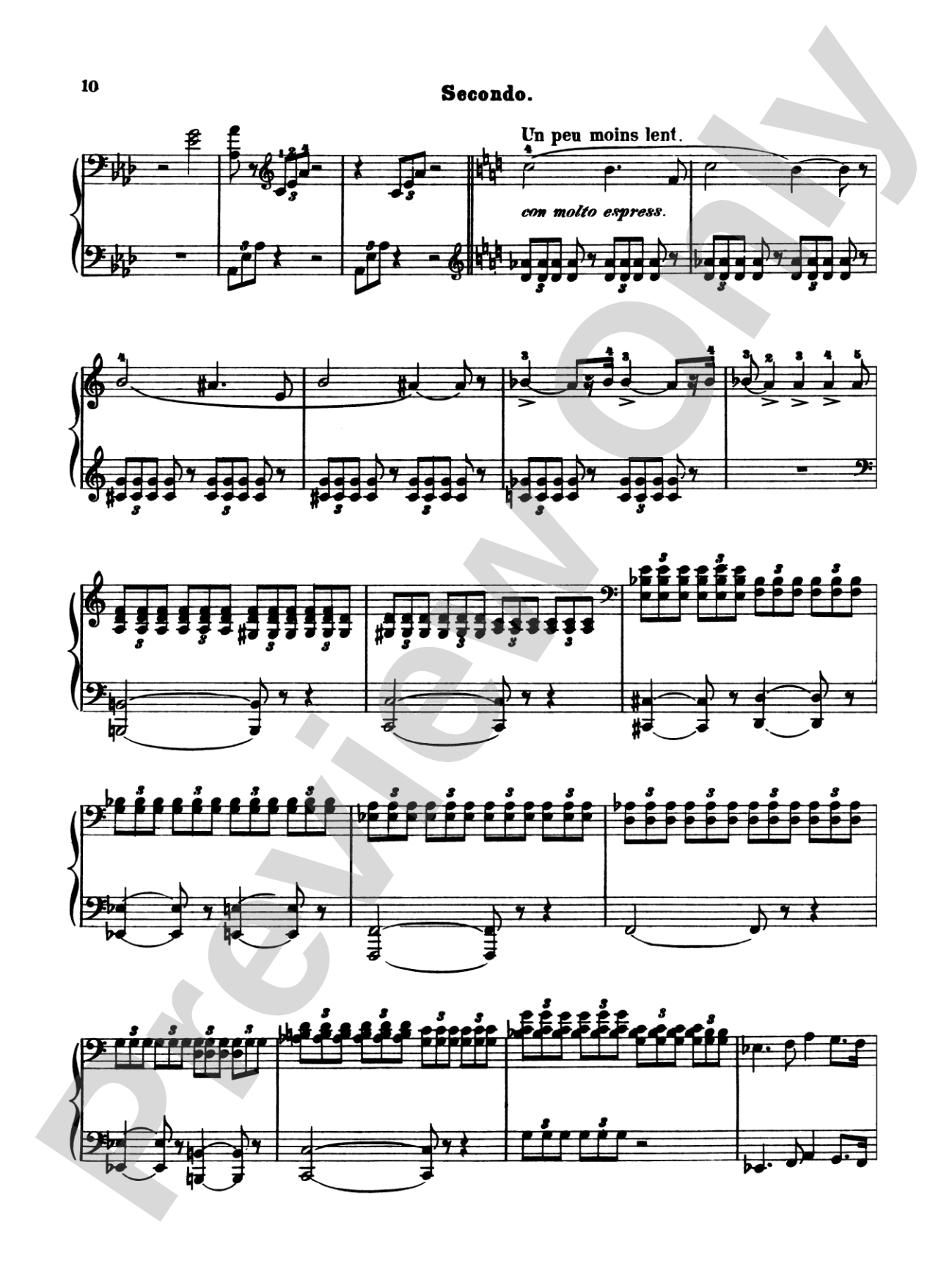
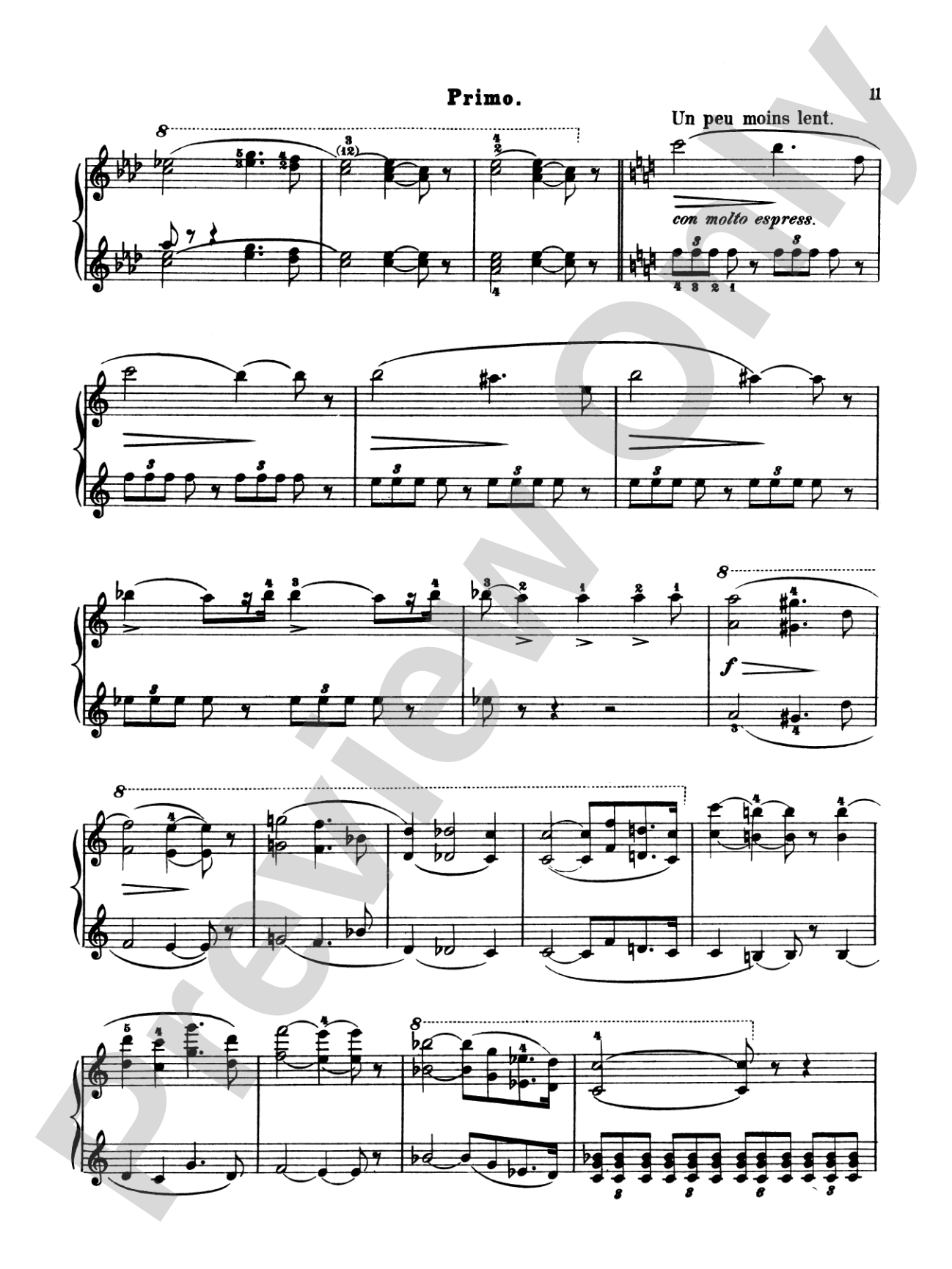
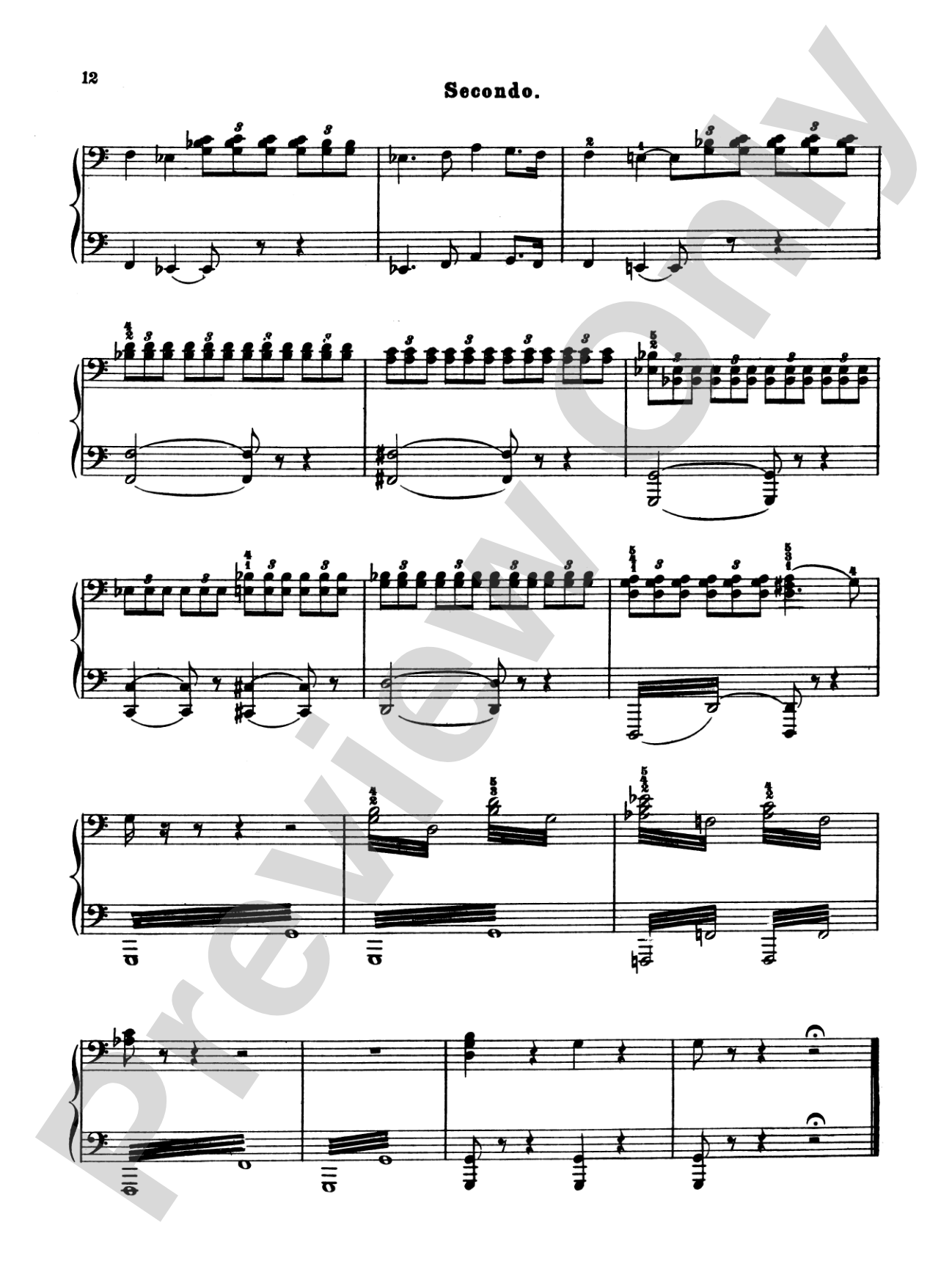
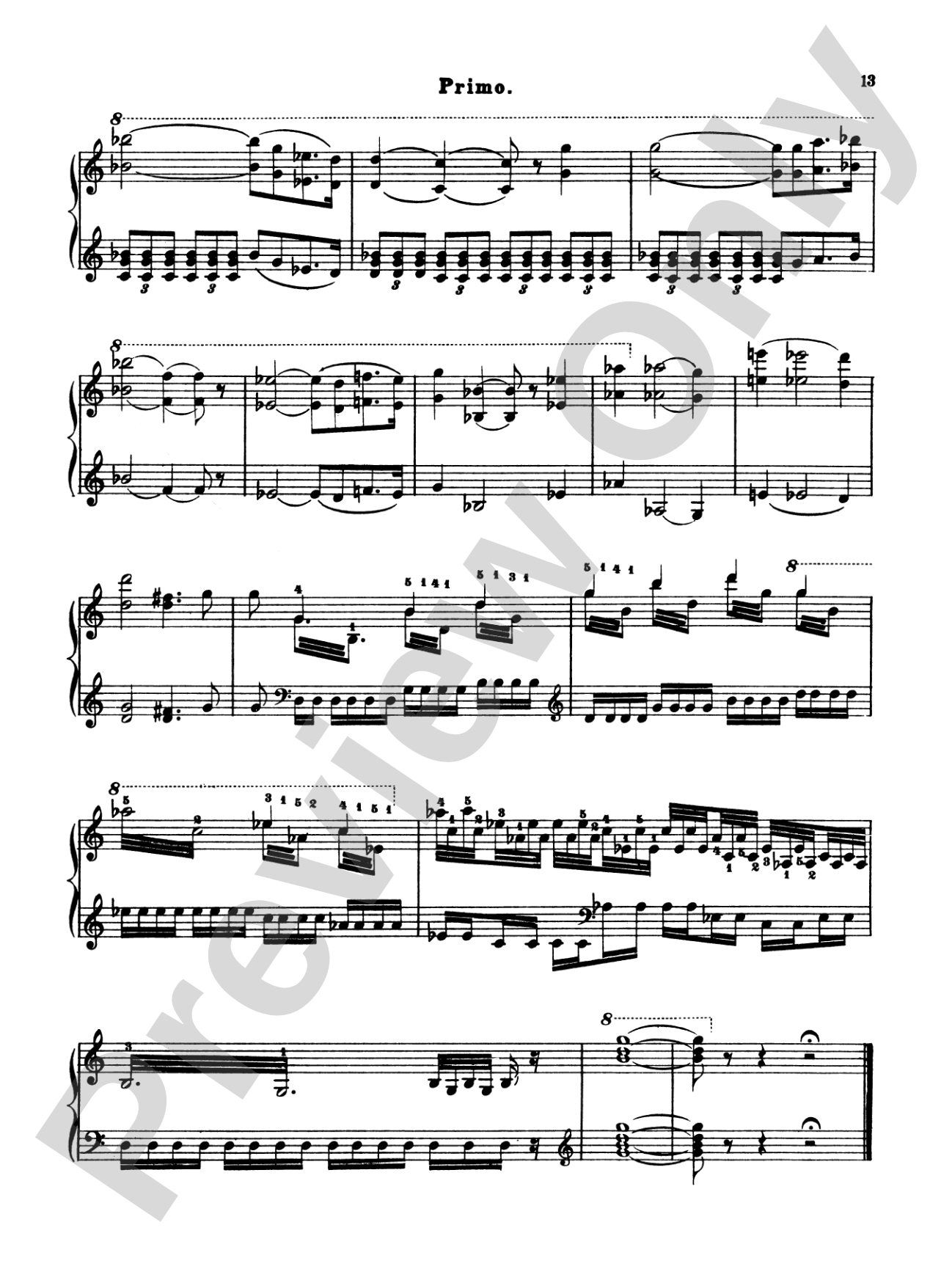

Bizet: L'Arlesienne, Suites 1 & 2: Piano Duet (1 Piano, 4 Hands) Book
By Georges Bizet
Item: 00-PK-0003790

$12.99
Pickup currently not available
Buy Extra Parts (Digital PDF Download)
| Product | Price | Quantity |
|---|---|---|
| Bizet: L'Arlesienne, Suites 1 & 2 | $0.99 | |
| Bizet: L'Arlesienne, Suites 1 & 2 | $0.99 | |
| Bizet: L'Arlesienne, Suites 1 & 2 | $0.99 | |
| Bizet: L'Arlesienne, Suites 1 & 2 | $0.99 | |
| Bizet: L'Arlesienne, Suites 1 & 2 | $0.99 | |
| Bizet: L'Arlesienne, Suites 1 & 2 | $0.99 | |
| Bizet: L'Arlesienne, Suites 1 & 2 | $0.99 |
Parts Added to Cart!
Related Items
L'Arlesienne, Suites 1 & 2: Piano Duet (1 Piano, 4 Hands) Book |
$12.95
|
View |
Description
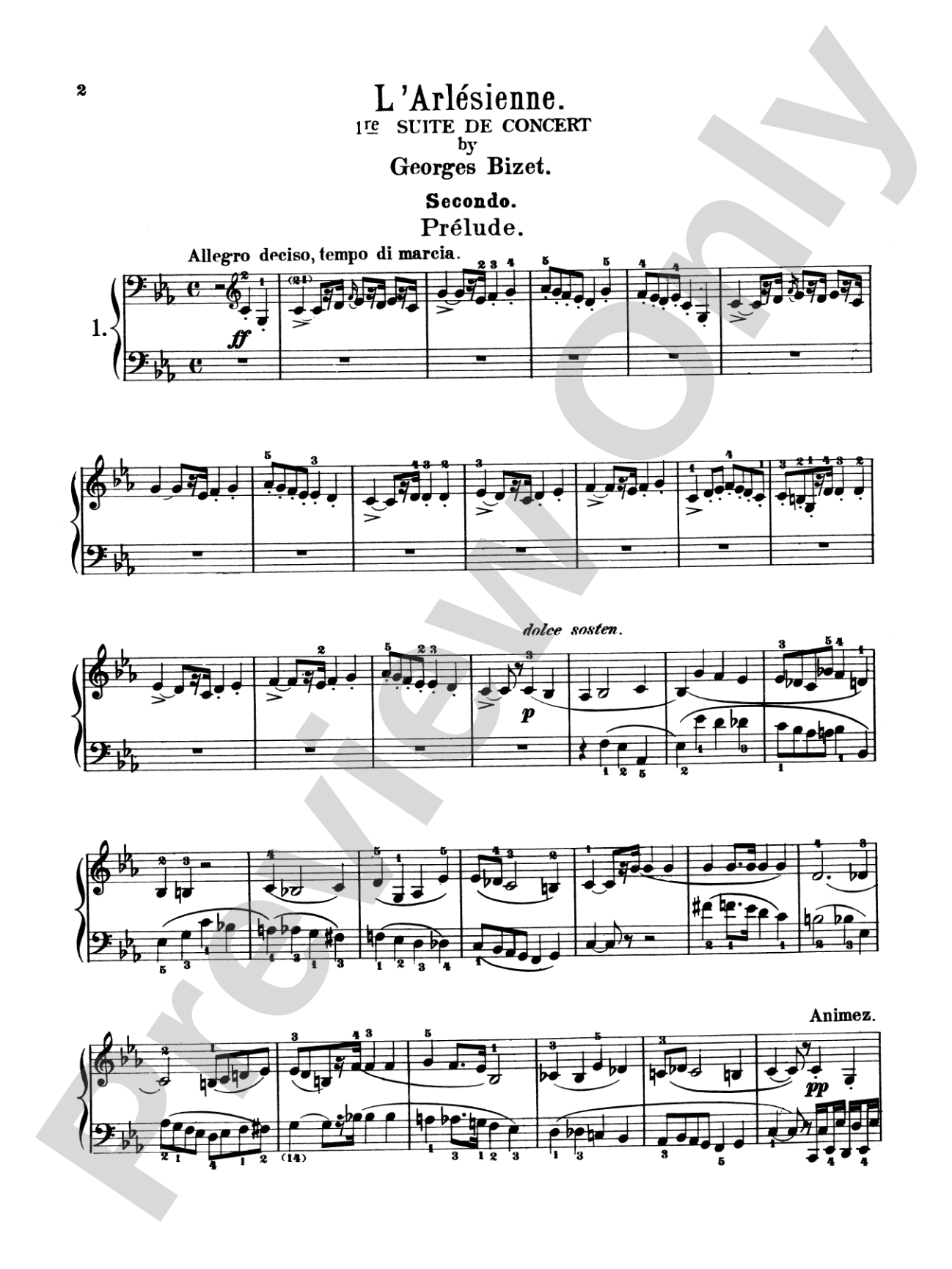
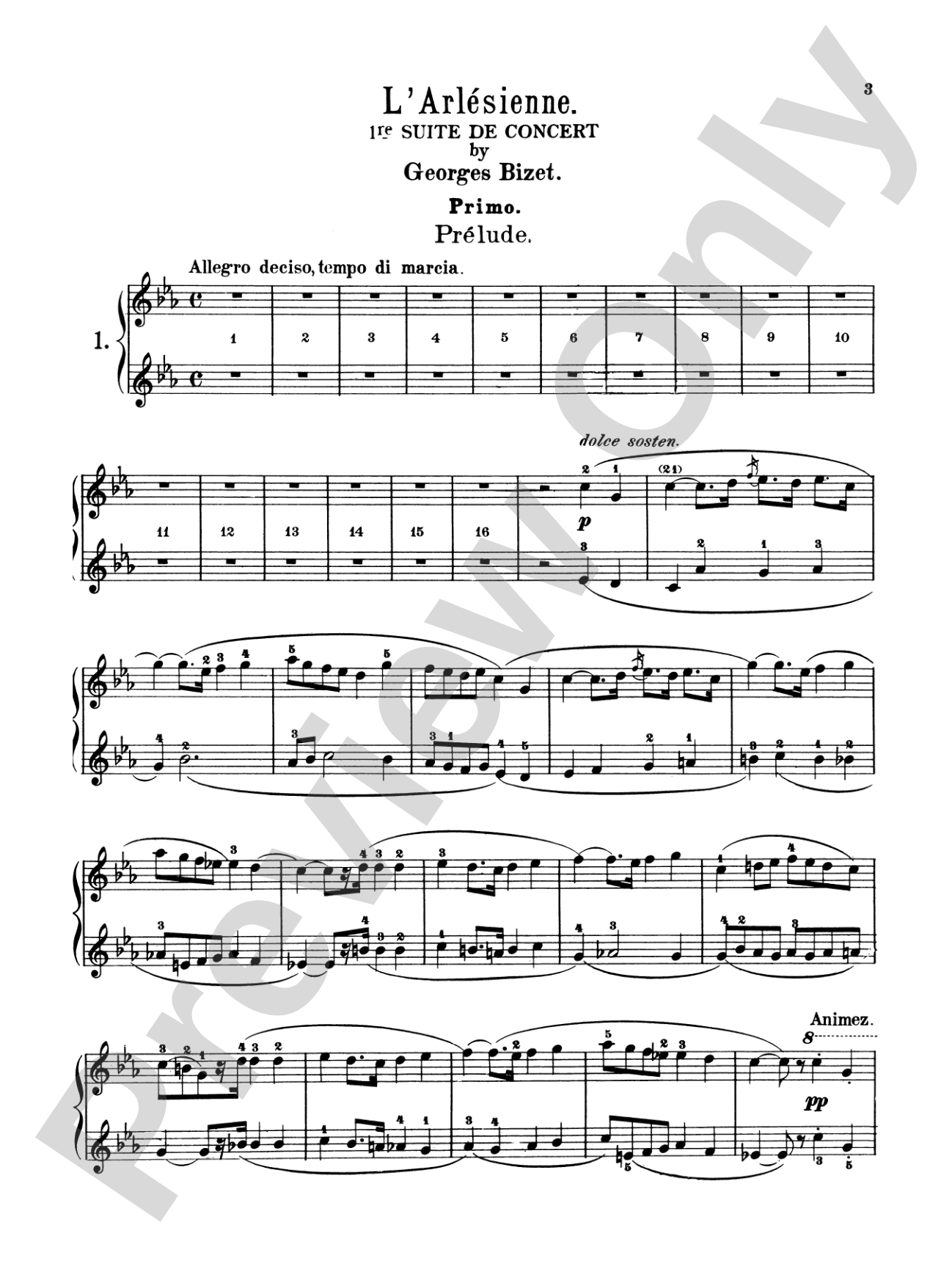
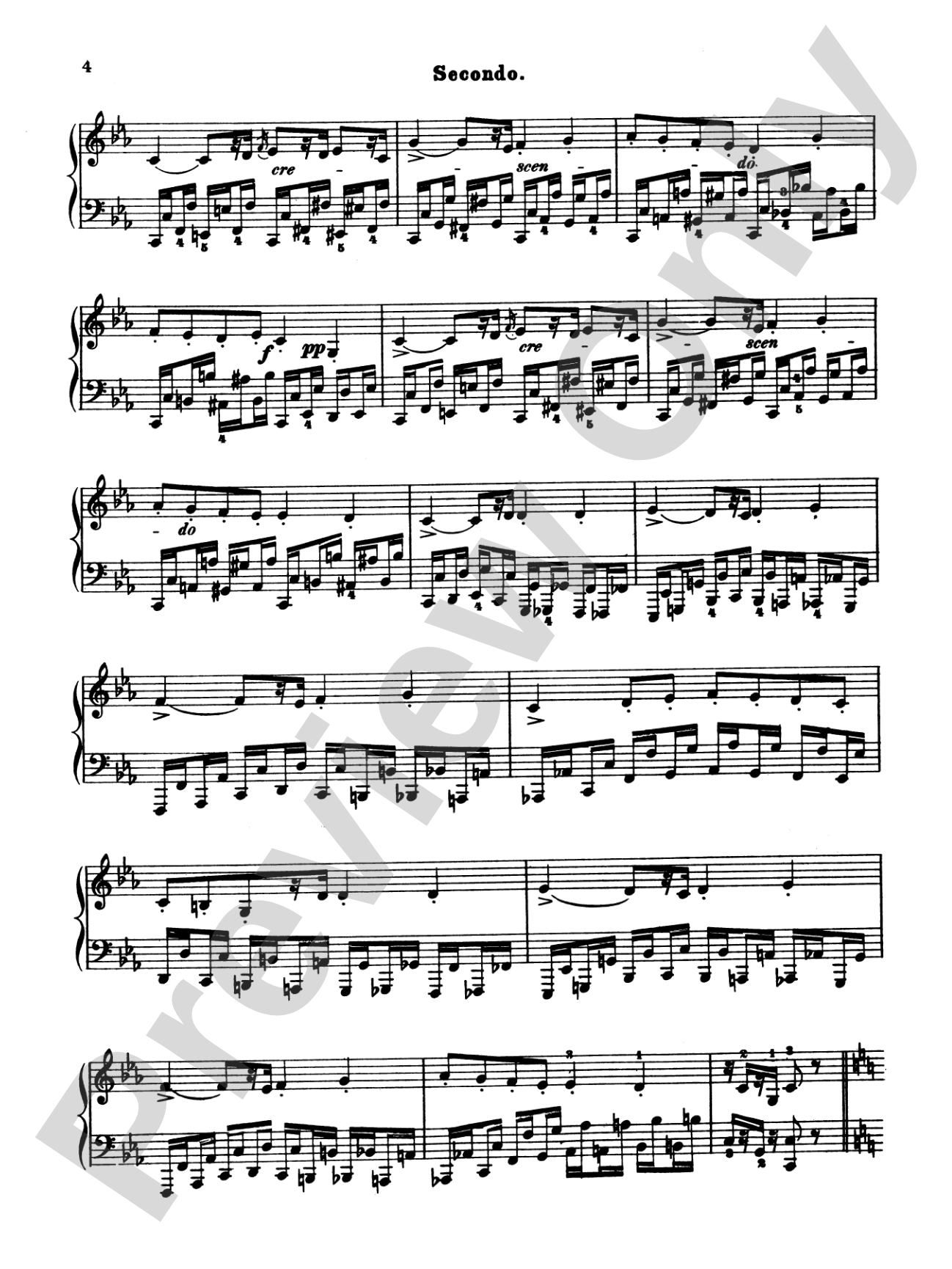
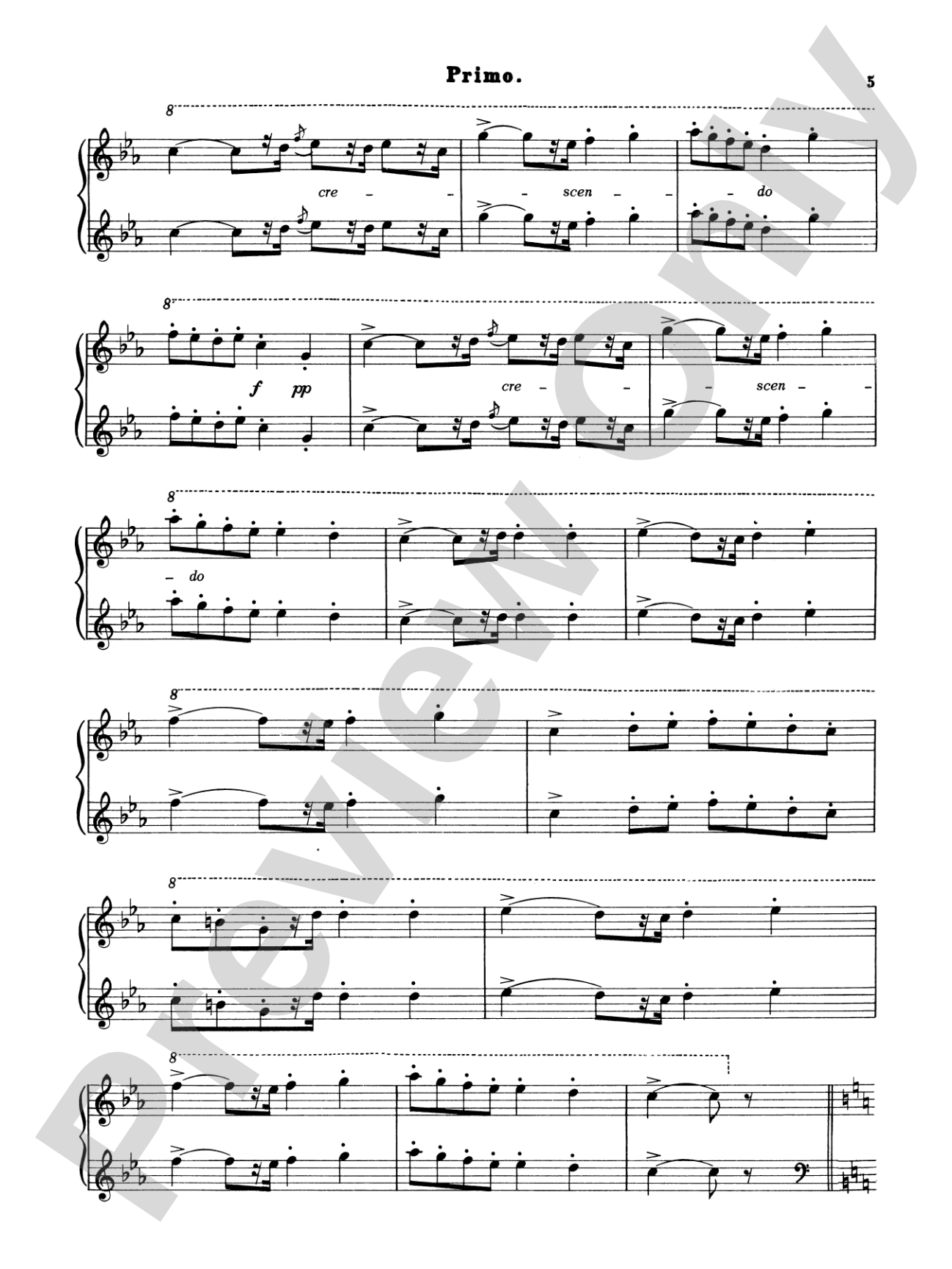
Titles: Suite 1: No. 1, Prelude * No. 2, Minuetto * No. 3, Adagietto * No. 4, Carillon * No. 5. Suite 2: No. 1, Prelude * No. 2, Intermezzo * No. 3, Menuet * No. 4, Farandole.


Don't just read it, hear it, play along with it, and watch your students grow with it. In MakeMusic Cloud, Bizet: L'Arlesienne, Suites 1 & 2: Piano Duet (1 Piano, 4 Hands) Book comes alive with professional accompaniment, adjustable tempo, and built-in practice tools that turn solo practice into real progress.
Open in the Player
Jump straight in and assign it today.
Start Your Free Trial
Open this title and explore the full library in minutes.
Sample Audio
No sample audio found.
Sample Video
No sample videos found.
Additional Details
Series:
Kalmus Edition
Publisher:
Alfred Music
Page Count:
64
SKU:
00-PK-0003790
More about this title
About the Composer: Georges Bizet
Georges Bizet (1838-1875) was a French composer whose gift for melody and orchestration made him one of the defining voices of 19th-century opera. Though he died at 36, leaving a relatively small catalog, his works achieved lasting prominence through their emotional directness and harmonic sophistication. Bizet spent much of his career writing for the stage, and his gift for creating vivid musical portraits of character and place shaped even his instrumental works.
Bizet composed the two L'Arlesienne suites as orchestral arrangements of music he had written for Alphonse Daudet's 1872 play of the same name. The suites distill the drama and atmosphere of Provence into a series of distinctive movements, each with its own character. In piano duet form, these pieces remain treasured entry points to Bizet's mature style, offering students and pianists alike access to his gift for memorable melody and colorful harmony.
Why we love this
These arrangements carry Bizet's signature melodic gift into an intimate setting that rewards both players. The eight movements offer genuine variety in texture and mood, from the stately Prelude through the brilliant Farandole, making the collection substantial enough for recital programming without requiring virtuosity beyond reach of serious advanced-intermediate pianists.
What to expect
These movements evoke the landscapes and rhythms of Provence with warmth and directness. You move from ceremonial grandeur through intimate lyricism and folk-influenced dance figures, with moments of real dramatic tension balanced by passages of simple, almost hymnic beauty.
Who it's for
Advanced-intermediate piano duet partnerships looking for repertoire that is musically substantial and performable within a reasonable practice timeline. This collection works equally well for private studio recitals, ensemble competitions, or collaborative learning between a teacher and student.
How to get the most out of it
- Balance the parts carefully in movements where the melody alternates between primo and secondo; resist the urge to dominate, and treat dialogue passages as true conversation between equal voices.
- Shape phrases with attention to the harmonic rhythm, particularly in the slower movements like Adagietto and Intermezzo, where linear singing matters more than rhythmic precision.
- The Farandole benefits from energetic forward motion and crisp articulation in the repeated figures; coordinate pedaling between both players to maintain clarity during the denser passages.
- Attend to the orchestral origins of these pieces by listening to orchestral recordings; this context illuminates which voice should project and helps both pianists understand the intended balance.
How to use it
Program the suites as a complete unit on a recital featuring Romantic-era duet literature, or select individual movements to pair with solo piano works by Bizet or his contemporaries. The Farandole makes a particularly satisfying closer for a duet-focused concert or student showcase.
Skills your students will build
- Balance and blend between primo and secondo voices
- Coordinated pedaling and sustain across two players
- Phrase shaping in Romantic harmonic contexts
- Rhythmic independence in ensemble playing
- Interpretation of melody and accompaniment roles
- Passage work execution and finger coordination in octaves and chords