
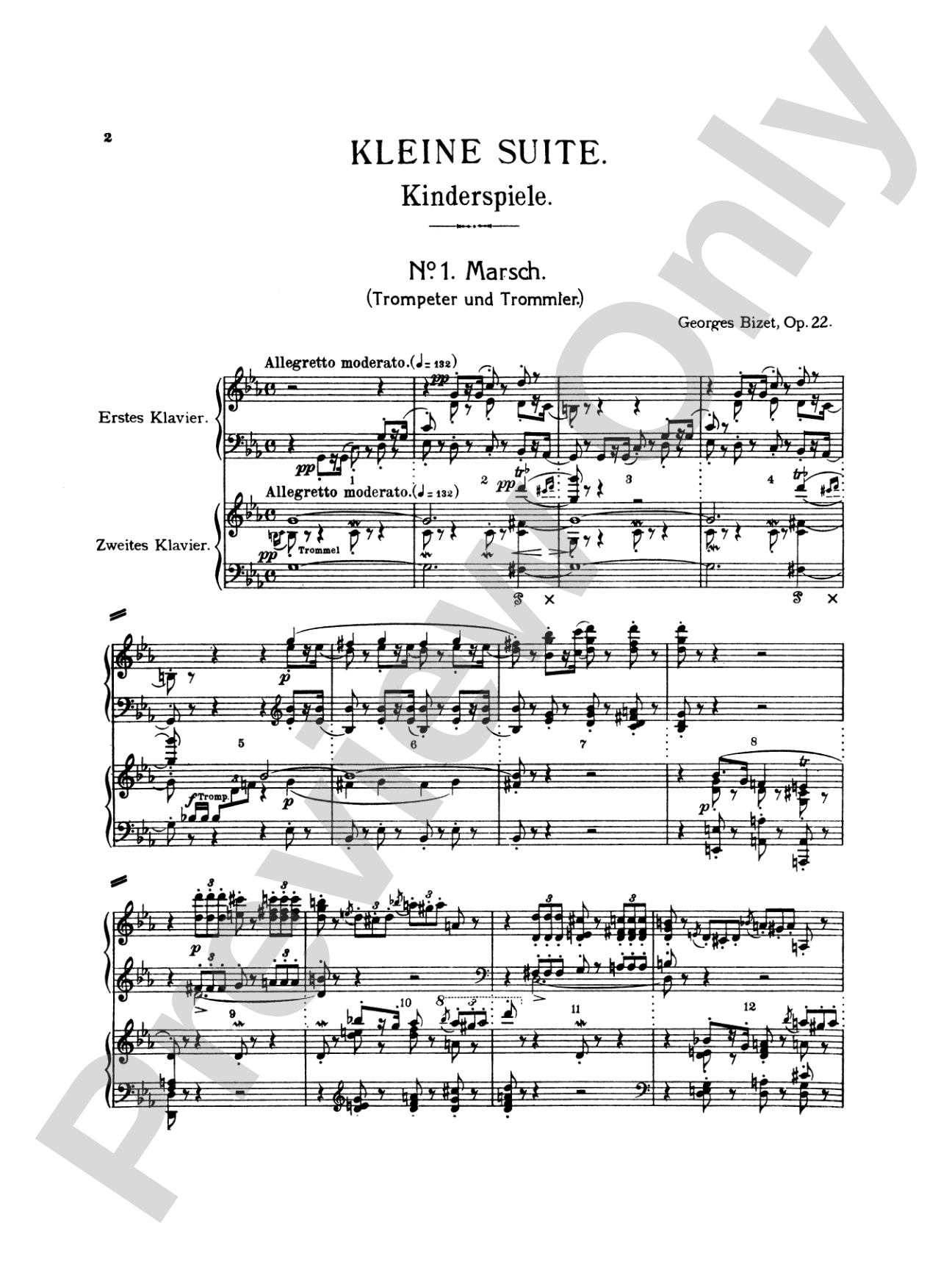
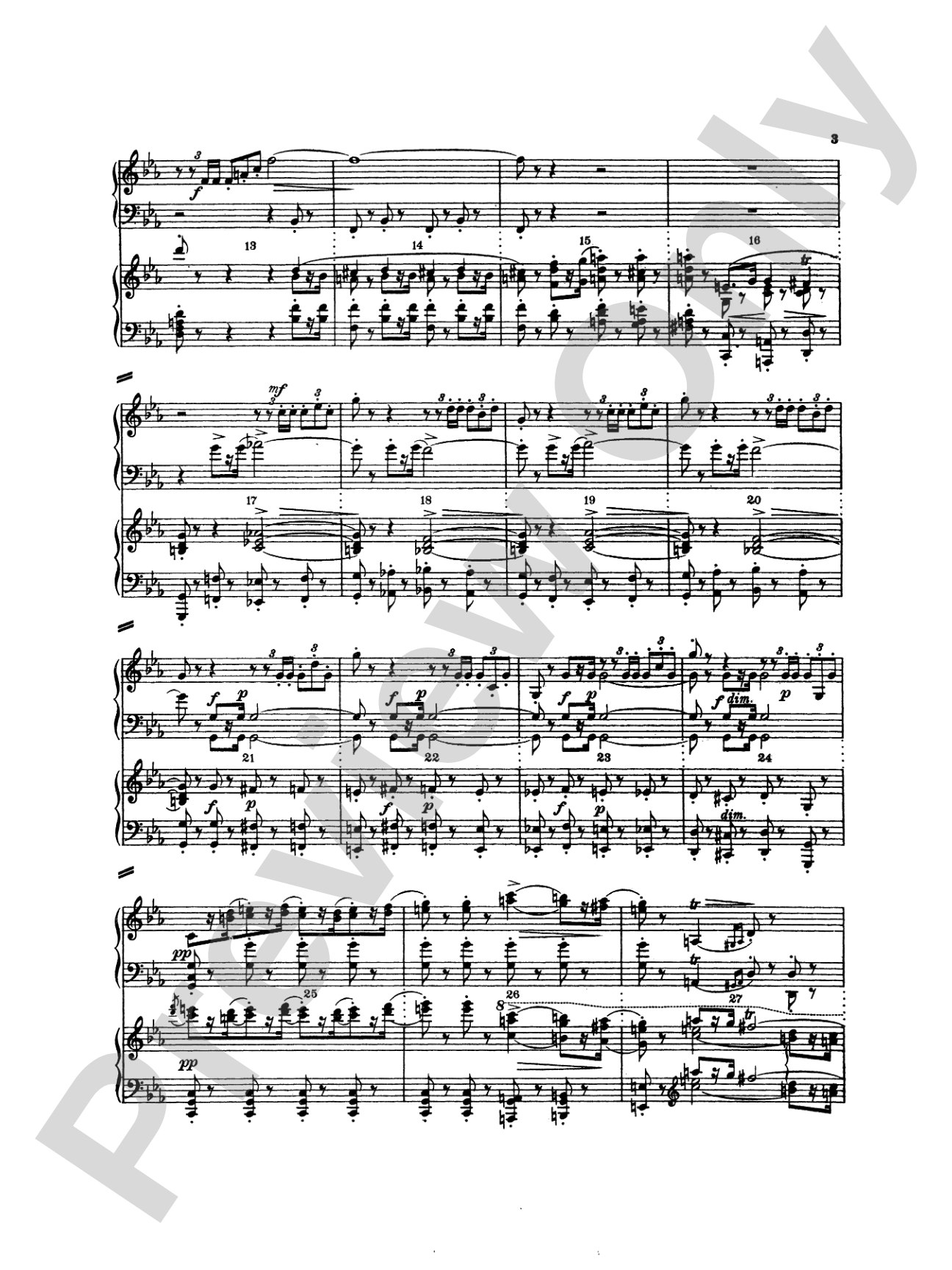
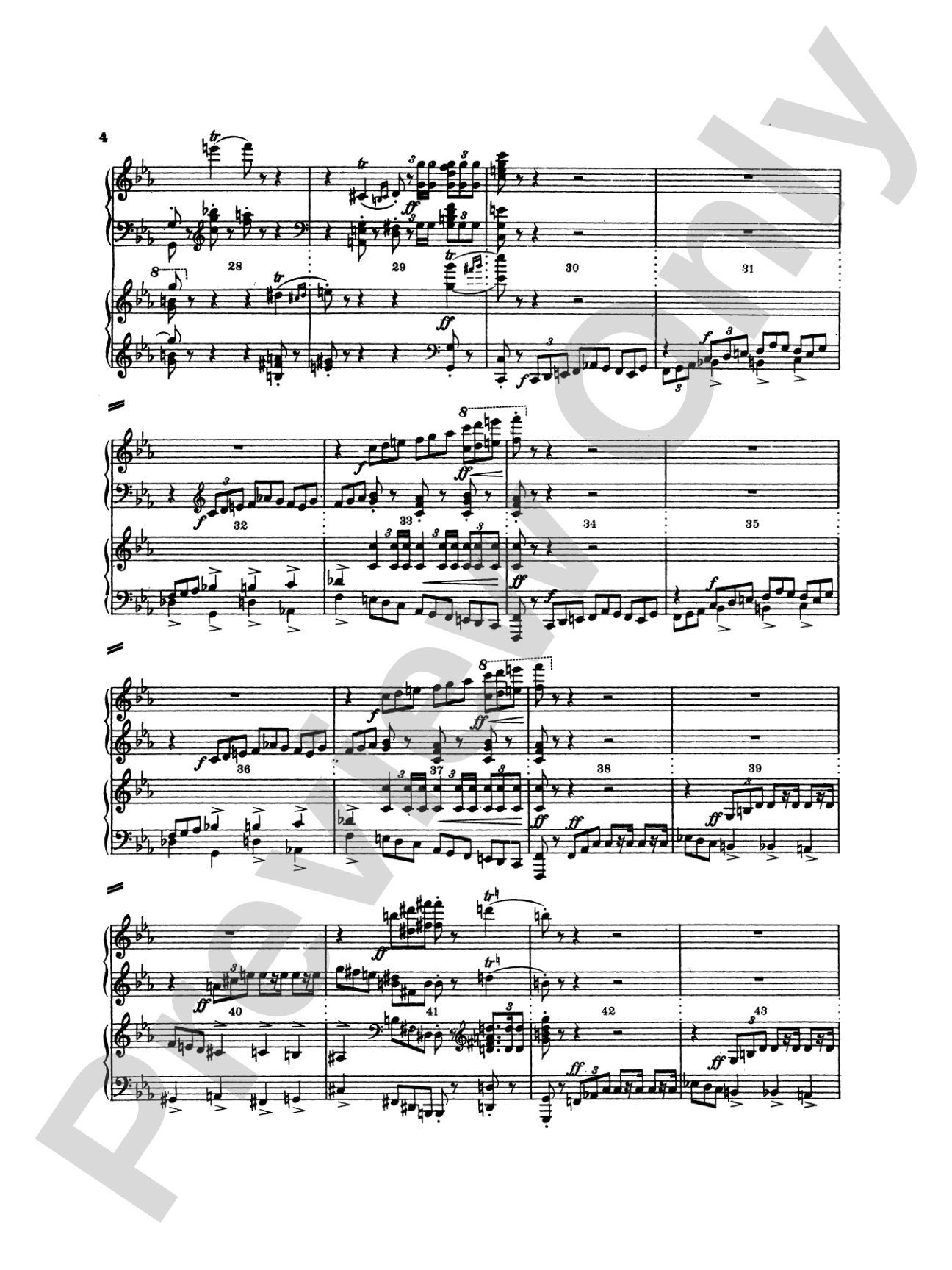
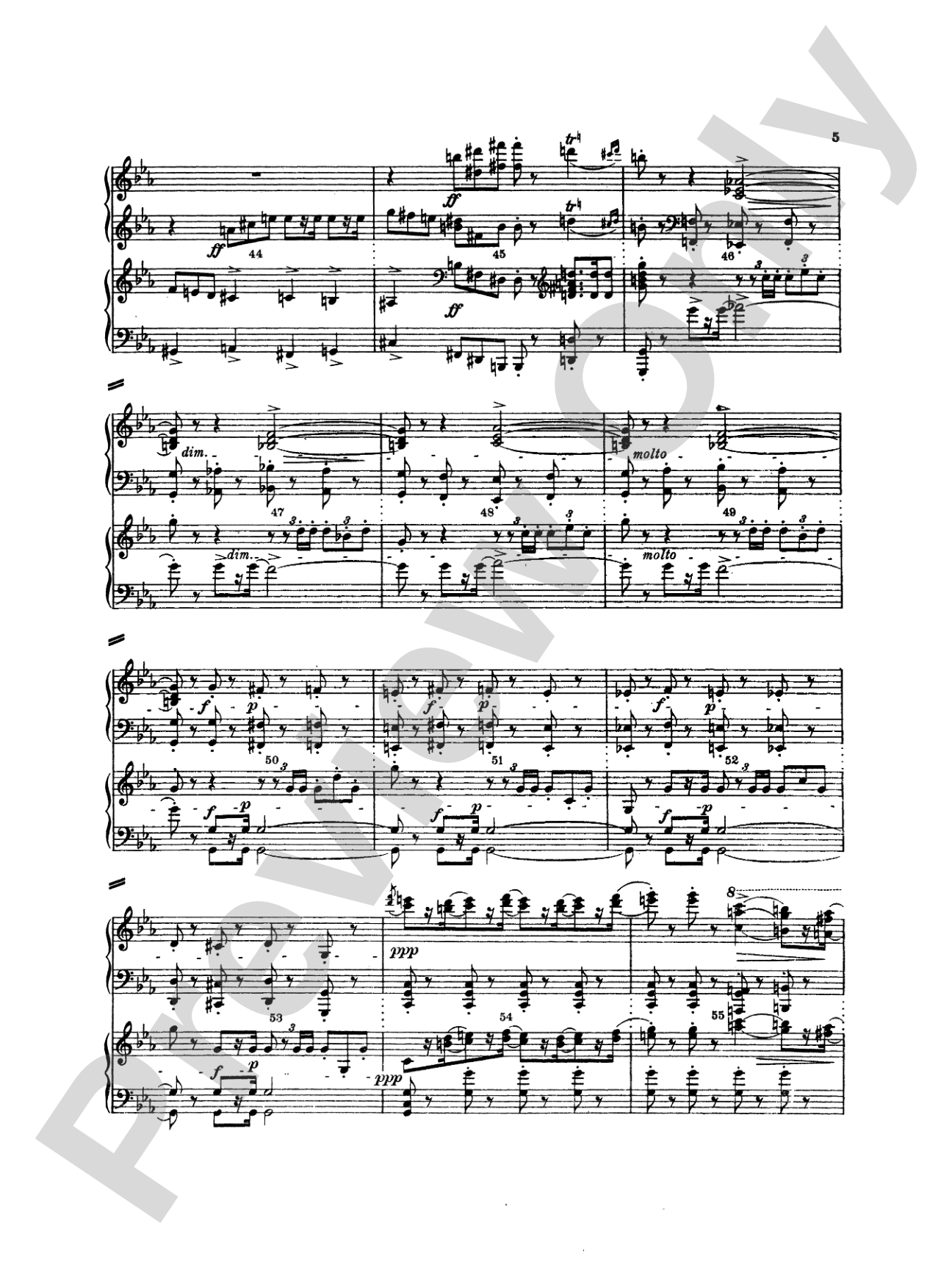
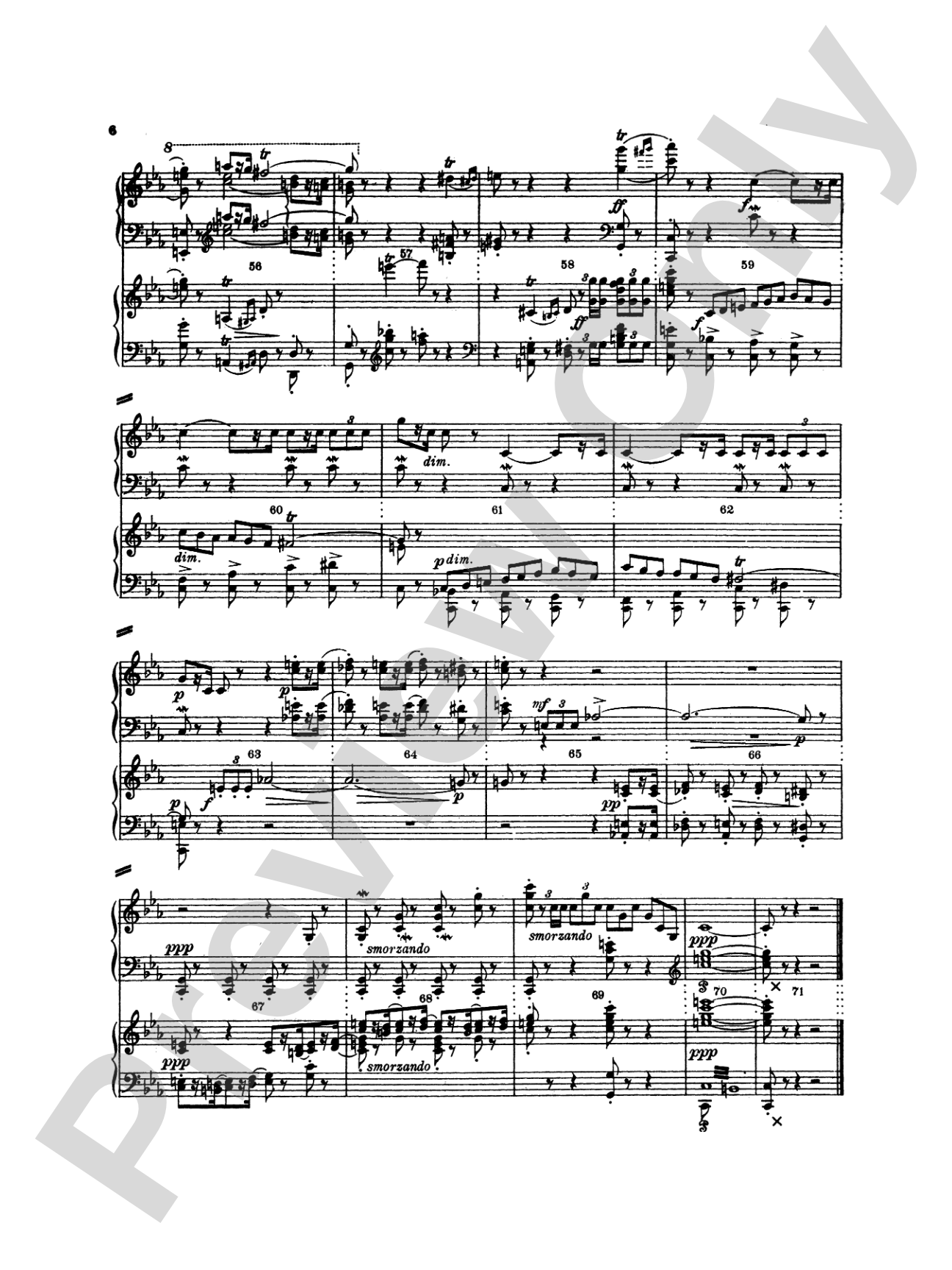

Bizet: Children's Suite (Jeux D'Enfants): Piano Duo (2 Pianos, 4 Hands) Book (2 copies required)
By Georges Bizet
Level: Advanced
Item: 00-PK-0002949

$10.99
Pickup currently not available
Buy Extra Parts (Digital PDF Download)
| Product | Price | Quantity |
|---|---|---|
| Bizet: Children's Suite (Jeux D'Enfants) | $1.99 | |
| Bizet: Children's Suite (Jeux D'Enfants) | $1.99 | |
| Bizet: Children's Suite (Jeux D'Enfants) | $1.99 | |
| Bizet: Children's Suite (Jeux D'Enfants) | $1.99 | |
| Bizet: Children's Suite (Jeux D'Enfants) | $1.99 |
Parts Added to Cart!
Related Items
Children's Suite (Jeux D'Enfants): Piano Duo (2 Pianos, 4 Hands) Book (2 copies required) |
$10.95
|
View |
Description
A Piano Duet for 2 pianos, 4 hands, composed by Georges Bizet.


Don't just read it, hear it, play along with it, and watch your students grow with it. In MakeMusic Cloud, Bizet: Children's Suite (Jeux D'Enfants): Piano Duo (2 Pianos, 4 Hands) Book (2 copies required) comes alive with professional accompaniment, adjustable tempo, and built-in practice tools that turn solo practice into real progress.
Open in the Player
Jump straight in and assign it today.
Start Your Free Trial
Open this title and explore the full library in minutes.
Sample Audio
No sample audio found.
Sample Video
No sample videos found.
Additional Details
Series:
Kalmus Edition
Publisher:
Alfred Music
Page Count:
20
SKU:
00-PK-0002949
More about this title
About the Composer: Georges Bizet
Georges Bizet (1838, 1875) stands as one of the nineteenth century's most melodically gifted composers, though his life was marked by frustration and early death. Best known for Carmen, an opera that revolutionized the genre, Bizet possessed an instinctive gift for memorable themes and sophisticated harmonic language that influenced generations of composers after him.
Beyond his operatic fame, Bizet wrote extensively for piano, crafting works that balance technical brilliance with genuine musicality. His approach to duet writing reflects the Romantic era's celebration of domestic music-making while maintaining the craftsmanship and formal clarity that defined his larger works.
Why we love this
Bizet's Children's Suite offers advanced pianists genuine musical material rather than technical display pieces. The two-piano format creates dialogue and partnership between players, building ensemble sensitivity while the Romantic harmonic language and flowing melodic lines reward careful interpretation and phrase shaping.
What to expect
Bizet's suite captures the playful, imaginative world of childhood through music of elegance and charm. The Romantic idiom flows with natural grace; moments of gentle humor emerge alongside passages of surprising tenderness, creating a work that feels both sophisticated and approachable.
Who it's for
This suite belongs in the hands of advanced pianists ready to move beyond technical etudes into expressive chamber music. Two accomplished players seeking repertoire that rewards musical maturity and collaborative refinement will find substantial material here.
How to get the most out of it
- Balance tone between the two pianos so neither dominates; this is conversation, not solo-and-accompaniment. Adjust seat heights and distances if needed to hear each other clearly.
- Shape phrases through gentle dynamic contours rather than sudden changes. Bizet's lyricism emerges from sustained legato and singing tone across both instruments.
- Coordinate pedal changes between pianists to maintain clarity while supporting the harmonic color Bizet intended. Rehearse these shifts together.
- Allow rubato to breathe naturally, especially in lyrical passages, but maintain rhythmic coordination during faster sections. Choose one pianist as the primary timekeeper when needed.
How to use it
This works beautifully as a centerpiece for a duo recital or as a substantial intermediate piece in a concert featuring Romantic chamber music. Its 20 pages provide enough presence to anchor a program without demanding excessive rehearsal time from accomplished players.
Skills your students will build
- Collaborative listening and ensemble balance between two independent pianists
- Phrase shaping and rubato within Romantic harmonic language
- Coordination of pedaling across two instruments for tonal clarity and color
- Reading and interpreting period-appropriate articulation and dynamic nuance
- Managing two-piano texture to create dialogue rather than unison or simple accompaniment patterns