

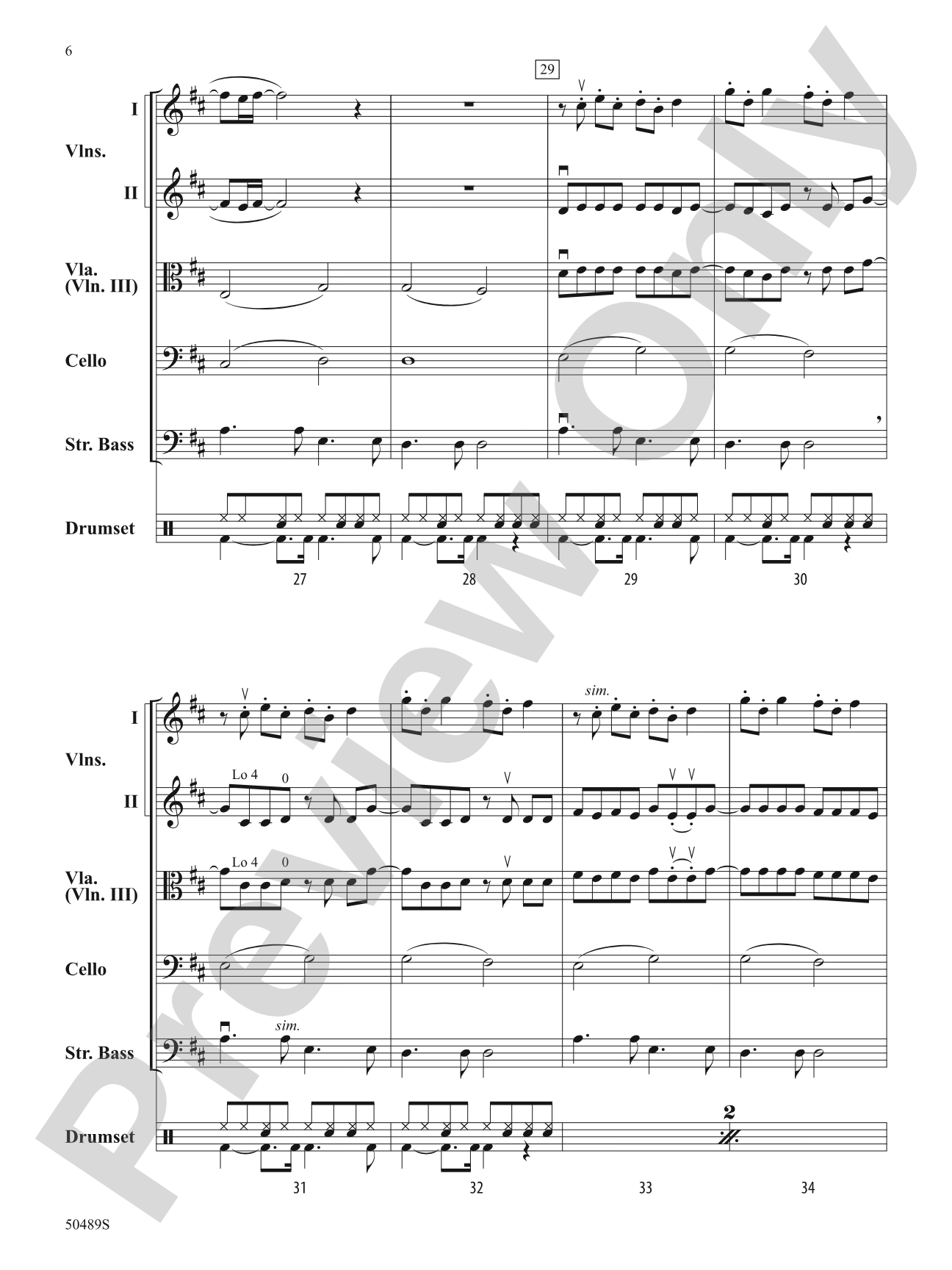
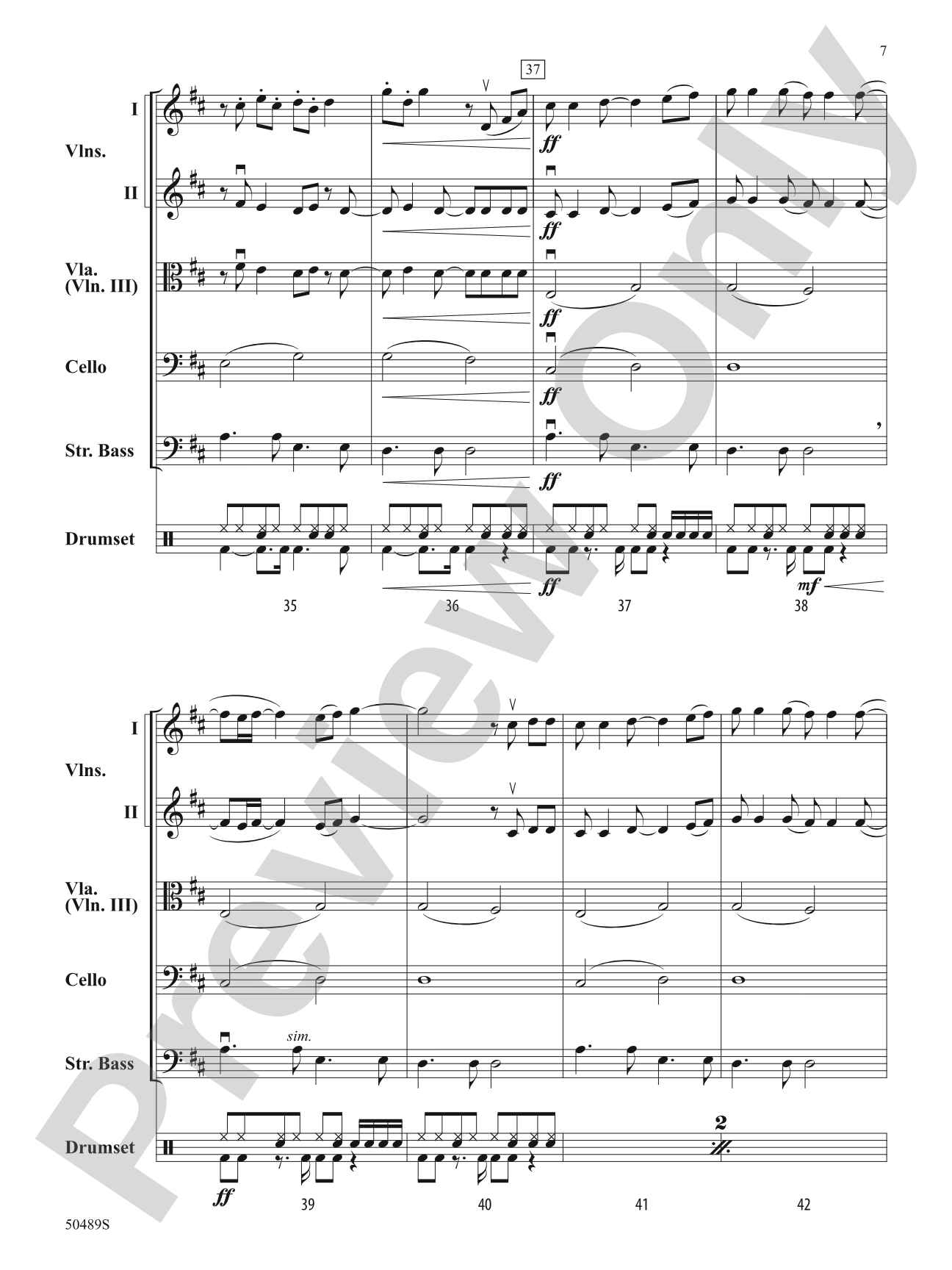
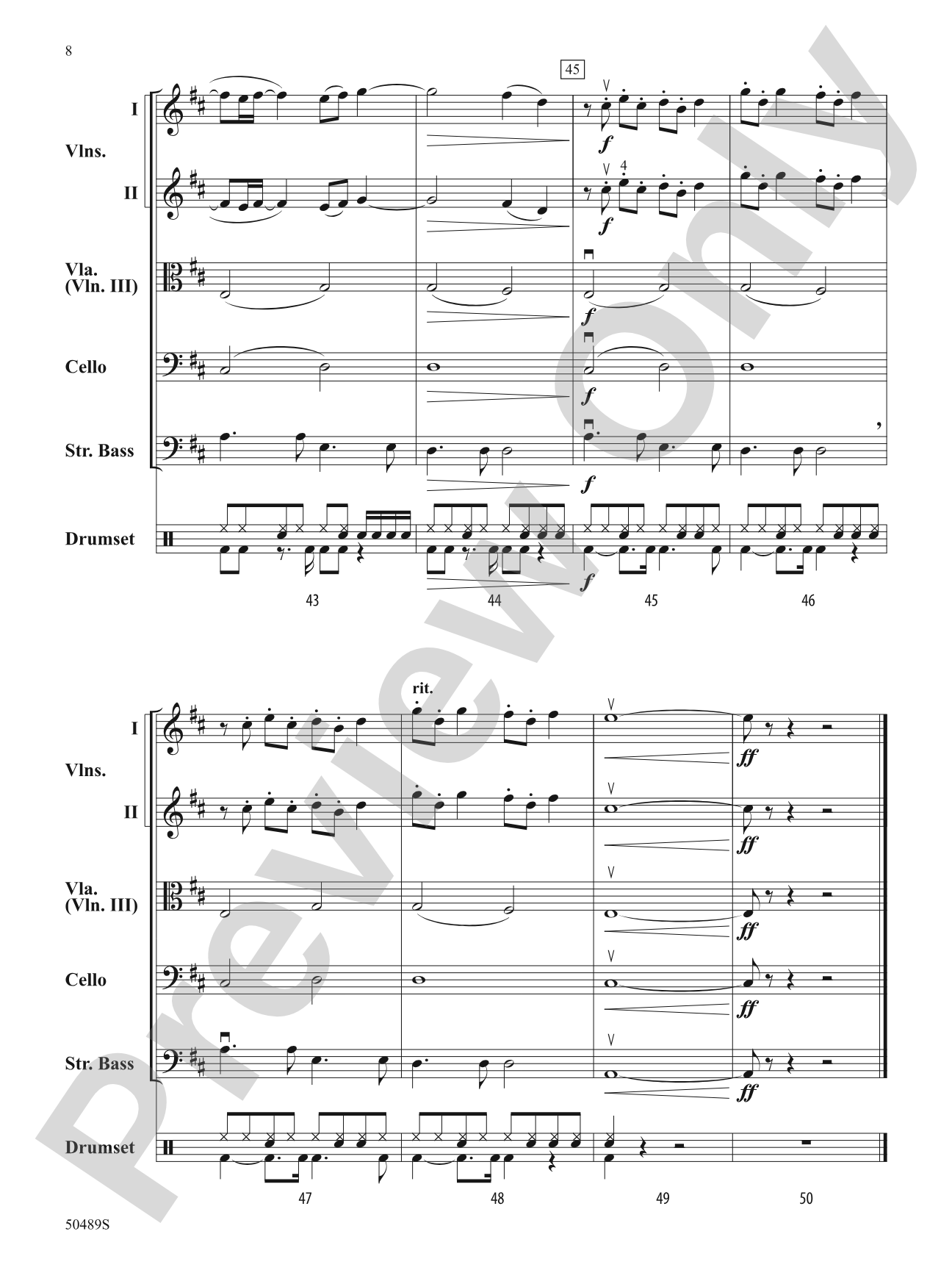

Bitter Sweet Symphony: String Orchestra Conductor Score & Parts
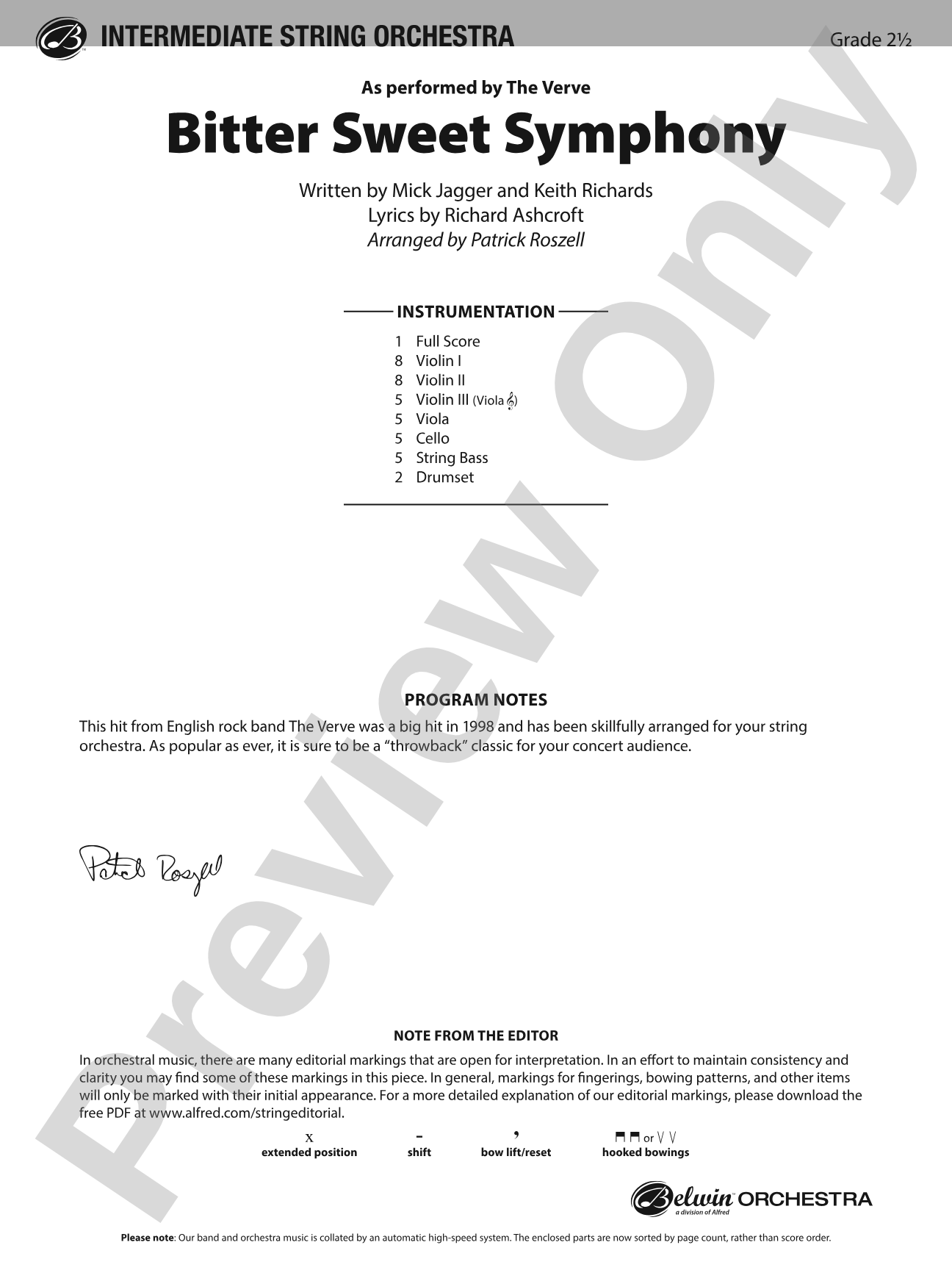
Written by Mick Jagger and Keith Richards, lyrics by Richard Ashcroft / arr. Patrick Roszell
Grade: 2.5
Item: 00-PK-0009367
$65.00
Pickup currently not available
Buy Extra Parts (Digital PDF Download)
| Product | Price | Quantity |
|---|---|---|
| Bitter Sweet Symphony: Score | $12.00 | |
| Bitter Sweet Symphony: 1st Violin | $3.00 | |
| Bitter Sweet Symphony: 2nd Violin | $3.00 | |
| Bitter Sweet Symphony: 3rd Violin (Viola [TC]) | $3.00 | |
| Bitter Sweet Symphony: Viola | $3.00 | |
| Bitter Sweet Symphony: Cello | $3.00 | |
| Bitter Sweet Symphony: String Bass | $3.00 | |
| Bitter Sweet Symphony: Drums | $3.00 |
Parts Added to Cart!
Related Items
Bitter Sweet Symphony: Concert Band Conductor Score & Parts |
$75.00
|
View | |
Bitter Sweet Symphony: String Orchestra Conductor Score & Parts |
$65.00
|
View | |
Bitter Sweet Symphony: HybridNOW String Orchestra Conductor Score & Parts |
$65.00
|
View | |
Bitter Sweet Symphony: String Orchestra Conductor Score |
$12.00
|
View | |
Bitter Sweet Symphony: Concert Band Conductor Score & Parts |
$75.00
|
View | |
Bitter Sweet Symphony: HybridNOW Concert Band Conductor Score & Parts |
$75.00
|
View | |
Bitter Sweet Symphony: Concert Band Conductor Score |
$12.00
|
View |
Description
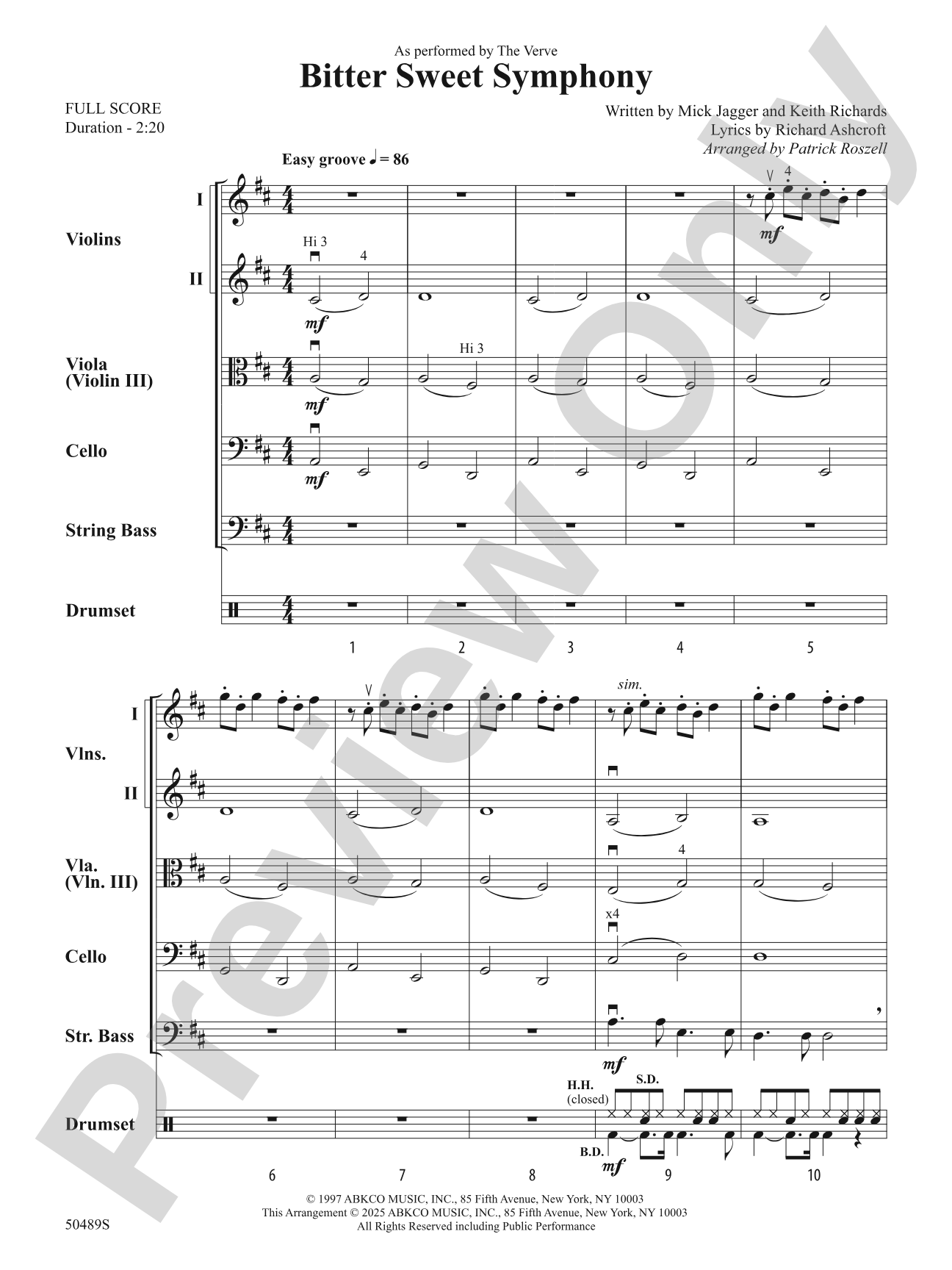
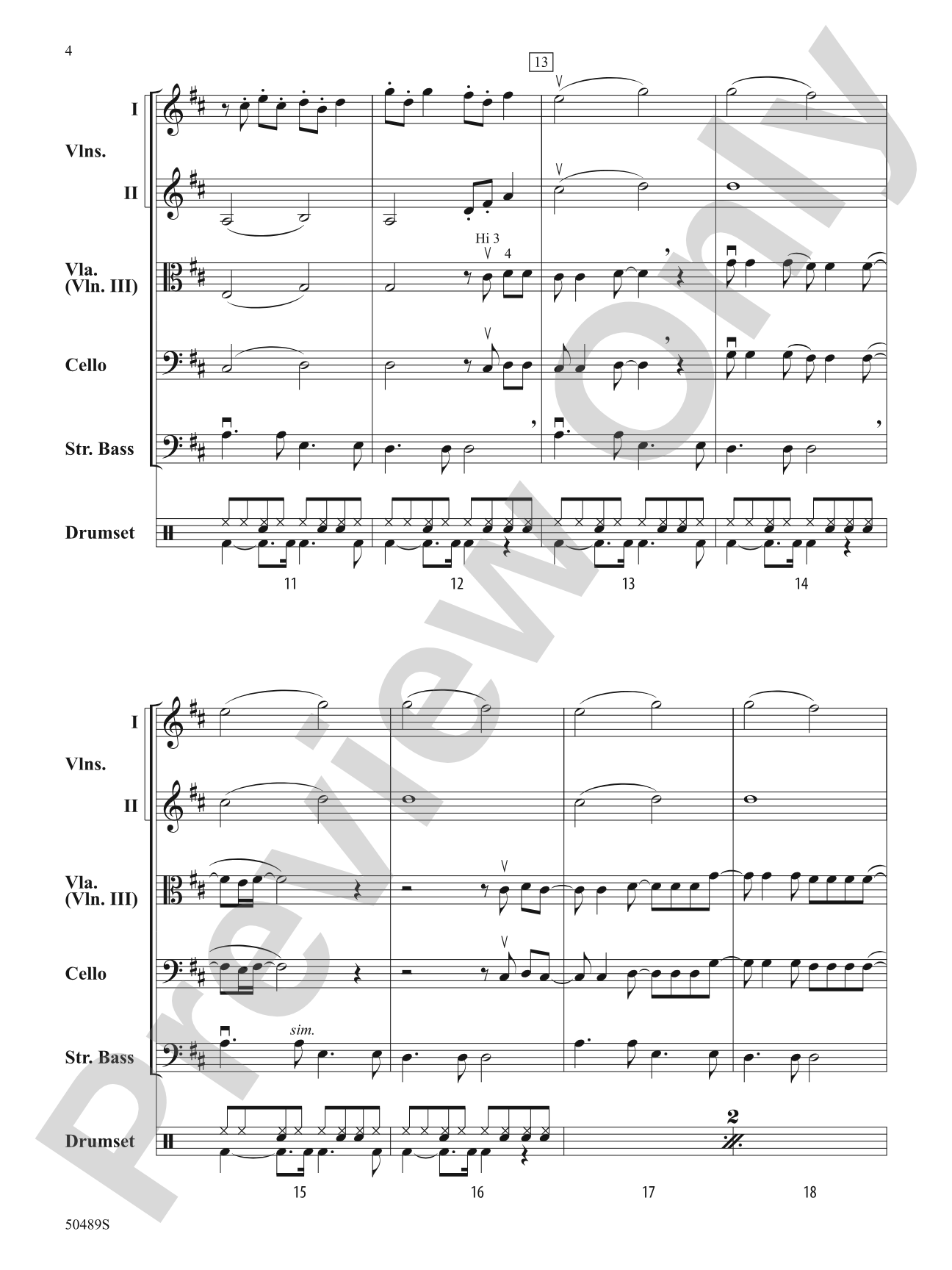
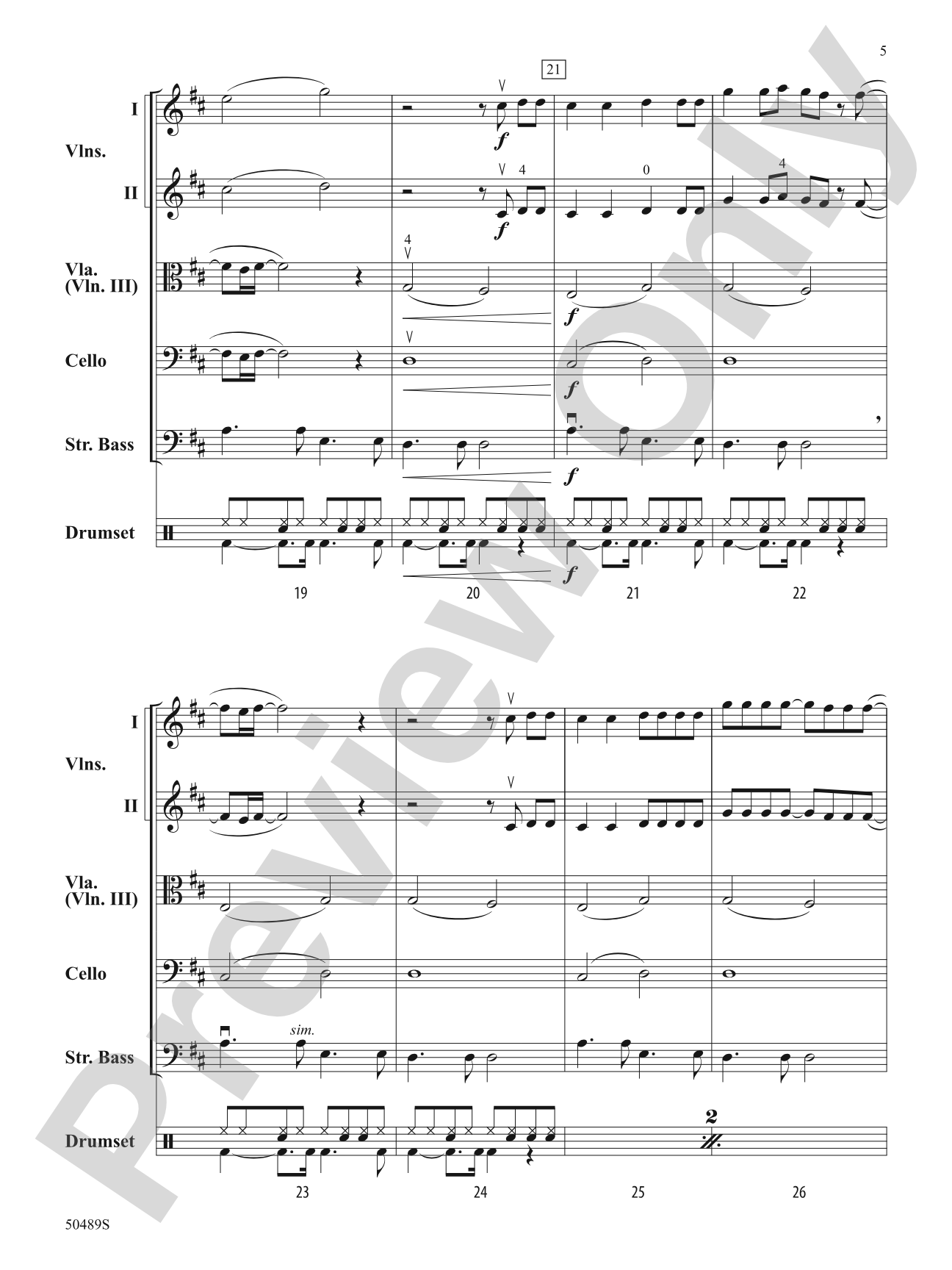
This hit from English rock band The Verve was a big hit in 1998 has been skillfully arranged by Patrick Roszell for your string orchestra. As popular as ever, it is sure to be a "throwback" classic for your concert audience.


Bitter Sweet Symphony: String Orchestra Conductor Score & Parts isn't in MakeMusic Cloud just yet...but it could be. Let us know you'd like to see it, and you'll help shape what comes next. In the meantime, start a free trial and dive into thousands of interactive titles your students can play along with today.
Request This Title
Tell us you want it.
Start Your Free Trial
Explore everything that's ready to play right now.
Sample Audio
1
Audio File
--:--
0:00
0:00
Sample Video
Additional Details
Series:
Belwin Pop Intermediate String Orchestra
Publisher:
Alfred Music
SKU:
00-PK-0009367
More about this title
About the Composer: Mick Jagger
Mick Jagger emerged as one of rock music's most distinctive performers and songwriters during the 1960s as the lead vocalist of The Rolling Stones. His ability to craft memorable melodies alongside Keith Richards has produced some of the most enduring songs in popular music, songs that continue to resonate across generations and musical contexts.
Why we love this
This arrangement gives string orchestras access to a song that genuinely connects with your audience. Patrick Roszell has crafted an arrangement that preserves the emotional arc of the original while sitting comfortably at Grade 2.5, making it accessible without sacrificing the song's signature melancholic beauty.
What to expect
The arrangement carries the original's introspective quality, built on a foundation of sustained strings that feel almost orchestral in their depth. There's an ache to it, minor-key melancholy wrapped in accessibility, the kind of sound that makes you sit a little straighter in your seat.
Who it's for
String orchestras working at intermediate levels who want to program contemporary music that feels relevant and emotionally grounded. This arrangement appeals equally to student musicians developing their expressive playing and to audiences who recognize and love the original.
How to get the most out of it
- Shape the melodic phrases with subtle dynamic swells rather than abrupt changes; the song's power lies in its restraint and gradual emotional build.
- Balance the lower strings carefully so they support without drowning out the primary melody; keep them sensitive and responsive to the upper voices.
- Allow time for the arrangement to breathe at key moments; resist the urge to rush through quieter sections.
- Use the recorded accompaniment as a rehearsal reference to lock in the harmonic progression and phrasing conventions of the original.
How to use it
Program this as a concert centerpiece or closing number where you want to shift the emotional temperature of your program. It works particularly well in a set that balances classical repertoire with contemporary selections, or as a bridge piece between more formal works and audience favorites.
Skills your students will build
- Sustaining long melodic lines with consistent tone and intonation
- Balancing harmonic textures where multiple voices carry equal weight
- Responding to subtle dynamic shaping and musical phrasing
- Performing familiar pop music through a classical ensemble lens
- Maintaining ensemble cohesion across different register groupings