


Bingo: Concert Band Conductor Score & Parts
Traditional / arr. Paul Cook
Grade: 0.5 (Very Easy)
Item: 00-PK-0006256

$46.00
Pickup currently not available
Buy Extra Parts (Digital PDF Download)
| Product | Price | Quantity |
|---|---|---|
| Bingo: Score | $8.00 | |
| Bingo: Flute | $3.00 | |
| Bingo: Oboe | $3.00 | |
| Bingo: 1st B-flat Clarinet | $3.00 | |
| Bingo: B-flat Bass Clarinet | $3.00 | |
| Bingo: E-flat Alto Saxophone | $3.00 | |
| Bingo: B-flat Tenor Saxophone | $3.00 | |
| Bingo: E-flat Baritone Saxophone | $3.00 | |
| Bingo: 1st B-flat Trumpet | $3.00 | |
| Bingo: 1st F Horn | $3.00 | |
| Bingo: 1st Trombone | $3.00 | |
| Bingo: Baritone T.C. | $3.00 | |
| Bingo: Tuba | $3.00 | |
| Bingo: Mallets | $3.00 | |
| Bingo: 1st Percussion | $3.00 | |
| Bingo: Timpani | $3.00 |
Parts Added to Cart!
Description
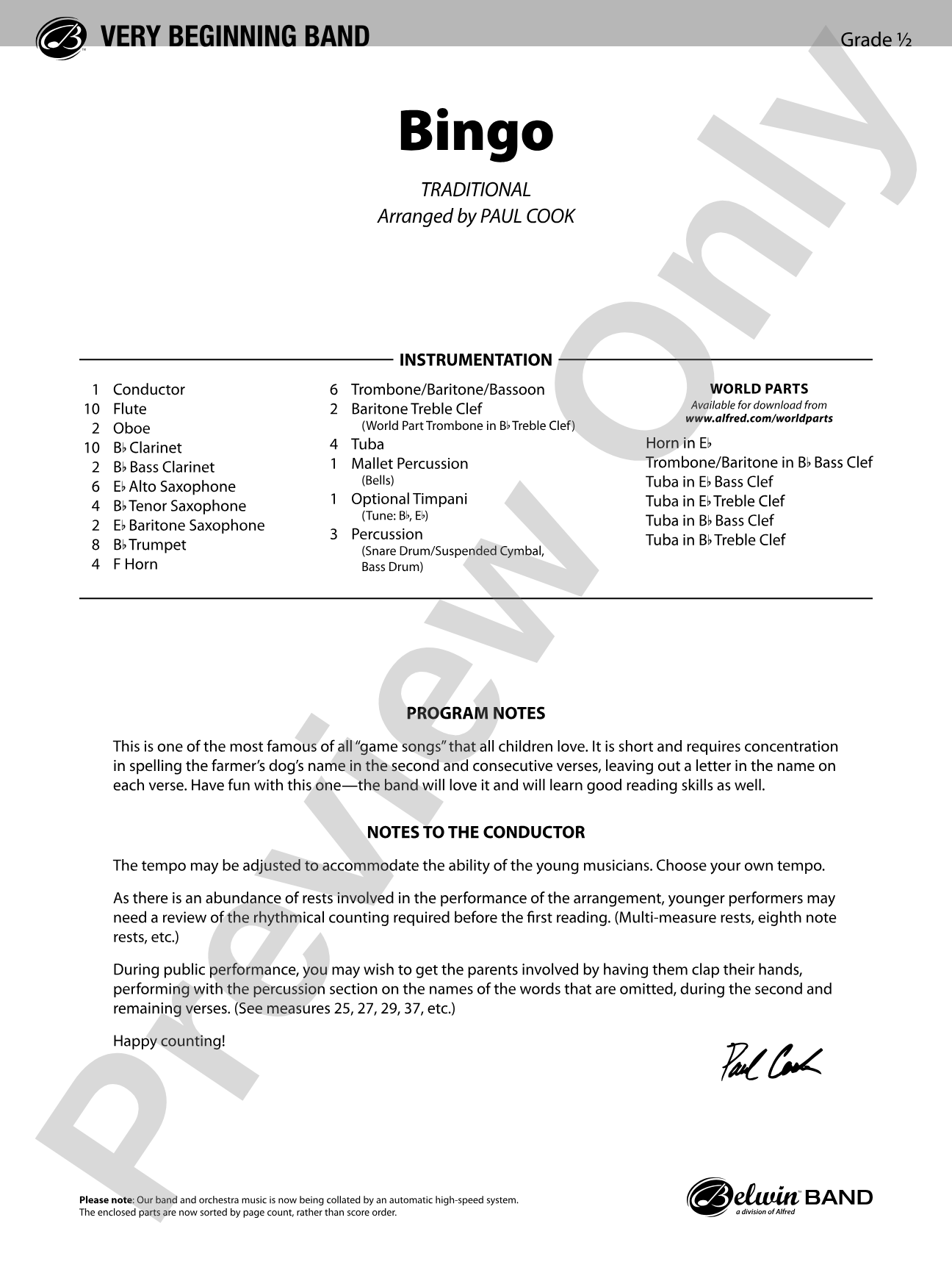
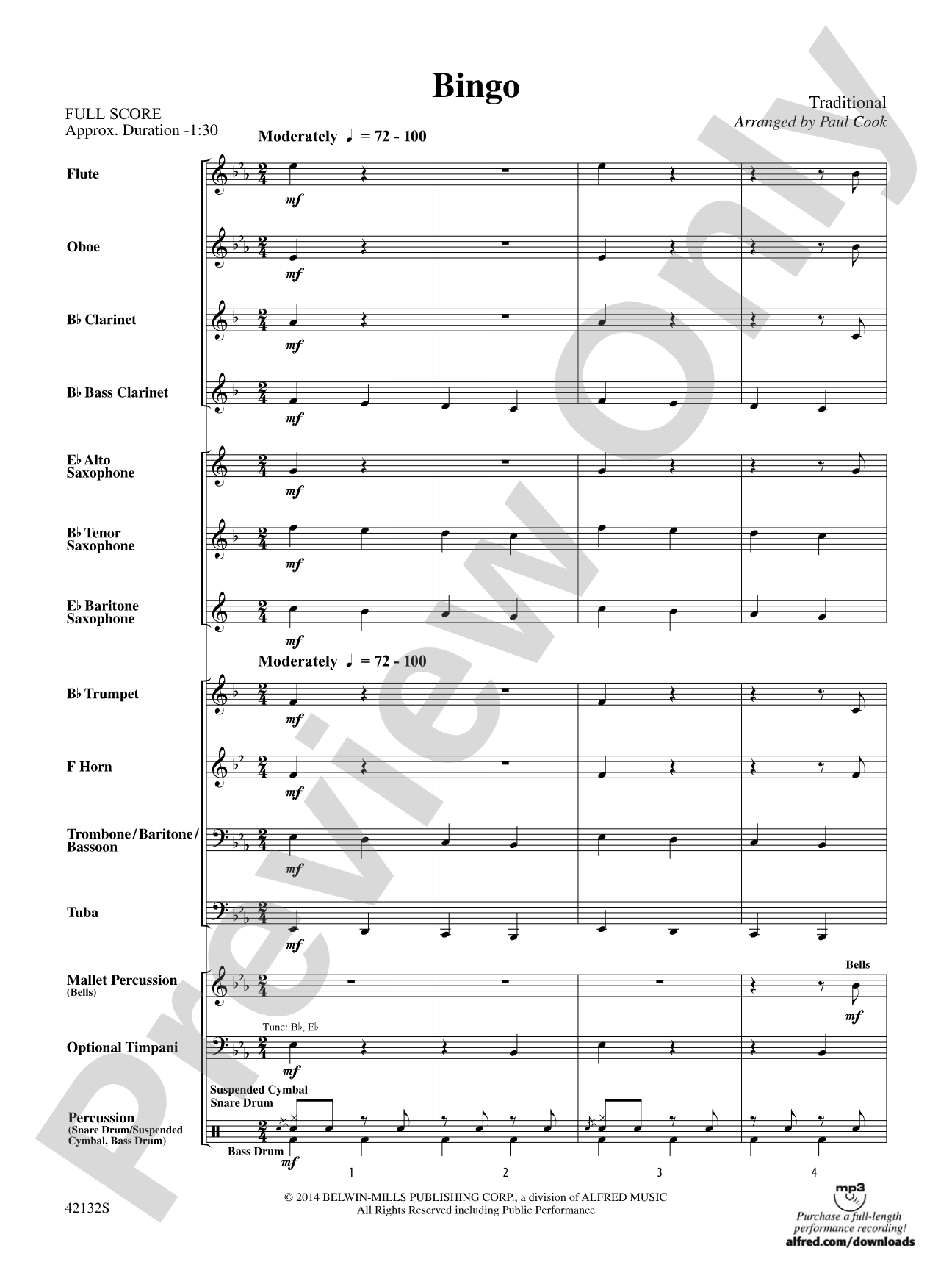
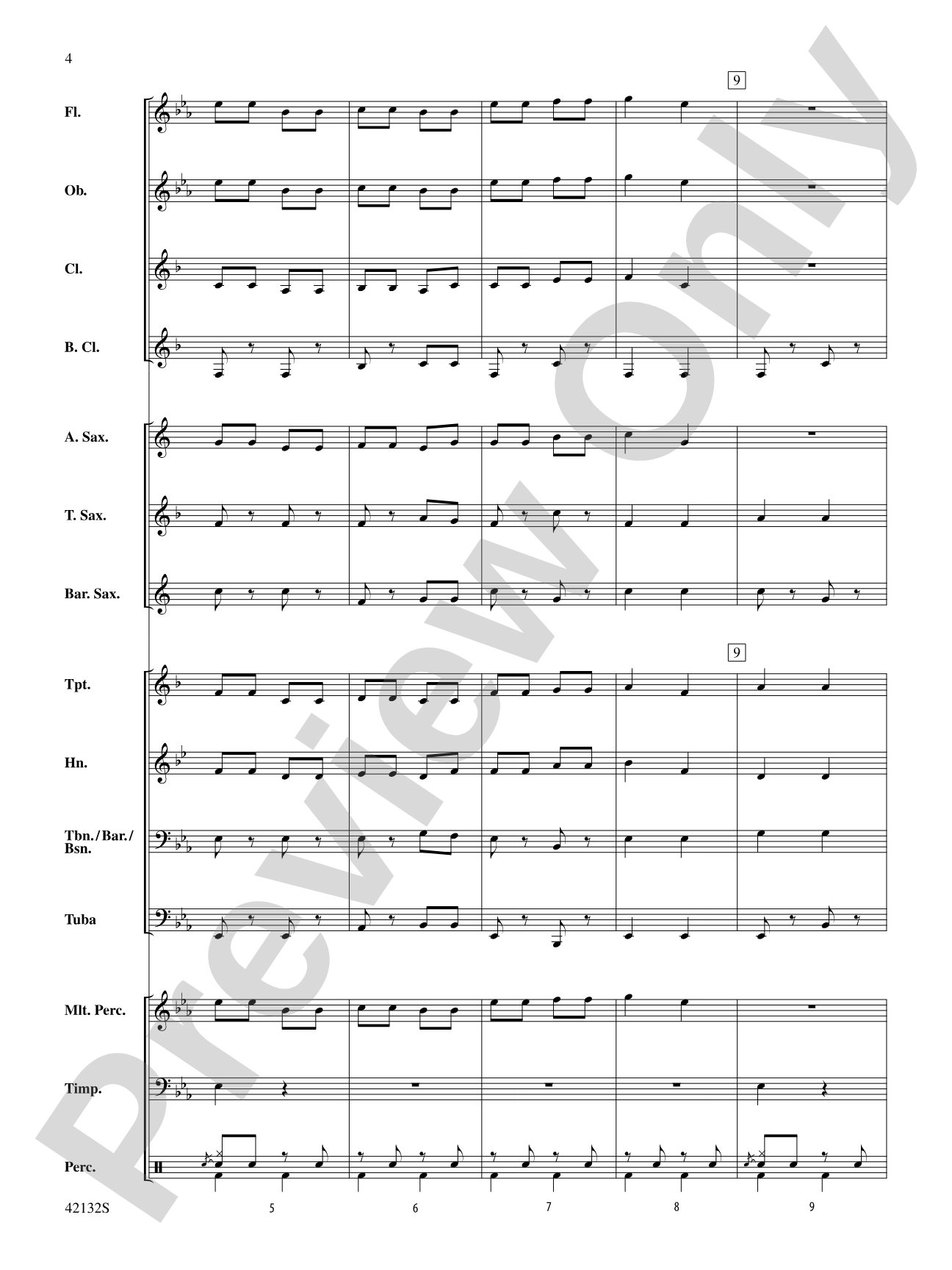
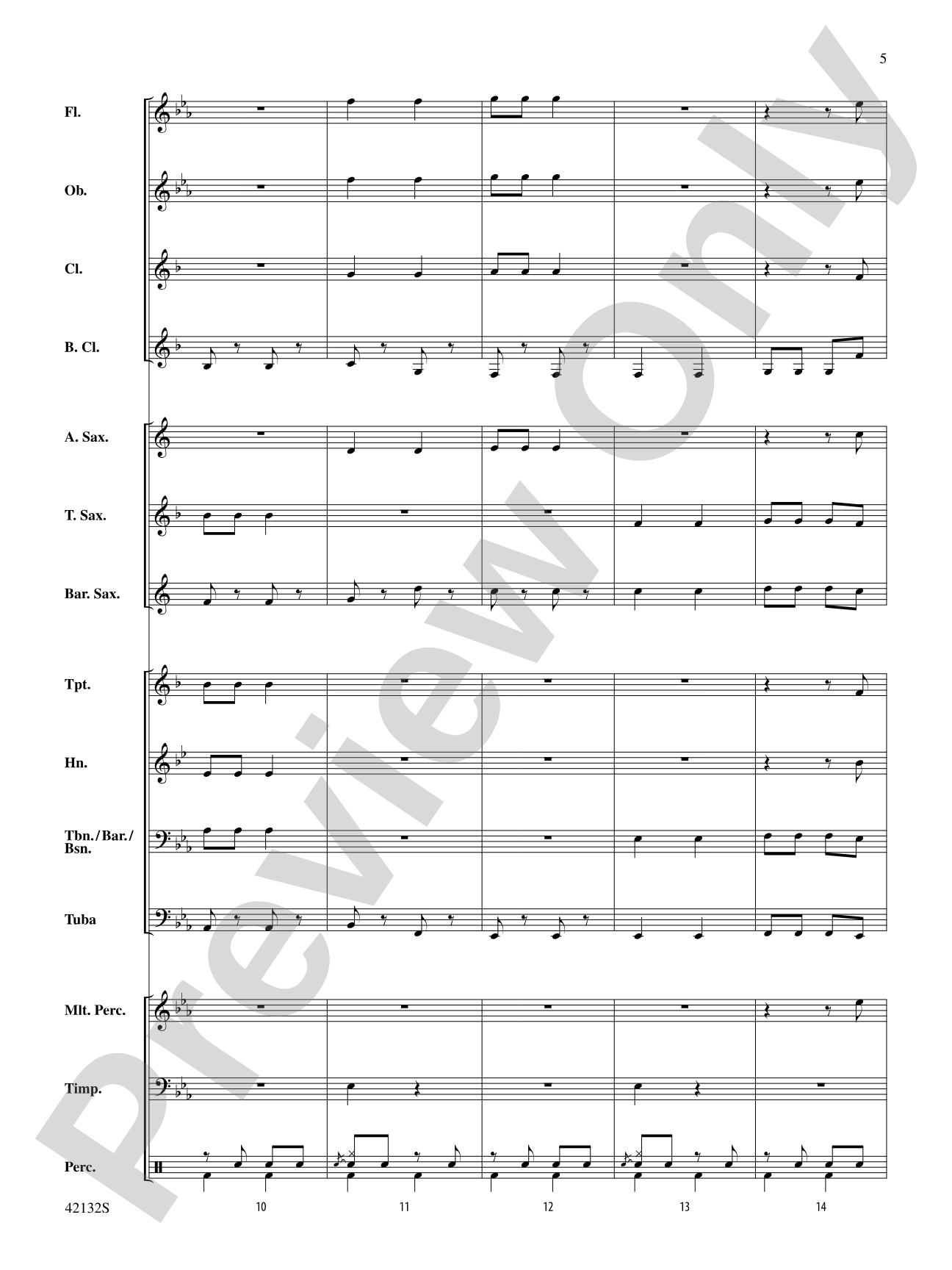
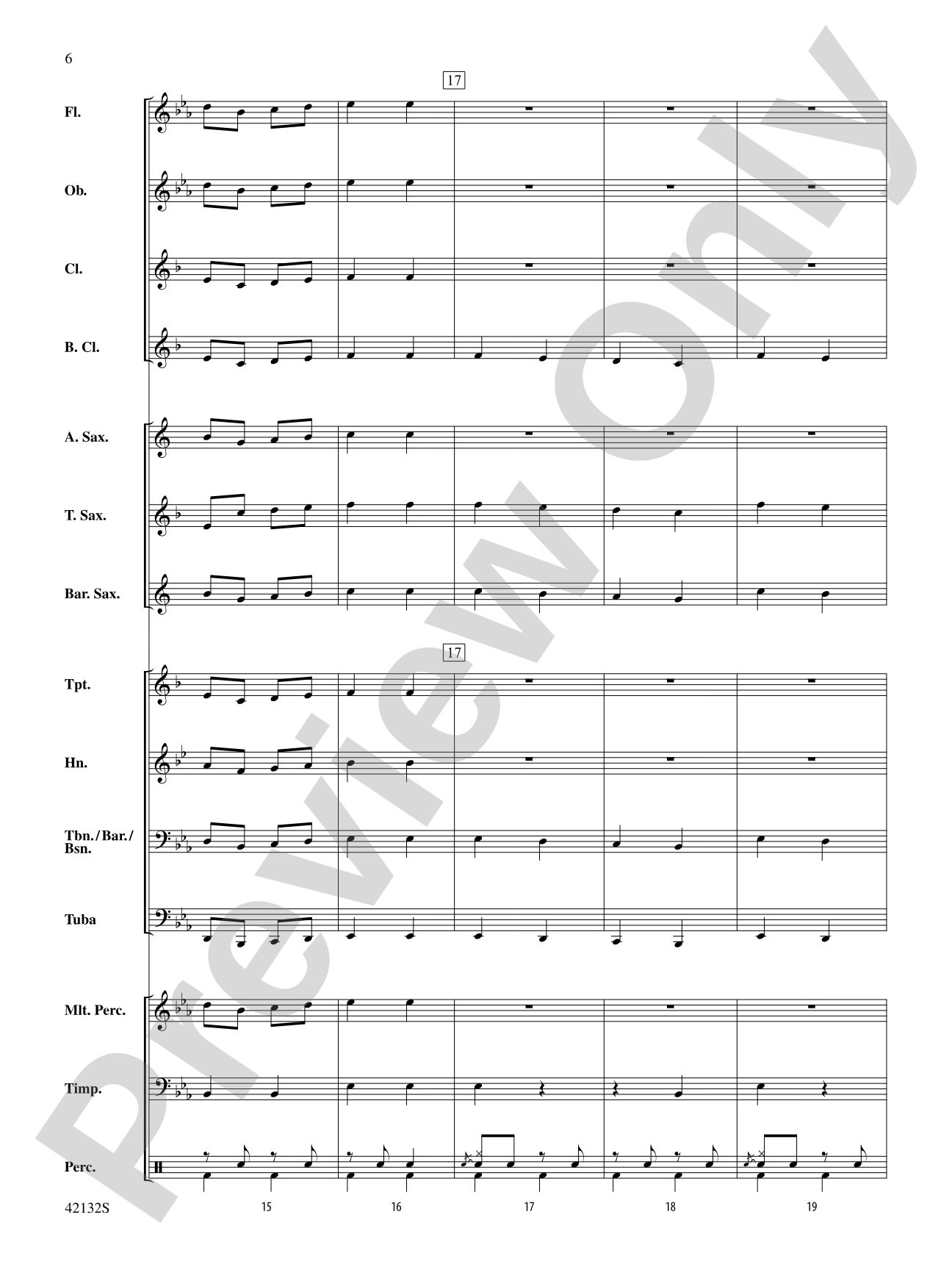
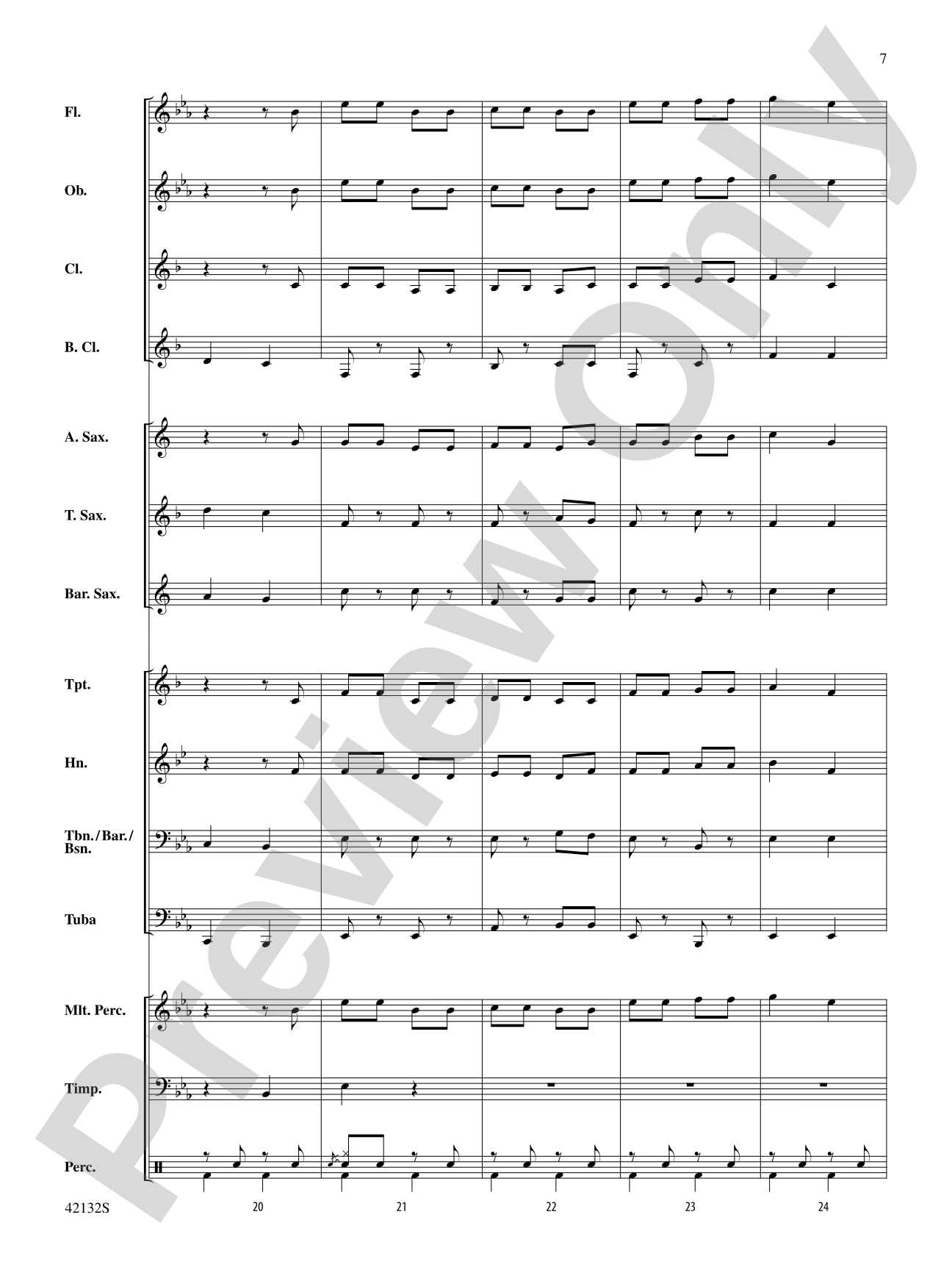
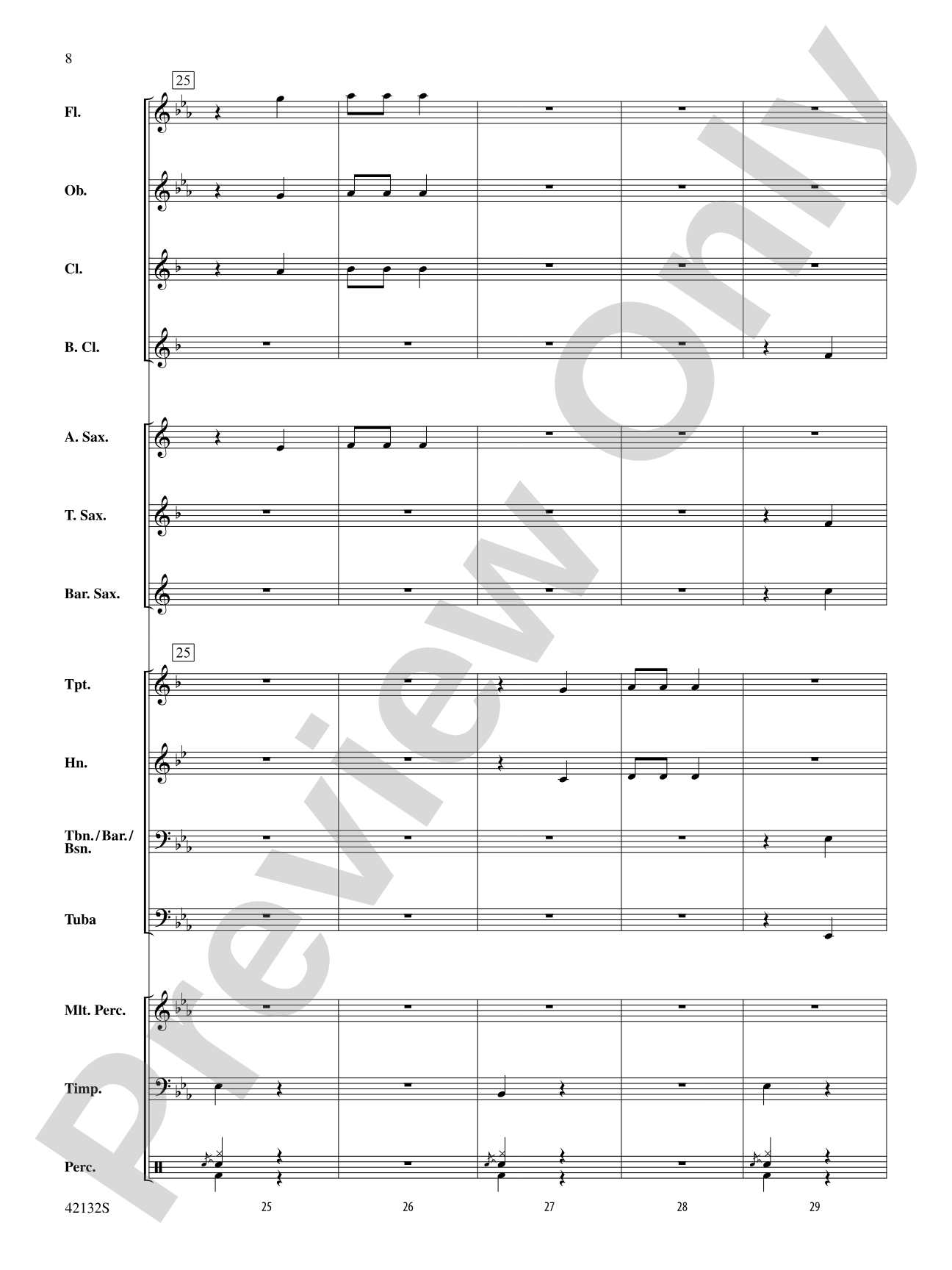
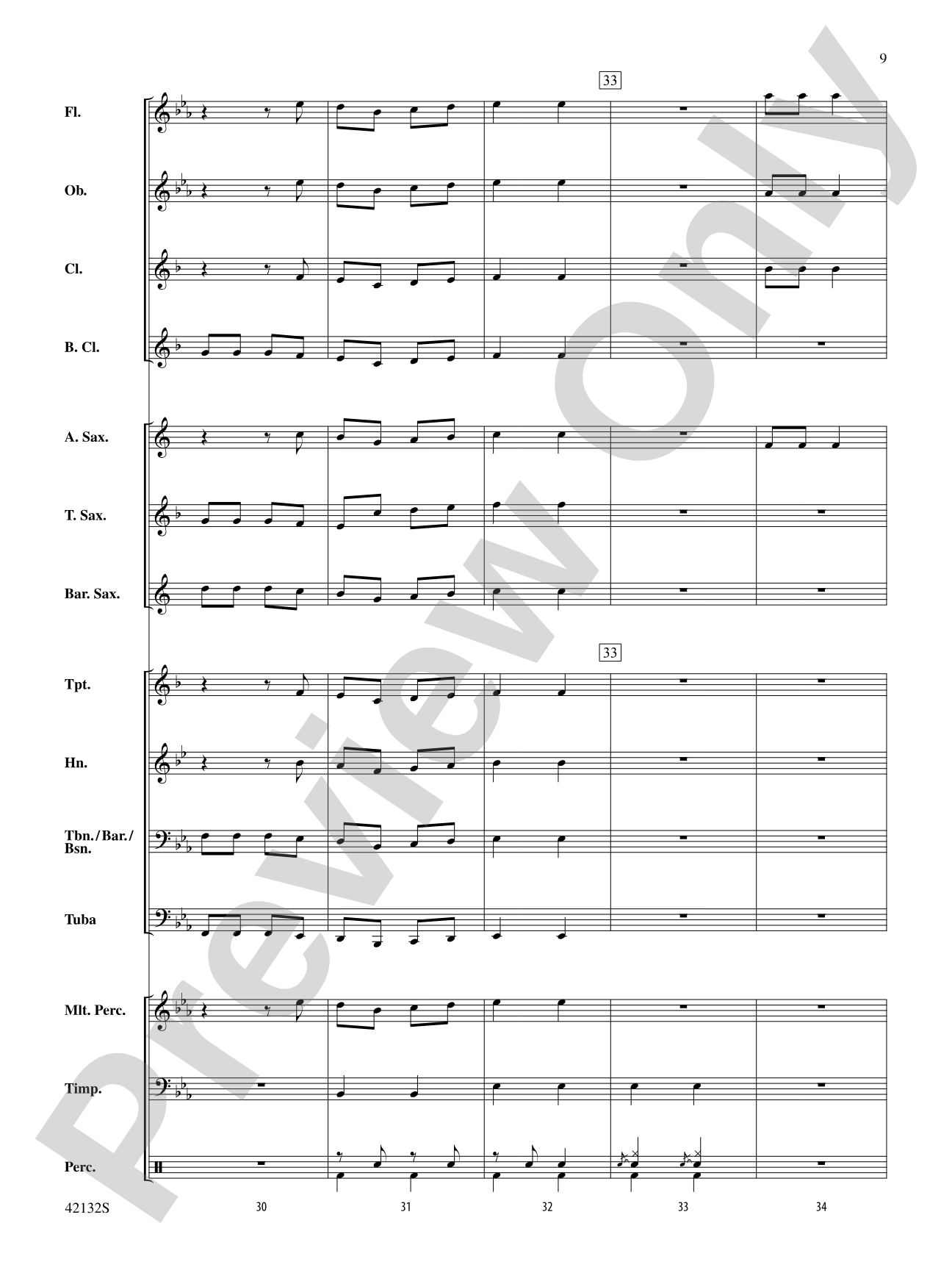
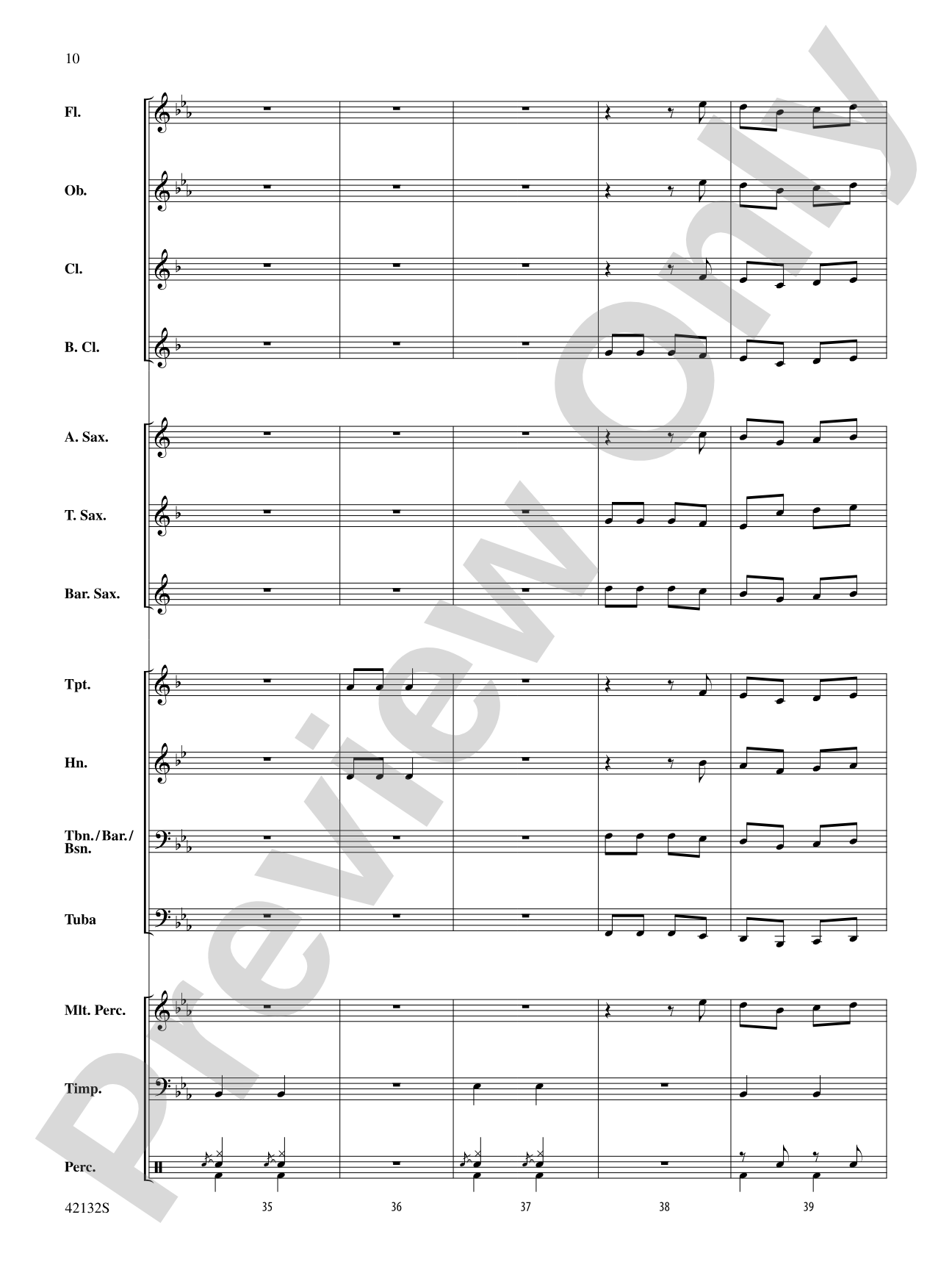
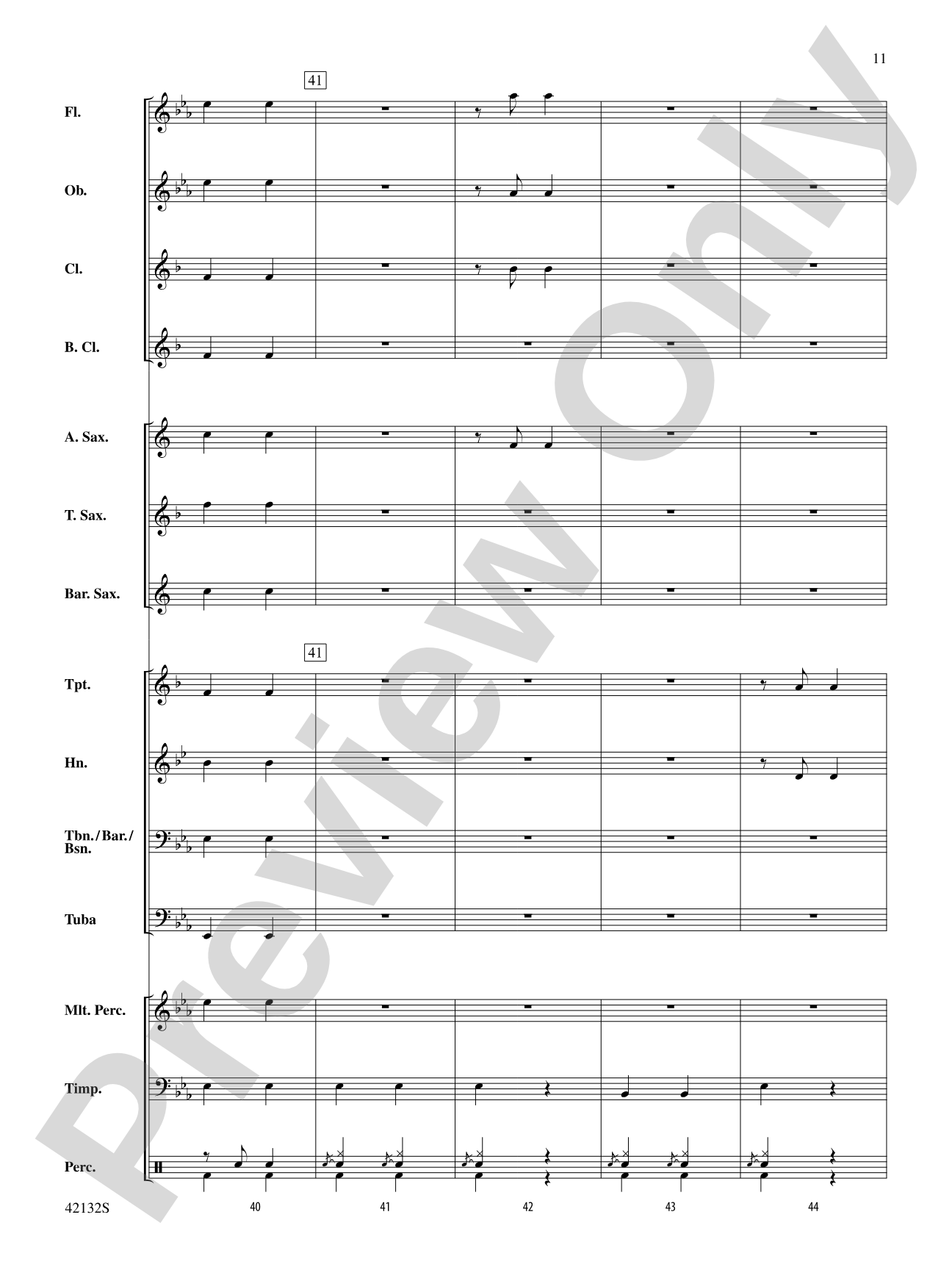
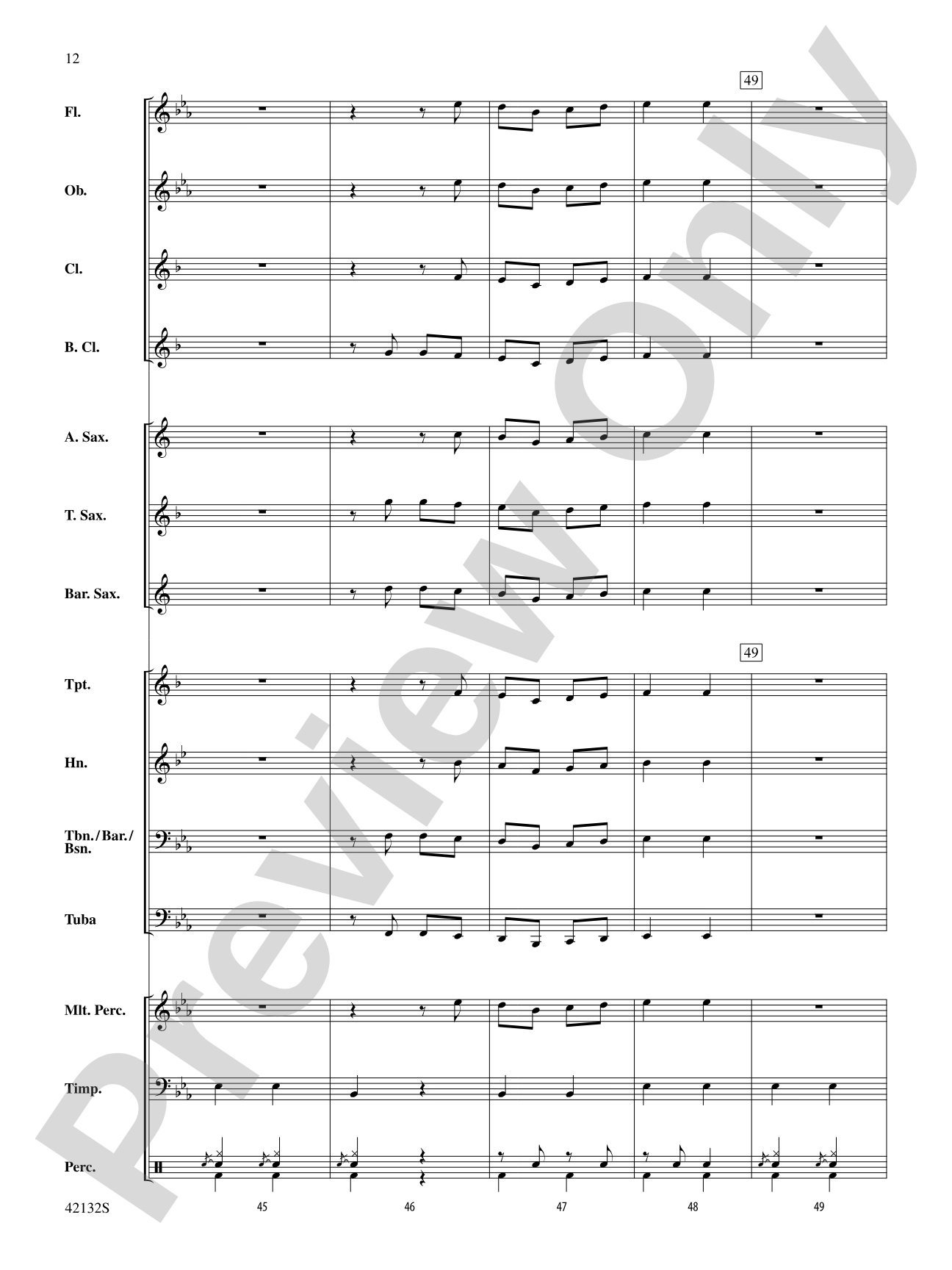
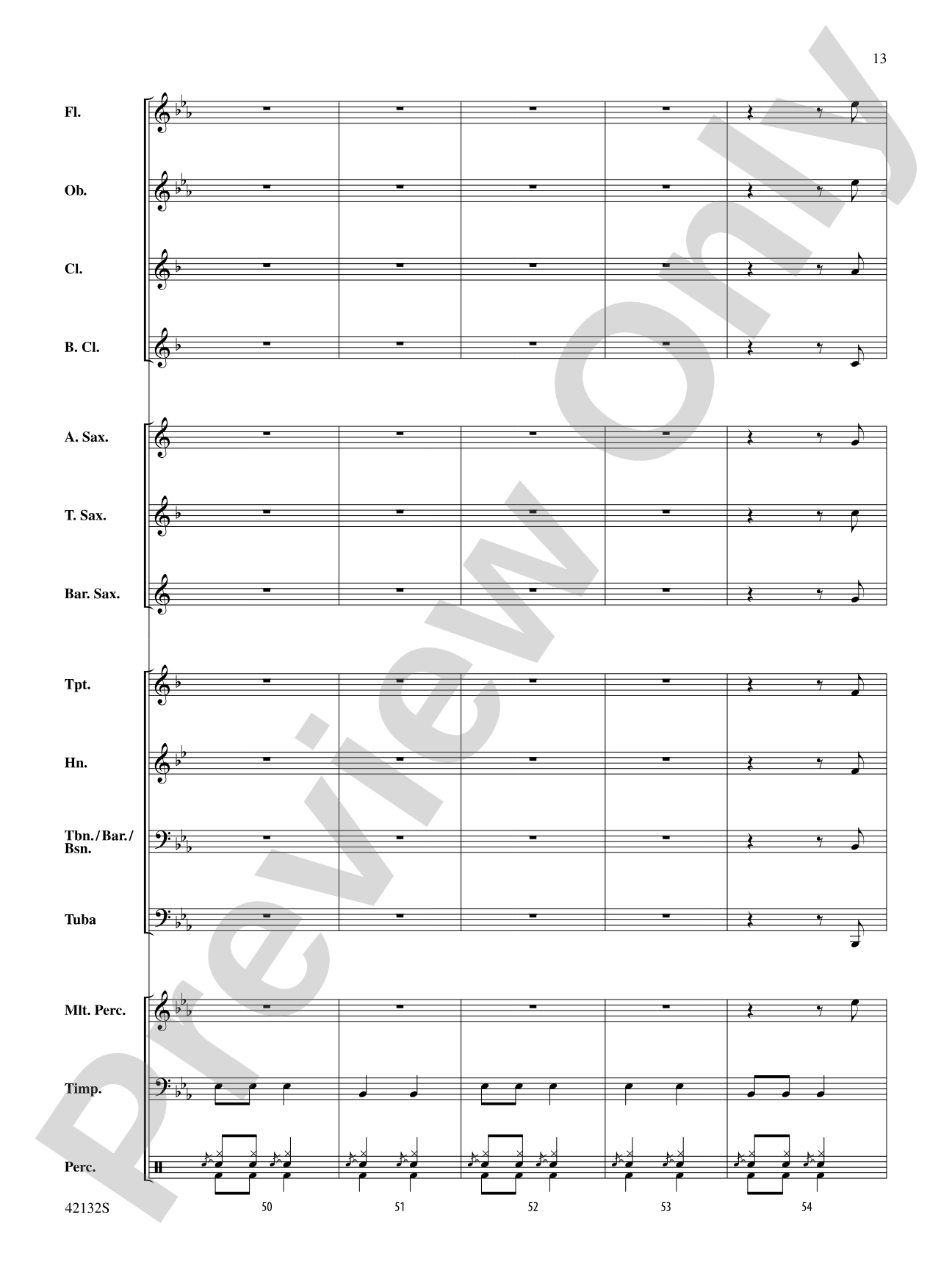
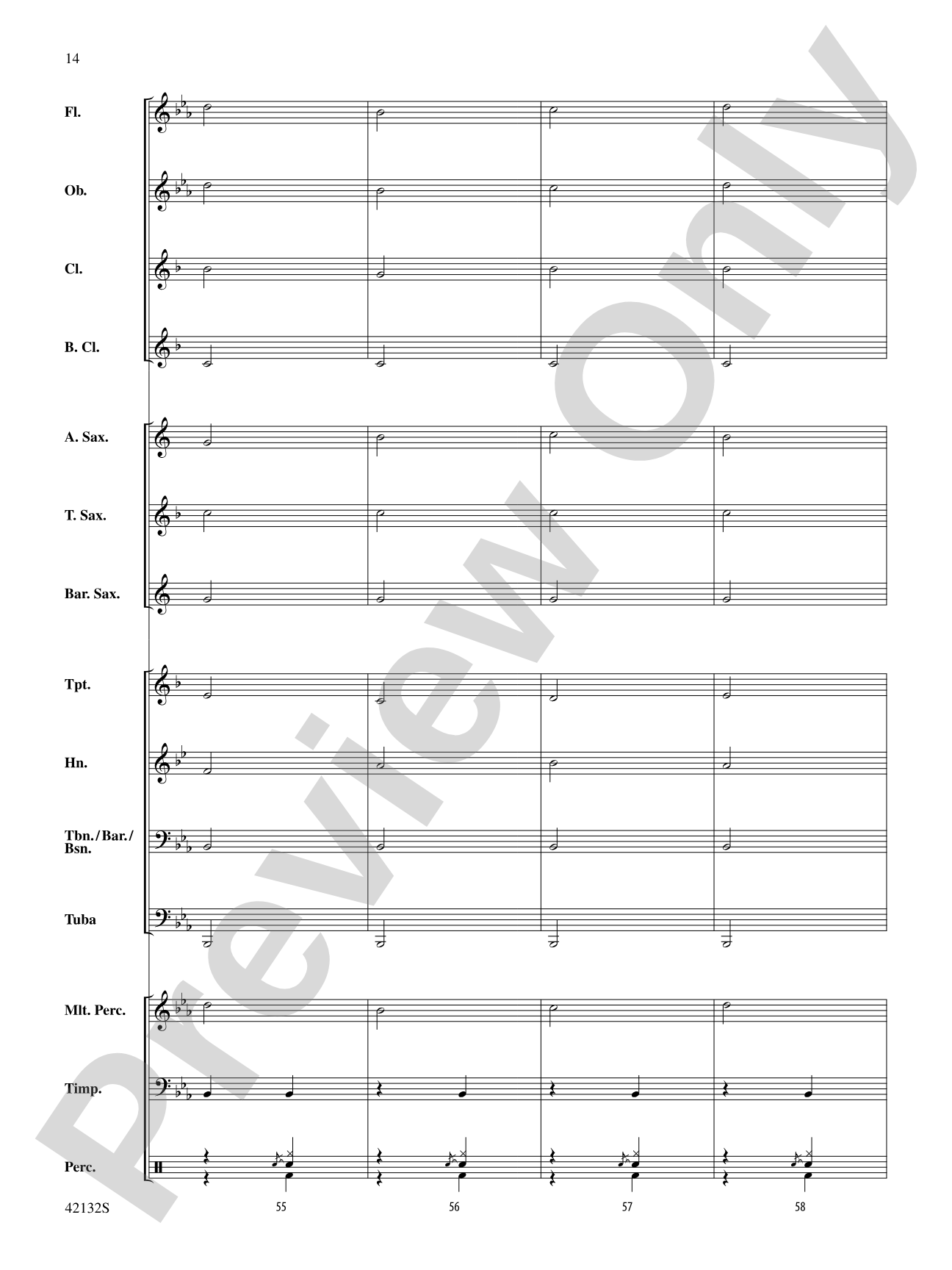
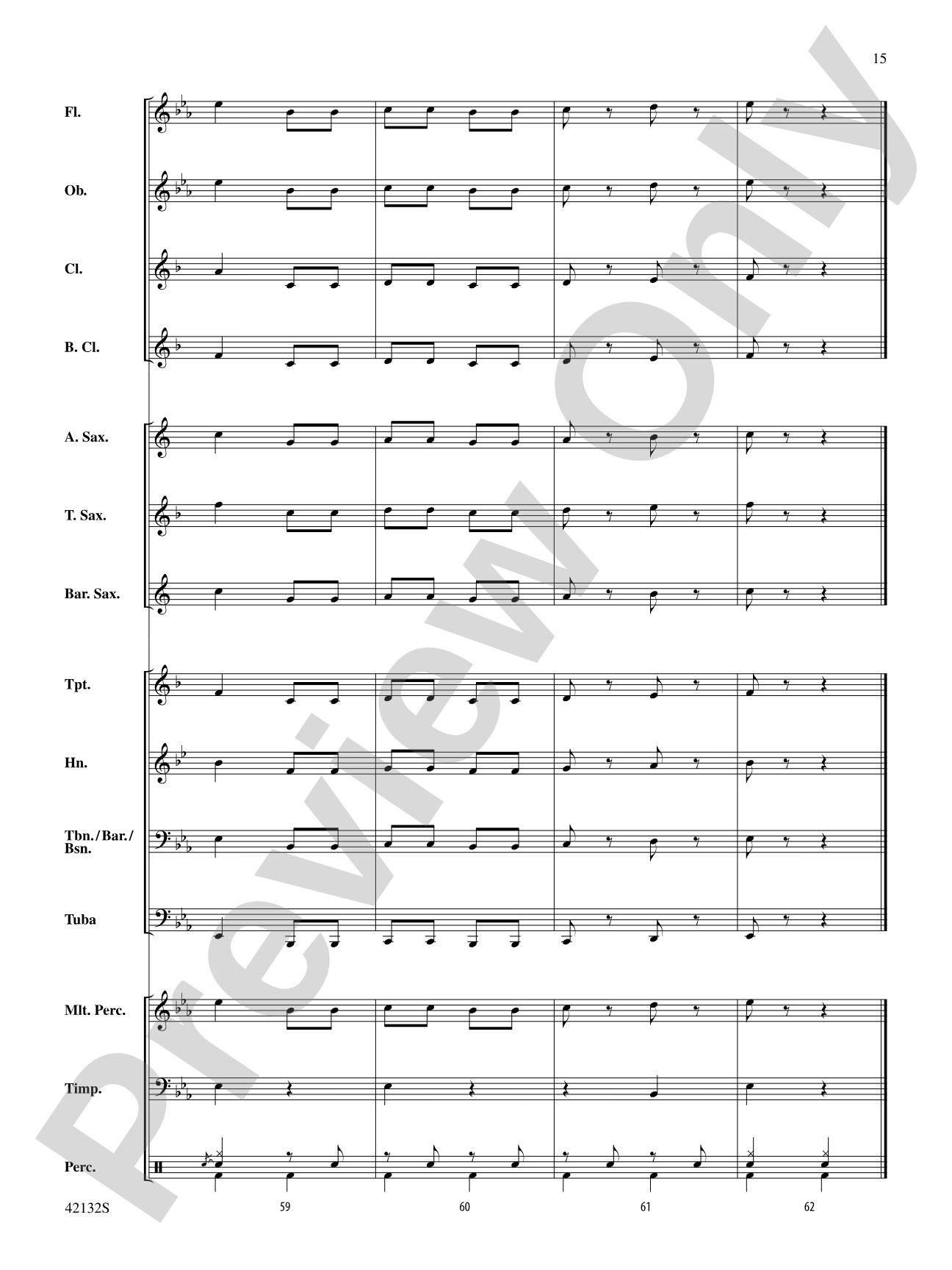
This is one familiar tune that you can really count on! This multi-generational game song will be a superb opportunity to reinforce the teaching of rests. Technically easily within the ability level of your first year students, they'll have to keep their thinking caps on and not play on the shifting rests. (1:30) This title is available in MakeMusic Cloud.


Don't just read it, hear it, play along with it, and watch your students grow with it. In MakeMusic Cloud, Bingo: Concert Band Conductor Score & Parts comes alive with professional accompaniment, adjustable tempo, and built-in practice tools that turn solo practice into real progress.
Open in the Player
Jump straight in and assign it today.
Start Your Free Trial
Open this title and explore the full library in minutes.
Sample Audio
1
Audio File
--:--
0:00
0:00
Sample Video
No sample videos found.
Additional Details
Series:
Belwin Very Beginning Band
Publisher:
Alfred Music
Page Count:
126
SKU:
00-PK-0006256
More about this title
Why we love this
Paul Cook's arrangement strips away nothing essential from the original tune while focusing the ensemble's attention on a single, powerful pedagogical goal: mastering rests. The shifting rest patterns force students to track their own voice independently, sharpening their score-reading and attention span in ways that straightforward rhythmic exercises cannot match.
What to expect
Familiar and playful, with the undercurrent of a puzzle to solve. The melody moves at a comfortable pace, and students feel the satisfaction of nailing the rest patterns once they've mastered them. By performance time, the piece feels effortless and celebratory.
Who it's for
First year concert band students who are still building foundational skills in rhythm, pulse, and part independence. The arrangement rewards players who can read a score carefully while keeping them musically engaged with a tune every student knows.
How to get the most out of it
- Mark the rests in your own score with a bright highlighter or colored pencil before rehearsal so students can spot them instantly. Call out the rest measures by number during the first read-through.
- Have students tap their feet or count aloud during rests rather than falling silent. This keeps their internal pulse steady and prevents the common mistake of drifting back in when they come back in.
- Isolate each section's rest patterns in separate rehearsals before running the full score. Clarinet, saxophone, and trumpet parts have different rest locations, and sectional work prevents the domino effect of one section throwing off another.
- Record a quick conductor's click track for rehearsal use so students can internalize the pulse without relying on you to maintain tempo. This builds confidence before the actual performance.
How to use it
Schedule this early in the rehearsal season (September or October) when you're still establishing ensemble habits and score-reading discipline. It pairs well with a concert built around accessible, high-engagement repertoire for audiences of all ages. The one-and-a-half minute runtime makes it ideal for community concerts, school assemblies, or festival programs where you need variety in tempo and style.
Skills your students will build
- Reading and respecting rests within a continuous ensemble texture
- Maintaining pulse independently during rests
- Score tracking across multiple instrumental parts
- Listening to other voices while managing their own part
- Confidence in playing a recognizable melody