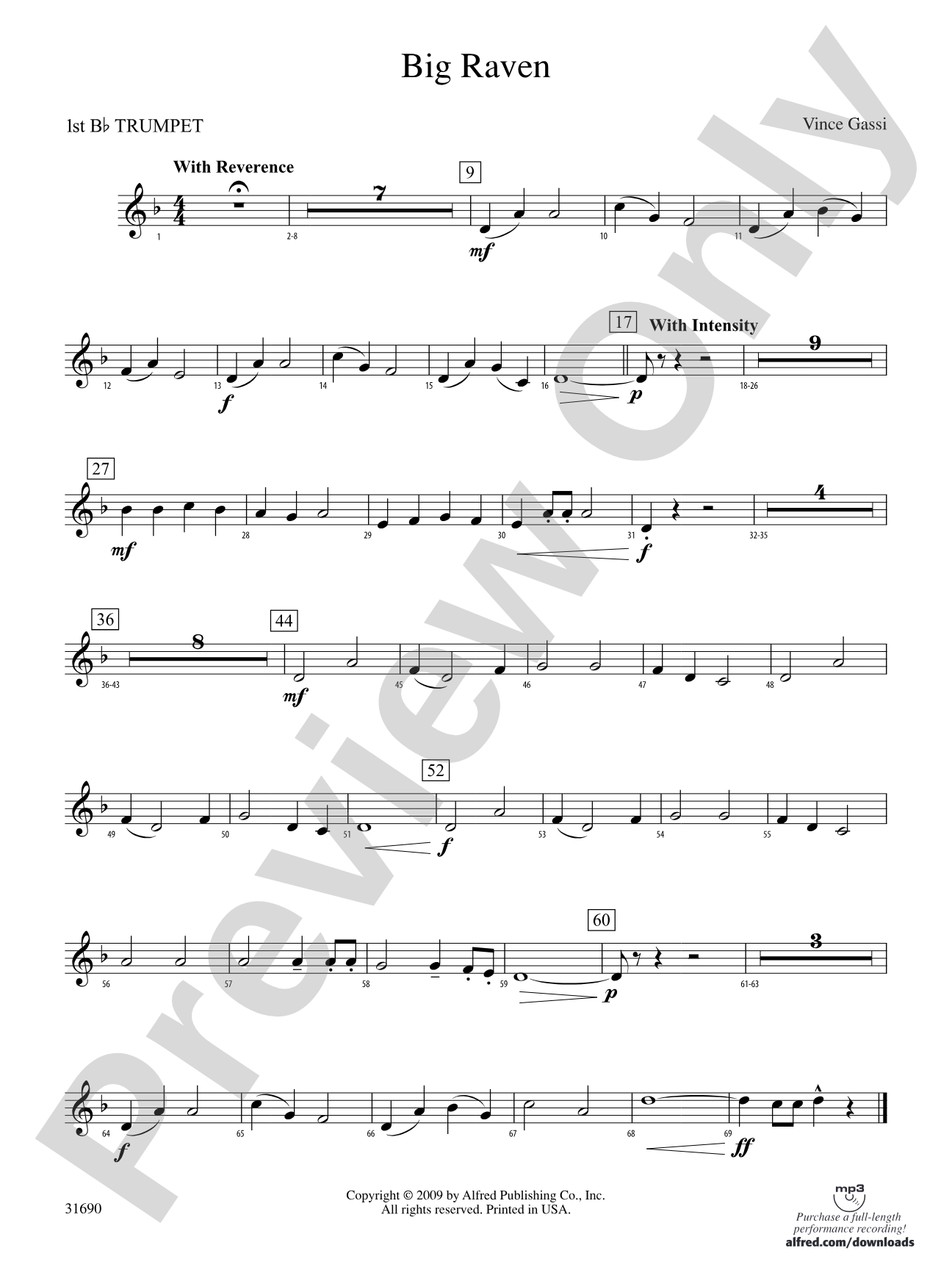
Big Raven: 1st B-flat Trumpet Sheet Music Preview

Big Raven: 1st B-flat Trumpet

By Vince Gassi

Grade: 1.5 (Easy)

Item: 00-PC-0014854_T1

Digital Download
$3.00
Description
Big Raven takes its inspiration from a painting by Canadian artist, Emily Carr. It was commissioned for the official opening of Emily Carr Public School in Oakville, Canada. Haunting forest sounds set the mood for a moving and reflective work.

Don't just read it, hear it, play along with it, and watch your students grow with it. In MakeMusic Cloud, Big Raven: 1st B-flat Trumpet comes alive with professional accompaniment, adjustable tempo, and built-in practice tools that turn solo practice into real progress.

Sample Audio
0:00
0:00
Sample Video
Additional Details
Series: Challenger Band Series
Publisher: Alfred Music
Page Count: 124
SKU: 00-PC-0014854_T1

More about this title

About the Composer: Vince Gassi

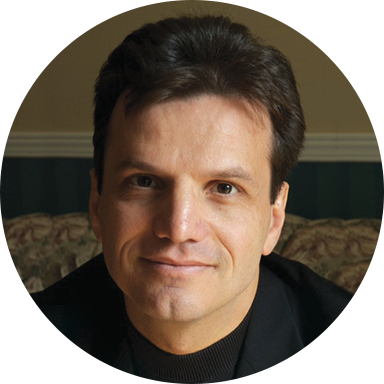
Vince Gassi

Vince Gassi has been composing for Alfred Music since 2006, building a catalog of over 100 published works that balance accessibility with musical substance. He earned his Bachelor of Music from the University of Western Ontario, later refined his craft at the Dick Grove School of Music in Los Angeles, and completed a Ph.D. at York University in Toronto. His quarter-century of teaching instrumental music at the elementary and secondary levels informs every piece he writes.

Gassi is a frequent guest conductor, adjudicator, and clinician across the United States and Canada. His workshops on creative engagement and digital workflows have become resources for music directors seeking to deepen student involvement in the compositional and performance process. His works appear regularly on concert and festival programs internationally, and his pieces have been recorded and performed throughout North America, Europe, and Japan.

Why we love this

Big Raven demonstrates Gassi's gift for creating atmospheric, emotionally resonant writing that doesn't demand technical virtuosity to land powerfully. The Grade 1.5 scoring ensures your ensemble can execute the musical intent while building interpretive maturity, and the orchestration captures those haunting forest textures without overcomplicating the parts. This is repertoire that reminds students why they play.

What to expect

Big Raven evokes stillness and introspection, with forest sounds creating an immersive acoustic landscape. The writing feels spacious and unhurried, allowing moments of silence and subtle color to carry as much weight as the melodic passages. It's contemplative without being dark, moving without demanding drama.

Who it's for

This work suits concert bands at the middle school through early high school level who are ready to explore interpretive and programmatic playing. It's equally effective as a concert centerpiece or festival selection for ensembles looking to program thoughtful, accessible music that connects to visual and natural inspiration.

How to get the most out of it

  • Shape the phrasing around the painting's mood rather than mechanical phrasing patterns. Let the forest soundscape guide your breath and rubato.
  • Balance the textural layers carefully so accompaniment figures support but never overwhelm the primary melodic voice.
  • Encourage consistent, controlled tone in the lower sections; they establish the reflective foundation everything else rests on.
  • Rehearse transitions between sections slowly to ensure the emotional throughline stays intact as the texture evolves.

How to use it

Open a concert with this piece to establish an artistic, focused tone for the evening, or pair it with other commissioned or locally inspired works to celebrate community connection. The Grade 1.5 level makes it an ideal bridge piece when you're building ensemble maturity and want to emphasize musicality over technical demands.

Skills your students will build

  • Sustaining long phrases with attention to tone quality and dynamic control
  • Blending and balancing within a transparent texture
  • Responding to programmatic and visual imagery in music
  • Maintaining ensemble cohesion through slower tempi and sparse accompaniment patterns
  • Interpreting rubato and phrasing in reflective writing

You May Also Like